A Place to Stay: Local groups strive, strain to meet demand for shelter as cold, pandemic take toll


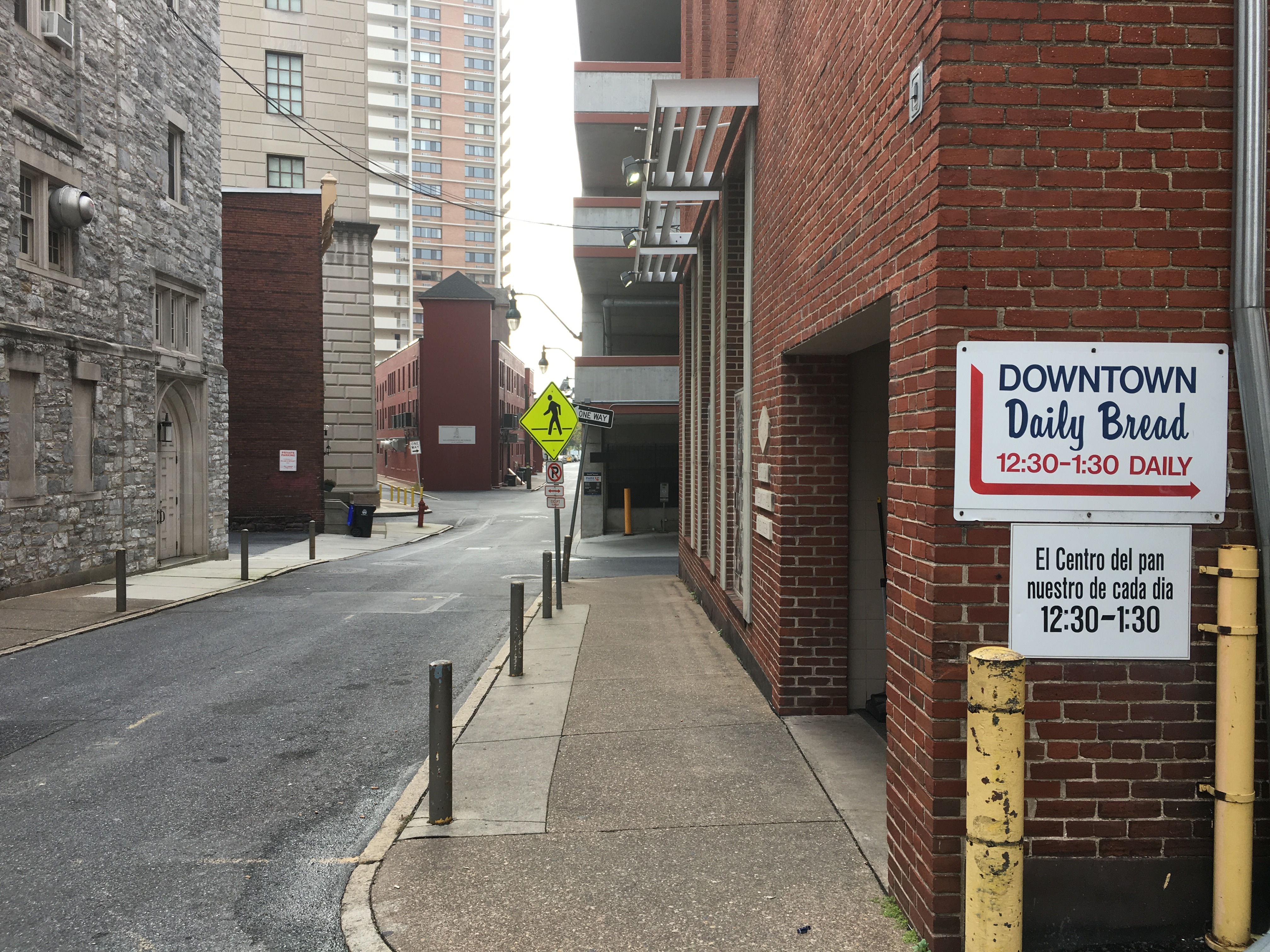
Downtown Daily Bread

Chris Kaiser laid on a cot in Downtown Daily Bread mid-morning on Tuesday, while outside the temperature hovered around 30 degrees.

That was mild compared to the even colder weather that has gripped Harrisburg so far this year.

Kaiser has spent many of his days and most nights this winter escaping the cold at the downtown Harrisburg shelter.

For about 10 years, off and on, he has had to make this decision come winter—stay outside and bundle up, or seek shelter. In his younger years, he would sometimes choose the cold, being influenced negatively by those in his social circle. He got in trouble a lot, he said. But now he’s pushing 50 and suffers from chronic obstructive pulmonary disease (COPD).

“It’s pretty rough out there,” he said. “As you get older, it takes a toll on your body.”

Every night, from November through March, no more than 40 men file into Downtown Daily Bread’s winter overnight shelter to claim a cot.

Some are chronically homeless. Others are temporarily seeking shelter, and some are transient, just passing through the city and in need of a place to stay. All are hoping to secure a spot inside, where there is heat.

Darrel Reinford, executive director of Christian Churches United of the Tri-County Area, has seen a greater demand for winter shelter across the city. CCU provides shelter to men, women and non-binary individuals, and, during this cold season, all of their facilities have reached capacity. The organization has also been sheltering people in nearby hotels.

Last year, winter shelters had space to spare, he said. Not this year.

It’s hard for him to pinpoint exactly why shelters are seeing this demand, but he cited an expired federal eviction moratorium and a lack of affordable housing as possible contributors.

The executive director of Downtown Daily Bread, Anne Guenin, has seen a small rise in people seeking shelter at their building this winter. They are usually at capacity, sometimes even forced to turn people away.

In addition to the winter overnight shelter, they hold a year-round day shelter for men and women from 7 a.m. to 3 p.m. (12 p.m. on the weekend). On average, 65 to 75 people will come in during the day to get warm, rest or utilize the center’s services, she said. They also provide breakfast and lunch programs.

Often, people line up outside for the overnight shelter, some waiting from 3 p.m., when the day shelter closes, until 7 p.m., when the night shelter opens.

For the first time, Downtown Daily Bread opened its winter shelter in November instead of December this year, to offer people an additional month out of the cold. It was full from the beginning, Guenin said.

But with a full shelter comes challenges. Downtown Daily Bread has experienced staffing shortages and felt the effect of COVID, as many of those who the shelter helps aren’t vaccinated, Guenin said.

“It’s hard being open this long every day,” she said. “It’s a strain on everybody.”

Bethesda Mission also has felt the effects of COVID on its services. According to Executive Director Scott Dunwoody, each time the men’s shelter, which provides longer-term housing, has a COVID outbreak, they lock down. While Bethesda used to also provide emergency shelter to men during extreme weather nights, that program has become another casualty of COVID, as they have paused it as a safety precaution.

This has left even fewer options for those in need of winter shelter.

Guenin said that Downtown Daily Bread tries to make it easy for people to use their services by allowing them to bring in personal belongings. This can often be a barrier that may deter someone from entering other shelters. They provide lockers for people in need of a space to keep their things, run a mail service and offer showers.

But still, coming to the shelter isn’t for everyone.

Some people with large tent set-ups and makeshift homes don’t want to leave their belongings unsupervised outside. Others may not want to part with their significant other for the night, Guenin said. Many have mental illnesses and choose to remain outside.

To help people living on the streets,, Downtown Daily Bread conducts outreach, bringing warm clothing, tarps, sleeping bags and water, among other items, to them.

Guenin heard recently about a man who was sleeping along the Susquehanna riverfront and went to the hospital twice this month for hypothermia.

“I walk my dog with gloves on, and my fingertips are freezing,” Guenin said. “I cannot imagine what they go through. I don’t know how they do it.”

For those who decide to come inside, they’ll not only be greeted with warmth, but with staff willing to help them.

Kaiser has been working with the counselors at Downtown Daily Bread. He’s not sure how long it’ll take to “straighten things out” in his life, but he’s hopeful.

In the meantime, the organization will be there for him, with the heat on.

“We are open, and we are here,” Guenin said.

To learn more about Downtown Daily Bread, visit their website. For more information on Christian Churches United of the Tri-County Area, visit their website. To learn more about Bethesda Mission, visit their website.

If you like what we do, please support our work. Become a Friend of TheBurg!


Continue Reading

New Harrisburg administration proposes 2022 amended budget, significantly lower than last year’s

Harrisburg City Council at a legislative session on Tuesday

With new Harrisburg leadership comes a new way of doing things, and as Mayor Wanda Williams’ team takes office, the budget looks quite different this year.

At a City Council meeting on Tuesday, the new city administration presented its proposed, amended $69.9 million general fund budget for 2022, a $10 million decrease from last year’s spending plan.

There is no proposed property tax increase.

In December, council passed a placeholder general fund budget of $79 million, essentially a replica of the previous year’s budget, with the understanding that the incoming administration likely would reopen the document and make changes.

They certainly did, significantly reducing the budget to allow the city to “live within its means,” according to Dan Hartman, the city’s new business administrator.

Hartman presented the proposed budget along with Marita Kelley, the new director of the Department of Budget and Finance, and Bryan McCutcheon, accounting manager.

“This is a difficult budget,” Hartman said. “It’s a budget of shared sacrifice across city departments. It’s a budget that makes some tough decisions to begin to tackle our remaining fiscal challenges. It’s a budget that will help us transition from COVID and a past of show game budget tricks to a cleaner and easier to understand budget that invests in our future.”

Hartman said that the team worked to cut out “unnecessary” expenditures in the budget, in order to balance it. In last year’s budget, planned expenditures exceeded revenues, he stated.

In this proposed spending plan, the city would have a budget surplus with projected general fund revenue of $72.5 million, including federal American Rescue Plan funds that will recapture the city’s COVID-related expenditures.

According to Hartman, there was no one budget item that would be significantly cut as part of the $10 million budget decrease. Instead, the administration took small amounts from different places that added up, he said.

Some of the cuts came from simply eliminating salaries for positions that were never filled and checking off projects that already had been completed. It also includes reining in the number of outside consulting firms that the city contracts with, he said. Hartman added that his own department’s budget was slashed by ending a contract with lobbying firm Maverick Strategies and by eliminating travel and new equipment funds, among other items.

“It was finding where we could make those cuts that wouldn’t necessarily impact services to the citizens of Harrisburg,” he said.

On the other hand, the proposed budget does increase spending in some areas.

The budget includes increased funds totaling over $5 million for several departments. According to McCutcheon, this would fund an IT system modernization for the city, as well as street light and sign repair/replacement. More money also would go towards vehicle management, the police and fire bureaus and the parks and recreation departments.

Under the proposed budget, all city employees would receive raises, as well. There would be no layoffs.

The budget proposes paying $10.7 million in debt service, some of which includes paying down the city’s remaining $19 million general obligation debt to bond insurer Ambac. Hartman said the city has yet to decide on its plan for paying off the full general obligation debt. However, Williams has expressed interest in paying it off rather than refinancing it, which former mayor Eric Papenfuse pushed for.

Besides the general fund budget, other parts of the 2022 spending plan include a $17 million budget for the neighborhood services fund (sanitation) and $8.9 million for capital projects.

In its budget, the administration plans to use $8.86 million of the city’s American Rescue Plan money as reimbursement for COVID-related expenses and revenue losses. This includes reimbursing the city  for revenue it didn’t receive from the Harrisburg Senators for its lease of the city-owned FNB Field when baseball was shut down. Due to the pandemic, the city also suffered substantial shortfalls from expected parking and mercantile business tax revenues. Reimbursement would also account for expenses from the city’s rent relief and neighborhood stabilization programs, which helped businesses and residents impacted financially by the pandemic.

Hartman said that Harrisburg eventually will create a supplementary budget for funds that it plans to use from its $48.8 million in rescue plan funds. First, the city will begin the public outreach process to hear what residents want to see funds used for. However, Hartman offered some of the administration’s ideas, such as funding the creation of a new health bureau, adding police, fire bureau and public works employees, and enhancing city parks. They plan to hold five public meetings to discuss the funds in the coming months.

Council will further discuss the proposed 2022 budget at three budget hearings on Feb. 8, 9 and 10, each at 5:30 p.m. The first will be focused on the public safety budget, the second on administration, building and housing, and the third on public works, engineering, neighborhood services, parks, recreation and facilities. Council plans to vote on the proposed budget on Feb. 15.

Also at the legislative session, council approved several of Williams’ cabinet appointees. Hartman was voted in as the city’s business administrator, Kelley as director of budget and finance, Nathaniel Spriggs as director of public works and Dennise Hill as director of the Department of Building and Housing Development. Spriggs was appointed by Papenfuse in 2021, and Hill served as interim director of her department previously.

Taking another step towards using its rescue plan funds, council approved a contract with NW Financial Group, LLC for financial advisory services related to Harrisburg’s rescue plan funds.

If you like what we do, please support our work. Become a Friend of TheBurg!


Continue Reading

Scoring a Goal: Local men’s soccer clubs join forces to create new elite team

Members of the advisory board for Hershey FC NPSL and Central Penn United U-23 teams

Local soccer clubs are kicking it up a notch.

Four central Pennsylvania youth soccer clubs have collaborated to form an advisory board to better recruit and train regional young male soccer players.

The board is made up of Hershey Soccer Club, Capital Area Soccer Association (CASA), Penn FC of Harrisburg and Eagle FC.

The group will support the creation of the Men’s Hershey FC National Premier Soccer League (NPSL) Team and the Central Pennsylvania United Under 23 Team (Central Penn United U-23).

“Over the years, these community clubs and directors have informally worked together to improve the players and performance of area youth soccer clubs,” said Tony Potter, president of Hershey Soccer Club. “However, this dynamic collaborative effort is designed to build a single top-flight team. The advisory panel is excited and dedicated to creating top-level soccer in our highly competitive East Region of the NPSL with a specific focus on developing players for college and professional play.”

The new Men’s Hershey FC NPSL team, which is U-17, U-18 and U-19, will provide a space for high-level development, recruitment and training of young soccer players from Dauphin, Cumberland, Lebanon and Perry counties.

Eric Pettis, the former owner of the Harrisburg City Islanders professional soccer team, was a catalyst for the initiative.

“As community-based clubs, Hershey SC, CASA, Penn FC and Eagle FC are committed to continuing the long tradition of putting the larger central Pennsylvania soccer community first,” Pettis said. “We encourage local young men with a passion for elite soccer competition, and the personal dedication required to be a successful teammate, to try out and earn the right to play with the best. We are hopeful this new alliance leads to a top-tier NPSL soccer team in central PA that will qualify for the Lamar Hunt U.S. Open Cup.”

Joining Pettis on the board are Hershey Soccer Club Directors Anthony Potter and Keenan Schaeffer, CASA Director Gino DiFlorio, Penn FC Director Bill Becher, Eagle FC Director Brian Redding and longtime Trinidad and U.S. soccer pro Richard Chinapoo.

According to a spokesperson for the board, through the high-quality training of the new Central Penn United Under 23 Team, the advisory board will ensure skilled players train together and fuel a talent pool for the Hershey FC NPSL Team.

An open tryout for the Hershey FC NPSL and Central Penn United U-23 teams will take place on Feb. 6 from 9 to 10:30 a.m. at In The Net, 798 Airport Rd., Palmyra.

For more information and to register, visit HersheySoccer.org.

If you like what we do, please support our work. Become a Friend of TheBurg!


Continue Reading

Harrisburg Regional Chamber, CREDC name new chairs, officers for 2022

The Harrisburg Regional Chamber & CREDC today announced new board chairs, as well as new officers and members of the boards of directors.

G. Greg Gunn

For 2022, G. Greg Gunn will serve as the chair of the Harrisburg Regional Chamber board of directors, while Casey Khuri will serve as the chair of the board for CREDC.

“I want to make sure that the Chamber continues to educate and advocate for our area businesses and the tens of thousands of employees they engage,” said Gunn, president and CEO of Gunn-Mowery LLC, a Lemoyne-based insurance and consulting company. “The Harrisburg Regional Chamber defines itself with broad leadership, visionary members, and powerful results, so I want to get to work with my fellow members and prove that definition every day.”


Casey Khuri

Khuri is vice president at Lemoyne-based NAI CIR, overseeing and managing the 50-year-old, family-owned, commercial real estate business.

“In both strong and challenging times, CREDC has been our region’s champion for economic growth, workforce retention and business creation,” said Khuri. “As a businesswoman and a mother, it gives me great pride to chair an organization that is focused on the betterment of our community.”

The chairs of both the Harrisburg Regional Chamber and CREDC hold yearlong terms.

“Greg and Casey have demonstrated they have the bold and visionary leadership skills to help lead our team,” said Ryan Unger, president and CEO of the Harrisburg Regional Chamber and CREDC. “We look forward to working with both of them to achieve our goals for 2022 and to continue to serve the businesses in our community.”

The additional slate of 2022 Harrisburg Regional Chamber officers is as follows:

  • 1st Vice Chair- Karen Gunnison, Gunnison Consulting LLC
  • 2nd Vice Chair- Zachary Khuri, Orrstown Bank
  • Treasurer- Kara Beem, Greenlee Partners
  • Secretary- Alisa Harris, UGI Utilities
  • At-Large member- Abigail Fortino, Conrad Siegel
  • Immediate Past Chair- Meron Yemane, Morgan Stanley

The additional slate of 2022 CREDC officers is as follows:

  • 1st Vice Chair-Wade Becker, RKL, LLP
  • 2nd Vice Chair- Katie Clark, LeTort Trust
  • Treasurer- Shawn Leppo, McNees Wallace and Nurick, LLC
  • Secretary- Beth Peiffer, E. Jones, Inc.
  • Immediate Past Chair- Michael Funck, Wohlsen Construction Company

The Chamber & CREDC also added new business leaders to their boards. The new board members elected for 2022 includes the following,

Chamber board of directors:

  • Wes Reohr, Capital Blue Cross
  • Erik Ryberg, Everound
  • Adam Stewart, PSECU
  • Leigh Twiford, FirstLight Home Care
  • Karen Young, HR Resolutions

CREDC board of directors:

  • Don Deegan, Quandel Enterprises
  • Vic Rodgers, HACC

For more information on the Harrisburg Regional Chamber & CREDC and a complete list of board members, visit www.harrisburgregionalchamber.org.

If you like what we do, please support our work. Become a Friend of TheBurg!

Continue Reading

Regional drive-through COVID testing site to open in Hershey on Wednesday

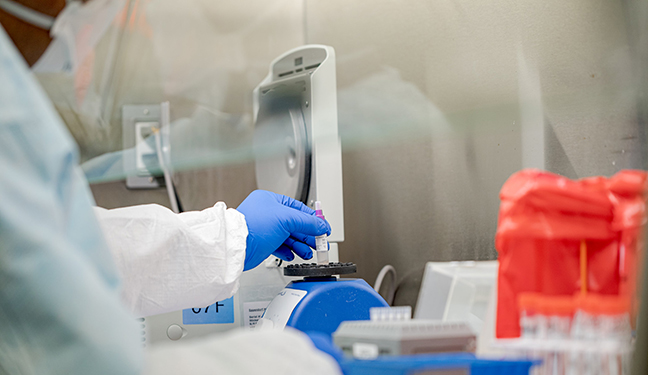
A high-volume, drive-through COVID-19 testing center will open in Dauphin County on Wednesday, it was announced today.

In a news release, Penn State Health said that the mass-testing site will begin operations tomorrow at 50% capacity, with full capacity on Thursday.

Tests will be offered for free on the campus of the Penn State Health Milton S. Hershey Medical Center in Hershey. The federal government-run site is meant to offer a central location to test people throughout south-central PA.

“Testing is an important way to help keep people with COVID-19 from having further person-to-person interactions that spread illness,” said Deborah Berini, president of the Milton S. Hershey Medical Center, in a statement. “With our state and federal partners, Penn State Health is proud to be part of this important effort to reduce the number of cases and to support our community.”

Nearly two weeks ago, Penn State Health announced that a high-volume, drive-through testing site would open soon on the medical center campus, but declined to state the exact opening day.

The site will allow people to remain in their cars while being tested and to administer their own nasal swabs for testing. The average turnaround time for results will be 48 to 72 hours, according to Penn State Health.

The site will be open from noon to 8 p.m. on weekdays and from 9 a.m. to 6 p.m. on Saturdays and Sundays. It will be located in Lot L, which is adjacent to 90 Hope Dr. (accessible from Cherry Drive) on the Hershey Medical Center campus.

An exception to the schedule is the first day, Feb. 2, when the center will be open from 3 p.m. to 8 p.m.

The community site will be able to provide testing for as many as 1,000 people per day, said Penn State Health.

People may register for a testing appointment here. Pre-registration is strongly encouraged, though on-site registration also will be available.

The federal government will fund clinical staff, testing supplies and laboratory support associated with bringing in the “Increasing Community Access to Testing” (ICATT) team. In addition to hosting the site, Penn State Health will provide resources and operational support.

This story has been updated to reflect the Feb. 2 schedule and to clarify the registration requirements.

If you like what we do, please support our work. Become a Friend of TheBurg!

Continue Reading

An Ice Time: Harrisburg’s Ice & Fire Festival to return with ice sculptures, fire dancers

A past Ice & Fire Festival. Photo courtesy of city of Harrisburg

If you can’t beat the cold weather, why not join it?

That’s what Harrisburg plans to do at its annual Ice & Fire Festival, featuring a street festival and display of ice sculptures around the city.

“We are really excited,” said Cortney Ranck-Cameron, the city’s interim manager of special events. “This is an event that the community really loves.”

On Saturday, March 5, the community can view over 50 ice sculptures scattered throughout downtown, Midtown, City Island, Shipoke, Italian Lake and Reservoir Park. Life-sized sculptures will include an ice throne, a Dr. Seuss hat and a Feeding America tribute. Sculptures will be on display from 11 a.m. to 9 p.m. and will be illuminated beginning at 7 p.m.

This year, a street festival will take place on Front Street, from Walnut to State streets. Ranck-Cameron said that it will include community favorite activities like an ice slide, fire pits with free s’mores, fire dancers and performances by local school and community groups. Food trucks and other vendors will also set up shop along Front Street and Riverfront Park.

The portion of Front Street will be closed to vehicle traffic from 8 p.m. on Friday, March 4, to midnight on March 5.

Last year, the city cut the street festival from the program due to the pandemic. Instead, it featured ice sculptures throughout the city and a drive-through event on City Island, calling the event “Ice in the Burg.”

Ranck-Cameron said that they received positive feedback on the event and decided to keep some elements of it this year, including positioning the ice sculptures throughout the city.

In past years, the Ice & Fire Festival has been held on 2nd Street downtown. However, Ranck-Cameron said that they decided to hold it on Front Street to allow for access to parking on 2nd Street.

While visitors explore the ice sculptures, they can participate in a scavenger hunt for the chance to win gift cards from Harrisburg businesses. Each sculpture will have a QR code and participants must scan at least 10 different sculptures to enter the drawing.

Participating Harrisburg businesses will also feature coffee, cocoa and cocktail specials throughout the city.

“This event is a really great way for people to explore the city,” Ranck-Cameron said.

Visit Hershey & Harrisburg, ExploreHBG and M&T Bank are sponsors of the event.

Organizations wishing to sponsor an ice sculpture can still do so, on the city’s website.

Street parking is free after 5 p.m. on Saturday in the downtown area and free all day on Sunday. Get four hours of free downtown street parking using the code LUVHBG on the Parkmobile app. A discounted $10 daily rate is available at the Market Square Garage courtesy of Park Harrisburg on March 5. Parking on City Island is free. Check the city’s website for parking options in other areas of the city.

A full schedule of events for the Ice & Fire Festival will be released in mid-February, according to Ranck-Cameron.

For more information about Harrisburg’s Ice & Fire festival, visit their website.

If you like what we do, please support our work. Become a Friend of TheBurg!

Continue Reading

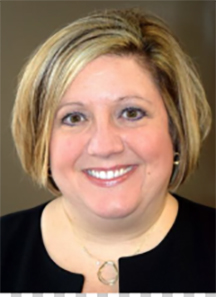
Court names Dr. Lori Suski as new receiver for Harrisburg School District

Dr. Lori Suski, the new receiver for the Harrisburg School District

The Harrisburg School District has a new court-appointed receiver, as the district’s chief recovery officer has been named to the top position.

On Friday night, the district announced that the Dauphin County Court of Common Pleas has appointed Dr. Lori Suski as receiver, effective Jan. 29.

“The bar has been set high, and I intend to continue moving the Harrisburg School District in a positive direction in collaboration with the new Superintendent, Mr. Eric Turman, and the administration, faculty, and staff of the district,” Suski said, in a statement.

The position was open due to the departure of Dr. Janet Samuels, who served as receiver for about 2½ years, following her court appointment in June 2019.

As receiver, Suski will be able to make most policy decisions unilaterally, without the approval of the elected school board. Currently, the three-year receivership is slated to expire in June.

According to the district, Suski has 32½ years of experience in public education, including as a teacher and assistant principal in the Central Dauphin School District and as a principal, assistant superintendent and superintendent of schools for the Middletown School District.

The state Department of Education appointed Suski as the Harrisburg district’s chief recovery officer in September, upon her retirement from Middletown. She also has served on the Dauphin County Drug & Alcohol Advisory Board and the Penn State Harrisburg board of advisors, according to the Harrisburg district.

If you like what we do, please support our work. Become a Friend of TheBurg!

Continue Reading

The Week that Was: News and features around Harrisburg

Harrisburg Young Professionals announced Meghan Bachmore as their new executive director.

Have you spotted February’s cover yet? A new issue of the magazine hits stands today! This month, read stories featuring Black history and culture in honor of the month-long holiday. Catch up on this week’s local news, below, and then go grab a copy of the magazine.

Amethyst Retreat Center in Duncannon holds events and programming centered around a culture of wellness, our magazine story reported. Connecting people with nature, an inclusive mindset, and a focus on cultivating a diverse natural environment are core principles.

Blogger Bob rounds out the year in art with part II of his blog. Read about the Harrisburg area’s best exhibits of 2021, here.

Bridge of Hope, with 25 offices in 13 states, assists single mothers who are unhoused or facing homelessness, using social capital and “neighboring.” In our magazine story, hear from women who were impacted by the program and moved from feelings of despair to hope.

Capital Region Water appeared before members of the state Senate to address the commonwealth’s refusal to pay its assessed stormwater fees, our online story reported. According to CRW, if the state doesn’t pay its share, Harrisburg residents and business owners will have to pay more.

Dauphin County introduced a new online portal for its emergency rent and utility assistance program, our online story reported. The platform will make it easier for residents in need to apply for and receive help.

Our editor frets about the weather every month around our magazine distribution day. Will it be rainy, snowy or just right for delivery? In his editor’s note, he thanks TheBurg’s trusty delivery team who braves the weather and fills the many magazine racks and street boxes each month.

Harrisburg Young Professionals announced Meghan Bachmore as its new executive director, our reporting found. Bachmore fills a role with the organization that was empty for over two years.

Historic Harrisburg Association announced its proposed 2022 Preservation Priorities this week, our online story reported. Find out which historic Harrisburg properties are the most blighted and threatened.

LGBTQ+ youth can find an alliance and explore their identities in the Common Roads program—serving Dauphin, Cumberland, York and Lancaster counties. The program offers a drop-in social setting and community resources for youth and young adults, our magazine story reported.

Lynn Reigle is the owner of Arthur Murray Dance Studios in Lemoyne, York and Lancaster. In our story, read about the recent expansion of her Lemoyne location and why she loves to dance.

Raymonde “Ré” Désabres Plaut was a French artist who lived in Harrisburg before passing away in 2020. She was known for her in-home art gallery, her glamorous parties, her creativity, love and eccentricity. Read about Ré and her art in our magazine story.

Soup is the perfect meal to cook up on these cold winter days. Rosemary has your back in the kitchen with her pasta fazool recipe.

The Time Brothers, a local band, recently released their first album, “October,” our magazine story reported. The album meshes the musical styles of musicians Matt Wurst and Jim Grinnen.

Sara Bozich has you covered in the weekend plans department. For food, art and entertainment recommendations, click here.

Do you receive TheBurg Daily, our daily digest of news and events delivered right to your email inbox? If not, sign up here! 

Support quality local journalism. Join Friends of TheBurg today!


Continue Reading

Dauphin County offers new way for residents to apply for rental assistance, continues disbursing millions to those in need

Dauphin County Administration building

While many of us, although impacted by the pandemic, have been able to move into a “new normal” way of life, some residents are still facing the insecurity of a most basic need—housing.

For months, Dauphin County has been working to disburse about $18 million in federal and state Emergency Rental and Utility Assistance Program (ERAP) funds to help those behind on rent or utility payments.

On Friday, they introduced a new online program application portal as a way to make the process easier for those in need. The portal will launch on Feb. 7.

“This new online interface will enhance the applicant’s experience, and, we hope, trim processing time,” Dauphin County Commissioner George Hartwick said.

The new interface will prioritize applicants with the highest level of risk, according to the county. It also will make it easier to upload documents required for applying and will allow residents and landlords to check their application status. Residents can also receive case notifications.

As of Jan. 21, 5,100 applicants submitted 5,730 applications to the program. So far, $14.6 million (total federal and state combined) has been released for 2,286 applications, according to the county.

The application period, which began in March 2021, remains open, and the program will continue until all of the money is disbursed, on a first-come-first-served basis. However, the online platform will be down from Feb. 1 to 6 as the county transitions to the new system.

Those who have already applied do not need to reapply under the new program.

For a resident to be eligible for the assistance, they must qualify for unemployment benefits or have experienced a reduction in income, incurred significant costs or experienced other financial hardship due directly or indirectly to COVID-19 that hinder their ability to pay rent. They also must prove there is a risk of experiencing homelessness or housing instability and must be at 80% “Area Median Income” or below, as defined by the U.S. Department of Housing and Urban Development.

“We still continue to see a fairly steady stream of applications,” said Darrel Reinford, executive director of Christian Churches United, who is helping administer the ERAP funds.

While most people aren’t facing job loss as a result of the pandemic like many were at this time last year, people can still miss work due to a COVID exposure or diagnosis, Reinford pointed out.

“The reality is that a landlord can start the eviction process as soon as anyone is behind at all on rent,” Reinford said. “Even losing two weeks of work, they can get behind.”

Last winter, federal and local eviction moratoriums shielded many people from losing their homes, but that safety net has long since expired. In an attempt to combat homelessness, applicants to the ERAP program who are facing immediate danger of eviction are prioritized, Reinford said.

However, CCU has still seen an increase in homelessness this winter and a greater demand for their men’s and women’s shelter, which are at capacity, during the cold months, Reinford said. He cited the expired eviction bans, increased cost of housing and limited availability of affordable housing as possible reasons for the rise.

“I can’t imagine how the situation would be without this program,” he said. “The program has really helped the homelessness system from being totally overwhelmed. We hope the online portal will help. There’s still a lot of applications that we are working through.”

For more information on the Emergency Rental and Utility Assistance Program, or to apply, visit the county’s website.

If you like what we do, please support our work. Become a Friend of TheBurg!


Continue Reading

Across Generations: Black Americans are discovering a fuller picture of their past, aided by new tools, digitization

Barbara Barksdale with photos of her ancestors.

Something was up. Sharonn Williams, an experienced Black genealogist, just knew it.

She had typed into Ancestry.com the name of a distant connection born in Charlottesville, Va., and dozens of “hint leaves” popped up from other family trees. More frightened than curious, Williams turned off the computer.

“I had to push away,” said Williams, the great-granddaughter of Ephraim Slaughter, one of Harrisburg’s last surviving Civil War veterans. “I knew that meant white blood. I knew it had to be somebody important, or there would not have been that many leaves, and because it was Charlottesville, I thought, ‘This is not going to be good. I can’t deal with that tonight.’”

Genealogy has never been a breeze. Still, for white Americans, the truth about sepia-toned ancestors usually lurks in census records, ship’s logs and church archives. But Americans of African descent have few Mayflower moments for their unnamed, enslaved ancestors. Even after the Civil War, indifference or barriers to documenting the lives of African Americans created genealogy roadblocks.

Now, social media, digitization and DNA are restoring forgotten stories to the American experience, dispelling myths and illuminating the interconnectedness of Black and white in America.

Williams’ encounter with the chasm between white and Black genealogy, and its closure through the power of technology, happened that night she entered “Betsy Hemmings” into Ancestry. Naturally, you see what’s coming. Hemmings was born at Monticello, a cousin of Sally Hemings. Williams learned that Betsy, too, was an enslaved concubine, to Thomas Jefferson’s son-in-law, John Wayles Eppes, a prominent Virginia lawyer and politician who would go on to serve in the U.S. House and Senate.

Without that link to famous whites in history, few leaves would have appeared. Betsy Hemmings’ life would have been barely traceable.

Hard Pill

Pre-internet, records didn’t come to genealogists. Genealogists went to the records. For Black genealogists, those records were less likely to be housed in archives.

Prominent genealogist Barbara Barksdale remembers chasing clues, driving around the country, pumping quarters into pay phones, hunkering in basements, and jumping over holes in the floor to put her hands on family records.

“Everything was visual,” said Barksdale, the founder of Friends of Midland, the society preserving the historic African American cemetery in Steelton. “Everything was in hand. You had to smell it. You had to sneeze from the dust of it all.”

And while the digital age is minimizing the tactile joys of genealogy—“You don’t get to sneeze your ancestors out,” Barksdale said—it is also connecting researchers with previously inaccessible records.

Harrisburg historian Calobe Jackson, Jr., notes that the details of the 1950 U.S. Census will be released this April and quickly digitized for easy access. There, in the count reflecting the post-World War II migration of Black Americans from the South to the North, he hopes to find a few previously hidden ancestors—perhaps an elderly relative living with family.

“More people will see themselves in the Census than ever before,” Jackson said. “A lot of people are going to see their relatives in the north they never knew about.”

While transcription of handwritten records has saved countless historian eyes, digitization that makes them searchable has finally come to an invaluable trove for Black Americans—the records of the Freedmen’s Bureau. Documents from the federal agency, charged with helping the formerly enslaved adjust to life after the Civil War, were once scattered and confoundingly organized. When Ancestry.com made them available online in fall 2021, historians gained searchable access to records of rations issued, refugee camps operated and relocations facilitated.

Lynette Palmer at Dauphin County’s East Shore Library.

Lynette Palmer, a Dauphin County Library System information services assistant, presents genealogy webinars for institutions nationwide. One webinar attendee found a relative in a Freedmen’s Bureau labor contract—“the first place she ever found something in writing that gave validity to this person that her mother said her family had been telling her about,” Palmer said.

“It’s given people the opportunity to fill in some holes,” she said. “Digitizing is great, but digitizing still doesn’t make them searchable. You can browse if you have a million hours in a day.”

There are shocks to prepare for. Palmer once discovered an enslaved ancestor inventoried with a plantation owner’s livestock.

“To these people, my ancestors were the same as cows and horses and other property,” she said. “If you know history, you know it was real, but seeing actual real-life documents with a price on a person—for a lot of African Americans, it’s a hard pill to swallow.”


Ties that Bind

DNA and technology are revealing an unvarnished truth—a long history of shared blood between white and Black. Much of it began with rape by slaveholders and others in positions of power.

“People want to believe the Romeo and Juliet thing, that they were in love,” said Williams, founder of Kindred Spirits genealogy workshop. “Get over yourself. We know what it was.”

Barksdale, whose DNA traces to 13 world regions, only occasionally reaches out to white relations through Ancestry, hesitant to reveal that their greats were rapists or slaveholders. Of those she has contacted, one said his long-ago grandfather must have really loved Barksdale’s long-ago grandmother. Others don’t respond.

“It’s a big difference once the whites find out they have a lot of Blacks in their history,” said Barksdale.

Through a relative who wrote a family history, Palmer found a distant grandmother descended from a slaveholder’s son.

“The proof is on multiple levels,” she said. “Here are actual documents that exist from that time that clearly say this. Then there’s the DNA piece. DNA doesn’t lie. If you share DNA with somebody, then you’re related on some level.”

Difficult conversations might follow, said Williams, but the findings also create opportunities. Through digitization, descendants of slaveholders can share family records that could fill holes in Black family trees, such as plantation logs revealing names and places where enslaved ancestors were purchased.

“Genealogy is something that is very personal, but you can’t do it in a vacuum,” said Williams. “You have to depend on the generosity of others.”


Fuller Picture

People today infected with the “crippling mindset” of believing “Lost Cause” myths are unlikely to accept the true version of events, Williams said. That would mean relinquishing power and “admitting that they are just like everybody else.”

Still, the stories must be told for a picture more encompassing than the history taught in school, said Jackson.

“The true stories are starting to come out about what really happened in American history,” he said. “There are the horror parts of slavery, and the fact that slavery did exist. We’ve even found more Black Americans that owned slaves. It’s telling the whole story.”

Black genealogists continue fighting to archive existing records for all to find. Williams was among the experienced genealogists recruited for the meticulous process of transcribing the Freedmen’s Bureau records. Barksdale once caught materials tossed out a window to her.

“And they were so moldy and filthy,” she said. “But now, those records are in the Historical Society of Dauphin County, and Dickinson College transcribed them. If we did not salvage those records, they would not be online for everyone in the world to look at.”

Of course, some stories are just plain colorful. Williams discovered her great-grandfather William was married to Carrie Jackson, and William’s brother, Daniel, was married to Mary Jackson. Just a case of brothers marrying sisters, right?

It took years, but Carrie’s obituary on that searchable godsend to genealogy, Newspapers.com, finally confirmed a hunch—that Mary Jackson was Carrie’s mother.

“I was like, ‘That can’t be right,’” Williams said. “It was so crazy. So, the mother and the daughter were in-laws.”

Every morning, Barksdale prays that she has the best of all her ancestors “wrapped up inside of me.” She turns her genealogy work for clients into positive stories of the journeys into “nooks and crannies of the world that nobody has bothered to dust off.”

“It gives them peace of mind to know who they are,” she said. “We are part of our ancestors. It helps us think about what our next steps in life could be, and how we pull forward those who are around us. It doesn’t matter if they’re Black or white. How do we help everybody in that unit get ahead? Just because there were some bad things in our lives that we found out through DNA, how do we turn that back and make it into something better and more prosperous for all of us?”


Finding Your Roots

Superheroes are popular because everyone likes origin stories, a guest once said on “Finding Your Roots with Henry Louis Gates, Jr.”

That knowledge, made increasingly possible for Americans of African descent, adds to the national dialogue about where the United States came from and where it’s going, “Finding Your Roots” executives told TheBurg in a phone interview. The popular PBS series is helping drive interest in personal genealogy and its cumulative power to reveal untold chapters in American history.

“For so long, African Americans were erased from the narrative,” said Lead Genealogist Kimberly N. Morgan. “We need to get their stories told, put them back into the narrative, and give them and their descendants as much of their agency as possible. Everybody wants to know where they come from. If we can answer that, especially for African American people in this country, it’s a really powerful gift.”

Since “Finding Your Roots” premiered in 2012, the availability of genealogical records online “has just exploded and continues to explode,” said Executive Producer Sabin Streeter. “Our sense of what’s possible, even at the professional level, has expanded, and certainly what’s possible for the person at home who wants to do their family genealogy, it seems like a tremendous shift.”

The average Black American has about 25% European heritage, said Morgan. Gather that DNA in databases, and the common threads of heritage become clear. Such findings and stories, when uncovered and shared, provide a launching pad for conversations about race.

“It’s a very quick way of telling how interconnected we are,” said Streeter. “It’s a very quick way of bringing the horror of slavery present for everybody. It is a hard thing to think about, but it is a fundamental aspect of who we are as a people.”

This season’s “Finding Your Roots” session with actor and director Rebecca Hall, whose grandfather sometimes chose to pass as Native American or white, generated “a huge amount of chatter on social media,” said Morgan. The answers to many “whys” of history will never be known, but creating context helps build understanding.

“I love that our episodes and our work are facilitating some of these conversations,” Morgan said. “You need to find a foothold into history that catches your interest and opens that door to how you relate to them, and that relation allows you to start to empathize.”


If you like what we do, please support our work. Become a Friend of TheBurg!

Continue Reading