Burg Blog: New Year, New Mayor

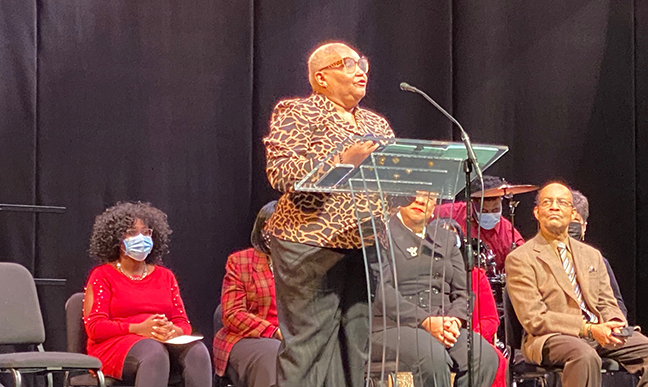
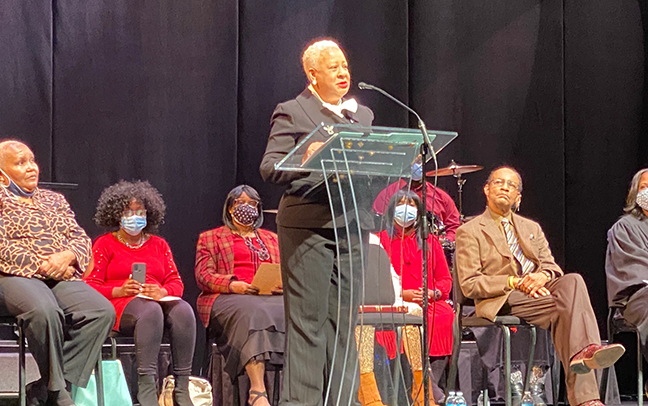
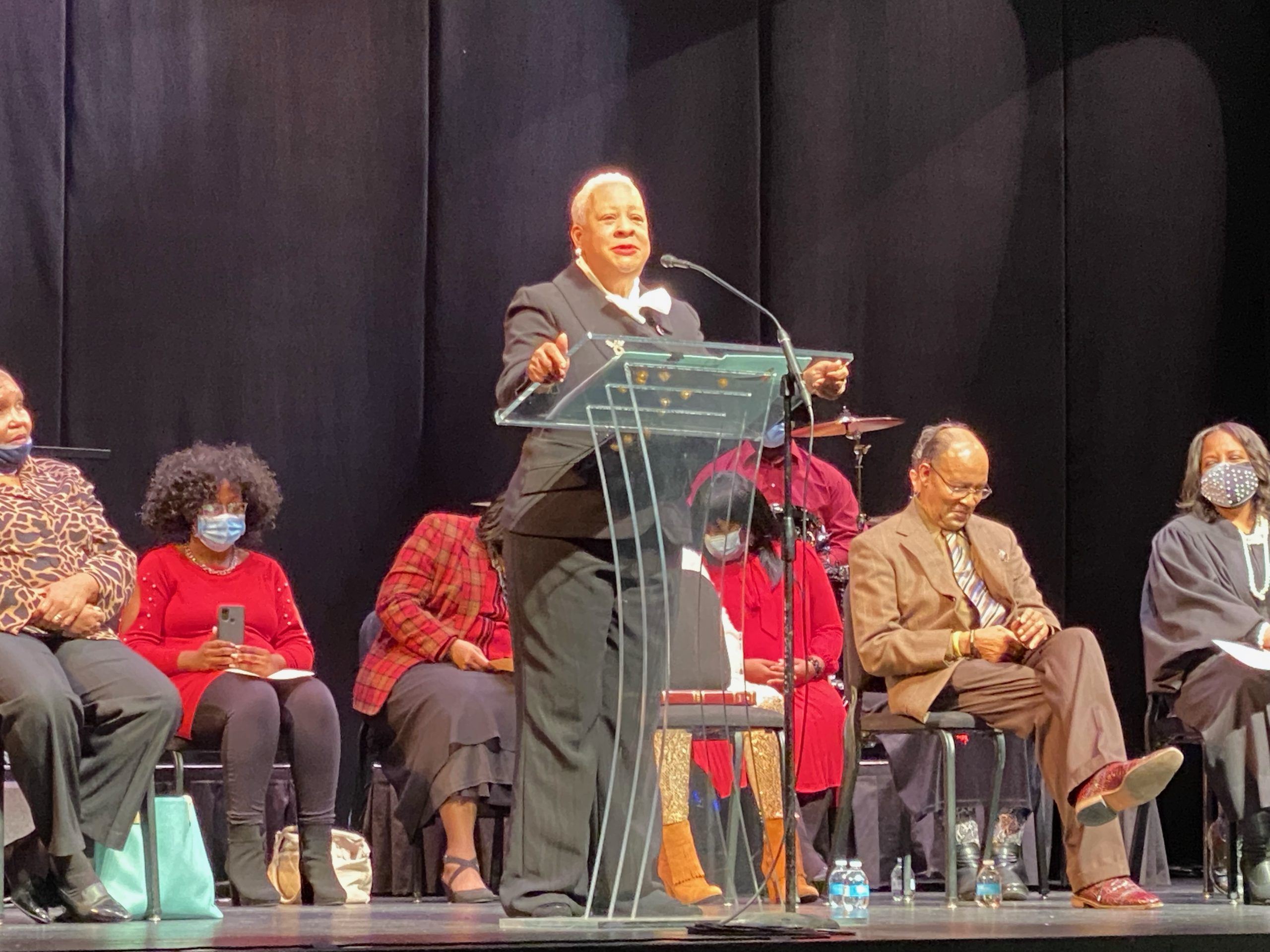
Harrisburg Mayor Wanda Williams speaks at Monday’s swearing in.

On Monday morning, Wanda Williams was sworn into office as the 39th mayor of Harrisburg.

Since then, a number of city residents have asked me what we might expect of the new administration.

My response has been twofold.

First, I said that, on some level, we don’t know what to expect. Every new administration—local, state, national, whatever—is something of an unknown. It will be several months before we can begin to assess how the mayor goes about her job: how she implements her priorities, how she manages the city’s workforce, how she relates to City Council.

If I remember correctly, I said something similar eight years ago and even wrote a column assessing the Papenfuse administration six months in.

Having said that—Williams is not an unknown quantity, as Eric Papenfuse, a newcomer to elected office, was back in 2014. Williams has served on council since 2006, including two terms as president. To some extent, Harrisburg is what it is today because of decisions she’s made and legislation she’s backed. Therefore, I don’t expect a major departure in direction, though some change is certain.

And that brings me to the second part of my response.

At her swearing in, Williams told us exactly which policies she would emphasize. During a brief, seven-minute speech, she outlined four priorities:

  • Enrichment opportunities for youth
  • Affordable housing
  • Better roads and bridges
  • Improving the city’s dysfunctional, aged sewer system

In my opinion, these are right on point. Harrisburg, of course, has many needs, but a mayor, faced with financial and other constraints, needs to prioritize. These four areas, in particular, stand out as vital and within the reasonable domain of city government. Success in these will require sustained focus, funding and effort throughout her term.

In a way, Williams is fortunate as she assumes office, with the city in strong financial shape. In addition to having money in the bank, Harrisburg has $48 million waiting to be allocated from the federal American Rescue Plan Act (ARPA), with perhaps even more money coming from other federal and state programs, including the recently passed federal infrastructure bill. Cities always face tough challenges, but I would argue that the wind currently is at Harrisburg’s back, strongly.

It remains to be seen exactly how Williams will go about allocating funds and implementing her priorities. In her speech, while discussing affordable housing, she mentioned helping residents achieve “the American dream.” I translated that to mean that she would try to encourage homeownership, an effort that I strongly support.

For ARPA-financed projects, the administration will need to move quickly, as the window to use those funds expires in just a few years. So, I expect we’ll know more soon about how that money may be allotted.

In her speech, Williams didn’t mention one other item that I expect will be a priority for the new administration—what to do with the city’s long-term debt.

Last year, the Papenfuse administration and Williams (backed by other city officials) had a prolonged dispute over how to retire the city’s remaining general obligation bonds. Papenfuse wanted to refinance them over 10 years, while Williams advocated paying them back more aggressively.

In the end, Williams’ position won out. Harrisburg made a large pre-payment in November, but didn’t refinance the rest, leaving the city with a debt load of about $19 million. The new administration and council, as one of their first acts, now will reopen the 2022 budget, which should offer insight into just how fast they can—and will—settle most or all of the remaining debt.

Near the end of her short inaugural speech, Williams said, “Now is the time to turn away from politics and focus on the real work that we must do together.”

Absolutely. For too long, Harrisburg has had mayors who’ve taken things too personally and made the job too much about themselves. Going forward, this city needs a healthy dose of “we” among its top leadership.

Lawrance Binda is co-publisher and editor-in-chief of TheBurg.

If you like what we do, please support our work. Become a Friend of TheBurg!

Continue Reading

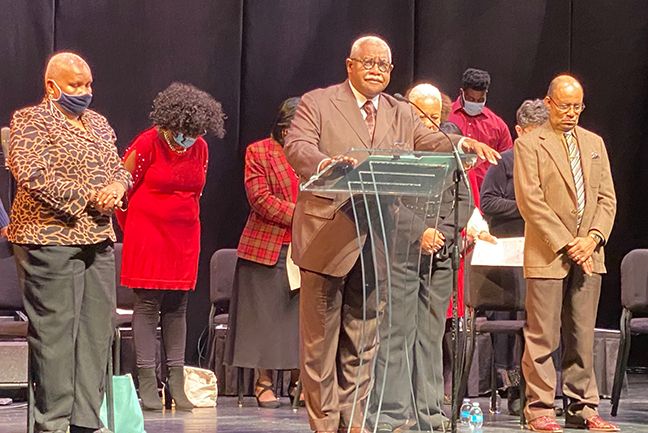
The inauguration of Harrisburg Mayor Wanda Williams, in pictures

On Monday morning, Wanda Williams was sworn in as the 39th mayor of Harrisburg.

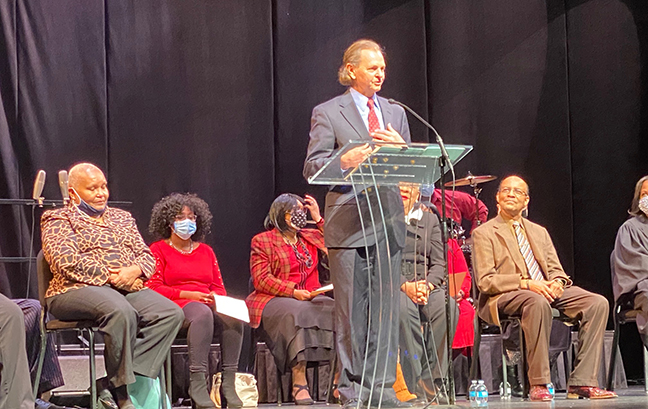
Friends, family and supporters were on hand for the hour-long ceremony, which took place at Whitaker Center downtown. The following pictures depict some of what took place on the stage.

Harrisburg Mayor Wanda Williams delivers remarks following her swearing in.


Marcia Perry Dix served as mistress of ceremonies.


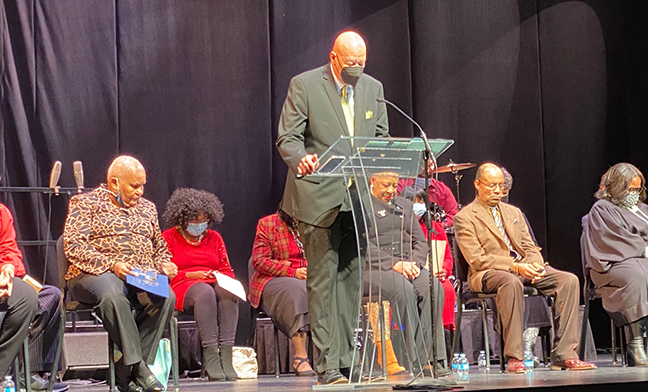
Rev. Walter R. Dockens Jr. delivered the invocation.


Harrisburg Poet Laureate Portia Bolen Geter delivered an inaugural tribute.


Harrisburg Treasurer Dan Miller was one of three speakers who shared personal stories of the new mayor.


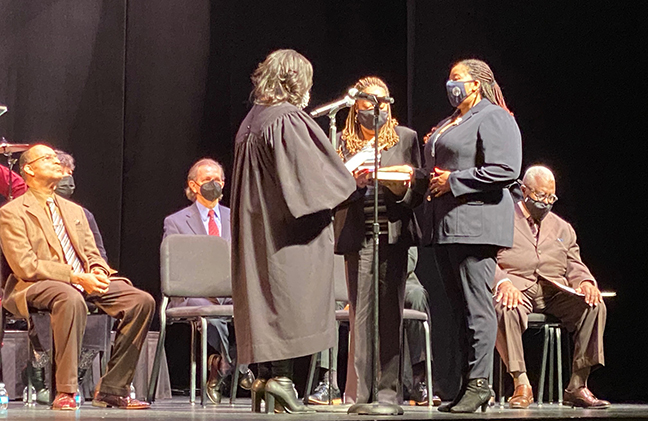
Commonwealth Court Judge Lori Dumas delivered the oath of office to returning council member Ausha Green, who also was sworn in during the ceremony.


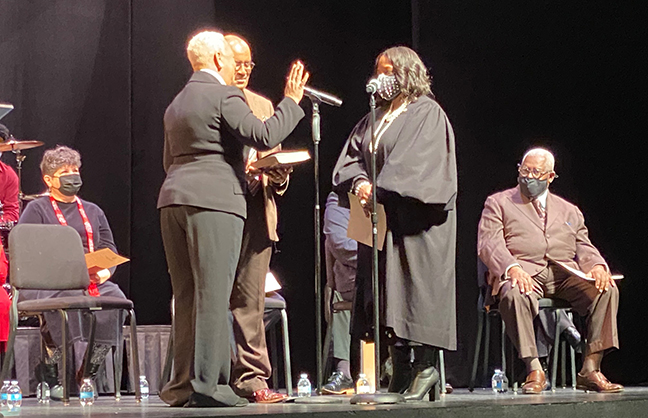
Mayor Wanda Williams took the oath of office.


Mayor Wanda Williams shared remarks with the audience.


The Rev. James Tate delivered the benediction.


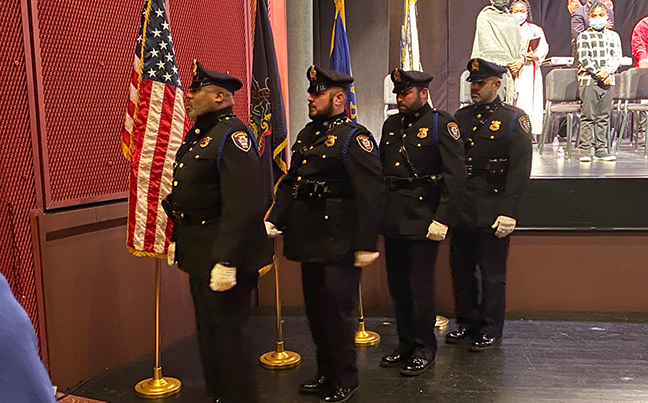
As the ceremony ended, the city’s color guard retired the colors.


If you like what we do, please support our work. Become a Friend of TheBurg!

Continue Reading

Wanda Williams inaugurated as Harrisburg mayor; city council president chosen

Mayor Wanda Williams addressed the crowd at her inaugural ceremony.

Harrisburg’s new Mayor Wanda Williams vowed to be an “authentic leader” as she officially took office on Monday morning.

Commonwealth Court Judge Lori Dumas swore in Williams as the city’s 39th mayor, along with Harrisburg City Council member Ausha Green, at an inaugural ceremony held at Whitaker Center.

Williams, a Democrat, won the November municipal election, dethroning previous two-term mayor Eric Papenfuse, who launched a write-in campaign after losing to Williams in the primary election.

Also in November, Green won re-election, along with incumbent council member Shamaine Daniels. Newly elected were Ralph Rodriguez and Jocelyn Rawls. Daniels, Rodriguez and Rawls were sworn in on separate occasions.

At the swearing in, Williams explained her inauguration as a new beginning for Harrisburg. She noted that, while the election season was taxing as she battled challenger Papenfuse and lost both of her parents, she was ready to get to work.

“I hope today that I made [my parents] proud,” Williams said. “We are here today because we came together and said that it’s time for a new dawn in Harrisburg.”

Williams, a lifelong resident of Harrisburg, served on city council from 2006 through 2021, and as council president for her last two terms.

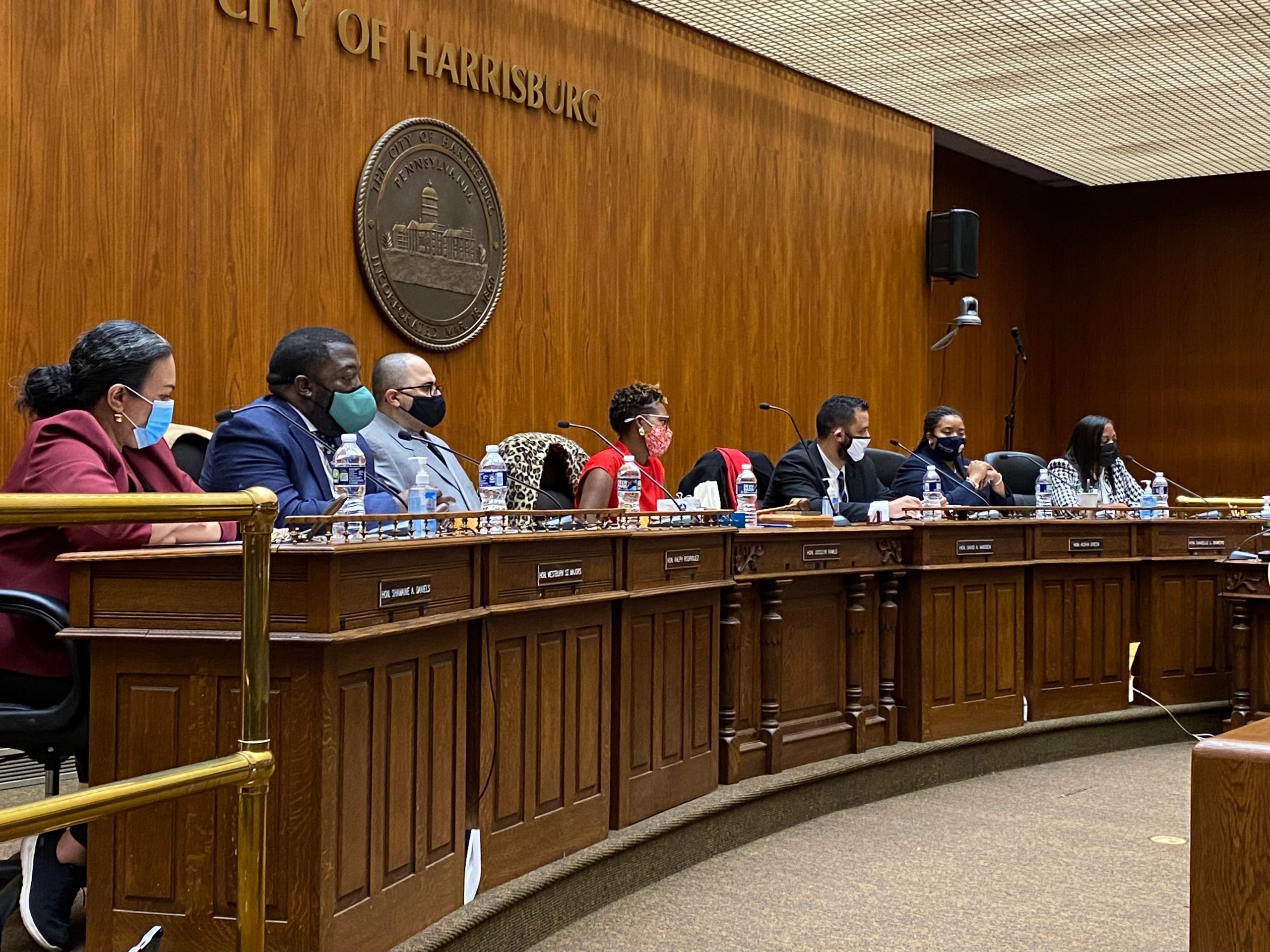
At a reorganization meeting on Monday, council voted for member Danielle Bowers to take Williams’ former seat as council president. Council member Ausha Green was chosen to serve as vice president.

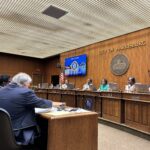
Harrisburg City Council reorganization meeting

Assuming her new role, Williams noted that some of her priorities as mayor will include building affordable housing, creating youth programming, improving infrastructure and fixing the city’s outdated sewer and stormwater systems.

“Now is the time to turn away from politics and focus on the real work that we must do together,” she said. “As we begin our new dawn, we must get back to the basics. Good enough is not good enough anymore.”

Much of the inaugural ceremony centered around Williams’ Christian faith, with local pastors and musicians offering blessings, prayers and song.

Family members also participated. Williams’ grandchildren led the Pledge of Allegiance, and her husband Jerome Williams held the Bible as she was sworn in.

Additionally, a few of Williams’ supporters took to the microphone.

“Wanda has great experience, she’s learned a lot, and I think she’s got the knowledge and experience to lead our city,” said Harrisburg Treasurer Dan Miller. “I, for one, am excited about the change in leadership.”


If you like what we do, please support our work. Become a Friend of TheBurg!


Continue Reading

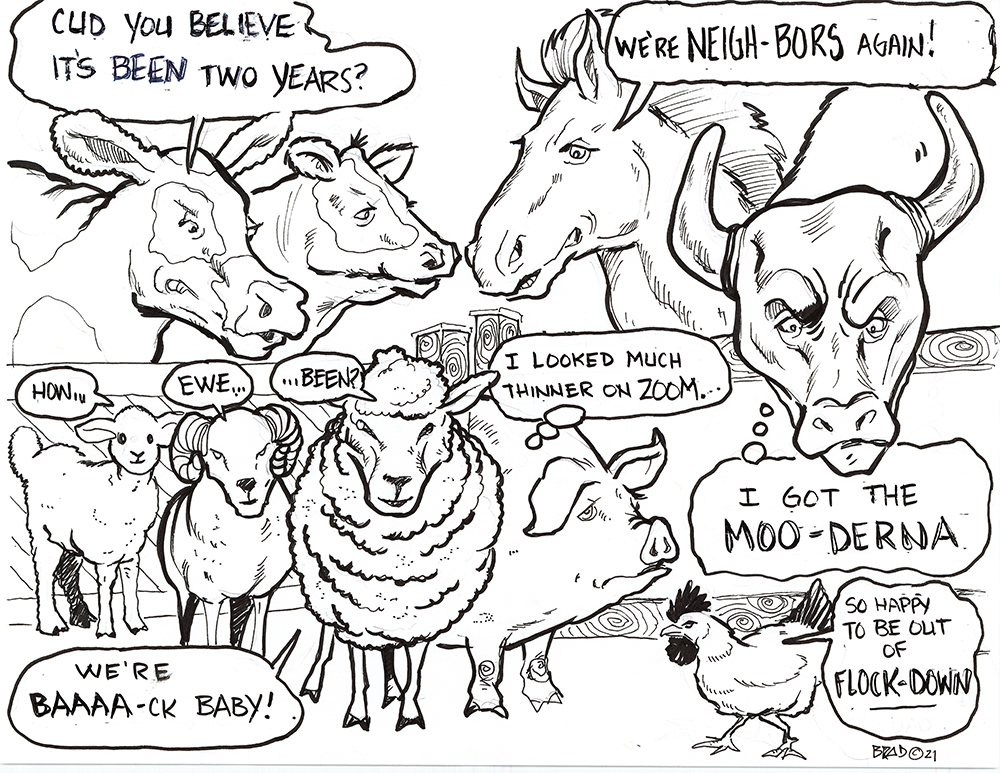
TheBurg Cartoon: “Farm Show Reunion”

Farm Show Reunion


Continue Reading

The Week that Was: News and features around Harrisburg

Bryan Majors of Major Prep

There are a lot of things dropping locally this weekend: a Hershey’s Kiss, a strawberry and even a pickle. But we have something you don’t have to wait until midnight for.

Our January issue of the magazine just dropped! Start off the new year right and grab a copy or read online. But first, catch our last local news summary for the year, below,  delivered a day earlier than usual. Happy New Year, Harrisburg!

As 2021 comes to a close, our editor reflects on the top 10 news stories of the year. What made the cut? Find out, here.

Art blogger Bob closed out 2021 by offering an update of one of our area’s most significant exhibits of the year and taking a gander into 2022.

January is packed full of events to add to your calendar. Find our list of happenings, here. For additional activities, check out our Community Corner. 

Kwanzaa began Sunday and runs through this week. Our online story features two Harrisburg-based businesses, Major Prep Apparel and The Lotus Pot, both representing two of the holiday’s core principles.

New Year’s Eve in Harrisburg will be celebrated at FNB Field on City Island, a change from the traditional 2nd Street venue. There will be fireworks, food trucks and a giant strawberry, which will drop to countdown to midnight, our online story reported.

A new year is ahead of us, and while COVID is still here, our editor is optimistic for the future of the city and TheBurg. Read his January editor’s note, here.

The Progress Grille in Harrisburg has kept loyal customers coming back for years. What’s their secret to success? Find out what owners Nick and John Karagiannis have to say, in our magazine story.

The Susquehanna Folk Music Society has a new executive director, our magazine story reported. Former director Jess Hayden retired after 20 years of leading the organization.

Our Year in Review features the most popular online news stories of 2021, click by click. To find out what story took first place and was viewed 26,000 times, click here.

Do you receive TheBurg Daily, our daily digest of news and events delivered right to your email inbox? If not, sign up here! 

Support quality local journalism. Join Friends of TheBurg today!


Continue Reading

News at the Top: What were the top Harrisburg news stories of 2021? Our editor is back with his annual list

Is it January already?

Each year, I find myself surprised that, once again, it’s time for my annual review of the top 10 Harrisburg news stories. This year marks a decade for this self-imposed punishment—um, I mean, tradition—an exercise that I share with my long-suffering illustrator, who is the real hero here (sorry, Rich).

So, without further delay, here’s my totally subjective ranking of 10 Harrisburg news stories of 2021. You may agree; you may disagree; you may decide to move out of town. OK, I hope you don’t move out of town.

10. Mega Murals

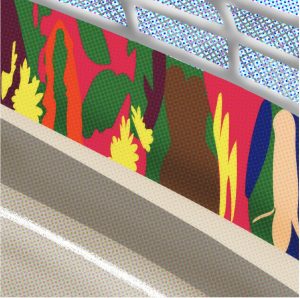
Each year, I try to start this list out on a positive note—before I lower the boom. It’s a custom that I’m happy to continue this year. Back in May, Sprocket Mural Works launched its third Harrisburg Mural Festival with a planter-painting project on Allison Hill then just kept on painting the town. By fall, Sprocket had marked its 50th Harrisburg-area mural over the past seven years, including its largest project to date—a vibrant linear painting lining the Mulberry Street Bridge. Thanks to Sprocket, our little city on the Susquehanna is now so mural-rich that it’s tough to fling a hand-knotted pretzel without hitting a beautiful piece of public art.


9. Housing Is Hot

The residential market has been red-hot all year, both in the city and the suburbs. In recent months, our regular market updates have shown that sales have dipped, but prices continue to climb, indicating that supply may be constrained. As I wrote in a column last year, Harrisburg needs more housing at every price point. In May, City Council took action to help address this need, passing the city’s first-ever affordable housing statute. This legislation attempts to walk a fine line, urging builders to include affordable housing in their projects without making it a mandate. Since then, some developers have said they would comply while others seemed reluctant. The coming year may test the gentle balance between encouraging affordable housing while not discouraging new development.


8. 2nd Time Around

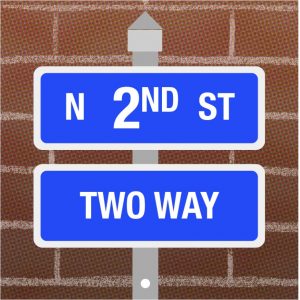
Back in the 1950s, cities around the country engaged in a bizarre form of self-destruction, undertaking major road projects that wrecked their own urban fabrics and quality of life to benefit the suburbs. Harrisburg was no exception. As the city emptied out, leaders soon realized that they had made a big mistake, and, by the 1970s, already began contemplating how to undo the damage, especially to the main thoroughfare of 2nd Street. Well, it took decades, but it finally is happening. In the spring, the city embarked on a project that will remake much of N. 2nd Street into a more pedestrian-friendly, two-way neighborhood road, as opposed to the high-speed hellscape it’s been for 60-plus years. In this writer’s opinion—one big Harrisburg street down, several more to go.


7. Bond Battle

Municipal bonds—boring, right? On the surface, sure, but Harrisburg, of course, managed to turn the mundane into the dramatic. This salvo in the years-long council v. mayor wars began in May with an administration plan to retire a chunk of debt and refinance the remaining bonds. Council members introduced the plan, but then quickly turned against it. Fair enough—disagreements happen. But the conflict soon spiraled into another he said/she said fight, like so many other feuds over the past eight years. The result ended up positive enough anyway. Council basically got its way, with the city accepting two-thirds of a deal that the administration had reached with its bond insurer. Mayor Eric Papenfuse didn’t get the refinancing he wanted, but Harrisburg shed a big hunk of debt and set itself up for possibly retiring its remaining bonds over the next few years.


6. Class Act

After last year’s virtual experiment, Harrisburg school district students returned to the classroom in August. Masks were mandatory, but there was no real organized opposition to the requirement. Thus, Harrisburg was spared the nasty “school board wars” that have engulfed so many districts nationwide. Otherwise, the district set itself up for casting aside three years of state oversight by appointing a new superintendent, Eric Turman, and a new chief recovery officer, Dr. Lori Suski. Unless the court renews the receivership, which seems unlikely, the Harrisburg district should be self-governing again by June.


5. Deaths Decline

In 2020, Harrisburg’s homicide rate surged, as it did all over the country, hitting a multi-decade high. Last year, the rate returned to near its historical average for the past decade or two, substantially lower than the pandemic-fueled spike. Within this data, of course, were many personal and family tragedies, including several unintended and innocent victims. These include the late-year shooting of Jamie Bey, who was a bystander to a bar fight, and of 14-year-old Malachi John, who police believe was shot accidentally.


4. Developmental Delay

On last year’s list, I mentioned how remarkable it was to have so many new building proposals in the midst of a pandemic. I may have been premature. A few smaller projects, such as the expansion of the McCormick Riverfront Library, did begin, but most of the big boys, like the large residential proposals along the Reily Street corridor, spent 2021 stuck in the planning and approval phases. For 2022, I expect another active year on the development front. Several large projects, including the new federal courthouse, will be completed or nearing completion, as will some historic renovations and residential conversions. However, it remains to be seen if dirt will get turned between 3rd and 6th streets or, if a year from now, the area will retain the same vast surface parking lots and weed-strewn fields that have marred the corridor for so many decades.


3. Delta Doom

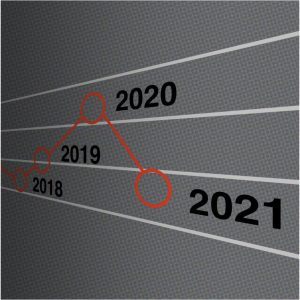
Last year, one story faced no competition for first place on my annual list, as the coronavirus pandemic impacted nearly every aspect of our lives. This year, it fell to number three. So, that’s progress, right? After a deadly mid-winter spike, the case count dropped like a stone, especially as vaccinations ramped up in the spring. We ripped off our masks, breathed deep of the fresh air and prepped for a hot vax summer. Or so we thought. Something called the “delta variant” stopped our progress cold, making us unsure exactly what to do. Travel or don’t? Mask or not? Locally, perhaps the greatest impact was the on-again, off-again plan of the commonwealth to return its people to their offices. Many local businesses took yet another hit as state workers dribbled in, then dribbled back out again. We now enter pandemic year No. 3 with renewed hope that the current plan to repopulate the Capital Complex won’t be another head fake.


2. Semi Normal

Some news stories are complex beasts, and the COVID-19 pandemic may be the most layered and nuanced of my long career. So, while the delta variant prolonged our collective nightmare, life in 2021 returned to quasi-normal for many, and that could be seen locally. Most businesses dropped their mask mandates, people began to dine indoors again, folks attended concerts, and students returned to their classrooms. Over the course of the year, we made some sort of peace with the virus, but it was an uneasy peace. I personally know more people who got sick, often very sick, than the year before, and our hospitals’ COVID wards remained crowded. Yet on a beautiful day, strolling through Riverfront Park or dining al fresco, you could almost touch life from the before times, and, wow, did it feel good.


1. Who’s Your Mayor?

I’ve created this annual list for a decade and, some years, have struggled with what should be the number-one Harrisburg news story. Not this year. The Harrisburg mayor’s race wins going away. Five candidates sought the Democratic nomination in May, including strong campaigns from relatively new faces in city politics. The crowded field resulted in a split electorate, with four of the five finishing with more than 20% of the vote. In the end, City Council President Wanda Williams squeaked by incumbent Mayor Eric Papenfuse by 46 votes. With that settled, we could all relax and move on with our lives, right? Nope. Papenfuse disappeared from view for a few months only to re-emerge in mid-September to declare a long-shot write-in campaign for the general election. He ran vigorously, but this sudden burst of energy, which might have put him over the top in the primary, made no difference in the general, except to delay the transition. Williams trounced Papenfuse and, therefore, will be sworn in this month as Harrisburg’s new mayor.

So, Harrisburg begins 2022 with new leadership and, given all the recent high-level departures from city hall, with almost an entirely new team in place. I wish them the best and feel confident that a few issues they’ll deal with will wind up on this list a year from now.

I’d like to leave my annual top-10 list with a dose of unsolicited advice for future city politicians. Our recent election marked the third straight Harrisburg mayor’s race in which a leading Democratic candidate lost the primary but then refused to accept the result, running again in the general—and losing again.

These efforts served no productive purpose. They prolonged the city’s angst, exacerbated its divisions and heightened the turmoil inside city hall. In other words, they were harmful to the city, not helpful. Thus, my advice: If you lose in the primary, please graciously accept your defeat. There’s always next time.


Lawrance Binda is co-publisher/editor-in-chief of TheBurg.


Illustrations by Rich Hauck.

If you like what we do, please support our work. Become a Friend of TheBurg!


Continue Reading

Road Rage: Harrisburg begins to assess the impact of the I-83 widening project

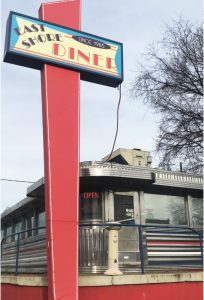
Eggs over easy. Crispy bacon, as only Bill Katsifis, owner of the East Shore Diner, can make it. English muffin. Randy Baratucci takes the elements of his usual order and makes a bacon and egg sandwich.

“Their breakfasts are the best,” said Baratucci from his booth in the cozy diner where, judging by the signage and the jukebox, time stopped somewhere between the Eisenhower years and the Un-cola age.

“Whatever you need, they take care of it,” Baratucci said. “They’re very personable. They have things so nice for their customers. We’re like family.”

People around Harrisburg are raging about the possibility of tolls, lurking ogre-like at the ends of a widened South Bridge. But a separate Capital Beltway expansion project is poised to reshape the commercial corridor driving through the heart of Harrisburg.

The East Shore Diner on Cameron Street sits squarely in the path of the plans. Since Katsifis and his late father bought this classic chrome diner in 1985, generations have trooped in for camaraderie and good food.

“You follow the American dream,” said Katsifis’ wife and diner co-owner, Dorothy Katsifis. “You try to own your own business. You support your family and your kids.”

But the PA Department of Transportation, the couple says, can’t find a property that would allow them to continue their business uninterrupted.


The Project

PennDOT began its multi-phase expansion of the Capital Beltway several years ago. The recently widened I-83, around Union Deposit Road, is the tail end of the first phase of the $1 billion project to remake the east shore and river sections of the highway.

Several more phases are pending. A plan to add lanes and rework interchanges from the Susquehanna River to 29th Street right through the city of Harrisburg is in final design, with construction bidding anticipated in August 2023, according to PennDOT.

Construction of this stretch, labeled “Section 3,” is expected to begin in 2024, with the first contract completed within three years. All components—utilities, right of way and construction—are expected to be done in 10 years, according to PennDOT.

In fact, Section 3 is quietly underway already with land takings. Preliminary plans propose:

  • Widening I-83 from six to 10 lanes—three express lanes in each direction, plus two local lanes on each side.
  • Reconstruction of the 19th and 17th street interchanges and reworking of the 2nd Street interchange
  • A new interchange linking I-83 directly to Cameron Street, replacing the 13th Street interchange. Cameron Street will be widened for bicyclists and pedestrians.
  • Rebuilt 13th, 17th, 19th and 29th street bridges, including bicycle lanes.
  • Realignment of Paxton Street and, approaching 29th Street, I-83 itself.

Because engineering began, first, for Section 3, and then for the South Bridge, a “small portion” of Section 3 would require redesign to accommodate the South Bridge widening, said PennDOT spokesperson Dave Thompson.

Property acquisitions are “ongoing,” he said.

“The department does not rely on condemnation as its first choice, but rather as a last resort to acquire property,” Thompson said in a written response to questions from TheBurg. “Therefore, the department does not forecast which properties it will condemn as a part of a project.”


Takings

Attorney Anthony Corby, of Faherty Law Firm, is constantly surprised by the extent of Harrisburg’s businesses—an 80,000-square-foot warehouse here, a used car lot there.

The list of PennDOT’s planned takings in Section 3 reveals a business corridor approaching the logistically strategic junction of interstates 83 and 81: auction house, child care, equipment distribution, storage warehouses, vehicle sales and service, dry cleaner, IT services and more. Another 36 residential displacements were cited in preliminary plans.

Corby represents about 13 property owners “just in that section.” One has already won a ruling in Dauphin County Common Pleas Court that PennDOT’s unveiling of the project, in compliance with federal law, constituted a “de facto” taking of his property—not legally acquired through eminent domain but depriving the owner of fair market value after potential buyers bailed out.

“Obviously, this shows the property was unmarketable generally,” said Corby. “Its marketability was affected by eminent domain.” PennDOT is appealing the ruling.

At the East Shore Diner, surrounding properties are untouched or partially affected. The diner—and, more importantly, the lot it occupies—is directly in the path of construction. As real estate prices soar, finding a comparable lot, at a price that PennDOT is willing to pay while allowing business to continue and not forcing Katsifis to take out a mortgage, has become a stumbling block.

PennDOT has offered Katsifis $221,000 for the real estate value and $123,078 for “personal property,” including $48,000 for the portable diner.

The owners were promised “a key for a key,” said Dorothy Katsifis.

“We knew it was coming, but not like this,” she said. “We thought we were going to be taken care of and they would help us. What we have is what we want. That’s the main thing. We have a parking lot. We want a parking lot.”

Katsifis worries about losing her customer base, although the loyal patrons filling the booths on a crisp Tuesday morning swear they would follow the East Shore Diner wherever it goes. It’s the kind of place where the morning crowd has its “assigned” seats and gives grief when buddies take them, said Baratucci, of Paxtonia.

All the customers lament the uncertainty heaped on the owners and the possible loss of their “everybody knows your name” place.

“They’re just kind of hanging there,” Baratucci said of the Katsifises. “Every time you get a little news, it seems more negative. I just think it’s such a shame that PennDOT can’t work something out.”

Daily customer Richard Wright, of New Cumberland, calls the East Shore Diner “the best diner in central Pennsylvania, and I’ve eaten at every one of them.”

“I know things happen and life gives us changes, but I think they’re taking away from Bill and his family the opportunity to still earn money,” Wright said. “This man has to earn a livelihood. He’s not retirement age. If you buy him out, he should be paid potential earnings, or they should buy the business and move it like they said they would to another location.”

Eminent domain “always comes down to money,” said Corby. What’s called “just compensation,” as required by law, is often the difference between the government’s lowball estimate and the counteroffers developed by appraisers who take disruptions to livelihood and lifestyle into account for the property owners.

“Your estimated just compensation might not be adequate to get me moved into a comparable property in this market,” said Corby. “Even if it was, oftentimes, you can’t find a property that was exactly like the one you left.”

As cases drag through negotiations and possibly courtrooms, business owners can be pushed into limbo. A PennDOT policy to withhold the full amount of compensation due to liens, instead of holding just the lien amount in escrow, has ensnared Lamont Palmer. He left his used-car business on Paxton Street but hasn’t received any of his $210,000 compensation due to $12,000 in liens, including a $10,000 claim against a long-ago former owner.

While Palmer petitions the court to retrieve the non-encumbered remainder, he is sidelined while the market in used cars sizzles.

“I’m without a building,” Palmer said. “I’m without a business, and I’m suffering. That business was how I fed my family. Without the business and without the building, I’m stuck.”


On the Greenbelt

The I-83 expansion is expected to touch on two Capital Greenbelt junctures, including the stretch along City Park Drive, that wild, winding lane linking Paxton Street to Derry Street from, say, Faulkner Subaru to the Paxtang Grill.

There’s a pinch point there, at a perfect storm of I-83 overpass, railroad tracks and waterway.

“It’s one of the areas where, as a user, I’m always nervous for people because you’ve got to be careful,” said Capital Area Greenbelt Association President Mike Shaull. “There’s not a whole lot of room to navigate.”

PennDOT had the foresight to reach out to CAGA, said Shaull. Now, that pinch point could be improved with sidewalk enhancements and a walking bridge more substantial than the sturdy but aging crossway fashioned from railroad ties.

Shaull is especially excited by the prospect for a restroom and parking at the spot where I-83 meets the Greenbelt at Front Street, approaching the PennDOT building.

“Outside of private businesses opening their doors up, there are no public restroom areas on the Greenbelt,” said Shaull. “That’s something that’s often asked for. It would be really nice to see that come to fruition. We’ve got our fingers crossed.”

Harrisburg is “creeping up on lists of great places to live or retire,” and a safer, more easily accessible Greenbelt is one more asset in the city’s favor, said Shaull. As the pandemic showed, the Greenbelt is “a lifeline for people.”

“Some use it for commuting, some use it for recreation and exercise, communing with nature, or meditation from the chaos of the everyday world,” he said.

Local bicyclists see mixed blessings in the bridge plans that include shoulders for bicycles. Bicycling policy advocate Jim Buckheit said that PennDOT has been “receptive” to suggestions for bicycling infrastructure.

“It encourages and supports people using something other than a car to travel,” he said.

Buckheit and others remain concerned, however, that the capital region’s foot and pedal accommodations are behind the times and, when attempted, done in piecemeal fashion. Widening bridges only encourages motorists to drive faster, diminishing safety for people on foot or pedaling, said Ross Willard, founder and chief mechanical officer for the nonprofit, Recycle Bicycle.

“Why do we keep segregating the south side (of Harrisburg), making the highway wider and wider?” he said. “I-83 is a great wall of cars.”


Meanwhile . . .

Back at the East Shore Diner, longtime customer Barry Tolby says he bypasses restaurants on the way from his Newberry Township home because “you get your money’s worth.”

“There’s no other restaurant around that serves the type of sausage they have here,” he said. “It’s a foot long. I have to pig out. I get two of them. I’ll be needing some kind of transplant pretty soon.”

As for the circumstances surrounding eminent domain, “I think it sucks,” Tolby said. “I hope they don’t get screwed on the whole thing. It’s hard to find a place to actually move this diner to.”

Yes, the building can move, but a noncomparable relocation would diminish the viability of a historic property—circa 1950s, from the Jerry O’Mahony Diner Company—that houses a functioning business, said Historic Harrisburg Association Executive Director David Morrison.

Historic Harrisburg plans to place the diner on its list of preservation priorities, to be presented in January.

“Until it’s repositioned and back in business somewhere, its future is somewhat in question,” Morrison said. “It’s a wonderful, viable business, and its loss would be of equal concern to many of Historic Harrisburg’s other preservation priorities. I don’t think it would cease to be a priority until it’s at a place where it could continue to operate long-term.”

Dorothy Katsifis and her family remain hopeful but wary about the future and the possibility of finding a comparable property for their diner. Despite the protestations of loyalty from customers, she fears that a move would leave them behind.

“There is hope, if we find something,” she said. “I don’t know what we’re going to do. How do you know? We’re not going to have the same customers. How do you start again? It took 30-some years to do this.”


Learn more at I-83 Capital Beltway Project,
www.i-83beltway.com.

If you like what we do, please support our work. Become a Friend of TheBurg!

 

Continue Reading

Tending to the Farm (Show): $21 million upgrades, during pandemic downtime, await PA Farm Show visitors

The Farm Show Complex in Harrisburg

The buckets are long gone.

Longtime visitors to the Pennsylvania Farm Show Complex can probably visualize strategically placed buckets that previously and notoriously cluttered the Cameron Street lobby, to capture raindrops dripping through the leaky roof.

But during the pandemic shutdown, a new roof went up. And those infamous leaks aren’t the only issues that got plugged. A long list of aging infrastructure projects are now checked off the state-owned facility’s wish list. Amid millions of dollars in lost revenue due to a slew of pandemic-cancelled expos and events, $21 million in capital improvements over two fiscal years were pumped into the iconic Harrisburg landmark.

For those who equate the Farm Show with farm-fresh scents, it may be difficult to hear the word “fresh” as a positive description. Nonetheless, a freshly face-lifted facility awaits visitors returning to the Pennsylvania Farm Show this month, along with a variety of events—even bridal shows—slated for 2022 and beyond.

“The building is a historical treasure,” said Shannon Powers, Department of Agriculture press secretary. “The improvements were basically intended to enhance public convenience and public safety, while making the facility more sustainable and energy-efficient—those were the three big categories.”


Farm Show Fixes

You may notice upgrades before you even step foot inside the million-square-foot, circa-1930 complex.

A roundabout off of Industrial Road “should reduce traffic speeds and create better traffic flow,” Powers said. The parking lot is reconfigured and landscaped—not only to improve rainfall absorption into the adjacent Paxton Creek, which eventually empties into the Chesapeake Bay—but to maximize capacity by adding 155 spaces to a new grand total of 8,957.

The animals will also benefit from site improvements. Outside exercise areas were upgraded and enclosed with new fencing.

Façade improvements include repointed bricks, new energy-efficient windows, and stonework on the Cameron Street and New Holland Arena entrances. Artwork, the crowning glory encircling the one-of-a-kind facility, was also restored.

“The frieze was originally done by Versus T. Ritter in 1937 as a tribute to Pennsylvania agriculture as the number one industry in Pennsylvania,” said Sharon Myers, complex executive director.

Horses, cattle, ducks, goats, even little bunnies, are etched into the concrete edifice.

“It was interesting to see the masons tasked with helping us repair the building—how much care and detail they put into the cows and other animals,” Myers said.

Inside, some historical details weren’t quite as quaint.

“A moat was installed in the larger arena at one time, so it could be used as an ice rink—but it was never used. It made it difficult to clean, so the moat was removed,” Powers said.

More upgrades are underfoot and within walls. Flooring was leveled and replaced, and asbestos removal—ongoing for years—is now complete. The sprinkler system’s water supply line was replaced, eco-friendly water bottle refilling stations were established, and electrical panels and a new sound system were installed. There are new loading docks, and “aging coal-burning furnaces were replaced,” Powers said.

Thanks to new LED lighting, “it’s noticeably brighter in the complex,” Powers said. Many of the upgrades, she noted, will have long-term impact on maximizing efficiency while reducing operating costs for “a dual benefit.”


History in the Spotlight

Although COVID-19 halted the complex’s public events, many behind-the-scenes operations supported pandemic relief efforts.

“The Central Pennsylvania Food Bank was located there—it was quite an emergency operation,” Powers said. “We were barred from talking about the location of our PPE stockpile—that was a federal requirement. And vaccine clinics began because it was a convenient location—it was on the bus line.”

Those were the latest in the complex’s string of historic roles.

“During World War II, the building was used as a training center for the New Cumberland Air Command,” Powers said. “There was a mechanics’ bay under the floor of the North Hall, and [during pandemic upgrades] we found a Rosie the Riveter outfit.”

And there’s another parallel between the pandemic and World War II eras.

“The building is an absolute treasure—not just as a venue for agricultural events, but in times of emergency—both during the pandemic and World War II, the only other time when the farm show hasn’t been held,” Powers said.


Plowing Ahead

The complex reopened to public events last summer, but January’s signature event may be the litmus test for Pennsylvanians’ readiness for large-scale events.

“We strongly recommend that people wear masks,” Powers said. “We made changes to the way the event is configured to diminish pinch points to keep crowds down. There are rigorous measures in place for animal health, and we’ve met international standards for public places like airports and concerts—those are in place in terms of cleaning protocols being ramped up.”

Build it, and they will come. Improve it, and will they come back?

Powers is cautiously optimistic, noting that food vendors, in particular, are playing a guessing game with food prep quantity.

“It’s kind of a blend of excitement and fear and trepidation for the amount of planning that’s involved,” she said.

Typically, the Pennsylvania Farm Show draws 450,000 attendees and generates $39 million in economic impact, according to Mary Smith, president of the destination marketing organization, Visit Hershey & Harrisburg.

“The Farm Show is so rich in tradition—it’s a great way to kick off the start of a brand new year, and it will be interesting to see how it rebounds after having a year off,” Smith said. “Being the largest agricultural expo that takes place under one roof across the nation, it’s pretty special for our region. The magnitude of [reno] projects completed is incredible … and those improvements will only help events like the Pennsylvania Farm Show come back.”

The 106th Pennsylvania Farm Show takes place Jan. 8 to 15. For more information and additional 2022 events, see farmshow.pa.gov.

If you like what we do, please support our work. Become a Friend of TheBurg!
 

Continue Reading

Arepa Return: A new eatery brings back the Venezuelan specialty to downtown Harrisburg

It’s safe to say that Arepa House, the new Venezuelan spot in downtown Harrisburg, is a family affair.

Leandro Fabian Curvelo started the restaurant alongside his mother, Rafymar Curvelo Gonzalez, who originally hails from Venezuela, and father, Leonardo Fabian Mejias, who is from the Dominican Republic.

“My dad was driving around the area and noticed Venezuelan food was missing,” he said.

Thus, the inspiration for Arepa House was born.


Arms Open

When customers enter Arepa House, they find themselves enveloped by the fragrant aromas of long-simmering meats and a faint sweetness in the air.

The menu is written out in artistic lettering on a floor-to-ceiling blackboard, juxtaposed with the storefront’s windows, where, on a nice day, sunlight streams in to brighten the already welcoming space. The walls are painted throughout in a warm, saffron color and are decorated with vibrant photographs of Venezuela’s beautiful landscape and natural treasures.

It’s the kind of space that’s easy to feel at home in, whether you dine in or take out.

“Here, everyone is welcome,” Curvelo said, smiling. “We are here with our arms open.”

For those unfamiliar, arepas are made from a dough composed of ground corn and water, formed into a patty-like shape and then baked, boiled or fried. Though sometimes eaten warm, with a simple smear of butter, most often arepas are slit open width-wise in order to play host to a variety of fillings.

Arepa House offers 10 different types of arepa sandwiches to choose from, each featuring a varied combination of meat, cheeses, beans, plantains, avocados and/or veggies.

I’m always looking for insider tips on what to eat, so Curvelo recommended I try the pabellón. This delicious selection included tender plantains, seasoned black beans, slow-cooked, flavorful and tender beef and just enough cheese.

“The thing I love about the pabellón is that you get so much flavor in one bite,” Curvelo said. “That’s the thing about Venezuelan food. So much of it comes from sweet and salty pairings. With the pabellón, it’s a whole adventure, really.”

I also tried la paisa arepa, which included beef, pork, chicken, beans and avocado. For the many meat lovers among us, it is a menu offering not to be missed.

With both the pabellón and la paisa, the arepa itself created the perfect accompaniment, providing a mild, tender, savory element juxtaposed against the richer flavor profiles of the meat and assorted fillings.


Something Sweet

Arepa House also offers a number of appetizers and snacks, including cachapas, which are fresh corn cakes, empanadas and pepitos. At Curvelo’s recommendation, I tried the tequeños, which are like gourmet cheese sticks—crispy, savory and deliciously gooey.

“I used to eat tequeños for breakfast before school, when I was in Venezuela,” Curvelo said.

Arepa House offers two types—cheese, and cheese with guava syrup. I tried the latter. The melted cheese within played beautifully against the guava syrup, complete with a crispy, pastry exterior. The sweet and savory combination offered a delicious and filling example of the characteristic Venuzeulan food profile that Curvelo described.

Diners also have a selection of drinks to choose from, including guarapo, a sugarcane-based beverage, and chicha, which is corn-based and slightly resembles cider in its flavor profile.

Among several Venezuelan candy and dessert items, Arepa House offers the iconic tres leches, and crowd favorite, churros. I tried an order of the tres leches and had to fight my 7-year-old for more than a bite. Served chilled, the tres leches was silky in texture, with a subtle sweetness that proved just the right contrast to the richness of the arepas.

While sampling Arepa House’s offerings, I caught Peter Leonard, owner of Little Amps Coffee Roasters, also enjoying a quick bite. He has tried several of the arepas thus far, but he, too, considers the pabellón a go-to.

“We’re excited to welcome another small business to the block,” he said, smiling broadly. ”I’ve already been here twice, and it’s delicious.”

Arepa House is located at 404 N. 2nd St., Harrisburg. For more information, visit www.arepahouse.com or call 717-857-6656.

If you like what we do, please support our work. Become a Friend of TheBurg!
Continue Reading

Remembering Ré: Local artist left her mark on Harrisburg through creativity, generosity and passion

Ré Désabres Plaut

In late September, Harrisburg-based Cordier Auctions & Appraisals held an online art auction featuring 280 paintings and sculptures.

Up for bid was the collection of the late Raymonde “Ré” Désabres Plaut, a French artist who lived in Harrisburg before passing away in 2020. It was an impressive grouping of her work, as well as pieces she owned by other artists.

Scrolling through the online page, I was overwhelmed by the amount of artwork. It was so much that Melanie Hartman, Cordier’s director of catalog and specialty auctions, thought it might dilute the market and depress the prices.

But within the four-hour auction, all but 12 of the 280 pieces had sold, raising $16,000. The highest bid was $750. Hartman was surprised, in a good way.

Keeping with Ré’s will, the money was split between the Art Association of Harrisburg and the Humane Society of Harrisburg Area—two organizations that she was passionate about.

“She would’ve been shocked to see how much it raised,” Ré’s granddaughter Dazzia Szczepaniak said. “She would’ve been proud.”

After talking to Ré’s friends and family, I saw clearly why the auction was so successful—Ré was a force. She was known for her in-home art gallery, her glamorous parties, her creativity, love and eccentricity.

She was electric, and her spark wouldn’t dim in Harrisburg with her passing.

I wish I had met Ré before she passed, had the chance to stroll through her gallery and hear some of the many stories she had to tell—like how, as a teenager, she was a member of the French Resistance and worked to identify and stop Nazi troops. Instead, I gathered stories from those who knew her. Like Ré and her paintings, they were quite the collection.


Absolute Dynamite

Kathy Dunbar met Ré around 30 years ago at the former Dōshi art gallery in Harrisburg, and the pair immediately connected.

Ré was a French immigrant, and Dunbar was from London. And while Dunbar isn’t an artist like Ré, she is an art lover, so the two began frequently attending art shows together. Dunbar would even help Ré with her exhibitions. They had a lot in common.

“We gravitated towards each other,” Dunbar said. “We were cohorts of sorts.”

Ré and her husband Martin Plaut would share meals with Dunbar and her husband Glen weekly. They’d travel to nearby cities like Philadelphia and New York together. Dunbar even spent time with Ré’s family members. Ré had two sons from a previous marriage—Richard and Robin. Ricky suffers from schizophrenia, but he and Dunbar “jelled,” she said. Over time, Ré and Dunbar became family.

Ré was known for the parties that she and Martin threw. She loved to dance and loved a good martini—or two. Ré and Dunbar “partied hearty,” she said.

“She was funny, opinionated and tiny but strong,” Dunbar said. “She was absolute dynamite.”

Her artwork reflected her personality, said Carrie Wissler-Thomas, executive director of the Art Association of Harrisburg.

“Her work is lyrical and expressionistic,” Wissler-Thomas said. “It’s romantic and has a dreamlike quality.”

Many of Ré’s paintings depict the human figure. She took classes at the Art Association and painted from live models. Her beloved pet dog would also model for her from time to time. She painted portraits, landscapes and crafted pieces of pottery. Conveniently, she had a potter’s wheel and kiln in her basement.

Ré and Martin regularly entered exhibits at the Art Association. Well into her 80s, Ré figured out how to digitally enter her work on online platforms, Wissler-Thomas said.

Ré even opened her own gallery on the second floor of her home on N. 2nd Street in Harrisburg. She called it “The Four Winds Gallery” and filled it with her and Martin’s work, along with others, including that of Harrisburg transplant Charles “Li” Hidley, one of her favorite artists. She participated in the Art Association’s Gallery Walk for years.

According to Szczepaniak, her granddaughter, there wasn’t an empty space on any of her walls. She would be in awe when she and her brother visited as children. Ré would teach them how to make pottery, take them to see indie films at Midtown Cinema and introduce them to her artist friends.

“It felt special to come to Harrisburg and know that she was so well thought of in her community,” Szczepaniak said. “Her artistry gave me an appreciation for art.”


Greatest Collection

Ré was stridently independent, but she also was deeply in love with her husband Martin, a former Navy captain and doctor. Like her, he was an artist and had his own galleries over the years.

Ré and Martin lived in separate houses in Harrisburg, which may or may not have been the secret to their long-lasting marriage. But according to Dunbar, they were together all of the time.

As the couple got older, however, their health declined.

The days of Dunbar cheerily drinking martinis with Ré were traded in for making sure Ré took the correct pills and that Martin was safe. It was painful and sad for Dunbar to watch.

Over time, Ré developed dementia, and then Martin passed away.

“I protected her like I would my own children,” Dunbar said. “We weren’t actually family, but we might as well have been.”

Ré eventually moved into an assisted living community before passing in 2020.

“I miss her,” Dunbar said. “They were such an integral part of our lives. How do you replace that?”

Before Ré died, she celebrated her 95th and final birthday. She always did love her parties and, at this one, she was glowing as family and friends surrounded her.

“She was the matriarch,” Szczepaniak said. “She held our family together. That might be my responsibility now.”

When her grandmother died, Szczepaniak worked to clean out her house. She gave family members a chance to choose pieces of Ré’s art to keep for themselves, although many of them already had artwork that she’d gifted them over the years.

Szczepaniak sees that as part of the legacy that Ré leaves behind.

“We all held anything that she gave us as really precious,” she said.

She also noted the personal impact she left.

“She was always sort of a rebel,” Szczepaniak said. “She was a very inspiring female presence, not just for me and my daughter, but her whole community.”

But the greatest way that Ré’s memory lives on is through those who hold her collection of stories.

Near the end of Ré’s life, Szczepaniak spent a lot of time in Harrisburg. She often stayed with Dunbar and became close with her grandmother’s friends. She talked to them about Ré.

“I got close to her Harrisburg community,” she said. “As far as I’m concerned, those connections are helping her to live on in my life. I’m still learning things about her.”

If you like what we do, please support our work. Become a Friend of TheBurg!

Continue Reading