Your Move: Take a turn at these board game havens

In our pandemic times, many people are looking for safe places to gather.

Sure, you could keep bingeing Netflix or baking with the same people you’ve been staring at for nine months. Or you could button your jeans (or lace up your sweats, like me) and venture to a board game café.

The Harrisburg area has two board game cafés with an open gaming culture on the west and east shores: Game Table Café and UrTurn Café, respectively. Open gaming culture means everyone can join, maintaining the family atmosphere in both cafés.

For a nominal cover charge or membership fee, you can stay all day, play any of the board games from the vast libraries, and eat one-handed while you move your game pieces.

With a library of over 700 board games and floor space for 56 people, Game Table Café has been in business in Hampden Plaza in Mechanicsburg for five years.

“Most restaurants are looking to ‘turn tables,’” said owner Tom Keegan. “We’re an anomaly in that we want people to feel welcome to stay as long as they like.”

Most of Game Table Café’s clientele are young professionals in their mid-20s to late 30s, not necessarily interested in bars or nightclubs, and want to socialize with others in an interactive environment.

UrTurn’s co-owner Mary Ann Bonn sees a lot of families and adult males aged 25 to 60s.

“We see date nights, couples’ nights, private parties,” she said. “Some come singly, looking to join a group. Some meet virtually and then meet here in person.”

And, sometimes, love grows as players pass go.

“Some people who met here are getting married and having their reception here,” Keegan said.

Try Then Buy

Board-gamers tend to be a supportive bunch, and that spirit is reflected in how these venues are run.

Owners greet each customer, explain how the library and pricing work, and ask questions about your group so that they can make game suggestions. They may even link you up with someone else looking to play.

“People like to try games here before they buy them,” Tyson Bonn said.

Advanced games with a series of expansions can cost over $1,500. Some more exclusive games can only be purchased directly from a vendor.

Not every game represents a competition for the players.

Carlisle resident and UrTurn regular Brian Walsh has introduced people to new games and different ways of playing.

“You can experience other levels of fandom from casual to serious gamers,” he said. “In some games, players play together against the game, building a community with people. For example, European Monopoly is played much less competitively than the American version.”

In this same spirit, Keegan and the Bonns are not competing. In fact, Keegan reached out to offer advice on the Bonns’ business model when he heard of their plans to build a similar business nearby. With a master’s degree in entrepreneurship, Keegan teachers business classes at Shippensburg and has advised several similar businesses in the northeast region.

Take Turns

The local gaming community at UrTurn Café existed long before its grand opening in July, immediately after Dauphin County softened its COVID-19 restrictions on small businesses. Some of their regulars used to frequent Game Table Café, plus random west shore pop-up meet-up spots with roving locations and irregular hours.

Harrisburg resident and UrTurn regular John Tasevoli has been an avid gamer for the past decade.

“The gaming community was here first, and the venues grew from the community,” he said. “I made friendships [at Game Table Café], and I’m hoping to create that same following [at UrTurn Café].”

UrTurn regular and game developer John Sergott helps to promote UrTurn through his podcast.

“I’m impressed [UrTurn] was able to launch and get such a following during a pandemic,” he said. “And the food is great.”

Some people come just to eat or grab take-out or coffee at both cafés. UrTurn chef Nick Pozza specifically designed handheld, non-messy menu items.

“We took careful time planning to alleviate some of the damage to the games,” Pozza said.

You’ll also find plenty of sanitizer and masks. Reduced occupancy laws due to COVID notwithstanding, there’s obviously an existing community, and “business has been great once [UrTurn] opened, with room to grow,” Walsh said. “It’s the safest thing I can think to do on a Friday night.”

Peter Rubinic regularly brings his family as a learning opportunity, plus he loves the “positive vibe.”

“The kids can socialize and meet other people,” he said. “Playing games helps them learn the rules of life: no cheating, take turns, be friendly.”

The open table concept is in contrast to the more cliquey niches in role-playing gaming leagues, in the vein of Dungeons and Dragons, Magic the Gathering and Adventurer’s League. Niche games usually focus on the fantasy realm and are linked with a specialty gaming or collectibles store.

Keegan acknowledged that certain gaming communities are not known for being welcoming to newcomers.

“It is something of a closed community for the hard-core gamers,” he said. “The ‘nerd culture’ tends to be more exclusive. They sometimes need a little help socializing, and a framework to do it.”

If you want to venture into one of these elite realms but don’t know how, both cafés host welcoming “learn-to-play” events.

In the end, Walsh looks at gaming as not only great for socializing but also for skill-building.

“Playing games promotes skills necessary for people: communication, logic, reasoning and math,” he said.

Game Table Café is located at 4900 Carlisle Pike, Mechanicsburg. For more information, visit www.gametablecafe.com.

UrTurn Café is located at 7710 Allentown Blvd., Harrisburg. For more information, visit www.urturncafe.com

Central PA Game Club is another great resource for board-gamers. Visit www.centralpagameclub.com.

Support quality local journalism. Become a Friend of TheBurg!

Continue Reading

Beauty to B’Hold: Brittny Holder adds to Steelton’s growing number of Black-owned businesses

When customers enter B’Hold Beauty Supply, the vibe precedes the purchase.

They’re likely greeted by vanilla and lavender aromas, the latest tracks from Jhené Aiko or Megan Thee Stallion and owner Brittny Holder, eager to discuss all their hair needs.

Located inside Heads Will Turn Barbershop on S. Front Street in Steelton, B’Hold Beauty Supply opened its doors in August, becoming the latest addition to Steelton’s Black-owned business community.

For Holder, B’Hold Beauty Supply is a long-awaited dream and perhaps the beginning of an eventual empire.

“I also want to grow my knowledge and education while I’m growing my store…ultimately to be a beauty guru,” said Holder, who has been doing hair since she was 12 years old.

Holder’s early recognition of her talent led her to study cosmetology at William Penn’s vo-tech program in the ninth grade. She later transferred schools, but among her peers, Holder became the source for all things beauty, from hair glue to curling irons.

Fast forward to 2018, when she learned how to buy wholesale hair supplies. Holder started selling weave bundles and quickly discovered that the competition was strong. She launched the B’Hold Beauty brand through her online store, and now she needed another way to stand out.

When COVID-19 hit, Holder began selling products that were in high demand, such as gel and braiding hair, out the closet of her Harrisburg home. This decision planted the seed for B’Hold Beauty Supply.

The next challenge was finding the right location.

Holder’s uncle, Durbey Macon, always supported her dreams. He mentioned that a space was available inside Heads Will Turn Barbershop, a business owned by his best friend, Donald Wilson (aka DW).

Unfortunately, Macon passed in June, but Holder was able to connect with Wilson at the repast and secure her store location.

As a single mom and entrepreneur, Holder has quickly realized that it takes a village to succeed.

“Seek help where you need help,” she said. “Because it’s a lot trying to do everything by yourself.”

See Her Win

Holder’s longtime friends and clients help with store operations, management and marketing.

Chanel Chelsey, a cashier at B’Hold Beauty Supply, met Holder when they both worked at KFC around 2013. Chelsey immediately recognized that Holder was a go-getter, which encouraged her to support her friend in any way she could.

When B’Hold Beauty Supply opened for business, it was an emotional and full-circle moment for Chelsey, too.

She recalled sitting in the KFC drive-thru with Holder during lunch breaks. Holder always spoke life into her dreams, declaring that she wouldn’t work for somebody forever because she was her own boss.

Once Holder started cosmetology school, she looked to Chelsey and their mutual friend, Tierra Taylor, for help running the store.

“It’s not really about the money for me,” Chelsey said. “I just want to see my girl win.”

According to Holder, B’Hold Beauty Supply is the first Black-owned beauty supply store in Steelton, an accomplishment that comes with a unique set of challenges.

Holder’s mentor, Yadira Dickens, has been an invaluable asset throughout the entire process. As the owner of Divine Butterfly Supply in New Castle, Pa., Dickens brings two years of experience to the mentorship.

She emphasized the importance of sharing information with others, even if they’re in the same industry.

“Black businesses were like the underdog,” said Dickens. “If you can’t get support within your own community, you won’t be motivated to continue your journey.”

All of the essentials can be found at B’Hold Beauty Supply: wigs, lashes, bundles, braiding hair and natural hair care products. Holder also sells her own brand, the B’Hold Beauty Crown Collection, which includes edge control and edge scarves.

Holder makes it her mission to have consultations with each customer, so she can understand their hair goals and deliver the ultimate shopping experience.

If the product a customer needs isn’t on the shelf, she directs them to her website, where they’ll have access to over 4,000 products.

Holder believes that’s what many beauty supply stores are missing, someone who can guide customers’ purchasing decisions.

She hates hearing the words nappy or difficult, terms that are often negatively associated with Black hair. Everyone can find a style and product that works for them.

“When you come to my store, you have someone that understands,” said Holder. “Whether you’re natural, whether you get weaves, whether you get relaxers, whether you get a pixie cut.”

Looking ahead, Holder hopes to open stores in Atlanta, California and her Mississippi hometown, a legacy that she can pass onto her children.

Holder’s goal is for B’Hold Beauty Supply also to become a one-stop-shop for the entire beauty process: hair, makeup and nails.

“I want to have a chain of those experiences,” she said.

B’Hold Beauty Supply is located at 8 S. Front St., Steelton. For more information, visit www.bholdbeautysupplystore.com or follow the store on Facebook or Instagram.

Support quality local journalism. Become a Friend of TheBurg! 

Continue Reading

Crisis in Aisle 12: When COVID hit, local grocers faced unprecedented, unexpected challenges

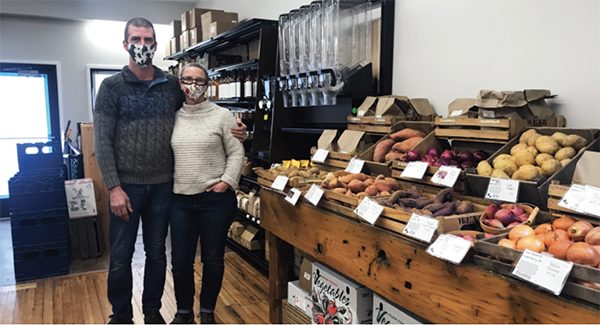
Dusty and Julia James of Radish & Rye Food Hub

Andrea Karns is used to working from her office, handling sales and overseeing the nine Karns Foods stores located in central Pennsylvania.

She’s been in the family business since she was 15. But as vice president of sales and marketing, she hadn’t worked inside one of the grocery stores for some time.

That changed in March when she found herself driving a delivery truck and pitching in as a cashier.

These were the early days of the COVID-19 pandemic—the days when Karns saw empty shelves and shortages, when people were stockpiling toilet paper, meat, canned goods, whatever.

“There was so much concern and question,” she said. “The unknown really fueled that panic buying.”

While customers have gone about their shopping during the pandemic—online or in person—local grocers have had to cook up new ways to keep up with the pandemic’s twist and turns. Larger grocery store chains may have experienced similar challenges, but with fewer resources, small stores in central Pennsylvania were in a unique predicament.

This is a lesson that owners Julia and Dusty James of Radish & Rye Food Hub know well.

“We’ve had to release expectations about what’s going to happen and do the best at any given time,” Julia James said.

Unlike Karns, Radish & Rye only had one location when the pandemic hit—their stand in the Broad Street Market in Harrisburg. But just like Karns, James painted a picture of an overwhelming flood of business in the early days of the pandemic.

Pre-COVID, that would have been any business owner’s dream, but, now, more people meant more confusion and more risk.

Radish & Rye quickly pivoted, closing their market stand to shoppers and operating as an online store exclusively.

“This was not something we ever thought would be part of our business model,” James said.

They also accelerated an existing plan to move into a storefront across from the market on N. 3rd Street.

James is glad that they were able quickly to build an alternative business model, but she misses the in-person experience of customers perusing the aisles. The scroll, click, add to cart of online grocery shopping is impersonal, detached. Soon, she expects to have a hybrid model as Radish & Rye opens their new brick and mortar to customers, while retaining the hard-won virtual store.

Just like Radish & Rye, Karns decided to provide online shopping for their customers, a plan that was always in the works, but was accelerated by the pandemic.

“We had to readjust and say, sometimes you have to make a different game plan,” Karns said.

Saving Grace

Although many small grocery stores had to rush to launch an online platform for customers, some, like The Healthy Grocer, a natural and organic market in Camp Hill, were already set.

“We were fully prepared,” said Susan Kiskis, general manager. “A lot of other health food stores were scrambling.”

While The Healthy Grocer could easily provide a safe way for customers to shop, they struggled to keep their supply up with the demand.

Kiskis explained that, at the beginning of the pandemic, people were over-buying, which stretched thin a national supply chain that wasn’t prepared. In addition, there were shortages in products from overseas due to closed ports and transportation issues. Meat was also in shorter supply from a lack of workers.

“We saw this chain link effect, and we felt it,” she said.

About half of The Healthy Grocer’s suppliers are local, small businesses, which Kiskis said was their “saving grace.” It’s often not easy to find all-natural, antibiotic and growth hormone-free products, but local places like the Carlisle Farmers Market, Dickinson College’s Organic Farm and COB Vegan Bakery in York came through for them.

However, nearing 10 months since the beginning of the pandemic, Kiskis still sees issues with the supply chain. Karns sees it too.

“You’ll still see empty spots on the shelf,” Karns explained. “We might not have your favorite, two-ply aloe vera toilet paper, but we have options.”

Karns stores may not be able to get products from every manufacturer, but they will most likely have the product you need, just maybe not your preferred brand.

“As a community, we’ve had to recognize we have been so fortunate that when we want something, we’ve been able to get it,” Karns said. “Now, having one brand is more important than three.”

Both Karns and Kiskis hope customers will understand that most of the time when they don’t have an item, it is out of their control.

As people have become more comfortable with navigating the COVID crisis, all three grocers have seen less traffic—and less chaos—over time.

Karns believes that shoppers are doing more in one trip and visiting the store less frequently. Additionally, Kiskis thinks that people are being more price-conscious, opting for bulk purchasing at larger chain stores.

Still, all three women were thankful for their loyal customers and staff members who have provided a bright spot during uncertain times.

“What stood out to me is how wonderful people have been,” James said. “People have been so sweet and kind.”

Karns is based in Mechanicsburg, with locations throughout central Pennsylvania. For more information and a list of locations, visit www.karnsfoods.com.

Radish & Rye Food Hub is located at 1308 N. 3rd St., Harrisburg. For more information or to shop online, visit www.radishandryehbg.com.

The Healthy Grocer is located at 3800 Trindle Rd., Camp Hill. For more information or to shop online, visit www.thehealthygrocer.com.

Support quality local journalism. Become a Friend of TheBurg!

Continue Reading

Virus Voices: Local author edits collection of pandemic-related stories

Writer and Harrisburg University professor, Robert E. Furey, writes in his story titled “Ouroboros” that “… a monster slouched into the awareness of our lives. They told us it was coming.”

The “monster” is COVID-19 and is the focus of “Voices From The Pandemic,” a recently published anthology written by healthcare workers, educators, writers, entertainers and others.

“The pandemic affected everyone’s lives in such a severe way,” said Cathy Teets, president of Headline Books, publisher of “Voices From The Pandemic.” “I wanted to hear personal stories from all ages, all occupations. A collection of these personal stories preserves this selected period of time much as a personal diary, journal or letters home will do.”

It’s not only adults who reveal their pandemic memories. The book has a special section with stories by a group of sixth-graders whose essays were part of a summer social studies assignment. All of them can now claim the title of “published writer.” One of them, Rilee Ruggles, writes, “My life in quarantine was kind of, well, awful but also good in a way.”

Yes, even a sixth-grader has a compelling personal story to tell.

“Memoir has the emotions, motivations, thoughts and fears of the period, as well as the facts,” said Lancaster-based author Don Helin, editor of “Voices From The Pandemic.” “History books are important, but they do not feature the underlying emotions and excitement.”

For publisher and editor, one of the first orders of business was what to choose from the more than 100 submissions received. Teets and Helin made selections based on story-telling abilities and the desire to include a variety of professions and life situations to give a broad view of the effect of the pandemic on society. One of Helin’s favorites was “When the Music Stops” by Joe Coleman, who was a member of the musical group, The Platters, for 23 years.

“I personally felt his story,” Helin said. “I feel his pain because all of my book tours were cancelled.”

And for Teets it was the stories that told of personal crises like death of a family member as written by F.T Pandora in “Not What We Expected” and cancer diagnosis and treatment obstacles in the heart-wrenching “Cancer and Covid” by Ellen Still. But not all the stories in the collection are on the serious side.

“I also thought “Covid Schmovid—Let’s Fish” by Rick Robinson showed how humor is always a lifeline through difficult times,” Teets said.

The care and consideration given to “Voices From The Pandemic” was worth it. The book received an honorable mention at the New York Book Festival.

“We were so excited with this award and honored to be noticed in such a competition,” Teets said. “I felt all the contributors deserved this wonderful award for their efforts of recording a slice of their personal history.”

Readers will certainly see their own personal pandemic journeys reflected on these pages. They will relate to the hint that something is askew as in Furey’s memoir, “Ouroboros,” about journeying through whiteout conditions and over heart-stopping cliffs in Utah and Colorado with a field studies class just as the COVID “monster” was exiting from the shadows.

“Skipping from Triassic extinction events of unknown cause to us, naïve and feeling safe in the confined space of a 27-foot RV, seems to feel like the right way to show we didn’t really know what was coming,” Furey recalled. “Joey, who was sick and didn’t tell us, only made the point for me.”

Readers will feel the frustration that contributor and retired doctor Janet Cincotta of Mechanicsburg recounts in her story “Until This, Until Now,” and that is of having the skills to help but unable to because of being high risk for COVID.

“It is torture for me not to be able to join my colleagues and friends on the front lines against this disease,” she said. “I ache for them. I know what it feels like to have to work without sleep, to miss meals, to put yourself at risk in order to care for patients under the best of circumstances. I appreciated the opportunity to speak out (in the book) from a slightly different perspective on the pandemic, as a frustrated observer, as a person whose lifestyle has not been deeply affected by the pandemic that is raging around me, and as a parent and grandparent.”

According to Helin, many who submitted memoirs to the collection had attended Zoom workshops sponsored by the Perry County Council of the Arts (PCCA). From Jan. 13 to June 9, another round of monthly Zoom memoir workshops is scheduled for Wednesdays from 5 to 8 p.m. For details, visit www.perrycountyarts,org/a-novel-idea.

“Voices From The Pandemic” is available at online booksellers and at the PCCA Gallery, 1 S. 2nd St., Newport.

Support quality local journalism. Become a Friend of TheBurg!

Continue Reading

Grains of Taste: Talking Breads brings local, authentic foods, flavors to the West Shore

Grazing Board

To borrow a phrase from the inimitable David Byrne, “Piece of mind. It’s a piece of cake.”

To that, I might add a few scones, some delicious peanut butter chocolate bars, cured meat, bagels, bread, cookies and, oh, so much more.

That’s what you’ll discover at Talking Breads, the name a riff on Byrne’s iconic new wave band, Talking Heads. Owners Shana and Joe Amsterdam, who opened their business back in February, try not to take themselves too seriously, but are quite serious about their products, which are simultaneously high quality and accessible.

“We don’t want people to feel we have pretentious products, just good locally sourced items that people will enjoy,” said Shana.

 Local Focus

The couple launched their original business selling at farmers markets. In 2014, they decided to purchase a property in Shermans Dale, moving in a year later after building a house and bakery.

They said that, over time, they realized that they wanted to change direction.

“We came to the conclusion that we didn’t want to just do farmers markets all our lives,” Shana said.

So, they sold their Perry County property and relocated to their native Cumberland County.

“We bought this Lisburn Road property last May (2019), started construction last October, and now here we are,” Shana said. “We opened right before COVID struck and had to reroute everyone to a pickup window, but we felt fortunate to be deemed an essential business.”

The products offered at Talking Breads will delight any fan of locally sourced goods. For instance, one of their suppliers is Harrisburg’s Elementary Coffee Co.

“We like their light roast from Colombia and a dark roast called Black Rose, which we enjoy very much,” Shana said.

The couple also partners with Good Keeper Farm in Gardners and assists young people in the LEAF program by selling their produce, as well. Three Fold Farm, located nearby, provides tomatoes and seasonal fruits like figs, papaws, kiwis and berries, according to Shana.

Talking Breads also serves as a pickup location for people who get produce from the popular CSA run by Spiral Path Farms in Loysville.

To craft their artisan breads, the couple relies on wheat berries and rye berries from Pecan Meadow Farm in Newburg.

“We mill them for flour for our bread,” said Shana.

Bread choices include wheat, rye, sourdough, European rustic and darker breads, which are crusty on the outside and chewy on the inside, with the French bâtard being the most popular.

“People also love our fruit and nut breads,” Shana said.

Cheese is sourced from Caputo Brothers in York.

“We have ricotta salata, aged ricotta, provolone and mozzarella,” she said.

During warmer weather, the couple encourages customers to stay awhile and enjoy an old-fashioned, yet upscale picnic.

“We sell a grazing board, which includes a variety of meats, cheeses, breads, pickles and spreads for $11 a person,” Shana said.

To make things extra fancy, customers can bring along vases and purchase a bouquet from Carlisle-based Roots Cut Flower Farm.

Many Things

Cathie Jenkins has been a fan of the couple’s artisanal breads since being introduced to the products at Farmers on the Square in Carlisle.

“Having spent time in Europe, we missed the hearty, nutritious bread we had learned to enjoy there,” Jenkins said. “Through snow and ice and frigid weather, Joe and Shana kept us supplied with their tasty creations.”

She said that she has watched the couple perfect their craft over the years, even going so far as to order a mill from Austria to process locally sourced grains, with some grown on their own farm. Jenkins said that she is thrilled that the business now is closer to her home.

Customer Liz Dete, a twice-a-week customer, is equally as satisfied, saying that the business is many things to many people.

“For my husband George and me, it’s a coffee shop for coffee, a chocolate chip cookie and lingering outside at a picnic table,” she said. “It’s a grocery store for house-made egg and chicken salad, locally pickled red beets, house-made sweet slaw and local granola.”

Dete said that she also buys her cheeses, produce and baked goods at Talking Breads.

The Amsterdams currently raise chickens and cows on their 26 acres and live in the house located behind the business. They eventually want to connect the two buildings and hold workshops and classes and add café seating.

Future plans include planting more fruit trees, perennials and flowers, and they talk of making their own products for their charcuterie boards.

“Salami is not available locally now because we can’t find anyone who does USDA charcuterie in the area,” Shana said.

“To sell cured meats wholesale, you need a federally inspected facility, which involves a lot,” Joe added.

The couple employs nine workers, and they expect to bring on additional help as they expand.

“Every day is different,” Shana said. “One day, I’ll be baking and shaping bread or weeding the garden or moving the cows. It keeps things interesting, and watching the community come together and embrace us as they have has been very gratifying.”

Talking Breads is located at 1619 W. Lisburn Rd., Mechanicsburg (Monroe Township). For more information, visit www.talkingbreadsbakery.com or their Facebook page.

Support quality local journalism. Become a Friend of TheBurg!

Continue Reading

It’s All Over But the List: Sorry, but I have to drag you through 2020 one last time

A few years ago, after finishing my annual “top 10” news list, I had a revelation.

“All the stories this year are good news,” I cheerfully told a colleague, who, as I recall, seemed less impressed than I.

Well, that’s definitely not the case this year. The year 2020 will go down in history for many things, but “good news” will not be among them.

Nonetheless, at least in Harrisburg, it wasn’t awful soup to nuts. There were a few bright spots amidst the gloom. So, with apologies to all readers and to humanity in general, let’s revisit 2020 one final time, as I return with my annual, totally subjective ranking of the top 10 local new stories of the past year.

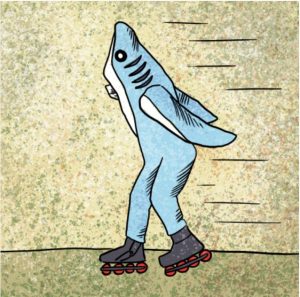
10. Land Shark. In this annus horribilis, let’s begin on an upbeat note—perhaps the one unalloyed, unexpected joy to come out of 2020. Naturally, I’m talking about Harrisburg’s one-and-only skating fish, Sharkman. Back in May, he glided into our lives, a vision in blue-and-white felt, offering fleeting comic relief for a pandemic-weary city. Before long, Sharkman sightings abounded, the costumed critter becoming a social media celebrity and even making a Burg cover. A few months later, a young musician named Jordan Dandy took up the inspirational cause in Harrisburg, holding up signs with messages like, “I value you” and “You’re so important.” When I look back on the chaotic, divisive, dark year of 2020, I hope that these two selfless people come first to mind.

9. Crime & COVID. Now that I’ve built you up, let me bring you back down. Like in many U.S. cities, Harrisburg experienced a surge of gang activity, which, inevitably, led to turf battles, disputes and violence, especially in certain city neighborhoods. The pandemic seemed to play a big role, with jobs lost, schools closed and youth idle. The city and county responded by gearing up its anti-gang task force, but not before numerous young people took a wrong turn or even lost their lives.

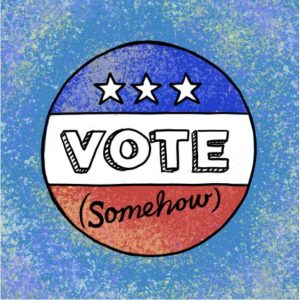
8. Vote, Somehow. In my annual list, I typically keep to stories exclusive to the Harrisburg area. The presidential election was not that, but the changes to our long-established ways of voting affected people in this political town tremendously. In Dauphin County, cautious voters cast more than one-third of their votes through the mail, while many others anxiously masked up and headed to their polling places. Kudos to our election officials for pivoting quickly to what amounted to an entirely new way of holding an election, doing so with speed and accuracy. In just months, they built a hybrid voting system, a legacy that is certain to stay with us, changing our voting habits, perhaps permanently.

7. Off the Cliff. A late-year story squeezed into my Top 10 this year—the state legislature’s rather surprising decision in November to let Harrisburg retain its elevated earned income and local services tax rates. The average city resident may give this a shrug, as their tax bill will not change at all. But it’s a huge relief for city officials who feared falling off the “fiscal cliff” in a few years, when their extra taxing authority would have expired, forcing them to somehow make up $12.4 million in annual revenue. With this matter settled, the city now feels it can move beyond its decade-long fiscal nightmare, finally putting the profligate Reed years and resulting financial crisis behind it.

6. Major Developments? The announcements began early in the year at the former Bishop McDevitt building, headed down to South Allison Hill, took a turn onto N. 6th Street and then bolted over to the red-hot Reily Street corridor. Italian Lake, downtown and the Shipoke area even got caught up in the frenzy. I’m referring to major building proposals in the city. From pro athletes to ambitious developers to several nonprofits, everyone, it seemed, wanted to build something—often something very large—in Harrisburg. While there was no lack of plans, there was a definite lack of hammers, nails, bricks and mortar. Will 2021 see anything more, um, concrete? I’ve been around this town long enough simply to wish everyone the best and then sit back and see what, if anything, develops.

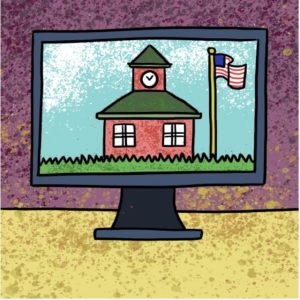
5. Home Work. The Harrisburg School District has been through the ringer in recent years: a discredited administration, a bitter school board race, state receivership and a whole new leadership team. Just as the dust began to settle, the pandemic hit, sending kids packing for home instruction. Nearly a year later, they still haven’t returned to the classroom. Credit the administration for quickly cobbling together a virtual program and the teachers for implementing it. However, all-Zoom, all the time has been a poor substitute for classroom learning, so much that even the kids yearn to return to school. If you look up the term “no-win situation,” you just might find a picture of the district’s stressed teachers, students and parents.

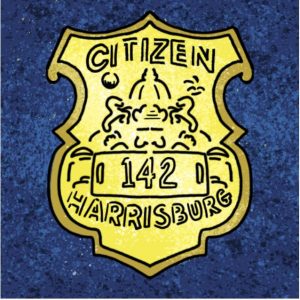
4. Committee Compromise. Every year, Harrisburg has at least one policy issue that makes it onto my annual list. For 2020, that initiative was the Citizen’s Law Enforcement Advisory Committee. The city first proposed the legislation in June after weeks of Black Lives Matter protests, though the ordinance didn’t pass until November, following several public meetings, hundreds of public comments and numerous changes. For some residents, the legislation went too far; for others, it didn’t go far enough. We’ll now see how this compromise plays out as the committee is populated and begins its work in 2021.

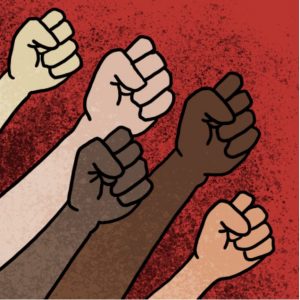
3. Year of Protest. I’ve long considered Harrisburg to be a sleepy capital city. Each morning, state workers zip in and, each evening, they zip right back out. Most of the time, that’s about the extent of the state’s impact on the city. Not in 2020, when Harrisburg became a magnet for protests. The year of outrage began in April, with noisy anti-lockdown protesters gridlocking city streets, then continued in May and June with demonstrations and marches in support of Black Lives Matter, before wrapping up in November with election-related protests and counter-protests. Along the way, there were some tense moments, especially in the neighborhoods near the Capitol. However, as they say, all’s well that ends well. Violent incidents were remarkably few given the thousands of people who participated in dozens of protest actions, even if police sometimes literally had to stand between opposing sides to keep the peace.

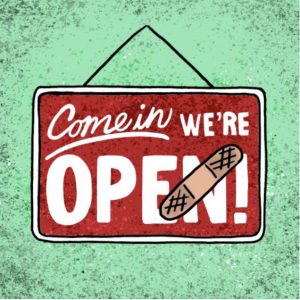
2. Small Business Battered. The pandemic has wrought tremendous collateral damage (see several items above), but the impact on the small business community has been especially profound. Harrisburg is a unique place. Snubbed by major chains, local people have stepped in to fill the gap, with each restaurant, bar and shop its own individual, often quirky, creation. As of this writing, most have survived, though some have not, and many are teetering still. As I have before, I renew a call to support our wonderful small businesses and arts groups, which add so much life and character to this weird little city on the Susquehanna River.

1. COVID Is Everything. In my three decades in journalism, I have never before seen a single story so dominate the news cycle and our lives, affecting everything from our health to our economy to our schools to our social lives to our housing. In fact, you can overlay the pandemic atop of each of the prior nine stories on this list. Since March, it’s been the stormy sea we’ve all been forced to swim in, and, here at TheBurg, we’ve slapped on our masks and tried to cover it from every possible angle. I hope we’ve been of service to our community during this time of trial, though I pray we’ll never have to endure anything like it again.

There’s an old saying that there are few guarantees in life. Heck, 2020 serves as a perfect example. As the strawberry descended in Market Square on last New Year’s Eve, who could have imagined the difficult year ahead? Having said that, I can practically guarantee that, a year from now, my 2021 reflections will be more positive, the news less doom and more bloom.

After all, the coming year has to be better. Right?

Yes, right.

Lawrance Binda is co-publisher/editor-in-chief of TheBurg.

Illustrations by Rich Hauck.

Support quality local journalism. Become a Friend of TheBurg!
Continue Reading

This Kind of Woman: Poet Kate Baer pulls back the curtain on womanhood in her bestselling book

I was in sixth or seventh grade when a teacher told me I had a knack for writing.

Mrs. Zehr was her name. All the extra effort I put into my papers was noticed, and she saw something in me. It took a few years before that sunk in, but I decided that’s what I’d be—a writer. Her encouragement sticks with me.

Many of us can probably point back to times like that, when someone important in our lives “called us out” for who we would become. For poet Kate Baer, that “someone” was Mrs. Rittenhouse, her second-grade teacher, who also told her she would be a writer.

I guess these teachers are on to something.

Baer, of Hummelstown, recently published her first book, dedicating it to teachers. “What Kind of Woman,” a collection of poetry, became a New York Times No. 1 bestseller the same week that it hit stores in November.

“It was really exciting,” Baer said of the experience. “I got a bunch of people to buy poetry, which really still blows my mind.”

Baer’s words, raw and vulnerable in “What Kind of Woman,” speak to the experience of being a woman, wife, mother and friend.

Her poems are meant to be real and relatable to those who find themselves in any of those four categories. Baer isn’t afraid to talk about the loneliness and sleeplessness that comes with motherhood or the times when husband and wife put on a smile and act like everything’s OK in front of company.

This is not a happy ending. This is not a fairy tale. This is the beginning of a life you haven’t met. It doesn’t matter how much you fall down on your knees, brown the buttered pan—time will reveal loves’ complication. Gloom and happiness.

— From “For the Advice Cards at Bridal Showers”

“I’ve always really loved peeling back the layers on things and telling the truth in a shocking way,” Baer said.

Baer’s identity as a woman is central to all the roles she plays in her poems. Some celebrate female friendships or body positivity. Many of her poems land on the idea that society or men have something wrong about women, and, with each word, she seems to reclaim womanhood.

The week before my wedding, my friend’s dad said: just don’t get fat, like other wives do. And so I brined him in a deep salt bath, added thyme and celery. Devoured him whole, in one big bite, so he could see just how hungry a woman can be.

From “Like a Wife”

Other poems, like “Things Men Say to Me” and “Female Candidate,” address misogyny more directly by repurposing sexist phrases that Baer has become accustomed to hearing.

Because of the bold ways that Baer expresses her feelings around feminism and modern womanhood, she was surprised when she received a card in the mail from Mrs. Rittenhouse. This time, it wasn’t a report card, but more like fan mail.

Remembering her teacher as a more conservative older woman, Baer “thought this book would insult her.” But Mrs. Rittenhouse had only good things to say.

Baer’s intentionality to make the book relatable in a fresh and organic way is what she thinks draws in women despite differences.

“Love and heartache and grief and motherhood and romance is something that a lot of people experience, of all ages,” she said.

In April, Baer shared a picture on Instagram of herself lying on the couch with her four kids perched and flopped on top of her. She captioned it, “Mother in the time of Covid.”

In a different time, she could go to her favorite writing spot, the Panera Bread in Hummelstown, to get some work done. That’s where she wrote “What Kind of Woman.” Every now and then, she will still drive to that parking lot and write in her car, she confessed. She has no office and sitting in her bed is very uncomfortable.

COVID robbed Baer of a typical book tour, and that was hard for her. But it had its silver lining—she could stay home with her kids.

Motherhood, womanhood, marriage—Baer expects readers will find those same themes in her next book, which she has just begun to work on.

“I think people want a kind of pulled-back curtain on every topic including marriage and motherhood, and people want to see themselves reflected back in literature,” she said.

For more information on Kate Baer, or to purchase “What Kind of Woman,” visit www.katebaer.com.

Support quality local journalism. Become a Friend of TheBurg!
Continue Reading

January Artist in Focus: Gloria Martin

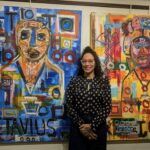
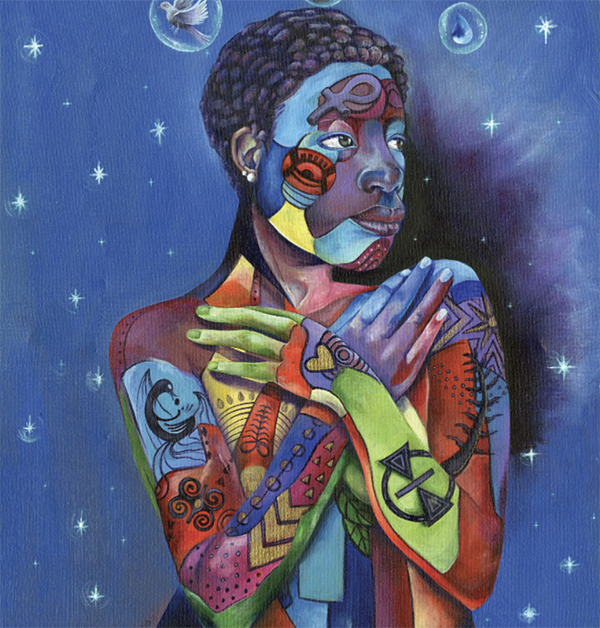
When you view Gloria Martin’s artwork, words like “natural” and “symbolic” easily come to mind.

Indeed, her paintings and illustrations often combine the realistic with the fanciful, with a dreamlike quality to many of her pieces.

“Nature is the first creator and teacher, which is why I make it habitual that naturalistic symbolism is an integral component in my work and within my life,” she told TheBurg. “Knowledge of self has led me to explore feelings of oppression while using nature and symbols to combat pain both self-inflicted and/or external forces.”

Her frequent use of acrylics punctuates her art’s unique character, emphasizing the space between the solidly here and the otherworldly there.

On this page, we proudly share a sample of Gloria Martin’s artwork. To see more, visit www.gloriajeanstudio.com or her Instagram site @gloriajeanstudio.

Support quality local journalism. Become a Friend of TheBurg!
Continue Reading

Home Sweet (Organized) Home: Virtual connections lead to real-life home organization

Stacy Schroeder was lying in bed one night, unable to sleep because of all the home organizational projects on her mind.

That’s when she had a lightbulb moment.

“I literally posted one little Facebook post, probably around 10 p.m., that said, ‘Hey, is anyone else interested in joining a Facebook group focused on getting our homes and projects organized?’ When I got up the next morning, there were probably 50 responses,” Schroeder said.

That morning, she created Project 10, a private Facebook group, as “an accountability group for people who want to work on purging or organizing their possessions and commitments.”

The ground rules are pretty simple. Members make a list of 10 projects they’d like to accomplish throughout the year, and then share the list with the group—for accountability and advice. The goal is to tackle one project a month, with two extra months of grace.

Schroeder launched the group with about 75 friends, but over the past few years that number has doubled to 150 people who hail from central Pennsylvania and beyond.

“I was initially surprised at the response, but as I thought about it, I actually wasn’t surprised there were so many people feeling the same way,” Schroeder said.

Members have downsized, moved and cleaned out closets, cabinets and clutter. Some are simply getting their households organized. Others describe themselves as minimalists. They share “before” photos for ideas on how to tackle projects, then “after” photos to share success with the group.

Schroeder is quick to point out that she’s no Marie Kondo—perhaps the world’s most famous downsizer—but she recognizes the value of trying to stay organized. She admits that her home office is a place “where things tend to pile up.”

“They say a messy desk is the sign of a creative mind… but when a place is not cluttered, there’s a peacefulness,” said Schroeder. “Staying organized is about finding a system that works for you and then maintaining it.”

The new year is a natural time to establish new habits, and Schroeder offered words of advice for anyone who finds home organization overwhelming.

“Pick a part of the house that has the most impact on you emotionally or functionally and make that your priority,” she said.


Clean Slate

Project 10 came along at just the right time for Ilona Burd. Recently divorced, she faced a daunting task: cleaning out her 3,200-square-foot Dillsburg home of 22 years and downsizing to a new Carlisle home half the size, where she’d also adjust to living alone.

The group helped her evaluate whether she really needed numerous pots and pans of the same sizes, “20 mugs for only me,” and clothing that no longer fit. The answers were all a resounding “no.” She established a sorting system for trash and donations.

“Downsizing and decluttering was freeing for me because it makes cleaning a lot easier—I do not like to clean,” Burd said. “I think it’s easier as you get older, to simplify and let go of things—to accept that you can’t keep it and take it with you.”

Still, it was an emotional process at times.

The hardest task was downsizing a collection of Delft porcelain that connected to her Holland-born father’s heritage.

“I cried as I did critical thinking about whether I really needed all of them,” Burd said. “That was hard, but I felt good about giving some of the pieces away to people who would enjoy them.”

The end result? Her collection shrunk from five boxes to just one, plus a handful of especially meaningful pieces displayed in her new home.

“I think of my daughter who has her own personal life,” Burd said. “I don’t want her to have to deal with all of this. It was making life easier, not just for myself but for family.”

Now, she keeps an ongoing “giveaway box” in her garage as she continues to downsize. The daily task of checking the mail is made easier by keeping a recycling container in the garage for junk mail. That way, she doesn’t bring it into the house. And she keeps a bin by the front door to corral her umbrella, shoes or shopping bags—items she has in her hands as she enters her home.

“It’s been really fun, to see her growth, not being attached to things anymore,” said Amy-jo Humpton, Burd’s friend and fellow Project 10 member.

Humpton, who lost her husband to cancer several years ago, also found support from Project 10 members as she reorganized her Lemoyne home.

“Sometimes, we keep things for the memories, because we feel guilty about throwing things out or donating them,” Humpton said. “But if you have a minimal amount of stuff, you’re living more in the present.”

Having Project 10 friends who weren’t emotionally attached to her things helped Humpton with the decluttering and downsizing process.

And now she’s sharing the skills she’s learned. She’s teaching her daughter how to keep her room clean, in the hope that those organizational lessons become lifelong skills.

“I’m also taking the opportunity to help my mom clean out her house,” Humpton said. “It’s another way of connecting—throughout the process, she has stories to share.”

For more information about Project 10, contact Stacy Schroeder via email at [email protected].

Support quality local journalism. Become a Friend of TheBurg!
Continue Reading

Wellbeing at Risk: Millennials’ mental health issues increasing during COVID-19


Millennials are more likely than Gen Xers or Baby Boomers to have behavioral health issues, a new BlueCross BlueShield Association report finds—and the COVID-19 pandemic is making matters worse.

According to “Millennial Health Trends in Behavioral Conditions”—the latest report in BCBSA’s “Health of America” series—92% of millennials say the pandemic is hurting their mental health. The report also concludes that the COVID-19 crisis has sparked a rise in both depression and alcohol/substance abuse.

“All of us are doing many things each day in an effort to cope with this pandemic,” said Karie Batzler, director of behavioral health for Capital BlueCross. “Some of those things are healthy and some of them are not, and I think millennials are emblematic of us all.”

The report sampled 55 million U.S. millennials—those born between 1981 and 1996—with commercial health insurance. Its analysis produced additional sobering conclusions:

  • Nearly a third of millennials have a behavioral health condition.
  • Millennials with behavioral health conditions are at twice the risk of having a chronic physical condition.
  • While millennials from majority Black and Hispanic communities have lower rates of mental health issues than millennials from white communities, that data is likely due to under-diagnosis.
  • Millennials diagnosed with an opioid-use disorder are 46% less healthy overall than their peers, and Blacks and Hispanics have lower overall rates of treatment than whites.

Because millennials now comprise more of the United States workforce than any other generation, and because they have also overtaken Baby Boomers as the nation’s largest population segment, their mental health issues may hurt the economy and have broad health and social implications. The most immediate concern, however, is what this rise in behavioral health problems might mean to millennials’ long-term wellbeing.

“Unfortunately, the rise in behavioral health conditions also puts millennials at greater risk of having chronic physical conditions as they age,” said Dr. Jennifer Chambers, chief medical officer at Capital BlueCross. “That can mean more cases of heart disease, high blood pressure or other conditions that can shorten their lives. One of the most effective things we can do during this pandemic is create a teachable moment for millennials to learn how to protect and maintain their mental and physical health.”

Educating millennials about how strongly their mental health connects to their overall health is a good place to start. So is teaching them how to best use their insurance coverage to address their behavioral health.

The latter is an ongoing effort at Capital BlueCross, which is concerned about a BCBSA survey finding that 62% of millennials said they only see their doctor when sick or in the midst of a medical emergency. Also worrisome: nearly half, 48%, said they would delay medical treatment due to cost.

Capital BlueCross tackles the issue not only through education—advising members on the most effective ways to use their healthcare coverage—but also through modernization that meets millennials’ needs. In a series of BCBSA-hosted listening sessions, millennials said they wanted the flexibility and convenience telehealth offers. Capital BlueCross heard them; it encourages use of its Virtual Care telehealth app, and visits to the app have soared 439% during COVID-19.

To help members access care, the health insurer temporarily waived member fees for Virtual Care visits for psychiatry, counseling visits and medical consultations.

For more information, visit www.CapitalBlueCross.com

Support quality local journalism. Become a Friend of TheBurg!

Continue Reading