Commonwealth to offer free vaccine clinic for eligible children as new school year approaches

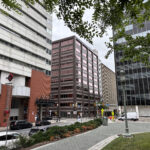
The Keystone Building in Harrisburg

The new school year is almost upon us, prompting the commonwealth to offer a vaccination clinic organized specifically for eligible children.

On Wednesday, Aug. 4, the state Department of Education will hold a free, walk-in clinic at the Keystone Building, 400 North St., Harrisburg, from 10 a.m. to 3 p.m. No appointment is necessary.

Parents and guardians are encouraged to bring unvaccinated children, aged 12 and older, to the clinic, where the first dose of Pfizer’s COVID-19 vaccine will be administered, according to the department.

“As we prepare for a return to teaching and learning in classrooms across Pennsylvania, it is critically important for children aged 12 and older to get the COVID-19 vaccine before the start of the new school year,” said Secretary of Education Noe Ortega, in a statement.

At the clinic, appointments for the second dose of the two-dose vaccine will be made, the department stated.

Nearby, food and refreshments will be available in Soldier’s Grove. The Pretzel Spot Café food truck and the Pennsylvania Dairymen’s Association will be on-site from 11 a.m. to 2 p.m., according to the department.

“Getting vaccinated gives us the power to fight COVID-19 and provides the best protection against the COVID-19 virus and variants, including the highly transmissible Delta variant,” Acting Secretary of Health Alison Beam said.

Click here for the PDE’s COVID-19 website.

If you like what we do, please support our work. Become a Friend of TheBurg!

Continue Reading

Harrisburg artist releases first single inspired by father with Parkinson’s disease

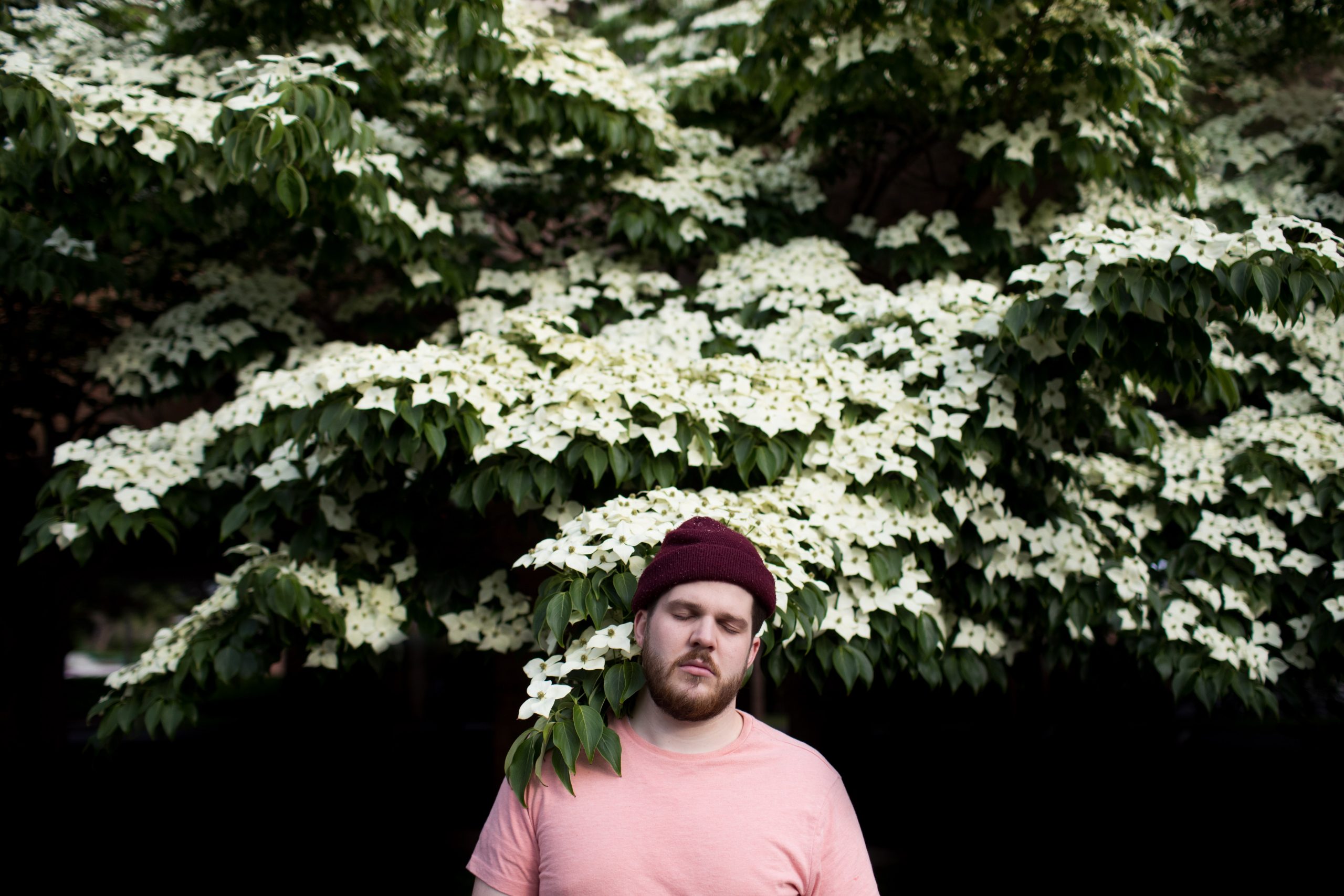
Drew Wilburne. Photo by Amanda Mustard.

Harrisburg musician Drew Wilburne was in a few bands in the past and loved music for as long as he could remember, but it wasn’t until this past year that he realized he had his own message to share through song.

Under the name “Big Happy,” Wilburne released his first single, “Summer Sleep,” in June, accompanied by a music video featuring some familiar faces in the city.

“Over the past year and a half, I found that I really had something to say,” he said.

The indie/alternative song grew roots from Wilburne’s relationship with his father who has Parkinson’s disease and diabetes. During the pandemic, his father came to live with him when Wilburne’s mom contracted COVID.

“It was a very abrupt and quick situation,” he said. “It was a realization how hard caregiving is.”

With that in mind, Wilburne wrote the lyrics for “Summer Sleep,” which reflect on caring for others and recognizing that time with them is short. The single became his first solo project.

“Ultimately, it was about realizing what it means to care about people,” he said.

But for Wilburne, the meaning of the song grew to not only include his relationship with his father, but with his friends, as well.

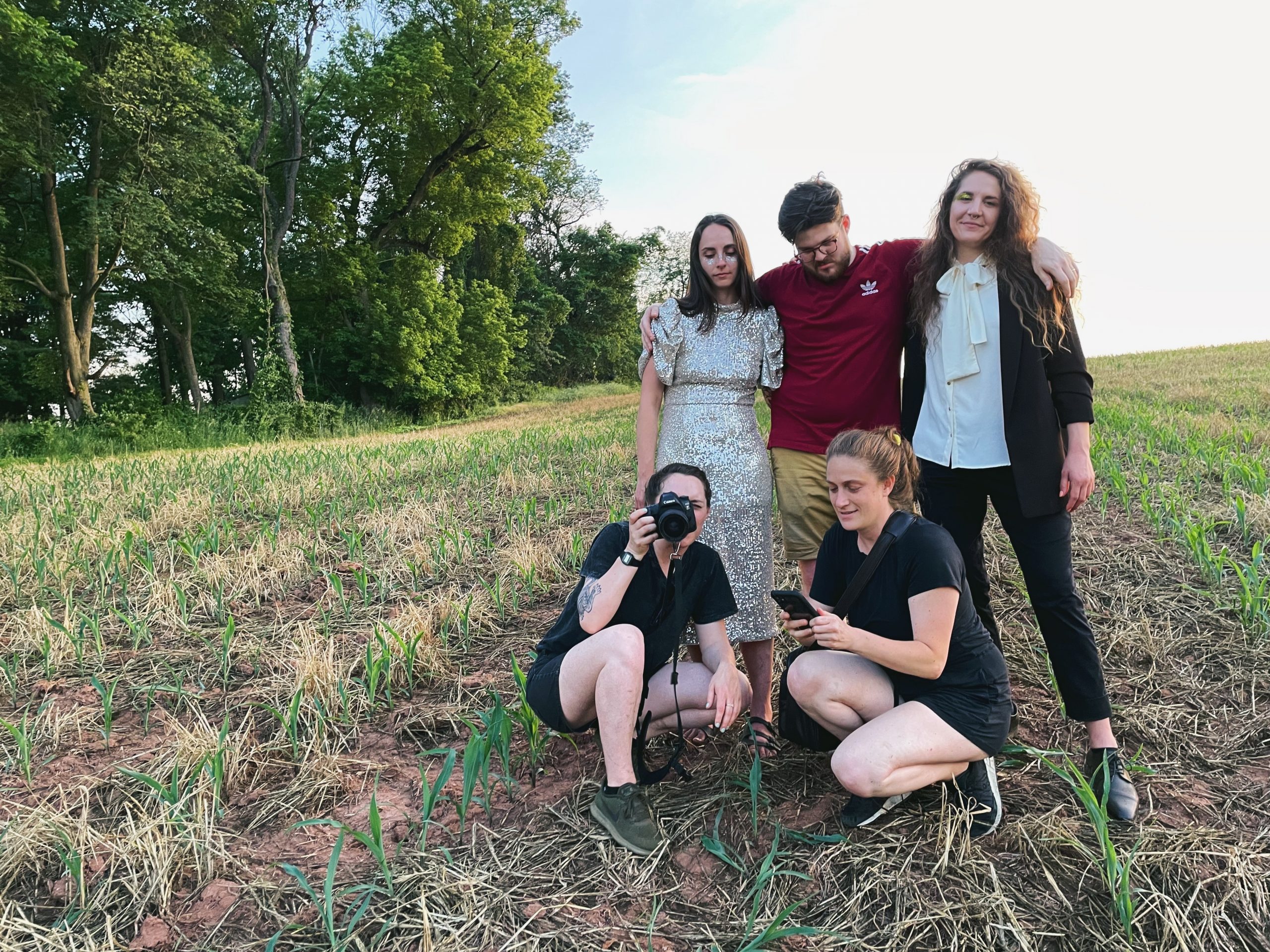
Wilburne, center, with producers and actors in the “Summer Sleep” video. Photo by Legend Coleman.

The “Summer Sleep” music video was shot by Harrisburg residents Amanda Berg, a documentary filmmaker and photographer, and Amanda Mustard, a photographer whose work has appeared in the New York Times and the Associated Press, among others.

Other friends of Wilburne’s, some who you may recognize from Little Amps Coffee Roasters, are featured in the video, as well.

The video starts with shots of people asleep, in a pool, in a field, under a bridge. It’s an eclectic group. One by one, they begin to move–one person frolics in a grape costume, another lifts a barbell. The youngest of the group, a boy, lifts a scooter over his head, flinging it in circles.

Wilburne explained the concept behind the video as each person acting out their dreams. Again, the inspiration came from his dad, who has trouble sleeping, just like he does.

Throughout the process of creating with his friends, Wilburne came back to that feeling of caring for those around him.

“It was really a means of spending time with them because that’s all we really have,” he said. “It helped me reconsider what it means to be present for other people and what it means for how I live every day.”

Wilburne plans to release more singles in the coming months, with a full record at a later date. He’s grateful for the support he’s received this far, especially the support of his friends.

“I feel like I did have something to say, but you’re still self conscious,” he said. “For them to buy into it and to make it better, it just cemented and validated my feelings.”

Listen to “Summer Sleep,” here. Big Happy’s music can be streamed on all major music platforms. For more information, visit his Facebook page.

If you like what we do, please support our work. Become a Friend of TheBurg!


Continue Reading

The Week that Was: News and features around Harrisburg

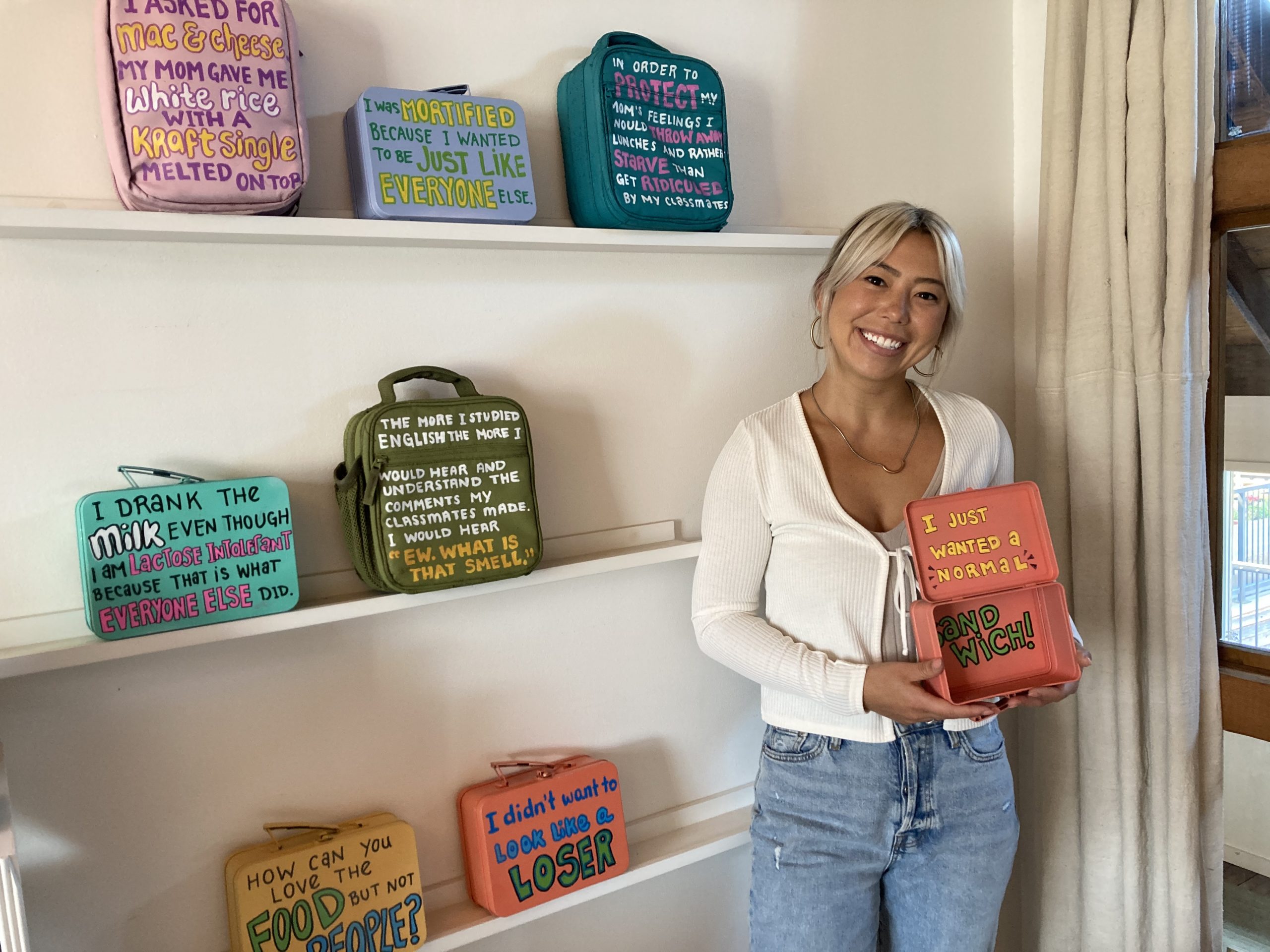
Artist Amie Bantz’s new exhibit “Lunchbox Moments” will soon open at the Carlisle Arts Learning Center.

Our August issue of TheBurg Magazine is being distributed today. Make sure you grab a copy and read about some talented kids and educators in the Harrisburg area—as featured in our Youth & Schools special section. In the meantime, catch up on this week’s local news, listed and linked, below.

Artist Amie Bantz tackles the culture clashes that can often happen in the school cafeteria in her upcoming art exhibit, “Lunchbox Moments,” our online story reported. The exhibit features around 90 lunchboxes painted by her and other Asian Americans with stories and phrases related to how they’ve felt when peers reacted to their traditional Asian lunches.

In his art blog, Bob assembles an elite group of Harrisburg artists that he refers to as “The Justice League of Art.” View the work of these painters, photographers and designers, here.

Our editor gets nostalgic thinking about Harrisburg’s young people, bringing him back to his own days of youth in his August Editor’s Note. He also pays tribute to TheBurg’s office pet, a lovable dog named Bernie who recently passed away.

Grandparents Involved from the Start (GIFTS) is a Harrisburg organization that seeks to support grandparents who are raising their grandchildren. In our magazine story, read about the women behind the organization and how they help others like them overcome challenges of self-care, guardianship and finances.

The Harrisburg Police Bureau hired seven new community service aides in an attempt to bridge the gap between police and the community, our reporting found. The full-time civilian positions were approved as part of the city’s 2021 budget.

Jamaican food is coming to Uptown Harrisburg, our online story reported. A popular Broad Street Market vendor, Porters House, is expanding and adding a standalone restaurant on N. 6th Street.

LCSWMA recently launched a virtual tour of its Susquehanna Resource Management Facility, also known as the Harrisburg incinerator, our online story reported. Through the resource, community members can learn about where their trash goes and how it is turned into clean energy.

Moran Logistics, a major Harrisburg company, acquired a large industrial site off Cameron and Herr streets, our reporting found. Moran did not specify how they would use the site, but the company does already operate at the adjoining World Trade Center Harrisburg.

National Night Out will be celebrated next week at the Camp Curtin School Athletic Field to help connect neighbors and further relationships with the community, our online story reported. The Harrisburg Police Bureau will host the event, which will include fireworks, food and games.

Street parking rates will increase next week in much of downtown Harrisburg from $3 to $4 per hour, our online story reported. This is the first such rate hike since Park Harrisburg assumed responsibility for much of the city’s parking system in 2013.

Wolf Brewing Co. recently opened in Mechanicsburg, our magazine story reported. With a total of 24 selections on tap, ranging from lagers to pilsners to sours, saisons and IPAs, there’s plenty to choose from.

Our writer Karen Hendricks shares the story of her friendship with Jeff, a homeless man who lived at a Harrisburg truck stop before recently passing away. Karen attended Jeff’s memorial service, and in her story, reflects on his life.

Sankofa African American Theatre Company presents “Pretty Fire,” which takes audience members on a journey through the Jim Crow South. The show has traumatic, drama-filled moments, but also finds a way to elicit laughter and cozy memories, says our theater reviewer.

Sara Bozich has weekend recommendations including concerts, outdoor movie nights and farmers markets. Take a look and plan your weekend, here.

Do you receive TheBurg Daily, our daily digest of news and events delivered right to your email inbox? If not, sign up here! 

Support quality local journalism. Join Friends of TheBurg today!

Continue Reading

Harrisburg plans to open Jackson Lick pool next week after a year without swimming

File photo of the Jackson Lick pool

It looks like Harrisburg residents can pull out those bathing suits after all.

The city announced on Friday that the Jackson Lick pool at 1201 N. 6th St. will open next week with a modified schedule.

The pool will be open Tuesday through Saturday from 12 to 2:30 p.m. and again from 3:30 to 6 p.m. During the midday break, staff will clean the pool and perform routine maintenance. Residents who leave the first session can return for the second session without additional costs.

According to the city, the pandemic and a shortage of certified lifeguards delayed the pool’s opening, which was originally supposed to happen in late June.

A maximum of 100 people will be allowed in the pool at a time, with entry on a first-come, first-served basis.

The Hall Manor pool will remain closed due to maintenance issues, the city said in a statement.

Both Harrisburg pools were closed last year due to the COVID pandemic.

Over the years, the city has tried to figure out a way to keep the 53-year-old pools open, patching and repairing where they could, but ultimately faced financial constraints.

The future of the pools is uncertain, but at least residents can enjoy some swimming to close out the summer.

For more information, visit the city’s website.

If you like what we do, please support our work. Become a Friend of TheBurg!


Continue Reading

Burg Review: Sankofa’s poignant “Pretty Fire” unveils warmth, humor, amid troubled times

Its program cover art is shaded black, with smoky amber flames eating away at worried eyes.

Therefore, I expected “Pretty Fire,” a new work from Sankofa African American Theatre Company, to take me on a traumatic, drama-filled journey to the Jim Crow South. And it did, for a scene or two. But I certainly didn’t expect the belly laughs and cozy memories that rippled throughout the rest of the story.

Told in the form of a memoir spanning from birth to pre-teen, playwright Charlayne Woodard (Sharia Benn) tells her life story through the African oral storytelling tradition called griot. The play is mostly a one-woman show, with the characters in Charlayne’s life story playing on the upper stage, symbolic of the way memories inhabit the corners of our minds (played by Megan Ruoro, Johntrae Williams and Meredith Greene).

We first meet Charlayne in her living room, playing an old blues record on her phonograph, digging through her hope chest and holding her family pictures close to her heart. Thus unfolds the set of stories, which begin with her family coming together around her seriously premature birth in Albany, N.Y., going to a mostly white school, and being called the n-word for the first time. (Spoiler alert: Mama helps take the sting out of that word, to take its power away.)

Then we go along with Charlayne and her sister Allie (Ruoro), who catapult us into the Deep South in the time of Jim Crow to summer with their grandparents. The memories are mostly cozy: singing “Dixie” among the pecan trees and peach trees, squishing red clay mud between her toes in the rain, and getting baths with her sister in grandma’s washtub. The bell ringing when opening the door of the corner store made my own memories rush back. I was suddenly 8 years old again, clutching a dollar bill, and trekking down the road to buy a few needful things.

Woodard’s vignette about singing in the church choir should be a play all by itself, perhaps a musical. This story perfectly encapsulates the experience of all-day church, complete with a matron wearing an enormous hat who glares and clears her throat to silence the children.

Benn delivers a gripping and authentic performance. I won’t soon forget her interpretations of both grandmothers, with their funniest flaws and all their love so obviously pouring forth. Although it would be easy to meld both together, Benn voices each with a distinct personality. Along the way, we learn lessons: front porch wisdom and how to guilt the grandma way.

The writing is full of poignant imagery that jolts you to a place in time, even if you’ve never been there or lived through it. Director Lyeneal Griffin describes the play as vivid and visceral, full of “personal memories that will feel like home for so many of us.”

“Pretty Fire” runs July 30 through Aug. 8, Fridays and Saturdays at 7:30 p.m. and Sundays at 2:30 p.m. The play is presented through a partnership between Sankofa African American Theatre Company and Gamut Theatre, where the play will be performed in adherence with all COVID-19 protocols. Order tickets through the website at www.sankofatheatrehbg.com.

If you like what we do, please support our work. Become a Friend of TheBurg!

Continue Reading

Jamaican restaurant to open in Uptown Harrisburg as Broad Street Market vendor expands

Porters House plans to open soon at 2001 N. 6th St.

A freshly painted bright red, green and yellow roof stands out in the Uptown landscape.

The flag painted on the front says it all–Jamaican food is headed to the neighborhood.

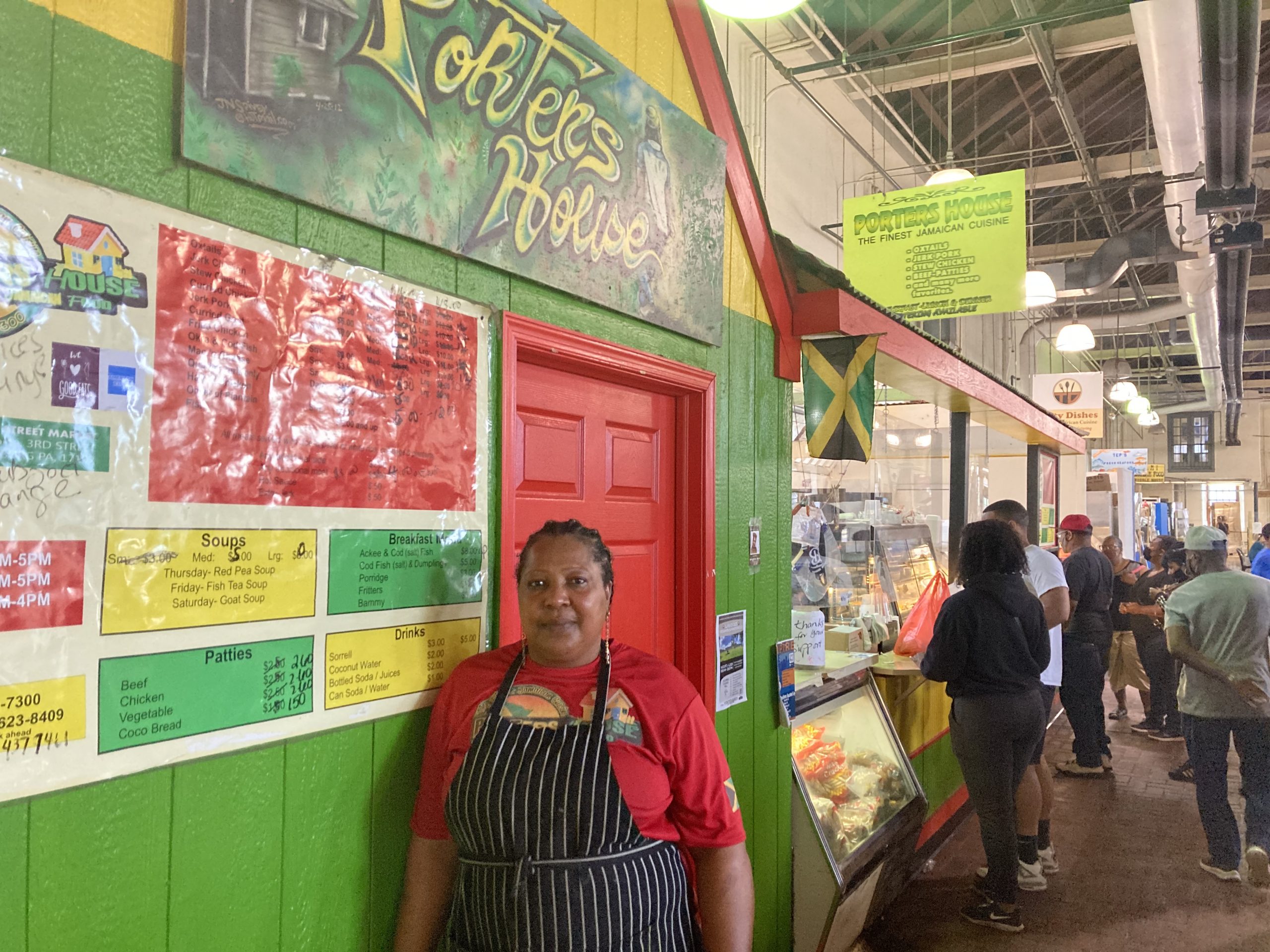
A long-time Broad Street Market vendor, Porters House, known for its authentic Caribbean food, will soon get cooking in its first standalone restaurant at 2001 N. 6th St. The building formerly housed a KFC and later Kennedy Fried Chicken.

For fans of Porters House’s market stand, don’t sweat it, they aren’t leaving.

Having operated her eatery since 2012, owner Nadine Graham said that she was ready for a new venture and a chance to serve her cuisine more than the three days per week that the market is open.

“I was getting too relaxed and stagnant,” Graham said of her decision to expand. “I just felt like I needed to do something more. I’m nervous, but if you’re not nervous, it’s not good.”

Nadine Graham at her Broad Street Market stand.

Originally from Jamaica, Graham moved to New York before making her way to Harrisburg with her kids. When she set up shop in the Broad Street Market, there were only a handful of vendors, she said.

“The market has endured so much,” she said. “I still love the market. I wouldn’t give it up for nothing.”

At Porters House’s new location, customers will find the same dishes that Graham serves at the market, but with even more menu options. Oxtail, jerk chicken and Jamaican beef patties are a few customer favorites, Graham said. To get the most authentic ingredients, many of which are hard to find in the region, Graham travels to New York and Baltimore regularly.

“When I came here, there was not much Jamaican food and I saw a need for that,” she said.

There have been ups and downs with the business, and weathering the pandemic wasn’t easy, but Graham’s passion for what she does keeps her moving forward.

“I love cooking; I love people; I love serving,” she said. “I love what I do.”

For years now, Porters House has taken leftover food on Saturdays to Downtown Daily Bread for residents in need. Graham said that they are looking for a volunteer to deliver the food, in order for them to keep the tradition going.

She is also looking to hire employees as they finish up renovations to the building and plan to open in the coming weeks.

Graham is hopeful that she’s headed in the right direction with the business.

“Uptown is changing; hopefully I made a good move,” she said. “I’m hoping that I get a lot of support from my customers. I’m just walking in faith.”

Porters House will open its new location at 2001 N. 6th St., Harrisburg. Their stand at the Broad Street Market is located in the stone building. For more information, visit their Facebook page.

If you like what we do, please support our work. Become a Friend of TheBurg!


Continue Reading

August Editor’s Note

Harrisburg is a place of comings and goings.

Recently, the city lost two wonderful 20-somethings to the winds—TheBurg’s former city reporter Lizzy Hardison, who departed for Texas, and our former feature writer Yaasmeen Piper, who now makes New York her home.

Over the past few years, we’ve lost several other wonderful young reporters to the Big Apple. Harrisburg’s loss, Gotham’s huge gain.

In a way, that’s the nature of capital cities—young people come, stay awhile and then move on to opportunities in other places.

Some have relocated just across the river, while others have moved to other states, even other countries. I’ve lost count of the number of people I once saw regularly about town—shopping at the Broad Street Market, having coffee at Little Amps—who now exist only in a memory.

Harrisburg is better for having had them, and I hope they feel the same about the little city where they spent a few years of their young lives.

My apologies for the nostalgia. August can make me that way, as the summer deepens and sparks so many memories of my own youth spent on beaches, in shared houses, at temporary jobs, thinking about the life ahead.

Speaking of young people—our August issue typically shares a thread of stories devoted to youth and schools, and so it is this year, as well. Among these pages, you’ll find stories about local teachers, schools, programs, etc., among our regular mix of community features, food, culture and the great outdoors.

Before I go, I have to note one more departure.

About six years ago, we ran a story about “office pets,” and, in this space, I mentioned that TheBurg had our own office pet—a wonderfully gentle, ridiculously friendly Rottweiler and Golden Retriever mix named Bernie.

Bernie was the sidekick of our creative director, Meg, which is how he came into our lives. When Meg brought him into the office, the world (and the work) would stop as he scampered about, moving from desk to desk. If someone stopped stroking his long, soft fur, he’d happily move along to the next person and lean against them until he got his quiet, panty way.

In June, Bernie passed away after a long, content dog life spent with Meg and, on occasion, with us, too. We were awfully lucky to have him. He helped make our lives a little bit better, which is the most, I think, that a person can ask of anyone, or any dog.

Lawrance Binda
Co-Publisher/Editor-in-Chief

Click here to read our August issue.

If you like what we do, please support our work. Become a Friend of TheBurg!

Continue Reading

Going Paperless: Is there a future for local news?

Illustration by Rich Hauck.

I read a lot of stories about the news industry.

That’s no huge surprise, given that I run a newspaper and serve on the board of the state press association.

However, recently, one story struck me because it didn’t blame the usual suspects for the sorrowful state of the industry— i.e., the tech giants, the vulture capitalists and the newspapers themselves (all deserving of their fair share).

This article, which appeared in Politico, laid the blame squarely on newspaper readers. So, are you, cherished reader, responsible for the national flushing of the newspaper industry?

In his opinion piece, Jack Shafer, Politico’s senior media writer, essentially stated that local coverage is the broccoli of news—few people actually want to consume it.

“It’s not that nobody wants to read local news,” Shafer wrote. “It’s just that not enough people do to make it a viable business.”

Now, I love both broccoli and local news. Give me a heaping plate of green florets and a ripping-good zoning board article, and I’m all set for the night. But, sure, I can understand that not everyone shares my unusual affections.

I thought that Shafer made a fair point. Few people ever subscribed to the local newspaper because of its school board coverage. They subscribed to the local newspaper for a hundred other reasons, plus, maybe—maybe not—the broccoli-like school board coverage.

Back in the 1970s, when I was a kid, few things were greeted in my house with more enthusiasm than the Sunday newspaper. Who got the sports section first? The Sunday magazine? The comics?

At our kitchen table, we were like a pack of hyenas ripping into a gazelle. By noon, you could hardly tell where the world news section began and the lifestyle section ended. And, damn, my sister already got to the word jumble!

Perhaps ironically, I was little interested in the local news section. Then again, what 10-year-old wants to read about bond deals and sewer problems?

My point is that local news, standing alone, was never a newspaper’s profit center. People subscribed for the totality of what a newspaper offered: the news plus the sports plus the crossword plus the TV guide plus the food column plus the obits plus . . . everything else.

Newspapers may have devoted most of their expensive editorial staffs to covering local news, but that was mostly a civic-minded obligation. It’s where they spent their money, not where they made it.

We now live in a world where readers don’t have to wait until the next morning to find out how their stocks did or if their sports team won. At the click of a mouse or swipe of a screen, they have a universe of information available to them—and in real time.

Local news is about the only unique thing left to the local newspaper. You often can’t find it anywhere else, but, as Shafer argues, how much of a market is really out there for local news divorced from the rest of what we once called “the paper?”

Thirteen years ago, when we started TheBurg, many of the distressing trends that have now overwhelmed the industry had already begun.

Advertising was moving away from print, destroying the local paper’s revenue model. In response, newspapers cut costs, which reduced their staffs, which debased their products, which alienated their readers—which led to even greater revenue losses and, in some cases, distress sales and closures. A vicious cycle had been set into motion.

Nonetheless, we sought to build something new based entirely on local information, events and people. If local was the only real value left to the newspaper, we may as well embrace the trend, not fight it.

So, we launched a print news product based upon three “senses.”

Sense of knowledge: We would feature reliable, neighborhood-level information that you often couldn’t find anywhere else—and make it available to all.

Sense of place: We would be unabashedly about one community—Harrisburg, Pa.

Sense of surprise: We would try to make local news informative, fun, attractive and interesting.

Over the years, many people have asked me how we managed to launch and grow a print newspaper at a time when local news is dying. That’s how we did it—plus vital community support and close attention to the bottom line.

In fact, over time, we even added and expanded our daily online, free news reporting, which I routinely call a “charity” since it’s most certainly not a profit center. But we also consider daily local reporting to be an important community service.

Many people have told me that we should launch a Burg-like newspaper where they live—that it’s needed in their city or town.

I like to believe that TheBurg could serve as a model for a new type of local news product. To some extent, maybe the future of local news is like TheBurg: hyper-local, attractive, focused and integrated into the community.

So, yes, it’s possible, I tell them. But it does require extraordinary local commitment, on-the-ground talent and enough financial support to sustain it over time.

The era of the local newspaper is dead. Long live the local newspaper.

Lawrance Binda is co-publisher/editor-in-chief of TheBurg.

Illustration by Rich Hauck

If you like what we do, please support our work. Become a Friend of TheBurg!


Continue Reading

Harrisburg & Harlem: Programs spotlight three local women hailed as Harlem Renaissance poets

Esther Popel

I pledge allegiance to the flag—
They dragged him naked
Through the muddy streets,
A feeble-minded black boy!

—“Flag Salute” by Esther Popel

This pretty futile seam,
It stifles me—God, must I sit and sew?

—“I Sit and Sew” by Alice Dunbar-Nelson

Oh, little brown girl, born for sorrow’s mate,
Keep all you have of queenliness,
Forgetting that you once were slave,
And let your full lips laugh at Fate!

—“To a Dark Girl” by Gwendolyn Bennett


Esther Popel, Alice Dunbar-Nelson and Gwendolyn Bennett were three major voices of the Harlem Renaissance—lost to time, in part, because those voices belonged to women.

All three poets had ties to Harrisburg. Now, 100 years later, Harrisburg artists, civic leaders and historians are educating a new generation of students who find inspiration in their stories.

In an age rededicated to equity, lessons about the artists of the Harlem Renaissance confirm the imperative of paths to opportunity and promise.

“With learning about yourself, about your culture, you are definitely able to propel your community and become your full self, knowing who you are and being comfortable in your skin, being an African American,” said Courtney Brown, president of Alpha Kappa Alpha Sorority, Epsilon Sigma Omega Chapter, Harrisburg, which is educating students about the Harlem Renaissance and the three poets. “This allows for that, to say you have forefathers who have been in poetry, art and dance, and you’re able to continue on that legacy and be glad in it.”


Alice, Esther, Gwendolyn

Harrisburg. Harlem Renaissance. Safe to say, the two are rarely linked. Until now.

The Harlem Renaissance was the flowering of African American culture in the 1920s and ‘30s. The likes of Langston Hughes, Paul Robeson, Marcus Garvey and Josephine Baker flourished amid a literary, musical, activist and intellectual environment devoted to creativity, free expression and Black empowerment.

In the years before the Harlem Renaissance, Harrisburg had its thriving 8th Ward, where African Americans joined a diverse mix of cultures and faiths to build homes, businesses and places of worship. By the 1920s, it was gone, demolished to make way for the expansion of the state Capitol grounds.

On the Capitol grounds, the Commonwealth Monument now commemorates the civic and economic vitality of the Old 8th. Among 100 names listed of the residents who gave the 8th Ward a place in history, three are poets whose voices battled injustice.


Alice Dunbar-Nelson (1875-1935):
Author, poet, playwright, publisher, peace activist. Indefatigable suffragist whose 1915 speaking tour across Pennsylvania—including an audience of 1,000 at Harrisburg’s Wesley Union AME Zion Church—challenged men, in the words of one headline, “to Present Real Argument Why Women Should Not Vote.” Her poem, “I Sit and Sew,” seethes against an African American nurse’s only pathway to contributing to the World War I effort while men died “in that holocaust of hell, those fields of woe.”

Harrisburg tie: The marriage to her first husband, poet Paul Lawrence Dunbar, fell apart amid his abuse and alcoholism. After his death in 1906, she married prominent Harrisburg publisher Robert Nelson and split her time between Harrisburg and Wilmington, Del.

Esther Popel (1896-1958): Poet, writer, educator, editor of African American periodicals. The academically gifted Popel (also known as Esther Popel Shaw) was the first Black woman to graduate from Dickinson College, which named the Popel Shaw Center for Race & Ethnicity in her honor. Popel’s searing “Flag Salute” juxtaposes lines from the “Pledge of Allegiance” with an account of a highly publicized Maryland lynching (“With Liberty—and Justice—They cut the rope in bits/And passed them out/For souvenirs, among the men and boys!”).

Harrisburg tie: Born and raised, a graduate of Central High School.

Gwendolyn Bennett (1902-1981): Poet, artist, commentator, a founder of the Harlem Renaissance. Langton Hughes, Countee Cullen and Zora Neale Hurston conversed in the salons that Bennett hosted.

Harrisburg tie: Born in Louisiana but kidnapped by her father after her parents divorced, she grew up in the 8th Ward and excelled at Harrisburg schools.

As the Commonwealth Monument project accelerated, local historians and artists spotted the ties between the three women.

“These are really significant women,” said Messiah University Professor Jean Corey. “It’s not like Gwendolyn Bennett was a little bit of Harlem Renaissance. She helped start the Harlem Renaissance.”

The creative lights of the Harlem Renaissance, including Harrisburg’s contributors, form the centerpiece of an arts-education initiative meant to fill gaps in African American cultural history caused by cuts to the arts in schools, said Brown.

The service sorority’s in-school programs planned for this fall could culminate in performances that provide “opportunities for students to showcase their talents and maybe develop their gifts in a way that they didn’t realize their ancestors before them have already done here in America.”

“It’s not something new,” Brown said. “It’s something that they can continue.”


“This Happened Here”

For students, shining a light on women from Harrisburg who built national followings through uncompromising words inspires the realization that others have blazed a path, said Brown.

“They can be engaged in the arts in this way, and it gives them some commonality to say, ‘I can lead from where I am because other people have done it,’” she said.

For girls, Brown added, the women offer “mentorship through history. They’re seeing themselves, and they’re also seeing that there’s opportunity, especially when times arise again that you’re looking at the difficulties of sexism in America. They’re able to see that they can propel through those difficulties and obstacles and stand on top of their fields, be it athletics, be it science, be it entertainment.”

Bennett and Popel definitively answer the question, “Can anything good come out of Harrisburg School District?” said Sharia Benn, founder, president and executive artistic director of Sankofa African American Theatre Company.

“This happened here,” she said. “Esther would not have been what she became if she had not been here. I continue to be amazed. In the face of exclusion and adversity, she still rose. These women are phoenixes.”

Give today’s students the same access and opportunity, Benn added, and they, too, can develop “creative legacies of honor and legacies that honor our present, our past and will reflect our future.”


Conduits for Education

Benn had a “wait a minute” epiphany while developing her play, “Voices of the Eighth.” It was approaching 2020, a year of elections and census. Culling sources from the 100 Voices/Commonwealth Monument Project, she spotted the three poets and the parallels to our times.

“These women spoke to the importance of being counted,” Benn said. “They addressed the importance, as a woman, of being seen as a valuable member and contributor to their society and to politics and to policymaking.”

Benn wrote Bennett and Popel into “Voices of the Eighth” (a.k.a. “VOTE”), presented for students and audiences throughout the area. As a pandemic-year follow-up, Benn created a virtual presentation, “Do You Know Me?” featuring Dunbar-Nelson and her most famous poem, “I Sit and Sew.” That presentation, with talkback and study guide, reached 2,500 students and teachers.

The women’s poetry—including Bennett’s powerful “To a Dark Girl”—enraptures students already accustomed to word slams and rap, said Benn.

“Being able to use those rhythms presented with words is engaging,” Benn said. “They’re hearing history that they’ve never heard before, never encountered before, didn’t even think was possible.”

Brown experienced the power of that connection with a group of St. Stephen’s School boys, seemingly too cool to engage in a workshop with renowned poet Nikki Grimes. Then they used the poetry of the Harlem Renaissance to inspire their own raps, and they were all in.

“This was a way to showcase their talents, to show that music is not only rhythmic, but it’s also a way to express yourself as a writer,” Brown said.

In the coming year, Benn hopes to explore the characters more fully in a “VOTE Part Two,” Because their calls for human rights and dignity continue.

“It’s sad but true,” she said. “They’re calling out for equality, for compassion, for justice and also to other African Americans, particularly women, to fight for freedom, to recognize the beauty that is in us as a people, to celebrate that. It’s also an appeal to humanity to live and fight for the marginalized, to recognize that an inclusive and respectful society is the most healthy and progressive and successful society.” 

For more information on Alpha Kappa Alpha Sorority, Epsilon Sigma Omega Chapter, visit www.akaepsilonsigmaomega.com.

For more information on Sankofa African American Theatre Company, visit www.sankofatheatrehbg.com.

If you like what we do, please support our work. Become a Friend of TheBurg!

Continue Reading

Past & Praise: Salem UCC celebrates its history, considers new ways to serve

Clothing Closet

In May 1787, delegates gathered, argued and debated in Philadelphia at the Constitutional Convention.

At the same time, a log church was being built in Harrisburg, then a city of about 600 people, with land given to them by city founder John Harris Jr.—lot number 187 on Chestnut and 3rd streets.

“They brought their faith with them, and they worked hard,” said Rev. Sue Schmidt, Salem United Church of Christ’s pastor. “It was a group of hard-working people.”

Those early immigrants helped build Harrisburg, with the church originally serving both German Reformed and German Lutheran congregations. The present building, erected in 1822, today stands as the city’s oldest place of worship.

Over the years, the church has witnessed much history, even housing soldiers and serving as a hospital during the Civil War. At the war’s end, its bell pealed as President Abraham Lincoln’s body arrived on April 21, 1865 to lie in state at the Capitol.

Last December, Schmidt became the church’s new pastor, another part of the long and prestigious history of Salem serving worshippers and the Harrisburg community.

Meeting Needs

The church, steeped in history, large by any standard, could be inconspicuous among the tall buildings, traffic, construction and busyness of Harrisburg.

But looking up, one is jolted by the presence and beauty of it—the federal architecture, white-washed brick exterior and 110-foot bell tower with its domed, octagonal cupola, twinned by two, three-story towers.

The people of Salem are proud of this history and, in 1975, the church was added to the National Register of Historic Places.

“When you ask about Salem, the first thing people say is, ‘We’re historic Salem. In 1787, John Harris set apart some land for church, and so we got that land,’” Schmidt said.

Like with many urban congregations, church attendance has declined over the past decades. And because of this, some historic churches in Harrisburg have been put to other uses.

For instance, the First Church of God on N. 4th Street, originally built by a breakaway group from Salem, now is the home of Gamut Theatre.

“We’re very committed as a congregation to continuing to be open as a place of worship,” Schmidt said.

And, like many city churches today, Salem also uses its building to serve the community.

The second floor holds a clothing closet, with an entire room dedicated to children’s needs. The challenge with an old church like Salem UCC, according to Schmidt, is keeping it functional. Not just in the physical sense, but in the community sense

“How can we help our community flourish?” she said. “What resources, what opportunities, what parts can we offer downtown Harrisburg that aren’t already being offered?”

Groundwork

Salem’s cavernous basement offers another outreach opportunity.

The hall, with its soaring ceilings, has hosted many basketball games. An abandoned, net-less hoop hangs as a witness to the past.

The church is renovating this space with the goal of community use. Schmidt brainstormed that the space could be used as a tech center, nonprofit business or space for immigrant communities.

“God is doing the groundwork,” she said. “How can we bless the community with this space?”

These aged churches provide value to the community even beyond practical use.

“Throughout history, worship spaces have been the greatest examples of architecture, greatest expressions of craftsmanship, design and creativity,” said David Morrison, executive director of Historic Harrisburg Association.

Even as Schmidt and the congregation search for new ways to serve Harrisburg, the building holds something more than just usefulness.

“I think they [old churches] hold sacred space,” Schmidt said. “Not that God can’t be found everywhere. But there’s something about a community of people that follow God. And that is their heart for years and years and years of prayers for the city.”

For nearly 200 years, the Salem church has housed a worshipping community in Harrisburg. Its walls have supported many generations and, today, help tell the history of the people of Harrisburg.

“It’s a living testimony,” Schmidt said. “It’s a living witness.”

For more information about Salem UCC, visit www.salemuccharrisburg.org or tour the building at a future Historic Harrisburg Associations Candlelight House Tour.

Thanks to Salem UCC for lending the resource, “A History Salem United Church of Christ (German Reformed) Harrisburg, Pennsylvania from 1787 to 1989,” which was used for historical reference.


If you like what we do, please support our work. Become a Friend of TheBurg!


Continue Reading