Harrisburg couple takes over ownership of downtown’s Anna Rose Bakery

(From left) Employee Cindy Hay and owners Zach and Riley Madar

Riley Madar had dreamed of opening her own bakery someday, but it always seemed far in the future—until a few months ago.

Riley, who has been a baker at Anna Rose Bakery & Coffee Shop in downtown Harrisburg for the past four years, is now taking on the role of business owner, along with her husband Zach.

When the previous owners offered Riley the opportunity to take over Anna Rose, she was hesitant at first, but couldn’t pass it up.

“I did some thinking and said, ‘OK, maybe I am capable of doing this,’” she said.

Local restaurateur Ron Kamionka originally opened Anna Rose on Walnut Street in 2017 and moved the storefront to N. 2nd Street in 2020.

While the Harrisburg couple officially took over the reins at the beginning of the month, they will host a grand reopening celebration on Sept. 30, offering specials throughout the week.

For the past decade, Riley has honed her self-taught skills, baking and cake decorating cakes at various bakeries including, most recently, Anna Rose. She was grateful for the freedom to experiment and try new things that Anna Rose granted her—part of the reason she decided to stay.

However, being the owner has required a whole new learning process and lots of help from Zach, a numbers and self-proclaimed spreadsheet guy, along with family support. Several former Anna Rose employees are also sticking around, as the team has become a family.

Riley assured regular customers, of which there are many, that favorite treats like cookies, cupcakes and cheesecakes will stay. She does plan to offer a few new menu items like bagels, crème brulé and cake flights. Catering services will also expand, with a possibility of delivery options in the future.

The outside of the shop will keep its signature pink, but inside Riley is making some small updates—fresh paint, a new chandelier, lots of flowers—to better reflect her personality.

“I’m just excited to make it my own,” she said. “I want to make it a fun environment.”

As a true creative type, she has lots of ideas and is often multitasking, which has earned her the nickname “Hurricane Riley” among her co-workers.

“She fills the space,” said high school sweetheart Zach, who helps with lots of the backend work. “She’s so talented. I’m so proud of her.”

Employee Cindy Hay, who has worked at Anna Rose since 2018, was excited to see Riley take over. Because all of the staff are so close, the transition has been easy, even if Riley’s newly instated pink aprons are too girly for her taste, Hay joked.

“There is that family environment; I’m kind of the maternal one here,” she said. “It’s nice.”

To celebrate during the grand reopening week, Anna Rose will offer, on certain days, buy one-get-one-free muffins, free coffee with any order, half-off brownies and other deals.

“Our customers are awesome. People like us, and I want to keep that energy,” Riley said. “I want everyone to continue to enjoy coming.”

Anna Rose Bakery & Coffee Shop is located at 100 N. 2nd St., Harrisburg. For more information, visit their website.

If you like what we do, please support our work. Become a Friend of TheBurg! 

Continue Reading

Roads for Residents: It’s time to exit Highway Harrisburg

Illustration by Rich Hauck.

Peggy Driscoll is a convert.

Initially, the Harrisburg resident didn’t think that converting 2nd Street to two-way traffic was a good idea. But she’s come around, in a big way.

“It’s enormously better,” she said recently. “I actually didn’t think that redesigning the road would make much difference, but it’s totally transformed the neighborhood.”

This month marks two years since arguably the greatest change in Harrisburg transportation in over six decades—the remaking of 2nd Street from urban highway back to neighborhood street.

For some 66 years, starting in 1956, three lanes of one-way traffic flew up the street, often at speeds exceeding 50 or 60 mph. Today, the now-two-way road suits the residential neighborhood around it, with traffic slow and steady, usually not exceeding 25 mph.

Admittedly, not everyone is a fan.

As part of the redesign, the neighborhood lost some street parking, and some drivers complain about the roundabouts and speed bumps along the two-mile stretch.

However, I’m with Peggy. Taken as a whole, the 2nd Street redesign has been far more beneficial than detrimental and, in fact, has proven to be inadvertently visionary. Let me explain.

Back in the 1950s, the city and state teamed up to destroy Harrisburg’s urban fabric. Armed with a federal windfall, the commonwealth leaned on local officials to turn neighborhood streets, including 2nd Street, Front Street, Forster Street and State Street, into urban highways.

Maybe these long-ago Harrisburg officials didn’t understand what they were doing, that they were tearing apart their own city to benefit suburban commuters. That’s the generous explanation—but that’s also what happened.

The new highways allowed state workers to zip in and zip out every day, taking their paychecks with them, leaving behind little more than engine noise, car exhaust and, increasingly, blighted neighborhoods.

Now, I believe that there are many reasons to support the recent 2nd Street redesign: pedestrian safety, less noise, calmer streets and better aesthetics among them. But, for me, the number-one reason is that the street has been reintegrated with its city. The road has been taken away from commuters, who have little investment in and even less care for this city, and rightfully returned to Harrisburg residents.

And now, in an unexpected twist, the redesign seems prescient, as well.

Before COVID hit, Harrisburg’s urban highways were already overbuilt. They may have been crowded for two hours on weekdays, during rush hours, but, otherwise, weren’t terribly busy.

And now, post-pandemic, these same roads carry even less traffic—a fraction of prior volume—as state and other office workers have abandoned their Harrisburg offices for remote work. And—hey, secret’s out—they’re not coming back.

I live on one side of Forster Street and work on the other, so I walk across the six-lane street several times daily. Each day, I experience firsthand the vast reduction in traffic volume since the pandemic hit 4½ years ago.

Today, these overbuilt roads, Forster among them, stand as examples of urban planning gone horribly wrong—vast stretches of asphalt, curb to curb, with little traffic to justify multiple lanes slicing through city neighborhoods.

But not on 2nd Street. The redesigned portion suits well what Harrisburg is becoming—less a place to work in and more a place to live in. It still handles local traffic but has been rightsized for the needs of its neighborhood and its residents.

In the 1950s, the city and state conspired to change Harrisburg’s roads to benefit commuters, doing untold harm to the city. Those commuters are now largely gone, working most days from their home offices in the suburbs.

Without them, Harrisburg needs to do what’s best for its own people. It needs to set a long-term goal of reintegrating its major streets within its neighborhoods, in the process making those roads slimmer, slower and safer.

Lawrance Binda is publisher and editor of TheBurg.

If you like what we do, please support our work. Become a Friend of TheBurg!

Continue Reading

Like Family: For nearly 50 years, Oyster Mill has set the stage for community theater

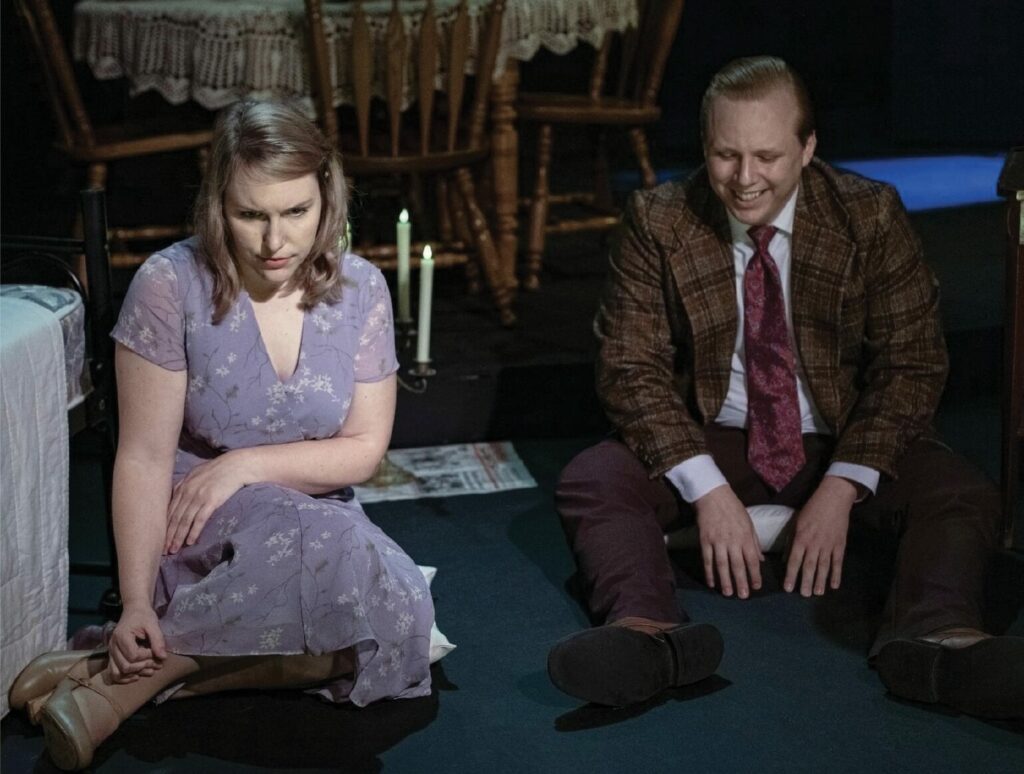
Scenes from theatrical productions at Oyster Mill Playhouse

In 1976, a group of theater lovers joined together to combine talents, passion and drive to found the Metropolitan Repertory Company, Inc. The cadre of ambitious performers knew it would take a tremendous amount of work, but they and their supporters were up to the task.

The group performed anywhere they could find both space and an audience before renting the Fellowship Hall in the Faith United Church of Christ in New Cumberland. That, however, was not without its challenges.

“We could only rehearse on nights when the church didn’t have something going, and, when they rehearsed on Sundays, they had to strip the entire seating area to turn it back into a church setting,” said Stephen Jahn, former board member and season subscriber.

Where there’s a will, there’s a way, and the little cadre of actors, yearning for a space to call their own, launched a capital campaign.

“We tried raising money any way we could, including holding bake sales and organizing flea markets,” Jahn said. “We did it, and our ticketholders were very generous.”

By 1988, the wheels were set in motion to purchase the Oyster Mill in Camp Hill, which, at the time, was being used to store plumbing supplies. Originally a grist mill (Eyster Mill), the building had also served as a general store and dance hall. After renovations, the theater, which seats 91, opened to the public, and audiences were soon enjoying a production of “Barefoot in the Park.”

Unfortunately, work on what became a beloved community theater is never really done. Flooding wreaked havoc in 1996 and, more recently, the HVAC system was replaced.

“Once again, people responded, and we managed to come up with the $85,000 to replace it, thanks to some very generous donations,” said Matt Golden, board member.

Then came COVID, which shuttered the doors from March 2020 to November 2021. Once again, the theater bounced back.

“People really missed us,” Golden said. “So, we had a robust return and have sold out every show over the past year.”


Magical

Those not familiar with what goes on behind the scenes aren’t always aware of the amount of work it takes to keep a little theater going—from selecting six shows a year (with a cast of 10 or fewer due to limited space), to running social media, putting together a newsletter named “Encore,” designing the set, attracting performers, holding auditions and so much more. Considering that none of these tasks are paid, it’s a wonder that the theater runs as well as it does.

Anne Marino said that professionalism is what initially attracted her as a performer and has kept her coming back for about a decade now.

“There’s an expectation on the part of the actors that we will do our top-level best,” she said.

Golden said that he keeps returning because of the people.

“You get pulled in,” he said. “Three years ago, I came here once, and they tapped me to play a part. Two years later, I’m in 10 shows.”

Marino agreed.

“The relationships are magical,” she said.

Board president Michael Hosler performs on stage, and, as director, is also responsible for envisioning the set.

“It’s a great place to perform, and there’s a high level of dedication from all who participate,” he said.

The organization, he said, truly values its volunteers.

“They’re especially important when you’re building a set, which is a big undertaking,” he said.

According to Hosler, the most popular plays include comedies, musicals and dramas.

“We tend to lean heavily into comedy and mystery, which sells the best for us,” he said.

Jahn said that it’s easy to understand why people continue to come back and give so graciously of their time.

“In my opinion, Oyster Mill is a family,” he said. “When you grow up in a theater, you get new aunts, moms, secondary and even tertiary father figures. You make a lot of friends.”

With such dedicated volunteers, the theater is certain to last another 48 years, continuing to entertain the residents of the region.

“Our goal is to continue our hard work and level of professionalism to put on great productions for many years to come,” Hosler said.

Oyster Mill Playhouse is located at 1001 Oyster Mill Rd., Camp Hill. For more information and tickets, visit www.oystermillplayhouse.com.

 If you like what we do, please support our work. Become a Friend of TheBurg!

Continue Reading

October News Digest

Forster Street Project Begins

Construction to calm traffic along a major Harrisburg roadway began last month.

The city started its Capitol Gateway project along Forster Street from N. Front to N. 2nd streets, which includes installing traffic-calming features and signal updates.

The $1.7 million project first surfaced in 2020, when City Council approved the submission of a grant application for federal transportation funds. The city received the grant later that year through the Harrisburg Area Transportation Study (HATS).

According to officials, around the time when the project first was discussed, the area was the most crash-prone in the city. Traffic calming features will include adding curb bump-outs and enlarging the median to give pedestrians space to stand if they are unable to cross the street in time. There will also be traffic signal updates at Forster and N. 2nd streets.

The right turning, or “slip lane,” from Forster to N. Front Street will be eliminated.

JVI Group, the project contractor, will work through the end of October to make sidewalk and curb improvements then break for the winter. They will return in the spring to finish work, including street milling and paving.

“We are excited to finally begin work on the Capitol Gateway project,” said city Engineer Joel Seiders. “Between traffic coming into the city from the West Shore, leaving the city from the Capitol Complex, or using beautiful Riverfront Park, this section of Harrisburg is one of the most heavily traveled every day. Once this project is complete, it will be safer than ever before to walk, bike and drive in this area.”

Forster Street will remain open to through-traffic during construction but will be reduced by one lane in each direction. Pedestrian traffic will be detoured.


Apartment Project Gets Approval

A dormant downtown Harrisburg apartment project is springing back to life, as the developer has had the project re-approved.

Last month, the city Planning Commission, for a second time, approved a land development plan for the Veterans Building, located at 112 Market St.

Harristown Development Corp. is proposing converting the 125-year-old, eight-story, vacant office building into a 48-unit residential building.

In 2021, the commission approved the conversion of the 51,000-square-foot building to 35 one- and two-bedroom apartments, plus first-floor retail space. However, following the approval, construction costs rose quickly, so the project never began, according to Brad Jones, president and CEO of Harristown.

“One of the reasons we haven’t gotten this project finished yet, when we first started, pricing kind of went haywire—interest rates and construction prices kind of went haywire,” Jones said, at the meeting.

Harristown has now redesigned the $8 million project with 48 one- and two-bedroom apartments, ranging from about 600 to 1,000 square feet. The new plan excluded first-floor retail space, proposing to absorb that space into the residential component.

Last month, the commission unanimously reapproved the plan, but on the condition that Harristown retain some retail space on the first floor.

“I can easily see an opportunity for a coffee shop or a small something that activates that corner,” said commissioner Vern McKissick.

Harristown, Jones said, is amenable to retaining some first-floor retail. The company doesn’t yet have a timeline for the project, which also must be re-approved by City Council.


Schools Superintendent Hired

The Harrisburg School District has selected a new top official.

Dr. Benjamin Henry will soon step up as the new superintendent of schools, following a summer-long search, the district has announced.

Henry fills the post left vacant by previous superintendent Eric Turman, who resigned and took a job as the superintendent of the Central Dauphin School District. Following Turman’s resignation, receiver Dr. Lori Suski appointed Dr. Marcia Stokes, the district’s chief financial officer, as acting superintendent.

Henry’s four-year term begins on Nov. 1, with Stokes continuing in the role in the meantime. The district has set Henry’s salary at $199,500.

Henry brings over two decades of experience in public education, according to the district. He served as the regional assistant superintendent of Polk County Schools in Florida for the past four years, overseeing 29 schools. Before that, he held jobs as a special education teacher, a middle school math teacher and a principal. Henry was also appointed by the governor to serve on the state’s Education Ethics Committee.


Park Pavilion Proposed

Harrisburg may get a new entertainment pavilion in one of its main parks.

The city has submitted a grant application to the state for funds to construct a pavilion in Riverfront Park for use during city festivals and events.

City Council unanimously approved the ratification of a grant application submission to the Pa. Department of Community and Economic Development for $117,228 for the structure.

The proposed multipurpose pavilion would be built in the park near the Civic Club of Harrisburg’s building near North Street. According to city Grants Director Rebecca Vollmer, the concrete bandshell would be similar to the pavilion in Italian Lake Park.

The stage would be used for city events such as Kipona, Artsfest and July Fourth and could be rented out to the Civic Club and other organizations to bring revenue to the city, Vollmer said.

Vollmer said that the city currently pays around $17,000 to $21,000 for stages for festival entertainment each year.

If the grant is awarded, the city would be required to match 15% of the total project cost, about $18,000. Vollmer expects that the city, within a year, would make back that money by not having to rent a stage.


Area Home Sales, Prices Rise

Harrisburg-area home sales and prices both increased in August, per the latest report on previously owned houses.

For the three-county region, 651 homes sold versus 604 in August 2023, as the median sales price climbed to $297,000 from $284,298, according to the Greater Harrisburg Association of Realtors (GHAR).

In Dauphin County, sales totaled 309 homes in August, an increase of 10 houses, as the median sales price grew to $270,000 from $255,000 in the year-ago period, GHAR stated.

Cumberland County had 300 home sales, up from 279 the prior August, as the median sales price rose to $327,250 from $308,000, GHAR said.

In Perry County, 47 homes sold compared to 25 last August, as the median sales price shot up to $300,000 from $242,000, according to GHAR.

The pace of sales slowed a bit, as the “average days on market” totaled 23 days, versus 19 days a year ago, GHAR said.


So Noted

Andrew Bomberger last month was named the new executive director of the Tri-County Regional Planning Commission (TCRPC), which provides land use and transportation planning for Dauphin, Cumberland and Perry counties. Bomberger has served with TCRPC for 10 years and succeeds Steve Deck, who retired in August.

Broad Street Market has received a $350,000 grant from the Pa. Department of Community and Economic Development to make upgrades to the stone building and offset operational costs.  Projects include repairing the roof, which frequently leaks, and possible HVAC upgrades to the building, according to market officials.

Jazzy’s Good Eats opened last month at 912 N. 3rd St. in Harrisburg, relocating from space in Kline Village. From the snug storefront, owner Jasmine “Jazzy” White serves fried fish, fried chicken, turkey wings, mac and cheese and greens, among other southern-style staples, for takeout-only.

Matt Maisel, Harrisburg’s communications director, resigned last month to take a position with Penn State Health. In recent months, the city has lost several other top officials, including former Business Administrator Dan Hartman, former Finance Director Marita Kelley and former Building and Housing Director Dennise Hill.

Men in the Kitchen, a York-based restaurant, plans to expand into Harrisburg, opening in the former Firehouse restaurant at 606 N. 2nd St. Co-owners Justin Coleman and Kyle Moore expect to open in November, serving Cajun cuisine, seafood and other signature dishes from inside the circa-1871 Hope Fire Station building.

Murphy & Dittenhafer Architects last month was selected to serve as the architect/engineering firm for the rebuilding of the Broad Street Market’s brick building. City Council unanimously confirmed the selection of the York-based company in a contract valued at $1.3 million.  The historic building burned and closed in a July 2023 fire, and the reconstruction is expected to take at least two years.


Changing Hands

Allison St., 1506: Treasurehunt Home Investments LLC & New Harvest Solutions LLC to N. Portoreal & T. Amparo, $148,000

Apricot St., 1711: J. Shook & C. Walter to ADR Equities LLC, $57,000

Bailey St., 1224: S. Chase to A. Scott, $53,000

Bailey St., 1242: Real Estate Investment Associates of PA LLC to 1242 Bailey LLC, $59,000

Berryhill St., 1329: N. Sandoval & Amado Investment LLC to Mau Properties LLC, $105,000

Berryhill St., 2242: A. Giambanco & A. Lebron to C. Johnson, $115,000

Boas St., 1616: Secretary of Housing & Urban Development to E. Ramirez, $85,000

Brookwood St., 1938: S. Cobb & R. Gantt to 2020 Real Estate Ventures LLC, $57,000

Chestnut St., 1928: TPH Asset Management LLC to Mau Properties LLC, $80,000

Chestnut St., 2200: G. Forsyth to D. Fuller & K. Pinet, $259,000

Chestnut St., 2406: K. Quimby to Z. & R. Madar, $310,000

Christian St., 1230: C. Disla to R. Adon, $110,000

Crescent St., 425: Real Estate Investment Associates of PA LLC to TMH Family Trust, $59,000

Croyden Rd., 2926: A. Guerrero to B. Gidey, $150,000

Derry St., 2014: Two Three Two Investments LLC to S. Laroc, $134,000

Division St., 503: M. Grossman to H. Moyer, $159,900

Division St., 515: BCR 2 Properties LLC to V. Peralta, $165,000

Green St., 1412: Capozzi & Ehring Realty LLC to 1412 Green LLC, $225,000

Green St., 1732: A. Christian to J. Holderman, $225,000

Green St., 1943: D. & K. Wadlington to M. Smith, $272,500

Hoffman St., 3232: M&T Bank to P. Morocho, $84,000

Holly St., 1846: Adonis Real Estate LLC to A. Fernandez, $152,000

Hudson St., 1140: A. Ciucci to D. Hockenberry, $192,000

Hummel St., 342 and 1508 Hunter St.: E&K Homes LLC to M. Gabrielle, $178,332

Hunter St., 1607: S. Scott to O. Perez, $140,000

Kensington St., 2263: KDR Investments LLP to 248 S. Quince St. LLC, $92,000

Kensington St., 2430: REO 2021 NR4 LLC to 248 S Quince St LLC, $95,725

Kittatinny St., 1215: S&P Property Holdings LLC to 1215 Kitt Harrisburg LLC, $650,000

Lexington St., 2560: HBG Rents LLC to A. Hariri & Y. Alrosan, $145,000

Liberty St., 1412: J. Espaillat to Mau Properties LLC, $90,000

Maclay St., 243: BLTN Properties LLC to Numbee Realty LLC, $197,500

Manada St., 2029: M. Loja to G. Tavera, $130,000

Market St., 1736: D. Seldon to A. Peralta, $70,726

Market St., 1826: J. & R. Mallory to A. Linan, $80,000

Market St., 2024: S. Gonzalez to M. Curry Nixon, $187,000

Melrose St., 706: J. Grant to EA Capital LLC, $115,000

Mulberry St., 1907: G. & G. Kennedy to V. Rijo, $65,000

Muench St., 633: G. & O. Daley to 248 S. Quince St. LLC, $108,000

North St., 1907: M. & B. King to BS JR Realty LLC, $115,000

N. 2nd St., 925: B. Pupo to A. Dufton & P. Margrave, $270,000

N. 2nd St., 3118: D. Inghilterra to B. & J. Orsinger, $436,000

N. 3rd St., 222, 230; 229 Court St.; and 228, 230 Cranberry St.: Musalair Trust to Cranberry WP LLC, $1,800,000

N. 3rd St., 2126: D&L Development Group Inc. to PACC HBG 2 LLC, $177,000

N. 3rd St., 2244: G. Gonzales to R. & T. Bbalo, $169,000

N. 4th St., 2433: Good Connect LLC to R. Sanchez, $82,500

N. 5th St., 2501: J. Castro to Y. & D. Disla, $170,000

N. 5th St., 2733: C. Carey to Integrity First Home Buyers LLC, $86,000

N. 5th St., 3138: L. Confer to W. Renn, $189,900

N. 6th St., 2227: Peace Casa LLC to S. Laroc, $110,000

N. 6th St., 2601: J. Kates to DTJ Associates LLC, $50,000

N. 6th St., 3144: C. Koser to A. Pellegrini, $118,000

N. 6th St., 3157: R. Wickham to N. & J. Cline, $150,000

N. 6th St., 3601 (rear): C. & F. Acri to CF Acri & Son Inc., $630,000

N. 15th St., 227: First Choice Home Buyers LLC to Narrow Gate Investments LLC, $99,000

N. 15th St., 1337: C. & B. Grier to 1337 North 15th LLC, $50,000

N. 15th St., 1511: Ink Properties LLC to J. Folks, $90,000

N. Front St., 315: J. Boswell & J. Piccola to Front Street Lofts LLC, $633,000

Peffer St., 435: J. & D. Cummings to E. & I. Applyrs, $170,000

Penn St., 1200: K. Barder to J. & J. Blair, $205,000

Penn St., 1830: J. Lucas to L. Wood & T. Miller, $189,900

Race St., 550: A. Thompson & R. Farquhar to R. Thompson, $173,000

Race St., 612: D. Amaguayo to M. Burtner, $250,000

Randolph St., 1616: KDR Investments LLP to L. Chavez & M. Gonzalez, $70,000

Reel St., 2400: Franklin Real Estate USA Inc. to G. Munoz, $170,000

Regina St., 1825: F. & E. Metellus to J. Francois, $103,000

Ross St., 626: Casareal Developments LLC to E. Ramirez, $65,000

Rudy Rd., 2446: Capital Realty Guild LLC to EA Capital LLC, $100,000

Penn St., 2138: Oasis Property Investment LLC to N. Scott, $200,000

Seneca St., 253: L. Diehl to G&W Rentals LLC, $105,000

Seneca St., 638: A. Hurt to Noraziza LLC, $83,000

S. 12th St., 1519: 1&H LLC to N. de Cruz, $145,000

S. 15th St., 433 & 437: J. & C. Snook to Aharon Steinberg LLC, $114,000

S. 15th St., 435: J. & C. Snook to 435 S 15th LLC, $57,000

S. 15th St., 540: E&R Realty Legacy LLC to M. & S. Mejia, $122,000

S. 16th St., 439: J. Snook & C. Walter to 51 Hidden Glen LLC, $57,000

S. 19th St., 1338: B. Skaggs to B. Camacho, $159,900

S. 29th St., 512: 512 S 29th St LLC to 512 Singh LLC, $600,000

State St., 231, Unit 804: C. Houck to H. Martinson, $195,000

Swatara St., 1917: Two Three Two Investments LLC to A Ventura Construction LLC, $82,500

Swatara St., 2408: J. Suszko to JTA Consulting Group LLC, $140,000

Verbeke St., 1613: A. Powell to R. Sanchez, $82,500

Vernon St., 1421: C. Valencik to Mau Properties LLC, $129,000

Walnut St., 1724: A. Bouhach to F. Valenzuela, $103,000

Wiconisco St., 409: Central PA Buyers LLC to R. Rivera, $161,000

Zarker St., 1415: TPH Asset Management LLC to J. Vanderhorst, $81,000

Harrisburg property sales, greater than $50,000, August 2024. Source: Dauphin County. Data is assumed to be accurate.

 If you like what we do, please support our work. Become a Friend of TheBurg!

Continue Reading

Spirited Visit: If you’re thirsty for history, newly restored Eichelberger Distillery packs a punch

For Sam McKinney, history is his passion.

He throws around words like “dendrochronology” like we use the terms “like” or “as.”  The self-employed restoration constructor, who specializes in structures built before 1850, now has reason to celebrate. A project, which has been years in the works, has finally come to fruition.

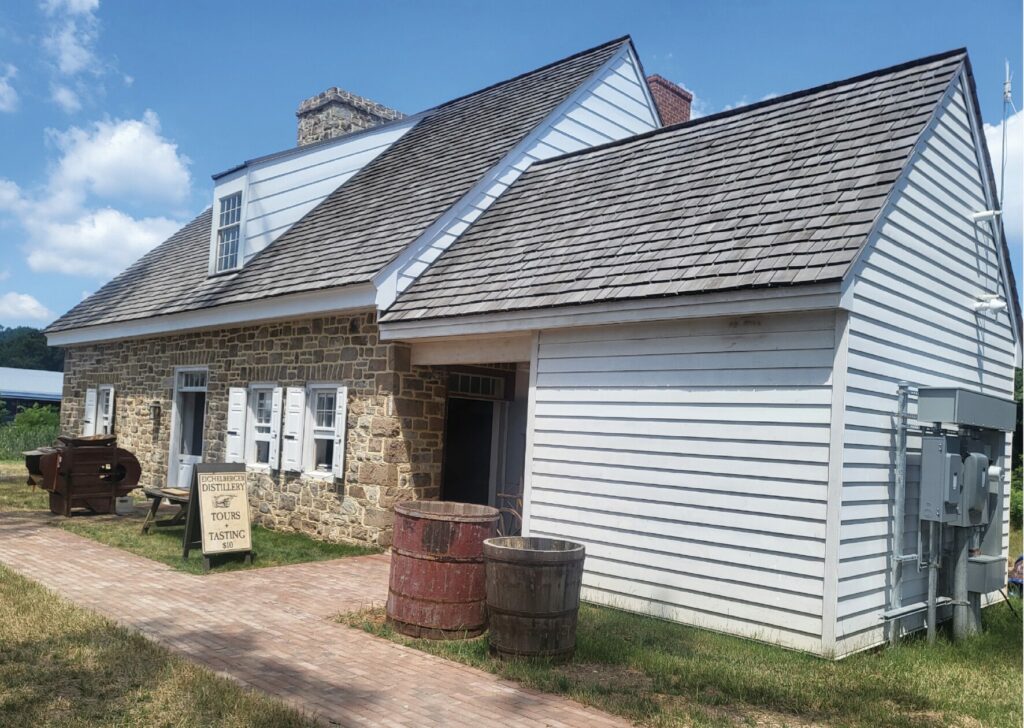
The Eichelberger Distillery on the grounds of Dill’s Tavern in Dillsburg is now open for visitors. McKinney had been working at the Northern York County Historic and Preservation Society (NYCHAPS) site for a decade before proposing the idea to re-create the distillery, with the impetus being a number of handwritten ledgers.

“When an auction for the main tavern building occurred in 1991, the ladies hosting it had an enormous sale with documents, books and maps of Dillsburg,” McKinney said. “In all that stuff were the original ledgers from the site.”

Descendent Bob Eichelberger saw the information, ended up buying the tavern property and later tracked down the person who purchased the ledgers.

“He had to buy them back,” McKinney said.

The distillery tells the tale of two immigrant families who, for three generations, tended to thirsty American settlers. It allows visitors to the historic site to engage their imaginations and picture themselves bellying up to the bar where the conversation once flowed as liberally as the libations.

For a fee, guests today can take part in a tasting to understand what the colonists were throwing back all those years ago.

Murray Small, who narrates the distillery tours, explained that, amid the controversy of the Whiskey Rebellion in western Pennsylvania, the third generation of Dills converted the log tavern to the stately stone one seen today on Baltimore Street in Dillsburg. Small shared historical details during the tours, explaining that one reason the Whiskey Rebellion occurred was because whiskey was often used for bartering.

Visitors who take the tour learn that most towns built a church first, followed by a tavern and, as such, spirits played more of a part in the community than they do today.

Current statistics reveal that the average American drinks 2.83 gallons of alcohol a year, which pales in comparison to the hollow-legged colonists who downed about seven gallons per annum. Hold my beer indeed.

On the tour, guests also lay eyes on the carefully re-created still and discover what the buzz is all about.

Murray explained that volunteers discovered rare, documented plans of an early Pennsylvania distillery featuring wood-fired copper stills encased in a masonry envelope. They studied the plans to create a reproduction that volunteers now use to produce the spirits served in the tasting room, which will later be sold at the distillery.

On the tasting menu there’s whiskey, Fish House Punch and Cherry Bounce, which was a favorite of George Washington, and packs a punch. Research revealed that “Bounce” once meant a “sharp blow,” which explains the moniker. As for the origins of the Fish House Punch name, Small explained that the forefathers would retreat to a clubhouse located along the Schuylkill River to fish and drink, so Fish House Punch, made with dark rum and peach brandy, became the official drink for the club that was frequented by Washington, Franklin and Jefferson.

Prior to the purchase of Dill’s Tavern, the Eichelbergers had been tavern-keepers and wagon-builders, in addition to distillers. These additional assets helped them expand the distillery business and take advantage of the means to transport their spirits to larger markets like Baltimore.

NYCHAP’s vision for the distillery is to use it as an educational and interpretive center to pay homage to the entrepreneurial legacy of its founders, thereby making it as authentic as possible. This includes constructing the roof of hand-planed, overlapping, symmetrical cedar shingles and employing masonry contractor Bruce Trostle to cut stone to 8 inches thick and piece them together like a puzzle onto the front of the building.

To hear McKinney talk, raising money for the distillery was an easy task. Governmental regulations and compliance, however, came with their own sets of challenges.

“Apparently, 18th-century distillery customers couldn’t find the door without an exit sign,” he quipped, when referring to regulatory codes.

For NYCHAPS, hewing to history has been a laborious, but rewarding undertaking. Now, it’s on to the next chapter for the distillery, which includes selling the spirits onsite to help with future NYCHAPS expenditures.

“It has been a long, but rewarding road, and we are looking forward to what the future holds,” McKinney said.

The Eichelberger Distillery is located at Dill’s Tavern, 227 N. Baltimore St., Dillsburg. For more information, visit www.northernyorkhistorical.org/eichelberger-distillery.

 If you like what we do, please support our work. Become a Friend of TheBurg!
Continue Reading

Speaks to the Soul: Dwennimmen African Dance Community offers joy, healing.

Photo courtesy of John Bivins.

Lark Daniel remembers leaping from sofas in her living room as a child, dancing along to music from “West Side Story.”

She loved to dance and studied ballet, jazz and tap throughout childhood, but it wasn’t until she took her first African dance class at age 21 that she found her true passion.

“I just fell in love with it. It speaks to my soul,” Daniel said. Dancing always spoke to me, but when I found African dance, I found myself. I found a part of myself that I didnt realize was missing.”

Daniel continued her study of African dance with the Lancaster-based Imani Edu-Tainers African Dance Company and began teaching locally. All of this experience led her to found Dwennimmen African Dance Community, a Harrisburg-based group that celebrates the art of African dance and promotes community wellness.

The name Dwennimmen comes from a Ghanaian Adinkra symbol signifying humility and strength. The symbol is two rams with horns locked.

“To be humble takes so much more strength than the alternative,” Daniel said.

Dwennimmen’s classes and programs are open to people of all ages and backgrounds, including people who love dance and those who are just looking for a new way to exercise.

“We don’t consider ourselves a professional dance company,” Daniel said. “Everyone is welcome.”

A Dwennimmen dance class is constant movement, with rhythm provided by live drummers, including Daniel’s son Sa’vyon Johnson and Leigh Wisotzkey, whom Daniel met during her very first African dance classes. Wisotzkey owns Studio Solomon, now located in Lemoyne, where she teaches drumming, self-defense and martial arts.

“Drumming involves so much more than the musicality. It’s bringing people together,” Wisotzkey said. “It’s a magical feeling…everything is connected.”

Drums have a healing quality, as well, Daniel said.

“The drums are like a heartbeat. When I leave class, I feel so much better than when I came in,” she said. “It’s a natural healing.”

Daniel has passed on her love of dance to her children, who attend Dwennimmen classes and performances.

“Hearing the drums, that’s always going to get me up on my feet,” said Amani Ince, Daniels eldest daughter. “The unique thing about African dance is that youre using every part of your body, from head to toe. Everything is moving, and every rhythm has a story.”

Ramona French is president of Dwennimmen’s board of directors and, at age 68, is the oldest dancer in the group. She said that she finds freedom in the movements and in connecting her mind and body through the rhythm—and lauds Daniel’s patience with newer dancers like herself.

“Lark is patient no matter how long it takes to learn or catch on to a beat,” she said.

Dwennimmen recently obtained its nonprofit status, and the group is now looking for a permanent space that will allow them to share their art with more people. The group currently holds classes as part of UPMC’s Healthy Harrisburg Initiative and performs at special events and festivals throughout the Harrisburg area.

“We’re looking for a place to set up home—home is where you find your strength,” French said. “We want people to fall in love with the heritage of African music and drums.”

As part of their mission to share African dance and drumming with the larger community, Dwennimmen will host the fifth annual SoulFit Festival this month in Harrisburg. The event is open to everyone and will feature fitness and dance performances, food trucks, childrens activities and resource vendors.

The COVID pandemic took a toll on people of color and people with lower incomes, especially those with underlying health conditions, Daniel said. The SoulFit Festival will promote health education and wellness within these communities and the Harrisburg area at large.

Daniel said that dance is at the heart of preserving African culture, and she’s grateful for all of the instructors who inspired her love of this art form.

“Now it’s our turn to plant the seed in the next generation,” she said.

SoulFit Festival takes place Oct. 5 from 1 to 5 p.m. at the Marshall Math Science Academy, 301 Hale Ave., Harrisburg.

For more information about Dwennimmen and the upcoming SoulFit Festival, visit DwennimmenArts.org or search Dwennimmen African Dance Community on Facebook.

 If you like what we do, please support our work. Become a Friend of TheBurg!

Continue Reading

Conservation & Community: Horn Farm Center helps connect the people, the land

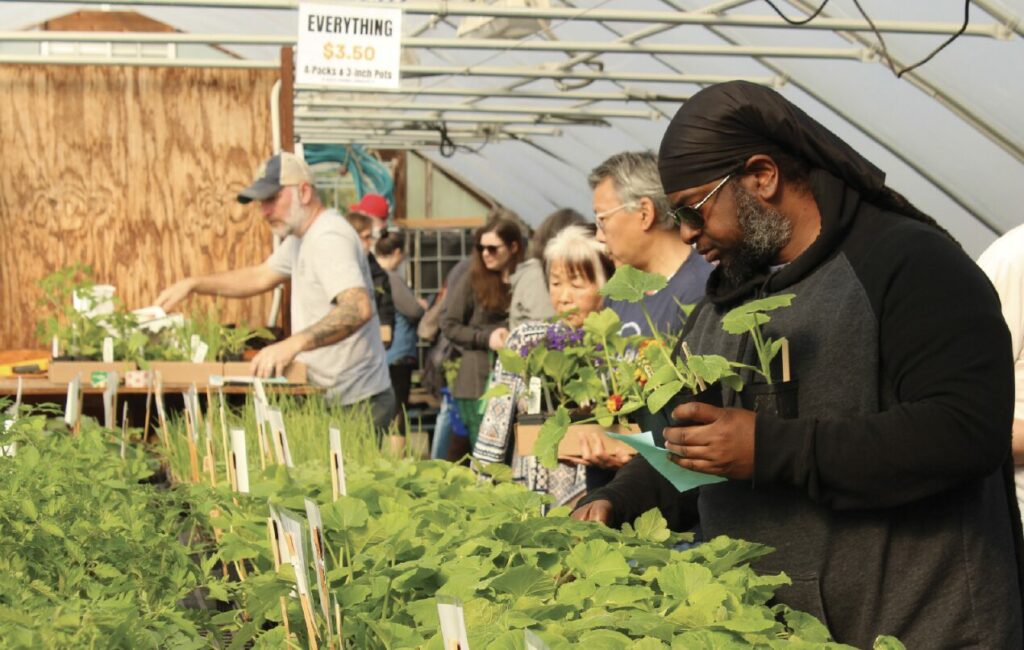
Annual plant sale

Plants, animals and people come together at Horn Farm.

Thanks to a group of passionate citizens, a 186-acre farm in Hellam Township is producing education and community instead of gearshifts and exhaust systems.

In the early 2000s, Harley-Davidson attempted to build a plant on a piece of property owned by York County. The Horn Farm’s rolling hills, natural habitats and 19th-century farmhouse border a tributary of the Susquehanna River, which feeds into the Chesapeake Bay.

Concerned citizens cherished its history and environmental importance. They feared that commercial development would forever negatively impact the property and those around it. County leaders listened, and the Horn Farm Center for Agricultural Education was born.

“We love to bring people here, get them connected to the land, and have a positive experience,” said Alexis Campbell, executive director. “It’s an incredible feat. You do not hear many stories about people saving open spaces.”

The center is marking its 20th year in 2024. Its first seeds were planted in the 102-plot community garden. Campbell said that founders created the garden to illustrate the land’s value to the community. Over time, relationships began to grow alongside various crops. Many gardeners return every season, with some driving a considerable distance to care for their plants.

Once the plants are harvested, Horn Farm gives growers an opportunity to learn how to use them through classes held in its commercial kitchen. The kitchen, known as a summer kitchen because it’s adjacent to the farmhouse, was rehabilitated by volunteers in 2015. The Horn Farm Center uses the space and the 19th-century squirrel tail oven it contains for bread-baking, vegetable preparation, butchering, herbal medicine-making and other workshops.

Lauren Hayman discovered Horn Farm Center in 2008 when she enrolled in a new gardener training program.

The class came with the expected small garden at the farm, seeds, seedlings and an instructor who gave hands-on lessons through a season of vegetable gardening. It also came with an unexpected community, sense of wonder and a new understanding and appreciation for all the natural systems that work in cooperation with each other. Hayman grew alongside her plants, and now serves as chairperson of the organization’s board of directors.

Horn Farm holds events year-round, and fall events, including foraging walks, ecology lessons and cooking classes, are especially popular, as are farm tours.

“In the 16 years I’ve spent coming back to the Horn Farm Center, the magical connections with other people and the natural world have not lessened,” Hayman said. “Each experience there opens my mind and deepens my connection with the world around me.”

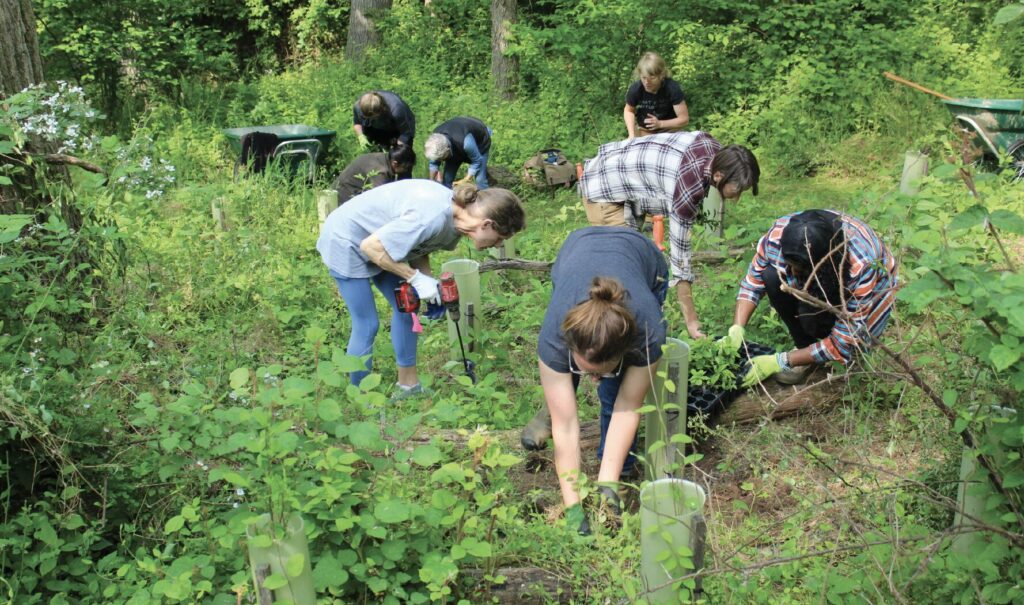
Ecological gardener training program

Positive Impact

Campbell is excited that the center’s staff and volunteers not only appreciate what the nonprofit organization is, but what it can become.

In 2016, York County and Horn Farm entered into a 99-year lease. The center also received a conservation easement that perpetually protects the land from development. With the future looking bright, leaders switched from survival mode to growth.

Several acres of trees were planted along the Kreutz Creek to prevent sediment from flowing into the water and, eventually, the Chesapeake Bay. Most tree species can protect land and waterways, but Horn Farm leaders had a bigger vision for their purpose.

“We are working to manage the trees in a way that is productive and useful for education,” Campbell said.

The plan is far from finalized, but Campbell trusts that Horn Farm Center members will help it come to fruition. Some trees produce fruits and nuts, while other wood-bearing trees, such as the willow, can be cut down and used for basket weaving. Campbell hopes that, in 2025, those materials will be used in a basket-weaving course taught on-site.

Higher upstream, erosion flushes land downstream. Horn Farm recently received a grant that will allow it to build wetlands to prevent the destruction. When complete, the space will also serve as a lesson for visitors who have similar waterways on their property.

“It will be an opportunity for us to educate the public about ecology and ways they can intervene and make a positive impact on their land,” Campbell said.

Erosion can be prevented, but the Horn Farm community knows all too well that Mother Nature can threaten the center in more swift and unpredictable ways.

In 2021, lightning struck the farmhouse. Fire burned from the roof to the second floor. Horn Farm saw an opportunity amidst the devastation. They focused on preserving and restoring the historic structure while giving people more space to meet and learn from each other. Once complete, the first floor will house a large classroom, and the kitchen and second floor will be the site of the organization’s administration center

“It’s been a long recovery process,” Campbell said. “I didn’t realize how challenging it would be to rebuild an 1800s building.”

Those desiring to appreciate the land but not participate in classes or the community garden are welcome to roam the grounds, Campbell said. The area is rustic, but future plans call for a public space with directional and educational science.

For all those plans to come to fruition, the Horn Farm Center needs dedicated volunteers and donors who can advance the legacy of its founders. Corporate and private donations, public grants and class fees help fund operations. The center also benefits from a trust established by the Horn Family.

Twenty years in, Campbell is excited to see how the land and those who enjoy it grow together in the future.

“I love seeing that a-ha moment when people learn something,” Campbell said.

The Horn Farm Center for Agricultural Education is located at 4945 Horn Rd., York. For more information, visit www.hornfarmcenter.org.

 If you like what we do, please support our work. Become a Friend of TheBurg!

Continue Reading

Adventure Together: In central Pa., fall time is family time

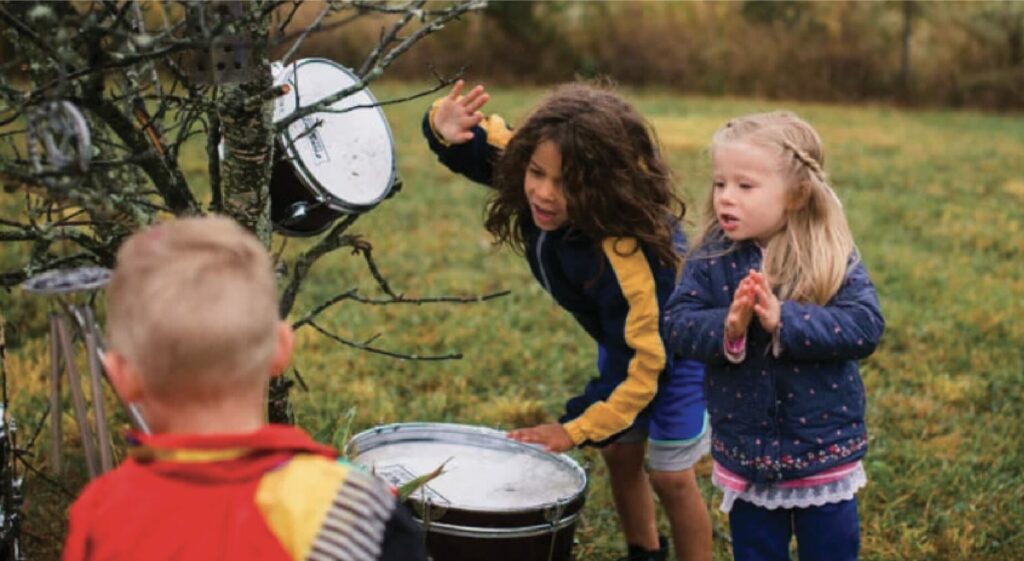
Learning Moore Through Nature and Play

The best month of the year has arrived.

The birth month of Libras, October’s zodiac is one of balance, and the month follows suit by dazzling us with outrageous beauty while sending winds haunted by winter’s bite. In line with this ghostly chill, October contains the ultimate holiday for creatives, costumers and kids: Halloween.

While pumpkins are shockingly tasty when turned into soup and provide us with healthy fats, vitamins and minerals, the real draw of these huge and heavy orange globes is the opportunity to carve them into jack-o-lanterns. Look no further than your local farmers market for the perfect specimen to deseed and decorate. Many fruits, vegetables and leafy greens such as apples, squash and kale are hardy enough to withstand the growing cold of autumn and can be found still flourishing here in central Pa. throughout the month. These yummy autumnal treats are delicious when dipped in caramel, roasted or simmered. Supporting your local farmers market is an easy way to make a positive impact on both the environment and your local economy by lessening greenhouse gasses emitted from transportation and funding agriculture in our area. Bring a wagon to fill as you shop small, peruse the wares of makers in our community, and heave your future jack-o-lanterns to their new home.


Creative & Confident

Get involved with a local, nature-based school at Learning Moore Through Nature and Play in Linglestown. LMTNP promotes their mission to be “where the free-spirited children learn and play” by providing an acreage full of opportunities to be creative and gain confidence. Kids can slide and build at the Hill of Mud, chase the facility’s cats and dogs, explore instruments at the Music Wall, climb trees, or enjoy some quiet time on a bench swing. LMTNP has set themselves above many similar, small learning centers by allowing diversity and inclusion with trauma-certified educators, sensory integration techniques, experience with autism, and adherence to ADA accessibility standards. The facility is open to children ages 3 to 12 and integrates a homeschool curriculum. It’s also seeking volunteers to help them offer new experiences to students and improve the center. Folks are encouraged to submit proposals for educational programs, sports, movement and art classes, as well as other ideas that would add value to LMTNP’s offerings. The facility is also seeking help in maintaining their acreage, painting murals, caring for the facility’s animals and other tasks. LMTNP encourages anyone interested in volunteering to get in touch through their website or Facebook page.


World of Words

The Harrisburg Book Festival once again graces our capital city with literary delight, Oct. 9 to 13, at Midtown Scholar Bookstore in Harrisburg. The festival is a bibliophile’s paradise with local author visits and readings, book signings and book sales. All ages are welcome to attend the event, with a special “Children’s Day” on Saturday, Oct. 12, with YA and children’s author readings and live illustration sessions. Meet the makers of books, ask questions, support their work and be inspired. There is face painting at the event from 10 a.m. to 1 p.m., an offering that you would be wise to arrive early for. Last year, my kiddo and I read our books three times before we made it to the artist. On Children’s Day, there will also be a bookstore scavenger hunt, build-a-bookmark craft, and a meet-and-greet with Rascal, the mascot for the Harrisburg Senators. For young minds interested in the world of words, this is an event that you don’t want to miss.

Again, central Pa. astounds with endless options for ways to explore and engage with our community. If Halloween is in your celebration docket, there are even more events to cram into this month and endless sugar rushes to either avoid or indulge in.

The October zodiac reminds us once more why the symbol of this month is balance. While our deciduous gems silently offer their deeply stored beauty, the children lose their minds with excitement for the first holiday of the season. As the leaves crunch beneath our feet, costumes rise out of storage to be worn again, donated, or traded for new. There is an easy feeling as the musk of autumn fills our lungs, a trusting that this opulence is for us and that we all deserve to enjoy it.

If you like what we do, please support our work. Become a Friend of TheBurg!  

Continue Reading

Realty Is Relative: In Mechanicsburg, the Walker family nears five decades in the real estate business

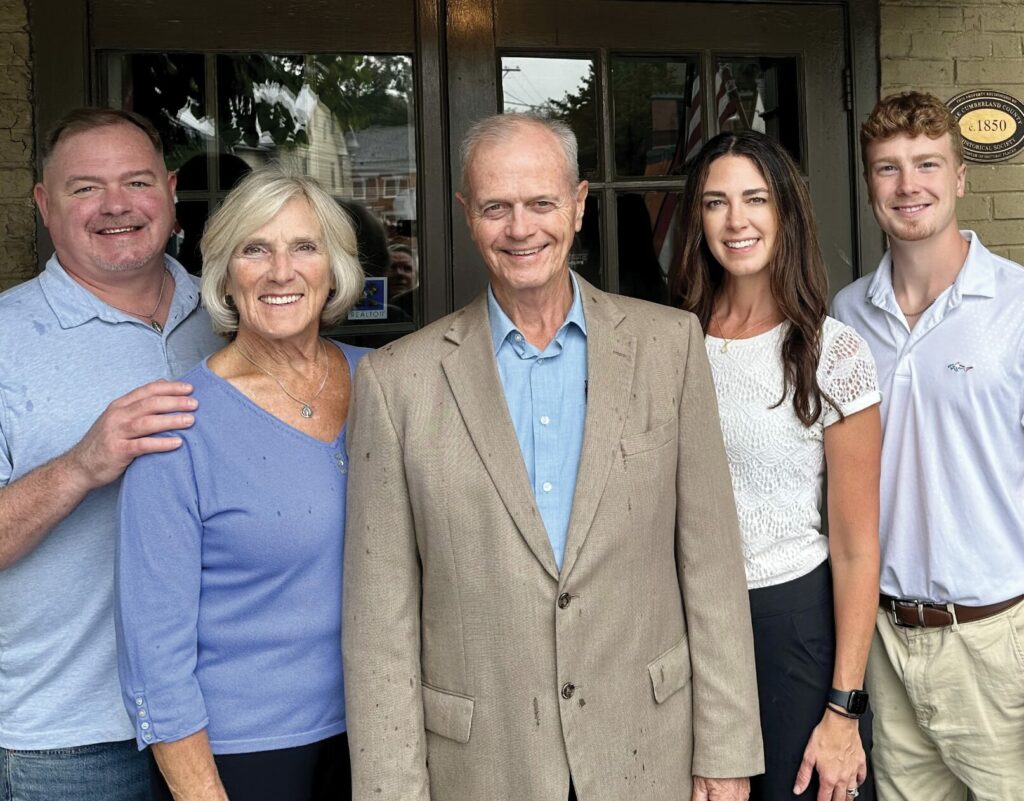
Matthew Walker, Lorie Walker, Mark C. Walker, Christine Walker Skozilas and Logan Hartz

For M.C. Walker Realty, selling houses is a three-generation, family affair.

Founder Mark Walker has operated the agency for 47 years, along with his wife Lorie. Daughter Christine and son Matt are both realtors and, just recently, the firm welcomed grandson Logan Hartz to the fold as an associate realtor.

“The kids were brought up in business,” Mark said. “We used to bring them with us on jobs, so they grew up repairing and fixing up homes and apartments.”

Besides working with family, Mark said that he enjoys the profession because it gives him a chance to get out and help others.

“Every day is different in the real estate business, and I really love that,” he said. “Mechanicsburg is a great community, and we love giving back to the people who live here.”

Mark praised wife Lorie as “the glue” that keeps the business together. Lorie quickly returned the compliment by stating that Mark is the mainstay of the business.

“We have great faith in the way Mark runs the business,” Lorie said. “We just trust him, and he’s never let us down. He built a great business over the years, and we’re just grateful for his leadership.”

Christine said that she didn’t start out wanting to become a realtor but fell in love with the job over time.

“I really love connecting buyers and sellers,” she said. “Our clients became like family members.”

Matt added that he got into the business because he didn’t want to work a 9-to-5 job behind a desk.

“I just wanted to be out doing things and being around people,” he said. “I just wanted to help people in any way I could.”

He said that it’s been a pleasure welcoming the next generation to the fold, Logan.

“He’s eager to learn and easy to teach,” Matt said. “He’s going to have a great future in the real estate business.”

For his part, Logan said that, growing up, he always figured that he’d join the family business someday.

“I got to see things up real close and finally decided this was what I wanted to do with my life,” he said. “It’s wonderful working with my family. You know if you have any questions that they’ll help you out.”


Great People

The family closeness extends to the agency’s clients.

Tom Balafoutas, owner of the popular Snappers Bar and Grill in Mechanicsburg, said that he’s known the Walker family for 22 years, and they’ve provided valuable information to him, specifically in the management of his various rental properties.

“We just don’t have the time to look into everything, so we trust them to give us the best advice possible,” Balafoutas said. “They keep up with everything going on in Mechanicsburg, and they’re a good source of information.”

He noted that a lot of businesses have problems in making the transition to younger family members but not this one.

“A lot of time, the younger generation isn’t interested in the business, but that’s not the case with the Walkers,” Balafoutas said. “I think the business will be in good hands for a number of years to come.”

Terry Hammaker said that the agency does a great job with background checks on his prospective renters.

“They know the type of renters I’m looking for,” Hammaker said. “They’re very thorough, and I can count on them.”

And that closeness doesn’t just extend to family members and clients. It’s also felt by employees of the agency,

Office Manager Michael Bennett, who has been with Walker for 29 years, has a favorite story to tell. He said that, several years ago, his family was getting ready for their annual summer vacation.

However, just as they were making their final arrangements, their car broke down. Bennett said that he didn’t know what to do since it was going to take a week or more to fix it.

However, Bennett said Mark Walker simply handed him the keys to one of his family’s vehicles and told him to use it for the trip.

“I couldn’t believe someone would do something like that for me and my family,” Bennett said. “But that’s the type of people they are.”

In the end, the agency, established by Mark Walker nearly 50 years ago, seems secure as the next generation steps up.

“It’s great working in a family business where we all get along and try to help each other as much as we can,” Christine said. “It’s been great working with my dad and learning the business from him.”

M.C. Walker Realty is located at 14 North Walnut St., Mechanicsburg. For more information, visit www.mcwalker.com.

If you like what we do, please support our work. Become a Friend of TheBurg!

Continue Reading

Snacks & Hacks: Classroom parents are part adviser, part MacGyver

If heavy is the head that holds the crown, then heavier is the arm that cradles the clipboard.

Whether you’re running the fourth-grade fundraiser, organizing field trip chaperone sign-ups, or begging parents to save egg cartons for craft projects, serving as a room parent helps classroom events run more smoothly.

Kim Wolfe is a veteran, having served in various classroom board, leader and helper positions over four decades. She doesn’t use technology but proffers handwritten notes—oddly specific wisdom scribbled onto construction paper, sticking out of a paper towel roll. Who else but a room mom would MacGyver these two craft staples?

Although technology and legal considerations (like background checks for volunteers) have changed over four decades, Sherry Albert, former room parent and learning support aide with two decades of more recent involvement, reassured me that basic things children need—boundaries, attention and snacks—absolutely have not changed.

So, why be a room parent?

“It’s an opportunity to get involved,” Wolfe said. “What’s better than watching the science fair or show-and-tell?”

The longer she served, teachers asked for field trip recommendations, fundraiser ideas and advice about other parents chaperoning.

Room parenting means facetime with your child’s teacher, a networking “in” with other parents, and hot gossip your children wouldn’t otherwise share.

Albert loved building relationships, caring for growing kids as they learned.

“I loved helping children work in small group settings and to see how excited they could be,” she said.

Room parenting is a big job. Where to start?


Roles and Responsibilities

Maybe your child’s teacher will tell you what they need. Maybe the school already has a Parent-Teacher Organization (PTO) manual. I’ve seen roles and responsibilities documented methodically at daycares on military bases, and I’ve seen other people improvise. Albert followed teachers’ directions, and Wolfe wielded the power scepter. Either way, figure out what duties you’re responsible for.


Communication

Level-set communications early. This includes circulating an email sign-up master list, outlining the help you will need from other parents, outlining how you will communicate with them, and when meetings will be.

“Holding meetings gives everyone skin in the game,” Wolfe said, “When people feel engaged, they are more likely to follow through with whatever they’ve promised.”

Ask parents what contributions they are willing to make. Does anyone have a particular skillset? You never know what you might need, but creativity and resourcefulness always come in handy.


Plan Ahead

List all events on a collective calendar, made available to everyone. Tack it to a bulletin board in a common area, send flyers home, or post electronically.

Circulate sign-up sheets. Include volunteer opportunities and material contributions.

Bulk order candy and small toys online.

“Oriental Trading Company is a great resource,” Wolfe said. “Also, order trophies and medals ahead of time. Be sure to spell kids’ names correctly.”

Research games and activities. Bring plenty of extra pieces. In the quest to make learning fun, Albert recommended looking online for ideas, going to the library, or asking learning support teachers. Make sure activities, handouts and games are appropriate.

Albert always brought snacks and drinks for kids whose parents forgot.

“Children are slow to learn if they’re hungry,” she said.

Whether you’re holding the Christmas party, 100-Day Celebration or Friendsgiving, be prepared with backups in case your “Plan A” activity doesn’t land.

Bring extras: crayons, coloring pages, craft pieces, sewing kit, party favor bags, small toys and stickers, underwear, socks and your creativity and pivoting abilities.

If the balloon clown doesn’t show, can you twist a balloon poodle? Or set up a bowling game? Keep sticky gems and tattoos handy in case your face-painting skills are limited. Get active together.

“Know the latest dance moves. Dancing can give you something to bond over,” Wolfe said. “And know some short songs you can teach easily.”


Delegate

Don’t try to do everything yourself. Delegate projects you don’t have bandwidth for. Someone might enjoy leading a fundraising subcommittee or shopping for the teacher’s birthday.

“It’s usually the same few parents willing to come on a regular basis,” Albert said.

That’s OK, provided they’re reliable. Confirm all room parents the day before the event.

Wolfe mixed the moms to keep cliques from forming (yes, mom cliques are real and can be distracting). She chose the most enthusiastic for fun assignments entailing costumes or getting dirty, like Field Day.

In addition to keeping good relationships with teachers and principals, Wolfe recommends building rapport with custodians and kitchen workers.

“You never know what kind of mess you’re leaving behind,” she said. “Kitchen workers can supply pizzas and cookies, aluminum foil, baggies or a faucet for water balloons.”


Discipline

“If teachers aren’t staying in the classroom, you need to find a way to make the children listen to you,” Albert said.

Without teachers to keep order, room parents must “set boundaries and have consequences, like timeouts or sending kids to the [principal’s] office.”

When Wolfe re-entered the classroom with her grandchildren, she hit a tripwire when she wasn’t allowed to help a child who fell. New legalities turned kissing a boo-boo into a no-no.

Keep discipline light. I have seen adults call out “1-2-3, Eyes on Me” to refocus chatty kids. Or ask young kids to pretend they’re gobbling mouthfuls of marshmallows to curb talking.

Even if the school doesn’t handle discipline the way you might, conform to their norm, presenting a united front. If you aren’t sure, ask the teacher.


End Positively

Always send thank-you notes and a small gift to your helpers, teachers, “and anyone who was a big spender at the fundraiser,” Wolfe said.

I loved helping kids accomplish goals and watching them become confident in themselves,” Albert said.

She still receives grateful comments from kids who aged out of her classroom.

“We built relationships that helped us all be better people,” she said. “We were a blessing to each other.”

 If you like what we do, please support our work. Become a Friend of TheBurg!

Continue Reading