
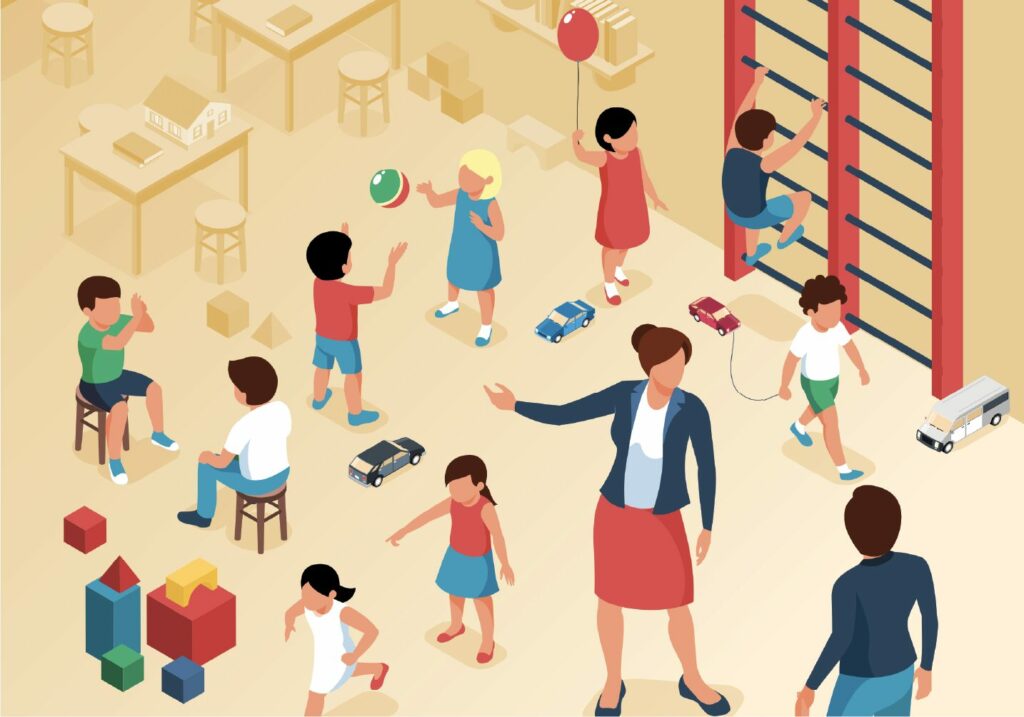
 If heavy is the head that holds the crown, then heavier is the arm that cradles the clipboard.
Whether you’re running the fourth-grade fundraiser, organizing field trip chaperone sign-ups, or begging parents to save egg cartons for craft projects, serving as a room parent helps classroom events run more smoothly.
Kim Wolfe is a veteran, having served in various classroom board, leader and helper positions over four decades. She doesn’t use technology but proffers handwritten notes—oddly specific wisdom scribbled onto construction paper, sticking out of a paper towel roll. Who else but a room mom would MacGyver these two craft staples?
Although technology and legal considerations (like background checks for volunteers) have changed over four decades, Sherry Albert, former room parent and learning support aide with two decades of more recent involvement, reassured me that basic things children need—boundaries, attention and snacks—absolutely have not changed.
So, why be a room parent?
“It’s an opportunity to get involved,” Wolfe said. “What’s better than watching the science fair or show-and-tell?”
The longer she served, teachers asked for field trip recommendations, fundraiser ideas and advice about other parents chaperoning.
Room parenting means facetime with your child’s teacher, a networking “in” with other parents, and hot gossip your children wouldn’t otherwise share.
Albert loved building relationships, caring for growing kids as they learned.
“I loved helping children work in small group settings and to see how excited they could be,” she said.
Room parenting is a big job. Where to start?
Roles and Responsibilities
Maybe your child’s teacher will tell you what they need. Maybe the school already has a Parent-Teacher Organization (PTO) manual. I’ve seen roles and responsibilities documented methodically at daycares on military bases, and I’ve seen other people improvise. Albert followed teachers’ directions, and Wolfe wielded the power scepter. Either way, figure out what duties you’re responsible for.
Communication
Level-set communications early. This includes circulating an email sign-up master list, outlining the help you will need from other parents, outlining how you will communicate with them, and when meetings will be.
“Holding meetings gives everyone skin in the game,” Wolfe said, “When people feel engaged, they are more likely to follow through with whatever they’ve promised.”
Ask parents what contributions they are willing to make. Does anyone have a particular skillset? You never know what you might need, but creativity and resourcefulness always come in handy.
Plan Ahead
List all events on a collective calendar, made available to everyone. Tack it to a bulletin board in a common area, send flyers home, or post electronically.
Circulate sign-up sheets. Include volunteer opportunities and material contributions.
Bulk order candy and small toys online.
“Oriental Trading Company is a great resource,” Wolfe said. “Also, order trophies and medals ahead of time. Be sure to spell kids’ names correctly.”
Research games and activities. Bring plenty of extra pieces. In the quest to make learning fun, Albert recommended looking online for ideas, going to the library, or asking learning support teachers. Make sure activities, handouts and games are appropriate.
Albert always brought snacks and drinks for kids whose parents forgot.
“Children are slow to learn if they’re hungry,” she said.
Whether you’re holding the Christmas party, 100-Day Celebration or Friendsgiving, be prepared with backups in case your “Plan A” activity doesn’t land.
Bring extras: crayons, coloring pages, craft pieces, sewing kit, party favor bags, small toys and stickers, underwear, socks and your creativity and pivoting abilities.
If the balloon clown doesn’t show, can you twist a balloon poodle? Or set up a bowling game? Keep sticky gems and tattoos handy in case your face-painting skills are limited. Get active together.
“Know the latest dance moves. Dancing can give you something to bond over,” Wolfe said. “And know some short songs you can teach easily.”
Delegate
Don’t try to do everything yourself. Delegate projects you don’t have bandwidth for. Someone might enjoy leading a fundraising subcommittee or shopping for the teacher’s birthday.
“It’s usually the same few parents willing to come on a regular basis,” Albert said.
That’s OK, provided they’re reliable. Confirm all room parents the day before the event.
Wolfe mixed the moms to keep cliques from forming (yes, mom cliques are real and can be distracting). She chose the most enthusiastic for fun assignments entailing costumes or getting dirty, like Field Day.
In addition to keeping good relationships with teachers and principals, Wolfe recommends building rapport with custodians and kitchen workers.
“You never know what kind of mess you’re leaving behind,” she said. “Kitchen workers can supply pizzas and cookies, aluminum foil, baggies or a faucet for water balloons.”
Discipline
“If teachers aren’t staying in the classroom, you need to find a way to make the children listen to you,” Albert said.
Without teachers to keep order, room parents must “set boundaries and have consequences, like timeouts or sending kids to the [principal’s] office.”
When Wolfe re-entered the classroom with her grandchildren, she hit a tripwire when she wasn’t allowed to help a child who fell. New legalities turned kissing a boo-boo into a no-no.
Keep discipline light. I have seen adults call out “1-2-3, Eyes on Me” to refocus chatty kids. Or ask young kids to pretend they’re gobbling mouthfuls of marshmallows to curb talking.
Even if the school doesn’t handle discipline the way you might, conform to their norm, presenting a united front. If you aren’t sure, ask the teacher.
End Positively
Always send thank-you notes and a small gift to your helpers, teachers, “and anyone who was a big spender at the fundraiser,” Wolfe said.
“I loved helping kids accomplish goals and watching them become confident in themselves,” Albert said.
She still receives grateful comments from kids who aged out of her classroom.
“We built relationships that helped us all be better people,” she said. “We were a blessing to each other.”
If you like what we do, please support our work. Become a Friend of TheBurg!