So What? Writer Jack Veasey has spent a lifetime answering a simple, two-word question.

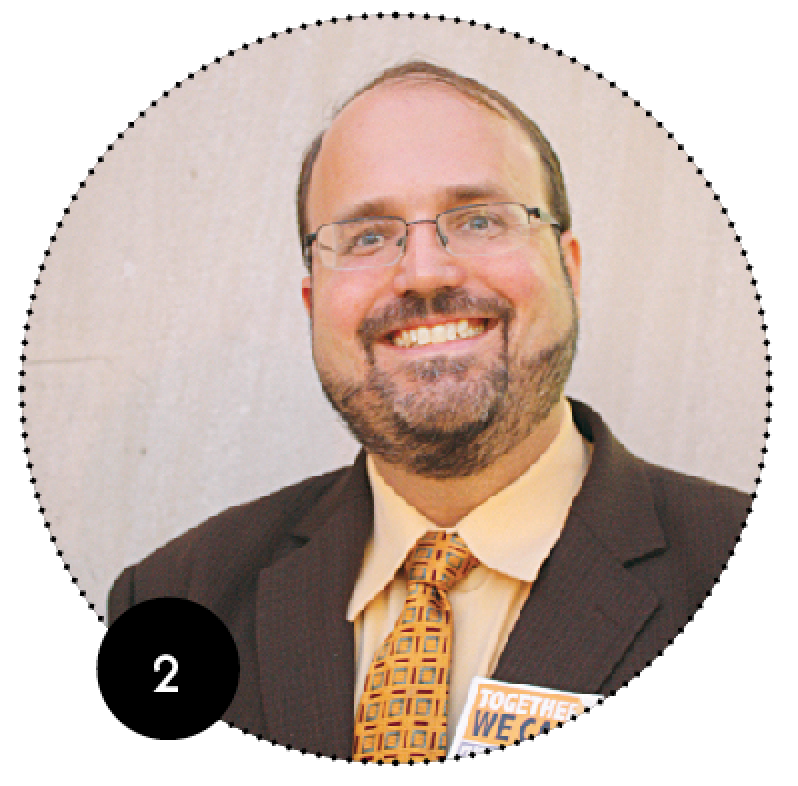
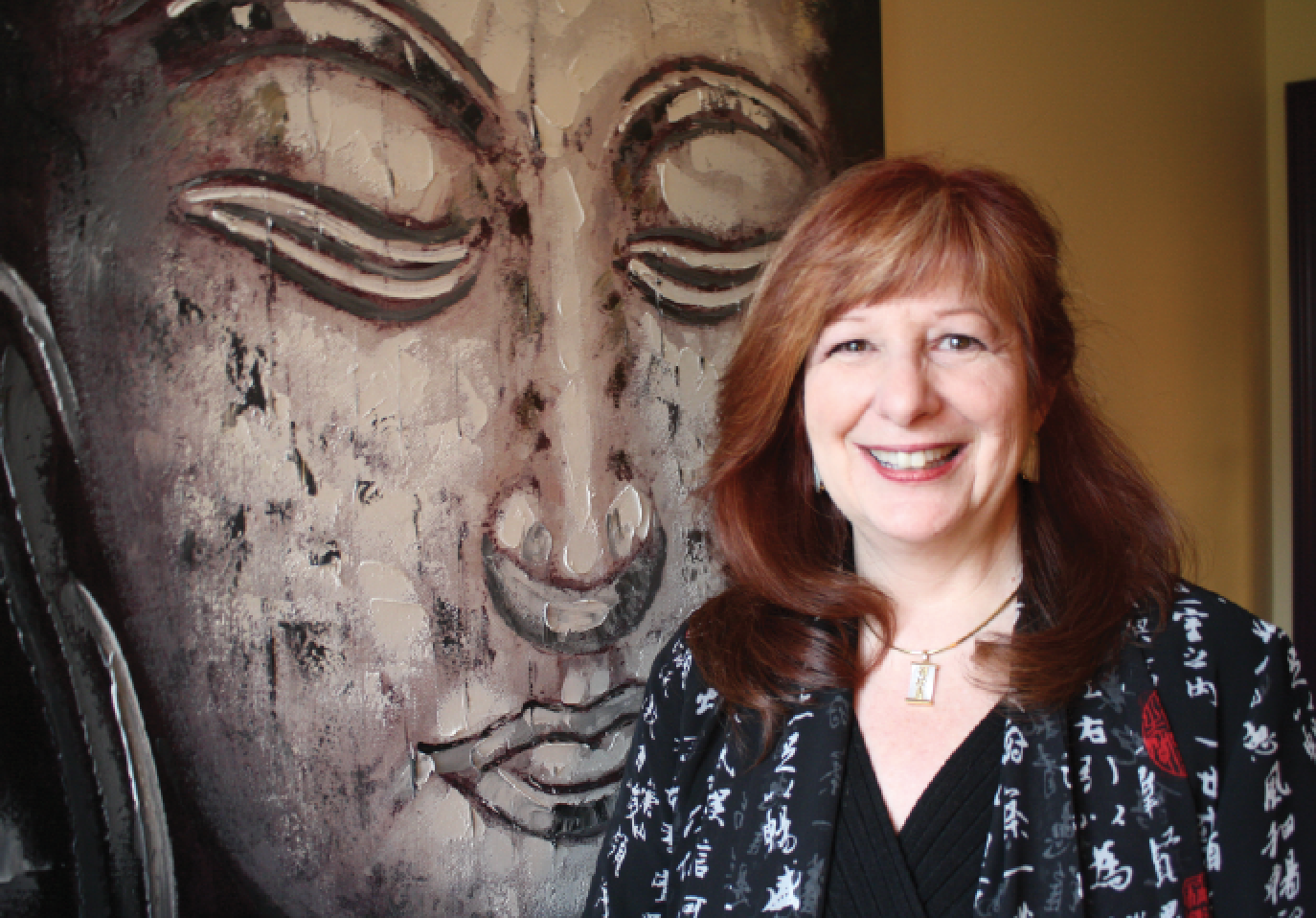
Screenshot 2014-12-29 09.11.41Poet Jack Veasey writes stories—hard, nitty-gritty, ironic, heartfelt stories. And, after he’s finished with each one, he thinks about the advice he received years ago from a poet/novelist friend in Philadelphia. Writers, the friend said, must ask the question, “So what?”

“He was the person who taught me the most important lesson ever—how to give myself the ‘so what’ test,” Veasey says. “If, after you’ve written something, you read it and ask yourself, ‘So what?’—there better be a good answer.”

Veasey has come up with hundreds of good answers in his years of living the creative life, and they’re apparent in his dozen or so published poetry collections, his music and his plays. The Philadelphia native, who has lived in Hummelstown for the past 20-plus years, is a force in the Harrisburg poetry scene. Say the name “Jack Veasey,” and the first word that comes to mind is “poetry” and the group, the Almost Uptown Poetry Cartel, where he is an active member. Despite the image many have of the solitary writer chained to a desk while tapping at the keys, Veasey explains that poets need the camaraderie and support of other poets to continue to be inspired and to keep the art form alive.

“Throughout the history of the form, we’ve tended to clump together like cat litter,” he says. “You need to see what’s happening with and to the art form and to share your work with other poets. It’s the same reason painters establish art galleries and musicians form orchestras.”

Many of Veasey’s poems exhibit his struggles of growing up gay in the tough Fishtown neighborhood in Philadelphia, where Archie Bunker-types ruled and where the nuns in his Catholic school were tougher than old meat. It also didn’t help that Veasey had the attitudes and values of a hippie and that being gay in this place and at this time “was about the most despised thing you could be.”

“I had plenty to struggle against in Fishtown, and the neighborhood’s old atmosphere still pervades a lot of my work,” Veasey says. “I was a target for bullies, and that gave me an outsider’s perspective and made me identify with the underdog, which I still do. That colors a lot of my choices of subjects, and the viewpoints from which I write, even when they aren’t my own.”

Two poems from Veasey’s soon-to-be-published book, “The Dance That Begins And Begins,” illustrate that point. One poem is titled “Mr. Martin,” who was Veasey’s high school typing teacher and whom Veasey describes as the first man he ever loved. This narrative poem relays that yearning, the “pangs,” the loss after the teacher marries. Despite the pain, it offered Veasey evidence of being alive.

Another poem in this collection, “And Then Came The Plague Of Frogs,” tells the Catholic school story of Veasey freeing frogs that were about to undergo dissection in his biology lab. His action resulted in a suspension, a punishment he considers worth it. He writes:

“I may never have been/Popular, but, for a few years later/I’d be/Legendary.”

Legendary, indeed.

Veasey called his prior poetry collection “Shapely,” an autobiography in verse that sections his work by a particular form, such as sonnets and the Japanese 17-syllable forms of haiku and senryu.

“Some poets claim that writing poems in forms are limiting, but I found they enabled me to write about a much broader range of subjects, including some that had been too big to tackle or even to face,” he explains. “It pulled insights out of me. Sometimes, I’d articulate something in a form and then realize, ‘My God, I never knew I saw it that way.'”

Veasey has a lot more “So what’s?” to answer. Despite now being disabled with back issues resulting from spina bifida, he’s examining his entire body of work—from 1973 to the present—to see what remains to be brought out. And, of course, he’s always writing, always exploring. There’s possibly a collection of stories on the way, a murder mystery about Catholic priests, a full-length musical with new songs he’s composed.

Ah, but poetry.

“Poetry is my life,” Veasey muses. “I continue to write for pretty much the same reason as I continue to breathe. I need to. It’s how I make sense of being in the world.”

You can catch Jack Veasey and the Almost Uptown Poetry Cartel every Thursday, 7 to 9 p.m., at Midtown Scholar Bookstore, 1302 N. 3rd St., Harrisburg. His next book, “The Dance That Begins And Begins,” published by the Poet’s Press, is slated for release this year. All of his books are available at www.amazon.com.

Continue Reading

A Time to Mourn: Emmy’s Heart supports those who lose a pet.

Screenshot 2014-12-29 09.00.12Let’s face it: for most of us, pets are part of our families. We spoil them with gourmet treats and salon visits, doggie day care, artisan kibble and specialized medicine.

When they are gone, we grieve. But there have been few places to turn to for support in our time of loss.

That is, until Emmy’s Heart, a pet bereavement group, arrived in Harrisburg.

Named for Harrisburg resident Charlotte Kluge’s beloved Yorkie, the group meets monthly in a cozy room above Abrams & Weakley General Store for Animals, just over the city line in Susquehanna Township.

Those who come know they won’t hear “it was just a dog” or “you can get another one.”

“It’s a nice, safe place to share feelings and memories,” said Mandy Rothenhoefer, one of the group’s founders who led the session I recently attended.

Emmy’s death a year ago left Kluge heartbroken.

“It was the first time I realized the loss of a pet is real and nothing to just ‘get over,’” said Kluge, who runs a family-owned insurance business. “She was my heart and everything to me. My grief was entirely real.”

Kluge wanted to offer others similarly finding it difficult to cope with a loss an opportunity to connect and talk about their feelings. So, she teamed up with Rothenhoefer, whose dog Sunny used to play with Emmy, and they started holding meetings in May.

On a recent Thursday evening, six pet lovers showed up, including me.

Rothenhoefer read a brief poem and lit candles in memory of pets who had passed on and one who had been reported missing on the Carlisle Pike.

She offered a theme for the evening, autumn rituals, asking attendees what they recalled about the change of seasons, walks in the woods, adjusting to the shorter days with their pets.

Jackie Hamill, who, with her husband Jim, has lost two dogs in the past three years, remembered how her chow-chow/retriever mix Angel loved to play in the fallen leaves and pulled out an iPhone picture to prove it.

“They are our children,” Jackie said.

Angel died in March at age 13, and the Hamill’s other dog, Clay, a Lab mix, died two years earlier after struggling with cancer and other serious health problems.

Rothenhoefer asked me if I had an autumn memory of Mindy, my childhood border collie, who lived to be 17.

Tears welled up as I told the group about a fall outing the two of us had at Sugarloaf Mountain near Frederick in the mid-1990s. As Mindy sat and watched several white geese paddle on a pond, I snapped a picture from behind, her black fur and the orange beaks of the ducks against a backdrop of dying grass and turning leaves. It was a moment of quiet reflection that occurred 20 years ago, and still I felt the emotions come bubbling to the surface.

Kluge said the sessions usually draw four to seven people. Participants are invited to bring pictures to post on a memory board of those who have “crossed the rainbow bridge,” as the pet people like to put it.

The conversation shifted to the hard choices about what to do with a pet’s body. Sharon Wilson said she hated the idea of having had to cremate her beloved beagle Tanner, but was not able to afford a plot in a pet cemetery.

“I have a hard time looking at pictures,” she said. “I was upset about cremating him.”

The Hamills said they chose to cremate their pets because then they could take them along if they moved. That sparked a discussion about whether there was an ordinance about pet burials in city backyards, something Kluge said she would investigate and post on the group’s Facebook page.

Clearly, Kluge’s idea has struck a chord. Hospice of Pennsylvania and several veterinary hospitals are now handing out cards to clients with information about Emmy’s Heart, Kluge said.

There is a sense of knowing that others love dogs like we do, said Jackie Hamill, who, with her husband, traveled 45 minutes to attend a bereavement group in Red Lion before Emmy’s Heart started. “I can share and talk. The pet people get it.”

The Hamills already “paid it forward” by taking Prince, a schnauzer who belonged to a neighbor who died. “[The family] wanted to get rid of him,” said Jackie. “But he helped Angel come out of depression after we lost Clay.”

Emmy’s Heart also wants to be there for those facing potentially fatal health issues with their pets who may not be able to afford life-saving treatment.

The group has already helped a single mom cover the costs of treatment for a serious skin disease and an elderly man pay for chemo treatment for his cat.

To raise funds, the group is selling commemorative leather bracelets that look like dog collars with a single paw print design.

Said Kluge: “It shows they left a paw print on your heart.”

The Hamills said they recognize that grieving is an ongoing process even as they enjoy their time with Prince and their newest rescue dog, Lexie.

Jackie Hamill gets choked up when she talks about Angel and Clay.

“Not a day goes by when I don’t think of them,” she said.

Emmy’s Heart pet bereavement group meets at 6:30 p.m. on the third Thursday of the month at Abrams & Weakley General Store for Animals, 3963 N. 6th St., Harrisburg. Anyone with a pet that is ill, missing or has died is welcome. For more information, call 717-364-0852, email [email protected] or go to the Facebook page.

In addition, The Humane Society of the Harrisburg Area has a pet grief counselor available for anyone who brings in a pet to be euthanized and offers a monthly support group, Healing Haven, open to members of the public at no charge. Visit www.humanesocietyhbg.org/pet-bereavement.

Continue Reading

Chasing Paper: When it comes to unearthing what happened, documents usually trump memories.

Screenshot 2014-12-29 08.54.35A few months ago, I heard a kind of wild story.

I was talking to Keith Myers, a maintenance supervisor with the Harrisburg Housing Authority, in the parking lot between the Jackson Lick apartment towers and the public swimming pool that bears the same name.

Myers, a garrulous Harrisburg old-timer, was dishing out every anecdote he could think of about the pool, the subject of an article I was working on at the time. At some point, he coughed up a memory of an annual tradition under former Mayor Steve Reed, which involved the city dumping hundreds of striped bass in the pool for a kids’ fishing competition at the close of each summer.

Myers wasn’t sure when the tradition ended, but he thought it was only a few years ago. By that point, I’d been reporting on the city long enough to know that people’s recollections of the Reed years could be a bit hazy. I’ll occasionally come across old Reed memos which, if it weren’t for a date in the upper corner and some giveaway proper nouns, could have been written at any time since 1982. The courtly, typewritten prose, the mayor-for-life swagger, is present in every year.

But hundreds of fish in a public pool? If it had happened only a few years ago, I was sure I’d have heard about it already. I wanted the anecdote in my piece, but I didn’t trust Myers’ recall. Instead, I had to undertake my favorite task in reporting. I had to go find a record.

The Philadelphia Inquirer’s James Steele and Donald Barlett are supposed to have talked about an investigative reporter’s “documents state of mind.” Unless you believe that officials will tell you the truth simply because you ask nicely, you had better know how to find a piece of paper that can substantiate (or challenge) their claims.

For example, there was a puzzling story last month about a few mounds of backfill that had been dumped on a vacant lot. The city said it was storing them there, which would seem to imply permission from the presumed landowner, the Harrisburg Redevelopment Authority. But the HRA director thought the land was owned by an L. J. Walker. A search through online property records cleared things up quickly. The lot comprised four parcels, with the mounds strewn across them, like a miniature mountain range. Walker did own one parcel—but HRA owned the other three.

From the vantage point of someone looking to tell a story, court documents are often the most valuable records. Civil complaints will methodically lay out the who, what, when and where of each local travesty—though you should always keep in mind whose interest the claims are serving. I tend to rely on court records for their attachments more than the complaints themselves.

Last fall, working on a story about the eviction of a nuisance business by an out-of-town landlord, I obtained a copy of the eviction complaint from the district court. It contained several interesting items, including a letter from neighbors fed up with the store and some time-stamped emails and notices tracing the landlord’s (rather sluggish) decision to evict. Later, when the landlord tried to distance himself from the story, I relied on business filings at two state departments to confirm he was bluffing: the “general partner” he said controlled the building was a Nevada corporation, registered under his name.

Building records are another treasure trove, although you have to tread carefully. The county has two online property records databases, and they don’t always agree. They also use different search functions. Your best bet, once you have a name, is the website of the county Recorder of Deeds, where you can pull up facsimiles of the original deeds and mortgages. These are authoritative when it comes to dates and names, although they only go back to 1979.

You can get older records at the courthouse, but for the really old stuff, I tend to seek expert advice. One source for which I am always grateful is the Dauphin County Historical Society, and particularly its librarian, Ken Frew. Membership in the society is very affordable ($35 a year) and grants access to invaluable resources. Earlier this year, I was one of several reporters following the story of a church collapse in south Harrisburg. The county database said the church had been built in 1900, but a visit to Frew quickly set me straight—lots of old buildings were supposedly “built” in that year, because past county assessors, lacking actual records, would simply write “1900” as a best guess.

Frew patiently led me through some old maps and newspapers, which suggested the building had been around since the 1870s. We never did find an exact date, but if the only product of a day’s record-mining is to substitute informed ignorance for uninformed certitude, it will have been worth the while.

An obsession with records can make a man aware of the paper he leaves behind. I once asked the city to send me its list of dog licenses. Not realizing dog names would be a part of it, I was amused to learn that counted among the local canine population are a William Wallace, a Cookie, a Cutter, a Merlin, a Zeus Ellington, and an Oliver Fernando.

One key to an effective use of records is to remember what they can never do as well as people, which is tell a story. My search for the pool fish wound up being brief—it only took a few tries with key words in Google to produce a city press release from 2006. The release had some useful figures, but the real gold was the name of the local fishing club that had co-sponsored the event. I found a phone number and eventually wound up speaking with the club’s president, who was able to provide me with firsthand recollections. Sometimes what you really want is a quote on the record, but you often need a record to get it.

Continue Reading

Open Mic Magic: Veteran hosts explain how to kill it on open mic night.

Screenshot 2014-12-29 09.11.07So you’ve got a guitar, a ukulele, an autoharp. You can play and sing reasonably well at the same time. Friends say you’re talented. What next? Put a band together and struggle, realizing you weren’t really all that prepared?

You could do worse than getting a few songs together and heading to an open mic event. And, luckily, the Harrisburg area has more than a few that are well-run, giving a chance for amateurs young and old to hone their chops, gain confidence and take part in the rich music scene this area has to offer.

There are, though, a few rules to follow, along with some best practices. So, we asked for advice and observations from the hosts of some of the best events in and around Harrisburg. Before you take your star turn, listen to the sage advice offered by veteran hosts Mike Banks (HMAC Stage on Herr), Justin Clauser (Bube’s Brewery), Janelle Eurich (Holly Inn), Phil Freeman (The Cove) and Jonathan Frazier (Cornerstone Coffeehouse).

Play it like you mean it

Of course, you are nervous—who wouldn’t be? But, if you do one thing right, do this: play your songs like you mean them. If you’ve practiced enough, listened to yourself, prepared your gear, gotten comfortable with the idea that you will likely make a mistake, there is no point being sheepish, timid or shy.

Banks: “For many folks new to open mic, there’s a huge disparity between what they’re accustomed to in their living room and what it’s actually like on an amplified stage. While it may be appropriate to be delicate and quiet when rehearsing at home, the stage is no place for such subtlety. Microphones and monitors only work well when folks put as much sound into them as possible. Dig in—physically and spiritually.”

Clauser: “What makes a good open mic performance is no different than any other performance. At the heart of it is good music. It also helps to have good stage presence and connection with the audience.”

Eurich: “Have fun. Your natural feeling for the song should be what is portrayed. We are not recording you. You are not being paid. Relax.”

But don’t make it about you

This is not the place to exorcise your childhood demons or get over a heart-trampling breakup. If you have songs about them, that’s one thing. But do not take half your time explaining the gory details of your tumultuous life. Let the songs do it, and let the audience connect to them in their own way. Good songs and good performances connect, almost all the time. Don’t force it.

Banks: “Generally speaking, an audience is much more likely to be interested in your stories after you’ve gotten their attention with your music, not before. But, either way, don’t squander away precious stage time with banter.”

Know the room, know the audience, know the host

It’s always a good idea to be a spectator before being a performer. Go to the venue without your instrument and observe. What does the audience respond to? Is it too big a place for you to feel comfortable? Is it a bar or a coffee house? There will be a difference. Most importantly, introduce yourself to the host and get to know how they like to run things. Get any technical stuff out of the way before you show up to play. Does your guitar have a preamp? Do you know what one is? Watch and be supportive of whomever is playing.

Banks: “Do your homework: know what your gear is and how it works before you show up—and make sure your instrument is strung, in tune, and has working batteries before you get on stage. While I’m happy to help folks fine-tune technical details on the fly, the stage is no place for Audio 101.”

Freeman: “From folk rock to country to spoken word, anything and everything is welcome as long as it doesn’t make the bartender’s or the patrons’ ears bleed. Definitely make the effort to connect with the host. People who do this are at the top of my ‘awesome’ list, so this is a priority.”

And know your songs

This should be a no brainer, but it deserves emphasis. Do not think a song you finished this afternoon is going to be one that connects. It might, but probably not. Few performers, even seasoned ones, can bluff their way through a set without looking awkward. Play your songs to the mirror, to friends, your cat. Be aware of your pacing because you will probably do them faster onstage. And make sure the arrangement you are going to play actually works.

Frazier: “So many people try to play full-length versions of songs, totally neglecting the fact that the layered variety of sounds in the original is lacking in their guitar rendition. Perhaps they hear the drums…but all the audience hears is someone banging out the same four chords in mind-numbing repetition. It’s usually best to cut the song down, get to the point, and wrap it up while you’re still ahead of the game.”

Try not to suck, but know there are worse things than sucking

Even if you do the above, there is a good chance you will mess up once—or several times. No worries. This is the place to do that, not once someone has offered you money to play. You will see onstage, before and after you, people who may be 10 times better or 10 times worse than you. However, there are worse things than playing slightly out of tune, forgetting words, fumbling chords.

Banks: “Remember: open mic isn’t a competition. In fact, what comes as a surprise to many is that it’s actually quite the opposite. Do your best and be prepared to learn from others—they’ll certainly learn something from you.”

Clauser: “I have seen people come in who were shy and barely spoke to other musicians turn into confident players.”

Freeman: “Performers should always start with a song that is both familiar to them as well as technically easy. For instance, I usually start with a slow- to mid-tempo song that is easy to play and that is lower in my vocal range so that I can use it as an extended warm-up.”

Choose your tunes wisely

If you’ve done the above, this should be no problem. You pick two of your own songs and decide to add a cover in the middle. Smart move, but you could completely ruin things by choosing poorly. There are 20 other people playing before and after you; chances are good that the Lorde or Dylan or Mumford hits have already been done. So go deep! An obscure J.J. Cale or a completely re-arranged Bright Eyes can convey just as much about you—maybe even more—than a smart-sounding “Angel From Montgomery” or “Wagon Wheel.” And, no, Nickelback is not acceptable in any situation!

Banks: “The goal should be to sound like yourself, not someone else—whether the material you’re performing is yours or someone else’s. And, please, no matter how fond you are of their music, don’t ever try to mimic the singing of Bob Dylan, Dave Matthews, Adam Duritz, Janis Joplin or anyone else. They certainly didn’t—and, unless it’s a spoof, neither should you.”

Freeman: “If you’re a metal band that’s hoping to destroy a stage and incite a riot, that’s awesome, but you’ll never be welcome at most, if any, open mics in bars and restaurants. Save that for the basement show or the rock club. No death metal—unless it’s a killer acoustic version of it.”

Don’t overstay your welcome

If it’s three songs, then play three songs. If it’s 15 minutes, finish up in 13. All the same, have five songs ready. You never know when people are going to bail or the host is going to need to pad some time. If he or she says, “Give us another one,” be ready to do so. Plus, you never know when a certain song is just not going to feel right once you get onstage. Have another couple in your back pocket.

Banks: “Asking for extra time over the microphone is about the worst thing one can do at open mic. The host is responsible for making everyone happy—no small task, let me assure you—and that means lots of time management and diplomacy involving many more people than just yourself. Forcing the issue through the PA only makes you look foolish and gives the host little reason to want to go the extra mile for you in the future. ”

Eurich: “Be aware that there are different formats and timeframes for different open mics. For example, Roy Bennett and I conduct our open mics in order of arrival. So, if you need an early out, arrive early.”

But do stick around

Unless you have somewhere specific to be, hang around and watch other performers. Chances are most performers are going to be at a similar skill level as you. You can learn a lot by just watching them and maybe even more by sharing a beverage. Plenty of great musical partnerships have begun this way. And, since everyone is going to tell you how awesome you were, you need to be there to hear it. No points awarded for being the mysterious disappearing musician.

Banks: “The cross-pollination of ideas and influences may be the most under-appreciated benefit of open mic—for both beginners and seasoned players. Newer players do themselves a tremendous disservice by avoiding interacting with more experienced performers, who are typically happy to share their insights.”

Clauser: “Amateurs who do well are the ones who already have the talent but need to gain confidence, experience playing with others, and connections with their local music scene. I have seen a lot of music partnerships born of musicians meeting and collaborating at open mics.”

Eurich: “Do your best to connect with the audience, host and other musicians. Staying and listening to other performers helps everyone.”

You’re an amateur, but act professional

When you’re onstage, make NO apologies, even if you make a mistake. When you are offstage, make even fewer. Don’t tell the audience this is your first time doing this. They can tell. Don’t downplay your abilities, degrade your songwriting, or appear otherwise unworthy. You are in a strip mall coffee shop playing for free on a Wednesday night—you don’t need to make yourself any lower. Say “thank you” when you’re done, and thank the host. And it should not have to be said at this point, but, if you cannot get up and play without excessive amounts of liquid courage, you are not ready.

Banks: “Everybody makes mistakes on stage—everybody, at every level. Play through them, forget about it, and move on. Stopping to start over almost always does far more harm than good, and apologizing on stage is worse still.”

Frazier: “I’ve seen people show up late, tune their guitars while others are playing and not listen to anyone else, then play their own slot and promptly leave without even hanging around to hear the next performer. That sort of behavior definitely makes a statement.”

Learn from your mistakes, learn from your triumphs

So you bombed? No worries, plenty of people have. That’s what an open mic night is about: getting the failure out of the way early. There is nowhere to go but up, right? So, practice more. Play more. Think about partnering with someone. There is strength in numbers. Take note of what you did well and double down on it for next time. And make sure next time is not six months from now, that is, if you want to get good.

Banks: “The key is to listen to yourself as objectively and critically as possible and solicit input from those with more experience. Identify your strengths and weaknesses and focus on the former while working to improve the latter.”

Eurich: “It is important for our community to foster a welcoming environment at our open mics. Ultimately, as these people grow, it will help perpetuate live music.”

Freeman: “Recently, I saw a guy who used to whisper into the mic and stop in the middle of songs to apologize just tear up a version of Rolling Stone’s “Dead Flowers.” It was a huge step, and it made me very proud for him to see that happen.”


Looking for a positive, supportive and well-run open mic? Then catch the contributors to this story at the following places:

Mike Banks: HMAC Stage on Herr, 268 Herr St., Harrisburg, Wednesday, starts 7:30 p.m.

Justin Clauser: Bube’s Brewery, 102 N. Market St., Mount Joy, Thursday, starts 8:30 p.m.

Janelle Eurich: Holly Inn, 31 S. Baltimore Ave., Holly Springs, first and third Sunday, 7-11 p.m.

Jonathan Frazier: Cornerstone Coffeehouse, 2133 Market St., Camp Hill, second Wednesday, 6:30 to 8:30 p.m.; Holly Inn, 31 S. Baltimore Ave., Holly Springs, second and fourth Sunday, 7-11 p.m.

Phil Freeman: The Cove, 1500 S. George St., York, Wednesday, 8 p.m. to 12 a.m.

Continue Reading

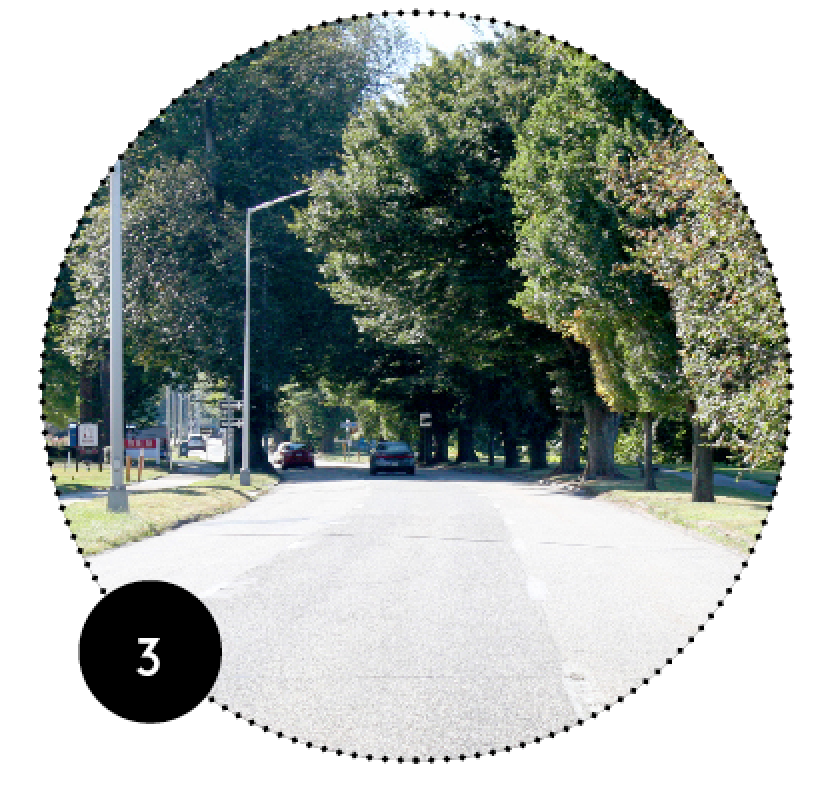
A Year of Change: In 2014, you had to sift through the pastors, treasurers and gun-packing lawmakers to get to the most important news.

At TheBurg, we’re not much into new media stuff.

Link bait, user-generated content, seeding. Yuck.

In recent months, I’ve had several news people defend aggregation to me, the practice of taking content produced by others and liberally repurposing it for one’s own use.

“We used to call that plagiarism,” I’ve snapped back, stunned that reporters are now being told to do things that used to get them fired.

Then there’s the listicle.

Using lists to convey information has been around for a long time.

For years, one of my favorite features in the Washington Post was the annual “What’s Out and In” list that appeared every New Year’s Day. I had no idea how the contributors determined what would be hot or not over the coming year (why, a few years back, were “cancer memoirs” out and “grief memoirs” in? Beats me), but I relished sitting down with a big cup of coffee and poring over the lengthy, whimsical list every Jan. 1.

In part, I enjoyed the feature because of its novelty. Presenting information as a list was an exception, not the rule, or a crutch, as it’s become for many media outlets today.

For the past few years, I’ve created my own list each January: the Top 10 Harrisburg news stories of the past year.

So, enjoy the list for what it is: a highly subjective summation and ranking, with my own spin on the year’s news. Feel free to nod, argue or curse me out. And I promise not to make a habit of it. This will be my one and only listicle of 2015.

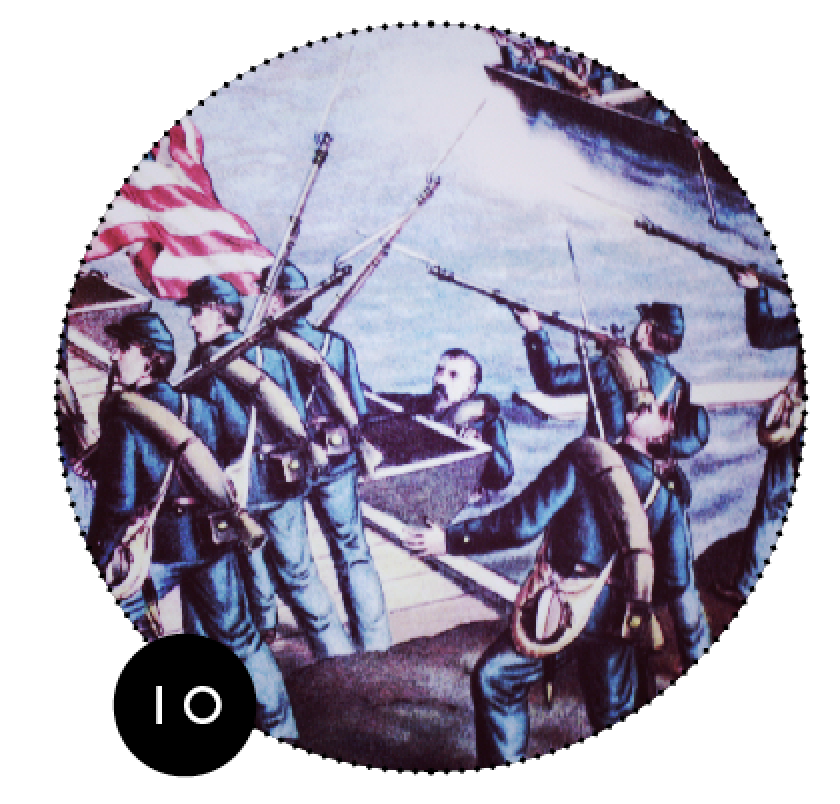
Screenshot 2014-12-29 10.44.4010. Civil War War: Sometimes, big stories seem to pop up from nowhere, and the scuffle over funding for the Civil War Museum fit into that category. Without notice, Harrisburg Mayor Eric Papenfuse appeared at a Dauphin County commissioners session to mount a case for negating an agreement that set aside about $300,000 a year in hotel tax money for the museum. Over the ensuing months, the city and county revived issues that hadn’t been discussed much in years: the purpose of the museum, its viability, its funding and how Harrisburg should use its limited funds to market itself. It also re-engaged the always-simmering battle over the legacy of former Mayor Stephen Reed.

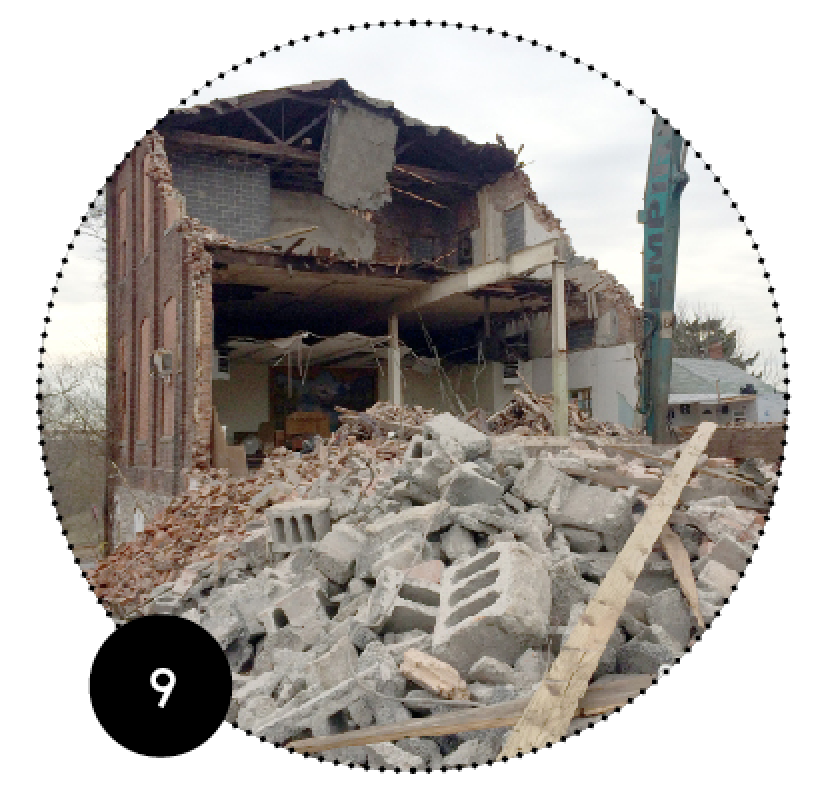
Screenshot 2014-12-29 10.44.509. Pastor Arrested: Upon taking office, Papenfuse declared an all-out war on blight, targeting slumlords, deploying codes officers and even formulating a new Housing Court. That sounded fine to most people until the first person arrested under the get-tough policy was one of the city’s most prominent pastors, Bishop A.E. Sullivan, Jr., whose blighted church began to crumble down on its neighbors. For some, the arrest was an early test of Papenfuse’s resolve. For others, it signaled the re-emergence of racial tensions that always seem to lie just beneath the surface in Harrisburg.

Screenshot 2014-12-29 10.44.588. Grand Jury Convened: What happens when you open a closet and a room full of secrets pours out? In the case of Harrisburg, a grand jury is empaneled. At press time, months after official-looking guys in official-looking jackets hauled away box-loads of potential evidence to Pittsburgh, the investigation continued into the myriad twisted, dubious deals that led to Harrisburg’s financial collapse.

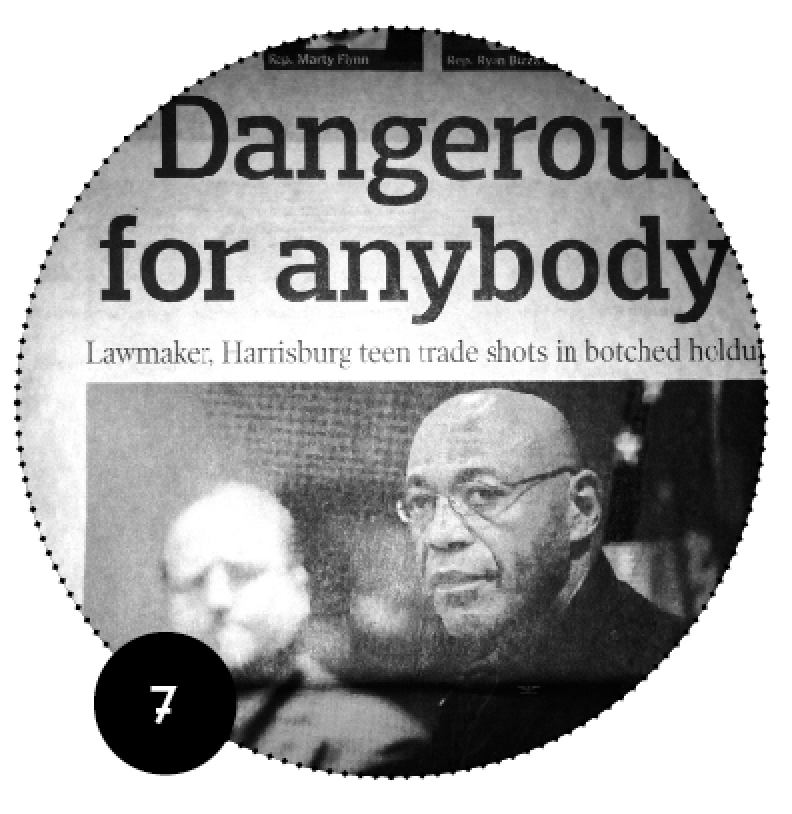
Screenshot 2014-12-29 10.45.087. Primetime Crime: If it bleeds, it leads, right? The media continued to have a field day (or year—or years) over the issue of crime in Harrisburg. Not that there wasn’t ample material to draw from. A continuing high homicide rate largely negated the good news that some other types of crime fell. Meanwhile, a few high-profile stories (the tragic case of Jared Tutko, Jr., a brief exchange of gunfire between a state legislator and a teenage mugger) led to predictable bouts of media hysteria. We’ll have to see if a few more cops and, as has been proposed, the revival of the school resource officer program make any difference for 2015.

Screenshot 2014-12-29 10.45.216. Treasurer Trouble: Sometimes, it seems like Harrisburg just can’t catch a break. In August, trouble arose from an unexpected corner when city Treasurer John Campbell—a young man with a seemingly boundless future—was arrested on charges of taking money from several organizations where he also served as treasurer. These allegations involved no city business, and the treasurer’s office operates largely independently from the administration. Nonetheless, Campbell’s arrest was yet another reason for people to dump on Harrisburg, as was the withdrawal, two months later, of his appointed successor, Timothy East, after a personal bankruptcy came to light.

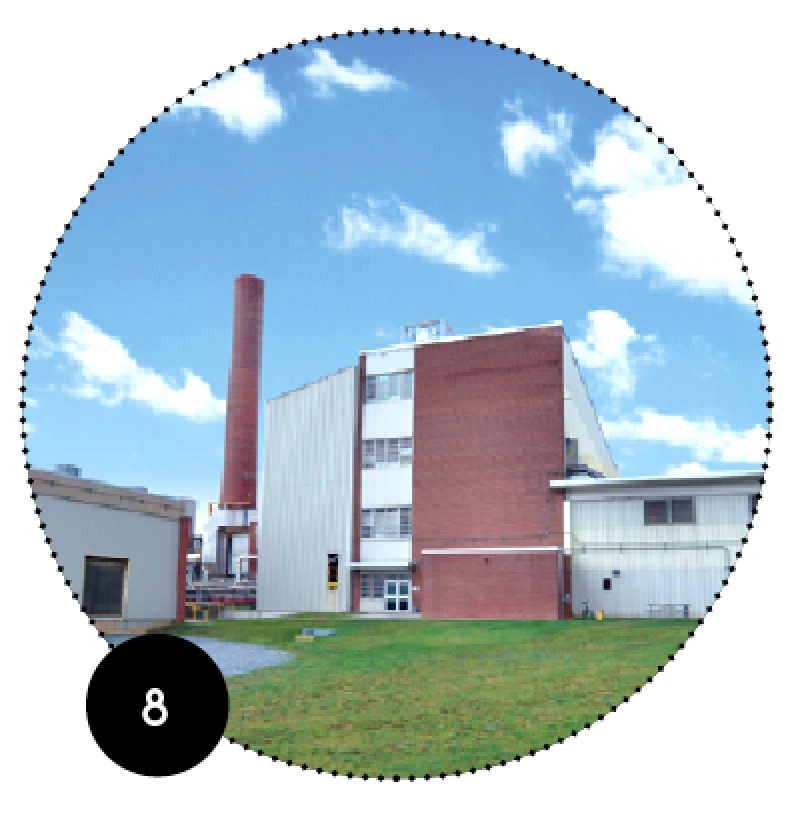
Screenshot 2014-12-29 10.45.445. Receivership Ends: It came in with a bang and ended with a whimper. No, I’m not talking about the month of March, but about Harrisburg’s state-imposed receivership. In November 2011, bond attorney David Unkovic rode into the office amid tremendous skepticism over his intentions. In just a few months, he allayed those worries so that, when he suddenly resigned, many people feared the city had lost its best friend. In stormed Air Force Maj. Gen. William Lynch, who completed what Unkovic had started: selling the incinerator, privatizing the parking system and trying to straighten out and normalize Harrisburg’s calamitous finances. Count me among the surprised that the receivership ended so quickly after the major elements of the financial recovery plan were put into place. Today, the state retains some supervision over city finances as Harrisburg remains in Act 47. However, the receivership was never as strong-armed as many thought it would be, and, instead of fading away, it just went away.

Screenshot 2014-12-29 10.45.534. Parking, Parking and More Parking: Besides crime, parking became the media’s go-to story of the year. Sleepy news day? Go find some suburbanites and restaurateurs pissed off about the rising cost of parking. Beneath the hype, there was a real story. As part of the city’s financial recovery agreement, parking rates doubled and metered parking expanded, which did negatively impact some businesses. In addition, the rollout of the new digital meters was bumpy, and Standard Parking was (how shall I put this?) god-awful in communicating with the public. But, by the end of the year, people seemed to be adjusting, and the new regimen even had some pluses, such as a new source of revenue for the city, the ability to use credit cards and much higher turnover of street spaces. Also, while some weak businesses shut down (though not all due to parking, believe it or not), several others opened.

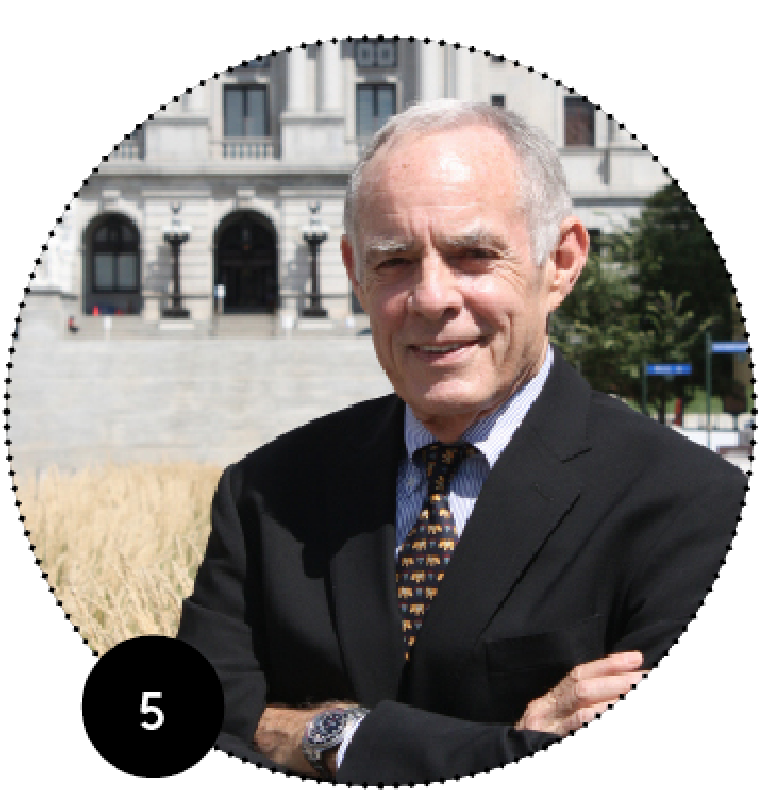
Screenshot 2014-12-29 10.46.053. Front Street Makeover: Sometimes, events are deemed important because they follow an accepted standard of what constitutes news—a political scandal or a high-profile crime, for instance. Other times, the importance is less certain, and only later do people realize the significance of a piece of news. I put the state’s announcement that, starting this spring, it will reconstruct Front Street, into the second category. Moreover, the state is studying improvements to Forster Street and to making much of N. 2nd Street two-way. It also plans to re-open the dormant rail bridge to pedestrians and maybe transit. In other words, the state seems to want to reverse the damage wrought almost six decades ago, when much of Harrisburg was turned into either a freeway or a traffic island, with devastating results. A more welcome, livable city could be a game-changer for Harrisburg.

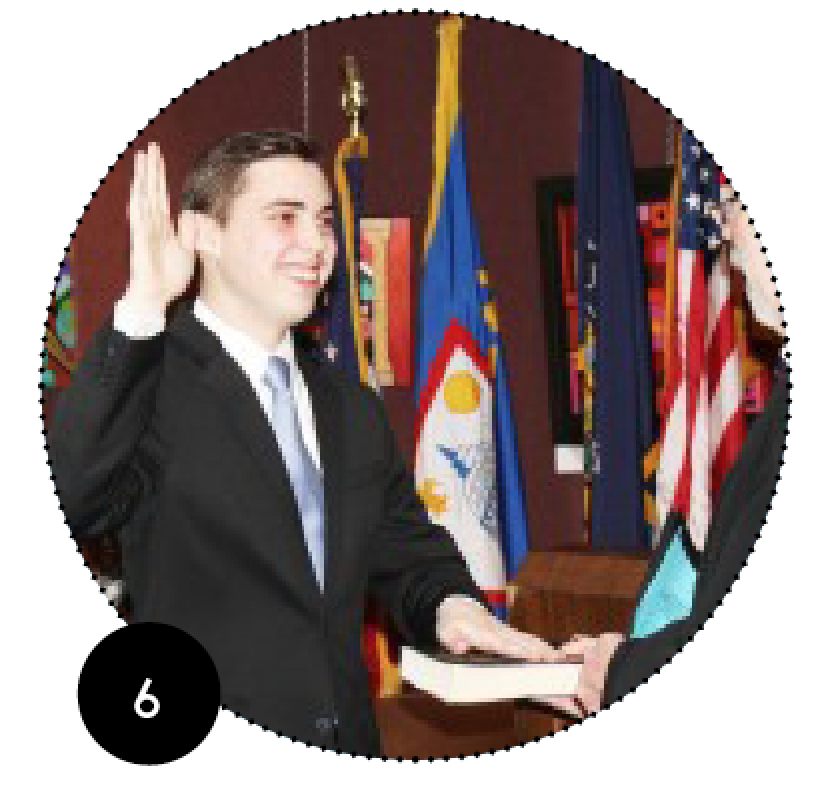
Screenshot 2014-12-29 10.46.152. Papenfuse Takes Over: In January 2014, Eric Papenfuse took the oath of office as mayor of Harrisburg. In so doing, he promised to be both an effective administrator and an inspirational leader. A year later, I’m not sure about “inspirational,” but he has shown competence both in identifying what needs to be done and then taking steps to get those things done. From finances to blight to streetlights to schools, Papenfuse took on a full plate of issues, most very difficult, many controversial. My fellow columnist, Tara Leo Auchey, has described Harrisburg as being in a state of “reconstruction” following decades of misrule. The administration’s first year has been to try to stabilize a government in shambles and then plant the seeds of that reconstruction.

Screenshot 2014-12-29 10.46.561. Balanced Budget: This may seem like an odd choice for the #1 news story in Harrisburg. Yawn, right? Yes, in most cities, a balanced budget indeed would be a non-event. In Harrisburg, however, this was (or should have been) major news, as it was the city’s first truly balanced budget in—God knows—20, 30 years? Papenfuse even insisted on including items that had been kept off-budget for decades, as Reed was a genius at tucking inconvenient expenses into places where they couldn’t be found, then masking the overage with borrowing. This is an achievement that should not be understated. Going forward, it should allow the city to build an honest foundation and move forward from there.

So, there you have it—my Top 10 stories of 2014. Looking at the year in whole, I consider 2014 to have been a transition year: a transition from state to local control; a transition from perpetual crisis to some level of normalcy; and, I hope, a transition from dishonest and incompetent government to one that conscientiously serves the people of Harrisburg.

Lawrance Binda is editor-in-chief of TheBurg.

Continue Reading

Relax, Rejuvenate, Renew: Need to de-stress? Reiki may be just the ticket.

Screenshot 2014-12-29 09.04.08Ask any Reiki practitioner to explain the practice, and you’ll quickly learn that it doesn’t fit neatly into one descriptive little box.

The non-invasive, benign healing technique, is, in my opinion, a bit ethereal in nature, which is why categorizing it is as difficult as clutching a cloud. What I can tell you is that I walked into Rickie Freedman’s office recently in my “wound-too-tight” default mode and sat up from the table an hour later, relaxed, rejuvenated and ready to take on the day.

I even kept my cool when someone cut me off as I was pulling out of the parking lot after my session. For me, that’s progress.

To better understand the relaxing practice known as Reiki, it’s helpful to know that the word is actually composed of two Japanese words—Rei and Ki. Rei can be defined as a higher intelligence, while Ki is the non-physical energy that animates all living things.

According to Reiki practitioners, negative feelings have an adverse effect on our health since they block the Ki that flows through and around us. While Western medicine doesn’t necessarily embrace Reiki, doctors do concede that there is a mind/body/health connection. During sessions, Reiki practitioners use a light touch to restore balance to the body and mind of those who seek its healing properties.

A Call

Rickie Freedman was born and raised in the Philadelphia area and faced unique challenges due to her name throughout her youth.

Every year, she was enrolled in boy’s gym and choir and, as a teen, received mail from the Army and Navy. Later in life, she ended up thanking her parents for the appellation. “I believed it was a call to my purpose,” she said.

Freedman’s interest always gravitated towards the healing arts.

“One of my teachers tried to talk me into going into med school at one point,” she said.

As a person with a nurturing, caregiving personality, Rickie eventually decided upon physical therapy, practicing at a nursing home in Lewisburg. In the mid ‘90s, friends introduced Freedman to Reiki.

“They took a class, and, when they came home, they practiced on me,” she said. “I had been going through a challenging, stressful time and had a big detoxification release afterwards, so I began studying it for my own emotional healing.”

She later would pay it forward by sharing the practice with others.

“I helped employees at the nursing home cope with the stresses of that kind of work and began incorporating the technique into my physical therapy,” she said.

Several years later, Freedman received a Reiki table as a gift. She offered her services to friends and word spread, so, when one co-worker opened up a wellness center, she asked Rickie to join her.

“I felt like it was an opportunity, so I gave it a try, and what I learned is that, when you believe in something with every fiber of your being, it radiates,” she said. “People feel that and are attracted to it. In a short amount of time, more people were coming there for Reiki than anything else.”

Eventually, this led to her decision to practice Reiki full time. In 2008, Freedman moved to Harrisburg, where she worked at establishing her expertise and reputation in the area. By 2013, she was ready to create her own space.

Swears By It

Freedman’s current base of operations, located off Linglestown Road, is comprised of an office, two healing rooms, a comfortable waiting room and an event area.

The new space has enabled her to expand her practice to offer more services like Indian head massage, chakra foot massage and the popular REIKIssage—a blend of Reiki and therapeutic massage.

Classes and workshops are held throughout the year and include topics like meditation, stress management and aromatherapy, to name just a few.

Tessa Shaffer travels from Liverpool to benefit from Freedman’s services.

“I met Rickie at an event she was doing and signed up for a 15-minute mini session and, in that short time, it alleviated a headache and some of my back pain,” she said adding that she was so intrigued that she decided to study the practice herself after contracting Lyme disease.

Thanks to Freedman’s instruction, Shaffer is now a practitioner.

“There are three levels, and Rickie holds monthly classes for the different levels,” said Shaffer. “Anyone can do it, and it has aided in improving my energy and managing my pain. It’s amazing, and you don’t really need to understand how it works for it to work.”

Kris Shulenberger has been undergoing Reiki sessions for about a year and swears by it.

“I have more energy and vitality,” said the Carlisle resident. “The first thing I noticed is that I didn’t have the winter doldrums last year, and the other thing I noticed is that I have a different level of energy in dealing with issues and problems. It’s a deep form of relaxation, and you come out energized and feeling better.”

For those considering Reiki, Freedman recommends scheduling the first three sessions a week apart.

“They work together in a series to get you to a better place of balance,” she said. “By the end of the third session, clients have a better sense of the good it does.”

In choosing this line of work, Freedman said she has found the “perfect peace,” which she lives to share with others.

“Every single day is awesome because I get to witness people’s transformations as they come into the fullness of who they are and are able to let their light shine so they can go out into the world and bring that to others,” she said. “That’s awesome, with the emphasis on the awe. I love my work, every single day. I love teaching, and I love sharing this.”

Reiki by Rickie|ReikiSpace & Learning Place is at 2793 Old Post Rd., #10, Harrisburg. Call 717-599-2299 or visit www.reikibyrickie.com.

Continue Reading

Street Wise: Education Row–20 years of learning, a stone’s throw away.

Screenshot 2014-12-29 08.58.10The idea goes like this.

A student begins her pre-K education in a building midway down the 1400-block of N. 3rd Street in Midtown Harrisburg. Three schools and 20 years later, she’s moved just a few yards down the road after graduating with an associate’s degree from HACC.

She has experienced an entire lifecycle of education within half of a city block.

Doug Neidich, CEO of GreenWorks Development, has dubbed this strip of 3rd Street “Education Row,” a vision he’s closer to realizing after his purchase a few months back of the building that last housed Midtown Paint & Hardware. Following a total renovation, the 9,000-square-foot edifice is slated to become the newest home of U-GRO Learning Center.

“Students would be able to go from one building to the next as they get older,” said Neidich. “It will take them 18 years to go about 30 feet.”

Age-wise, Education Row is taking shape in reverse.

In 2006, GreenWorks bought the century-old Evangelical Press Building at 1500 N. 3rd and converted it to Midtown 2, part of HACC’s expanding presence in the neighborhood.

Across Reily Street, GreenWorks next built Campus Square, which Commonwealth Connections Academy, a K-12 public cyber charter school, has called home for the past two years.

U-GRO would extend the student population further up the block once its preschool and daycare sets up shop at 1408 N. 3rd.

“The priority of GreenWorks over the last few years has been focused almost exclusively on education,” said Neidich. “If you do education well, everything else will follow.”

It Will Come Back

If any street demonstrates both the promise and the heartbreak of Harrisburg, it may well be the 1400-block of N. 3rd Street.

In its heyday, 60 or 70 years back, the block was an integral part of a thriving Midtown community. You could shop, get flowers, have a beer, eat a meal and deposit a check all within the few hundred feet between Calder and Reily streets.

Anchoring the block was the imposing, circa-1910 West End Republican Club building, a sturdy, if whimsical, stone-and-brick structure. Through the heavy, paneled front door, a grand center staircase swept upwards to two spacious levels, a proper testament to a city both increasingly prosperous and highly political.

What happened next is a familiar story in Harrisburg—it all fell apart. As people and their money left the city, the block turned seedy and became dominated by dilapidated properties, boarded-up buildings and rundown bars where men, some visibly intoxicated, loitered.

The Republican Club moved, and its old headquarters had its guts ripped out. The grand staircase was destroyed to open up the first floor for a retail store. To reach the upper floors, one had to climb a rickety ladder and enter through a cavity in the ceiling. Not that anyone went up there. The 6,000 square feet of space upstairs sat mostly unused and, today, old political posters and magazines from the 1960s can be found where they were dropped some 50 years ago.

The exterior hasn’t fared well either. Decades ago, a modern “skin” was bolted on to the front of the building, blocking the original façade. Today, the strange arched design appears dingy, even campy, someone’s terrible idea of modernist, jet-age retrofit that makes little sense on a block dominated by brick, Victorian-era buildings.

Neidich’s plan is to rip off the false front, restore the original façade and completely renovate the building for U-GRO. He hopes to get started on the $2.5 million project in mid-2015, with U-GRO moving in the following spring.

In addition, he plans to tear down two small, dilapidated buildings next door that GreenWorks already owns, constructing a two-level, indoor/outdoor play area in their place.

“Surprisingly, the (main) building is in very good shape,” Neidich said. “It will come back very well.”

Kids from All Over

Neidich founded GreenWorks a decade ago after selling an electronics manufacturing business he had started. His idea was to use the proceeds of the sale to help build an integrated urban community in Harrisburg, and he chose N. 3rd and Reily streets as the center of his effort.

At the time, the historic Evangelical Press Building was empty and, last used as state office space, was slowly falling apart. Neidich bought the 130,000-square-foot building for $3 million and embarked on a $14 million renovation so that HACC could expand its nascent Midtown campus.

A couple of years later, GreenWorks purchased a gas station and auto repair shop across the street and constructed the 73,000-square-foot Campus Square building. When the HACC administration moved into the four-story building, some thought the college’s future lay in Midtown.

HACC, however, soon suffered financial setbacks, as well as turmoil within its leadership. After John “Ski” Sygielski became president in 2011, the administration moved back to the main Wildwood campus, leaving Campus Square in need of an anchor tenant.

In contrast, Commonwealth Connections Academy was looking to expand in the area, said Maurice Flurie, CEO of the cyber charter school. It took some space in the building in late 2012 and has been increasing its presence since. Today, its teaching center occupies several floors, and it even has its administrative offices there.

“The central location is very important to us,” said Flurie. “We have kids here from the West Shore, from Steelton, Harrisburg, etc. We want to be a solution for a broad range of kids in the capital region, not just in the city.”

Like Neidich, Flurie sees a future when children will begin an education at U-GRO before stepping over to Commonwealth Connections and then across Reily Street to HACC.

“U-GRO is the important pre-K part of this,” he said.

Coherent Structure

“Education Row” also has given a new dimension to the redevelopment of this part of Midtown.

For several years, it appeared that HACC would gobble up much of the land around N. 3rd and Reily, with other businesses opening to serve the expanding student population. Up the block, it was hoped that redevelopment associated with the new federal courthouse would bleed down Reily Street.

HACC, though, has reduced its Midtown footprint, and the courthouse appears to be on long-term hold. The new plan by GreenWorks shifts the focus back to the central commercial area of N. 3rd Street, which should further benefit by the opening this month of the new Susquehanna Art Museum—a cultural institution with its own educational mission—across the street.

With the old Republican Club/hardware store rehabbed, only a few unrestored properties will remain on the block, most notably two small bars and the former Volunteers of America retail store and apartments. That’s out of more than a dozen properties that, a decade ago, were almost all in poor shape.

Neidich indicated that he has plans for the remaining dilapidated properties along the street, though he would not say specifically what those plans were.

“GreenWorks is an initiative to help the revitalization of the city,” he said. “So, we’ve thought hard about what has to happen to put the most concrete, coherent structure together.”


Continue Reading

Student Scribes: A Palace of Bygone Days

Screenshot 2014-12-29 09.09.49“How a state chooses to represent itself, artistically and architecturally, speaks volumes about how its citizenry wishes to perceive itself at the particular moment of a capitol building’s creation.” – Ingrid Steffensen

The day the security guard handed me my “key to the kingdom” in the form of a swipe card, I decided to take time every day during my internship with the House of Representatives to explore the Pennsylvania Capitol, a building that is a haven in a broken and battered city. But I soon realized that I needed to step outside the Capitol too, to see a different reality of the city.

I cannot remember a time I did not find myself intrigued with the beautiful craftsmanship of previous generations; whether it is simply a doorknob, or a huge plantation manor, every aspect of its history draws me in. Perhaps that is why I am so fascinated with the Pennsylvania State Capitol. The emerald tiles of the dome set against an azure sky dotted with fluffy clouds always makes me smile.

The Capitol, standing in downtown Harrisburg two blocks from the Susquehanna River, is the third building that Pennsylvanians have had the pleasure to call theirs, and unarguably it is the most impressive. In 1902, Joseph Miller Houston designed the current Capitol in a contest set on replacing the brick “Cobb” Capitol. The Cobb was plain, unadorned and could easily have blended in with the smokestacks of any manufacturing town. But the building standing today eventually won the contest and outdid anything Pennsylvanians had ever seen before. The building still houses all three branches of the state’s government under one roof, but, for most, it is better known as being a masterpiece of immense proportion. All 600-plus rooms exude awe and artistry.

The plans created by Houston brought together the best Pennsylvania artisans, people like George Grey Barnard, Violet Oakley, Henry Chapman Mercer and Edwin Austin Abbey, who incorporated stained glass, paintings and sculptures. Designed in the Beaux Arts style, the Capitol’s halls also boast elements of Renaissance design. In fact, scholars claim that Houston introduced well-known European architecture to the people of Pennsylvania.

The room that most consider the greatest display of the arts is the main rotunda. The wide Vermont marble staircase matches the Grand Staircase at the Paris Opera House. The terra cotta dome, visible from all over the city, resembles St. Peter’s Basilica in Rome. This rotunda is the axis of all activity in the Capitol. People from every reach of government mix with the curious tourists and school tours.

When I was in fourth grade, my class took one of those school tours. I can remember standing in the middle of the rotunda floor and staring up into the paintings and gold-gilded heights. I remember feeling like I was going to fall backwards as I lost my sense of balance and reality. It was beautiful, the most beautiful thing I had ever seen, like a glimpse into heaven with its gold streets. Perhaps, if that were true, my school chorus and I were the angels praising the glory of it all from the staircase.

On the few lucky instances where I have found myself in the rotunda alone, I have felt the weight of history and the lost decorum of times past, and it is humbling. I can almost see President Roosevelt there on Oct. 4, 1906 during the dedication, declaring it the “handsomest building I ever saw,” a moment immortalized by a carved tile marking the place where he stood. His tile is just one of 400 tiles picturing the history, animals, industries, occupations and transportation of Pennsylvania in a grand canvas of folk art.

Another subtle detail that intrigues me is the bronze doors standing sentinel. In the rush to get through security and into the large, open space of the 272-foot-high ceiling, the 17-foot doors are easy to miss since they are always open and pushed to the side. The doors are carved with the three-dimensional heads of individuals who helped design and construct the building, according to the brochure available a few steps inside. The head of Huston lifts to reveal the keyhole to unlock the Capitol.

This place stands as a memorial to the Pennsylvanians who helped develop this commonwealth and their determination to maintain a strong government run by and appreciated by citizens. While the building was valued at $13 million at the time of its creation, it is deemed priceless in today’s economy. While the building is one of the few truly beautiful and valuable pieces of history left to the state, it isn’t far from the Capitol that I have encountered other realities of the capital city’s people.

I first was introduced to the reality of the city during the first month of my internship with the public relations department. About a block from the Capitol building is a parking garage full of Mercedes and BMWs mixed with more moderately priced vehicles. I was shocked to find that in the block between this parking garage and the Capitol is a very busy soup kitchen. When you drive down the alley to the garage, you pass the homeless and down-on-their-luck people waiting at the doors for their breakfast. I noticed that these people watch the constant stream of cars pass them by and couldn’t help but wonder if they feel neglected and forgotten in the midst of the bustle of downtown.

The second time I was struck by the reality of the city was toward the end of my internship. I came down the alley and saw a young man who had taken shelter under a dirty blanket he had pinned to the brick wall. He was cold, wrapped in blankets and huddled under the blanket tent. I was sad to see that this man had only a blanket to buffer him from the cold rain coming down, when there was a building less than a block away that boasts gold leafing and Italian marble. This is a story echoed down every street and alley of the city of Harrisburg.

If you step out two blocks from the Capitol to Front Street along the river, there are stately old mansions that are now housing different interest groups and associations. These homes are well maintained and historically stunning. The riverfront park is well-kept, and men in suits and joggers spend sunny afternoons enjoying the view. One night, as I walked to the Market Street Bridge, I heard a man’s tone rise and ebb against the arches and echo back down to the river’s water beneath. His song of worship to God lent an air of awe to the sunset over City Island. There was a woman walking on the sidewalk beside a furry white rabbit who would hop off the path to inspect a bush. “He makes a better husband than my real one when he won’t leave his video games,” she told me, motioning to the rabbit. They are the people of Pennsylvania.

Not far from this bridge, under an overpass to I-83, is where several of the city’s homeless have created their own little drifter camp. Their tents are braced against the support columns of the interstate, covered in tarps with trash bags surrounding them to keep their few belongings from the weather. The camp is easy to miss, and the only reason I saw it one day was when I caught a glimpse of a man stumbling toward the ramp with an empty water bottle. He looked tired and disheveled. I wondered where he had come from and was shocked when I looked back under the interstate and saw the answer. Just like the man under the bridge, and the woman and her pet rabbit, he too is one of the people of Pennsylvania.

This city, full of beauty, eccentrics and dishevelment is our state capital, a place of both wealth and poverty. The people who make up Pennsylvania can see the beauty, and yet, there are those who have also seen the very worst of what the commonwealth has to offer. But there is one great treasure that all of these people can call their own. It stands as a testament to better days, to past and present glories. Its emerald dome stands as a beacon of hope above the city skyline; it is a Palace of Bygone Days.

Ashley Sheaffer is a senior English major at Penn State Harrisburg. She continues to work for the Pennsylvania House of Representatives.

Continue Reading

December News Digest

No Tax Hikes in Budget

Harrisburg City Council last month weighed a balanced 2015 budget that included a $2 million investment in sanitation, nearly $250,000 in staff raises and the hiring of 14 additional public safety personnel, but no tax increases.

The budget proposed hiring five firefighters and nine police officers. After the hires, the total number of city firefighters will be 81, up from 76 last year and 62 in 2013.

According to Mayor Eric Papenfuse, the $59.4 million budget contained “no gimmicks,” a reference to a multimillion-dollar “plug” that was used to balance the 2014 budget without cutting certain unfunded, though vacant, positions.

The budget also committed the city to greater transparency, he said, by replacing hundreds of thousands of dollars in off-book discretionary accounts with dedicated funds subject to oversight by City Council.

Council held two hearings on the budget last month and indicated it might make small changes to the spending plan before passage.


DeHart Land Sale Proposed

Capital Region Water, the city’s water and sewer authority, last month agreed to examine a proposal for a $1 million sale of land above the DeHart Reservoir, the lake that supplies Harrisburg’s drinking water.

The sale would occur under a conservation partnership that would generate revenue while keeping the property in public hands, said Capital Region Water CEO Shannon Williams.

The sale, to the Pennsylvania Game Commission, would be federally funded through the Department of Defense’s Army Compatible Use Buffer program, or ACUB, which seeks to maintain undeveloped spaces around military installations.

The program would partner Fort Indiantown Gap, a National Guard training facility near the reservoir, with the Conservation Fund, a national environmental charity. Under the sale, the Conservation Fund would purchase the 384-acre parcel with ACUB funding and then transfer the property to the Game Commission.

The parcel, at the furthest upstream edge of Capital Region Water’s 8,200 acres in Clarks Valley, would form a bridge between two existing tracts of state gaming lands on either side of the reservoir.

After examining the proposal, Capital Region Water will vote in February whether to proceed with the deal.


Study Detects “Fragile” Ground

A second engineering report of sinkhole potential in south Harrisburg shows additional areas of concern, in a region that a city official described as “fragile, but not unstable.”

The report, prepared by Camp Hill-based engineering firm Gannett Fleming, is based on an expanded survey of the surrounding neighborhood, as opposed to the single city block that was studied in a prior report.

The previous report, released in August, showed evidence of five fractures in the limestone bedrock and several potential voids beneath the 1400-block of S. 14th Street, where a series of sinkholes opened in March.

For the latest report, engineers surveyed an expanded area bounded by S. 12th Street to the west, Scott Street to the east, Hanover Street to the north and Cloverly Terrace and S. 13th Street to the south, a neighborhood encompassing some 200 buildings, most of them single-family homes.

The report shows evidence that previously detected fractures extend across the larger area and also introduces evidence of possible additional fractures and voids throughout the neighborhood.

City Engineer Wayne Martin said that the report showed the area was “fragile, but not unstable,” adding that the city had determined it was safe to keep roads in the neighborhood open.


New Parking Zones

Park Harrisburg last month unveiled four different parking zones in downtown and Midtown Harrisburg, each with its own pricing.

  • Central Business District covers much of downtown, and street parking costs $3 per hour.
  • South of Central Business and Old Midtown districts include street parking south of Chestnut Street and from Forster to Verbeke streets, respectively. These districts cost $1.50 per hour.
  • New Midtown District, which covers Midtown from Verbeke to Harris streets, on and around N. 3rd Street. These spots cost $1.50 per hour, with the first 15 minutes of parking free.

Separately, a company called Pango USA introduced an application last month that will allow motorists in Harrisburg to buy street parking via their mobile devices.

The app, which is free to download, requires customers to establish an account and register a method of payment. Once the account is established, a customer can purchase parking with a few taps of the thumb.

For each transaction, Pango will charge customers an additional 14 cents on top of the regular cost of parking. Visit www.mypango.com for details of the app.


Water/Sewer Rates Increase

Harrisburg water and sewer customers will see higher bills in 2015, following a unanimous vote to increase water rates by Capital Region Water.

Under the hike, the current water consumption charge of $6.61 per 1,000 gallons will increase by 57 cents to $7.18 while an additional “ready to serve” fee will increase by 45 cents to $5.67.

The effect on the average customer’s monthly bill will be an increase of $3.29 based on an average consumption rate of 5,000 gallons per month.

Harrisburg sewer rates, meanwhile, will remain at $6.05 per 1,000 gallons.

The hikes will help fund a $48 million budget that sets aside $10 million for capital improvements, $13 million for debt service and $20 million for operations and maintenance. It also provides for the hiring of 21 new employees.

In addition, Capital Region Water announced an agreement with federal and state regulators that provides a timeline for reaching compliance with laws governing pollution of local streams.

The agreement begins to address a number of violations that the Environmental Protection Agency and the state Department of Environmental Protection discovered during inspections in 2010 and 2012.

The agreement, known as a partial consent decree, sets forth some initial steps for bringing the system into compliance, and is primarily focused on gathering information, Williams said.

A future agreement will set out tangible steps the authority can take to comply fully with regulations, a process that Williams said could take upwards of 20 years.


County Taxes Unchanged

Dauphin County taxes will not increase under a $246 million 2015 budget passed last month by the county commissioners.

For a 10th straight year, county taxes will be unchanged at 6.87 mills.

The budget represents a small hike from the 2014 spending plan. Commissioners, though, attributed the increase to about $8 million in pass-through state and federal funds, which then were forwarded to municipalities in the county.


Shimmel School Project OK’d

A split City Council has approved the re-use of the empty Shimmel School as a mental health and addiction treatment center.

By a 4-3 vote, the council approved the land use plan by the for-profit, Lebanon-based Pennsylvania Counseling Services to renovate the facility at 548 S. 17th St. for a new treatment center.

Several council members voiced objections, saying that this area of South Allison Hill already has a plethora of similar rehabilitation facilities and halfway houses. In addition, Councilwoman Susan Brown-Wilson said she was stunned that the school district would sell the school for just $680,000, as it underwent a nearly $20 million renovation under former Mayor Stephen Reed.

The sale will put the school onto the tax rolls. Harrisburg expects the facility to generate property tax revenue of nearly $14,000 in 2015.


New Shopping Center

A new shopping center is coming to Allison Hill, as Harrisburg City Council has approved a plan to open an eight-unit retail center.

Harrisburg-based D&F Distributors will build the center at 137 S. 17th St. that will consist of seven 950-square-foot shops and one 1,925-square-foot shop. The estimated $500,000 project will include a convenience store and a sandwich shop, according to owner David Peffley Sr.

The property has long been an eyesore along the S. 17th Street corridor, recently serving as a vehicle storage lot. It sits across the street from the new Hamilton Health Center, which has helped spur developer interest in the corridor.


Parking for Pinnacle

PinnacleHealth soon will have another place for employee parking, as the Harrisburg City Council approved its plan to turn a plot of land into a surface parking lot.

Council gave its unanimous consent for Pinnacle to demolish a dilapidated building at 157 Paxton St. and resurface the blighted site for 78 parking spaces. The building, which once housed a daycare center, has been empty for years and has been repeatedly flooded.

Pinnacle has vowed to enhance the property with landscaping and incorporate stormwater management techniques to reduce the flow of polluted surface water into Paxton Creek and the Susquehanna River.


Firehouse for Sale

Harrisburg is putting the art deco Paxton Fire Co. station on the market, months after it shut down the firehouse.

Council unanimously agreed to hire RE/MAX realtor Wendell Hoover to market the structure at 336 S. 2nd St. The city is asking $200,000 for the property. The building dates to 1937, though a firehouse has occupied the site for 150 years.

Several years ago, former Mayor Linda Thompson tried to shut down the station as part of a move to cut escalating Fire Bureau expenses. She abandoned the plan, but Mayor Eric Papenfuse revived it in March.


Changing Hands

Adrian St., 2455: P. Okane to L. Mahoney, $45,000

Berryhill St., 2316: W. & J. Collins to D. & Y. Jiang, $46,500

Bigelow Ct., 3: D. Schultz & Schultz Properties to G. Neff & M. Murphy, $34,000

Boas St., 1812: PA Deals LLC to Mid-Atlantic IRA et al, $41,400

Grand St., 927: G. & T. Morcol to J. Gustitus, $88,000

Green St., 1517: R. Lewis to J. Bowser, $71,500

Harris St., 210: J. Provins Jr. & C. Good to B. Stefek, $139,900

Kensington St., 2105: PA Deals LLC to Mid-Atlantic IRA et al, $61,700

Lenox St., 1912: E. Clark to C. Saterstad, $31,000

Linden St., 145: P. Scott to E. & M. Kinchloe, $73,000

Mulberry St., 1217: A. & P. Sena to Ministerio Casa de Oracion, $45,000

North St., 1619: H. Halilovic to K. Sol, $33,000

North St., 1724: PA Deals LLC to B. & C. George, $62,900

N. 2nd St., 603: Mercy Home to D. & C. Peltier, $240,000

N. 2nd St., 1110: W. Moyer to MC Investment Properties LLC, $117,000

N. 2nd St., 1701: Colorado Federal Savings Bank to C. Troutman & B. Jackson, $76,000

N. 2nd St., 3005: Wells Fargo Bank NA to H. Sharifi, $36,000

N. 3rd St., 510: R. & S. Schreckengaust to 510 North Third LLC, $243,115

N. 3rd St., 1225: S. & D. Donofrio to I. Rosario, $116,000

N. 3rd St., 3117: N. Mastrippolito & L. Oechler to M. Means, $140,000

N. 7th St., 1303: 1303 North 7th Corp. to Pennsylvania Higher Education Assistance Agency, $2,750,000

Penn St., 2242: J. McDonel to W. Hoover, $60,000

S. Front St., 707: K. Scofield to D. & G. Dowen, $140,000

Susquehanna St., 1338: B. Smith to J. Grubbs, $108,000

Zarker St., 1941: Habitat for Humanity to T. Reid, $82,800

Harrisburg property sales for November 2014, greater than $30,000. Source: Dauphin County. Data is assumed to be accurate.


Continue Reading

Cutting Edge: Stylist Eric Moon gathers ideas from around the world, then brings them home to Harrisburg.

Screenshot 2014-12-29 09.03.31What’s next? This may be the question you’re asking yourself right at this moment. What are you going to achieve in 2015? And what will life throw at you?

For Eric Moon, owner and creative director of Salon Edjii, the answers of his own ‘What’s next?’ have revealed themselves organically. It’s been through natural conversation with peers and friends and sometimes complete strangers, as Moon has progressed and transitioned from an art student at Kutztown University to traveling the world as an artist and educator with TIGI, the world-renowned hair care brand and culture.

Moon first encountered TIGI years ago at the salon where he was working.

“I was really drawn to this brand by their imagery and what they were doing,” he explained, listing off the terms “new wave,” “punk” and “edgy” as his inspirations. “And I wanted to be a part of that.”

One day, Moon struck up a conversation with a TIGI sales representative who frequented the salon. A few weeks later, after he had caught the attention of more representatives at a training session, he received a phone call inviting him to a training program.

Almost a decade later, Moon travels nearly every week for TIGI. Some of these excursions may be local educating opportunities, but about half are “fly-aways” as Moon calls them—no pun intended. It’s these unique opportunities to travel that sets Salon Edjii—located on Derry Street in Paxtang—apart from other salons in the Susquehanna Valley.

“I love being able to bring everything I experience outside of Harrisburg back to central PA to share with my clients,” Moon explained. “Harrisburg has a reputation (and part of it is true) that we’re a little behind the times when it comes to fashion. We have a great restaurant, art and music scene here, but fashion is not quite there.”

Still, there are people who are hungry for the Harrisburg fashion scene to take off, he said.

“People will sit in my chair and ask what I’m seeing in this city or country and ask what’s new,” he said. “Because I get to travel, I’m able to have a good answer for what’s new, what’s current and what’s next, so people can be ahead of the curve.”

Taking Chances

Born in England to a military family, Moon moved around a lot as a child to locations as varied as Newfoundland, New Jersey, Colorado and Pennsylvania.

“I have that cool dual-citizenship thing going on. I have at home what I call my Jason Bourne drawer. There are multiple passports, guns and money—if it’s empty, I’m gone,” he teased, with an infectious laugh.

His initial fling with haircuts and color started with experiments using grocery-store-bought boxed color on high school classmates. In college, he even traded haircuts and color for beer, food and art supplies.

His experience mixing colors started during one of his first real salon jobs.

“There were times that I had free time at that salon, and I brought a friend in so [my employer] could see what I could do,” he said. “I got to go to the back room and mix real color—it was awesome! I was hooked. I loved it.”

For Moon, it was the 1980s that inspired him and sparked his initial love for new wave, punk and just plain cool edginess.

“A lot of people look back at the ‘80s with disdain right now,” he said. “Granted, there were a lot of things from that decade that were pretty terrible, but I appreciated that the ‘80s took a lot of chances. Since then, everything has been regurgitated from another decade. We look at something and say ‘Oh, this has a ‘40s feel.’”

Something Good

Today, Moon travels with TIGI, sharing his knowledge and experience with salons all over the world—then brings new concepts back to Harrisburg.

When opening Salon Edjii, Moon chose Paxtang due to its central location for his many urban and suburban clients. He also had the opportunity to build a salon based upon his own design ideas. Moon focused on an atmosphere that included distressed brick, high ceilings and other urban, industrial features.

“For my vision, I got to experience other workspaces and salon environments—what things I liked as far as décor, feel and atmosphere,” he said. “I figured out which of those things that I liked were a part of my personal brand and salon culture. The idea was to create a salon culture that I felt was missing from the Harrisburg area. Something that’s modern in a creative space.”

The result is what he calls a comfortable atmosphere that’s not too cool for his widely varied clientele.

“I remember being a student and having this idea that ‘I can’t wait to get out of here and I’m going to have all these cool clients that are new wave and punk and edgy. I’m going to make purple and pink hair on everyone, all the time,’” Moon said. “And, you might get to do some of that, but as I explain to students now, get good at brown and blonde.”

Although Harrisburg is not exactly the center of edginess that Moon dreamt of in the ‘80s, he remains a central PA cheerleader.

Screenshot 2014-12-29 09.03.44“One thing that’s great about Harrisburg—and I feel like everyone says this, but rarely takes advantage of it—we are conveniently located two hours away from everything cool. Not that Harrisburg isn’t cool, but if you want to go to Baltimore or DC—boom—down I-83, you’re there,” he said.

After his last salon job, he purposely stayed in Harrisburg because it’s where he wanted to be and because, he believed, he could contribute.

“Sometimes, people get this idea that they’re bigger than Harrisburg and that they should get out,” he said. “I turned that around and said I’m not too good for Harrisburg; I’m something good for Harrisburg.”

In light of the New Year, I asked Moon what mindset clients should have when they visit him for the first time. His answer: an open mind to truly have a new experience.

“Every city has a slightly different hair and fashion culture,” he said. “For example, you go to New York, and it can be very dark. The city’s atmosphere and how it bares down on people has an influence on their fashion. In Miami, everything is vibrant and colorful and free. San Francisco and Seattle embrace the outdoor culture.”

While Moon may visit these other places, he plans to stay right here.

“I like grass between my toes in the summer and sitting on my patio with a cocktail and a fire pit,” he said. “I think open fires are probably frowned upon in New York.”

Salon Edjii is located at 3401 Derry St., Harrisburg. For more information and to schedule an appointment, call 717-564-1089 or visit www.salonedjii.com.

Continue Reading