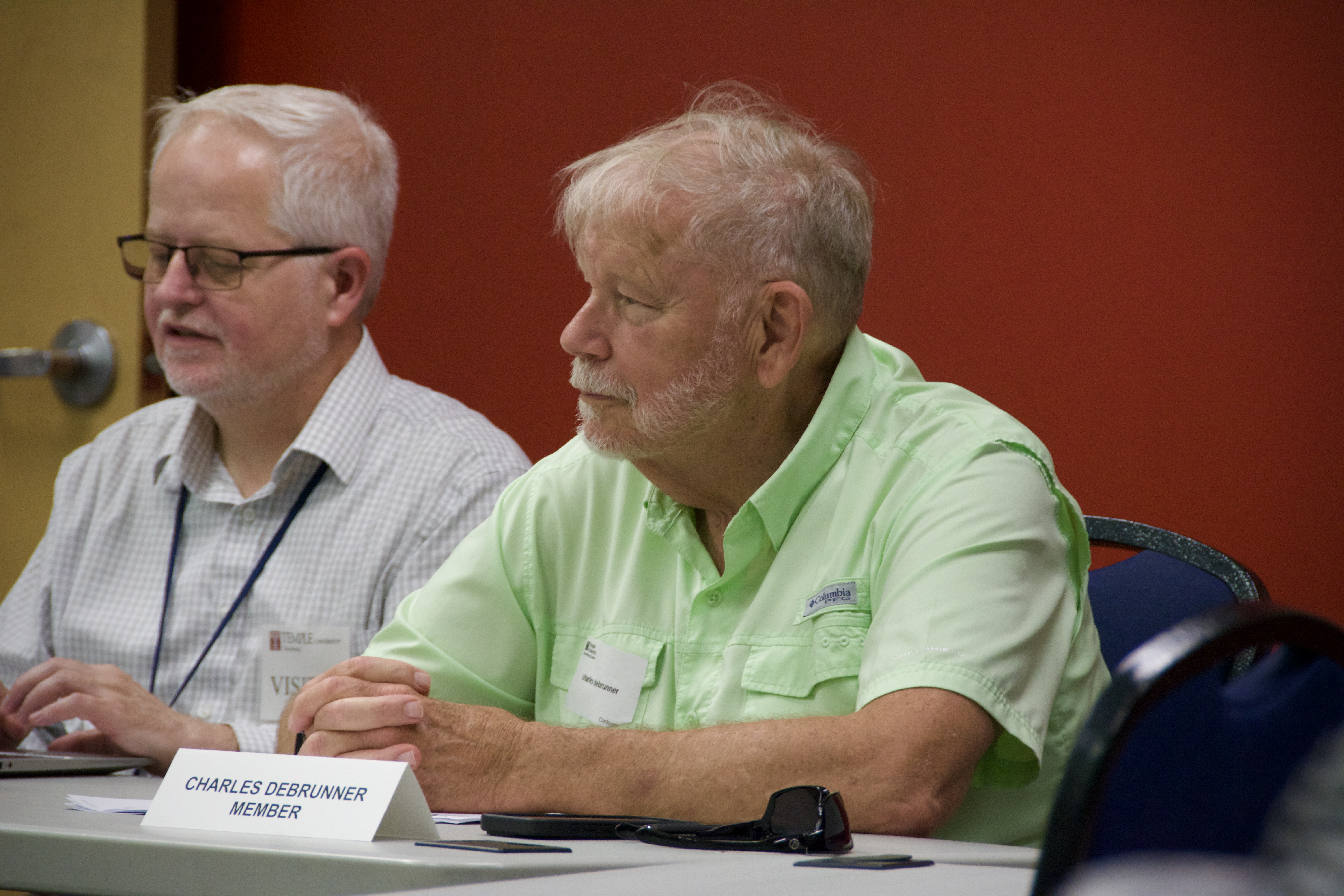
Charles DeBrunner
Following at least a year with the minimum number of members for a quorum, Harrisburg’s Intergovernmental Cooperation Authority (ICA) welcomed a new recruit at its Wednesday meeting.
Former longtime city employee Charles DeBrunner will fill the fourth out of five seats available on the state-appointed committee, which reviews city finances. DeBrunner was appointed to the role by Gov. Josh Shapiro after the board’s last meeting in April.
Most recently, DeBrunner completed three terms as Harrisburg’s city controller. Prior, he worked for the city’s Department of Public Welfare.
By the time of their upcoming August meeting, ICA Chair Doug Hill said the board will welcome a fifth member. Hill said the board has received word from the Pennsylvania House’s majority caucus that it has appointed someone to the seat but has not sent the ICA a name yet.
At the meeting on Wednesday, members also heard from Antonio Megna, the city’s business administrator, who discussed the city’s existing Payment in Lieu of Taxes (PILOT) agreements.
Megna, who was appointed to his position in April, estimated that the city has roughly $500 million worth of tax exempt property. Around half of the Harrisburg’s properties are tax exempt.
He told the ICA that the city has 13 PILOT agreements in total and collects a little over $1.3 million per year.
“With that, about $900,000 of that goes to the city with the remainder going to the school district,” he said.
According to Megna, the city’s largest PILOT contributors are UPMC ($600,000), the Pennsylvania Higher Education Assistance Agency ($539,000) and the Pennsylvania Housing Finance Agency ($125,000).
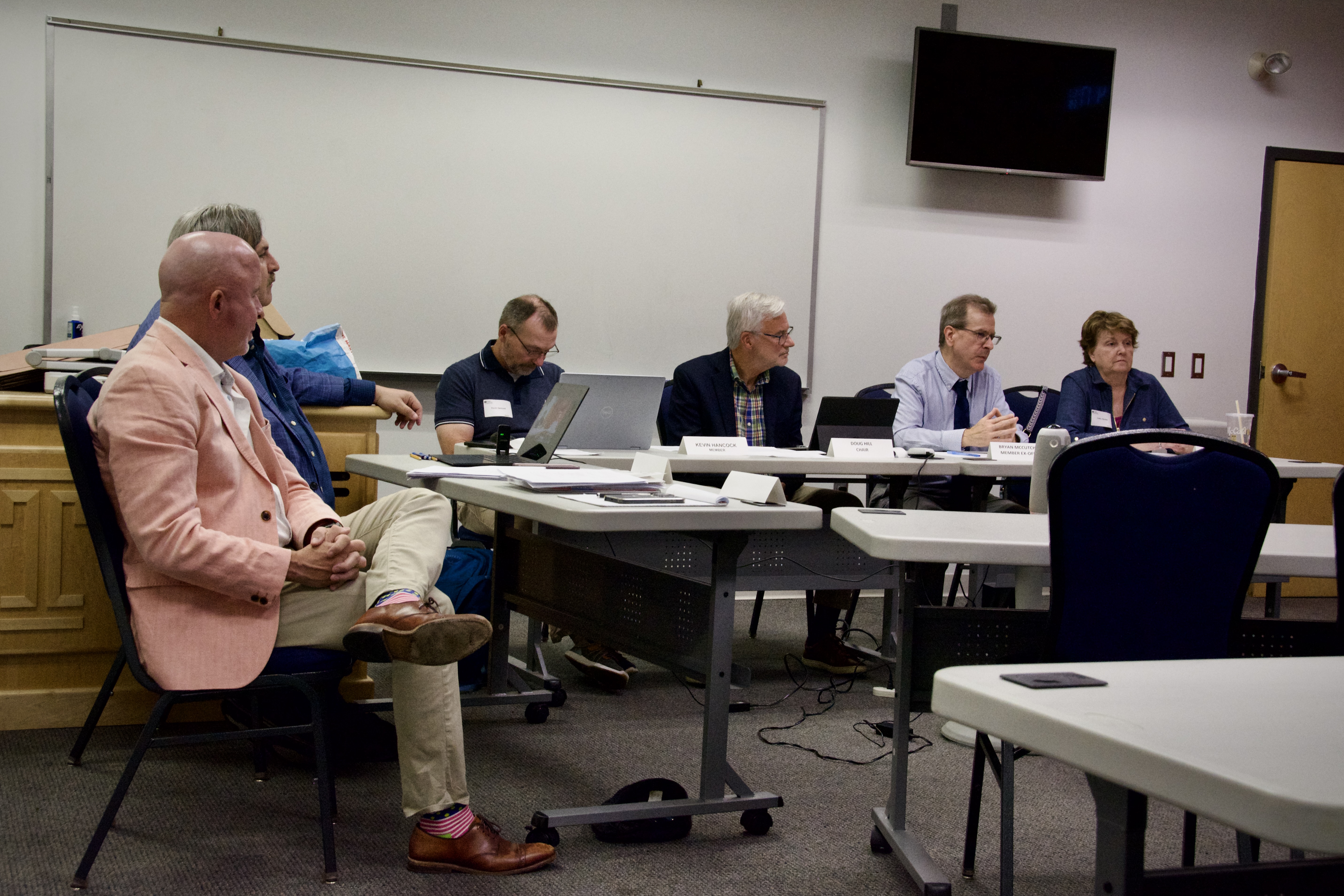
ICA members
He has been researching how other cities—like Lancaster, Pittsburgh and Boston—conduct their PILOT programs and said the city will be looking soon to negotiate higher contributions from existing members and seek out new ones.
“Basically, every single one of our agreements are from pre-Covid,” Megna noted.
Megna confirmed to inquiring ICA members that, although it holds a large amount of city property, the commonwealth of Pennsylvania pays nothing to the PILOT program.
Harrisburg Accounting Manager and ICA ex-officio Bryan McCutcheon also updated members on the city’s finances at the meeting.
He noted that millions in increased city expenditures this year are related to the Broad Street Market’s brick building rebuild, which has had several change orders. At a City Council meeting in May, Harrisburg officials shared that the total estimated project cost would jump from $20.8 million to $23.7 million, with some of the change due to the collapse of a wall on site.
The project is now estimated to continue next year into July.
Insurance proceeds are the main funding source for the project, according to McCutcheon.
The city has received $5.6 million in insurance proceeds, he said, and expects an additional $200,000 payment in the near future. It is possible, but not a sure thing, he added, that an additional settlement will come in between the city and its insurance company.
DeBrunner expressed concern about the unpredictability of the market project’s ultimate expense for the city, out of pocket.
“The more we can get out in front of this, the better off we’ll be,” he said.
If you like what we do, please support our work. Become a Friend of TheBurg!