Community Corner: Notable Events in August

Equality Fest
Aug. 2: Help promote inclusion and community at Equality Fest, which features entertainment, games, vendors, food and more. The event takes place at Royal Square in Downtown York, noon to 6 p.m. For more information, visit equalityfestyork.com.

Learn about Lincoln
Aug. 2: Join Fredricksen Library to learn about President Abraham Lincoln and the pivotal events of 1864. Presenter James Hayney plays Lincoln, detailing his life during that year. The event begins at 1:30 p.m. For more information, visit cumberlandcountylibraries.org.

Photo Boot Camp
Aug. 3-7: Learn to use a DSLR camera in this hands-on, four-day nature and wildlife photography workshop at Wildwood Park. Meet at the Nature Center at 9 a.m. each day. More information is at wildwoodlake.org.
 
National Night Out
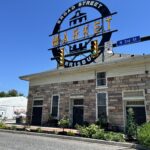
Aug. 4: Neighbors meet neighbors during National Night Out, celebrated after work throughout greater Harrisburg. To learn more, check with your neighborhood group. Friends of Midtown (www.friendsofmidtown.org) will host its event at the Broad Street Market, 6 to 9 p.m. with food, music and family activities.

Superhero Murder Mystery
Aug. 4: Break out the tights and your magnifying glass for Fredricksen Library’s Annual Superhero Assembly. The 5 p.m. event, for teens 12 to 18, includes appetizers, dinner, dessert, games and the fun of a murder mystery. Tickets are $3. For more, visit cumberlandcountylibraries.org.

River Yoga
Aug. 5-6: Join Friends of Midtown at the corner of Front and Calder streets for free Kids River Yoga. The Aug. 5 event begins at 11:30 a.m. and is for children ages five and younger. The Aug. 6 event starts at 6:30 p.m. and is for kids six and over. Visit friendsofmidtown.org.

Cultural Fest
Aug. 7: Celebrate diversity at the annual, free Dauphin County Cultural Fest in downtown Harrisburg. The 4:30 to 10 p.m. event at Market and 2nd streets will feature food, crafts, music and more. Visit dauphincounty.org.

Midtown Movie Nights
Aug. 7 and 28: Enjoy a movie in the open air during Midtown Movie Nights, sponsored by Friends of Midtown. The Aug. 7 show (“The Princess Bride”) and the Aug. 28 show (“Ferris Bueller’s Day Off”) begin at dusk in the parking lot of Midtown Cinema, 250 Reily St., Harrisburg. Information is at friendsofmidtown.org.
 
Chocolate Tour
Aug. 8: Support cancer research at Penn State Hershey by walking, running or cycling during the 4th Annual Chocolate Tour. Events include 5K walks, 10K runs and up to a 100-mile bike ride. Samples of local chocolates and other foods will be available. Visit www.pennstatehershey.org.

India Day Festival
Aug. 8: The annual, free event features a variety of cultural performances, food, clothing and jewelry vendors. The festival takes place at HACC’s Harrisburg campus, 10:30 a.m. to 8 p.m. For more information, visit aiacpa.org/indiaday.

Volunteer Work Day
Aug. 8: Help beautify Wildwood Park by volunteering for a few hours. Meet at the Nature Center starting at 10 a.m. Snacks, tools and work gloves provided. For more information, visit wildwoodlake.org.

Morning Bird Walk
Aug. 8: Start off your morning with a walk with volunteer Audrey Zajac and learn about the birds of Wildwood Park. Meet at the Nature Center at 8 a.m. Bring water and sturdy shoes. Information is at wildwoodlake.org.

Summer Soirees
Aug. 8, 15, 27: Show your appreciation for the arts at these summer soirees held in support of the Art Association of Harrisburg. This month, the soirees take place in Lewisberry, Enola and New Cumberland, featuring food, music and art. Cost is $40 in advance, $45 at the door. For more information and tickets, visit artassocofhbg.com.

Chamber Mixer
Aug. 11: Join the Central Pennsylvania Gay and Lesbian Chamber of Commerce for its monthly business networking mixer at the LGBT Center of Central PA, 1306 N. 3rd Street, Harrisburg, 6 to 8 p.m. More information is at cpglcc.org.

Healthy Spine
Aug. 11, 18: Join PinnacleHealth Spine Institute for a free, one-hour spine care class. The Aug. 11 event starts at 10 a.m. at Giant Food Store Community Center, 3301 Trindle Rd., Camp Hill. The Aug. 18 event starts at 6 p.m. at Community General Osteopathic Hospital, 4300 Londonderry Rd., Harrisburg. Visit pinnaclehealth.org or call 717-231-8900.

Keystone Cluster Dog Show
Aug. 12: Scamper over to the PA Farm Show Complex to see show dogs compete and participate in events, including an all-breed show and junior showmanship classes for children and their dogs. Admission is $6 and free for children 12 and under. Visit hkc.org for more information.

Stress Relief Walk
Aug. 12: Release the stress of the workday with a Stress Relief Walk, a three-mile stroll around Wildwood Park. Meet at the Nature Center at 6 p.m. Bring water and sturdy shoes. Information is at wildwoodlake.org.

Tobacco Cessation
Aug. 12: Take a step to a healthier lifestyle with the help of a certified tobacco treatment specialist. This event starts at 6 p.m. at Giant Food Store Community Center, 3301 Trindle Rd., Camp Hill. For more information or to register, call 717-231-8900 or visit pinnaclehealth.org.

Bookstock Read-In
Aug. 13: Celebrate the anniversary of Woodstock at the Fredricksen Library with this summer read-in. Bring a lawn chair or blanket and a book. The free event takes place 5 to 8 p.m. Visit fredricksenlibrary.org.

Business After Hours
Aug. 13: Mix and mingle with business professionals at this free networking event sponsored by the Harrisburg Regional Chamber and CREDC. This month, the 5 to 7 p.m. event takes place at Penn National Insurance, 2 N. 2nd St., Harrisburg. Visit harrisburgregionalchamber.org.

Amazing Birds
Aug. 14, 28: Experience an up-close encounter with the birds of Pennsylvania during the State Museum’s “Amazing Birds” presentation. The event runs 11 a.m. to 1:30 p.m.; presentation is at 1 p.m. For more information, visit statemuseumpa.org.

Urban Roots Festival
Aug. 15: Enjoy music from local R&B and hip-hop artists during the Urban Roots Festival at the Broad Street Market in Harrisburg, 10 a.m. to 2 p.m. For more information, visit broadstreetmarket.org.

Bacon & Beer
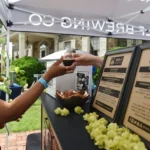
Aug. 16: Enjoy bacon-themed dishes and local home brews while raising money for a great cause at the second annual Bacon & Brew Ha Ha at Appalachian Brewing Co., 50 N. Cameron St., Harrisburg. The event begins at noon and costs $25 a head ($10 non-alcoholic). More information is at the Facebook page: Bacon and Brew Ha Ha.

Pre-School Storytime
Aug. 20: Join the pre-school program at the State Museum for a 10 a.m. storytime. Walter Meshaka will read “What the Sun Sees, What the Moon Sees.” For more information, visit statemuseumpa.org.

3rd in The Burg
Aug. 21: Enjoy the best of Harrisburg during 3rd in The Burg, the monthly arts and culture event at galleries, restaurants and art spaces throughout downtown and Midtown. Check out all the action at thirdintheburg.org.

Natural History in Books
Aug. 21: Join Dr. Irene Snavely and Ellen Shenk as they dive into the history of Pennsylvania’s natural history through rare and historic books and documents. The State Museum event is free with admission, 11 a.m. to 1:30 p.m.; presentation at 12:15 p.m. Visit statemuseumpa.org.

Supercars on State Street
Aug. 22: The annual showcase of exotic and supercars benefits Making Strides Against Breast Cancer and the American Cancer Society. Registration takes place 8 to 11 a.m. at Faulkner Maserati in Mechanicsburg, and the event runs noon to 5 p.m. in downtown Harrisburg. Visit supercarsonstatestreet.com.

Life of Milton Hershey
Aug. 22: Get to know more about the famous chocolatier, Milton Hershey, with historian and tour guide Steffan David. The event begins at the Fredricksen Library at 1:30 p.m. Visit cumberlandcountylibraries.org.

Blooming Art Exhibit
Aug. 22-23: View and purchase artwork courtesy of Hershey Area Art Association. The display and sale takes place 10 a.m. to 4 p.m. in the Hershey Gardens Educational Center. For more information, visit hersheygardens.org.

Local Lunch
Aug. 23: Dine with Friends of Midtown during their Local Lunch, which this month will be held at The Kitchen, 1110 N. 3rd St. The meal and get-together run noon to 2 p.m. For more, visit friendsofmidtown.org.

Harrisburg Mudmash
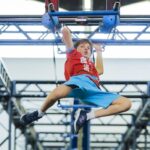
Aug. 23: Join the East Shore YMCA for the first mud run in central PA. The course includes a host of crossings, climbs and obstacles through a 160-acre property adjacent to the Harrisburg Picnic Postal Grounds. Registration closes Aug. 18. For more, visit ymcarun.com.

Transportation Briefing
Aug. 25: Join Harrisburg Regional Chamber & CREDC for the 2015 Transportation Briefing, featuring PennDOT Deputy Secretary Toby Fauver. Event starts at 7:30 a.m. at the Radisson Hotel, 1150 Camp Hill Bypass. Member rate $35; general admission $60. Visit harrisburgregionalchamber.org.

Luminary Awards Luncheon
Aug. 26: Join the West Shore Chamber of Commerce for the 3rd annual Luminary Awards Luncheon, which will honor two female professionals. The event is 11:30 a.m. to 1:30 p.m. at West Shore Country Club, 100 Brentwater Rd., Camp Hill. For more information, visit wschamber.org.

35th Annual Central PA Jazz Festival
Aug. 26-30: Support local music and Central PA Friends of Jazz at this year’s JazzFest. The weekend includes a cruise, jazz party, picnic and jam session. More information is at friendsofjazz.org.

Road Runners Race
Aug. 29: Harrisburg Area Road Runners Club will host a 5K at 8 a.m. and a 10K at 9:10 a.m., starting at City Island. Registration is $25 for 5K and $30 for 10K. Prizes awarded to the top three female and male runners. Visit usroadrunning.com.

Keystone State Triathlon
Aug. 30: Challenge yourself in one of several triathlon courses, including an Olympic course, at Gifford Pinchot Park in Lewisberry. The top three males and females in each group will win awards. Information is at trimaxendurancesports.com.

Kipona & the Riverfront
Aug. 30: Join the Dauphin County Historical Society to all learn about Harrisburg’s late summer celebration, including a presentation by author Erik V. Fasick and a tour of HSDC’s exhibit of historic images. The event starts at 2:30 p.m. at the Harris-Cameron Mansion, Harrisburg. Visit hsdchappenings.blogspot.com.


Continue Reading

Every Picture Tells a Story: Each beautiful mural, each dilapidated property paints a portrait of Harrisburg.

Illustration by Rich Hauck.

Illustration by Rich Hauck.

In June, during 3rd in the Burg, I attended something called a PechaKucha, which is kind of a stripped-down, image-heavy TED talk.

PechaKucha presenters wrap their talks around 20 images, each shown for 20 seconds. The idea is to keep the flow moving and the audience interested. So, even if one speaker is especially dull or unlikeable, no sweat—he’s gone in about 10 minutes.

This PechaKucha was, I believe, the third held in Harrisburg. On that night, about eight presenters climbed on to H*MAC’s Herr Street Stage to talk about such diverse local issues as City Beautiful 2.0, the city’s emerging Comprehensive Plan, the Susquehanna Art Museum and chalk-writing on sidewalks.

Many of the presentations seemed to live at the intersection of art and urbanism, which also is where Jeff Copus focused.

Around town, Copus wears several hats, but, on this evening, he was chatting about Sprocket Mural Works, a group formed last year to transform some of Harrisburg’s drab exterior walls into colorful works of art.

As he described the role of Sprocket and of urban murals in general, he told the audience that Harrisburg had a choice. Through action, the city and its people could tell a story of beauty and progress or, through neglect, they could tell a story of blight and ugliness.

Either way, a story would be told.

“Whether it is a blighted building, a blank wall, or a beautiful mural, our visual surroundings tell a story, for better or worse,” he said. “It might not be an accurate story or the story we want told; that is why we need to take control of our surroundings.”

For years, I’ve written about Harrisburg, its struggles and the built environment around us. Not once before had I heard the city’s challenge described so perfectly.

But how can we achieve this? How can we turn Harrisburg’s story from the deeply ingrained one of bleakness and despair to one of promise, a place that attracts people to visit and stay?

Certainly, the city government has a role to play and, due to the financial recovery plan and more responsible leadership, things look somewhat better in that area—from the wholesale replacement of streetlights to planned repaving projects.

But the city can’t do it alone. This effort must extend to the private sector, as most of the city’s property—much of it forlorn—is in private hands.

So, to the city’s property-owners, I say this: It’s time for you to take action to make Harrisburg better.

You bought the dilapidated building. You have title to the boarded-up wreck. You operate a business out of a rundown mess. You own one or maybe 20 empty lots.

When you took ownership, you took on responsibility. Yes, land and buildings may be investments, but they require upkeep and an immediate, realistic plan for use. If you want something that requires no care, buy a few shares of stock, not real estate.

And it’s not the fault of the poor, who are mostly renters. Given a choice, many would leave for a something better or at least force their landlords to fix up the buildings where they live.

Nor is it only the fault of out-of-town slumlords, as awful as they are. Developers, business-owners, wealthy individuals, corporations, investors and prominent citizens—all local to Harrisburg—are some of the worst offenders.

Often, I walk down a street and wonder what the owners of these impaired, underused properties are thinking. I see an empty lot in an outstanding location, but it’s been undeveloped as long as anyone remembers. I see a boarded-up building, perpetually for rent, decaying and losing value with each passing year. I see unkempt and dilapidated buildings that are owned by people of means.

When I ask these owners about their properties, I often hear excuses. It’s a lousy market environment, they say, or now isn’t the right time or they’re acquiring a block of land or they’re waiting for the feds or the state or the city to give them money or a tax break.

As they refuse to take responsibility for their own inaction, they readily point fingers at others (neglectful bar owners, for instance) for problems on the blocks or in the neighborhoods where they own property.

Harrisburg is changing for the better, but it’s a grinding, building-by-building, block-by-block transformation, led by a few honorable, risk-tolerant people who have decided to step up. Meanwhile, people with deep pockets and deep roots here perpetuate the status quo—old slum Harrisburg—despite the puzzle that, as major property-and business-owners, they would benefit most if the city were to substantially improve.

Copus is right. Every junk property and empty lot—just as much as every beautiful mural—tells a story of Harrisburg.

What story do you want your city to tell?

Lawrance Binda is editor-in-chief of TheBurg.

Continue Reading

Raising Glasses, Raising Money: Très Bonne Année: A Very Good Year, for a Very Good Cause

Screenshot 2015-07-31 09.51.40On a trip to Napa Valley, Terry Lehman and his wife enjoyed an intimate steak dinner in the iconic carriage house of the Peter Mondavi family’s Charles Krug winery. Their hosts: Mr. and Mrs. Peter Mondavi.

“Here, you have somebody who’s the most visible name in the wine industry in the United States, and they’re spending five hours with you,” Lehman recalls.

Lehman earned the trip through a winning bid at Très Bonne Année, which this year notes its 15th anniversary.

What is Très Bonne Année (other than French for “Very Good Year”)? It’s an annual series of events culminating with a Gala Wine Auction and Dinner at the Hilton Harrisburg. Last year’s Très Bonne Année, where Lehman chairs the board of directors, raised $430,000.

Since the beginning, Whitaker Center for Science and the Arts has been the beneficiary, for a 14-year total of nearly $4.3 million.

“You look at some of the other wine auctions in the country, and they’re in very affluent places, whether it’s Napa Valley or New York City or Naples,” says Lehman. “Our auction grossed $540,000 in one night in auction proceeds, which is phenomenal. It’s Harrisburg, Pennsylvania.”

Wine, Food, Art

The birth of Très Bonne Année was inspired by one of those other auctions.

Jan Rumberger, a local businessman with wine industry ties, attended l’Eté du Vin, Nashville’s “huge, huge wine auction,” says Très Bonne Année President Bill Kohl. (That’s “Summer of Wine,” by the way.) Rumberger approached Kohl about doing something similar in Harrisburg. They convened local wine aficionados, engaged the l’Eté du Vin executive director as a consultant, and devised a Harrisburg-based concept.

This was two years after the 1999 opening of Whitaker Center, one of the nation’s few venues devoted to the arts, science and film. Since a wine auction relies on an honored guest to donate wine and trips, Kohl approached Robert Mondavi Winery to serve as the first honoree, and “conveniently, Mr. Mondavi’s mantra was that wine is an integral part of a gracious lifestyle combining wine, food and the arts.”

Support from Très Bonne Année helps Whitaker Center keep admission fees “less than what they normally would be,” says President and CEO Dr. Michael Hanes. Since 2008, the funds have also supported renewal of the science center, so it continues to draw new and repeat visitors, including up to 35,000 students from 40 to 45 Pennsylvania counties every year.

Whitaker Center is expanding outreach “to a broader spectrum” of its five-county midstate area, says Hanes. One new program introduces young girls to the STEM (science, technology, engineering, math) fields. More than 100 ticketed events a year present “a whole variety of performing arts.” Its 187 linear feet of gallery space is “open to the public at no cost whatsoever. You can walk in on your lunch hour and take a look at the art we have on display.”

The relationship with Très Bonne Année has “been a great partnership,” Hanes says.

Wine Wave

The hallmark of Très Bonne Année is the trips and events offered for auction—“truly once-in-a-lifetime things,” says Kohl. The late White House chef Walter Scheib “pretty much donated a dinner or two every year since 2006,” including meals in his home and re-creations of White House state dinners.

The items donated by the 2015 Honored Guest, Jackson Family Wines, include a girls’ wine country getaway, guided by one of only 23 female master sommeliers in the world.

“You’re meeting the winemaker and the winery owner,” says Kohl. “You’re having lunch with them. You’re tasting with them. You’re getting a special, behind-the-scenes exposure to the winery that you wouldn’t normally get.”

In addition to his quiet dinner with Peter Mondavi, Lehman has re-created the road trip from “Sideways,” following in Paul Giamatti’s Pinot Noir-guzzling footsteps.

“They’re one-of-a-kind events the general public can’t buy,” says Lehman.

While an in-home dinner might auction in the $7,000 to $15,000 range, Très Bonne Année officials strive to make the event “inclusive, not exclusive,” says Kohl. Bidders might win one or two seats at a dinner, or they can find silent auction lots for a couple hundred bucks. The $75 vintner’s tasting on Oct. 8 offers an “educational tutorial seminar” featuring marquee wines selected by Jackson Family Wines.

“You don’t need to know anything about wine, but the people up there delivering the seminar are so knowledgeable that they can speak to you at whatever level you’re on,” says Kohl.

The 2014 Très Bonne Année was a financial record-setter, and officials are hoping for another in 2015, aiming to raise $450,000. “We’re always looking to improve and get better at what we do,” says Kohl. “It’s really been our board members who drive this every year.”

Over 15 years, Très Bonne Année has “ridden the wine wave in the United States,” says Lehman. “There’s a great appreciation for better wines, and this really exposes people in central Pennsylvania to some very, very good wines that they otherwise might not have access to, or wouldn’t know about.”

Hanes believes that Très Bonne Année is central Pennsylvania’s premiere cultural and charitable event.

“We’re very fortunate to be a partner with Très Bonne Année,” he says. “We intend to continue to be great partners going forward. We’re looking for another 15 years.”

The Très Bonne Année Gala Wine Auction and Dinner takes place Oct. 10 at the Hilton Harrisburg. For more information about the organization and all of its events, visit www.Tresbonneannee.org or call 717-237-6426.  

Continue Reading

Nature’s Classroom: Wildwood Park encourages learning, discovery in summer programs.

Screenshot 2015-07-31 09.54.27The frog slipped through the fingers of 6-year-old Spencer Clark.

“Get it, get it, get it,” he shouted, chasing it along the 3-mile Loop Trail at Wildwood Park on a hot July afternoon.

The weekly visits to Wildwood Park and the Olewine Nature Center have been a summer tradition for Spencer and his grandfather, James Clark of Harrisburg.

They usually start their visit with a hike on the Loop Trail to “get things warmed up,” Clark said. It also helps young Spencer burn off some energy before heading into the Olewine Nature Center, where displays and educational opportunities keep the boy occupied for at least an hour.

“He always learns something when we visit,” Clark said, chasing after his spunky grandson on the trail. “He’ll talk about it for days, asking when we can come back and telling his mom about the animals he saw.”

Self-guided activities at the park have always provided learning opportunities for the community, said Chris Rebert, park manager. Many overlook the fact that people can just walk a hiking trail, go bird watching or check out the art installations as part of “Art in the Wild.”

But not everyone has the initiative to discover the park on their own, Rebert said. That’s where summer programs become an attractive opportunity for new visitors of all ages to see what Wildwood Park has to offer.

If it weren’t for some of the programs at the park, 15-year-old Tiffany Ritter isn’t sure she’d have learned to love an afternoon lost in the woods. Often found walking around with a digital camera pushed up against her face, the Harrisburg girl has a collection of photographs showcasing the park’s birds, turtles and sunsets.

“I think there are a lot of beautiful things out here,” said Tiffany, who last year took the Photo Boot Camp class. “I feel calm when I’m here. I feel like I can capture a little bit of what’s beautiful and take it home with me.”

Through its programs, Rebert said, the park has reached groups of people that might otherwise never have stopped by.

“We’re looking to serve different age groups and different user groups from throughout the Dauphin County community,” he said. “We want people to walk away feeling they’ve made a connection to their local Greenway, and that this educational institution helps introduce them to lifelong hobbies.”

A lot of the programs, whether for adults or kids, focus on “nature made easy,” Rebert said. Many visitors feel comfortable knowing the trails are easy to walk and the park is a safe place to visit.

“There’s so much to explore here,” he said. “We can’t wait for people to come back and see what they might have missed.”

Wildwood Park, 100 Wildwood Way in Harrisburg, features events throughout the summer. To find out more information, visit www.wildwoodlake.org or call 717-221-0292.

Into the Wild

Each summer, Wildwood Park offers many different types of classes for young people and even adults.

Junior Naturalist Day Camp

While the program quickly filled up earlier this summer, this weeklong program for kids 10 and 11 years old gives attendees a hands-on introduction to the park. Kicking off at the nature center each morning, campers learn naturalist and outdoor skills that help them identify animals and plant life.

Camp guides are always sure to include a little bit of fun in the learning process by getting students active on hikes, canoeing on Wildwood Lake and discovering a new way of observing nature through binoculars.

Outdoor Week

Geared for kids 12 to 14, Outdoor Week is a true adventure program. The weeklong day camp that kicks off at the end of July takes youth on a series of quests of discovery while teaching them outdoor skills. Students build a debris hut, practice their fishing skills, identify wild edibles and take a canoe ride on the Susquehanna River.

Science Series

New this year, the Science Series is for kids 10 to 15. For the true nature lover, this day camp teaches students species identification, natural history and ecology through hands-on experiences. Led by a naturalist, the students tackle the topics of wildlife, birds, streams and reptiles.

Photo Boot Camp

Nature photographers are often found snapping shots of wildlife and beautiful sunsets at Wildwood Park, said Chris Rebert, park manager. Because it seemed to be such a popular hobby among the adults, park volunteers decided to help introduce younger generations to the art.

Geared for kids 10 to 16, this program runs the first week of August and teaches young photographers the basics of mastering a digital SLR camera. With a little guidance, the students take their new skills into the park to photograph Wildwood Lake, the surrounding landscape and the park’s creatures.

For Adults

Volunteer-led walks bring visitors back to Wildwood Park each year, Rebert said. From flower walks that help visitors identify rare blossoms to a stress-relief walk that encourages relaxation in nature, these adult-focused programs help provide activities for visitors of all ages.

Continue Reading

Hi-Energy August: A hot time in the old city.

The Defibulators. Photo courtesy of Jessica Gildersleeve.

The Defibulators. Photo courtesy of Jessica Gildersleeve.

Summer is winding down, so let’s turn up the heat a little to celebrate.

This month’s slate is definitely high energy. So, if your idea of a perfect concert is a soft voice and quietly strummed acoustic guitars, you might want to take a month off. Moving between funk, punk, indie and grunge, this handful of bands is committed to bringing the rebellion and anger back into rock. So, get ready to move, sweat and shout along.

H.R. w/McRAD, 8/15, 8PM, H*MAC Herr Street Stage, $10/$12
For those who don’t know, Paul “H.R.” (Human Rights) Hudson was the frontman for the pioneering hardcore band Bad Brains. Formed in Washington, D.C., in the late ‘70s, Bad Brains’ blend of punk, funk and reggae revolutionized hardcore music, establishing H.R. as one of the most influential men in all of rock and roll. He will be joined by McRad, headed by Chuck Treece, a famed skateboarder and musician. Often cited as the definitive skate rock band, McRad will be debuting its newest LP, “Lion Pure.”Fittingly, Treece will also use the occasion to debut a new skatedeck and wheels. So, whether you grew up with punk rock or spent your afternoons grinding rails, this is the perfect chance to reconnect with some of rock’s important visionaries.

BIG UPS, WASHER & CONCRETE BEACH, 8/19, 8PM, THE MAKESPACE, $8
Formed in New York, Big Ups started playing its blend of post-punk, metal and indie rock in 2010. Tackling the anxieties of the 21st century, lead singer Joe Galarraga screams his way though blistering tracks that exist on the verge of cataclysm. Big Ups is not for the faint of heart, and the band mates don’t really care. But, in some ways, their high energy and controlled chaos are the perfect accompaniment for millennial disillusionment. They are promoting their new 7-inch split with Washer, which will be joining them on stage. Considering the small confines of the MakeSpace, be prepared to sweat.

SOUL ASYLUM, 8/21, 8:30PM, FEDLIVE, $22/$25
Although the 1994 hit “Runaway Train” propelled the band into stardom (and earned a Grammy), Soul Asylum has been around since 1981. Part of the wave of alternative rock acts that helped radio move on from hair metal in the early ‘90s, Soul Asylum has continued to tour and record. Although there have been a number of lineup changes, most notably following the death of bassist Karl Mueller, the band’s latest album, “Delayed Reaction,” was released in 2012. Harkening back to the energy of almost 20 years earlier, Soul Asylum is proving that they aren’t done yet. So, don’t expect to see a bunch of aging rock vets going through the motions.

Mentionables: SAVAK, 8/6, H*MAC Herr Street Stage; Miss Tess and the Talkbacks, 8/7, The Abbey Bar; Shine Delphi, Little Amps Downtown, 8/21; The Defibulators, 8/25, The Millworks; Justin Hayward, 8/25, Whitaker Center

Continue Reading

School’s Out: After 40 years, Londonderry director leaves for summer, forever.

Screenshot 2015-07-31 09.54.07Rhoda Barasch is spending her summer like she has for the past 40 years.

While students at Londonderry School are out enjoying their three months of vacation, Barasch is in the classroom, stocking supplies, going over curriculum and preparing faculty for the next school year.

But by the time mid-August rolls around and the school bells ring to usher in young minds, Barasch will step down as director and walk into a well-deserved retirement.

When the school started in 1971, there were just four families who attended the school and two teachers—a married couple—who taught classes. When Barasch was hired in September 1975, the school had grown to about 24 students.

By the following year, financial obligations, often pushed aside to focus on education, were starting to become a real issue for the school, Barasch said. It was then that she took over as director.

“It was such a different time,” said Barasch, who remembers being a young married woman who had just moved from Ithaca, N.Y., to follow her husband to Pennsylvania.

Warm & Loving

In the early years, parents were very involved in the school, almost running it themselves. Because the school wasn’t well known in the community, leaders had a tough time attracting new students, Barasch said.

The original class setup was based on A. S. Neill’s Summerhill School, which encourages freedom in learning as opposed to traditional classroom settings. Students weren’t graded, and their parents often were in the classroom as much as the teachers, she said.

Today, the students still have a lot of freedom, Barasch said, but they gear their individual choices toward the classroom experience. Bylaws were eventually rewritten, and a board of trustees was created so that there was a deciding body.

“When the school went from 24 to 215 students, something had to change,” Barasch said. “You can’t run a school with that many families in such a relaxed manner. Things weren’t getting done.”

Despite the organizational changes, the fundamentals have remained the same, she said.

The environment is warm and loving. It fosters an environment where children learn at a rate regulated by their abilities. Students are taught to be comfortable around teachers and other adults while learning conflict resolution skills. The family feel of Londonderry School has never gone away, she said.

Even while working as director, Barasch could still be found in the classroom—the place where her career started. She always taught fifth- and sixth-grade history. And she worked each year with the third- and fourth-grade students on their annual show.

“I wanted to make sure I was in the classrooms in a real way at least once a week,” she said.

Grown Up

As she spends her last summer in the quiet school, Barasch knows she’s leaving her kids in good hands. One of the wonderful things about Londonderry School is that teachers who came never left, she said. Their connections with the students were too important to give up for a job elsewhere.

And she feels the same about her relationship with students, both current and former. Many of the kids will wander into her office and ask advice. Former students, some still in Harrisburg and others back in town, often stop to visit.

“I have to look at them and try to imagine how they looked as children,” she said, laughing. “They grow up so fast.”

While she hopes to still be involved in the school by helping out with extracurricular activities, Barasch said that she doesn’t want to get in the way of what new leaders will do within the school. She’s not quite sure what she’ll do with her new free time, other than visiting with her young grandchildren and maybe squeezing in some traveling.

Her four-decade career with the school has been celebrated in many ways.

A retirement party was attended by former students, some now in their 40s with their own children. A student living in London even made the trip.

In the thousands of days she’s spent in the school, the one she won’t forget was this year’s last day of school. The eighth-grade boys linked arms with her, walking through the double doors as parents waited outside to snap pictures.

“I think that speaks to how they wanted me to be family,” Barasch said. “They weren’t letting me walk out by myself. And that’s what I’ll miss—the daily interactions and conversations. We’ve all grown up together.”

To learn more about The Londonderry School, please visit www.thelondonderryschool.org.

Continue Reading

A Slave, a Free Man: Exhibit opens on Harrisburg’s own Ephraim Slaughter.

illustration by Liz Laribee.

Illustration by Liz Laribee.

His was a life of contradictions.

The escaped slave fighting a war to eliminate slavery, serving the Union Army in the segregated U.S. Colored Troops. The honored veteran barred from interaction with whites—especially former Confederates—during commemorative ceremonies.

This was Ephraim Slaughter, an upstanding citizen of Harrisburg and a Civil War veteran who lived to see World War II. His long life and community standing brought him recognition in his lifetime. After death, his name lived on through the Ephraim Slaughter Post 733 American Legion. Now, his legacy continues through the National Civil War Museum’s latest exhibit, an overview of his life and times.

Ephraim Slaughter was born into slavery in Hertford County, N.C., in 1846—maybe in January, but he wasn’t sure. In 1863, he escaped slavery and found refuge in a Union Army enclave along the North Carolina coast. He served under an assumed name, Ephraim Newsome, for three years with what would become the 37th USCT.

In 1869, Slaughter, by then using the name of his slave owner, moved to Harrisburg. He worked in the legendary Lochiel Hotel near the Capitol, where pols smoked their cigars and made their deals. He owned property. He co-founded A.M.E. Zion Church on N. 6th Street. He was active in the Grand Army of the Republic, the powerful organization for Union Civil War veterans.

He was married twice, first in 1880 to a South Carolina woman named Carrie. That marriage lasted until her death in 1935. By then, in his old age, he made a fond but practical match with Georgiana Williams Mitchell, a widow 43 years his junior. She was an entrepreneur whose ventures included a boardinghouse for traveling African-Americans blocked from registering at whites-only hotels. They agreed that she would take care of him, and he would leave her his property.

Slaughter died on Feb. 17, 1943, at the age of 97 and was buried with military honors in Lincoln Cemetery in Penbrook. He had asked to be buried there next to Carrie and his brother, Dave. Georgiana honored that request.

Many Threads

Slaughter’s story came to the attention of the National Civil War Museum when CEO Wayne E. Motts contacted historian Calobe Jackson, Jr., through the Historical Society of Dauphin County.

The museum had always wanted an installation featuring an African-American soldier—not a generic figure, but “an African-American soldier we could wrap a story around,” says Motts. Jackson said, “I think I have just the person.”

The exhibit, unveiled in late May, features a lifelike figure of the elderly Slaughter in his GAR uniform. Slaughter’s long life provides the fabric for sharing many threads of the African-American experience before, during and after the Civil War, says Motts. About 200,000 African-Americans served in the Army and Navy, but their tales rarely take center stage. Slaughter’s life “allows us to put a local face and local story to reach to the community at large,” he says.

For instance, enlisting in the Army wasn’t as easy as taking a pledge at a hometown recruitment center.

“This man had to escape slavery first,” says Motts. “Then he fought in the Union Army. Overcoming these obstacles is another story you can tell the young folks here. And becoming a bright, productive and well-known member of the community after the Civil War, that’s also a good story.”

Even Slaughter’s active membership in the GAR illuminates “a very powerful lobbying group and advocacy group for veterans’ affairs right after the Civil War.”

“If you were the president, if you were the governor, if you were a congressman, if you were a senator, you better listen to the folks in the GAR,” says Motts.

Ahead of Their Time

Much of Slaughter’s story comes from the genealogical research of Sharonn Williams, Slaughter’s great-granddaughter by virtue of his marriage to Georgiana. Preserving his memory is crucial, “especially in the African-American community, where kids are so disconnected from their history,” says Williams.

“They don’t know each other and don’t know their history or where they came from,” she says. “Ephraim’s story was someone who was born into circumstances that nobody should be born into—nobody—and he was somebody who turned that around, who flipped the scales. He went out in the world and made just what of it he could.”

Williams’ mother, J. Yvonne Mitchell Pittman, is Georgiana’s granddaughter. She has faint memories of her gentle, quiet grandpop. Walks to the corner tavern, where Slaughter would have a glass of port wine with the owner. Riding in Memorial Day parades and selling poppies. Her grandparents “had an understanding,” Pittman says.

“He valued her for her strength, and he trusted her,” she says. “He respected her. I think they were way ahead of their time.”

From his escape from slavery to his “coming north and making it work for him,” Slaughter was a wonder, says Pittman. “What man that was a slave owns all the houses he acquired? I don’t know how he did that. I admire the things he did. I know my grandmother would be happy about the honor.”

At his death, Slaughter left property worth a substantial $10,000 to Georgiana. In his later years, he was often honored as one of the rapidly vanishing connections to the Civil War. His photo appeared in newspapers, and he was chief marshal for Harrisburg’s 1941 Memorial Day parade, with fellow veteran John Barton who served as chief of staff. They were, as a newspaper wrote, “both negroes.”

In 1938, Slaughter was invited to President Franklin D. Roosevelt’s dedication of the Peace Memorial at Gettysburg. He and Barton were chauffeured to Gettysburg, but African-Americans were barred from any part of the ceremony involving interaction with whites. When blue and gray came together, shaking hands in brotherhood, Slaughter and Barton were not there.

Ephraim Slaughter thrived despite the era’s overt racism, says great-granddaughter Williams. He gave to the community, and the community gave back, honoring his service and providing comfort in his old age. The latest honor, bestowed through the Civil War Museum exhibit, shows that he was meant to be remembered, she says.

“My great-grandmother is smiling because she made an agreement to take care of him, and now we’re preserving his memory.”

The National Civil War Museum is located at 1 Lincoln Circle, Harrisburg. For more information, visit www.nationalcivilwarmuseum.org.

Continue Reading

Career-Bound, College-Bound: As vo-tech education grows, students find many paths to follow.

Illustration by James Arnold.

Illustration by James Arnold.

Once upon a time, lots of people believed a fallacy about secondary-level vocational-technical schools. Many assumed that vo-tech schools were for students not quite cracked up for rigorous academics or college.

In blunt terms, vo-tech was for dummies.

Unfortunately, the falsehood lives on today in some instances, despite plenty of evidence to the contrary.

“I hear that at least five times a month. It’s a stereotype, but it’s not a true one,” stated Justin Bruhn, administrative director of Cumberland Perry Area Vocational Technical School in Mechanicsburg. “The trick is getting people to take a look at what we do, then they’ll be impressed. There’s a place for every student here.”

Peggy Grimm, administrative director of Dauphin County Technical School in Lower Paxton Township, echoed that thought, saying she still fights a battle of perception over reality.

“It just isn’t so anymore,” she said. “The state Department of Education raised the bar, saying our students had to be career- and college-ready.”

Pennsylvania currently has 87 public vocational schools operating within its 500 school districts. Besides Dauphin County and Cumberland-Perry Area, other area vo-techs include Lebanon County Career and Technology Center; York School of Technology; Franklin County Career and Technology Center in Chambersburg; and Lancaster County Career and Technology Center with campuses in Brownstown, Mount Joy and Willow Street.

In 1995, the Adams County Tech Prep Consortium was formed, comprising students from five school districts within Adams County. Classes are held at a facility on the Gettysburg Area High School campus. The Carlisle Area School District operates the Center for Careers and Technology on the Carlisle High School campus.

All of the area vo-techs are members of TechLink, a not-for-profit organization with a united goal of advancing career and technical education through education, advocacy, public awareness and building connections between post-secondary institutions.

Met Expectations

The Harrisburg School District previously offered vo-tech classes at its John Harris campus, but that program has since closed. The district now sends its students to Dauphin County Technical School. The upcoming school year will be Harrisburg’s fifth at Dauphin County Tech, with 260 students expected.

The school’s total enrollment is “rolling around 1,000” students in grades 9 to 12, Grimm said, with students also coming from the Central Dauphin, Derry Township, Halifax Area, Lower Dauphin, Middletown Area and Susquehanna Township districts.

“We were diligent about holding the bar [for Harrisburg students], and they’ve met our expectations,” Grimm said. “We’re also looking for what we can provide for them academically. Many are kids from a low social-economic factor, and we plan for that.”

Dauphin County Tech is one of only 15 comprehensive vo-tech schools in the state. In other words, it is an independent vo-tech that offers both academic classes and career programs on the same campus. Students attend the school on a full-day basis, with no need to return to their home high schools for academic courses because they are offered at the tech school.

“Our students are very invested in our school because this is their school,” Grimm noted.

Renewed Appreciation

Dauphin County Tech and other comprehensive vo-techs are subject to more stringent state regulations than vo-techs that don’t offer academic courses.

Each year, Dauphin County Tech must administer academic Keystone exams to its students in addition to the seniors’ NOCTI (National Occupational Competency Testing Institute) exams for vocational studies. The state Department of Education bases Dauphin County Tech’s annual school report card on both scores, along with other factors.

“Parents were amazed to find out that we have [Advanced Placement] and honors courses here,” Grimm said. “We need it to complement our [vocational] programs.”

Dauphin County Tech offers a total of 25 vocational programs, while Cumberland Perry AVTS has 22 programs. Both schools offer many of the same courses, including automotive and diesel programs, computer information systems, electronics technology and health careers.

Cumberland Perry AVTS is comprised of approximately 1,000 students in grades 9 to 12 from 13 school districts within Cumberland, Perry and upper Adams counties.

“Our enrollment is up by about 10 percent over the last four years,” Bruhn noted. “I believe there’s a renewed appreciation for our courses that we offer.”

Around 500 students arrive at the school each morning before departing for academic classes in the afternoon at their home high schools. In the afternoon, the remainder of the vo-tech’s student body arrives for program studies after attending academic classes at their home high schools.

The school also offers social studies so students won’t be bogged down with as many required core courses at their home schools, Bruhn said.

“Our goal is an emphasis on a tangible outcome for our students, not only to leave here with skills and knowledge, but also with certifications and college credits,” he said.

The school’s newest three-year course is Health Career Technicians, which is separate from its nursing program. Health Career Technicians prepares students for careers as pharmacy technicians, pharmacy aides and physical therapy aides directly after graduation. Students also can continue with post-secondary training to become a medical assistant.

Cumberland Perry also offers a dental assistant course, which Dauphin County Tech plans to begin in 2016-17.

“We’re constantly looking for programs where students can make a life-sustaining wage,” Grimm said.

“All of our programs fall under STEM (Science, Technology, Engineering, Math),” said Sandy Traynor, Dauphin County Tech’s assistant director. “Our students earn certifications here and up to 12 college credits. When they leave us, they can go on.”

To learn more about vocational education in central Pennsylvania, visit the schools’ websites or go to the TechLink website at www.techlinkpa.com. TechLink’s next meeting is at Dauphin County Tech on Aug. 19.

Continue Reading

Everything Not in Its Place: “People Places Things”: An honest, humorous look at family life.

Screenshot 2015-07-31 09.57.47James C. Strouse’s quirky rendition of single life as a parent in “People Places Things” is just like real life: not perfect, but enjoyable.

The opening sequence is an endearing series of graphic novel drawings: a guy and a girl, then a guy and a pregnant girl, then a family with two children. The bliss is evident.

This sequence becomes a lot more endearing when we come to learn, moments later, that our protagonist, shy and quietly quirky Will Henry (Jemaine Clement), is a graphic novelist with twin girls, Clio and Colette (Aundrea and Gia Gadsby). We make our introduction with Will at the girls’ fifth birthday party as he looks for his partner, Charlie (Stephanie Allynne), only to find her having sex with another man. Apparently, the bliss was one-sided.

Fast-forward to a year later, and Will’s story really begins. Still getting used to single life, he teaches graphic novel courses at the School of Visual Arts while putting off his next book. He sees Clio and Colette on the weekends, and one of his students, Kat (Jessica Williams), has attempted to get him back into the dating game by setting him up with her mom Diane (Regina Hall).

Meanwhile, Charlie has been dating the man from one year previous, Gary (Michael Chernus). She announces to Will that she is pregnant, and she and Gary are getting married—this from a woman who previously had no interest in marriage. But shortly after this announcement, the babysitter quits, and Charlie dumps the kids with Will for a while.

The film thrives on awkward humor—a comedic style that suits Clement given his background as a member of the comedy duo, Flight of the Conchords. And though the “quotable lines” scattered throughout the film come across as manufactured at times, they do not interfere with the theme—this is a solid glimpse at the effect that splitting up has on the kids. It is also a heartwarming tale of a person just trying to move on and the difficulties that arise in that process. Luckily, the film stops short of that typical cheesy final scene that is seen so often in romantic comedies, a move that, in a refreshing way, leaves the life of Will Henry slightly open-ended.

What makes this film so enjoyable is how realistic it is. Yes, some of the situations throughout the film are a bit contrived, clearly thrown in to cultivate the previously mentioned awkward humor. But the interactions and relationships that Will has and forms throughout the film are dead on. Each is incredibly complicated, but realistic in this sense: There are no cut-and-dried answers to his problems. The characters are honest (some to a fault), and that is what gets them through.

Strouse chose his cast well. Clement immediately wins you over with his shy yet sassy attitude, and Allynne plays her character’s contradictions with spirit. Williams owns her supporting role, serving as the backbone of the plot progression. The Gadsby twins work their magic on screen; their interactions with Clement are delightful.

“People Places Things” is well worth the watch. Coming soon to the Midtown Cinema.

 
AUGUST EVENTS

(Don’t forget to BYOZ – Bring Your Own Zeroday!)

Midnight Matinee Series
“Star Trek II: The Wrath of Khan” (1982)
Saturday, Aug. 1, 11:45pm

 
BBC WWII Series (Free)
“Copenhagen” (2002)
Sunday, Aug. 2, 2pm

“Castles in the Sky” (2014)
Sunday, Aug. 9, 2pm

“Wodehouse in Exile” (2013)
Sunday, Aug. 23, 2pm

“Hitler on Trial” (2011)
Sunday, Aug. 30, 2pm

 
Harrisburg Area Now
“She’s Beautiful When She’s Angry”
Tuesday, Aug. 4, 6pm

 
Classic Film Series
“The Philadelphia Story” (1940)
Sunday, Aug. 9, 6pm

 
Digital Theatre Series
“Everyman”
Sunday, Aug. 9, 4pm

“The Merchant of Venice”
Sunday, Aug. 23, 4pm
Tuesday, Aug. 25, 7pm

 
Down in Front
“The Killer Shrews” (1959)
Friday, Aug. 14, 9:30pm

 
Faulkner Honda Family Film Series
“The Pagemaster” (1994)
Saturday, Aug. 15, noon
Sunday, Aug. 16, 2pm

 
3rd in the Burg $3 Movie
“Lethal Weapon” (1987)
Friday, Aug. 21, 9:30ish

 
Block Party
Friday, Aug. 28, 4-8pm

– – – – –

OUTDOOR FILM SERIES

Aug. 7
“The Princess Bride”

Aug. 28 (after Block Party)
“Ferris Bueller’s Day Off”

All Outdoor Film Series movies start at dusk in the parking lot of Midtown Cinema, 250 Reily St., Harrisburg.

Continue Reading

2 Days on the A.T.: A newbie tells of her first adventure on America’s most famous hiking trail.

Screenshot 2015-07-31 09.51.24Three days later, my legs still ached, my left foot still hurt, and my gear still laid around the house. My niece, Stacia, and I continued to groan as we walked down the steps and chuckled at the whole experience—our two days as newbies on the Appalachian Trail.

The journey began with research, preparation and some anxiety. The research started a few years earlier when I became enamored with the trail and started reading first-hand accounts of thru-hikers, the term given to those who endeavor to hike the entire 2,189 miles from Georgia to Maine. These books included the popular “A Walk in The Woods” by Bill Bryson and the ambiguous “Footpath My Ass” by Terry “Bluebird” Croteau, a 40-something woman who decided to take the journey solo.

The preparation began as soon as my niece, who planned on visiting the East Coast from Colorado, offered the opportunity to hike together. We considered doing a weeklong trek, but good sense and lack of time made us consider a shorter, three-day trip. We decided to use this as a test run.

I started training by walking in my newly purchased hiking boots, with a backpack weighed down by canned goods. Just a few pounds at first, with weekly additions of weight. My friend’s son, an eagle scout, lent me a proper backpack so that I could carry the increased weight without hurting my back.

As I trudged up the hills in my suburban neighborhood, my sweaty, transient-like appearance got me more than a few sideways glances. It also triggered neighborly conversations.

Many folks offered encouragement and advice when I spoke of the trip. Ernie, 86 years old, an avid A.T. hiker from my church, was most helpful. “What if it rains, Ernie? What will we do?” I asked. His response: “You’ll get wet and keep on walking!”

However, as my niece arrived and we packed our gear, my anxiety peaked. What if something happened to me on the trail? After much fretting, thinking and some praying, I had an epiphany. Anxiety makes opportunities feel like threats, and this was a wonderful opportunity to spend time with my niece, spend time in the woods, and challenge myself. I wouldn’t miss it for the world.

Heat & Rocks

My husband dropped us off in Boiling Springs, picked for its distinction as the halfway point on the A.T., its locality and its strategic distance from our two scheduled stops. He would pick us up on Wednesday, 30 miles away. We’d call him when we arrived.

As soon as we stepped out on the trail, we knew we had a challenge ahead. It was hot—90-degree heat hot—and the rocks and inclines made us thankful that we had filled our CamelBaks with water. I abhor hiking in the heat, so I kept a washcloth tucked in my chest strap, which I dipped into any stream we found to cool off.

One impressive aspect of this portion of the trail is the rock maze. Located six miles outside of Boiling Springs, the maze consists of an expanse of rocks that hikers must traverse. Fellow hikers cautioned they had encountered a large black snake sunning itself on the rocks ahead. At that point, my niece asked that I take the lead.

While we didn’t find the snake, we did see an interesting assortment of mushrooms—yellow, red, white, purple and orange—patches of ferns, and tufts of moss that begged to be stroked. The combination created a fairyland-like atmosphere.

Along with the flora, we encountered fauna in the form of about 20 thru-hikers.

Thru-hikers typically have a trail name, and, on this day, we met “Gold Star,” a kilt- and safari hat-wearing young man and two section hikers (those hiking the whole trail in sections each summer) who appeared to be in their 70s. When asked their trail names, they replied “Weasel, Spice Weasel” and “Rip Van Winkle, but you can call me Rip.”

We stopped to rest on some unusually comfortable rocks. Leaning against my pack with the cool rocks on my legs, I thought a nap could be in order, but we had a 13-mile, first-day plan. That plan, however, quickly disintegrated in the heat.  After nine miles, we consulted “The A.T. Guide” and decided to stop at Deer Run Campground, which charged hikers only $10 for a tent site.

Stacia had a hankering for some hot dogs, but the camp store was out. Mercifully, the campground hosts provided us with four yummy frankfurters. Weary and achy beyond anything I’ve ever experienced, I took three Ibuprofen and slept restlessly.

Lightning Bait

Morning broke, and we ate our dehydrated eggs and bacon, surprisingly tasty, with water heated by my compact Bleuet camp stove.

Lingering weariness, high heat and humidity and forecasted storms caused us to once again revise our strategy. We would make a short day of it and stop at another campground about five miles down trail.

This area of the trail contained a small birch sapling forest. I scratched the bark, smelled to confirm the type of tree and snapped a branch for us both to have a chew—memories of my youth.

Wild blueberries grew in abundance along the trail, and a handful provided a nice treat.

Unfortunately, we overshot our turn-off because of an unmarked trail and decided to make camp and ride out the upcoming storm. However, our camp placement had one flaw, pointed out to us by a passing thru-hiker. We pitched camp on a ridge, and the beautiful view confirmed it. We were lightning bait.

With unusually heavy storms approaching, our failed plan and being dog-tired, we decided to bug out. I called my husband and instructed him to meet us at the bottom of the Pole Steeple trail (a wonderful hike under better circumstances). With Stacia’s prodding, though exhausted and doubting my ability to hike the three miles needed, we moved quickly down the mountain. As the storm intensified, so did our speed. Soaked, tired and scared, we reached the bottom and assumed the lightning safety position, crouching with feet together. Then, we waited for extraction.

Invigorated by the experience, yet nearly too tired to talk, we arrived home. Though 10 miles short of our 30-mile goal, we had accomplished much more important objectives: to enjoy nature, to have the experience together and to learn from it. I pushed myself beyond what I thought I was capable and am looking forward to doing it again.

Taking to the A.T.

Are you considering hiking the Appalachian Trail for the first time? Here are a few suggestions for fellow newbies:

  • Purchase an Appalachian Trail guide. I used “The A.T. Guide” by David “Awol” Miller.
  • Consult a reputable hiking site such as www.rei.com, click the “Learn” tab and navigate to “Expert Advice” for plenty of backpacking tips.
  • Take a short, local trip to work out the kinks.
  • Acclimate to wearing a pack.

Take a partner who shares the same goal as you.

Continue Reading