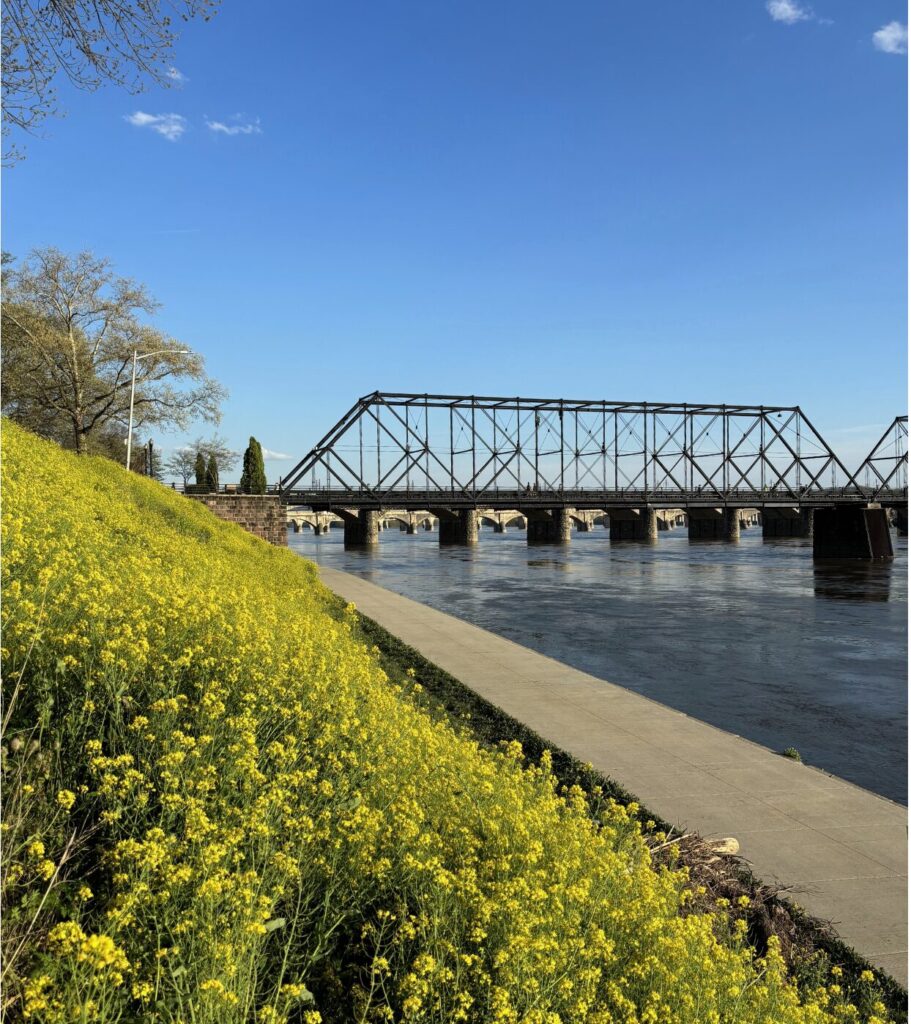
Riverfront Park
Back in 2018, National Geographic named Harrisburg one of the “top 10” greenest cities in America.
It now may get even greener.
The newly formed Harrisburg Green Alliance officially launched this month with its sights set high for improving and beautifying Harrisburg’s public spaces.
The new nonprofit is built on the idea that a city that looks clean and cared-for acts as a magnet for new residents and businesses, better retains existing ones, and attracts more tourists.
The alliance will follow the blueprint of established urban conservancies, according to board chair and interim Harrisburg University President David Schankweiler.
Conservancy groups act as private, nonprofit partners of cities—extra hands helping to manage, fund and maintain public spaces when city budgets or resources are tight.
“The outcomes we have seen have been tremendous in other cities,” Schankweiler said. “We’re not looking to reinvent how to do things. We’re taking a lot of ideas from other cities across the country and, hopefully, hoping to implement them here.”
Many cities and small towns benefit from partnering with conservancies to bolster public spaces. Take New York’s Central Park, for example.
“The land is owned and the grass is cut by the city,” Schankweiler explained. “Everything else is done by a conservancy.”
Part-time executive director of the alliance, Shana Woomer, said Greenville, S.C., is another place this model has worked.
Originally built around the textile industry, the town’s economy collapsed when the industry declined—leaving big roads and empty storefronts behind as people moved elsewhere.
“With public-private partnerships over decades, they turned things around and have a thriving downtown,” Woomer said.
One of its biggest public-private transformations was done in concert with a local conservancy, the Carolina Foothills Garden Club. The $13.5 million project, “Falls Park on the Reedy,” created a public park around an existing waterfall, previously hidden by a highway.
Afterward, the city’s reputation transformed from an abandoned textile town to a must-visit destination. Woomer said that it also spurred an additional $600 million in development in the area.
Pittsburgh is another good example of a city that has benefitted.
Since the Pittsburgh Parks Conservancy’s founding 30 years ago, it’s raised $150 million and checked off 24 city park improvement projects. One of its projects, known as “Mellon Square,” helped restore a public green space atop a parking garage in the middle of downtown Pittsburgh.
According to Alana Wenk, the organization’s director of marketing and communications, the $10 million park, which reopened to the public in 2014, has since become a popular city hangout.
“A nice, central community gathering space, which, in turn, leads to a positive impact for downtown,” she said.

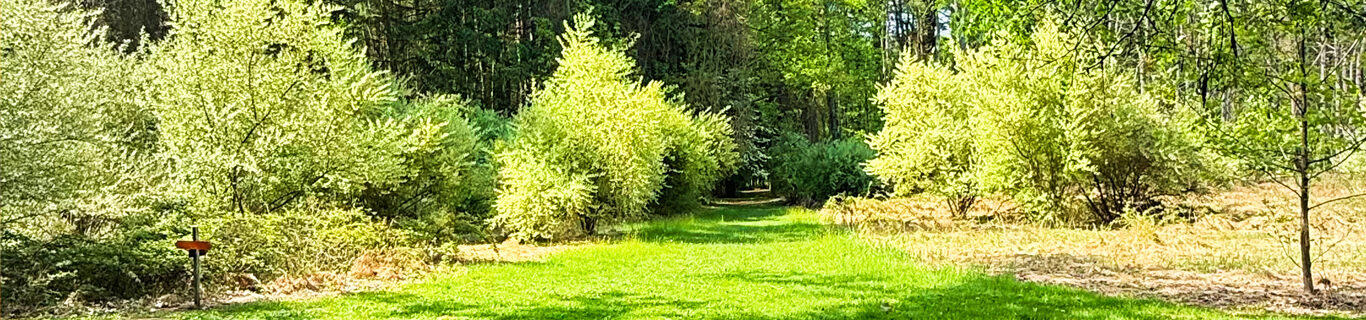
Wildwood Park
Welcoming, Thriving
While Harrisburg faces its own unique challenges, Woomer said that the alliance can benefit from the experiences of other revitalization efforts.
“We can learn a lot by studying how other cities and towns have risen from the ashes, what they did to revive their economies and inspire their residents,” she said.
While the alliance will undertake some visible projects within the year, other cities—like Greenville—are proof that economic improvement through beautification is a long game.
“The person that was behind that movement? He’ll tell you it was 30 years until they saw fruition,” Schankweiler said. “There are projects we’re going to do immediately, but there are other things that may take a considerably longer time.”
The Harrisburg Green Alliance plans to kick off by beautifying entrances to the city. The thought is that, when someone comes into Harrisburg, they should feel immediately welcome—whether it be a resident, a tourist or a prospective business.
“We want them to say, ‘Oh, this is the capital city. This is really nice,’” Schankweiler said.
City spokesperson Mischelle Moyer indicated the city is eager for such collaboration.
“The city, the mayor and our Parks and Recreation staff are very much so in favor of this organization and look forward to working with them in the near future,” she said.
Gathering further community support in January, the alliance held a meeting with about a dozen community groups, inviting them to the table, as the alliance launched, and encouraging an open channel for future collaborations.
The next big piece for the alliance, according to Schankweiler, is to secure financial support for projects, which will be announced as funding is secured.
“We want to make sure we’re doing projects in all parts of the city,” he added.
From any group or individual that funds a project, the alliance will also secure monies for five-year maintenance commitments, so that projects can be properly maintained after being completed.
A big focus for the group will be city parks, he said, where the city—limited by staff—often struggles to keep up with maintenance.
“They don’t have a large staff,” Schankweiler said. “They cut the grass. They do other things—but we can enhance what they do in those city parks by helping to repair equipment, replace equipment, lighting, basketball hoops—whatever it takes.”
City forester Cody Legge said that he has been brainstorming projects that match the group’s mission, which he said aligns with a future many city residents want to see.
“One where Harrisburg is greener, more welcoming and thriving,” Legge said.

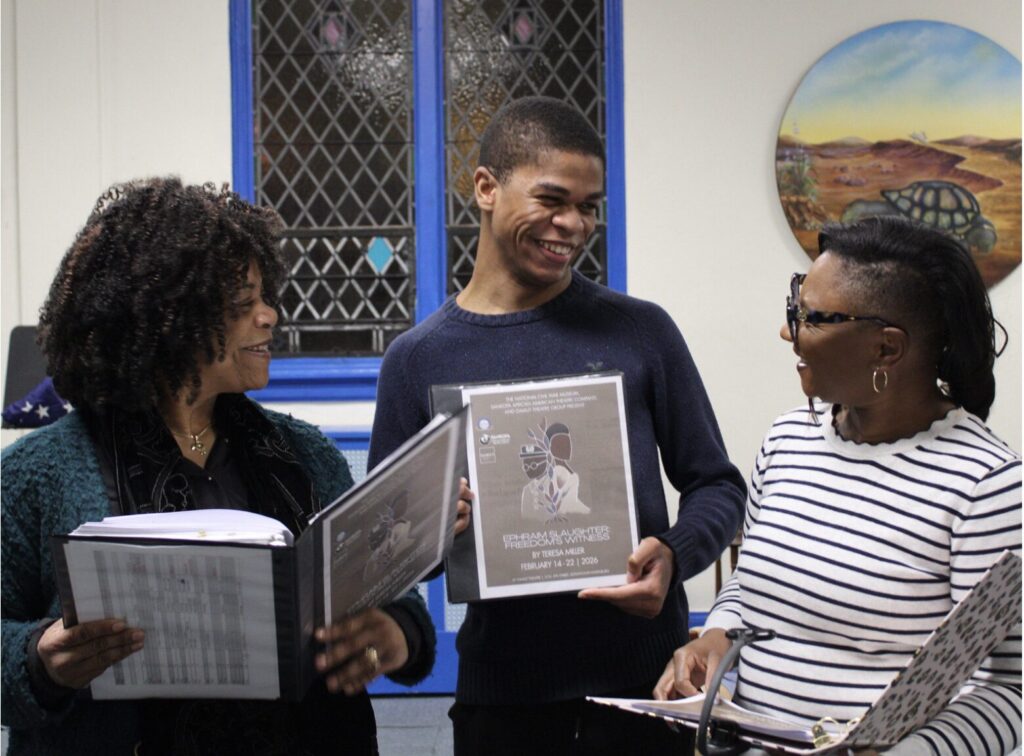
From left: David Schankweiler, Shana Woomer and Kurt Knaus.
Giving Back
The idea for the Harrisburg Green Alliance came about, according to Schankweiler, through a collective brainstorm of about a dozen city residents and business owners all asking themselves one question: “How can we help the city?”
The book, “Our Towns: A 100,000 Mile Journey into the Heart of America” by James and Deborah Fallows, provided some inspiration. In it, the husband-and-wife authors document their four-year journey around the country to visit 29 small and mid-sized cities and study strategies for revitalization in the wake of economic challenges.
“Each city is an interesting story,” Woomer recounted, noting that she and many board members read the book as the board was forming. “As I read it, I couldn’t help but think, ‘Harrisburg has this’ and ‘we have that!’”
“One of the biggest takeaways from the book is that, if you invest in parks and public spaces for a more beautiful and livable city, economic development will follow,” she added.
The book also got board members thinking about Harrisburg’s assets—Woomer listed some of its most obvious: the Susquehanna riverfront, its affordability, its more-permanent (less-transient) communities.
“We also have universities, a strong arts community, medical facilities, entrepreneurs who open breweries and distilleries,” she said.
Personally, Woomer fell in love with Harrisburg when she moved to the city from Washington, D.C., 20 years ago. In the years since, she’s enjoyed connecting with her community through a plethora of “entrepreneurial” pursuits, including owning a restaurant, working in public relations and events and selling real estate as a licensed agent.
“It’s small enough I feel like you can really make a difference,” Woomer said.
According to Schankweiler, every member of the alliance’s 18-person board shares a similar love for living in the area.
“You couldn’t get any bigger cheerleaders,” he said.
Schankweiler, a city resident, grew up in Harrisburg and moved back after college. He later founded and ran the Central Penn Business Journal for more than three decades, always proud to show off Pennsylvania’s capital to visiting colleagues.
Chair of the board’s communications committee, Kurt Knaus sees his work with the alliance as a chance to give back to the city he loves. A 30-year resident, Knaus, senior vice president of Ceisler Media, lives by the Broad Street Market and works downtown.
He walks to work, he said, which gives him a chance to see both the best and worst of the city. For him, the alliance is a chance to enhance the city’s best parts.
“What I see is its underlying greatness,” Knaus said of Harrisburg.
He added that, while the alliance has been laying its foundation, it’s been incredible to see the eagerness with which so many people want to help the city.
“There is a reserved energy in the city where people really want to roll up their sleeves and do something,” he said.
Schankweiler looks forward to harnessing such energy and using it to bolster not just Harrisburg—but the surrounding area.
“We are the hub for this region,” he said, “and our success will be the success of the region.”
For more information on the Harrisburg Green Alliance, visit www.hbggreen.com.
Stories in TheBurg on environmental topics are proudly sponsored by LCSWMA.
If you like what we do, please support our work. Become a Friend of TheBurg!