Phipps Conservatory
Located at the confluence of the Monongahela, Allegheny and Ohio rivers, the vibrant city of Pittsburgh, once known for its steel industry, has earned a reputation not only as a tech hub, but also for its sports teams.
So, what’s a person like me, who reads during baseball games, to do in the area? Well, it turns out, there’s plenty.
Pittsburgh is also known for its delicious food, its world-class museums, its funky strip district and a beautiful conservatory that celebrates every season of the year with a bold explosion of color.
Fall is an especially lovely time to visit the area, when the air is crisp and the leaves are turning, especially after the brutal summer we all experienced.
The Phipps Conservatory
I recommend the Phipps Conservatory as stop number one. The Phipps, which dates to 1893, was a gift to the city from philanthropist Henry Phipps and has been described as one of Pittsburgh’s “crown jewels.”
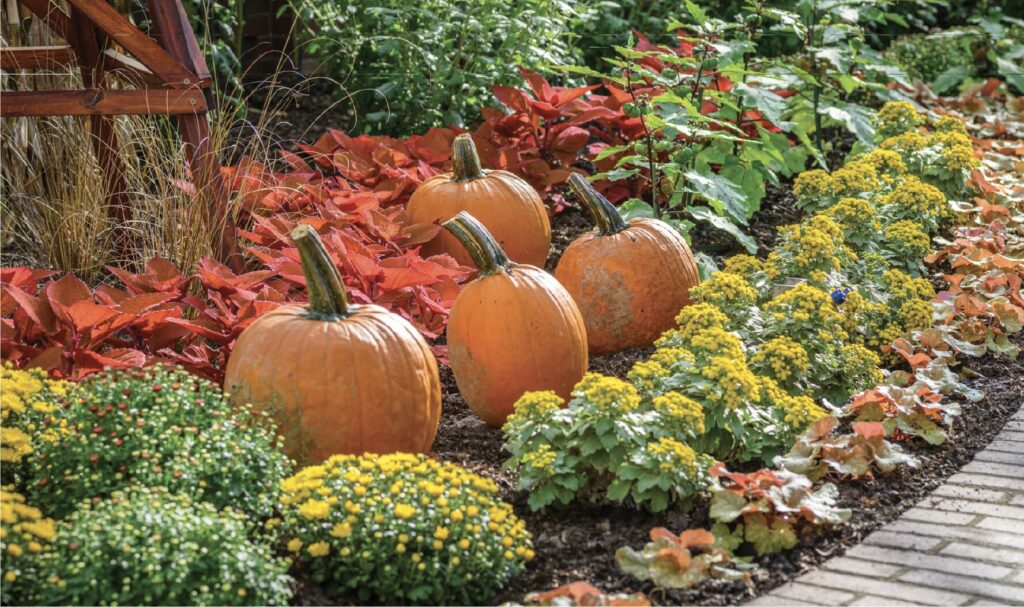
Beginning on Oct. 5, Phipps’ fall flower show theme is “Rhythm and Blooms” and celebrates music’s many genres, from classical to rock to jazz to hip hop, with colorful chrysanthemums stealing the show. The hip-hop-themed Serpentine Room, alive with neon mums and graffiti described as “show-stopping,” should be enough to pique anyone’s curiosity.
Opening on the same day is “Garden Railroad: Movie Magic,” which unveils a miniature world replete with pirates, zombies and more.
Carnegie Museum of Natural History
The Carnegie Museum of Natural History, founded by wealthy industrialist/philanthropist Andrew Carnegie, touts an astounding collection of 22 million specimens—10,000 of which are on view at any given time.
A family favorite, the destination features an array of dinosaurs and mammals, fossils, mummies and more, appealing to guests of all ages. The museum is also known for having one of the world’s best dinosaur collections and introducing “Dippy,” the first-ever Tyrannosaurus Rex skeleton, to the public.
The Hall of Gems is particularly fascinating for its abundance of rocks and minerals ranging from volcanic rocks to radioactive specimens that glow under ultraviolet light.
Carnegie Museum of Art
The Carnegie Museum of Art, located in the same building as the Museum of Natural History, boasts 30,000 works of art in its collection. Artists run the gamut from Van Gogh to Matisse, Picasso, Renoir, Warhol and more.
Visitors will find about 140 plaster casts in the Hall of Architecture that date back to 1907 and represent art from all around the world. The hall was created to align with Carnegie’s philosophy of bringing art to a populace that was unable to afford to travel to see the real items.
The Frick
The Frick Pittsburgh Museums and Gardens is located on 5.5 acres of land in the Point Breeze neighborhood.
The art collection includes paintings, sculptures and decorative arts from the Renaissance through the 19th century and includes works by Peter Paul Rubens and Jean-Francois Millet, among others.
Visitors can also tour the family abode called Clayton, dine at the Café at the Frick, and enjoy viewing an antique car collection.
One of the best parts about The Frick is that viewing everything, from Clayton to the car collection, is free.
Good Eats
The Strip District is known for its bargain prices and food places. The one-half-square-mile shopping district is chock-a-block with sidewalk vendors, restaurants, produce stands and grocers who sell a diverse range of food, like Greek and Chinese fare, for instance.
The fall is another wonderful time to take a leisurely walk with Sylvia McCoy on her “Burgh Bits & Bites” food tour. One of the small local businesses that McCoy highlights is Stamoolis Brothers Co., which has been a Steel City staple since 1909. The shop exudes old world charm and was founded by five brothers who hail from Greece and made their way to Pittsburgh via New York. Among the items offered are Greek dinners, feta cheese, Kalamata olives and more. Connie and Catina, who inherited the store from their father, Gus, typically greet tour-goers with a Greek sampler plate.
Those in the mood for something novel may want to check out Church Brew Works in the Lawrenceville neighborhood. The restaurant operates in the former St. John the Baptist Church, which was built in 1902 and closed in 1993. In 1996, the eatery opened and has been operating as a brewery and restaurant ever since. I must admit that it’s just a little unsettling to see brew tanks in the pulpit area.
One last suggestion is a visit to Spork, a restaurant in the gritty Garfield district. I have since decided that it ranks among my top-10 places to eat in Pennsylvania. Everything was excellent, from the creative cocktails to the amuse-bouche and the entrees. I especially recommend the elk Bolognese. And if you’ve had a smoked cocktail before with a cloche trapping the smoke inside, you may be interested to see Spork’s take on it. Hint: It involves popping a bubble.
And if you just happen to also be a sports fan, you can take the popular 90-minute tour of PNC Park, view the Western Pa. Sports Museum, and catch a game at the Acrisure Stadium.
This barely touches the surface of things to do in Pittsburgh. So much more can be easily added to an itinerary for a fun-packed fall visit that combines a rich history with the vibrancy of modern life.
If you like what we do, please support our work. Become a Friend of TheBurg!