Tag Archives: Harrisburg Architectural Review Board

Committee Commitment: Harrisburg community members work long hours, for no pay, on important city boards and commissions. What motivates these volunteers?

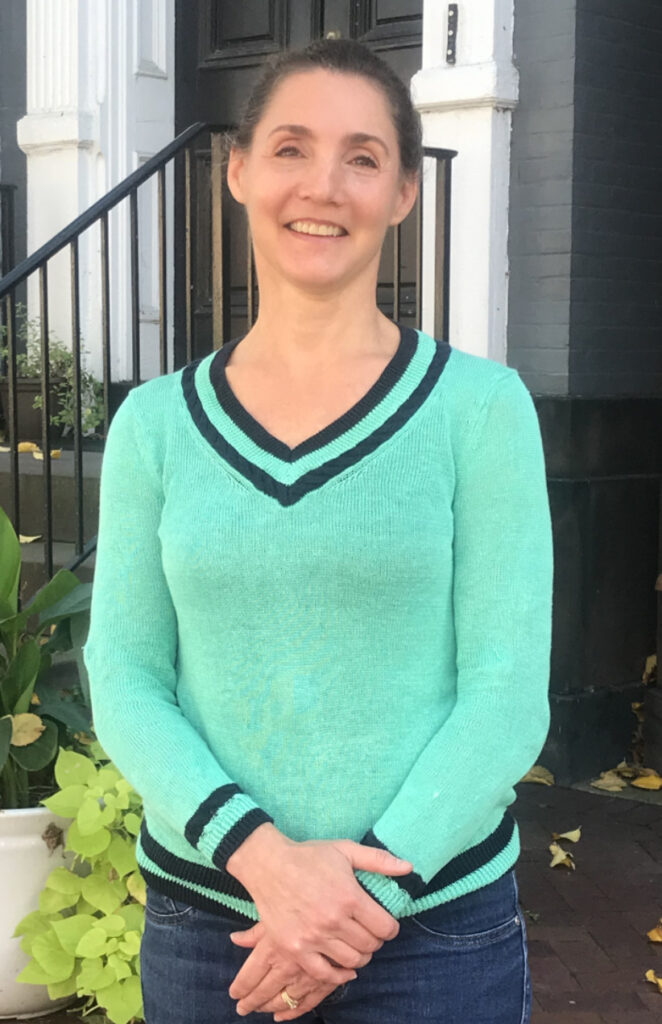
Ausha Green

When Ausha Green first joined the Harrisburg Planning Commission in 2015, she questioned whether she belonged.

“Everyone here is either an engineer or architect, and I’m just a community member,” she remembered thinking.

Although Green, now City Council vice president, had served on the Harrisburg School District’s board of directors, the planning commission was much different and, admittedly, she had no idea what the planning commission did. But, always eager to serve the city she was born and raised in, she jumped right in.

Getting up to speed on the functions of the board, which reviews construction and development proposals, took many months. Fortunately, her fellow commission members eagerly provided guidance along the way.

Seven years later and Green is still serving, even though her term has expired. She plans to stay on until her seat is eventually reappointed. Green views a big part of her role as making sure that proposed projects don’t negatively impact her community and its residents.

“I think I bring a different perspective to the board, which I think is important,” she said. “I’ve learned so much being on the board. It’s been a joy to serve.”

Green is just one of many local community members who choose to volunteer their time to serve on the city’s various boards, committees and commissions. Most of the time, these boards go unnoticed, flying under the radar though vital to the city’s functions and to its future.

Besides the planning commission, there are over 25 boards listed on Harrisburg’s website, although some are likely defunct or not meeting regularly. Among the more active groups are the Zoning Hearing Board, the Historic Architectural Review Board (HARB) and the Harrisburg Redevelopment Authority board.

Members of the city’s boards are most often appointed by City Council or the mayor’s office and usually are chosen based off a relevant expertise, skill or passion. While board members don’t get paid, let alone get many thanks for their dedication, most do it gladly and, like Green, have even served past their original terms.

“The best way to make a change in your community is to be a part of it,” Green said.

Alex Reber

Reflect the City

Alex Reber not only serves on one board, but three. For the past eight years, he has sat on the audit committee and, for about a year, on the redevelopment authority board and the Harrisburg Land Bank.

He was asked to join the audit committee since he is licensed as a certified public accountant, as the committee is required to have one such professional. The board, he said, chooses and hires auditors, making the selection process more independent of the city. They also review the audits. It’s a way to keep checks and balances during the city’s financial reporting process, he explained.

Those meetings usually take place quarterly, but, with only two members on what should be a five-person board, the group hasn’t really been able to conduct business.

Similarly, on the redevelopment authority’s board, only three out of five seats are filled.

Having vacant seats or members with expired terms are problems across several of the city’s boards and commissions. Mayor Wanda Williams has recently moved to fill seats on a few boards, including the Capital Region Water (CRW) board, zoning board and LERTA Appeals Board. City Council has not yet voted on the CRW board appointments, but the zoning and LERTA board appointees have filled their seats.

Reber hopes that, as seats are filled, boards will become more diverse. He encouraged city residents who have skills or passions related to any of the boards to reach out to city staff and officials. Some boards require city residency, while others may only require that members work or own property in Harrisburg.

“It’s important that these boards reflect the city,” he said.

Reber more recently joined the redevelopment authority’s board, which works on revitalization and housing development, out of his passion to help increase and improve affordable housing in the city.

“It’s exciting to be a part of trying to work to accomplish that goal,” he said. “I find it really fulfilling.”

Trina Gribble

Like Reber, HARB chair Trina Gribble decided to serve out of a passion and skillset. With her background in architecture and experience on the Historic Harrisburg Association’s preservation committee, she decided to join HARB after she was asked by the previous mayor.

Gribble views her role on the board as helping to maintain and preserve Harrisburg’s historic streetscape and “unique identity,” she said. The board does this through examining and voting on proposed building projects within Harrisburg’s historic districts.

“I play a little role in helping to keep that urban fabric together,” she said.

Leading from Behind

For most volunteers who serve on Harrisburg’s boards and commissions, their willingness to dedicate hours every month comes from their love for the city.

Capital Region Water board Chair Marc Kurowski draws inspiration from a program he attended through Leadership Harrisburg Area, an organization that teaches servant leadership and community service.

“You’re leading from behind, doing it in no way to further yourself, but to do it for the greater good,” Kurowski said.

He has served on the board since 2008, lending his skillset as a civil engineer. Even with his professional background, Kurowski said that it took him about three years on the board to wrap his head around all that CRW does. The board makes decisions around policy, conducts community outreach, and votes on changes to water and sewer rates, among other functions.

Marc Kurowski

Over the years he’s served, CRW has made strides in diverse hiring practices, in controlling costs, in hiring quality top officials and, recently, in finalizing an agreement to reduce contaminated stormwater runoff, he said.

Like some other city board members, Kurowski’s term has expired, but he continues to serve until reappointed or replaced, he said.

“I enjoy being able to be part of a bigger thing that can be beneficial to a community,” he said.

According to Green, she was raised to understand the importance of volunteering. Her mom was always serving in the community and runs a food pantry, which Green and her siblings volunteer at regularly. Her mom’s example is what has inspired her to be civic-minded.

The same goes for Reber, who was also taught at a young age to give back.

“It’s important that, if you have a skillset, to give back to the community,” he said. “Anything I can do to help, I want to do.”


For more information on Harrisburg’s boards and commissions, visit www.harrisburgpa.gov/boards-commissions.


If you like what we do, please support our work. Become a Friend of TheBurg!

Continue Reading

Developer proposes contemporary-style, mixed-use building for downtown Harrisburg

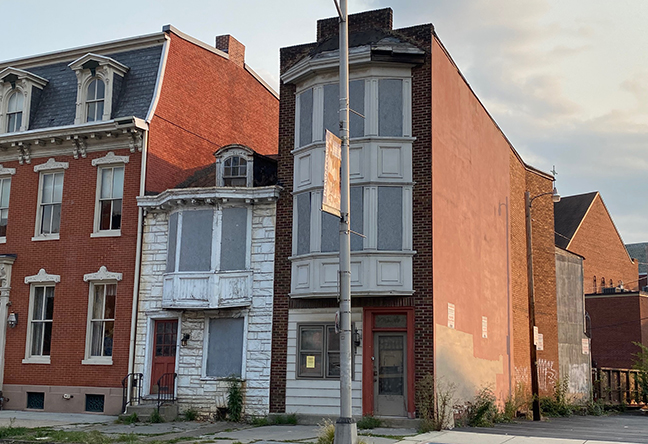
Under a current proposal, the two buildings on the right would be razed for a new mixed-use building.

A Harrisburg-area builder is proposing a five-story, mixed-use building for downtown Harrisburg, which would require demolition of two derelict structures now on the site.

On Monday night, the project’s architectural firm presented a plan for 512-514 N. 2nd St. to the Harrisburg Architectural Review Board (HARB).

Project architect Allison Krichman told board members that the design reflected a contemporary aesthetic that respects the historical integrity of the block.

“We hope that we’ve evolved the project to be a very contextual, 21st century contemporary building that fits in with the context around it,” said Krichman of the Harrisburg-based firm, Chris Dawson Architect.

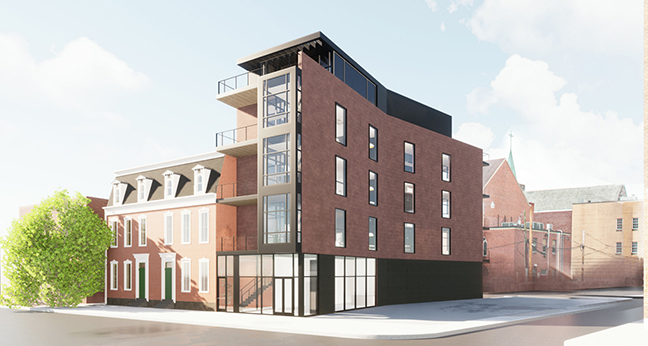
She stated that the building’s structural design, materials and balconies combine to yield a modern look that addresses a contemporary desire for open space while still respecting the block’s architectural legacy.

A rendering of the current design for a building proposed for the 500-block of N. 2nd Street in Harrisburg

At the meeting, the firm represented their client, developer Derek Dilks, who is proposing to raze the dilapidated buildings now on the site and construct a new, 5,000-square-foot building with first-floor retail or restaurant space and seven apartments on four floors above.

Last year, Dilks bought the two forlorn buildings for $90,000 from former area attorney Gilbert Petrina, who had owned them for decades. Three years ago, HARB gave Petrina permission to raze the buildings, but he never did so.

The city’s Planning Bureau has pushed back on the proposed design, stating that it lacks continuity with the historical streetscape.

“Replication or reproduction is not the goal with new infill construction but the retention of character and continuity of the existing fabric is important to preserve the feel, character, and experience of the historic district,” states the bureau’s case report. “The current proposal is more differentiated than it is compatible, and it is recommended that the design is amended to ensure more contiguous architectural harmony with surrounding buildings.”

Several HARB members on Monday agreed with the report’s findings, stating that they believed that the design could fit in better with the other buildings along the street, which generally are a century-plus old.

HARB members requested possible design alternatives, and the case was tabled and continued to the October meeting.

HARB approval constitutes just one step in what could be a lengthy approval process for the project, which also must go through the land development process, with final approval by City Council.

At the meeting, HARB also voted to allow some modifications to a Midtown building slated to become a 16-unit, market-rate apartment building, but pushed back on some of the changes requested by the developer.

Notably, the builder, Wormleysburg-based Integrated Development Partners, agreed to install aluminum casement windows to better match the materials originally used in the mid-century, former Salvation Army building at 1122 Green St. in Harrisburg.

The developer also will be permitted to mount a sign to the building at the corner of Green and Cumberland streets, while closing off building access from Green Street, instead employing the main entrance on Cumberland Street.

The project will convert the 10,920-square-foot building to one- and two-bedroom units. The developer plans to begin the project soon, with an expected completion date of mid-2022. The city already has approved the project’s land development plan.

Continue Reading

Harrisburg council tweaks proposed police advisory committee, schedules final vote for next month

A screen grab from Harrisburg City Council’s legislative session

Harrisburg City Council has made several more changes to a proposed police advisory body and delayed a final vote on the bill until next month.

At a virtual legislative session on Tuesday, council voted unanimously to tweak several elements of proposed Bill 8, which would create a Citizen’s Law Enforcement Advisory Committee.

The changes include:

  • Giving council the ability to appoint five board members, up from four, while reducing mayoral appointments from three to two, for the initial committee members.
  • Mandating that the committee meet at least quarterly, as opposed to at least annually, each year.
  • Staggering initial terms so that two of the original members serve four-year terms, two members serve three-year terms and three members serve two-year terms.

Council members Ausha Green and Danielle Bowers said that some of these changes were made in response to comments received from community members.

“Listening to the comments is really power to the people,” Bowers said.

Council is expected to take a final vote on Bill 8 at its Nov. 10 meeting.

At the beginning of Tuesday’s session, council read aloud comments from community members, some of whom continue to be disappointed with the limitations of the proposed committee.

Bill 8 already has been amended to give the committee administrative subpoena power and to change or remove several parts of the original bill.

However, some residents remain unsatisfied. They believe that the body should be able to exercise greater oversight over the police bureau and want to change the name of the body from an “advisory committee” to a “review board.”

According to city Solicitor Neil Grover, Harrisburg lacks the authority to create a review board, prompting some residents to advocate for a home rule charter, which may give the city greater flexibility in setting its own rules beyond what’s allowed currently in the state code.

“I do think the talk of home rule has been important and is something we should pursue,” said one resident during the legislative session.

In addition, several residents urged council to make their online meetings more accessible, including advertising meetings more broadly on social media platforms and allowing residents to make comments in real time during the virtual meeting’s live-stream.

“Over the last few months during COVID, residents have pleaded with the city to make the council meetings more accessible,” said Kimeka Campbell, co-founder of Harrisburg Young Professionals of Color, in a written comment. “Nevertheless, the city has kept comments off their YouTube videos, not allowed more than two opportunities for call-ins for public comment, only taken public comment via email and truncated public comments that seem too similar.”

At the end of the meeting, member Ben Allatt said that council should consider expanding ways of interacting with the public virtually. But he also urged residents to reach out beyond just virtual council meetings, such as emailing or calling individual council members or even arranging meetings with them.

“These (virtual) meetings aren’t held in a vacuum and aren’t the only ways to interact with us in City Council,” he said. “There is a willingness to be able to meet with the community in many different fashions.”

In other action on Tuesday, council:

  • Approved an agreement to pay $725,000 to MEB Partners and Brenner Motors to settle outstanding rent, tax and repair issues arising from a three-year lease of the Public Works Department site on Paxton Street.
  • Approved a land development plan for a 200-space parking lot at 1501 N. 7th St. The property owner wants to turn an empty lot into a surface parking lot, primarily to serve the needs of the new federal courthouse due for completion in summer 2022.
  • Approved a resolution appointing resident Kali Tennis to a seat on the Harrisburg Architectural Review Board (HARB).

Lastly, council President Wanda Williams said that the city’s “Grab and Go” trick-or-treat night has been rescheduled due to predicted inclement weather for Thursday. It now will take place on Saturday, Oct. 31, from 5 to 7 p.m. at the city’s three firehouses—Uptown at 1820 N. 6th St., and the two on Allison Hill at 140 N. 16th St. and 9 S. 13th St.

Support quality local journalism. Become a Friend of TheBurg!

Continue Reading

House Call: One of Harrisburg’s oldest buildings undergoes “paneful” examination

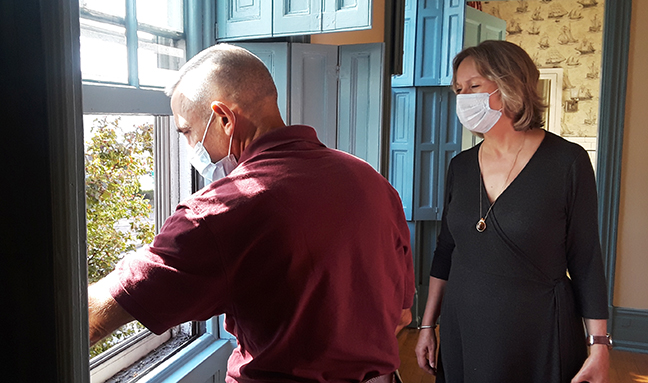
Restoration expert John Lindtner examines a window in the Haldeman Haly House as Karen Cullings, executive director of the Dauphin County Library System, looks on.

John Lindtner raised the question: Does it make sense to replace a window that has survived 200 years with one that might last 30?

“They say, in my world, that the greenest window is the window that’s already built,” he said as he diagnosed the health of a 200-year-old window. “It doesn’t make sense to fill up the landfill with these windows.”

The window restoration expert did, though, have a word about the storm windows that appeared to be approaching the half-century mark.

“You have my blessing to replace the storm windows, because I believe the storm windows can be improved,” he said.

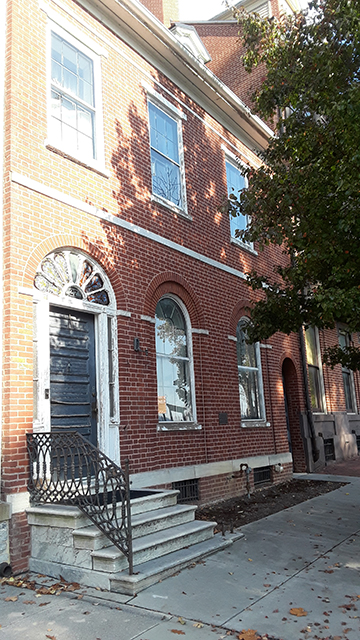
Lindtner was inside the library of the Haldeman Haly House (pictured), the Governor’s Row home called by architectural historian Ken Frew one of Harrisburg’s top-five most historic buildings.

Lindtner’s visit on Wednesday was a “house call” sponsored by Historic Harrisburg Association, funded with a gift from the Auchincloss Family Fund. He was there to advise Dauphin County Library System on the feasibility of restoring the windows of the circa-1812 home that the library acquired in 2019 to expand its programming, community, and administrative space.

The 5,458-square-foot house at 27 N. Front Street was built by Stephen Hills, architect of the first Pennsylvania State Capitol, and was home to Sara Haldeman Haly, whose bequest in 1896 seeded the Dauphin County Library System. The library system is running a capital campaign to raise $3.5 million to renovate and link the building to its McCormick Riverfront branch next door–the original branch built on the site of Sara Haldeman Haly’s garden.

“This building came to us like manna from heaven in a lot of ways because not only is this, obviously, right next to our library, but there’s a really important shared history here,” said Dauphin County Library System Executive Director Karen Cullings.

The Haldeman Haly House’s soaring, arched front windows face the Susquehanna River, Market Street Bridge and City Island. The north-facing side windows overlook the library roof, buildings along and behind Walnut Street, and–peeking above it all–the dome of the state’s 1906 Capitol, the second replacement of Hills’ creation, burned in an 1897 fire.

With the exception of a north-side sill rotted by water damage from broken spouting, the windows definitely merit restoration, said Lindtner, founder of Chester County-based Building Preservation Services.

“There’s absolutely nothing wrong with this window,” he said. “There’s just a lot of paint on it from close to 200 years.”

With weather stripping and good storm windows, which can be custom-made to fit unique shapes such as the Haldeman Haly House’s arches, a restored window can achieve respectable energy efficiency, he said.

Historic windows endure because they were built with old-growth timber, he added. “To replace these windows would be very much a mortal sin.”

The library has been advised to cover the windows for the winter, said Cullings. Lindtner concurred–with one caveat. Don’t seal too tightly.

“You want to have some opportunity for it to vent in the event it gets wet,” he said. “If it gets wet and can’t dry out, you’re creating a bigger headache.”

When panes need to be replaced, the “wavy glass” of the handmade age can be replaced with salvaged historic glass or even glass new-made with characteristically wavy touches. As Lindtner and Cullings investigated a top-floor room under the home’s dormered windows, Lindtner decided not to try to open one that housed a wasp nest.

“See what you inherited?” he asked Cullings.

“I know,” she said. “It’s lovely.”

Historic Harrisburg Association Executive Director David Morrison called the Haldeman Haly House the most historic house on Governor’s Row for its history across multiple centuries.

Cullings declared the building in “not that bad” shape, in need of cosmetic work but otherwise stable. She promised to “make it beautiful again,” like the historic library next door. Restoring the windows suits that theme.

“We definitely want to be able to preserve as much of it as we can,” she said. “Obviously, we have to deal with budgets, and we’re a nonprofit, but we’re hoping we’ll be able to preserve all of it, if we can. I like to feel like I’m honoring the heritage of it. I don’t want to be doing things to it that are going to make it look asymmetric and out of whack with what the original designers had in mind.”

The Harrisburg Architectural Review Board will Zoom-meet at 6 p.m. Nov. 2 to consider the library’s request to remove some non-original additions and build a connector between the Haldeman Haly House and the McCormick Riverfront branch library.

Support quality community journalism. Become a Friend of TheBurg!

Continue Reading

Midtown Cinema renovation passes muster with Harrisburg’s historic review panel

Artist’s rendering of Midtown Cinema’s proposed new exterior

Midtown Cinema is a step closer to a major makeover, as the city’s historic review board has given the project its blessing.

On Monday night, the Harrisburg Architectural Review Board (HARB) unanimously approved plans by owner Lift Development for a substantial renovation of the arthouse theater’s façade.

“We’re very pleased with this result,” said Lift Development principal John Tierney, following the vote.

Tierney said that he expects work to begin next month following the cinema’s annual Academy Awards gala. Construction is expected to take about four months, concluding with the opening of the Harrisburg Jewish Film Festival in June.

The façade will feature a mostly glass exterior topped by a new marquee and new fiber cement board panels. On the east side, a trellis will extend the building’s footprint, with picnic tables underneath for outside seating.

Originally, the trellis was expected to be a mix of metal and wood. However, on Monday, Tierney said that it may be exclusively wood due to higher-than-expected price quotes for the metal component.

The 1940-era building was originally a grocery store and later housed a blood plasma center. It opened as Midtown Cinema in 2001.

HARB had no quibble with the modern-style design, and the city does not consider the building to contribute to the historic nature of the district, according to Frank Grumbine, Harrisburg’s historic preservation specialist and archivist.

“Overall, this project makes [the building] a higher overall quality,” said HARB member Jeremiah Chamberlin.

Several members, though, requested preservation of the existing mid-century-style sign that reads, “Reily. Midtown Center.”

Architect Rich Gribble of Camp Hill-based ByDesign Consultants said that they had a plan for the sign.

“We’d like to take that sign and put it into the new lobby, as opposed to installing it outside, since it’s technically not the name of the cinema,” he said.

Tierney later said that, as part of the renovation, they plan to remove the drop ceiling, opening up the lobby closer to the roofline, which would create enough space to hang the large sign inside.

The cinema plans to remain open during the renovation, though construction work may limit the availability of all three screens and could affect show times.

Midtown Cinema is located at 250 Reily St., Harrisburg. For more information, visit www.midtowncinema.com.

Continue Reading

Measure of Hope: Renovation arrives suddenly to N. 6th Street

Matt Long of Harrisburg Commercial Interiors inside the Curtis Funeral Home/Swallow Mansion

After decades of blight and inaction, a historic Harrisburg block is undergoing a rapid transformation, removing an eyesore on a prominent city street and adding new apartments to Midtown.

Currently, three long-dilapidated properties are—or soon will be—under restoration on the 1000-block of N. 6th Street, a highly visible street and one of the last remnants of a once-thriving commercial strip that catered primarily to Harrisburg’s African-American community.

Brothers LeRon and LeSean McCoy, under the name Vice Capital LLC, are renovating 1000 N. 6th St.—at the corner of Boas Street—into a five-unit, market-rate apartment building, with additional retail or community space, according to LeRon.

“We looked around and decided to find a project that would be of benefit to both Harrisburg and ourselves,” he said, in a recent phone interview.

The brothers are Harrisburg natives who played football for Bishop McDevitt High School. LeRon, a retired wide receiver, played professionally for the Arizona Cardinals, San Francisco 49ers and Houston Texans, while LeSean, a former Philadelphia Eagle, is currently a running back for the Buffalo Bills.

LeRon McCoy said that building, also known as the Swallow Mansion and, later, the Curtis Funeral Home, is an investment for the pair.

The 1000-block of N. 6th Street, looking north, with the Swallow Mansion in the foreground

“LeSean and I have a desire to develop in Harrisburg,” he said. “It’s something he’s been wanting to do for a long time.”

Last year, the circa-1896, corner building suffered a partial collapse, with bricks and debris spilling onto the sidewalk on the Boas Street side. The collapse seemed to prompt long-time owner, Annette Antoun, to finally part with the property.

Antoun bought it in 2000 from the Historic Harrisburg Association, believing it would become part of former Mayor Steve Reed’s plan to develop the block as an African-American history museum. However, that museum was never built and, over the years, the building remained boarded up and increasingly dilapidated.

LeRon said he expects the project to be completed by year-end.

“It will be high end,” he said. “We want that area to look as nice as it used to.”

Right next door, at 1002 N. 6th St., a company called LBR Properties has begun to renovate that long-neglected building, which Antoun had owned for 35 years. The company is building out three apartments—two one-bedroom units and a “large studio”—as well as a small retail space on the first floor, according to co-owner Rani Rammouni.

“We’re gutting it and bringing it up to par,” he said, expecting the project to be completed in about two months. “We want to bring them as close to class-A as possible. We’ll have all the upgrades a class-A would have.”

Rammouni said that the block was ripe for redevelopment considering all the development in Midtown over the past decade, as well as its proximity to the Capitol complex.

“It’s positioned so well with the commonwealth right there,” he said.

The view of the block looking south, with the Jackson Hotel in the foreground

Next to that building is the beloved burger and sandwich restaurant, the Jackson House, and next to that, at 1006 N. 6th St., sits the “Jackson Hotel,” a former hotel and boarding house that once catered to African-American patrons who were denied service in Harrisburg’s white-only hotels.

Harrisburg Commercial Interiors bought that building last year, and company owner Matt Long said that his company will begin demolition work in September.

The Jackson Hotel has been empty and boarded up since long-time owner German Jackson died in 1998. In recent years, the building’s roof caved in, and the back of the building has collapsed.

Nonetheless, Long expects to fully rebuild and restore the property. Last month, the Harrisburg Architectural Review Board gave Long permission to perform extensive rehabilitation work, including rebuilding the rear portion of the building and installing a new roof, new windows, new floors and other improvements.

When complete, the 3,420-square-foot building will consist of four apartments, with commercial space on the first floor, Long said. Notably, the large mural, which features African-American entertainers and historic figures, some of whom stayed at the hotel, will be preserved.

“I’ve seen these buildings boarded up for as long as I’ve been here,” Long said, adding that he tried to buy the Swallow Mansion from Antoun some 14 years ago. “But they just sat and sat and sat. Now, the time is right.”

Ted Hanson, a Boas Street resident since 1978, said that he’s waited decades for the 6th Street properties to be redeveloped.

“This finally has come to pass now that Steve Reed and Annette Antoun are out of the picture,” he said. “Forces are aligning that some needed development is happening there.”

Long’s company is also performing the restoration work on the Swallow Mansion/Curtis Funeral Home for the McCoys. LeRon McCoy said that he hired Long after seeing the work his company did to rebuild another tumbledown structure—the long-dilapidated building at North and Susquehanna streets that soon will be the new home of Elementary Coffee Co.

Demolition debris piled on the first floor of the Curtis Funeral Home/Swallow Mansion

McCoy said that he and his brother have an even grander vision for the block, which would result in dozens of new apartments.

They want to purchase the Jackson Hotel property from Long and then build a new, larger, market-rate apartment building next to it at the corner of N. 6th and Herr streets, property currently owned by Bethel AME Church. That lot has been empty since the church burned down in 1995.

McCoy said that they’re currently in talks to buy that property from the church.

“This is all part of a larger project we’re working on,” McCoy said. “We have a vision for that block.”

For more detailed history about this block, read our award-winning feature story from 2013. 

Continue Reading

Cathedral Education Center gets HARB approval; fundraising campaign planned

The planned Cathedral Education Center would unite the Liberty Street school building (foreground) and the Shanahan Center (background).

Harrisburg’s Catholic parochial school has been given the go-ahead for a new education center, but it now needs to raise the funds for renovation and construction.

Last night, the project received unanimous approval from the Harrisburg Architectural Review Board (HARB), allowing the Cathedral Parish of St. Patrick to launch a capital campaign for the new Cathedral Education Center.

The $5.7 million project would renovate the circa-1950 Harrisburg Catholic Elementary School on Liberty Street and the 109-year-old Shanahan Center on North Street. A three-story, 3,250-square-foot addition between the buildings would be constructed, creating a single, unified structure totaling 26,475 square feet. Currently, the two buildings are separated by a small walkway.

HARB members did request a few design changes, most notably that the addition linking the buildings should include more windows and that the windows should be more vertically oriented.

“I’m really excited about this proposal personally,” said HARB Chair AJ Knee. “I like the concept of this [new] building being a wedge between the two [existing] buildings.”

The new education center would allow the parish to consolidate into one facility the current Cathedral Campus, which serves pre-K and grades 5-8 and is located behind St. Patrick’s Cathedral, and the Holy Family Campus, which serves grades K-4 and is located on Allison Hill. It also would give the parish more space for programming and improve wheelchair accessibility.

According to the parish, another benefit includes a new hall with a caterer’s kitchen that would seat as many as 190 people. It also would free up funds for parish programs that now go to building maintenance.

A rendering of the project, which shows the modern addition connecting the two existing buildings. Image courtesy of TKS Architects.

Dale Forney of Harrisburg-based JEM Group, the general contractor, told HARB members that he hopes to begin the project once school lets out next May and complete it in January or February 2020. However, the actual timing depends on the parish being able to raise the needed funds.

Kathy Speaker MacNett, who lives directly across the street from the Shanahan Center, characterized the project as another step forward in the continued redevelopment of the Capitol neighborhood.

“I am very excited about the project,” she said, citing several other projects nearby. “For the first time in my recollection, we actually have construction going in in our neighborhood–and not only construction but infilling.”

Continue Reading

July News Digest

Report: Tax Hike Possible

Real estate taxes in Harrisburg could increase by 105 percent over the next three years, if suggestions in a financial recovery plan submitted to city officials come to pass.

The state Department of Community and Economic Development (DCED) last month released Harrisburg’s Act 47 exit plan, a report intended to guide the city through the next three years in the state financial oversight program.

The plan, which was prepared by Harrisburg’s Act 47 coordinator Marita Kelley, calls for Harrisburg to restructure its revenue sources to align with tax rates set forth in the state code.

Act 47 has granted Harrisburg extraordinary taxing power that generates $11 million in revenue each year. The city doubled its earned income tax (EIT) rate in 2012 and tripled its local services tax (LST) in 2016.

Unless state laws change, Harrisburg would lose that revenue when it exits Act 47 in 2022.

To avoid a fiscal cliff, Kelley suggested that the city gradually surrender its extraordinary taxing authority and replace its EIT and LST revenue with real estate tax revenue over the next three years.

The exit plan calls for a complete reversal of the LST and EIT hikes by 2021. Simultaneously, Harrisburg would levy 20-percent real estate tax hikes for two consecutive years, followed by a 42 percent raise in 2021.

Harrisburg property owners pay taxes to three separate taxing jurisdictions: the city, the school district and Dauphin County. The hikes would only affect the city property tax.

Meanwhile, under the plan, bills for the city’s EIT and LST would decrease. Kelley recommends reducing the EIT by .5 percent in 2019 and 2020, offsetting the 1 percent hike that City Council levied in 2015. The plan also calls for the city to reduce its LST by $52 for the next two years, bringing it down to a $52 annual, flat rate by 2022.

The astronomical real estate tax hikes still wouldn’t bring in as much revenue as the current LST and EIT rates. Budget projections in the exit plan call on the city to spend more than $13 million from its fund balance to mitigate annual deficits.

The plan makes clear that Harrisburg can’t afford any new expenditures. Kelley outlined initiatives the city could make to curb spending, such as paying down debt obligations, renegotiating existing loans, adopting financial management policies to improve the city’s credit rating, and developing a five-year capital improvement plan to prioritize its infrastructure improvement projects.

Harrisburg does have two paths to avoid the real estate tax hikes. It could adopt a Home Rule charter, which would allow it to write its own tax code, though Mayor Eric Papenfuse last month seemed to reject that path.

The city also can ask the legislature to let it levy its current LST and EIT tax rates in perpetuity. City officials have been lobbying lawmakers for months in hopes of securing legislative change.

If the legislature does pass special tax provisions for Harrisburg when it reconvenes in September, the city could exit Act 47 and maintain its current taxing authority.

If the state fails to act, the city would enter its 2019 budget cycle under the assumptions set forth in DCED’s recovery plan.

Papenfuse denounced the report’s findings, calling them “state-assisted suicide.” Local officials vowed to fight any move to significantly raise Harrisburg’s property tax.

For its part, DCED later clarified that it sees real estate hikes as a last resort.

“The recovery coordinator believes the significant property tax proposed in the Act 47 Exit Plan should be considered as a last option,” according to a statement from the department. “As stated in the Exit Plan, the city should first explore reducing costs and renegotiating deals, entering into a home rule charter and negotiating with the state legislature to extend the deadline for collecting the LST and EIT.”

Council Passes Sanitation, Funding Measures

Harrisburg City Council passed new sanitation laws and disbursed more than $2 million in federal grant funds last month before adjourning for summer recess.

Over the course of a four-hour meeting, council made sweeping changes to laws governing trash and recycling collection violations in the city. The city’s new sanitation code establishes harsher fines and new enforcement powers.

Despite the lobbying of the city treasurer, council members rejected a provision that would have inaugurated annual trash billing. The city will continue to send homeowners and businesses monthly bills for trash services.

Under the new ordinance, owners of vacant properties will no longer be billed for trash services at those parcels. Council added an amendment requiring all vacant property owners to apply for a vacant property exemption.

The hallmark of the new sanitation code is a new fine and enforcement structure, aimed at curbing illegal trash disposal across the city.

Under the new ordinance, serious offenses—including illegal dumping, accumulation of trash exceeding 1,000 pounds, improper waste disposal and failure to register as a private trash hauler—are considered category 1 violations, punishable by a $1,000 fine or up to 90 days in jail.

Category 2 violations include failure to bag waste, obstruction of streets and sidewalks or interference with enforcement and will be met with fines starting at $100. Fines will increase up to $500 for each subsequent offense.

The ordinance also permits Public Works to designate enforcement officers to patrol public streets for violations, and it authorizes police officers to issue citations and enforce the ordinance.

Council last month also voted to disburse $2 million in funds from the Community Development Block Grant. More than a dozen local nonprofits and city departments will receive grants ranging from $5,000 to $300,000. These include:

  • Christian Recovery Aftercare Ministries (C.R.A.M.): $40,000
  • TLC Work Based Training: $45,000
  • A Miracle 4 Sure: $50,000
  • Latino Hispanic Community Center: $25,000
  • Fair Housing Council: $25,000
  • PPL/IN HOUSE: $20,000
  • Shades of Greatness: $15,000
  • Heinz-Menaker Senior Center: $25,000
  • Neighborhood Dispute Settlement: $5,000
  • TriCounty HDC: $250,000
  • Habitat for Humanity: $100,000
  • Housing Rehabilitation Programs (city-run): $321,642

In addition, more than $600,000 of the $2 million grant will go to debt service, and $400,000 will reimburse the city for CDBG administration.

Council also approved a new, five-year labor contract with the city’s firefighters, which will lock in 2-percent annual wage increases and establish a new policy to increase retention. Lastly, council passed a resolution reestablishing Harrisburg’s Environmental Advocacy Council, a seven-member body that will be filled by appointments by council and the mayor’s office.


City OKs 2 Buildings for Demo

Another slice of historic Harrisburg seems fated for the wrecking ball, as a long-time property owner has received permission to raze two small downtown buildings.

By a 4-1 count, the Harrisburg Architectural Review Board (HARB) last month voted to allow retired area attorney Gilbert Petrina to demolish 512 and 514 N. 2nd St., buildings that he has owned for at least 35 years.

Petrina’s son, Gilbert Petrina Jr., attended the meeting, saying that his father was too ill to attend.

“My goal is to get these down as quickly as possible,” the younger Petrina said. “They’re a blight. They’re a hazard.”

Several board members pointed out that the properties were blighted only because they had been neglected for so long by the owner.

“I’m disappointed the properties have reached this point,” said member Jeremiah Chamberlin. “Ten years ago, they would have been restorable.”

Petrina said that, someday, he’d like to build a new structure on the site. Until then, he proposed using the lots for parking, hoping that revenue would help offset the cost of the demolition.

However, Assistant City Solicitor Tiffanie Baldock said the city could not allow additional commercial parking because doing so would violate its agreement with Park Harrisburg/SP+, which runs the parking system under a long-term lease with the city.

Petrina, who lives in Virginia, said he still would proceed with the demolition and reiterated that, someday, he hoped to build on the site, though he currently lacked a plan to do so.


So Noted

Mark Kropilak was named last month as the new chief executive officer of Capital Region Water, which provides water and sewer service to much of the Harrisburg area. Kropilak, who has worked both for private water technology companies and in a regulated utility, replaces Shannon Gority, who resigned the post late last year.

Patricia Whitehead-Myers was appointed to the Harrisburg school board last month. Myers, who served previously on the board, replaced Percel Eiland, who resigned his two-year board seat. In other school district news, Director Tyrell Spradley resigned his seat after just five months on the board.

Penn State Health has announced that it plans to build a new, 108-bed, acute-care hospital on 44 acres in the Wentworth Corporate Center in Hampden Township. Construction of the 300,000-square-foot, three-story building is slated to begin in early 2019, according to Penn State Health. It will be located directly across I-81 from UPMC Pinnacle’s West Shore Hospital.

Rob Lesher resigned last month after more than two years as the executive director of the Dauphin County Library System. Karen Cullings, the library’s director of community relations, will assume the position of interim executive director while a national search is conducted to find a replacement, according to DCLS.

TLC Work-Based Training last month held a groundbreaking for a 20-unit affordable apartment complex, the Harrisburg Uptown Building (HUB) and the HUB Veteran Housing Complex. The project at 5th and Kelker streets is TLC’s first major undertaking as a property developer.

Changing Hands

Adrian St., 2425: M. Washington & J. Holmes to S. & V. Heckman, $61,000

Adrian St., 2436: PA Deals LLC to R. Buehner, $63,900

Allison Ct., 7: Flipside Home Renewal LLC to D. Wallace, $92,500

Berryhill St., 1143: FEI Company to Vich Development LLC, $1,250,000

Boas St., 235: Weichert Workforce Mobility Inc. to D. Kergick & A. McHugh, $177,000

Carlisle St., 308 & 318: R. Jackson to Pop’s House Inc., $285,000

Chestnut St., 1621: R. & L. Ravenel to B. & L. Young, $30,000

Delaware St., 263: M. Dupree to Wells Fargo Bank NA, $76,747

Derry St., 1152: J. Vogelsong to M. Pena & T. Edison, $40,000

Derry St., 2712: D. Diehl to A. Lorenzo, $102,000

Emerald Ct., 2447: Z. Akbar to S. Waheed to D. Ritter, $83,000

Emerald St., 311: J. Yeatter to H. Santiago Andino, $73,500

Grand St., 912: Summerhill Partners LP to D. & M. MacIntyre, $65,000

Green St., 1003: E. & J. Ireland to M. & C. Kwolek, $96,500

Green St., 1632: C. Frater & R. Valentine to F. & C. DiPeri, $130,000

Green St., 3216: P. Wong to M. Zeeshan & S. Patel, $67,000

Harris St., 416: T. Woodyard to M. Riegel, $104,500

Herr St., 112: C. Chandler to K. Kundratic, $118,500

Hillside Rd., 301: J. Harget to R. & L. Wood, $199,500

Hoffman St., 3114: W. & D. Kersey to R. Pereira Chakka, $95,000

Kensington St., 2101: HT Properties LLC to R. Ramos, $68,000

Kensington St., 2138: 2014 LIMG Real Estate Fund LLC to T. Pitts, $64,000

Logan St., 1719: C. Leman to D. Hemperly, $126,500

Maclay St., 248: D. Bowermaster to S. Melville, $53,500

Manada St., 1914: W. Fischer to T. Pitts, $55,000

Mercer St., 2442: P. & B. Huepenbecker to Lynn & Ryan Investment Properties LLC, $34,000

North St., 262: TJC East Properties LLC to Spuntina LLC, $235,000

N. Front St., 325 & 327: Pars Real Estate LLC to Askay Properties LLC, $505,000

N. Front St., 1007, 1115: Industries for Pennsylvania to WCI Partners LP, $452,000

N. Front St., 1525, Unit 411: A. Hoffman to J. & E. Badeaux, $195,000

N. Front St., 1525, Unit 507: T. & P. Avant to S. Kolesar, $100,000

N. 2nd St., 815: Bricker Boys Partnership to J. Ehring, $120,000

N. 2nd St., 1208: T. Chang to A. Calvano, $110,000

N. 2nd St., 1301: J. Schlegel to H. Rothrock, $99,800

N. 2nd St., 1915: C. Benkovic to Apple Tree Community Development Co., $110,000

N. 2nd St., 2241: K. Shubert & L. Christopher to E. & S. Lawrence, $179,900

N. 2nd St., 2719: W. & C. Gosnell to J. MacDonald, $212,000

N. 2nd St., 3225: A. Dillon & C. & D. Kenes to M. Letterman, $104,000

N. 4th St., 2545: P. Roebuck to C. Plaines, $56,970

N. 5th St., 3000: J. & E. MacDonald to M. Evans, $120,000

N. 5th St., 3205: D. Schade to J. Rodriguez & I. Ramos, $105,000

Paxton St., 1630: S. Selimovic to C. Bruno, $33,000

Penn St., 1701: J. Allen to J. Chrisemer, $130,400

Penn St., 1927: WCI Partners LP to A. Griffith, $135,000

Pennwood Rd., 3120: J. Mohler & J. Suter to C. Brubaker, $133,000

Pine St., 116: Metro Bank Property Management Inc. to River and Pine LLC, $1,200,000

Pine St., 124 and 111 Barbara St.: Keystone Service Systems to River and Pine LLC, $1,000,000

Reily St., 209: J. Pamula to E. Fry, $137,000

Rudy Rd., 2459: J. Archie to A. Burno, $46,500

Rumson Rd., 2920: W. Quezada & M. Cedeno to W. & D. Illanes, $30,000

S. 13th St., 348: R. Eisner & T. Lippi to M. Ortega, $47,500

S. 16th St., 340: B. & R. Van Wyk to C. Okegue, $94,900

S. 24th St., 608: R. Lawson to D. & A. Hoyt, $145,000

S. Cameron St., 1058: JWM Associates LP to MSJC Inc., $268,000

S. Front St., 711 & Hanna St., L2A, L3A: P. Moore to S. & D. Moffett, $193,000

State St., 1342: M. Lamereaux to R. Miles, $43,000

State St., 1410: R. & A. Sharp to S. Kochis, $78,000

State St., 1626: Deutsche Bank National Trust Co. Trustee to Harrisburg Homes Investment LLC, $34,344

State St., 1800 & 1802: CNC Realty Group LLC to Harrisburg Electricians Joint Apprenticeship & Training Trust Fund, $400,000

Swatara St., 1947: N. Williams to M. & T. Price & J. Seigle, $99,900

Verbeke St., 202: D. Michael to B. Hamilton, $96,000

Verbeke St., 234: J. Dixon to M. & M. Mumper, $178,000

Woodbine St., 226: Bank of New York Mellon Trustee to Axxess Creations LLC, $41,900

Continue Reading

Another Loss: Long-time owner gets OK to demo 2 blighted buildings in downtown Harrisburg

HARB last night gave permission to raze these two buildings in downtown Harrisburg.

Another slice of historic Harrisburg seems fated for the wrecking ball, as a long-time property owner has received permission to raze two small downtown buildings.

By a 4-1 count, the Harrisburg Architectural Review Board (HARB) last night voted to allow retired area attorney Gilbert Petrina to demolish 512 and 514 N. 2nd St., a commercial building and an apartment building, respectively, that he has owned for at least 35 years.

Petrina’s son, Gilbert Petrina Jr., attended the meeting, saying that his father, who is in his 80s, was too ill to attend.

The younger Petrina told the board that he and his father wished to tear down the buildings, following receipt of a city condemnation notice for the long-vacant properties.

“My goal is to get these down as quickly as possible,” Petrina said. “They’re a blight. They’re a hazard.”

Several board members pointed out that the properties were blighted only because they had been neglected for so long by the owner.

“I’m disappointed the properties have reached this point,” said member Jeremiah Chamberlin. “Ten years ago, they would have been restorable.”

Chamberlin, who lives nearby, pointed out that, over the years, several people had tried to buy the buildings in order to save them, but Petrina was not responsive to those overtures.

“I don’t know why my dad held onto them,” the younger Petrina said.

Indeed, the buildings are in terrible shape, with broken windows, boarded-up back ends and a distinct lean.

Attorney Jeffrey Clark, who owns the building next door, said he fears the buildings could collapse, damaging his property.

“The building is a complete blight,” he said of 512 N. 2nd St., a late 19th-century, two-story, 1,500-square-foot commercial building. “It’s a fire hazard, it’s a safety hazard, and it’s an aesthetic nightmare.”

The second property, a three-story, circa-1920 apartment building, larger at about 2,000 square feet, seems to be in slightly better condition.

Petrina said that, someday, he’d like to build a new structure on the site. Until then, he proposed using the lots for parking and said that he already had interest from the Pennsylvania AFL-CIO, which occupies the historic Gannett Fleming building on the opposite corner. He said he hoped that parking revenue would help offset the cost of the demolition.

That proposal led to pushback from both residents and the city.

Several members of the neighborhood group, Capitol Area Neighbors, were in attendance, and they objected to any proposal for another surface parking lot.

“When we get more temporary parking, people get used to it and keep it as temporary parking,” said member Kathy Speaker MacNett. “I don’t want more property to become parking.”

Assistant city Solicitor Tiffanie Baldock said the city could not allow additional commercial parking in that area anyway because doing so would violate its agreement with Park Harrisburg/SP+, which runs the parking system under a long-term lease with the city.

“From the city’s position, a temporary parking lot would not be possible,” she said.

Nonetheless, Petrina, who lives in Virginia, said he still would proceed with the demolition and reiterated that, someday, he hoped to build on the site, though he lacks a plan to do so. He said that he wanted to start demolition as quickly as possible and told his engineer, who attended the meeting, to solicit bids.

“I just need it down flat, and we can go forward from there,” he said.

Continue Reading

Fixing History: You bought an old Harrisburg house. Now what?

Before and after: Justin and Erin Heinly’s house in Midtown Harrisburg.

Ah, spring.

Since recently installing replacement windows in their studio, the staff at Harrisburg-based GK Visual can finally fling open the sashes and breathe in the warm, fresh air. That’s a big improvement over last year.

“We couldn’t even open them without the fear of them falling out,” said Nate Kresge, co-owner of the boutique production company in the city’s Fox Ridge Municipal Historic District.

Old-house owners love “charm.” Businesses choose vintage buildings for the “character.” But synonyms for “charm” and “character” can include “pain in the rear” and “money pit.”

Take heart, old-home owners. The universe is finally spinning your way. Even owners of properties in historic districts now have modern options. Renovating your charmer will never be cheap, but with today’s technology, your options are broader than ever.


Extra Detail

Harrisburg has six historic districts, where exterior renovations require approval for materials and design that align with the neighborhood’s character.

Justin Heinly lives in one of those districts—Olde Uptown.

Heinly and his wife, Erin, bought a Victorian-era, Benjamin Engle-designed rowhome that “fell victim to the crash of ’08,” he said. Previous owners had gutted the interior and were drawing city disfavor by painting the brick exterior a garish red.

“The insides were okay, but the outside needed so much work,” Heinly said. “The garage was falling in on itself. The city was worried that no one would ever want to buy that house.”

In these historic districts, which also include Old Harrisburg, Allison Hill, Shipoke, Midtown and Fox Ridge, many exterior renovations or alterations that need a building permit also require a “Certificate of Appropriateness.” The standards preserve “evidence of craftsmanship, history, culture, those kinds of things that give an identity to a community,” said Harrisburg Planning Bureau Director Geoffrey Knight.

Not every alteration requires a COA or presentation to the Harrisburg Architectural Review Board, known as HARB. But, if you live in a historic district and changes are visible to a passerby, there’s a good chance that they will need one or both.

HARB hews to the U.S. Interior Department’s standards for rehabbing historic buildings, stressing retention and repair over replacement. Any new materials should match the old in “design, color, texture and other visual qualities and, where possible, materials.” Color choices are not HARB-regulated, but out-of-step tones are “strongly discouraged,” according to the city “Historic District Design and Preservation Guide.”

Though some people may find the process intimidating, Heinly described it as “pretty straightforward.”

“I put in an application a month before the [HARB] meeting,” he said. “I detailed what we were doing. I’m an engineer by trade. I always add extra detail.”

His application to replace the front door, install new windows, rebuild the double-deck porch, add a deck, and make the garage more user-friendly met no resistance.

“I believe they only asked that any wood surfaces be painted,” he said. “I don’t think there were any other alterations to the plan.”


Timeless

Some of us may remember the Con-Tact paper our moms plastered to the kitchen cabinets, which, decades ago, was about the most realistic faux wood around. Fortunately, much progress has been made since then for wood replacement.

“If something’s made of wood, it’s subject to rot and insects,” said Jim Mirando, Jr., president of Lemoyne-based Excel Interior Concepts. “There are definitely some new materials out there that have the same look.”

Of course, wood remains an excellent option for siding and windows—historically accurate, strong and durable, as long as it’s painted regularly. But with advances in technology, HARB has added low-maintenance, energy-efficient, modern products to its list of materials that win the COA through administrative approval. These include:

  • Azek trims and decking, which come in different colors and textures and can be milled to spec.
  • Hardie board, fiber cement siding that’s weather resistant and comes in an array of colors and styles.
  • Renewal by Andersen’s Fibrex composite of reclaimed wood material and PVC polymer, which is energy efficient and paintable.

“They’re constantly coming out with more profiles that look historic,” Mirando said. “They’re trying to make things that would be appropriate and look authentic. They look timeless.”

Many homeowners encounter non-historic alterations by prior owners. Knight and HARB are not inclined to give the “in-kind” label to changes made in later years without their approval—surreptitiously installed vinyl windows, for instance. But if modern replications of historic materials can revive a look that’s been long covered—think Hardie board replacing the wood rotting behind Insul-brick—then the COA could win administrative approval without needing to go to HARB.

“That’s bringing the property back to a more historically contextual appearance, while using a more modern material as a replacement for something that was neither historic nor a good material in the first place,” Knight said.

When it comes to brick and stone, preservation through proper inspections and maintenance is the first line of defense. When repointing is needed, it’s important to match the previous look and to contract with a mason experienced in historic work, as old brick demands softer mortar than those typically used today. Never paint unpainted brick. Brick needs to breathe, and freeze-and-thaw cycles can cause damage.


Like the Original

Windows are the great bugaboo of old homes. They can be cranky and drafty, and even replacing with vinyl takes a hit on the pocketbook. Factor in new wood or composite windows, and the budget may jump by 25 percent or more.

GK Visual replaced “close to 20” windows in its Rose Street studio, said Kresge.

“It’s not cheap, that’s for sure, but our energy bills are so much lower than they had been,” he said. “The amount of money we’d spend on heating was just insane.”

Old houses rarely conform to standard window sizes, but jiggering with window openings to fit off-the-shelf replacements is a big HARB no-no. Crooked old houses usually need custom-fitted windows, said Linda Johnston, general manager of Mechanicsburg-based Renewal by Andersen Central PA.

“The custom fit goes not only to visual accuracy but also energy efficiency,” she said. “We want our window to fit right to the frame.”

Custom windows can accommodate historic windowpane styles, whether they’re classic six-over-six or unusual diamond insets. Curves and bay windows can be replicated.

“We tend to say it’s the replacement window that doesn’t look like a replacement,” said Johnston. “We try to look as much like the original.”

As for dealing with HARB, GK Visual left that in the hands of Renewal by Andersen, which offers the service of applying for building permits and COAs. The company “worked hard” to get administrative approval for Fibrex, said Johnston.

“We go to the HARB meeting, but we don’t go as often as we used to,” she said. “We get automatic approval.”


And How Much?

Living in an historic district has many benefits—charm, walkability, an authentic neighborhood vibe—but these often come at a price.

“Things do tend to cost a little more,” Mirando said.

Fortunately, companies have taken measures to try to ease the pain. For instance, contractors offer budget plans with a range of finance options.

Renewal by Andersen’s same-as-cash is a popular choice for stretching out payments without interest. Low-interest plans are available. Many homeowners phase in their projects, prioritizing the worst rooms or the spaces where they spend the most time, Johnston said.

HARB also has a role to play in making sure that renovation remains affordable to people living in an historic district, Heinly said.

“What they do for the city is very important,” he said. “That has to be balanced with ensuring that the individuals who perform maintenance on their house can do it economically, so we can compete with surrounding areas. We want people to invest in Harrisburg over Lemoyne and other areas that do have historic buildings.”

Knight hopes a new historic preservation specialist will address the resource question and improve recordkeeping, maybe linking the interactive GIS map with all HARB cases on a specific property, or updating historic documentation.

“Historic resources are a real advantage the city of Harrisburg has over the surrounding suburbs when you’re looking to get businesses or residents here,” Knight said. “People look for that. People want that kind of character.”

Still, he added, HARB seeks input on new materials that suit historic preservation.

“You also can’t freeze a city in amber,” Knight said. “You need to be able to change and adapt and grow.”

Heinly sees more painting and lighting projects in his future. He hopes to hit the workshop and make copies of a lone surviving piece of porch trim. The work is worth it, he said. He and his wife, new parents of a baby boy, installed a stairway replacement brick engraved, “Home again, 2014.”

“We took a house from a house, and we returned it back into a home where people could live and families could be raised,” he said.


Pondering Your Reno

So, you want (or need) to renovate in one of Harrisburg’s historic districts? Here are a few tips before embarking on your project.

  • Visit www.harrisburgpa.gov/bureau-of-planning to find out if you live in a Municipal Historic District. Enter your address and a color-coded map will pop up, showing your status.
  • Reach out to the city Planning Bureau in advance. Read the city’s “Historic District Design and Preservation Guide” (to find it, Google the title and “Harrisburg”).
  • Historic Harrisburg Association (historicharrisburg.com) offers periodic seminars on restoration issues.
  • Scrounge around architectural salvage stores, including Harrisburg ReStore and Olde Good Things in Scranton. “You’ve got to be prepared,” said homeowner Justin Heinly. “We were looking for doors at Olde Good Things, and a squirrel popped out.”
  • Visit the U.S. Department of Interior’s site on standards, www.nps.gov/tps/standards/rehabilitation.htm.
Continue Reading