Tag Archives: Danielle Bowers

COVID-19 bonuses coming to Harrisburg essential workers

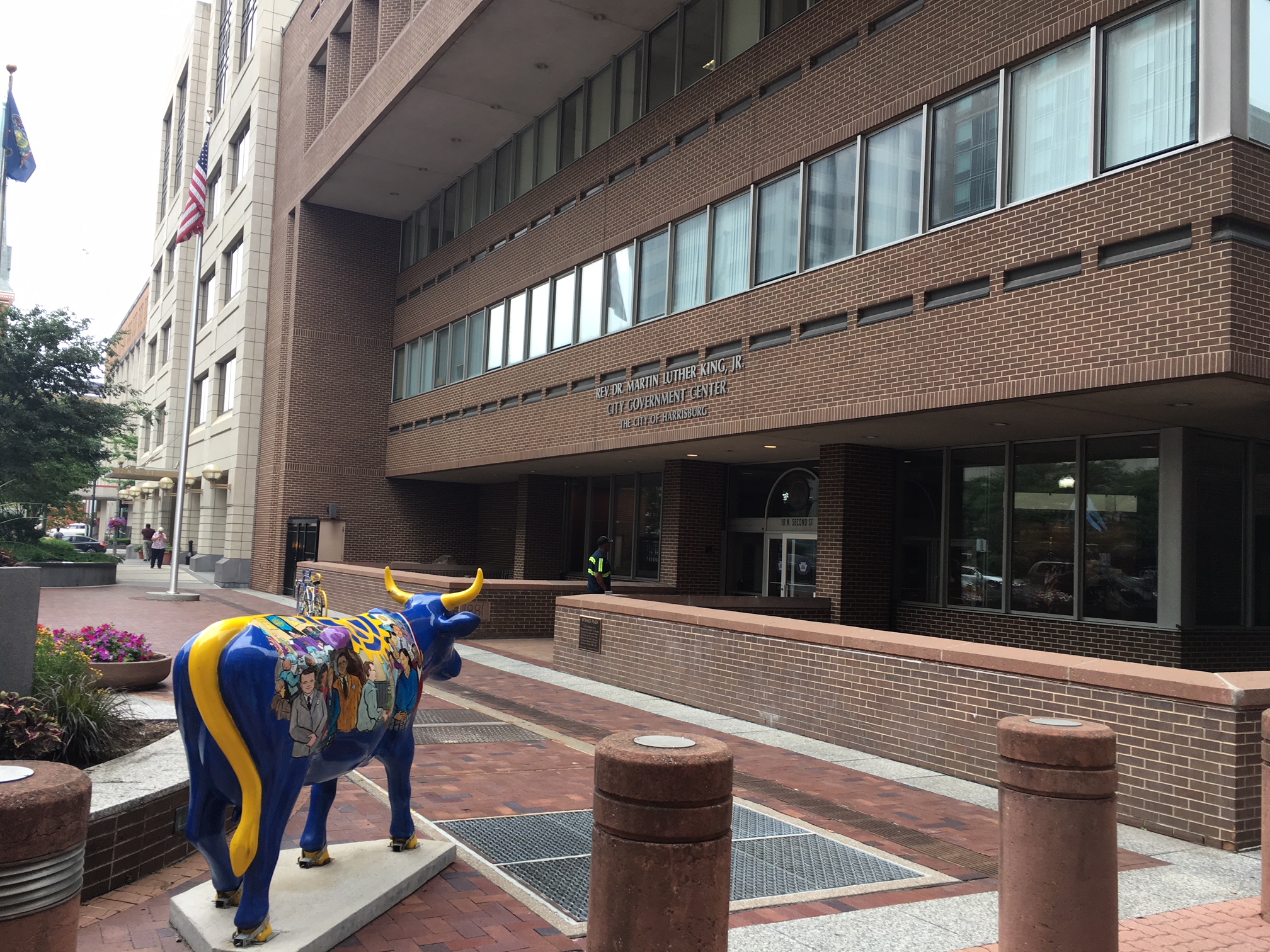
The Harrisburg MLK City Government Center

Essential workers during the COVID-19 pandemic will receive a big “thank you” from Harrisburg in the form of $2,500.

On Tuesday, City Council unanimously approved a budget reallocation which included about $800,000 from the city’s 2020 budget going towards this one-time “COVID-19 bonus.”

“We have hundreds of employees at the city across multiple unions and even in management that have come to work every day and had no option for telecommuting or adjusted schedules,” Mayor Eric Papenfuse said. “We feel it’s appropriate […] to show our appreciation for them.”

The bonus will go to any city employee who worked each day without being able to work from home or adjust hours, Papenfuse said.

He said that many American Federation of State, County & Municipal Employees (AFSCME) union members qualify. All Fraternal Order of Police (FOP) and International Association of Firefighters (IAFF) union members will receive the bonus, as will a few management-level positions.

All eligible employees in Harrisburg will receive the same bonus, Papenfuse said.

“Thank you to all of those that were working on the front lines,” council member Danielle Bowers said. “I support this bonus.”

To watch past Harrisburg City Council meetings, visit the city’s YouTube channel.

Support quality local journalism! Become a Friend of TheBurg today!


Continue Reading

Mayor’s proposal to hire Martin-Roberts struck down by Harrisburg City Council

A screen shot of City Council’s virtual legislative session on Tuesday.

Council voted against entering into a contract with a former City Council president on Tuesday, with some members charging that the position was a campaign move by Mayor Eric Papenfuse.

The resolution was introduced at last week’s work session, when Papenfuse said he wanted to hire Gloria Martin-Roberts to facilitate communications between the administration and council, the Dauphin County commissioners and the public.

Several Harrisburg officials, including Police Commissioner Thomas Carter, joined Tuesday’s legislative session to express support for Martin-Roberts. But that was not enough to get council on board. Many members did not hold back in expressing their concerns with the resolution.

“This is something that members of council have all asked for and have been constantly told that this is something that wasn’t needed at the time,” council member Westburn Majors said. “It is very convenient, in my opinion, that this is something that is coming at this current time.”

Other council members brought up a similar issue with the timing of the position beginning just months before the 2021 mayoral campaign. Papenfuse is widely expected to run for a third term next year.

“Mayor, you should not have to hire a senior management consultant to repair damaged relationships within your own administration, with the Dauphin County Commissioners or with any other local stakeholders,” council member Danielle Bowers said.

Martin-Roberts, who attended the virtual meeting, responded to the concerns by saying that she would have no involvement in the mayoral election.

“I would think that for those of you that know me well, you know I’m honest and I’m ethical,” Martin-Roberts said. “I’m not in here to do anything dirty. The word ‘cronyism’ was mentioned; I take offense to that.”

However, her efforts to persuade council ultimately failed when members voted against the resolution 4-2, with Council President Wanda Williams and council member Dave Madsen voting in favor. (Council member Ben Allatt was not present.)

To watch past City Council meetings, visit Harrisburg’s YouTube channel.  


Continue Reading

The Week that Was: News and features around Harrisburg

Boneshire Brew Works in opening a tasting room in a downtown Harrisburg storefront that formerly housed Sip@SoMa.


The dog days are here, with people slowing down in the midsummer heat. The news, though, never takes a break, especially in our pandemic times. If you missed any of our coverage this past week, we have our stories listed and linked below.

Boneshire Brew Works is opening a tasting room in the SoMa neighborhood in the location that had housed Sip@SoMa. Our online story details Boneshire’s plan for the space.

Brew Barons Beer Trail was launched by Visit Hershey & Harrisburg last week. Read our exclusive online story to find out more about the mobile app that allows trail-hoppers to check-in to some 20 craft breweries.

COVID-19 diagnoses in PA are up again, totaling about 800 new cases per day this past week. Our weekly reporting offers data on how the pandemic is affecting the state and midstate counties.

Danielle Bowers, city councilwoman, shares her suggestions for how to make immediate strides toward racial justice in Harrisburg. Her story is one of five community voices featured in our July issue of the magazine.

Gov. Wolf cracked down on bars and restaurants, imposing new restrictions last week. Our story explains his rationale for why the modifications were made and what the order entails.

Housing sales in the Harrisburg area fell last month, but prices rose. Our reporting includes details on the area’s real estate market trends in June.

Libraries in Dauphin County are almost all open, as two Harrisburg facilities are set to open next week. Kline and McCormick Riverfront libraries will reopen on Tuesday, joining five other open libraries in the system. Read our online story for more information.

Maternal health is the focus of a new report from the Blue Cross Blue Shield Association. Our magazine story tells how the pregnancy rate is down, but the rate of pregnancy and childbirth complications is on the rise.

Reservoir Park greenhouse received a $25,000 grant from the Central Pennsylvania Food Bank. Read our online story about how a team is working to restore the greenhouse for community education and collaboration.

Road changes to a portion of N. 6th Street prompted the city to plan a public meeting for Saturday. Read more about the decision to reduce car lanes and add bicycle lanes and parking spaces to the road.

Sara Bozich has plenty for you to do this weekend. Despite the new restrictions from Gov. Wolf on bars and restaurants, plenty of places are open for food, shopping and fun. Check it out!

Summertime activities in Harrisburg look different this year. Some old favorites remain open, but others have adjusted or closed in the midst of the COVID-19 pandemic. Read more about what to do this season in the city in our magazine story.

Tristan Bond is our July “Artist of the Month.” Our magazine feature offers some background on this fascinating artist, as well as examples of his work.

Do you receive TheBurg Daily, our daily digest of news and events delivered right to your email inbox? If not, subscribe here!

Would you like to support our journalism and get some great benefits to boot? If so, become a Friend of TheBurg!

Continue Reading

Voices of Our Community: Danielle L. Bowers

Danielle L. Bowers

Following the death of George Floyd and the nationwide and local Black Lives Matter protests, we asked several members of our Harrisburg community if they would like to share their personal stories.

At any given moment, while sleeping in the privacy of my own home, like Breonna Taylor, while failing to signal a lane change while driving, like Sandra Bland, or while walking down a Chicago street, like Frankie Ann Perkins, I could become the next hashtag #SayHerName.

Black lives matter ALL WAYS and ALWAYS. Everyone has a critical role to play. We must put our energy behind efforts that will make an immediate impact within the City of Harrisburg. Here are a few ways that will yield immediate results.

Vote. Elect candidates whose values align with your own. Politics are the heart of the local community. Every day, you are impacted by political decisions, decisions related to access to quality healthcare, education, childcare, housing and jobs. Be a part of the solutions to ensure your basic needs are fulfilled. Vote like your life depends on it, because it does.

Complete the Census. Census participation will provide federal funding for public transit, early childhood education, school lunches, senior housing and public safety programs. By completing the census, the City of Harrisburg can receive federal funding for programs supporting our must vulnerable residents—our senior citizens and children over the next decade.

Actively engage in City Council meetings. City Council meetings are held every Tuesday. You have an opportunity to participate in the meeting by offering public comment on a bill or resolution on the meeting agenda. You may also offer public comment on any other matter of interest within the city. Public comments become a part of the formal meeting record. Hold us, your local elected officials accountable.

Progress requires effort. The Black Lives Matter protests are a step toward achieving progress. The protests successfully engaged the youth, the old, Black, Brown and white people to march for a cause greater than themselves. While some are marching in the streets, others are raising their voices to achieve progress by engaging their elected officials through phone calls and e-mails. Know that all efforts are seen and heard.

Many of our non-Black colleagues are interested in continuing to make a difference beyond the protests. Our colleagues have been strong allies, showing up and supporting Black and Brown people. We need accomplices. Accomplices will assist in dismantling the oppressive structures impeding the progress of the Black and Brown marginalized communities without fear of consequences. No progress will be made until those with perceived power will recognize our value in all spaces we occupy. We bring a perspective that must be at every table to truly effectuate change. Be brave, become an accomplice. Break down barriers. Change the board rooms, workplaces; include us wherever decisions are made. Equality should be everyone’s fight.

Black lives matter ALL WAYS and ALWAYS. Every day, Black men and women have an influence on our lives. The traffic light, mailbox, dustpan, clock, almanac and ironing board are just a few inventions that were developed by brilliant Black men and women. Let’s not forget the Black urban planner who surveyed the land off of the Potomac River that would become our nation’s capital, Washington, D.C.

Viola Davis recently shared a post that resonated with me. Viola stated, “A revolution has many lanes—be kind to yourself and to others who are traveling in the same direction.” Our tactics may have us in different lanes, but know we are traveling in the same direction. Let’s improve our city together for future generations to thrive and prosper. Say Her Name, Say Their Names, Black Lives Matter ALL WAYS and ALWAYS.

Danielle Bowers is a member of Harrisburg City Council.

Continue Reading

Harrisburg council members, treasurer sworn in; Williams re-elected council president

Harrisburg City Council held a brief reorganization meeting on Monday.

Three City Council members and the city treasurer were sworn into office on Monday, as Harrisburg kicked off its next two-year legislative term.

At a city hall ceremony, District Justice Sonya McKnight administered the oath of office to returning council members Westburn Majors, Dave Madsen and Danielle Bowers and to Treasurer Dan Miller.

The swearing-in followed brief comments by Mayor Eric Papenfuse, praising each office-holder.

“These individuals, who I know personally, I believe represent the best of Harrisburg,” he said.

The officials, all Democrats, were elected in November to four-year terms following primary victories in May. Majors, Madsen and Miller all were re-elected, while Bowers won her first election following appointment to council.

A council reorganization followed, with members re-electing Wanda Williams as City Council president by a 5-2 vote, with council members Danielle Bowers and Shamaine Daniels voting against the nomination. Councilman Ben Allatt was unanimously re-elected vice president of the seven-member body.

“This is a responsibility I do not take lightly, and I promise to represent this body with the utmost transparency as we move forward,” Williams said.

Following the meeting, Williams said that her priorities for the year included enhancing economic development and ensuring that the city remained financially stable.

“I want to make sure that we remain on the same financial road to recovery,” she said.

The city starts the year with a $120 million budget, after running a budget surplus in 2019 for a seventh straight year. The new budget includes a pay boost for many city police officers and a plan to accelerate some debt payments. It also funds several capital projects during 2020.

The following pictures are from Monday’s swearing in ceremony:

Dan Miller

Danielle Bowers

Dave Madsen

Westburn Majors

Continue Reading

December News Digest

December 2019 News Digest


Harrisburg Approves 2020 Budget

Harrisburg last month passed a 2020 budget that spends more money on police salaries and debt reduction but does not raise taxes.

City Council approved Mayor Eric Papenfuse’s proposed spending plan with no changes.

“I think this is a sign that the government is working well together,” Papenfuse said.

Councilman Ben Allatt, chair of the council’s budget and finance committee, concurred that this year’s budget process was a smooth one.

“We had a lively discussion [during the budget hearings],” he said. “I think there’s general agreement about the budget priorities going forward.”

Council voted 6-1 to approve the budget, with a lone “no” vote by council member Shamaine Daniels.

The proposed 2020 budget, which contains no city property tax increase for a seventh straight year, totals $120 million, which includes a $74.3 million general fund, a $17.5 million neighborhood services fund and a $15.3 million debt service fund.

Papenfuse expects the city to run a 2019 surplus of about $1 million. He has attributed the surplus mostly to earned income and business taxes that exceeded expectations, which indicates a healthy jobs climate in the city.

Harrisburg will use much of that surplus to increase salaries for police officers, with the hope that a pay boost will help the Police Bureau, which has long struggled with retention, keep its young officers.

In fact, City Council last month also approved a new, six-year collective bargaining agreement with the police union to affirm the new pay schedule.

Under the agreement, the entry-level salary for a police officer will remain the same at almost $49,000 a year. However, an officer would be able to move up in pay quickly, so that officers, in year six, would be able to earn as much as $70,000—some $6,000 more than previously.

In all, the city hopes to add 10 to 15 officers to the force, bringing the personnel count to a budgeted 153 officers.

The police union contract didn’t expire for another year. However, the city opened it up early to create the new salary regimen.

“That will hopefully provide an improved retention for our police force,” Allatt said.

The budget also adds four firefighter positions, mostly paid for by reductions in overtime for existing staff. That would bring the Fire Bureau complement in 2020 to 86 total personnel, plus command staff.

Council also approved a resolution that will amend the city’s agreement with its bond insurer, Ambac Assurance Corp.

Under the agreement, the city will prepay $5 million in debt using its substantial reserve funds. With Harrisburg pre-paying, Ambac has agreed to a “multiplier” that would actually reduce city debt by $6.9 million, Papenfuse has said. He also said he would like to refinance existing general obligation debt that extends through 2022 at a lower interest rate.

The budget contained several other notable provisions.

First, the city and the school district have reached an agreement to split the cost of two school resource officers. The district’s SRO program expired in 2009 when funding dried up and was never renewed.

Papenfuse also is proposing renovating the first floor of the MLK City Government Center. Money for that work would come from federal Community Development Block Grant funds.

For 2020, the city is focusing on five capital improvement projects. These include:

  • Beginning the conversion of much of N. 2nd Street to two-way traffic.
  • A roundabout, improved crosswalks and a partially protected cycle track on N. 7th Street.
  • Road and curb improvements to the MulDer Square area.
  • Safety improvements to State Street on Allison Hill, pending cooperation and approval from PennDOT.
  • “East-West connector” project, which consists of improvements to the area around Walnut and Chestnut streets downtown, funded with a state grant.

These debt reduction and capital improvement measures will tap into the city’s budget reserve balance, which now sits at about $24 million, saved up over the last several years. At the end of 2020, the city expects to draw down the reserve to about $15.6 million, Allatt said.


AutoZone, Dispensary Plans Approved

Two contentious building projects are closer to breaking ground after Harrisburg City Council approved their development plans.

Council last month approved the land use plans for both a medical marijuana dispensary on Allison Hill and an AutoZone store in Uptown Harrisburg.

The dispensary generated the most criticism by council members, who passed the building plan by a slim 4-3 margin, with council members Ausha Green, Danielle Bowers and Shamaine Daniels voting against it.

Members who voted in favor stressed that they did so not because they support the dispensary at 137 S. 17th St., but because the building plan itself met all city requirements, which was the issue at stake.

“The project is in compliance with all the city laws and regulations,” said Councilman Dave Madsen.

A company called WH RE LLC plans to build a 3,000-square-foot medical marijuana retail store directly across the street from Hamilton Health Center on what now is an empty lot.

Over a year ago, the state Department of Health awarded a dispensary license to Local Dispensaries, a related company. City Council has no authority over licensing but had to approve the land use plan for the building.

Green said that she voted against the plan to “send a message” that she was unhappy with a process that, she believes, excluded neighborhood residents.

“I would like to see more community input even before the application gets to the state,” she said.

With the approval, WH RE LLC hopes to break ground on the facility in spring and estimates a four-month-long construction process.

Council last month also approved the land development plan for AutoZone, a Memphis-based auto supply chain, to construct a new retail store at the corner of Maclay and N. 7th streets.

Some council members, as well as the city Planning Bureau, had objected to AutoZone’s original proposal for an access point off of N. 7th Street, saying it would create safety issues. AutoZone later agreed to eliminate that driveway, leaving two others—one on Maclay Street and the other on Peffer Street, Madsen said.

Before it can break ground, AutoZone needs to return to council to have several streets vacated on the four-parcel, 1.13-acre site.

AutoZone made its original proposal to locate on the property, now owned by the Vartan Group, about 16 months ago. It plans a $935,280 project consisting of a 6,816-square-foot store and 37 off-street parking spaces.


Development Plan for Bishop McDevitt

A former professional football player from Harrisburg is leading an ambitious effort to build eco-friendly, mixed-used developments in Harrisburg and beyond, with sights first set on the former Bishop McDevitt High School.

Former NFL lineman Garry Gilliam, a Harrisburg native, is heading up a four-person development team comprised of long-time friends who all attended the Milton Hershey School and Penn State.

“We’re going to build what I believe will help a lot of inner city people who don’t have the means or the resources or the education to do something like this for themselves,” said Gilliam, CEO of the company called The Bridge.

Gilliam spent five years in the NFL playing for the Seattle Seahawks and the San Francisco 49ers, which released him earlier this year.

Gilliam’s concept for The Bridge is wide-ranging. In sum, he wants to take existing, aging urban structures, such as obsolete school buildings, and repurpose them for sustainable, 21st-century needs.

For instance, The Bridge first will create co-working, maker and event spaces within the former Bishop McDevitt, which is located at 2200 Market St. in Harrisburg. Gilliam said that he expects those projects to open in 2020.

Other elements of the proposed “Eco Village” project include sustainable, zero-energy housing, commercial areas and indoor urban agriculture. These pieces, which require more planning and engineering, are planned for future build-outs, Gilliam said.

The Bridge is leasing the Bishop McDevitt site from its owner, William Penn Holdings, which bought the sprawling, 115,000-square-foot building last March from the Catholic Diocese of Harrisburg. The building has been empty since 2013, when the diocese moved the school to a new campus in Lower Paxton Township.

Gilliam said that he also has a proposal before the Harrisburg school district to purchase the former William Penn High School, which includes 25 acres of property near Italian Lake.

He said that, over the years, he had thought up the various elements that he combined together for the overarching concept of The Bridge. Then, last year, he discussed the concept with his friend, Corey Dupree, who came on board as chief operations officer.

The pair then brought on two other friends: Dezwaan Dubois, who now serves as chief information officer, and Rob DeJarnett, who is now is chief financial officer. All attended Milton Hershey and Penn State together.

Gilliam said his funding comes from himself and other investors, mostly other “athletes and entertainers.”

The Bridge plans to engage the community before embarking on its plans, said Dupree.

“Having the community input for everything will be very important,” he said.

This is the second time this year that professional football players from Harrisburg have announced plans to develop in the city.

Over the summer, brothers LeSean and LeRon McCoy bought the former Curtis Funeral Home at the corner of N. 6th and Boas streets and are renovating it into three market-rate apartments, with retail space on the first floor. The McCoy brothers have ambitious plans to build dozens of apartments on that block of N. 6th Street and the adjoining 400-block of Herr Street.

The Bridge also has very ambitious plans. After starting in Harrisburg, the partners hope to expand to other cities. On its website, The Bridge lists such cities as Atlanta, Philadelphia, Pittsburgh, Houston and Seattle as “pending areas.”


Renovations for Midtown Cinema

Harrisburg’s Midtown Cinema soon will embark on a major renovation that will make over the building’s façade, along with substantial changes to the interior.

Cinema owner Lift Development is expected to begin work in February following the theater’s annual Academy Awards celebration, with the project wrapping up in time for the Harrisburg Jewish Film Festival in May, said Stuart Landon, the cinema’s director of community engagement.

“Our owners are looking to see what ‘s next for us,” Landon said. “Six years ago, Lift made a big investment in the theater, moving us over to digital and improving the movie-going experience. This is the next step for us.”

The changes will feature a sleek, modern exterior look designed by Midtown resident Rich Gribble, an architect with Camp Hill-based ByDesign Consultants.

The façade will feature a mostly glass exterior topped by a new marquee and new fiber cement board panels. On the east side, a wood-and-metal trellis will extend the building’s footprint, with picnic tables underneath for outside seating.

The design, Landon said, gives a nod to the look of old-time movie film.

“It’s very subtle, nothing too heavy-handed,” he said.

Inside, the lobby and concession areas will be reimagined, improving the flow for patrons, and the three theaters will get new soundproofing and possibly new seating, said Landon. The restrooms may also be renovated, he said.

“It’ll be very different, but still warm, with the same feeling that people love now,” he said.

Midtown Cinema’s building dates back to 1940, when it debuted as the Acme Self-Service Market, one of the Harrisburg area’s first supermarkets. It replaced the Reily School building on the site at Reily and Susquehanna streets. The cinema opened in the building in 2001.

Landon said that the cinema will remain operating during the renovations, but with an “adjusted schedule,” since construction work may affect theater use and screening times.

“We’re really excited about this,” Landon said. “The building will better reflect the organization we are and what we want to be.”


New School Superintendent

The Harrisburg school district is making a change in its top leadership, as the acting superintendent is stepping down.

Dr. John George announced last month that he will leave his post on Jan. 1, replaced as acting superintendent by Chris Celmer, formerly the assistant acting superintendent.

“[Celmer] has been here, on site everyday,” said George, who will continue to act as an advisor to the district. “He has, for all practical purposes, already been serving as superintendent and I, more or less, have been serving as an advisor.”

The district receiver, Dr. Janet Samuels, affirmed that she approved Celmer’s promotion.

Celmer and George have worked together for about a decade, first at the Berks County Intermediate Unit and then at the Reading school district. George brought Celmer to Harrisburg as his second-in-command under Samuels, who was appointed school district receiver in June.

George said that he planned to serve full-time in his current post as executive director of the Montgomery County Intermediate Unit until September, when he would retire from that job to lead the Pennsylvania Association of Intermediate Units.

George and Celmer both said that they’ve worked to stabilize the district’s finances, hire competent personnel, instill a solid governing structure and make academic reforms since they arrived in late June. Going forward, the district will focus particularly on academic achievement, they said.

“I’m excited about the opportunity, and I’m very confident that we’ll continue to make great strides in the Harrisburg school district,” Celmer said.

In his final public statement, George again took swipes at two entities that he’s criticized in the recent past: the former leadership of the district, which he described as having a “perverse self-interest,” and PA House Speaker Mike Turzai, who has proposed legislation to give Harrisburg students vouchers to attend private schools.

“Harrisburg school district will be devastated for generations if Speaker Turzai’s ill-conceived voucher bill becomes law,” George said. “On the other hand, with proper governance and leadership, and the support and patience of elected officials, community members, parents and faculty, I foresee much better days ahead for the Harrisburg school district.”


Home Sales Down, Prices Up

Home prices rose overall but lower inventory depressed sales activity in the Harrisburg area in November.

The Greater Harrisburg Association of Realtors (GHAR) stated that the median price of a home rose 3.4 percent last month compared to November 2018. Sales volume, though, fell 4.9 percent as listing inventory dropped 15.5 percent.

In Dauphin County, the median sales price of a house increased to $165,000 from $156,000 in the year-ago period and sales also increased, totaling 271 units versus 259 the prior November.

Cumberland County last month saw sales drop to 235 units from 277 in November 2018, and the median sales price fell to $197,000 from $205,000 a year ago, GHAR said. In Perry County, sales inched up to 33 units versus 31 in November 2018, and the median price was $188,000, a decrease of $1,000.

In its press release, GHAR stated that, “the number of sales was restrained by the lack of inventory.”


So Noted

FLTBYS LLC has purchased a long-time restaurant building across the street from Midtown Cinema, with plans to turn it into a skate shop and recording studio. New York-based recording artist KOTA the Friend is behind the new concept for the building at 263 Reily St., Harrisburg.

Harrisburg will provide waste and recycling collection for Steelton through June 2024 under a new agreement that both municipalities approved last month. Harrisburg’s Public Works Department began providing sanitation services for the neighboring borough last July after Steelton did not renew its contract with the private hauler, Republic Services.

Janeen M. Latin was named last month as the new president/CEO of UCP Central PA, which provides programs and services for people with disabilities and special needs. Latin has been with the organization for nearly 25 years, most recently as COO. She replaces Judith McCowan, who resigned the post in early December.

LettUsKnow is slated to open early this month in the ground-floor retail space at the Bogg on Cranberry in downtown Harrisburg. This will be the second location for the York-based soup, salad and sandwich company, which specializes in healthier eating options.


Changing Hands

Bartine St., 923: St. Webb to Wyco Investments LLC, $80,000

Bellevue Rd., 2028: K. Feucht to D. Bencosme, $51,000

Berryhill St., 2032: B. Clemente to D. Mann, $40,000

Boas St., 255 & 1831 Park St.: A. & A. McBarnett to Three Bridges Holdings LLC, $156,000

Boas St., 1947: W. & F. Thompson to T. Smith, $74,500

Brookwood St., 1929: C. Frank Properties to Inoma Properties East Shore LLC, $44,729

Catherine St., 1525: W. & P. Hinnant to D. McKeon, $54,900

Chestnut St., 1810: J. Phillips & B. Rice to CR Property Group LLC, $33,600

Division St., 503: D. Grossman to M. Grossman, $88,000

Fulton St., 1629: W. Snader to A. Drake, $124,000

Graham St., 500: K. Mussomeli to R. Goad, $129,900

Holly St., 1840: Capital Properties LLC to G. Brown, $39,900

Holly St., 1915: E. & C. Smith to A. Ramsey, $70,000

Jefferson St., 2355: R. & P. Porter to Da Xing Cheng Inc., $32,900

Jefferson St., 2613: Wilmington Trust NA Trustee to R. Garced, $45,000

Kensington St., 2314: W. Sieruk to J. Regalado, $40,000

Kensington St., 2435: BSR Rental Trust to A. & M. Padua, $64,000

Kensington St., 2335: End Properties to J. Collier, $54,000

Lexington St., 2735: R. Guzman & J. Castillo to Invicta Investments LLC, $55,000

Market St., 2015: L. Baer to T. Evans, $300,000

N. 2nd St., 1319: A Black to S. Musser, $116,000

N. 2nd St., 1327 & 1329: St. Kermes to E. Telfer, $127,000

N. 2nd St., 2001: J. Benson & F. Felbaum to Capozzi & Ehring Realty LLC, $155,000

N. 2nd St., 2243: CPenn Properties Old Uptown to D. Olmsted, $160,000

N. 2nd St., 2245: CPenn Properties Old Uptown to D. Olmsted, $173,900

N. 2nd St., 3016: D. Marcheski & L. Boykin to P. Bernd, $190,000

N. 3rd St., 1618: J. King Jr. to B. Kurama & J. Jobarteh, $98,000

N. 5th St., 2455: Integrity Investors LLC to J. & J. Jones, $44,000

N. 5th St., 3131: PA Deals LLC & PDL Properties LLC to Wylie & Wylie Enterprise LLC, $72,900

N. 6th St., 2013: Condor Ventures to L. Christopher, $58,500

N. 16th St., 1300: B. Potter to R. Grullon, $66,000

N. 17th St., 77: J. Menjivar to A. & C. Munoz, $50,000

N. Front St., 1525, Unit 606: J. & A. Scarnati to K. & S. Kramer, $112,000

N. Front St., 1525, Unit 607: J. Rensch to M. & D. Mahoney, $114,000

N. Front St., 2837, Unit 301: D. Soybell & S. Kelleher to M. Mull, $258,000

N. Front St., 2837: Unit 302: D. Soybell & S. Kelleher to S. MacDonald & M. Warner, $130,000

Penn St., 1610: L. Long to K. Bueti, $165,275

Penn St., 1826: S. Jenakavich to A. Virant, $147,250

Penn St., 2218: G. Neff to B. Henderson, $50,900

Reily St., 263: Cool2Zap Properties LLC to FLTBYS LLC, $194,500

Rudy Rd., 2460: N. Kim to DPM Development LLC, $57,000

Rumson Dr., 2828: A. Ott to C. Hinman, $76,000

Schuylkill St., 636: R. & T. Speece to Breaking the Chainz Inc., $33,000

S. 19th St., 16: F. & E. Badman to J. Monegro & Residential Mortgage Services, $50,000

S. 24th St., 704: Valley Real Estate Holdings LLC to C. Allen, $33,000

S. 27th St., 802: H. Earhart to J. & P. Calla, $41,500

S. Cameron St., 400: Brittany Capital to Yellowstone Investment Partners LLC, $760,000

State St., 1302: A. Chambers Jr. to TKO Rental Properties LLC, $36,000

Swatara St., 1627: J. Rodriguez to T. Pickren, $58,000

Swatara St., 2331: D. & J. Soulier to J. Dennis, $134,900

Wyatt Rd., 308: A. & M. Johnston to K. Peterson, $96,000

Continue Reading

Harrisburg Council approves building plans for dispensary, auto parts store

Rendering of the current vacant lot (left) and the medical marijuana dispensary (right).

Two contentious building projects are closer to breaking ground after their development plans were approved on Tuesday night by Harrisburg City Council.

City Council approved the land use plans for both a medical marijuana dispensary on Allison Hill and an AutoZone store in Uptown Harrisburg.

The dispensary generated the most criticism by council members, who passed the building plan by a slim 4-3 margin, with council members Ausha Green, Danielle Bowers and Shamaine Daniels voting against it.

Members who voted in favor stressed they did so not because they support the dispensary at 137 S. 17th St., but because the building plan itself met all city requirements, which was the issue at stake.

“The project is in compliance with all the city laws and regulations,” said Councilman Dave Madsen.

A company called WH RE LLC plans to build a 3,000-square-foot medical marijuana retail store directly across the street from Hamilton Health Center on what now is an empty lot.

About a year ago, the state Department of Health awarded a dispensary license to Local Dispensaries, a related company. City Council has no authority over licensing but had to approve the land use plan for the building.

Following the meeting, Green said that she voted against the plan to “send a message” that she was unhappy with a process that, she said, didn’t include neighborhood residents or take their concerns into account.

“I would like to see more community input even before the application gets to the state,” she said.

With the approval, WH RE LLC hopes to break ground on the facility in spring and estimates a four-month-long construction process, opening next autumn.

“I’m hoping the company will be good neighbors to the residents in the Allison Hill area,” said Bowers.

On Tuesday, council also approved the land development plan for AutoZone, a Memphis-based auto parts chain, to construct a new retail store at the corner of Maclay and N. 7th streets.

Some council members, as well as the city Planning Bureau, had objected to AutoZone’s original proposal for an access point off of N. 7th Street, saying it would create safety issues.

Since a hearing on the project two weeks ago, AutoZone had agreed to eliminate that driveway, leaving two others—one off of Maclay Street and the other from Peffer Street, Madsen said.

“We had multiple discussions regarding this resolution with the applicant,” he said.

Before it can break ground, AutoZone needs to return to council to have several streets vacated on the four-parcel, 1.13-acre site.

AutoZone made its original proposal to locate on the property, now owned by the Vartan Group, about 16 months ago. It is proposing a $935,280 project consisting of a 6,816-square-foot store and 37 off-street parking spaces.

Continue Reading

November News Digest

School Budget Revised

The Harrisburg school district issued a substantial budget revision last month, stating that the previous administration mismanaged the district’s finances and drastically overstated revenue.

According to Acting Superintendent John George, the district’s 2019-20 budget has been revised downward to $152.1 million, nearly $6.7 million less than the approved budget, which was finalized in June.

The new budget yields a $2.6 million shortfall for the year.

“The amount of errors and mismanagement we have uncovered is egregious and truly unfair to the students, staff and taxpayers of this school district,” George said, in a statement.

Much of the shortfall—$5.1 million—is due to the prior administration overestimating state revenue that would be received, according to the district.

Soon after receivership began in June, the district’s new administrative team began to piece together the district’s finances. At the time George, appointed to his post by Receiver Janet Samuels, told TheBurg that the district’s finances were fragmented and in disarray.

The findings are the result of four months of “painstakingly pouring through Harrisburg’s financial records and systems,” according to the district.

Other results include a $1.9 million underestimation of tuition payments to charter schools and payments to “ineligible employees.”

The district also lost $2.8 million over the past two years in federal School Improvement Grant funding at John Harris High School, a program designed to help failing students get back on track. The district didn’t properly administer the program and didn’t provide documentation to the government of how funds were spent, according to a school district statement.

George stated that the district is implementing “a number of financial strategies” to save money for the remainder of the school year. These include:

  • refinancing debt with lower-interest loans
  • reviewing medical benefits contracts
  • recommitting to the sale of dormant assets, such as William Penn High School and Woodward Elementary
  • pursuing new grants and other non-traditional revenue sources
  • lowering charter school costs

“Truly, every financial aspect of this school district will continue to be analyzed,” George said.

He said that the district already has begun to put in place procedures and training to improve business practices, approval processes and other financial checks.

The district has also established a fraud reporting hotline. Tipsters should call 717-703-4135 or email [email protected].


Election Yields Few Surprises

Harrisburg voters completed the replacement of the school board last month and returned three incumbents to City Council in a general election that held few surprises for city voters.

With no Republicans running, the Democratic nominees claimed all five school board seats with only nominal opposition. Douglas Thompson Leader, Gerald Welch, James Thompson, Jayne Buchwach and Steve Williams all will serve four-year terms on the board.

This month, the five victors will be sworn in as new school board directors. However, their ability to make policy will be limited due to the appointment in June of Dr. Janet Samuels as the district’s receiver.

Under the receivership, the elected school board has been stripped of power except for the ability to levy taxes. Since her appointment, Samuels has run the district largely by decree.

For City Council, Democratic incumbents Westburn Majors, Dave Madsen and Danielle Bowers all will return for four-year terms after facing no Republican opposition in the general election. Majors and Madsen were re-elected, while Bowers won her first competitive seat after appointment last year to fill an opening on council. Incumbent Treasurer Dan Miller, running unopposed, was re-elected to his position.

Races in Dauphin County were more competitive.

Voters returned all three incumbent commissioners to office, but the race was close for much of the evening. In the end, Republicans Jeff Haste (28,080 votes) and Mike Pries (26,560 votes) and Democrat George Hartwick (25,928 votes) each were re-elected to four-year terms. Democratic challenger Diane Bowman came in fourth place with 22,026 votes.

As usual, Republican incumbents won all the row offices in Dauphin County, but several races proved to be competitive.

For clerk of courts, incumbent Dale Klein defeated challenger Brad Koplinski by a tally of 27,147 to 24,326.

For register of wills, Jean Marfizo King topped Democratic challenger Bridget Whitley by a margin of 27,725 to 23,733.

In the recorder of deeds race, Republican incumbent Jim Zugay won another term, defeating Democrat Cole Goodman by a vote of 27,869 to 23,506.

For county treasurer, incumbent Janis Creason prevailed over Democratic challenger Tim Butler by a 27,947 to 23,392 margin.

Several Republican incumbents ran unopposed and will return to office. These include District Attorney Fran Chardo, Sheriff Nick Chimienti and Controller Timothy DeFoor.


City Considers Zoning Changes

Harrisburg is revisiting an ordinance that would allow greater housing density in residentially zoned areas, the latest move by the administration to spur development in the city.

Last month, Harrisburg City Council introduced an ordinance that would remove density restrictions for the city’s two main residential zones—dubbed “residential low-density” and “residential medium-density.” These two zones cover most of the city’s residential neighborhoods.

According to Mayor Eric Papenfuse, this change would make city neighborhoods more attractive to developers and offer a greater variety of housing to residents at a range of price points.

“We need more units of housing developed,” he said. “We don’t currently have a climate in which that is easy to do.”

Under existing law, the low-density residential zone allows four to eight dwelling units per acre, while the medium-density residential zone permits eight to 20 dwelling units per acre. This ordinance would remove those density restrictions.

The proposal also would repeal the current requirement in another zoning district, the “commercial neighborhood” zone, which mandates a minimum of 1,200 square feet per dwelling unit.

The city’s Planning Commission, by a 5-1 vote, recommended against this proposal, citing possible adverse consequences by removing density restrictions, as well as concerns over parking.

This is actually the second time that the administration has proposed the zoning change. Last year, council also introduced the ordinance, but ended up not voting on it.


Business Parking Program Proposed

Which comes first: the parking chicken or the parking egg?

Harrisburg City Council and the administration recently debated this question as they discussed whether to establish a business parking permit program in the city.

The idea would be similar to the current program for residential parking permits, said Richard Kotz, the city’s parking administrator. For a fee, city businesses could purchase annual permits for street parking in designated zones, which would be outside of residential parking zones and outside of any metered area controlled by Park Harrisburg/SP+.

The proposal is meant to be an economic development driver for the city, Kotz said. It might also reduce the need for surface parking lots for businesses, while raising some money for the city, he said.

“These districts would provide another economic tool that would attract new businesses into the city as well as retain existing ones that may be expanding,” Kotz said.

Almost immediately, council members pushed back on the proposal. They asked for greater detail, such as how many districts the administration would propose and where it would locate them.

Mayor Eric Papenfuse said that the first step would be to establish the program, setting up its general structure. Specifics, such as where they districts would be established, would come after and would be subject to approval by council, just like residential districts currently are.

“Whatever proposals we have would come before council,” he said. “There would be a process where they would be vetted and discussed. This is merely allowing us to establish a business parking permit concept similar as what we have with the residential parking now.”

City Solicitor Neil Grover explained that Harrisburg’s residential parking zones have been established incrementally, over a series of many years.

“First, you create a program,” he said. “We’re really at a threshold question of should the city have a business parking permit program. It’s a long-term process.”

Several council members kept pressing the administration for additional detail. Council President Wanda Williams seemed skeptical that the administration didn’t have certain areas or businesses in mind.

“You must have an idea where you want to put particular districts,” she said. “I’m asking you: Where is that information?”

Council member Ben Allatt voiced concern that business districts could encroach on residential areas, creating more difficult parking for residents. He said that he’d like to see a “multi-pronged solution” that addressed both residential and business parking.

“We have multiple issues, and we’re only addressing part of that by this,” he said. “I’d like to see a comprehensive look at how we’re looking at parking also from a residential aspect.”

Papenfuse said that Kotz is “actively working with residents” to improve and change residential parking districts.

“That is going on simultaneously,” he said.

Several council members referred specifically to areas of Midtown, where parking is already difficult due to state workers parking on the street, with the possibility of even tougher parking after completion of the federal courthouse and the new state archives, both on N. 6th Street.

“It’s possible we need a new residential district,” Papenfuse said. “We could expand the existing one.”

Council member Westburn Majors said that he thought that the idea had merit and that the city should consider establishing the program on a trial basis.

“Usually, when you have an idea like this, there’s a pilot of a section or two,” he said. “In my mind, there are one or two areas of the city where an initial pilot like this would work well.”

Williams pushed back repeatedly on the proposal, insisting that she needed more information before casting a vote.

“Obviously, you were sitting around thinking about this,” she said. “Where is the map? Where is the zoning that you’re considering?”


City Plans Sale of Riverside Firehouse

Have you ever wanted to own a fire station—some reassembly required? If so, now’s your chance.

Last month, Harrisburg City Council passed a resolution that the city hopes will result in the eventual sale of the historic Riverside Firehouse, which the close-knit Uptown neighborhood has long used for community events and as a polling station.

The site at 3201-03 N. 4th St. is actually comprised of two parcels. One is owned by the city and the other by Riverside Fire Co. No. 15, one of many inactive volunteer fire companies in Harrisburg.

Technically, the resolution transferred ownership of the city’s parcel to the Harrisburg Redevelopment Authority (HRA). The fire company has agreed to also transfer its ownership to HRA, according to the city.

HRA then is supposed to consolidate the lots and try to sell the property, according to the resolution.

“By doing this, we would allow the Redevelopment Authority to obtain both of these deeds and tie these parcels together so they can be sold for development in the future,” said council member Ausha Green, chair of the public safety committee, before the unanimous vote in favor.

According to Green, Fire Bureau officials supported the resolution, as the building is in need of significant repair. The bureau would like to see the building restored, even if for another, private use, Green said.

Pat Waller, for one, believes the 3,300-square-foot building, built in 1923 and largely empty for decades, would make a great private residence.

“It’s very unique,” said Waller, president of the Riverside United Neighbors community group. “I’m looking forward to when the sales sign goes up.”

As selling points, she pointed to the tin ceilings and historic charm, but added that a buyer would need to undertake a major restoration.

“I’m quite pleased with the effort so far, but the building is in bad shape,” she said. “It needs a lot of work.”


Privatization Halted, Stormwater Fee Approved

Harrisburg is dropping the idea of potentially privatizing its water system, as Capital Region Water (CRW) has agreed to delay the start of a new stormwater fee for six months.

Mayor Eric Papenfuse said that the city would cease any effort to sell the municipal water/sewer system following discussions with, and changes by, CRW to its stormwater fee to implementation schedule and evident progress in finalizing a stormwater plan.

“Privatization is off the table,” he said.

Last month, CRW passed its 2020 rate schedule, which will implement a new stormwater fee, but not until July 1. Originally, CRW had planned to begin the fee on Jan. 1.

The delay, Papenfuse said, will give some property owners “a chance to work through the appeals process” for their stormwater assessments. It also gives CRW more time to get final approval from the federal government for its plan to cut the flow of pollutants into area waterways.

Rate-wise, most of CRW’s residential customers in Harrisburg will begin paying a $6.15 per month stormwater fee beginning on July 1. That amount equates to $74 per year ($37 for 2020). The non-residential rate will fluctuate based on the amount of impervious surface on the commercial properties.

Last month, CRW also approved an increase in its wastewater rate, which will go up 4.5 percent on Jan. 1, from $7.65 in 2019 to $7.99 in 2020 for 1,000 gallons of water.

Similarly, CRW approved a rate increase for the third component of its service—drinking water. For 2020, drinking water rates will increase by 2 percent from $9.65 to $9.84 per 1,000 gallons, plus a 2 percent increase in the “ready to serve” charge.


Sinkhole Street Becomes Park

Five years ago, a sinkhole began to swallow up the 1400-block of S. 14th Street in Harrisburg. Last month, the once-residential area began a new era as a community green space.

City, state and federal officials—and some former residents—gathered at the South 14th Street Open Space, a new, 2.4-acre city park, which, until recently, was occupied by rows of small, 1950s-era houses and a street.

“I just never saw so much open space over here,” said former S. 14th Street resident Rhonda Scott, who had lived in the neighborhood for 28 years. “It’s bittersweet; everybody was over here for a long time.”

In 2014, the disaster affected 53 homes, throwing some residents out of their houses and endangering others.

Roads, sidewalks and yards were damaged as well, making it a problem the city needed to solve. At the time, Harrisburg, just out of receivership, was in no financial condition to be tackling an issue this big, Mayor Eric Papenfuse said.

However, at the urging of state and local officials, the Federal Emergency Management Agency (FEMA) funded much of the sinkhole mitigation project, supplying the city with $1.65 million for it. Never before had FEMA approved a sinkhole project.

“This project changed national policy,” said Steve Ward, a FEMA federal coordinating officer who attended the ceremony.

An additional $4.55 million came from HUD’s Department of Community and Economic Development and Dauphin County’s Community Development Block Grant.

Using these funds, the city was able to buy all of the 53 affected units for their assessed market values. Residents were assisted in finding and purchasing new housing elsewhere. After a tedious, multi-year process, the buildings were demolished last April.

The site was excavated 10 feet deep, backfilled and re-graded to help prevent future sinkholes caused by excessive rainfall, as copious rain from Tropical Storm Lee in 2011, passing through the porous ground in the area, likely caused the initial sinkhole outbreak. The area was zoned as a green space, meaning no future construction can occur there.

“This site will allow folks to reflect on local memories,” said Tom Hughes, state hazard mitigation officer for the Pennsylvania Emergency Management Agency (PEMA).

The new park includes a walking path, benches and newly planted trees. A permanent plaque will be installed to serve as a memorial to the neighborhood that once stood there.

Some neighbors do have concerns about how well the park will be taken care of.

“We know the community really appreciates it and because they appreciate it, they are going to treat it well,” said Rev. Roberta Thompson, associate pastor at Mount Olive Baptist Church nearby. “We do have some concerns about how we are going to keep it up.”

Papenfuse assured community members that the city will maintain the green space as it does other parks in the city.

Although devastating to those who lived there, the sinkhole project showed Ward the potential of city, state and national organizations uniting on a job that once seemed impossible.

“This is a perfect example of the community coming together and helping those families,” he said.


Area Home Sales Strong

Inventory dropped and prices rose in the latest monthly accounting of Harrisburg-area home sales.

The Greater Harrisburg Association of Realtors (GHAR) reported last month that, for October, home sales increased by 8.5 percent while the median sales price jumped by 8.1 percent for its three-county region, compared to the year-ago period.

For the area, listing inventory dropped by 10 percent, while the median cumulative days on the market also fell, according to GHAR.

In Dauphin County, sales totaled 302 units, up from 288, while the median price was $171,500, compared to $160,000 last October. Sales in Cumberland County also rose, totaling 324 units versus 290, with the median price increasing to $218,950 from $206,000, according to GHAR.

In Perry County, 37 units sold versus 33 a year ago, while the median price rose to $179,900 compared to $172,500 in October 2018.

As it has in recent months, GHAR primarily credited lower interest rates for the stronger home sales market. In October 2018, the average interest rate for a 30-year, fixed-rate mortgage was 4.86 percent. In October 2018, the average was 3.78 percent, according to the economic research company Macrotrends.


So Noted

Doug Hill last month was appointed as a member of the Intergovernmental Cooperation Authority (ICA), the state-appointed body created to oversee Harrisburg’s five-year financial recovery plan. Hill replaces fellow city resident David Schankweiler, who left the ICA in September.

HACC will end its longstanding “Live at Rose Lehrman” performing arts series with the conclusion of the current season in March, it was announced last month. HACC stated that it could no longer offset the cost of the 35-year-old series, which brought many world-class acts to the college’s Harrisburg campus.

HACC Foundation, a nonprofit educational trust, last month named Robert J. Emrich Jr. to its board of directors. Emrich is president and CEO of Riskcop Advisory LLC and CEO of Gerson Lehrman Group.

Harris Family Brewing last month received a zoning variance to open a brewery at 1721 Holly St. in Harrisburg. The owners, Shaun Harris, JT Thomas and Tim White, expect to open next year, becoming one of the first black-owned craft breweries in Pennsylvania. The owners needed a variance to open the brewery in an area of Allison Hill not zoned for the industrial use. The site will produce beer only for wholesale as the owners continue a search for a retail taproom.

Jason Meckes has been named experience development director by Visit Hershey & Harrisburg. In this role, he will work to develop new products and experiences that enhance the visitor experience and attract new audiences to the area, according to the organization. Meckes previously served as the executive director of the Harrisburg Area Riverboat Society.

Lawrance Binda, co-founder, co-owner and editor-in-chief of TheBurg, has been named to the board of directors of the Pennsylvania NewsMedia Association, the principal trade association for news organizations in the commonwealth. PNA seeks to advance the interests of Pennsylvania news media companies and protect the free and independent press, among other goals.

Seven Bridges Development has withdrawn its application to change the zoning for a swath of Midtown Harrisburg. The company now says it will engage in greater community outreach before submitting a more detailed development proposal next year. Seven Bridges wants to develop empty lots in the Marketplace neighborhood now owned by the Harrisburg Redevelopment Authority, but has received some resistance from residents wanting more information on the company’s proposed projects.

Soul Burrito opened a standalone restaurant last month at 314 S. Progress Ave., Harrisburg, offering their unique take on the Mexican staple. Over a decade, the husband-and-wife team has built a following through several previous locations and their popular food truck. For more information, visit www.soulburrito.com.

TheBurg and Jeff Woodruff are the two recipients of the 2020 “Award for Distinguished Service to the Arts in the Capital Region.” TheBurg was recognized for its support, promotion and furtherance of the arts in central PA and Woodruff for his long service as executive director of the Harrisburg Symphony Orchestra. Theatre Harrisburg has given out the “Arts Award” each year since 1989, recognizing one organization/company and one individual annually for their contributions to the arts.


Changing Hands

Apricot St., 1713, 51 Balm St., 2012 Chestnut St., 2406 N. 4th St., 2334 N. 4th St., 1813 Susquehanna St. & 1522 Vernon St.: 1713 Apricot St LLC, SMKP Properties & 2012 Chestnut St. LLC to Three Bridges Holdings LLC, $328,000

Bellevue Rd., 2304: C. Marshall to K. Hurst & C. Reinhold, $314,900

Berryhill St., 2112: B. & B. Lambeth to C. Ankeny, $57,000

Berryhill St., 2146: J. McLaughlin & C. & A. Paveglio to J. Elias Holdings, $32,500

Berryhill St., 2314: R. Dorer to A. & J. Budzinski, $34,498

Boas St., 262: J. & S. Sempeles to A. Ulinfun, $165,000

Boas St., 302: M. Cantwell to R. Lowthert, $159,900

Briggs St., 1509: E. Nugroho & J. Juniana to C. Davis, $155,000

Briggs St., 2028: J. & D. Gravely to AUM Investments LP, $33,000

Calder St., 258: J. Destalo to J. Walters, $167,000

Chestnut St., 1722: J. Alverez to Recycle Bicycle Harrisburg Inc., $65,000

Crescent St., 321: D. & R. McLean to HBK Properties 1 LLC, $42,900

Cumberland St., 258: Z. Blackwell to S. Wood, $162,000

Delaware St., 268: WCI Partners to F. Hamid, $116,000

Derry St., 2457: PA Deals LLC to Two Three Two Investments LLC, $72,900

Dunkle St., 538: W. Birtle to E. Satterwaite, $57,900

Forster St., 1928: Dobson Family Partnership to M. Bair, $50,000

Grand St., 913: A. Harris to E. Dowlin, $90,000

Green St., 1116: J. & B. Rhen to B. Edwards, $205,000

Green St., 1522: G. Jordan to S. & C. Fox, $162,500

Green St., 1619: M. & L. Stednitz to G. Hoffner, $159,900

Green St., 2340: J. Clmens to S. & J. Ojageer, $214,900

Hale Ave., 418: M. Goodson to I. Yolov, $52,000

Hamilton St., 501½: Z. Yap to 88314 LLC, $40,000

Harris Terr., 2461: R. Dressler & E. Knuth to M. Collins, $64,500

Herr St., 1714: SL Realty to Y. Monegro & R. Sanchez, $32,000

Hummel St., 247: A. Jackson & M. Wade to Tri County HDC Ltd., $40,000

Jefferson St., 2512: G. & D. Ebeling to M. Wright, $35,000

Jefferson St., 2975 & 2980: Mitchell LLC to Arko Properties LLC, $725,000

Kelker St., 622: End Properties to C. Moon, $56,000

Kensington St., 2352: V. Nguyen to H. Akhtar, $60,000

Kensington St., 2367: D. Le & V. Tran to P. Webb, $58,000

Kensington St., 2410: J. Lara to DPM Development LLC, $65,000

Maclay St., 416: S. Van Brakle to K. Patterson, $88,900

Market St., 1916: J. Alvarado to E. Chisholm, $120,000

Mercer St., 2422: GCD Properties to Dowling Management Co. LLC, $53,900

Muench St., 232: WCI Partners LP to K. Boyce, $122,500

North St., 1932: J. Ward to Y. Abraham, $39,000

North St., 1938: M. Dunleavy to S. Smith & R. Walters, $32,000

N. 2nd St., 1107: JS Investments Inc. to Inoma Properties East Shore LLC, $178,000

N. 2nd St., 2405: M. & R. Lindquist to M. Kenworthy, $244,900

N. 2nd St., 2406: V. Jenkins to KMM Development LLC, $58,000

N. 2nd St., 2426: Pennsylvania Federation of Sportsmen’s Clubs to Pennsylvania DUI Association Inc., $115,000

N. 2nd St., 2957: D. Nikovits to Ideal Services Group LLC, $138,000

N. 3rd St., 2223: B. & L. Straub to D. Toro & S. Ortega, $179,900

N. 4th St., 2143: R. Joline to A. Nebbou, $35,000

N. 4th St., 3214: J. Stipe & T. Diaz to S. Roman, $99,000

N. 14th St., 1211: C. McKinney to F. Burgos, $58,900

N. 16th St., 1117: C. Irvin to A.. Anderson, $45,000

N. Front St., 1525, Unit 302: J. Jarosky to S. Schu, $227,939

N. Front St., 1525, Unit 306: J. Batz to G. Vanegas, $97,500

N. Front St., 1525, Unit 403: R. & R. Fried to D. Eberly, $130,000

N. Front St., 1525, Unit 507: S. Kolesar to C. Tomlinson, $116,000

Paxton St., 1723: T. Gilbreath to M. Maniari & Z. Roudi, $59,000

Peffer St., 214: M. Magaro, S. Bishop, R. Brabush & L. Van Swol to JPR Properties, $76,000

Penn St., 1503: J. Adams to C. Anderson, $146,500

Penn St., 1618: J. Tran to S. Martin, $134,000

Penn St., 1810: G. Neff & City Limits Realty to J. Rogers, $78,500

Putnam St., 1620: M. Miller Jr. to A. Adams, $55,000

Reel St., 2446: O. Rosado to E. Johnson, $64,900

Rolleston St. 1233: Chooker49 LLC to D&D Legacy LLC, $40,000

S. 13th St., 30: Round Rock Investments LLC to Lynn & Ryan Investment Properties LLC, $80,000

S. 16th St., 1002: T. & S. Golesich to T. Scott, $119,900

S. 19th St., 1141: 1141 South 19th LLC to C. Dennis, $115,000

S. 20th St., 13: I. & G. Hymon to Scholars Inc., $45,000

S. 21st St., 1000: E. & K. Kohl to K. Roach, $544,500

S. 23rd St., 649: A. & T. Campion & J. Oldaker to Two Three Two Investments LLC, $35,000

S. 28th St., 726: P. & L. Brown to L. & S. Cassel, $108,000

State St., 231, Unit 606: LUX 1 LP to P. Ovide, $130,000

Susquehanna St., 1608: P. Klein to M. Fulton, $162,000

Susquehanna St., 1932: J. Gallant to D. & L. Taylor, $106,000

Swatara St., 2136: L. Geter to M. Camones & E. Salvador, $35,000

Waldo St., 2655: Penn Home LLC to Fowler Investments LLC, $36,000

Waldo St., 2707: M. Cook & E. Jones to S. & T. Johnson, $38,000

Woodbine St., 218: M&T Bank to D&F Realty Holdings LP, $44,500

Woodlawn St., 2609: R. Gross to C. Dell, $40,000

Harrisburg property sales for October 2019, greater than $30,000. Source: Dauphin County. Data is assumed to be accurate.


Continue Reading

Harrisburg revisits proposal to allow greater housing density in residential neighborhoods

A residential street in Midtown Harrisburg

Harrisburg is revisiting an ordinance that would allow greater housing density in residentially zoned areas, the latest move by the administration to spur development in the city.

On Tuesday, Harrisburg City Council introduced an ordinance that would remove density restrictions for the city’s two main residential zones—dubbed “residential low-density” and “residential medium-density.” These two zones cover most of the city’s residential neighborhoods.

According to Mayor Eric Papenfuse, this change would make city neighborhoods more attractive to developers and offer a greater variety of housing to residents at a range of price points.

“We need more units of housing developed,” he said. “We don’t currently have a climate in which that is easy to do.”

Under existing law, the low-density residential zone allows four to eight dwelling units per acre, while the medium-density residential zone permits eight to 20 dwelling units per acre. This ordinance would remove those density restrictions.

The proposal also would repeal the current requirement in another zoning district, the “commercial neighborhood” zone, that mandates a minimum of 1,200 square feet per dwelling unit.

Last week, the city’s Planning Commission, by a 5-1 vote, recommended against this proposal, citing possible adverse consequences by removing density restrictions, as well as concerns over parking.

This is actually the second time that the administration has proposed the zoning change. Last year, council also introduced the ordinance, but ended up taking no further action on it.

Papenfuse said that he decided to reintroduce the changes now in light of a “companion” proposal to rezone a swath of Midtown Harrisburg–the Marketplace neighborhood just north of the Broad Street Market.

In that proposal, the Harrisburg Redevelopment Authority hopes to sell dozens of building lots to Harrisburg-based Seven Bridges Development. The builder, however, has stated that it would develop a project only if the 14-block area is rezoned from “residential medium-density” to “commercial neighborhood,” which is better suited for mixed-use projects, according to Seven Bridges.

Papenfuse said that, together, the two proposals offer greater incentive for building on the city’s many empty lots.

“It’s the hope that people would see the effort as not just Midtown, per se, but attracting more housing throughout the city,” he said. “We need this development everywhere in Harrisburg.”

As a next step, council would need to hold a hearing on the ordinance before possibly taking any action on it.

Council also needs to hold a hearing on the amendment to rezone the Marketplace neighborhood. That hearing, originally expected for next week, has now been delayed until December, said council member Danielle Bowers.

Continue Reading

Harrisburg affirms Democrats for school board, council; Republican incumbents again sweep Dauphin County

Campaign signs dot the entryway to Harrisburg city hall, which also served as the new Ward 4 polling station.

Harrisburg voters completed the replacement of the school board on Tuesday and returned three incumbents to City Council in a general election that held few surprises for city voters.

With no Republicans running, the Democratic nominees claimed all five school board seats with only nominal opposition. Douglas Thompson Leader, Gerald Welch, James Thompson, Jayne Buchwach and Steve Williams all will serve four-year terms on the board.

Ralph Rodriguez, who mounted a write-in campaign after coming up short in May’s crowded Democratic primary, failed to take a seat in Tuesday’s general election. All write-in candidates together received just 1 percent of the vote in the school board race.

Next month, the five victors will be sworn in as new school board directors. However, their ability to make policy will be limited due to the appointment in June of Dr. Janet Samuels as the district’s receiver.

Under the receivership, the elected school board has been stripped of power except for the ability to levy taxes. Since her appointment, Samuels has run the district largely by decree.

For City Council, Democratic incumbents Westburn Majors, Dave Madsen and Danielle Bowers all will return for four-year terms after facing no Republican opposition in the general election. Majors and Madsen were re-elected, while Bowers won her first competitive seat after appointment last year to fill an opening on council.

Incumbent Treasurer Dan Miller, running unopposed, was re-elected to his position.

Races in Dauphin County were more competitive.

Voters returned all three incumbent commissioners to office, but the race was close for much of the evening. In the end, Republicans Jeff Haste (28,080 votes) and Mike Pries (26,560 votes) and Democrat George Hartwick (25,928 votes) each were re-elected to four-year terms. Democratic challenger Diane Bowman came in fourth place with 22,026 votes.

As usual, Republican incumbents won all the row offices in Dauphin County, but several races proved to be competitive.

For clerk of courts, incumbent Dale Klein defeated challenger Brad Koplinski by a tally of 27,147 to 24,326.

For register of wills, Jean Marfizo King topped Democratic challenger Bridget Whitley by a margin of 27,725 to 23,733.

In the recorder of deeds race, Republican incumbent Jim Zugay won another term, defeating Democrat Cole Goodman by a vote of 27,869 to 23,506.

For county treasurer, incumbent Janis Creason prevailed over Democratic challenger Tim Butler by a 27,947 to 23,392 margin.

Several Republican incumbents ran unopposed and will return to office. These include District Attorney Fran Chardo, Sheriff Nick Chimienti and Controller Timothy DeFoor.

Continue Reading