Community Corner: Notable Events in October


Business and Industry Night
Oct. 1: West Shore Chamber of Commerce hosts its 65th annual Business and Industry Night, 3 to 7 p.m., at the Radisson Hotel Harrisburg, Camp Hill, showcasing chamber members’ products and services. Enjoy hors d’oeuvres, entertainment, prizes, giveaways and networking. Tickets are $30. Visit wschamber.org for more details.

Wildlife Art Auction
Oct. 3: The Ned Smith Center will host its 22nd Annual Wildlife Art Auction in the Ned Smith Gallery, Millersburg. Registration and silent auction open at 9:30 a.m., with the live auction beginning at 12 p.m., featuring artwork by Pennsylvania artists to raise funds for educational nature and art programs. For more information, visit nedsmithcenter.org.

Little Buffalo Festival
Oct. 3: Enjoy an eclectic lineup of live music on three stages, kids’ arts and crafts, local artwork, poetry readings, workshops, demonstrations, great food and more, at Little Buffalo State Park, Boat Launch Road, Newport, 12 to 6 p.m. Free and open to the public. Visit littlebuffalofestival.com.

Leads Over Lunch
Oct. 6: Mix and mingle with business leaders at this free lunch hosted by Harrisburg Regional Chamber & CREDC. The event takes place at Country Club of Harrisburg, 410 Fishing Creek Valley Rd., Harrisburg, 11:30 a.m. to 1 p.m. For more information, visit harrisburgregionalchamber.org.

Fall Meet Week
Oct. 7-10: High-performance cars are in focus during the Eastern Regional Fall Meet, the annual antique car show and festival in Hershey. View period automobiles, see racecar demonstrations and visit a daily flea market. More information is at aacamuseum.org.

Foreign Film Friday
Oct. 9: Join Fredricksen Library for “Chef,” a film about a chef who quit his job at a prominent Los Angeles restaurant and teams up with his ex-wife, his friend and son to launch a food truck, with showings at 2 and 7 p.m. Rated R; not for children under 17. Visit fredricksenlibrary.org.

Dauphin County History Fair
Oct. 10: Historical societies across Dauphin County will share ideas and resources about local history at Koons Park, 630 Larue St., Linglestown, in cooperation with the Linglestown 250 anniversary celebration, 9 a.m. to 5 p.m. For more information, contact Nicole McMullen at 717-233-3462.

UPNEXT Fest
Oct. 10-17: Central PA’s tech companies and people are in focus during the weeklong UPNEXT Fest. Events take place throughout Harrisburg, including classes, seminars, training and more. There’s also a movie festival, a music festival and numerous social events. For details on all the happenings, visit upnextfest.com.
 
Railway Talk
Oct. 13: Join the National Railway Historical Society at Hoss’s Restaurant, 743 Wertzville Rd., Enola, for an illustrated talk on postal service distribution by Dr. Frank R. Scheer. Meeting and speaker begin at 7 p.m. Meal available as early as 5 p.m. For more information, contact Sloan Auchincloss at 717-238-2131.
 
Chamber Mixer
Oct. 14: Join the Central Pennsylvania Gay and Lesbian Chamber of Commerce for its monthly business networking mixer at Pennsylvania NewsMedia Association, 3899 N. Front St., Harrisburg, 6 to 8 p.m. Visit cpglcc.org for more information.
 
White Cane Safety Day
Oct. 15: Vision Resources of Central Pennsylvania will celebrate White Cane & Guide Dog Safety Day to raise public awareness of these mobility tools for people who are blind or visually impaired. VROCP will participate in the Penbrook Halloween Parade at 7 p.m. For more information, call Paul Zavinsky at 717-238-2531.
 
Business After Hours
Oct. 15: Mingle with business professionals at this free networking event sponsored by the Harrisburg Regional Chamber and CREDC. This month, the event takes place 5 to 7 p.m. at Faulkner Subaru Mechanicsburg, 6629 Carlisle Pike. Visit harrisburgregionalchamber.org.

3rd in The Burg
Oct. 16: Enjoy the best of Harrisburg during 3rd in the Burg, the monthly arts and culture event at galleries, restaurants and art spaces throughout downtown and Midtown. Check out all the action at thirdintheburg.org.

UPNEXT Music Fest
Oct. 16: UPNEXT Fest week concludes with a music festival that features two bands, 40 Degrees North and Jon Pyle and the Black Light Syndicate, which combine classic rock, country and blues. The event starts at 7 p.m. at the Federal Taphouse, 234 N. 2nd St., Harrisburg. The event includes pub food and a great beer and wine selection. For more details, visit upnextfest.com.

Silent Auction & Banquet Dinner
Oct. 16: Perhaps Today Ministries will host its fundraiser at the Susquehanna Club, New Cumberland, starting at 6 p.m., to benefit those in need of spiritual counseling. The cost is $45, which includes a four-course meal and chances to win free prizes. Call 717-433-3717 or email [email protected] to purchase tickets. No tickets will be sold at the door.

Night of the Great Pumpkin
Oct. 16: Join the State Museum of Pennsylvania staff and the Department of Health for this family-friendly event. Make a “germy” craft and poster, grab a treat, attend special presentations throughout the night, including the show “Grossology and You” in the planetarium. Feel free to come in costume. The free event is 6 to 9 p.m. Visit statemuseumpa.org.

Decked Out
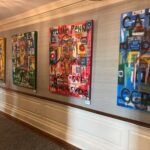
Oct. 17: Support this collaborative art exhibit/fundraiser showcasing six central PA art galleries, including The Millworks, from 6 to 11 p.m. More than 150 hand-painted, collaged and manipulated skate decks will be auctioned off, benefitting the participating art galleries and Reid Menzer Memorial Skate Park. Enjoy local food, cocktails, music, screen-printing, a car smash and more. Visit parliamentyork.org.

Local Lunch
Oct. 17: Join Friends of Midtown at their monthly community lunch, which will be held at Crawdaddy’s, 1500 N. 6th St., Harrisburg, 12 to 2 p.m. Contact [email protected] or visit friendsofmidtown.org.

Harvest4Hope
Oct. 22: Join the YWCA Greater Harrisburg for this fall festival, 5 to 7 p.m., to promote community awareness of domestic violence, in honor of Domestic Violence Awareness Month. Enjoy Halloween activities, chili/soup cook-off, music and entertainment. Bring a new bath towel as a donation and receive a free meal. Visit ywcahbg.org for more information.

Wildwood’s Magical Trail
Oct. 22-23: Take a walk on Wildwood’s Magical Trail to meet the park’s friendly talking animals and learn what they are up to as day turns to night, 6 to 7 p.m. and 7 to 8 p.m. Enjoy a campfire, s’mores and cider. Kids are encouraged to dress as their favorite animals. $8 per person; pre-registration required. More is at wildwoodlake.org.

Foreign Film Friday
Oct. 23: Join Fredricksen Library for “Trollhunter,” a film about a group of Norwegian film students who set out to capture real-life trolls on camera after learning their existence has been covered up for years by a government conspiracy, with showings at 2 and 7 p.m. Rated PG-13. Visit fredricksenlibrary.org.

Trunk or Treat
Oct. 24: The AACA Museum will host a night of Halloween fun, including a treat bag craft and “Trunk or Treat” hunt and an inflatable haunted house, 12 to 3 p.m. Admissions is $7 and free for children 3 and under. Visit aacamuseum.org.

Bark in the Park 5K
Oct. 25: Join the Bark in the Park 5K and 1 Mile Dog Walk on City Island, Harrisburg, to raise money for The Last Chance Fund, which provides funds for the veterinary care of neglected or unowned animals, starting at 9 a.m. Come by yourself or register as part of a team. For more information, call 888-550-7862.

Full Moon Halloween Hike
Oct. 27: Enjoy a guided adventure on the North Boardwalk at Wildwood Park, 6:30 to 8 p.m. Brave the moonlit path as your eyes adjust to the darkness, while enjoying special activities along the way. More is at wildwoodlake.org.

Halloween Haunted House
Oct. 29: Friends of Midtown will host a haunted house at the Historic Harrisburg Resource Center, 1230 N. 3rd St., 6 to 8 p.m., on Harrisburg trick-or-treat night. Visit friendsofmidtown.org.
 
Halloween Ghost Tours
Oct. 30: Enjoy guided ghost tours of the John Harris-Simon Cameron Mansion, Harrisburg. The 6 p.m. tour is for families with children and includes crafts and candy. The 7 p.m. tour is recommended for adults. Admission is $15 for adults ($10 for Historical Society of Dauphin County members). Children 12 and under are $5. Call 717-233-3462 for reservations.

Tales for Halloween
Oct. 31: Head to Fort Hunter Park, 5300 N. Front St., for an evening of spooky tales with the Susquehanna Storytellers Guild, 7 to 8:30 p.m. Admission is $3 for adults and $1.50 for children 12 and under, with a $6.50 family limit. Refreshments will be served. Visit forthunter.org.

Continue Reading

The Journalist and the Mayor: Ever since Steve Reed was criminally charged, people have asked where the media was during his tenure. In 1984, it was right in his face.

Screenshot 2015-09-28 10.02.42

One night in August, 1984, Steve Reed, then a first-term mayor of Harrisburg, left city hall around 10:30 p.m. and drove to his Cumberland Street home. He was hungry, having skipped dinner, so he parked and walked a block over to the Midtown Tavern, a neighborhood bar. There, he got a table by himself, ordered a burger, and took out some office papers and started working.

A short while later, a young woman approached him. Reed, describing the incident several months later, recalled her presence as confrontational; according to him, she suggested it was a “disgrace” he was sitting there. The young woman remembered it somewhat differently. “I’m just one of those talky people sometimes,” she said, noting she’d recognized Reed from appearances on television. “I asked him if he was the Mayor and he said yes. I asked him why he wasn’t home watching the Olympics like all other patriotic Americans.”

The woman soon left and rejoined her friends, among whose number was someone Reed recognized: Steve Corbett, a former columnist at a weekly shopper called The Guide, and the host of a local radio talk show and editor of a free weekly paper called the City News. A Susquenita High School alum, Corbett had first met Reed as a teenager, when the two crossed paths at area parties. As a journalist, Corbett had become a relentless antagonist of Reed’s. A typical column, published in The Guide that February, assailed the installation of a rowing machine in city hall, where “in the spirit of Jane Fonda, Victoria Principal and Richard Simmons” Reed could “row, row, row his little heart away.” At the City News, after a Reed spokesman adopted a no-response policy towards Corbett’s inquiries, Corbett started running a mock-column called “The Mayor Speaks.” The headline ran over several blank inches of paper.

Reed suspected Corbett was putting his companions up to some kind of prank. A few minutes after the first woman left, another woman from the group came over to Reed’s table. She tried to talk to him, but he rebuffed her. “I simply said, in a very firm but polite manner, that I don’t know what kind of game is taking place but I was not interested in engaging in whatever it is that they are attempting to prove,” he said. It’s not clear what happened next, but within a few minutes, Corbett was hectoring the mayor with a string of obscenities. A worker at the city incinerator, at the bar having a beer, said he heard Corbett tell Reed, “You think you’re too God-damned good to talk to the people.” In the mayor’s version, Corbett shouted “various words such as asshole, hell, son-of-a-bitch” and “a certain four-letter word.” He added, with characteristic meticulousness, “People in the bar were becoming, in some cases, annoyed.” (These and other witness quotes are taken from court documents; Reed, through a spokesman, declined to comment for this article.)

To many, the whole exchange must have seemed like a fight over nothing. A few beers into the night, a detractor of the mayor’s decided to heckle him at a neighborhood bar. Yet Corbett insisted he was standing up for his principles. At some point in the confrontation, Reed, apparently in reference to Corbett’s radio show, said something to the effect that the First Amendment and the Federal Communications Commission didn’t protect what he said in a bar. Corbett later said he “took umbrage at the fact that Mayor Reed could take it upon himself to decide where the First Amendment applies and where it doesn’t apply.” (Reed claimed he said simply, “Mr. Corbett, the FCC does not protect you when you are in here.”)

In any case, the disruption caught the attention of the cook, who came out of the kitchen to see what was going on. Soon the Tavern’s owner, Pete Milonopoulos, got involved, and shortly thereafter, both Corbett and Reed left. As they parted in front of the bar, headed in opposite directions on Second Street, Corbett shouted an elliptical farewell after the mayor: “Good night, Stephanie.”

Milonopoulos didn’t view what had happened as a serious confrontation. “Everybody left,” he later testified. “Everybody was cool.” Yet a few hours later, Corbett was back home at his apartment, drinking and dancing, when the phone rang. It was a Harrisburg detective. “The cop said, ‘Corbett, what did you do to the mayor up at the Midtown Tavern?’” he recalled. “I said, ‘I didn’t do anything to him! Why?’” The officer explained that the mayor was pressing charges. A preliminary hearing was set for the end of the month.

Corbett now lives in Scranton, where, since 2006, he has worked as a talk show host at WILK-FM radio. The station is located off a state highway, tucked behind a gas station and an Arby’s. One afternoon in September, I met him there. Corbett is tall, with a graying Beat-poet beard, glasses, and a voice that is animated, grainy, on-air-argument-ready. He wore a pinstriped double-breasted suit jacket, an untucked white dress shirt and jeans. A pair of boxing gloves dangled from a lamp in his office—before he was a journalist, he worked as a counselor and boxing instructor at the Camp Hill prison. “I hung up my gloves, literally,” he said.

Corbett got into writing early, and from the beginning was something of a provocateur. An avid reader, he started a paper at Susquenita called the Hairy Messenger. It had a peace sign logo and “took shots at everything, including the teachers and the educational system,” he said. After graduating Penn State, with a degree in community development, he worked odd jobs and wrote occasionally for the Harrisburg Independent Press, an alternative paper. In 1978, while working at the prison, he wrote a column for the New York Daily News about threats he’d been getting from an inmate. It was titled “Keep Your Kids Away From The Windows, Buy Yourself a .38.” “They did not take kindly at the prison—I was a state employee—for one of their drug and alcohol prison counselors to advocate shooting the clients,” he said. He was fired, but he appealed the decision, and his travails caught the attention of a local reporter named Richard Halverson.

Halverson was the editor of The Guide, the flagship paper of a publishing and printing company called Fry Communications. At the time, it was printed on broadsheet, with a newsstand price of 15 cents, and ran to a dozen pages. Its writers typed up pieces on IBM Selectrics in a dimly lit, wood-paneled basement office on Second Street, across from the governor’s mansion. Most of its content was what you’d expect from a shopper—business briefs, events calendars and lifestyle stories like “Renting may be wiser than buying a house” and “Some cuts of lamb are frequently ignored.” About half of each edition was taken up with classifieds and full-page ads for local groceries. But on the front of every issue was something completely different. Running alongside its signature graphic, a sketch of the capitol dome under a twitching proboscis, was an investigative column called “The Nose Knows.”

By the late ‘70s, Halverson had established the “Nose” as an institution. Tall, heavyset, with unkempt sandy brown hair, Halverson “had a voice that ranged from light bass to an almost shrieking falsetto,” Robert Kapler, who worked under him as a cub reporter, told me. The Harrisburg journalist Paul Beers once wrote about the “bifocal vision” that left capitol and city reporters oblivious to one another’s beats, but Halverson wrote about it all: tax delinquent properties, plush contracts between city hall and downtown firms, waste and abuse in various state departments, the peccadillos of candidates for district justice. Kitty Williams, who started at the Guide as a proofreader in the 70s, told me, “If there was a township supervisor using equipment for his own property, he would expose them for that.” “He had it in for the bad guys in Harrisburg and he spared no expense going after them,” Kapler said. “He turned a shopper into an investigative shopper.”

Shortly after Kapler was hired, in the fall of 1979, Halverson approached him with an idea. A few months after the nuclear accident at Three Mile Island, Halverson had picked up a tip from two former guards of ongoing weaknesses in the plant’s security system. He wanted Kapler to assume a false name and apply for a security job to check it out. “I thought he was kidding,” Kapler said. He wasn’t. Kapler followed through and, after succeeding in getting hired, managed within three weeks to infiltrate a control room and snap photos with a Minox spy camera. The Guide ran the story in February, and it immediately made national news.

Kapler described Halverson as a mentor who taught him the tricks of the trade, a man with a “wicked, offbeat sense of humor” but also a “real moral sensibility.” But in his columns, he could be bitter and sarcastic, even scathing. “He was feared, he was hated, he was mocked,” Corbett said. He could also be deeply homophobic. One 1981 piece expressed sympathy for State Street residents over the “trash and litter left behind largely by the homo-whores that infest their otherwise decent neighborhood.” The article went on to cite rumors the street was a well-known place for “making homosexual contacts,” and urged residents to take down license plate numbers and “send them to the menfolks’ wives and mothers.”

Halverson hired Corbett in the wake of the prison incident, but then fired him again soon after. “I really didn’t have the turnaround ability that he needed at the time,” Corbett recalled. In 1981, however, Halverson left to take a job as investigative editor at a newspaper in Ohio. The following year, the paper brought Corbett back as a staff reporter under a new editor, Diane Miller.

They arrived at the Guide during “an exciting time to be a journalist,” Miller told me recently. It was the post-Watergate era, when reporters and readers alike had a strong appetite for investigative reporting. “We weren’t exactly a scandal sheet, but we weren’t afraid to tell the truth, either,” she said. “People actually read it.” She wrote an odds-and-ends column called “Harrisblurb” and a food feature called “The Merry Muncher.” Corbett, meanwhile, took over the “Nose,” where he quickly showed a talent for making trouble. “I did the softer stories for the most part,” Miller said. “And tried to rein Steve in. And keep him from getting shot.”

In July, the state attorney general announced the preliminary results of a long-running probe into the origins of Harrisburg’s debt crisis, which began to consume the city in Reed’s last years in office and had all but bankrupted the city by the time he was gone. Reed, mayor of Pennsylvania’s capital for a remarkable seven terms, now faces corruption charges for alleged crimes spanning several years’ worth of risky borrowings and profligate purchases. A month earlier, news crews had surrounded his home—the same Cumberland Street property where he’d been living in 1984—to record as investigators hauled out artifacts and relics the state claimed had been purchased with public funds. (Reed and his defense team have maintained that everything removed was his own property.)

As the sense of an impending indictment grew, it became commonplace to ask how the alleged crimes could have continued for so long, and whether local media had failed to live up to their duties. Chris Papst, a television reporter who recently published a chronicle of the debt crisis under the blood-and-guts title “Capital Murder,” posed a version of this question during an appearance on WITF’s Smart Talk in June. “Where was the media?” he asked. “Why were they not doing more in trying to find out what this man was doing to the city?” The city’s current mayor, Eric Papenfuse, repeated this claim the day of Reed’s arraignment. “I think the media failed horribly in this case in Harrisburg,” he said.

Such views have the benefit of hindsight. In fact, the available record suggests that Reed, throughout his tenure, had the sort of checkered relationship with the media that is typical of public officials. “Mayor for Life,” a WITF television documentary from 1997, after Reed was elected to his fifth term, provides a fascinating and subtle portrait of his dealings with the press. Much of the documentary explores Reed’s image as the savior of a city devastated by the flood of 1972 and the social changes of the mid-century. One of its main interviews is with Henry Young, a former editor of the Patriot-News, who paints a picture of an ambitious and dedicated politician he predicts will stay in office “til he dies.” “He’s a very difficult man to get to, but yet he’s one of the kindest people, on a one-on-one basis—among the kindest I’ve ever met,” Young says.

At the same time, the piece uses a cunning selection of quotes and footage to hint at the double edge of Reed’s political successes. In one clip, a young radio DJ heckles Reed near the Walnut Street bridge over his efforts at City Island. “You know what we need to do, Mayor?” he asks. “We need to get and erect a huge statue of you looking over City Island, because that is your island.” Reed smiles gamely, but demurs. “I don’t want anything named for me, I want nothing built for me, and that’s been a policy of mine since I’ve been in public office and it’s gonna stay a policy,” he says. The documentary, cannily, leads into the exchange with a piece of B-roll showing a giant billboard at the island ballpark: “Mayor Steve Reed and the Citizens of Harrisburg Welcome You.” In another clip, Reed discusses cynics who doubt his projects will succeed. “And yet after it’s done and turns successful, it’s like it all evaporates,” he says. “And it’s suddenly like, ‘Who could ever have opposed this?’” He flashes a smile. “Well, I keep clippings,” he goes on, chuckling. “And I can tell you who did. I can tell you every S.O.B. that did.”

Towards the end of the piece are scenes from a 1996 city hall visit by a local Boy Scout troop. They’ve come to present Reed with a popsicle-stick replica they’ve built of the Walnut Street bridge, which Reed observes is timely—a portion of the bridge was destroyed by ice earlier that year. One scout asks about the “toughest part” of being mayor. Reed points to the end of the room, where a handful of news photographers are holding cameras. “Right here is my biggest problem,” he says, to laughter. “You see these folks gathered around here? This is the news media. And they’re a royal pain in the neck.” He chuckles, then adds, “No, I’m just kidding.”

Under Corbett, the “Nose Knows” column harried Reed early and often. The stories tended to follow the same pattern. Some source within city hall, named or unnamed, would tip the paper off about the latest gossip or grievance, which Corbett would then use to flog the mayor and his department heads. Waste of tax dollars was a constant theme, though the treatment was often inconclusive, and could border on the petty. In June of 1982, Corbett devoted a pair of columns to a squabble over a florist Reed may or may not have hired to prepare floral arrangements around city hall. The first column quoted the florist herself, who described her circumstances as “kind of hush hush” because the city workers’ union wasn’t happy about the position. But the next week, the paper ran a lengthy rebuttal from Reed, who said he’d read the original article with “amazement”—he’d explicitly turned down a request to create the florist position a month before, he said.

Other times, the topics were more consequential. In December of 1982, a white Harrisburg police officer, Richard Pickles, shot and killed Joseph Leon Marks, an unarmed black man, who had been fleeing from police in a stolen car. Police said Pickles had fired after Marks reached between his legs and lifted a shiny object that Pickles mistook for a gun. Corbett wrote about the controversy the following spring, as City Council faced the “hot potato” of a vote on Pickles’ firing. He reported that Reed, according to a “reliable source,” had met with the council president and Pickles’ lawyer to try to broker Pickles’ resignation, thus sparing council the controversial vote. A mayoral spokesman later denied this, but the story had captured the political delicacy of a simmering racial controversy. (Pickles, incidentally, is a central figure in the criminal charges facing Reed—he took trips to collect artifacts Reed had purchased, which prosecutors have characterized as an illegal use of his salaried time.)

By the time of the Tavern incident, Corbett was writing about Reed less as an investigative reporter and more as a rabble-rouser. In early 1984, he claimed in one column that he’d found the mayor’s direct office number in a barroom stall. He printed it, urging readers to give Reed a ring and report back on their results: “We’re sure he’ll be glad to hear from you, because he’s a mayor of the people, by the people, and for the people.” In the City News, in addition to the blank “Mayor Speaks” column, he also printed a serialized novel, “Dancing at the Mayor’s Ball.” It was billed as a work of fiction—Corbett invented an author, Murph Jameson Cooney, who he said deposited the installments each week in a beer box on his doorstep. But the characters had real-life analogues, and Corbett used the feature to air city hall rumors he could never prove. His neighbors called it “Dancing on the Mayor’s Balls.”

The City News covered more than just city hall. “I opened it up to every voice I could find that had something to say in the city of Harrisburg,” Corbett told me. His girlfriend wrote a column on navigating bureaucracy, called “Cutting Red Tape.” Nathaniel Gadsden, the pastor of Imani African Christian Church and the founder of a local writers’ workshop, wrote a column on African-American issues. “It was doing things that no other paper was willing to do,” Gadsden said of the City News. Corbett was “fighting for people’s voices who weren’t being heard,” he added.

Yet Corbett’s focus on the mayor was personal and unrelenting. At one point, I asked him: what was his beef with Reed? “I thought he was a lousy public servant,” he said. “I thought he was egotistical to the point of becoming a public menace.” He suggested, with a nod to the pending criminal charges, that time had vindicated his instincts. “I’m a very astute judge of humanity and character,” he said.

But this, too, has the benefit of hindsight. When I asked for an example of a specific thing Reed did, in the time Corbett was covering him, that could have forecast his recent fall from grace, he said he couldn’t remember—it was all too long ago. Nonetheless, he told me, “I absolutely saw it. And other people saw it. But no one challenged him.”

“Every journalist who is not too stupid or too full of himself to notice what is going on knows that what he does is morally indefensible,” the journalist Janet Malcolm wrote in her 1990 book, “The Journalist and the Murderer.” Malcolm was concerned with the betrayal by the reporter of his or her subjects, who answer the phone and consent to interviews despite knowing, deep down, their version of events will come out warped in the published story. You don’t have to take Malcolm’s thesis as literally true to appreciate its keen summation of the problem. Assuming we want journalists to be more than stenographers, where should we draw the line between interpretation in the public interest and unfair distortion?

Corbett learned early that he wanted to be a columnist—that, as he put it, he “had something to say.” These days, in addition to his daily talk show, he also writes a blog and records the occasional video commentary for a feature called “Corbett Cam.” His tone in these venues is much like it was the “Nose”: skeptical, sarcastic, and unceasingly critical of people he thinks have let the public down. He recorded one segment in the wake of the “Kids for Cash” scandal, in which two Luzerne County judges were convicted of handing down harsh sentences on juveniles in exchange for kickbacks from the builder of two for-profit youth detention centers. At the time, the developer, Robert Mericle, had not yet been sentenced for his role in the affair. In the video, Corbett stands outside one of the centers and holds up a toothbrush,  saying he hoped to drop it off for Mericle, who he suggests should serve time there. Then he sticks it in his mouth. “You need to get this putrid stench, rotten taste, out of your mouth!” he shouts as he scrubs.

“There’s great value in great, straight reporters. But you need more than that,” Corbett told me. He felt that the media, particularly at the local level, had gone soft. “Frankly, more people need to walk that edge a little more often,” he said. “I think that the press has to be a hell of a lot more aggressive than what it is.” He also had little patience for people who failed to understand that commentary, like just-the-facts-ma’am reporting, formed an essential part of a healthy fourth estate. “I say to people, when they say, ‘That’s your opinion, that’s your opinion’—Yeah, it’s my opinion, dumbass,” he said. “I’m saying to you, they give a Pulitzer for commentary. That goes to columnists. What do you think columnists do?”

Corbett’s exchange with Reed at the Tavern presents a puzzle. In a hearing at the end of August, 1984, a magistrate, Joseph Solomon, found Corbett guilty of disorderly conduct and harassment and handed down a $150 fine. Corbett held a news conference, at which he announced he’d appeal. That might have been the end of it—Corbett had shown himself willing to make a scene, and Reed, wary of further spectacle, might have dropped it there. Instead, he persevered. The appeal would be heard the following March, a little more than a month before the mayoral primary.

For the most part, Corbett seemed to view the episode as a giant farce. “We had a great time at trial. A great time,” Corbett told me. The county judge heard testimony from a spate of witnesses—Reed, Corbett, the Tavern’s owner, a cook, a waitress, two bystanders, and three of the friends from Corbett’s table. “You have an argument with some goof in the bar, who happens to be the mayor, and he convenes his police department to file charges against me?” he told me. “I mean, that was ridiculous!” He recalled that Milonopoulos, the owner, was poured a glass of water upon taking the stand. Rather than have a drink, he dipped his fingers in it and blessed himself. “I laughed so hard I almost fell out of my chair,” Corbett said.

Alongside the farcical elements, however, there were also serious currents. Whatever the level of Corbett’s transgression, the case amounted to a sitting mayor seeking a criminal conviction against one of his critics in the media. Corbett’s lawyer, questioning Reed on the stand, tried to establish that the mayor was aware of Corbett’s opinions and had instructed his spokesman not to respond to any of his inquiries. (“I recall no such instruction,” Reed responded.) Reed, in turn, sought to brush aside any suggestion that he cared about Corbett’s criticisms. “When you are in the business of government,” he said, “you get used to the fact that there’s always going to be someone out there like Steve Corbett doing what they do.” That was no excuse for Corbett’s conduct in the bar, he went on, which “transcended every bound, I think, of the criminal statutes of this state.”

And then there was the question of Corbett’s farewell, in which he called the mayor “Stephanie.” When he was about it asked in court, Corbett responded, “In my mind I decided if he wanted to act like a spoiled little girl, I would at least bid him a fond adieu, more or less.” But Milonopoulos heard something more malicious. He testified Corbett also told Reed to “go find a boyfriend.” Corbett told me he picked up the nickname from gay men he knew in the neighborhood, but that he didn’t mean it as a reference to Reed’s sexuality. “I was using it in a mocking manner, the way the gay guys in the neighborhood used it in a mocking manner,” he said. He also described his behavior as the recklessness of youth: “Obviously, as you look back, you mature,” he said, adding, “I wouldn’t make statements like that now.”

If Corbett and his columns caused Reed any real trouble, it didn’t last. A county judge upheld the guilty verdict, and a second appeal by Corbett went nowhere. In 1985, Corbett and Reed briefly wound up in court again—Corbett was running a stunt campaign for mayor, and Reed’s team sought to throw out his nominating petitions. Corbett prevailed, but by that point he had gotten a job at the Wilkes-Barre Times-Leader. He soon moved out of Harrisburg for good.

The “Nose” never came back to The Guide, and as the years progressed, Halverson’s “investigative shopper” reverted back to just an ordinary shopper. Diane Miller departed not long after Corbett, after offending an advertiser with a column about shopping for cars. “I was just honest, I was completely honest,” she told her bosses. She got a job at the Patriot-News, and worked there for several years. The Guide is still printed weekly, but is now mailed free to postal customers in the region. The coupons and sales that used to run as inserts now run on the front page. Troy Williams, the paper’s general manager, told me, “Now there’s nothing to read in the paper. It’s just a marketing tool now.”

In earlier days, Reed, when discussing the press, seemed to view it as a vehicle for disillusionment—as a force forever taking the bloom off the rose of American democracy. “It’s hard to find heroes in American politics today,” he said, during an interview for the WITF documentary. “Anybody who looks like an up-and-coming, or somebody who comes across today in American politics as being a selfless servant, genuinely committed to public causes and good, becomes a target. And the media just hammers at that person, and hammers, and hammers. So we’re denied having heroes today. We’re not allowed to have them.”

The statement can be viewed any number of ways—earnest, presumptuous, self-aggrandizing, naïve. For better or worse, it’s probably also true.


Continue Reading

Outdoors in October: You needn’t drive far for some nature-loving fun.

Wildwood Lake

Wildwood Lake

It’s autumn. Time to pack away the swim trunks and shorts and pull out those fall sweaters. The days and nights in our area are becoming cooler, but there’s still plenty of ways to enjoy the great outdoors.

Both Wildwood Park in Harrisburg and the Ned Smith Center for Nature and Art in Millersburg offers a full schedule of events for October that is likely to please just about everyone in the family.

“Our goal is to connect people with nature and art,” said Alexis Dow Campbell, director of creative programming for the Ned Smith Center, which honors the namesake artist, writer and naturalist.

The center features art galleries, an education center, an observational beehive and a new outdoor amphitheater. Its rustic 535 acres of woodlands offer 12 miles of hiking trails with magnificent views for autumn leaf-peepers and those who like to venture into nature during the welcoming October weather.

The center also will host a variety of special events this month.

On Oct. 3, the center will hold its 22nd annual Wildlife Art Auction, an all-day event in the Ned Smith Gallery. Dow Campbell said it’s the largest auction of Ned Smith’s artwork in the United States.

A week later, on Oct. 10, the center will put on its annual Fall Family Fun Day. Activities will include live animal presentations, face painting, pumpkin bowling and more.

“This is something for the whole family,” Dow Campbell said. “It’s a traditional fall festival, but it’s also an educational and fun day. We always have a great turnout each year.”

This year’s festival theme is “animal tracks.” Visitors can learn how to identify the tracks of various creatures in the woods or make fall crafts with an animal-track theme. ZooAmerica representatives will be on hand with an array of birds, particularly raptors, and small mammals like “de-scented skunks,” Dow Campbell added.

A Ned Smith Center Express Train and a horse-drawn hayride will be available to transport visitors around the center’s expansive grounds in upper Dauphin County.

Later in the month, on Oct. 31, the center will host its annual Halloween Owls program, which features live owls from Penn State University’s Shaver’s Creek Environmental Learning Center. Owl experts will present facts and explore myths about the nocturnal creatures, while certified bird-banders will net and band wild migrant owls and discuss their efforts to learn more about these birds of prey.

Off to Wildwood

Throughout the year, Wildwood Park is a popular outdoors spot for Harrisburg-area residents.

During autumn, the 229-acre park truly comes into its glory, with hikers, runners and nature-lovers all flocking to its six miles of trails, 1½ miles of boardwalks, 90-acre lake and the Benjamin Olewine III Nature Center.

To add to the outdoors experience, this month workers are putting the finishing touches on a new, 200-foot section of trail in front of the nature center, said park Manager Chris Rebert.

“This makes it safer for our park users,” he said. “It delineates our trail users away from (the nature center’s) vehicular traffic. That’s something that’s been a real traffic concern.”

The project was made possible by $140,000 received from Friends of Wildwood, the Olewine Family, the Pennsylvania Department of Conservation and Natural Resources and the Dauphin County Department of Community and Economic Development.

As a further safety measure, speed bumps for vehicular traffic are being installed on the road leading from the park’s main entrance on Industrial Road to the nature center. That project is expected to be completed by early October, Rebert said.

Also this month, restoration work is scheduled to begin on the Fox Run Bridge near the park’s spillway. Rebert said the bridge dates to the early 1900s, the same as much of the trail. That project is expected to be completed by winter.

Event-wise, Wildwood Park will host a free fall foliage walk on Oct. 18, the day the autumn leaves are expected to reach peak color. An environmental educator will lead the walk and explain why leaves change color as visitors soak in the annual visual display. Preregistration isn’t required.

Wildwood’s Magical Trail takes place a few days later, on Oct. 22 and 23. Held after the school day, children and adults will encounter the park’s costumed “talking animals” that include a white-tailed deer, a turtle, a frog and a great horned owl.

“This is one of our most popular programs,” Rebert said. “It’s pretty exciting for the 2- to 7-year-olds.”

The evening ends with a campfire, s’mores and apple cider. The cost is $8 per person and pre-registration is required.

“It’s not something that’s scary, it’s informative,” said Rebert. “The animals talk about their evening activities and what they do at night.”

On Oct. 27, the park will hold its first Full Moon Halloween Hike. Walkers should meet at the Olewine Pavilion near the nature center. The guided, 1.5-mile walk is considered easy for all ages and will follow the park’s north boardwalk. Pre-registration isn’t required.

“The full moon will be rising then, so you won’t really need a flashlight for the walk,” Rebert said. “You can hear fall insects make interesting droning sounds, too.”


The Ned Smith Center is located at 176 Water Company Rd., Millersburg. For a complete list of fall activities, visit www.nedsmithcenter.org.

Wildwood Park is located at 100 Wildwood Way, Harrisburg. For a complete list of fall activities, visit www.wildwoodlake.org.

Continue Reading

Old Things, New Lives: Wood & Cloth gives worn pieces another chance.

Screenshot 2015-09-28 10.04.19Wood & Cloth, one of Camp Hill’s newest shops, is offering up furniture with a soul, as the owners describe it. With a bright, airy atmosphere, the store seems both sleekly modern and warmly inviting in the same glance.

The store is the marriage of two Pennsylvania businesses: OSquared Designs and Paper Mill Furniture. Both companies have a similar philosophy of providing furniture that is designed to be inspirational.

“In this day and age, everything is disposable, but everything in our store has a story,” said Olga Lembesis, one of the owners of OSquared Designs, as she pointed out pieces of furniture in Wood & Cloth’s showroom from different periods of the 1800s. “We take heirlooms and estate sale pieces to put them back into use.”

She and her partner, Olga Bekelja, scour auctions and sales in surrounding states for quality furniture that is ready for a second chance. They work with Chuck Hanss, owner of Paper Mill Furniture, to reclaim and repurpose this furniture, and they update the pieces with luxury fabrics.

“The projects are like a puzzle. We take things apart, see how things are made, and put it all back together,” said Adriana Battista, production assistant for OSquared Designs.

Design Within Reach
Besides selling the pieces they breathe new life into at Wood & Cloth, the companies work together on other projects. Whether a customer comes to them looking to repurpose a single piece of furniture or renovate an entire home, the team will tackle the project with enthusiasm.

Bekelja said that, while some people come in with a specific vision and want to control certain aspects of their projects, other customers come in with no specific ideas.

“It’s very important to get to know the people,” said Lembesis.

The team will first visit an individual’s home to get a sense of the customer.

“Everyone has favorite colors and styles, even if they don’t know it,” she said.

Their biggest project to date involved gutting four major rooms in a local home and redoing the furniture and design from scratch—all within 60 days. The project included everything from creating a bedroom headboard to a built-in table and bathroom vanities.

Lembesis says their goal is always “design within reach.” While the rich colors and luxury fabrics can easily make customers feel like they are in a big city showroom, the team prides itself on the fact that the prices are below what you would find in most major cities.

“Every place someone lives should have some specialty to it,” Lembesis said.

So how did these two companies come together to open Wood & Cloth? The owner of the building that was to become their store met Lembesis through her other business venture and introduced Lembesis and Bekelja to Hanss.

Everything about Wood & Cloth’s opening has happened organically, so it makes sense that the two companies evolved naturally, as well.

“We always said, when my kids went to college, we’d start a little business,” Bekelja said, adding with a laugh that Lembesis called her the day Bekelja’s daughter stepped foot in college.

Twists and Turns
Bekelja was a political science major and credits her mom and other talented people in her life with teaching her the basic skills she’s put to use in their business.

Lembesis, on the other hand, grew up with a needle and thread in hand. She sewed her own clothes growing up, made her kids’ clothing, and took up household projects as well, including making her own draperies.

As for the first half of the namesake at Wood & Cloth, Hanss’ career took several interesting twists and turns before he bought Bryce Ritter, a company that specialized in reproduction and French country furniture. His passion for reclaiming and repurposing furniture started as a hobby when he was a child.

“I used to go down to the basement, grab tools, and do different projects,” Hanss said, joking that his mother just liked to keep him busy.

Hanss has certainly moved out of the basement, and Paper Mill Furniture will be moving locations in January. The new space will have a showroom and workspace four times larger than they currently have.

 
Wood & Cloth is located at 4444 Carlisle Pike, Camp Hill. To learn more, call 717-737-8000 or visit the Wood & Cloth Facebook page, papermillfurniture.com and osquareddesigns.com.

Continue Reading

Musical Notes: Autumn Blend–A perfect musical mix arrives in town.

October might be my favorite month. The leaves are a sunset of oranges and reds, and the temperature is perfect. But even the perfect month can benefit from some great live music. This month’s slate is a nice balance of classic favorites and local upstarts. So whether you prefer the music you first heard on ‘70s AM radio or the latest debuts from hip college stations, there’s something this month for everyone.


HOOTS AND HELLMOUTH, 10/2, 9PM, ABBEY BAR, $10/$12:

These Philadelphia road warriors have earned a significant following here in the ‘Burg. With a focus on roots-rock, they’ve found a way to meld contemporary anxieties with traditional instrumentation. Driving and melodic, lead singer Sean Hoots sets his powerful yet vulnerable voice upon the subject of relationships, growing older and the disillusionment of the 21st century. The band has garnered the attention of national tastemakers such as Paste Magazine and WXPN. This will definitely be a stomp-along show, so make sure to wear the proper footwear.


BLUE ÖYSTER CULT, 10/3, 8PM, WHITAKER CENTER, $42/$58:

Most of you are familiar with Blue Öyster Cult’s song “(Don’t Fear) the Reaper,” and a certain Will Farrell sketch revolving around the song’s cowbell track. But those in the know also realize that their contribution to hard rock and heavy metal reaches much farther than a “Saturday Night Live” punch line. Along with Black Sabbath, the band helped to define a genre of rock that combines metal riffs with the heaviness and haziness of acid rock. This is a unique opportunity to see a band that has left a significant fingerprint on a wide range of musical genres within the friendlier confines of our small city.


CHUCK PROPHET, 10/14, 8:30PM, H*MAC HERR STREET STAGE, $12/$15:

Hailing from California, Chuck Prophet has almost 30 years of experience playing rock with a psychedelic flavor. He began his career touring with his band Green on Red and will this autumn be on the road in support of his 13th album, “Night Surfer.” His loose arrangements, coupled with narrative songwriting, are reminiscent of Warren Zevon, while his vocal delivery—half sung, half spoken—is akin to Jonathan Richman. His music tackles a wide range of subjects, including lamentations dedicated to hard socioeconomic times and love songs to San Francisco. He’s definitely an artist who sounds more natural on stage than on tape, so make sure to catch him while he’s in town.

Mentionables: Jucifer w/Anthrophobia, 10/1, H*MAC; Cheezy and The Crackers, 10/3, The Millworks; The Alt, 10/4, Fort Hunter Centennial Barn; Hot Jam Factory w/Ton-Taun, 10/16, The Millworks; The Young Dubliners, 10/18, Abbey Bar; The David Wax Museum, 10/21, H*MAC; Best Girl Athlete, 10/23, Little Amps Downtown

Continue Reading

History & Hospitality: Gettysburg’s historic Brafferton Inn welcomes those looking for a fall respite, a quaint retreat–or maybe a spooky ghost tour.

Screenshot 2015-09-28 10.05.41For many Pennsylvanians, fall is their favorite season, and scheduling a final getaway before the temps grow frigid is on many to-do lists.

Because there is such beauty in our own backyard this time of year, there’s little reason to venture far. For history buffs, in particular, the Brafferton Inn in Gettysburg offers guests a comfortable environment to explore and learn about the rich events of our past.

Listed on the National Register of Historic Places, the bed and breakfast is conveniently located a block from Lincoln Square, an easy walk to restaurants, museums, art galleries, antique shops and ghost tours, which are especially popular this time of year.

Steeped in History

Built in 1786, the Brafferton Inn is touted as the oldest deeded house in downtown Gettysburg and the oldest continual residence.

Joan Hodges, who operates the bed and breakfast with her son Brian and his wife Marybeth, explained that the house was built on land purchased from John Penn by Samuel Gettys.

The land later was sold to Michael Hoke, a tanner by profession, who worked with the Gettys family. Hoke began building a townhouse on the lot before the town was established, eventually transferring it to his brother, Henry, who added onto the structure before it was put up for sale.

In 1843, Nicholas Codori, who emigrated from Alsace, France, purchased the property for $1,600. The father of 11 was a butcher by trade and, at the start of the Civil War, purchased a farm on Emmitsburg Road to raise livestock in the area later known for Pickett’s Charge.

“Their butcher shop was next door, and they raised and slaughtered their livestock out there and then brought it into town,” said Hodges.

During the battle, the Codoris took refuge in the basement of what is now known as the Brafferton Inn as bullets struck their home and whistled through the air above their heads.

After the battle ended, the Codoris opened their home to worshippers.

“One of the rooms upstairs was used as a Catholic church because the churches were filled with the wounded,” Hodges said.

Five generations of Codoris lived in the house over the course of 150 years until a lack of male descendants forced a change of hands.

The property has been operating as an inn for 31 years. The historic property was once featured in Country Living Magazine when former New York publicist Mimi Agard owned the operation and persuaded the national publication to come out and have a look.

More recently, Sam and Jane Back, former administrators at Choate Rosemary Hall Prep School in Wallingford Conn., ran the inn before selling to the Hodges about 11 years ago.

Welcoming Visitors

Those seeking a comfortable getaway can choose from among 17 rooms, nine suites and a three-bedroom guesthouse, with décor varying from Colonial to Victorian.

Each morning, B&B patrons gather for a hearty breakfast in the original dining room, which dates back to 1815 and features a unique mural.

“It’s a Rufus Porter-type mural painted by artist Virginia McLaughlin from Frederick, Md., and depicts 90 buildings in Gettysburg and what they may have looked like in 1863,” Hodges explained.

Elaine Harvey, who hails from Beallsville in Washington County, Pa., said she has been visiting the award-winning establishment for at least a decade.

“When I arrived the first day, it was like meeting friends,” said the self-described “Civil War nut.” “They were warm and welcoming. The food is excellent, and the rooms are wonderful. My oldest grandchild, who is 13, thinks it’s the best. Brian cooks and Joan bakes. Her lemon poppy seed muffins are wonderful.”

After breakfast, guests can relax in the adjacent parlor and choose from an array of books on Gettysburg and the Civil War and admire Keith Rocco’s work, which adorns the walls. Hodges will be happy to provide background details on the artist, who goes to great lengths to ensure his paintings are historically accurate.

David Vesser and his wife traveled from Fredericksburg, Va., for the convenient location and the hospitality of the proprietors.

“Joan, Brian and Marybeth are fabulous people who would do anything in the world for you, like arranging transportation for tours and providing information on meals,” said Vesser. “It’s just a great place to go.”

The couple likes the Inn so much that they recently renewed their vows there for their 25th anniversary.

Hodges said visitors come for a host of reasons, but most can be divided into the following categories: history, the arts, ghost tours and the nearby college.

“There are parents who stay with us year after year while their children study at the college nearby,” she said.

Hodges, who was a critical care nurse and is retired from Philips Medical and Hewlett Packard, said she’s well suited to her third act as innkeeper.

“It seems like six degrees of separation from everyone who comes here, so I find an interesting connection with a lot of different people, which is very fun,” she said.

To learn more about the Brafferton Inn, visit www.brafferton.com.

Continue Reading

Ground to Glass: From Broad Mountain, a winery arises.

Screenshot 2015-09-28 10.03.48It was a rainy day when I visited Broad Mountain Winery and Tasting Room and met with proprietors Derrick and Heather Michael.

The soggy weather didn’t dampen my spirits. Nestled in the borough of Elizabethville in a 19th-century building that used to house Swab Wagon Co., the winery isn’t far from well-known Halifax-area attractions like Lake Tobias Wildlife Park and Armstrong Valley Winery, with plenty of antique shops nearby.

I asked Derrick how the winery began.

“It was a progression,” he said. “It started in 2008 with home brewing.”

The couple decided to purchase land outside of Elizabethville at the base of Broad Mountain, from which the winery ultimately got its name.

After erecting fencing to fend off ever-present deer and rabbits, Derrick and Heather initially planted hops to further their home brewing pursuits. Vault Brewing Co. in Yardley, Pa., discovered their website and contacted Derrick to supply them with hops. He readily agreed—then planted more. Soon, the Michaels decided to grow grapes, as well.

Now, three of the Michaels’ 26 acres are dedicated to the Broad Mountain vineyard, growing eight grape varieties. About 1½ acres are still devoted to growing hops. The winery and tasting room, up the way a bit, opened last October.

Rustic Beauty

The Michaels do everything: plant, grow, pick and bottle.

The signs for the winery you see along the way—Derrick erected those. His grandfather stopped in for a visit when I was there; he had been loading corks for bottling just the day before. Derrick even made the wine for his own 2013 wedding. Striking photographs—taken by Heather—adorn the winery’s walls, capturing the vineyard’s rustic beauty and chronicling its progress. Behind the tasting bar, windows encapsulate hundreds of wine bottles that Derrick mortared into place to make a unique, decorative wall piece.

Broad Mountain offers 12 varieties, including a sweet strawberry and a blueberry that debuted the day of my visit.

The names of Broad Mountain’s wines have local references. For instance, the semi-sweet white is labeled Benderstettle, the original town name of Elizabethville. The sweet Concord is called “Star of the Valley,” which is the town’s nickname. Black Creek, a dry Marechal Foch, is the nickname of Dauphin County’s Wiconisco Creek. The dry Chancellor, Wolf Pond, was named for a local lake.

Broad Mountain also offers a variety of hard apple ciders, quaffs flavored with (depending on the season) pumpkin, blackberry, honey, pineapple and hops. The tasting room taps three or four at a time.

Aggressive Plans

The tasting room offers plenty of tables to sit down with a glass, a bottle (for wines) or a growler (for ciders). Before making a decision, ask for samples, as tastings are complimentary.

If you need a snack, you can purchase a variety of local meats and cheeses, and the winery also welcomes BYOF—bring your own food. If you like a particular cheese, blocks are available to take home, as is winery swag like T-shirts, wine glasses, wine bags and candles. Paint nights, happy hours and other events are listed on Broad Mountain’s website and Facebook.

Besides the vineyard and winery, Derrick has an outside, full-time job. Heather also has a part-time job, and the busy couple is raising a new daughter. Their goal is to give their children the knowledge and experience of what a good, strong work ethic can build.

As with most new ventures, there have been speed bumps along the way.

Rabbits get to the young hop shoots. Deer are becoming a problem as the vineyard expands. Equipment is expensive, and there is more hard work than anticipated.

But Derrick and Heather aren’t deterred. They plan to work even harder and have aggressive plans for the future. They want to buy hives for mead. Beer-making is part of their natural progression, as well. The Michaels also will be constructing an events building on the vineyard, which has already hosted weddings. They want to schedule hikes along the top of Broad Mountain, which will end at the hang glider landing (a section of their property is often used by hang gliders off Broad Mountain as a landing zone).

The Michaels are a very entrepreneurial couple. They wanted to make something from nothing. In creating a future for their family, they are bringing something special to upper Dauphin County with Broad Mountain Winery and Vineyard.


Broad Mountain Winery and Tasting Room is located at 34C S. Market St., Elizabethville. For more information, visit www.broadmountainvineyard.com or call 717-362-8044.


Continue Reading

Classic Scare: Good Freddy & Bad Freddy haunt your dreams this Halloween month.

Screenshot 2015-09-28 10.12.19Sometimes, you just have to sit back and watch an old classic.

And “classic” is the definition of the late Wes Craven’s “A Nightmare on Elm Street” (rest in peace, Wes Craven, you wonderful man). Though not the first horror film to leave a mark on its audience, the film still stands as one of the genre’s greatest contenders. The same cannot be said for its successor, “A Nightmare on Elm Street 2: Freddy’s Revenge.” Directed by Jack Sholder, this sequel did more than just separate from its creator—Freddy shares little more than his name with the antagonist of the original film.

“A Nightmare on Elm Street” tackles the premise of a murderer who resides in his victims’ dreams. Nancy Thompson (Heather Lagenkamp), a high school student, begins losing her close friends as each of them is tracked down in their dreams and killed by a man (Robert Englund) with badly burnt skin and a bladed glove. Once Nancy learns that the man is Fred Krueger—a child murderer who died at the hands of the victims’ parents in a fire—she must take matters into her own hands to free herself of the dead man’s grasp. With supporting roles by Amanda Wyss, Johnny Depp and Jsu Garcia, “Nightmare” instilled insomnia in the hearts of moviegoers across the globe.

“Freddy’s Revenge” picks up five years down the line, when Jesse Walsh (Mark Patton) and his family move into Nancy’s old house. Jesse becomes haunted by nightmares and soon finds himself the victim of Freddy’s possession—he wants Jesse to kill on his behalf. Since he only seems to be possessed when he falls asleep, Jesse tries his hardest to stay awake, having about as much luck as Nancy did in the first film.

It is very difficult to find more than a loose connection between the two stories in terms of character development. Sure, “Freddy’s Revenge” makes some effort, drawing on the original story in mention and in Freddy’s likeness, but Freddy just doesn’t seem like himself.

In the first film, he is a child murderer who haunts people’s dreams, making his victims safe only when they are awake. In the second, his actions become aimless, and his schemes fall closer to those of a poltergeist and demonic possessor. Freddy is able to do things outside of the dreamworld, constantly setting objects on fire and boiling nearby water (all heat/fire-related things—at least it’s consistent in that respect). The only real connection to the original story is that Jesse doesn’t want to fall asleep. But it’s not because he’s afraid of his dream world; it’s because he’s afraid his sleeping body will become possessed.

This almost makes me wish that the film had been created completely separate from the Freddy franchise. If the movie weren’t such a blatant botch-up of the original concept, I might be more forgiving. After all, it hails from a realm of cheesy ‘80s horror flicks. Given an original antagonist, it may have been more enjoyable, albeit forgettable.

There is, however, one redeeming feature in “Freddy’s Revenge.” There seems to be a homoerotic theme throughout the film that the writer, David Chaskin, slipped in there, which apparently went completely over Sholder’s head. Whether it was the wrestling sequence between Jesse and his friend, Grady (Robert Rusler), or the naked shower scene with Jesse and his gym teacher (just to name a couple of scenes), watching the film through this lens has created quite the cult following for “Freddy’s Revenge,” regardless of its disregard of the original premise.

Homoeroticism or not, “Freddy’s Revenge” just doesn’t hold a candle to the original “A Nightmare On Elm Street.” Wes Craven stole many peaceful nights of sleep from all who have seen that movie. There was even an attempt to remake the masterpiece that occurred on that fateful street in 2011, which was great in its own way but, still, no cigar.

Midtown Cinema will host a double feature of “A Nightmare on Elm Street 1” and “2” on Oct. 3. Be sure to catch Wes Craven’s finest, as well as the rest of the October lineup for scary films.

Midtown Cinema
 
October Events

“Heart Like a Hand Grenade”
Thursday, Oct. 15, 8pm

“My Fair Lady”
Sunday, Oct. 18, 6pm

“Rocky Horror Picture Show”
Saturday, Oct. 31, 8:30pm & 10pm
 
Midnight Matinee
“Nightmare on Elm Street 2: Freddy’s Revenge”
Saturday, Oct. 3, 11:55pm
(Optional Double Feature!)

Digital Theatre Series
“Of Mice and Men”
Sunday, Oct. 4, 6pm

Classic Film Series
“House on Haunted Hill”
Sunday, Oct. 11, 6pm

Down in Front!
“Manos: The Hands of Fate”
Friday, Oct. 9, 9:30pm

“Scared to Death”
Friday, Oct. 23, 9:30pm

“Fiend Without A Face”
Friday, Oct. 30, 9:30pm

Scary Series
“Nightmare on Elm Street”
Saturday, Oct. 3, 10pm
(Optional Double Feature with Midnight Matinee!)

“The Shining”
Saturday, Oct. 10, 10pm

“Lost Boys”
Saturday, Oct. 17, 10pm

“The Exorcist”
Saturday, Oct. 24, 10pm

“Halloween”
Saturday, Oct. 31, 8:30pm & 10pm

“Hocus Pocus” Weekend
Friday, Oct. 16, 9:30pm (3rd in the Burg)
Saturday, Oct. 17, 12pm
Sunday, Oct. 18, 2pm


Continue Reading

Common Cause: Can the “Eliminate the School Property Tax Now” campaign unite right and left?

Being a political town, Harrisburg, at any one time, has large numbers of groups clamoring to make their views known to our commonwealth leaders. From marches and rallies on the Capitol steps to a single person holding a handmade sign, there is no shortage of ways individuals and groups can promote their political message.

Typically, I admit, I pay little attention to these efforts, ubiquitous as they may be, since they are most often targeted at niche issues that directly impact small groups of people instead of the general public. Their campaigns and complaints are mostly received as noise in a Capitol filled with even more constant and loud political chatter.

One recent and ongoing campaign, however, has the potential to break through the clutter, at least in its possible impact on nearly every citizen. On giant billboards around the region, “Eliminate School Property Tax Now” signs have appeared next to major highways. The print below the sign refers to a website, www.ptcc.us, which appears to be financed by tea party and other politically conservative groups that have the support of various Republicans in the House and Senate.

Not to be outdone, Gov. Tom Wolf and a few Senate Democrats have recently proposed separate plans that would rebate or reduce school property taxes. The proposal from the governor would significantly reduce or eliminate most school taxes for homeowners in cities like Harrisburg through an expansion of the Homestead Program, but, so far, it has failed to achieve much traction in the legislature, even in his own party.

Details aside, it is noteworthy that leaders in both parties see the need to reduce or eliminate school property taxes. Nearly two-thirds of Pennsylvanians own their own home and would directly benefit from such a proposal. Renters would receive similar indirect benefit from the increased availability and affordability of quality rental apartments and homes.

As an advocate for urban economic development, I find it hard to imagine a more far-reaching and beneficial change to tax structure in our commonwealth than eliminating property taxes altogether and shifting to income and sales taxes to fund our schools, as many others states across the country have done.

There are two main reasons for urban advocates to support elimination of the school property tax: economic growth and social fairness. (There are several other derivative and ancillary reasons ranging from better economic stewardship and farmland preservation to overall increased opportunity and competitiveness for disadvantaged groups that may appeal to urban advocates on the left. For arguments from a conservative perspective, see the website referenced above.)

Economic Development. The current system of local school property taxes wildly distorts investment away from our cities and urban areas via high millage rates, with disastrous consequences. As I have discussed previously in this column, a city like Harrisburg, where the tax rate is 28 mills (just for schools) and 45 mills overall, is at a serious disadvantage in attracting new investment and residents with respect to its suburban neighbors who have tax rates at half or even one-quarter of these rates.

It is no surprise that, over the past half century, the population of Harrisburg has declined by nearly half, while the surrounding region has more than doubled in size and prosperity. This circumstance has been repeated in towns and cities across Pennsylvania as people have fled high-tax urban areas to lower-tax suburban ones. Once the trend began, it became self-reinforcing, as urban school boards had no choice but to raise rates even higher on the folks who remained, causing additional outflow. It is no wonder that dozens of urban areas have been declared distressed under Act 47.

In contrast, demand for urban living throughout the country is strong and rising due to both millennials and empty-nesters seeking walkability and convenience. However, the issue across Pennsylvania’s cities is the lack of quality supply to meet that demand, as the tax burden on real estate generally prohibits new construction or rehabilitation of deteriorated buildings without some type of tax abatement or government subsidy to make it economically feasible. This would all change if developers and homebuyers faced equal property tax rates regardless of which school district they choose to live in. Simply put, if school property taxes are eliminated, there is ample evidence that developers would build in and more people will choose to live in urban areas, helping them to grow and flourish.

Fairness. According to numerous studies and financial advisors, the single most important store of wealth for most Americans is their home. In suburban areas across Pennsylvania, this holds true for most homeowners who generally see the equity in their homes increase as they pay down their mortgage over time. Urban areas, on the other hand, have seen values stagnate or decline and equity fall as their property taxes have risen. As urban areas contain disproportionately more poor and minority residents, the disparate impact of high property taxes on poor and minority communities is easy to see.

Combine that reality with the fact of failing city schools, and poor and minority communities face the double unfairness of paying relatively more and getting relatively less for their money. Harrisburg schools, for example, have some of the highest per-pupil expenditures in the state (top 10 percent), yet produce some of the worst results (currently ranked 491 out of 496 school districts in performance). Without economic development to change this dynamic, the current system forms an invisible, yet all too real, iron gate on these communities, making them nearly impenetrable to long-term change of any type. In the context of the ongoing national debate surrounding fairness and unequal distribution of wealth, there would seem to be no more direct and efficient manner to address this issue in Pennsylvania than eliminating this fundamental unfairness for urban communities.

Teachers’ unions and their supporters (and I am one on many issues) often put forth counter-arguments about “stable funding streams” and the like, but they need to face the reality that our current system of school funding has failed many of the children that it was designed to help the most. At a minimum, the burden shifts to these guardians of the status quo to explain why they continue to favor a system that hurts our most vulnerable members of society and ensures they have little ability to change their circumstances through the kind of economic and social mobility that is afforded by community prosperity and quality education.

No doubt much work needs to be done to ensure that a replacement system of income and sales taxes is fair and equitable and ensures an overall funding level that is, at minimum, equal to our current school funding levels. However, those discussions and challenges can be worked out and are no excuse for preserving a funding system that is so clearly in need of radical change.

It is indeed interesting that this issue has arisen from both the left and the right in our current political culture that is today characterized more by gridlock and delay than compromise and results. It may well represent an opportunity for both sides to effectuate a substantial change to our overall economy and reposition Pennsylvania as a state poised for progress and competitive advantage while addressing a fundamental unfairness in our society.

I am hopeful that a moment of change is upon us.

 
J. Alex Hartzler is publisher of TheBurg.


Continue Reading

Student Scribes: The Cabin on Pine Creek

Illustration by James Arnold.

Illustration by James Arnold.

Watching from the deck as Lucy chases falling oak, maple and birch leaves, the stillness of Pine Creek and the mountains captures my every thought, canceling all of the noise running through my brain. Chris is unpacking the Subaru for our picturesque, L.L. Bean-cover-shoot-worthy fall getaway. We’re spoiled. A luxurious log home complete with all of the amenities outdoor enthusiasts could ask for has been at our disposal for nearly a decade. Lucy’s twirling in sync with the leaves, lost in her joy—I want a pause button to stay in this moment forever. I’ll miss the little things most.

Easter dinner, my father-in-law announces he’s contacted a realtor to put the cabin on the market. No one thought he’d go through with it. We built this place; polyurethane lingers under my nails and in my hair even years later. It was his dream, to build this house in the shadow of the mountain along the West Rim. A monument to his childhood spent in this valley. The Horace Hand paintings commissioned by his parents hang on either side of the sliding glass doors, framing visitors’ first views of the creek in perfect balance. Where will they hang when the cabin is sold?

“It’s been a tough decision, but it’s one I had to make,” he says, clearing his throat to get everyone’s attention. “I didn’t want to sell, but I didn’t have a choice; Tom Corbett made it for me. You can thank our fearless governor in chief for destroying the land and water.”

In a few short years, the natural gas industry has turned the area that the website Pennsylvania Tourism notes as offering spectacular views, abundant wildlife and beautiful foliage that promise brilliant fall displays of deep reds, yellows and purples in early October into an area of increased erosion, contaminated wells and collapsed roads. The state’s official tourism promotion website, visitpa.com, even notes, “The drive along the West Rim of the gorge provides beautiful scenery and an impressive density of northern PA birds and other wildlife. On many occasions with Audubon app in hand, we’ve spotted woodpeckers, warblers, wild turkey and thrushes. We’ve encountered black bear, whitetail deer and even a lynx. The diverse and fragile ecosystem in which these creatures exist is being tampered with for the sake of the almighty dollar and political gain.

The narrow, loose gravel roads, open grate bridges and trail crossings signal our entrance into a place that time has forgotten. Held still in Mother Nature’s hand as a testament to beauty and wonder that still exist. After the loss of the once-thriving logging industry at the turn of the last century, Lycoming and Tioga counties now rely heavily on the draw of hunters, fishermen and outdoor recreationalists. The rocky hillsides and small pastures are trying even for the most dedicated farmers, and finding sustainable water sources is increasingly difficult. Those who carve out a living in Pine Creek Valley are rough-around-the-edges sorts like Deb and Tom, who run Wolfe’s General Store in Slate Run.

The bell dings, marking our entrance into a shop that’s also the post office, an Orvis dealer, a stop for bikers and hikers on the rail trail and a respite for creek paddlers and fishermen. The hum of the industrial bread machine is music to my ears, as it ensures fresh cinnamon rolls or pecan sticky buns with Saturday’s breakfast. Before I can even get a hello in, Deb’s waving from behind the deli case. “Half or whole pound of the valley sharp wheel cheese for yas?” she asks in her signature raspy voice. It’s the charm of the owner knowing your order, the familiar camaraderie of a general store that makes it feel like home. I’ll miss chatting with Deb and talking to her husband Tom about how many bear they’ve seen on their property or how the Penn State football team looks for the upcoming season.

“This little valley has a whole lotta heart,” reads a graphic T-shirt from the clearance bin that Chris holds up against his chest with a mocking look on his face. I know what he’s really after, a new, fleece-lined, black-and-red flannel checkered hunting cap. They’re much more expensive to buy here from Deb and Tom than on Amazon, but we like supporting their business. We take misplaced pride in supporting people that, despite the odds, trudge on and make a living the way their family has been for nearly 80 years. Chris walks down the three steps to the fishing and hunting section of the store, where I hear Tom greet him in his chipper, top-of-the-morning style. It was Tom who told Chris about the time his grandparents’ plane almost didn’t stop and nearly hit the store. Tom was only a boy, but the incident made quite an impression.

The story takes place on a snowy January day with low visibility. Ben Smolinski was making his normal trek from Philadelphia to Slate Run in his single-engine plane with his wife and two young children. The landing in non-snowy conditions would be a breeze, Ben being a veteran WWII training pilot and part owner of the Conshohocken airport he ran with his eldest brother Tony. But with the low visibility and slick conditions, Ben overshot the landing and the plane’s skis slid the small aircraft 100-plus feet past its intended landing, nearly hitting Wolfe’s General Store head-on.

Everyone on board was unhurt, and only a small field was affected in the skid landing. As Tom tells it, Ben emerged from the aircraft, immediately lit a cigarette and laughed off the whole incident. His wife and children emerged a little less casually but, as I’m told, that was Ben.

My father-in-law’s and husband’s connection to this place is rooted in Ben’s fascination with Pine Creek, which brought him here in the 1950s. Not a lot of other Poles camped in these parts, and I have it on good authority from those who run the General Store that Ben’s larger-than-life personality annoyed a lot of the locals. “Who the hell does this Philadelphia city boy think he is flying in on his plane for the weekend? Who cares if he’s a great shot, throws lively parties and saved the Ole’ Mill House from demolition? He’s an asshole, especially when he drinks, and he’s always drinking.”

Ben has long passed away, but his spirited love for Pine Creek lives on in his son, grandson and great-granddaughter. When my husband and I were first dating, Chris told me about a plot of land his father bought in order to build a large log home with creekside access. We immediately started camping on the site. After a few years, the cabin on Pine Creek was a reality thanks to many weekends of hard labor by the family, enthusiastically led by my father-in-law. Chris’ sister was married on the property, next to the small waterfall on a scorching June day. Chris asked me to marry him from the Big Ridge Vista along the southern portion of the West Rim Trail.

The five-mile trek past Lloyd and Boehn Runs winds through the natural gorge unfolding atop the pines and cedars, which reveals the spectacular beauty below. It was in this very spot that Chris knelt down, pretending to tie his shoe, and pulled out my great-grandmother’s sapphire-and-diamond ring. That tabletop diamond, although not the largest, is the only ring I ever wanted to wear, pining over it since childhood. The deco-style, New York 1920s-era gem adorns my tiny hand and, one day, I hope to continue the family tradition of passing it to my eldest granddaughter.

Five years after the proposal, we attempt to return to our beloved vista, this time with our baby girl in hopes of sharing another special moment together, this time as a family.

In the parking lot of Rattlesnake Rock, Chris assembles the complicated baby-carrying backpack that we’ve borrowed from his sister. We begin the arduous trek, but this time slower than before. A lot happened in the five years since we’ve made the climb. I’ve survived a near-fatal car accident. Now without a right kneecap and with several pieces of metal embedded in my legs and feet, I don’t move as nimbly as the avid hiker and backpacker I once was. We make it to the intersection at Blackwell Trail, and there is a DCED sign that reads—“DANGER: Trail Closed Due to Active Fracking.”

“Are you fucking kidding me?” Chris yells, waking Lucy from her slumber on his back.

“This place,” I stammer, holding back tears. “Why did they have to pick this place?” Yelling into the chilled March air, I repeat my sentiment with my arms above my head looking for a divine answer.

“We knew it was happening here. We knew we’d see it sooner or later but here,” Chris pauses in awe of the situation. “It’s gone, babe. Lost to the crazy, crack-like thirst fueling this mess.”

Then we hear the noise in the distance. The sound of heavy machinery, trucks, rigs, the sound of industry invading the forest. The sounds of foreign objects attacking a serene place, it’s what I imagine Ben heard during WWII when his plane went down over France and he hid outside Bastogne, embedded with an American paratrooper unit for two months awaiting airlift. Uncle Tony saved Ben’s letters from the front. My husband is proud of his grandfather’s cunning, intelligence, luck, for surviving a hard crash landing and escaping Nazi detection and capture.

As a first generation Polish-American, Ben longed to aid in Germany’s defeat. He later told his wife about regret over not serving in an intelligence unit he’d been selected for, instead taking a training pilot position that stationed him in Britain for most of the war. They wanted him to spy within Poland; he had family fighting for the Polish Resistance Movement. Ben died when Chris was seven, from an undetermined illness—Chris feels closest to Ben in this valley, along this creek, in these mountains, where he hangs on to the few memories he has of his grandfather. Ben’s ashes were scattered from the Slate Run open grate bridge so he could always be part of this place he loved.

Without saying a word to each other, we turn around and head south. Lucy coos melodiously, snapping us out of our fog. We stop at Lloyd Run to rest and let Lucy out of the carrier. The serene spot next to the babbling, flowing water allows us to forget for just a moment that we’ve lost a part of our shared experience. In one swift movement, Lucy reaches her hand into the icy water and pulls it out again. Instead of crying, she smiles in a way that’s reserved only for babies. I look at Chris. “I think we found our new spot,” I say, hoping he’ll see the wonder in her eyes and let go of the anger he feels.

“It’s not Big Ridge. It’s not where we started our new journey but, for now, we can enjoy this spot, before they take it too,” he says.

We put Lucy back in her carrier and head down the southern face of the ridge toward Rattlesnake Rock. It is more than a hike. It is an awakening, a reality to what we’ve been reading about. No amount of New York Timesarticles on the pros and cons of fracking can prepare you for the sinking feeling in your heart when you realize a place you love is gone.

“Frackers Get the FUCK Out” reads a sign along Old Mountain Road, just a few miles from the cabin. That evening, as we head to dinner at the Slate Run Hotel, Chris’ grandmother spots the sign and, without missing a beat, slyly says, “They’ve got that right, and who the hell asked them to destroy everything anyway?”

Dinner at the hotel is typical, with one caveat—a group of natural gas workers parked at the bar. There are a group of hunters squarely on the opposite side of the bar. The natural gas dummies don’t realize it, but they’re being watched. The avid outdoorsmen have their number and are ready to take names. We leave before any words are exchanged between the opposing sides, but we’ll certainly inquire with Deb and Tom to see if anything ensues. Apparently, in the parking lot shortly before last call, a few of the hunters deflated the tires of the Range Resources vehicles and wrote some profanities on the windscreen. When the workers went back into the bar to inquire about the culprits, they were met with complete obliviousness by the bartender and hostess, who, locals themselves, would never rat out their loyal customers.

The tension is thick in these parts; hunters and fishermen are protective of this valley. No one wants to see it disappear or be compromised, but there seems little can be done to stop the industrial methodology of the natural gas industry. The wheels of so-called progress are in motion, and those who love the natural landscape are powerless to stop the destruction happening all around them. Simple forms of protest continue to pop up, but there’s no collective resistance, not yet anyway.

I am not old enough to remember the environmental movement of the 1970s. Both of my parents, while in their 20s, participated in protests and campaigns related to environmental issues. Being a New Englander, my mother, while at Simmonds College in Boston, participated in Hudson River cleanup initiatives. She was involved in lying down in front of the car of an executive from the largest polluter of the river, her one and only arrest. My father was a bit more militant; he helped document how a large automaker was involved in illegal dumping into the Potomac River near the Maryland and Virginia line. His personal count of his arrests from this period, mostly for trespassing or illegal documentation (filming/photographing) stands at four. Whether or not the youth of today and their baby boomer, former hippie protestor parents will organize and stand up to the weight of the natural gas industry remains to be seen, but there is little time to waste. There are a few glimmers of hope in the fight against fracking, including New York State’s recent announcement to ban fracking outright.

According to the article, “Here’s the grassroots political story behind the New York fracking ban,” by Steven Mufson, Democratic governor Andrew Cuomo, by supporting the court ruling for the small town of Dryden to ban Anschutz Exploration Corp. and any other fracker, has, for now, halted the boom from the Marcellus Shale formation. This formationjuts out from Pennsylvania, where oil and gas companies have drilled more than 13,000 wells using fracking techniques to unlock gas trapped in shale rock.

“It can take up to 7 million gallons of water to frack a single well,” reports Seamus McGraw in his Popular Mechanics’ article “Is Fracking Safe? The 10 Most Controversial Claims About Natural Gas Drilling.” McGraw goes on to report that, in the past two years, “Wells operated by Chesapeake Energy and EOG Resources, two of the largest companies of record, were responsible for spills of 8,000 gallons of fracking liquid in Dimrock, Pa., that contaminated the groundwater. But, with all the water contamination, erosion and road collapses aside, the silver lining is the natural gas industry estimates the development of the Marcellus Shale could create 111,000 [temporary] jobs, a number reported by energyfactspa.com.

Pennsylvania was hard hit by the economic downward spiral over the last five years, and the once-powerful manufacturing hub has not fully recovered, despite whatever job numbers the government wants to spew at Americans as they eat at the dinner table. Many of those jobs that were lost are never coming back. Instead of investing in clean energy sources like solar and wind, Gov. Tom Corbett and his cabinet, in the pocket of the oil and natural gas industry, decided to go in the direction of tapping finite resources at unevaluated costs to water and wildlife.

When industry destroys culture, people’s lives change in irreversible and unexpected ways. The unthinkable, like selling a dream home, now becomes an imminent reality.

My daughter will never ride her bike along the rail trail after a huge Sunday breakfast enjoyed around the solid oak picnic table my brother-in-law made for the cabin. I will never watch my son crawl along the banks of the creek while he watches his dad and sister float by on inner tubes. We will never share another family Thanksgiving or New Year’s Eve around the large stone fireplace, drinking and laughing into the early morning.

During my father-in-law’s announcement at Easter, he commented that we could still rent a house if we wanted to, every few years in the valley, to which my mother-in-law quickly chimed in, “Why? So we can drive by our beautiful home with someone else living there? If we’re selling, I don’t think I can ever go back. I can’t watch something I love be destroyed.”

Alison Smolinski is a communications graduate student at Penn State Harrisburg.

Continue Reading