City Swap: Had enough of Washington? Hear me out.

Hey, you, down there.

Yeah, you.

The guy stuck in traffic on the Washington Beltway. The woman staring up at the electronic sign, waiting, waiting for a Metro train. The couple thinking that half-a- million might be a fair price for a nothing-special apartment.

Look up here.

Sure, I understand. Perhaps you have a regular job where face time is important. Maybe you can’t imagine leaving your neighborhood or friends or just enjoy the buzz of a big metropolis, despite the aggravations.

I lived in Washington for about 25 years and loved most of my time there—with certain exceptions for the traffic, the tourists and the time I got mugged.

But it’s also possible you don’t really love it there or just want to do something crazy like afford a decent house. Maybe you freelance or telecommute or can switch your federal job for a state job. This option isn’t for everyone, but maybe it’s for 10 or 15 percent of you. To you, I say, consider coming north, due north.

I did. And so did Zachary and Devin and Ivan and Teresa and Shana and lots of others. It’s a long list. We have a little D.C. ex-pat community going on here in Harrisburg.

If you’re even a smidge interested, you’ll want to know about this place you’ve probably never thought of before, much less visited. It’s a small, complicated city, much more complex than its size would indicate. So, here are a few starting points in your research, before you begin greedily scanning Trulia for that cheap, historic townhouse of your dreams.

Harrisburg will remind you of Washington, only smaller. We have a huge Capitol building, a beautiful river, Victorian-era neighborhoods, legislators, lobbyists, corruption, nonprofits, Washington Nationals players and a longstanding feud between our local and state governments. Sound familiar? We’ve even had a turn with insolvency and receivership. And, sorry, Eastern Market, I love you, but the Broad Street Market is somewhere between five and 100 times better.

The cost of housing will make your eyes pop out. This may be the single-most compelling reason to decamp for old HBG. A renovated, 100-year-old rowhouse in a nice, historic neighborhood for under $200,000? How many do you want?

You’ll be surprised by the divisions. Washington has its deep divisions, but you usually can hide from them if you want. You can’t do that in a small city like Harrisburg, where they’re right in your face. City vs. suburbs, racial, economic, political, natives vs. newcomers, even generational, as young people begin to migrate into the city. It can get pretty tense at times. Similarly, you’ll find that even a small city like Harrisburg has problems with schools, poverty and crime, things that you’d like to leave behind in D.C.

You’ll be surprised by the sense of community: For all its divisions, Harrisburg has a strong sense of community, assuming, of course, that you choose to be part of it. Depending on your liking, you might find your people in a neighborhood group, a church, a coffee shop, a bar, an arts organization. And everyone goes to the Broad Street Market.

You’ll be surprised by the quality of the food—and the prices. Harrisburg is thick with restaurants, excellent ones. On the other hand, if you think you’re going to get a bargain, think again, as prices are not that different from D.C.—that is outside of a few old diners that may have last updated their menus in the Eisenhower administration.

Want to start a business? Give it a go. That’s why I moved here. In fact, I’m often surprised at the rate of success for small businesses, especially restaurants. The economy is much thinner than in D.C., which is challenging. However, your startup costs, especially for real estate, probably will be much lower. And you just may find a niche that needs to be filled.

Want to be somebody? Harrisburg needs smart, hard-working, creative, talented and caring people. And that applies to almost every aspect of life, from politics to business to the arts to the community. If you want, you can make an impact almost immediately. Sure, you could be a big fish in a small pond in a thousand other places, but there are two things that give this city an edge. First, it’s close enough to D.C., Baltimore and Philly that you’re still in the same general neighborhood. Secondly, assuming you like city life, you can slip right in. Your neighborhood coffee roaster is now Little Amps or Elementary; your favorite bistro is now Note or Home 231; your craft brewery is now Zeroday or the Millworks; your funky arts venue is H*MAC; your indie bookstore is Midtown Scholar. And I think I’ve already expressed my feelings about the Broad Street Market. One unique thing about Harrisburg is its nearness to other wonderful little places like Lancaster, York, Carlisle, Elizabethtown and Hershey, as well as the legendary PA Dutch/Amish countryside.

Well, I could go on and on, but I think you get the idea: cheap real estate, great amenities, terrific location, comparatively little traffic. And some problems. It’s a nice place, but it’s certainly not nirvana.

But maybe it’s for you. Do some research. Email me. I’ll fill you in.

Lawrance Binda is editor-in-chief of TheBurg.

Continue Reading

Breezy Listening: Music, theater in the spotlight at DeSoto Amphitheater.

As I stood on the back steps watching a pink streak across the sky from a lovely sunset while listening to a band do its sound checks, I wondered what the Ned Smith Center’s namesake would have thought of this amphitheater.

Would Smith, a talented artist and writer, be happy with just wooden benches and a concrete slab? Or would he prefer a state-of-the-art stage, sound system, lighting, stadium seating and dressing rooms?

The DeSoto Amphitheater for the Performing Arts actually falls between these two extremes.

“The idea for an amphitheater was part of the original conceptual dream for the center building itself,” Executive Director John Booth said. “The Ned Smith Center opened in 2004, but the amphitheater was yet to be started. Frankly, the two biggest challenges were funding and design.”

It was not an easy path, requiring years of planning, scaling up and down, fundraising and final design and construction. However, the amphitheater finally opened to its first performance in 2014.

“Throughout this long cycle, we continued to believe this was yet another opportunity to merge the arts with the natural world and foster a celebration of both,” Booth said. “On the amphitheater stage, performers can share their talent in an outdoor environment, bringing together the values of art, nature and conservation.”

With several years now under their belts, amphitheater staff looks forward to an exciting 2017 season, Booth said.

“It’s ambitious to say the least,” he said. “We have scheduled 10 different performances, ranging from the Pennsylvania Regional Ballet to an Irish rock band.”

The music kicks off on June 3, as Lester Hirsh, a Grammy-nominated singer, songwriter, guitarist and all-around troubadour, arrives. Performing on Spanish six-string and acoustic 12-string guitars, his style ranges from classical, country and folk to Brazilian jazz and flamenco.

On June 17, children’s performer Jim Rule will feature songs and stories ranging from toe-tapping tunes to inspirational anthems. Local favorites, the Ryan Alan Band, will stop by on June 24 with a country-infused rock sound.

The concerts will continue through September, with the season wrapping up on Oct. 14 with the annual Fall Family Fun Day. This event is designed to increase awareness of the natural world and will include a live animal presentation at the amphitheater.

Plenty to Do

For much of the summer, Gamut Theatre will conduct a summer theater camp at Ned Smith, extending their work into this rural community.

Through eight sessions over four weeks, students will study theater, acting and voice. Students and guest artists also will work on a play for presentation.

The camp culminates on July 21 and 22, when the young participants will perform the play they rehearsed over the course of the camp. The play will be presented at the amphitheater just prior to “Romeo and Juliet,” Gamut’s selection for its “Shakespeare in the Woods” program.

“Gamut’s executive director, Melissa Nicholson, has played an integral part in the planning of this project from the very start,” said Sue Frederick, the center’s grants coordinator. “Gamut’s troupe will donate additional time to develop lesson plans, write the script and consult on the evaluation and assessment of the project.”

Whether going to see professional artists or your own kids perform, attendees should arrive early, Booth said.

“There is plenty to do before a performance,” she said. “The center sits on 535 acres of prime forestland located on and around Berry’s Mountain. There are over 12 miles of hiking trails, a picnic grove, fishing opportunities and bird feeding stations.”

You also can visit the three galleries at the center. In the Olewine Gallery, “Wild America,” the Roger Tory Peterson exhibit, will be on display through Aug. 27. In the Romberger Gallery, Rich Metzger will host a woodcarving exhibit until July 4, and the always-popular “Youth Art Contest” winners will follow from July 4 to Oct. 1. As always, the Ned Smith Gallery has a display of his original art.

This year, Armstrong Valley Winery will offer tastings and sales at a number of shows.

So, stretch your legs and hike the trails Ned Smith walked, go fishing in his beloved Wiconisco Creek, and bring along a picnic lunch to enjoy. You might even be inspired, like Smith, to jot down field notes or sketches chronicling your visit.

Ned Smith Center for Nature and Art is located at 176 Water Company Rd., Millersburg. For more information, visit www.nedsmithcenter.org.

Author: Don Helin

Continue Reading

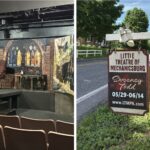
Bittersweet “Wilderness”: The Alsedeks’ final play is, rightly, about family.

It seems so fitting.

It seems fitting that the final play for Open Stage founders Don and Anne Alsedek is one featuring a close-knit family, Eugene O’Neill’s “Ah, Wilderness.”

“Ah, Wilderness” is a story about the Miller family as they celebrate the 4th of July while coping with the usual drama of teens in love, family values and political differences. While set in the early 1900s, the themes of the show are timeless.

Though a comedy, “Ah, Wilderness” has actually been a bittersweet experience for several of the actors who have worked over the years with the Alsedeks, who are retiring after the conclusion this month of the theater’s 31st season.

“I’ve been walking around in rehearsals thinking, ‘This is the last time’,” said Lisa Haywood, who portrays Lily Miller. “I wouldn’t even be in theater if it weren’t for Don and Anne. They encouraged me and helped me to grow as an actor. There are a lot of really special connections here.”

Haywood has been in numerous shows at Open Stage, with Don directing nearly every one of those productions.

Brian Schreffler, who portrays Miller family patriarch Nat and who has been featured in “Anne Frank” for eight years, agreed with Haywood.

“I’m certainly going to miss both of them,” said Schreffler. “They have been near and dear friends for 40-some years.”

Another Open Stage veteran featured in “Ah, Wilderness” is Dan Burke, who was in one of the first Open Stage productions, “And a Nightingale Sang.” Burke plays Sid Davis.

“I love working with Don because he gives the actor freedom to explore in every rehearsal,” said Burke. “Don gives the actor respect. He gives you the opportunity to play, and that’s what it’s all about.”

Burke, who also directs and provides fight choreography for several local theaters, said that Don’s style has impacted how he now directs.

Dave Olmstead, scenic designer for “Ah, Wilderness,” is another local director whose directorial style has changed from working with Don.

“I would say Don’s style of directing has greatly influenced the way that I now direct,” he said. “It’s more hands off, trusting the actor and guiding their natural instincts.”

Olmstead has acted in multiple shows directed by Don and has starred across from Anne in a variety of roles.

“The Alsedeks had this idea of professionally producing plays in this area that wouldn’t normally be done,” Olmstead said. “They’re often the Pennsylvania premier for a lot of these shows. I applaud Don, Anne and Open Stage co-founder Marianne Fischer, to not only create this vision but to maintain it for so many years.”

Stuart Landon, current associate artistic director, will step into the position of artistic director on July 1.

“I think Stuart Landon is going to do a remarkable job,” said Schreffler. “I’m sure Stuart will respect the tradition that Don and Anne have built. I’m definitely looking forward to Open Stage’s future.”

Returning for this production is former Open Stage resident costume designer, Gwen Alsedek. Gwen, Don’s sister, retired in 2015.

“It’s nice that Gwen and I get to go out together,” said Don. “It’s also great to work on my final show as artistic director with actors who have been with Open Stage for a long time.”

The cast of “Ah, Wilderness” also features Emily Gray, Patrick Stoner, Michael Hardenburg, Sheridan Lain, Jack Hoover, Jim Lewis, Erin Shellenberger, Lucas Haywood, Madison McCann, Caroline Chronister and Aaron Bomar.

“Ah, Wilderness” runs June 2 to 25 at Open Stage of Harrisburg. Tickets and information on show times are available at www.openstagehbg.com.

Upcoming Theater Events At Open Stage of Harrisburg
www.openstagehbg.com

“Ah, Wilderness”
A classic romance by Eugene O’Neill
June 2 to 25

Auditions for Music Theatre Workshop
Saturday, June 10 by appointment ‬
July 10 to 28  theater camp for students ages 12 to 18‬
email: [email protected]

Disney’s “Aladdin Kids”
June 29 & 30, 7 p.m.

Subscriptions on Sale for Season 32 for package of plays 2017 to 2018

Author: Laura Dugan

Continue Reading

Carnal Knowledge: What it is HPV, and how to prevent it?

Patient education and vaccine awareness campaigns are helping more people understand the connection between human papillomavirus (HPV) and reproductive cancers like cervical cancer. But fewer people understand the relationship that also may exist between head and neck cancers and this sexually transmitted infection.

About 80 million Americans are infected with one of the many types of HPV, according to the Centers for Disease Control and Prevention (CDC). The virus can infect the anus, genitals and oropharynx (tonsils and back of throat) as a result of genital, anal and oral sex. Certain HPV types can cause genital warts, which are considered low-risk.

But other types of HPV can cause cancer in different areas of the body, including the genitals and throat, and are considered to be high-risk. More than one in five adults in the United States has the type of HPV that can cause cancer, according to an April 2017 CDC report.

The incidence of head and neck squamous cell carcinoma (HNSCC) has been gradually increasing over the last three decades. About 7 percent of Americans have oral HPV, which is three times more common in men than women. In some people, oral HPV infection leads to HPV-OSCC (HPV-positive oropharyngeal squamous cell cancer) many years after contracting the infection.

Both head and neck cancers are treated similarly—whether or not they are caused by or related to HPV. Treatment decisions are based on:

  • Size of the tumor
  • Location of the tumor
  • Stage of the disease
  • Overall health of the patient
  • Patient wishes of the patient

Researchers are studying to determine whether cancer treatments should be changed based on the presence or absence of HPV. About 30 to 40 percent of HNSCC patients present with early stage I/II disease, usually using single modality treatments such as radiation or surgery alone. HPV-driven tumors are more sensitive to radiation and to Cisplatin or chemo-based therapy.

The vaccines Gardasil and Cervarix have been shown to help prevent cervical cancer. Gardasil also helps prevent vaginal, vulvar and anal cancers, as well as genital warts. To date, there are no conclusive studies that show similar protection against oropharyngeal cancer. However, with the availability of these vaccines, physicians are hopeful that the incidence of HPV-related throat cancers will decrease over time.

In all cases, vaccines are designed to prevent HPV infections and are recommended for boys and girls before they become sexually active. An open dialogue between patients and providers about HPV, testing and vaccines can mean a better prognosis.

Understanding how the infection spreads is important for prevention. HPV is not spread through touching or kissing. HPV is contagious through genital and oral contact, so the sexual partners of a person diagnosed with HPV also have been exposed. However, since some infections clear up on their own and not all viruses become cancerous, the chance of a partner getting an HPV-related cancer is low.

Still, precautions should be taken. Contracting the virus is avoidable when men and women practice safe sex and communicate about their health and partner history.

Symptoms of HPV may not be present, but this chronic disease stays with a person for a lifetime. So while treatments and breakthroughs can help manage the disease, there is no cure. Using a condom, understanding HPV and knowing one’s own and a partner’s health history is crucial—especially in avoiding a possible cancer diagnosis.

If a partner is female, she should follow normal women’s health guidelines, which include having a routine Pap test. If a partner is male, he does not need any special exams or tests, because there is no routine or standard HPV screening offered for men. Additionally, there is no effective screening test for head and neck cancer.

For more information about HPV or to schedule an appointment with a primary care provider, visit pinnaclehealth.org.

Jose E. Misas, MD, is a board-certified gynecologic oncologist at the PinnacleHealth Women’s Cancer Center.

FAST FACTS

  • HPV is a group of more than 150 related viruses.
  • High-risk types of genital HPV can cause cancer of the cervix, vagina, vulva, anus, penis and throat.
  • The type of cancer HPV causes most often is cervical cancer.
  • Men can get penile HPV cancer.
  • In women, HPV infection can also cause cervical, vaginal and vulvar HPV cancers.
  • Most HPV infections go away by themselves and don’t cause cancer; however, abnormal cells can develop when high-risk types of HPV don’t go away.
  • Genital warts appear as a small bump or groups of bumps in the genital area. They can range in size and shape.

Author: Jose E. Misas, MD

Continue Reading

Kale & Ale: Match your salad with a saison at the Vegetable Hunter.

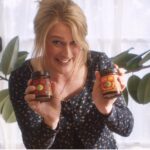
There’s a little brick café in downtown Harrisburg filled with surprises.

At the Vegetable Hunter, not only can you order veggies and smoothies and organic coffee; you can also sit back and enjoy a handcrafted beer.

Owner Kristin Messner-Baker, an attorney who once feared being stuck in her first job as a waitress, seems surprised at her double success—first opening a vegan and vegetarian café in meat-and-potatoes country, then following that up with a boutique brewery offering a line of crisp, clean craft beers.

Messner-Baker first opened her restaurant in June 2014 with her husband John Baker and their kids.

“I realized no one else in the area was targeting vegans and vegetable lovers,” she said.

Despite her fear of failing, she plugged away, pleasantly surprised when folks kept coming back and, a bit later, when her café won several local awards for organic and vegetarian cuisine.

Messner-Baker’s café kept evolving, but people wanted more, and someone mentioned that a brewery might be a good addition. She secured a brewer, but, by the time the zoning and licensing came together, the brewer had left.

That’s when her friend, Derek Markel, also a home brewer, came to mind.

“I knew Derek made great beer,” said Messner-Baker. “And I knew he’d won all kinds of awards.”

In fact, Markel had received numerous accolades for home brewing, including first-place prizes. He’s also cofounder of the All-Grain Gangsters homebrew club, the homebrewer liaison for Harrisburg Beer Week and the co-organizer of the 2017 Battle of the Homebrewers.

When the Bakers approached Markel about their brewery project, he was hesitant because he already had a full-time job as a computer programmer.

“However, I always kind of had ambitions to take my brewing to another level, and I felt this may be the best opportunity I would have to be able to brew professionally without leaving my full-time job,” he said. “I knew the size of the equipment we would be using would not be much larger than what I was using as a home brewer, so that made it a little less intimidating. I also really enjoy the artistic side of brewing.”

Markel guided the Bakers and their staff through everything needed to get the boutique brewery up and running. The basement of the snug eatery now hosts the brewery equipment, and Markel brews on the weekends.

“Our goal is to have a variety of styles on tap at any given time,” said Markel. “So, I take that into account when planning the schedule for the beers we brew. I think about what seasonal ingredients may be available and would work well with the beers. I am also trying to utilize some ingredients which complement the food available in the restaurant.”

There are both advantages and disadvantages to brewing on a very small scale, Markel said.

“The main disadvantage is that it takes about the same amount of time to brew a half-barrel batch as it would take to brew a much larger batch size,” he said. “With nano-brewing, there is a lot of time and money invested, and the end result is a few kegs that you can go through very quickly in a busy restaurant or taproom.”

The advantage, though, is that it allows for flexibility—the ability to experiment and to release new beers quickly.

“Nano-brewing allows us to have a constantly changing lineup, which I feel is important in today’s craft beer market,” he said. “There are a lot of craft beer drinkers who are always seeking out new beers to try. This trend has partially been fueled by social media and mobile phone applications such as Untappd.”

I had the pleasure of tasting several of Markel’s brews: the Veg Halen Coconut Porter (playfully taken from the band, Van Halen), the Drink Floyd IPA (another take from a great band) and a unique, pink-colored Punk Rock Girl Hibiscus Saison (after the popular 1980s Dead Milkmen song). Markel said that he plans to utilize local fruit, vegetables, hops and honey during the summer months.

I also found that the beer complemented perfectly what was on the menu at the Vegetable Hunter, items like a walnut lentil burger, vegetarian sandwiches, homemade hummus and innovative salads.

“A positive atmosphere in the kitchen is reflected in the food, and in everything we serve,” said Messner-Baker.

The Vegetable Hunter is located at 614 N. 2nd St., Harrisburg. For more information, visit www.craveandco.com or the Facebook page: The Vegetable Hunter.

Author: Cathy Jordan  

Continue Reading

Red Meat, Red Wine: Bold flavors for bold summer menus.

Summers in Pennsylvania are three glorious months bracketed by two major holidays.

This is the time when meals move outside and the backyard grill takes center stage. To me, this means the menu turns toward beef in its many forms, and red wine is the perfect beverage to complement this style of culinary indulgence.

The naturally occurring tannins in the skin of the grapes match with the fat of the bovine to produce a flavor on the palate that, if not magic, is at least alchemy. My choices for this all-American meal are quaffs from the southern hemisphere. These wines are usually on the chewy side, but who needs elegance in a season where casual is the word and buttoned down is for serious dining?

Shiraz is the Aussie moniker for Syrah, the main grape in the Rhone Valley. Known for its fruit-forward personality, it deserves a place on everyone’s table to go along with the products of the grill. The biggest fruit bombs come from the Barossa Valley with their typically high-alcohol content. I prefer wine from the McLaren Vale, which is more nuanced and textured. Since most Shiraz comes from southeast Australia, look for bottles that have better balance and not so much bang for the buck.

Malbec started life as one of six grapes from France’s Bordeaux region, where it was blended to give more personality to mediocre vintages. It was taken to Argentina, where it thrives in the volcanic soils and high Andean altitude. In recent years, it has become an international superstar. Most bottles come from the Mendoza region, a huge geographical area, which means that there are many variations of this spicy quaff. Try to find young wines at reasonable cost, since the expensive reserves usually need aging. It may seem a difficult task with all the selections available, but, once you find one that suits the menu, it is a welcome addition to your outdoor feast. After all, this is the country that invented the asado, perhaps the ultimate cookout.

The country of Chile contributes two wines to our grilling meals. Cabernet sauvignon is known worldwide as the king of red wines. The ones from this narrow nation are simply wonderful. Situated on land between the Andes Mountains and the Pacific Ocean, the grapes develop in a way that makes for totally unique flavors with pronounced fruit and subtle tannins. My favorites are the ones from the Maipo Valley. Look closely on the bottles.

Carmenere is the grape that nearly vanished after the phylloxera plague destroyed the European vineyards in the 19th century. It was discovered again in the 1990s after DNA testing on odd “merlot.” It is one of Chile’s great wines with its own character of smooth fruit and lighter tannins. You should give it a try, especially with its reasonable pricing and unique character. In fact, try one now!
Keep sipping, Steve

Author:  Steve Juliana

Continue Reading

Up by the Riverside: A close-knit community celebrates 100 years as part of Harrisburg.

Riverside Fire House, 1923.

You know the neighborhoods of Harrisburg. South Allison Hill. Midtown. Olde Uptown. Bellevue Park. Downtown. Riverside.

Back up there. What the heck is Riverside?

For those of us who live here, Riverside is our little secret. But since September marks the centennial of Riverside’s annexation into the city of Harrisburg, maybe it’s time to stake our claim as a distinct neighborhood with a unique quality of life. No, it’s not “walkable” to coffee shops and cinemas, but there are trees and backyards, parking and birdsong, quick commutes to downtown and quick getaways to highways.

First, to answer your question, Riverside is the last chunk of city land along the 2nd Street corridor. Imagine holding a Hershey chocolate bar in your hand and breaking off the far left squares. That’s Riverside, from Division Street to just north of Vaughn Street (call it Italian Lake to the Jewish Community Center) and from Front Street to 7th Street (Susquehanna River to the railroad tracks).  

“Riverside, before it was annexed, was known as a hamlet,” Howard Parker told me. “I’ve always wanted to live in a hamlet.”

New Age

We were meeting at the Olde Uptown Little Amps (like I said, we got no coffee shops). Parker, a New Jersey native who moved east and has lived in Riverside since 1980, is a history buff and president of the Riverside United Neighbors community group.

Archival records of that 1917 annexation, the year America entered the “Great War,” show that change never happens in Harrisburg without controversy and the occasional threat of fisticuffs. Riverside was still its hamlet self, home to 500 or 600 people who’d been attracted to the Susquehanna Township development since its launch in 1905 with promises of “sewer, water, light and river view.”

“One car-fare takes you from Riverside to any part of city, Steelton, Paxtang, Reservoir, Progress, Penbrook and Rockville,” pledged an ad from developer Lewis M. Neiffer.

Harrisburg had “briefly flirted with an industrial period in the 1890s,” said Historical Society of Dauphin County Librarian Ken Frew, but the ornate Beaux Arts Capitol built in 1906 ushered in a new age.

“Once the (original) Capitol burned down, and they built a new one, the whole tenor of Harrisburg changed,” said Frew. “It became a white-collar city.”

Those government workers found a bucolic escape in their Riverside homes.

“They were people who didn’t want to be down in the city,” said Frew. “They were a little more independent. They liked living up there, but they missed the city services.”

Parker confirmed that Riverside’s street paving was “not really fantastic,” and some residents were dissatisfied with schools that one resident of the day called “miserable.”

In September 1916, about 60 percent of Riverside homeowners petitioned for annexation by Harrisburg. This would be the city’s 12th annexation of adjoining lands, but money concerns intervened. Would annexation mean that “outlay on the part of the city will be far greater than the revenues derived from the Riverside section,” as the Harrisburg Daily Independent speculated? Sewer, lighting and fire hydrant upgrades would all cost money.

Despite the costs, the Harrisburg Telegraph considered the deal’s apparent collapse ill-advised.

“It was assumed that at no distant day the suburb would be taken over by the city and now, when it comes knocking at our doors, having fulfilled the requirements of the municipality and being one of the most desirable residential districts in all the country roundabout, we turn our neighbor away,” the Telegraph editorialized.

“One of the most desirable residential districts in all the country roundabout”? My Riverside? Sweet.

Wordy Battle

Back to 1917.

The Telegraph accurately predicted eventual annexation. This being Harrisburg, a backroom deal or two might have given this creature life. The plan’s sudden revival prompted a letter to the Telegraph editor signed “ONE OF THE EXPLOITED,” insisting that the so-called majority clamoring for annexation was actually a minority poised to gain, possibly through the city’s purchase of the hamlet’s sewers.

“There always has been, and never so violently as at present, a strongly voiced antagonism to annexation . . .,” complained “Exploited.” “It is a question of searching for the individuals who aim to profit at the community’s expense.”

By now, annexation was big news. City Council’s 3-1 vote to approve annexation shared banner headline space with news from the Great War in the Aug. 27, 1917, Evening News: “Riverside is Added to Harrisburg; Italians Capture 90 Square Miles.”

But then a Sept. 1 banner headline proclaimed “Riverside Citizens Oppose Annexation” (above a photo captioned “Uncle Sam Cocks His Big Guns for the Boches”). The fight to block codification of a City Council vote seen as “railroaded” seemed to be on, until the city solicitor announced that the ordinance had been signed into law, making it irreversible. With the painful news, some argued for withdrawing their opposition. Others wanted to keep up the fight.

And then things got heated. Professor George Hill, a teacher and annexation supporter, argued that “bugaboos” like the higher taxes feared by opponents might never materialize. A certain W.H. Bishop seemed to think that Professor Hill was calling Mr. Bishop and his fellow opponents “bugaboos.” A “wordy battle” ensued.

“Come out here in the hall and settle it,” Professor Hill suggested to Mr. Bishop. Mr. Bishop declined the offer but “politely went on with his criticism.”

Howard Parker shook his head as he shared news accounts of the near-altercation. “This is so frickin’ Harrisburg,” he said. “It just is.”

Wild Waste

In September 1917, the hamlet of Riverside joined the city of Harrisburg, and life went on.

A school that started as a one-room schoolhouse in 1905 grew into a modern school “heated by a furnace in the basement!” recalled one student. A fire company formed in 1915 and built its firehouse, long a community center, in 1923.

“It is situated in a northern part of the city in a district in which there are fine homes, hence they are always willing to do all they can for the welfare of the community,” the company boasted.

Corner drug stores served cherry cokes. There were barbershops and salons, churches and markets. The Riverside Baseball Team gathered for a team picture in 1921.

The “wild, wild waste” known as Italian Park, where gypsies encamped every year, became Italian Lake in 1919, beginning a string of up-and-down years for a park where residents today walk their dogs, admire azalea blooms in the spring, and jog up and down the hillside. By 2013, Riverside School had come down, making way for Chisuk Emuna’s beautiful synagogue, now a polling place and R.U.N. meeting spot.

The city’s northward march culminated in completion of the imposing, now vacant William Penn High School in 1926. The last anyone heard of plans for the school, a developer was considering its use for senior-living apartments. In the eyes of developers, classrooms make perfect apartments, said Harrisburg School Board Vice President James Thompson. But they found no uses for the auditorium, gym and the campus’ separate career school building.

“People will come in and look at it and try to make the numbers work,” Thompson said. “I’m always the optimist. Somebody will find the right use for it, but the building needs work.”

Plus, developers hungrily eye the acreage and sports fields on the William Penn campus, but the district “would like to preserve the land,” Thompson said. “I think we owe it to the community and to the neighborhood to preserve the land for current and future recreational needs.”

Life Changes

Keeping pace with the rest of the city, Riverside’s 2017 home sales have been brisk, said RE/MAX realtor Ray Davis. “Riverside” isn’t a name that prospective homebuyers instantly recognize, but just as in 1905, the neighborhood offers “a natural progression” in city dwelling, he said.

“You have buyers in Midtown who eventually want a yard, want the parking,” said Davis. “That causes them to move up because their needs change. The parking and the yard for the dog or the kids become a little more important than the walkability of downtown. Life changes.”

Another thought struck Davis, a realtor for 20-plus years. In many other city neighborhoods, houses are similar, and so, for instance, a young adult or middle-ager with durable knees can manage Midtown’s three-story rowhomes. Riverside, though, is “one of the few neighborhoods where you have some single-level homes. You have Cape Cods. You have two stories and three stories. You have some large homes. You have smaller homes.”

Diversity is a hallmark of all city neighborhoods, he continued, but Riverside’s is “a different kind of diversity.”

“The housing inventory there is really diverse, which I think adds to the diversity of the people who live there,” he said. “You have price, size, style. It’s as assorted as the people.”

That’s my Riverside. Curious? Cross Division Street and come explore for yourself. Just be sure to bring your own coffee.

To learn more about the Riverside neighborhood, visit the Riverside United Neighbors website at www.riversideunitedneighbors.com.

Author: M. Diane McCormick 

Continue Reading

Your Pocket or Mine? Who will pay for PA’s budget deficit?

Pennsylvanians are looking at a tax increase. The only question is who is going to pay and how much.

Will the taxes be imposed on businesses at the state level, or will counties and other local governments be forced to increase their taxes, including property taxes?

It is a question that is particularly critical in the Harrisburg area.

Every budget is a political statement. Each year, pursuant to the state Constitution, Pennsylvania’s political leadership must agree to a budget that is balanced by the June 30 deadline.

That mandate becomes more difficult by the year. For many budget cycles now, the Pennsylvania legislature has engaged in its own form of creative financing. In order to deal with an ever-growing budget deficit, they have passed—and governors have signed—a series of smoke-and-mirror budgets. Projected revenue from new programs is wildly exaggerated, special funds are raided, and the costs are passed on to local governments.

And now the chickens are roosting. The failure to provide real funding for critical programs and a sputtering economy have left the commonwealth with a structural deficit that is estimated at $3 billion or more.

And nobody seems to know where the money will come from.

Oh, there have been proposals. Gov. Tom Wolf introduced a budget that increases state expenditures by 1.8 percent and proposes to pay for it with, among other things, consolidations of state agencies, a prison closure, limiting the use of state police in uncovered municipalities, privatizing the State Farm Show Arena, the institution of a severance tax on natural gas drilling, limiting corporations’ ability to shift tax responsibilities to more tax-friendly states, and a variety of other business taxes and revenue enhancements that include an internet lottery and liquor “modernization.”  

The House Republicans responded by passing their own budget that emphasized cuts in state funding for many state/local programs.

And that is where the question of who pays the taxes comes into play. It’s not that these programs will be eliminated—many are mandated under state law—but where the financing will come from.

In many of these cases, there will be no choice but for the money to come from local governments, particularly the counties. The proposed cuts for health, human services and criminal justice funding would be so severe that there will be little choice left for the counties but to increase their own property taxes.

And then there is the elephant in the room—what to do with the state pension systems. Decades of state underfunding, poor investment decisions and excessive fee schedules have left the state’s two big retirement funds in a fiscal quandary. This is a statewide problem, of course, but in central Pennsylvania, it is a crisis.

For the counties in this area, pensions are economic generators. In 2016, the county whose retirees received the largest pension payments was, by far, Dauphin County at $304 billion. Second place? You won’t be surprised to learn that it was Cumberland County at $195 million.

So, when you hear that various legislators are proposing plans to slash pension benefits for state workers, ponder for a second what it will mean to area restaurants, grocery stores and whatever shopping mall retailers manage to stay in existence.

There is one more reason for Harrisburg residents to pay particularly close attention to what happens with this budget. It is the fate of the $5 million that is annually given to the city by the state for “fire protection.” For decades, this budget appropriation has been a way for the commonwealth to soften the loss of revenue for the many state-owned properties within the city limits.

The Republican House-passed appropriations bill eliminates the $5 million funding. The loss of this money would be devastating for the city’s public safety programs and would have egregious consequences for the city’s effort to achieve fiscal recovery under the “Strong” plan.

It is easy to understand why eyes glaze over when the state’s budget problems are reported. The failure to pass the budget in a timely fashion has become a staple of yearly Harrisburg springtime news, like the falcons in the Rachel Carson Building or the high school proms.

And who can keep track of these budget numbers or possibly understand what’s real and and what’s alarmist rhetoric?

And, yes, this budget fight is still in the first half of what will probably be an overtime game. The Senate has not had its shot yet, and Republican leadership there has expressed its unease with such a heavy reliance on enhanced gambling and liquor revenue.

But everyone in this area needs to understand the stakes as the real budget negotiations begin in June. And the biggest question will be this: Will the structural deficit result in state-level business taxes as proposed by Gov. Wolf or in local tax increases as will inevitably be the result of the House Republican proposal?

Mike McCarthy and Joseph Powers are veteran observers who between them have nearly eight decades in and around state government.

Continue Reading

Community Corner: Notable June Events

June Community Corner

Health Screenings June 1: PinnacleHealth will hold free blood pressure screenings at the Harrisburg Mall, 3501 Paxton St., from 12:30 to 2:30 p.m. Free and open to the public. For more details, visit shopharrisburgmall.com.

Annual Breakfast June 2: The Nativity School will host its annual Breaking the Cycle Breakfast at Hilton Harrisburg, 1 N. 2nd St., 7:30 to 9 a.m., including an 8 a.m. program with Horace Madison. Visit nativityschoolofharrisburg.org for more details. 

Trail Hall of Famers June 2: Appalachian Trail Hall of Fame inductees Harlean James, Charles Parry, Mildred Norman Ryder and Matilda Wood will be honored at the Appalachian Trail Hall of Fame Banquet at the Comfort Suites, S. Hanover St., Carlisle. A reception begins at 6 p.m.; dinner will be served at 7 p.m. Visit atmuseum.org.

Free Shakespeare June 2-17: The annual “Free Shakespeare in the Park” returns this year with “Macbeth.” The Gamut Theatre production runs Wednesdays to Saturdays, starting at 7:30 p.m. at the band shell at Reservoir Park, Harrisburg. Visit gamuttheatre.org. 

Health Event June 3: Black Girl Health, a minority women’s health outreach and awareness platform, hosts its annual “Kickstart your Health” wellness expo at Harrisburg Hilton, 1 N. 2nd St., 7:30 a.m. to 4 p.m. The event includes access to health and fitness workshops, food, prizes and health screenings. Visit BlackGirlHealth.com for details.

Back Pain Workshop June 3: Join Absolute Pilates for a free workshop on techniques to beat back pain, 10 a.m. at Zang Physical Therapy, 836 Market St., Lemoyne. Call 717-440-6197 or email [email protected].

Spring HBG Flea June 3: Shop the HBG Flea for local art, vintage treasures and curated curios at Midtown Cinema, 250 Reily St., Harrisburg, 9 a.m. to 3 p.m. Visit hbgflea.com for more details.

Family Garden Day June 3: Penn State Master Gardeners in Cumberland County hosts a Family Garden Day, 10 a.m. to 1 p.m., at the Penn State Extension Office, 310 Allen Rd., Carlisle. Enjoy free activities, make-and-take projects and visits with 4-H club animals. Visit extension.psu.edu for details.

Harrisburg Hoopla June 3: Harrisburg Young Professionals and the Foundation for Enhancing Communities will host Harrisburg Hoopla at City Island, 11 a.m. to 10 p.m. Enjoy a friendly track-and-field day for adults, organized to build community, boost the economy and raise money for local nonprofits. Visit hyp.org.

Bridges Ride June 3: Go on a leisurely sightseeing bike ride, 5:30 to 7 p.m., sponsored by Bike Harrisburg and Recycle Bicycle. Riders will travel over the Harvey Taylor, State Street, Mulberry Street, Market Street and Walnut Street bridges before heading back to Midtown. For more details, visit bikeharrisburg.org.

Night at the Museum June 3: Susquehanna Art Museum, 1401 N. 3rd St., Harrisburg, will host “A Night at the Museum,” a festive benefit featuring cocktails, a silent auction and a sneak preview of the upcoming exhibition, 6 to 9 p.m. Visit sqart.org.

Tour de Belt June 4: The Capital Area Greenbelt Association will host its 17th annual Tour de Belt bike ride, which starts at 9:30 a.m. at HACC and follows the 20-mile Greenbelt trail. Lunch and post-ride activities provided to riders. Proceeds go to Greenbelt restoration and maintenance. Visit CAGA.org.

Plant Swap June 4: Head to Fredricken Library, 100 N. 19th St., Camp Hill, for a Community Plant Swap, 1:30 to 3:30 p.m. Bring as many plants as you would like to take home. Plants should be divided in containers in advance. Penn State Extension Master Gardeners will be on hand to assist. Visit fredricksenlibrary.org.

Painting Night June 5: SpiriTrust Lutheran LIFE will host a paint night fundraiser for its Alzheimer’s Walk “Lovin’ LIFE” team, 6 to 8 p.m. at LIFE Center, 1920 Good Hope Rd., Enola. Cost is $35, including supplies and a $10 donation to the team’s fundraising efforts. Painters can BYOB. Register at spritzandsplatter.com by June 4.

Summer Learning June 5-Aug. 10: Join Fredricksen Library, 100 N. 19th St., Camp Hill, for a summer of reading, learning and events for adults, children and teens. Register in the first five days (June 5 to June 9) and/or register for a new library card to be eligible to win prizes. Visit fredricksenlibrary.org.

Leads Over Lunch June 6: Mix and mingle with business leaders at this free lunch hosted by Harrisburg Regional Chamber & CREDC at PricewaterhouseCoopers, 2 N. 2nd St., Harrisburg, 11:30 a.m. to 1 p.m. Visit harrisburgregionalchamber.org for more details.

Women in Tech June 6: The Technology Council of Central Pennsylvania will host the 2017 Women In Technology Awards Gala at Spring Gate Vineyard and Winery, 5790 Devonshire Rd., Harrisburg, 5:30 to 9:30 p.m. For more information, visit tccp.org.

Networking Mixer June 7: Join the West Shore Chamber and other local business professionals at the June Afternoon Networking Mixer, 11:30 a.m. to 1:30 p.m. at Best Western Plus Harrisburg West, 4900 Woodland Dr. The event is free and open to chamber members. Visit wschamber.org for details.

Library Party June 9: Celebrate 60 years of Fredricksen Library, 100 N. 19th St., Camp Hill, with an all-ages birthday party, 3 to 8 p.m. Enjoy food, music, giveaways, activities and games, a Quidditch exhibition, a preview of “Hamiltunes,” book character costume parade, mini book sale, birthday cupcakes and more. Visit fredricksenlibrary.org.

Outdoor Movies June 9 & 23: Friends of Midtown and Midtown Cinema will host two free outdoor movies in June, “Who Framed Roger Rabbit” on June 9 and “Superman” on June 23 at Midtown Cinema, 250 Reily St., Harrisburg. Both films begin at dusk and, in case of rain, will be delayed until Saturday. Visit friendsofmidtown.org.

Volunteer Work Day June 10: Head to Wildwood Park, 100 Wildwood Way, Harrisburg, to help with continuing park and habitat enhancement projects, 10 a.m. to 1 p.m. Snacks, tools and work gloves will be provided. Bring along a water bottle. Refreshments will be available. Visit wildwoodlake.org.

Summer Soiree June 10: Art Association of Harrisburg will host a summer soiree at Marc Kurowski’s restored historic home at 1421 N. Front St., Harrisburg, 1 to 4 p.m. Featured artists will include Ann Benton Yeager, Brian Eppley, Danielle Klebes and Dalton James. Visit artassocofhbg.com.

Let’s Talk Race June 10-24: Fredericksen Library and the YWCA Harrisburg continue a six-week series on how racism reveals itself. Held on Saturdays at the library, 100 N. 19th St., Camp Hill, 1:30 to 4:30 p.m., “Let’s Talk” is a dialogue intended to create change and eliminate racism in our community. Visit fredericksenlibrary.org or ywcahbg.org.

Explore Wildwood June 10-25: Celebrate summer with a family adventure at Wildwood Park, 100 Wildwood Way, Harrisburg, 10 a.m. to 4 p.m. Grab a packet at the nature center, then walk the Towpath Trail to explore the natural world on a 2-mile hike. Stop at stations and use clues to solve nature’s mysteries. Visit wildwoodlake.org.

Concert Series June 11: Harrisburg Young Professionals kicks off its free Italian Lake Concert series with The Jayplayers at Italian Lake, N. 3rd and Division streets, Harrisburg, at 6 p.m. Bring a lawn chair, some picnic blankets and snacks. Visit hyp.org for the full lineup of summer concerts.

Garden Camp June 13-Aug. 8: Penn State Master Gardeners hosts a Summer Garden Camp for children ages 7 to 12 or in grades 3 to 6 at the Penn State Extension office, 310 Allen Rd., Carlisle. There will be five sessions on Tuesday mornings, 9 a.m. to 12 p.m. Visit extension.psu.edu.

Horticulture Camp June 14 and 28: Master Gardeners of Cumberland County will host Summer H.E.A.T., a horticulture program designed for teens ages 12 to 15 (or grades 6 to 9), on June 14 and June 28 from 9 a.m. to 4 p.m. at the Penn State Extension Office, 310 Allen Rd., Carlisle. For details, visit extension.psu.edu.

3rd in The Burg June 16: Enjoy the best of Harrisburg during 3rd in the Burg, the monthly arts and culture event at galleries, restaurants and art spaces throughout downtown and Midtown. Check out all the action at thirdintheburg.org.

Civil War Days June 16-18: Immerse yourself in local history during a three-day event focused on the Harrisburg area’s role in the Civil War. Go on a battlefield tour, visit a re-enactor encampment and enjoy socials, among other activities. A roster of events is on the Facebook page: Civil War Days in Harrisburg.

Free Museum Day June 17: The National Civil War Museum presents its Community Free Day, 9 a.m. to 4 p.m. Join NCWM staff and volunteers to celebrate Civil War Days with a day of activities designed to present history in a fun and educational setting. Visit nationalcivilwarmuseum.org.

Fairies & Flowers June 17: Kids can join the fairies at Hershey Gardens, 170 Hotel Rd., Hershey, for a hunt for the Magic Tree and to gather secrets about their favorite flowers, 9:30 a.m. to 12 p.m. Children can dress in their favorite fairy costume and create jewelry and magic fairy doors. Visit hersheygardens.org for event details.

Garden Tour June 17: Visit 12 beautiful gardens, including a rooftop garden, a fairy garden and a mushroom garden on the New Cumberland Public Library’s Garden Tour, 10 a.m. to 4 p.m. Tickets are $10 in advance, $12 day of. Friends and members are $5. Visit cumberlandcountylibraries.org for more information.

Local Lunch June 17: Join Friends of Midtown at its community lunch, held this month at the Broad Street Market, 1233 N. 3rd St., 12 to 2 p.m. Support a Midtown business, meet fellow neighbors and enjoy a meal. 2017 Shop Midtown coupon books will be available. Email [email protected] or visit friendsofmidtown.org.

Brewers Fest June 17: Cystic Fibrosis Foundation of Central Pennsylvania will host its 14th Annual Harrisburg Brewers Fest from 2 to 7 p.m. at 2nd and Locust streets. The $50 ticket price includes beer samples, a collector’s sampling mug and live entertainment. Food concessions will also be available. Visit harrisburgbrewersfest.com.

Fathers’ Free Day June 18: Head to Hershey Gardens, 170 Hotel Rd., Hershey, 9 a.m. to 6 p.m., to celebrate Father’s Day and enjoy free admission for all dads. For more details, visit hersheygardens.org.

Art Tour June 18: Celebrate Father’s Day with a tour of Michael Ennis’s art collection, displayed in his historic home on Briggs Street in Harrisburg, 1 to 4 p.m. Admission is $15 in advance, $20 at the door. Visit artassocofhbg.org for more details.

Day Camp June 19-June 30: Wildwood Park, 100 Wildwood Way, Harrisburg, will host Wildwood Way Day Camp for children ages 6 to 8 in two sessions, June 19 to 23 and June 26 to 30, 9 a.m. to 3 p.m. Registration fee is $115 per camper and is required in advance. Visit wildwoodlake.org.

Business After Hours June 22: Mingle with business professionals at Harrisburg Regional Chamber and CREDC’s free networking event at Sacunas Integrated Communications, 2201 N. Front St., Harrisburg, 5 to 7 p.m. Visit harrisburgregionalchamber.org.

Dress For Success June 22-25: Suits to Careers and Dress for Success will sell new and gently used professional clothing and shoes, 12:30 to 2:30 p.m., on the lower level of Harrisburg Mall, 3501 Paxton St., next to Payless Shoes. Make a donation of $20 on Sunday and receive a bag to fill. Visit shopharrisburgmall.com.

Summer Tea Party June 25: The Art Association of Harrisburg, 21 N. Front St., will host a traditional tea party in its garden, 12 to 2 p.m., with the choice of freshly baked scones, lemon curd, preserves, tea sandwiches, mini-pastries and individual pots of tea. Reservations are required and are $25 per person. Visit artassocofhbg.com.

Garden Tour June 25: Join Penn State Master Gardeners in Cumberland County, 1 to 6 p.m., for “A Summer Celebration” garden tour. Visit each of six unique private gardens in the Carlisle area, from Monroe to Dickinson Township, as well as the Master Gardener demonstration gardens, 310 Allen Rd., Carlisle. Visit extension.psu.edu.

Rock Band Camp June 26-30: Learn guitar basics in a classroom band setting and experiment with different arrangements of classic rock-and-roll songs, during this weeklong camp, held 9 a.m. to 3 p.m. each day. Visit musicatmetropolis.com.


Continue Reading

Kosher in the Burg: The Harrisburg area’s options expand to fill a growing need.


Judith Schulder

Keeping kosher can be a challenge.

In addition to the foods that are forbidden outright—think ham and shellfish—other foods that could be kosher, like chicken, need to be prepared a certain way. Except for fresh fruits and vegetables, most require rabbinic certification.

Food isn’t kosher because it’s been blessed by a rabbi, which is a common belief. But, yes, dairy and meat foods must be consumed separately and have their own dishes, pots and utensils.

Judith and Dan Schulder know the complexities of observing kashruth—Jewish dietary laws. But it was only recently that the couple realized a truly trouble-free kosher kitchen, in the process getting the kitchen of their dreams. 

They now have two dishwashers, two sinks and a double stove, and all appliances are on “Shabbat mode.” In recent decades, manufacturers of electrical appliances have inserted a fire-prevention safety feature that automatically shuts off the heat after a number of hours, which renders the appliances useless under certain religious laws. “Shabbat mode” allows an override of the feature.

Since Judith Schulder is an accomplished cook and the couple entertains often, they added a peninsula for a “better working environment,” she said.

The remodeling was “something we’ve wanted to do for a long time,” she said. “Having more space is more accommodating for kashruth.”

Excel Interior Concepts and Construction in Lemoyne did the remodel.

“This was not our first kosher kitchen, but it’s not something we do every day,” said Jim Mirando Jr, president of Excel. “Working with the Schulder family involved a deeper understanding of the kosher laws for food handling.”

This included keeping all meat and dairy separate, as well as understanding how these requirements affect the materials, the appliances and design layout of the kitchen.

“Together, we created a design that was beautiful and functional, while honoring their sacred commitment to maintain a kosher kitchen,” Mirando said.

The Market, the Park

For those who enjoy eating out, there are further challenges.

Harrisburg has no full-fledged kosher restaurant or even pizzeria. But the resourceful Jewish community has increasingly found ways to get around the limitations.

A few local grocery chains, like Giant and Weis, carry many kosher products. That number has grown as more and more food companies seek kosher certification.  

“It makes more sense to be kosher if you’re a national brand,” said Rabbi Elisha Friedman of Congregation Kesher Israel, Harrisburg’s modern Orthodox synagogue.

“The bakery of the Linglestown Road Giant is entirely kosher dairy, except for the pareve (neither dairy nor meat) breads,” he added. “The Weis Market on Linglestown Road has a lot of kosher meat. I’ve found products from David Elliot (kosher poultry farm), I hadn’t seen elsewhere.”

You can even keep kosher during that annual family trip to Hersheypark. Aside from the Hershey’s candies you can sample or buy at Chocolate World, most of which are already kosher, the amusement park has a kosher stand right in front.

Founded in 1995 and run by Sally Gerstein, the stand was a response to “numerous requests” from groups inquiring about kosher catering, she said.

Under Star-K (kosher certification) supervision, the stand has three kitchens—meat, pareve vegetarian and dairy, as well as a catering area for private events. Among the available favorites are chicken on baguettes, pizza and, of course, falafel. 

The stand is open during the regular park season, but Gerstein also initiated the annual Sukkot private-park event—complete with the traditional sukkah booths and food.

“On average, we attract 8,500 people from the tri-state area,” she said.

Young & Old

People throughout the greater Harrisburg area desiring kosher meals for special events and celebrations often turn to Norman Gras, an independent caterer who also supplies food services to the Jewish Community Center.

“Many times, clients request our services because they like what they had at a previous event we catered, or they specifically ask for kosher food because they or their guests want it,” said Gras. “We have also collaborated with many caterers and venues to bring our kosher food services to clients throughout central Pennsylvania.”

On the college front, Dickinson and Franklin and Marshall both now have kosher dining facilities.

The Dickinson Kove, station, within the larger dining hall, serves kosher and vegan lunches and dinners six days a week. Louise Powers and Ricki Gold of Harrisburg serve as mashgichot (kashruth supervisors), but certification is under the Star-K.

“The Kove opened in 2010 and is busier than ever,” said Gold. “The kids love us. We’re also sustainable—plates and utensils are combustible or recyclable—which is important to many people.”

The latest kid on the block is the Jewish Home Café, off the lobby of the Jewish Home of Greater Harrisburg.

The café serves staff at the home but is also open to the public, offering breakfast, lunch and dinner, as well as snacks and drinks, Monday to Thursday 7 a.m. to 7 p.m., Fridays 7 a.m. to 3 p.m., and Sundays, 11 a.m. to 7 p.m.

Rabbi Chaim Schertz, rabbi emeritus of Kesher Israel, is the kashruth authority for the café. Niema Schertz is the onsite kosher supervisor, called a mashgicha.

“The café is doing well,” Niema Schertz said. “People are happy to have a kosher option to eat out. A group of people from the community uses it almost daily.”

To learn more about eating kosher in the Harrisburg area, visit the Kesher Israel website, www.kesherisrael.org, then click on the “Welcome to Harrisburg” section, which includes a section listing kosher resources.

Author: Barbara Trainin Blank

Continue Reading