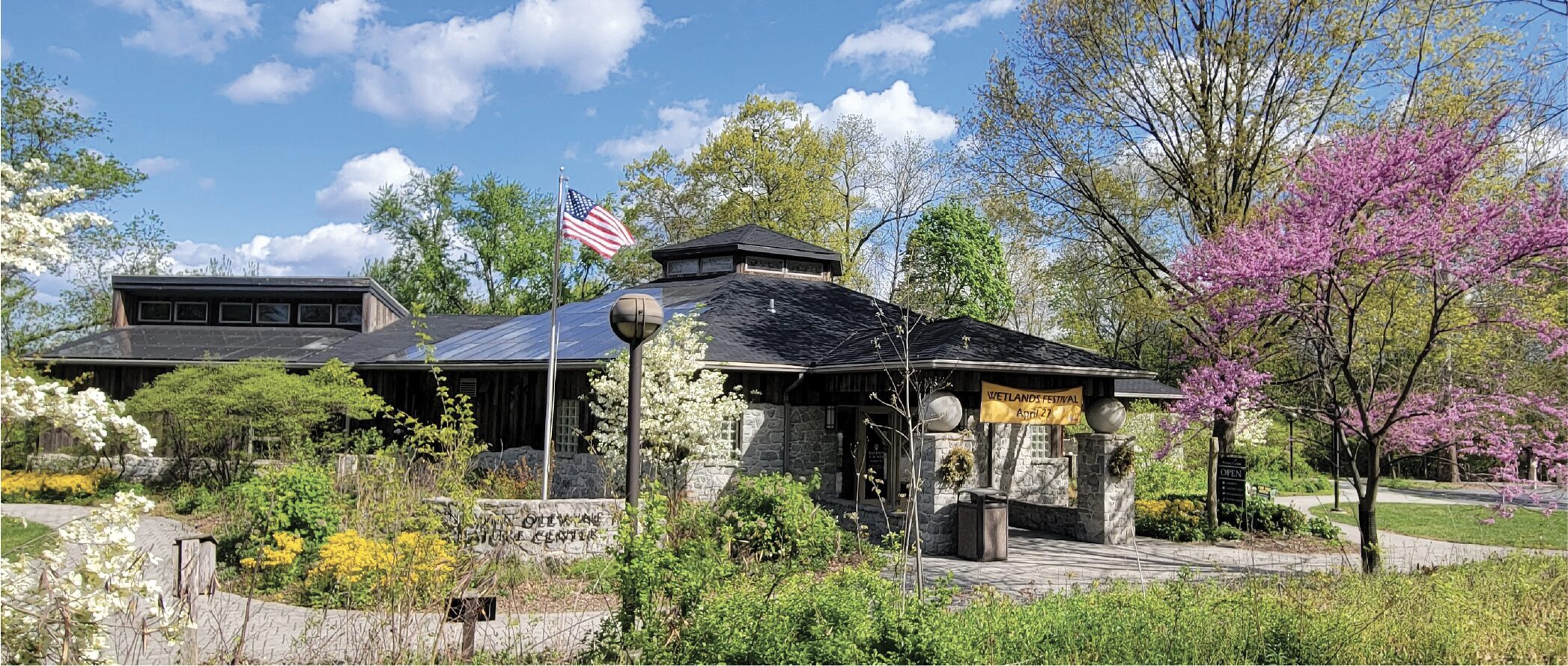
Nature Made Easy: Celebrating 25 years, the Olewine Nature Center is a portal into the wildlife of central Pa.

Wildwood Park in Harrisburg was established in the early 1900s with a dual purpose: to support flood mitigation for the city and to provide recreational opportunities for the growing population.

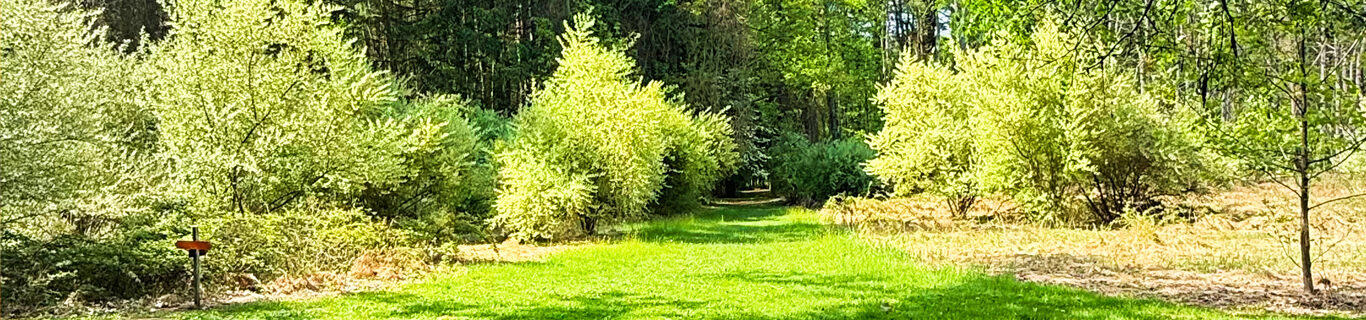
It serves both purposes still today, and the 229-acre park near the intersection of I-81 and U.S. 22 is “nature made easy,” with free and convenient access to local wildlife, six miles of trails and Wildwood Lake, said park Manager Chris Rebert.

Near the southern end of the park, the Olewine Nature Center complements its natural surroundings, providing hands-on learning opportunities for visitors of all ages. The center opened in 1999, made possible through a major donation from Benjamin Olewine III, whose family lived near and enjoyed Wildwood Park for generations.

The center celebrated its 25th anniversary in 2024, and over that time, much has changed while much has stayed the same, Rebert said. The park’s trails continue to welcome walkers, joggers, naturalists and birders, as well as art lovers who come to experience the park’s “Art in the Wild” exhibit, with installations situated along the trails.

Inside the Olewine Nature Center, visitors can learn about a freshwater wetland and its inhabitants, observe local birds, and enjoy a variety of creative and educational programs that showcase the park throughout all four seasons.

Perhaps the most notable change over time is in park visitation, which has increased 40% over just the last five years, Rebert said. Roughly 115,000 people use the park trails each year, and about 30,000 to 35,000 people visit the nature center. Visitors come primarily from Dauphin County and surrounding areas, while those from further away are drawn in by highway signage or the park’s high rating on Trip Advisor. The Capital Area Greenbelt also extends into the park, providing another venue for people to access the area, and many schools plan field trips to the center, as well.

Part of the Olewine Nature Center’s 25th anniversary celebration included giving back to those who have supported it over the years, including through field trip scholarships, new programs and publications and a dedicated celebration event in September.

“We’ve had so much support from the community, individual donors and state and federal grants, and we wanted to recognize that by giving back,” Rebert said.

The park is owned and managed by Dauphin County Parks & Recreation and is supported by the nonprofit Friends of Wildwood.

“Wildwood Park and the Olewine Nature Center are true treasures in our community,” said Dauphin County Commissioner Mike Pries, who oversees the department. “The past 25 years have been filled with remarkable growth, and I look forward to the exciting possibilities ahead.”

These possibilities include a major upgrade to the Olewine Nature Center, encompassing a redesign of the lobby, gift shop and exhibit hall, all of which have remained virtually unchanged since the center opened. The center has invited the public to share their input on the project through a short survey available on the center’s website.

The park relies on its many volunteers to help fulfill its mission, and they log more than 5,000 hours every year, assisting with programs, trail and wetland maintenance and other operations.

“We want to maintain what we have and maintain it well,” Rebert said. “Safe, clean parks are what people want most, and it takes time and resources to really keep everything operational. We could never do this without the volunteer help we have.”

Prior to his role as manager, Rebert was an educator at the park, so he’s spent many years developing and supporting the nature center’s programs. He said his favorite part of the job is introducing people to the natural wonders right in their own backyard.

“I really enjoy interpreting the natural world for the public and giving people the opportunity at their leisure to come and enjoy that,” he said.


The Olewine Nature Center is located at 100 Wildwood Way, Harrisburg. For more information on Wildwood Park and the Olewine Nature Center, visit
www.explorewildwoodpark.org. Photo courtesy of Olewine Nature Center.

Stories on environmental topics are proudly sponsored by LCSWMA.

If you like what we do, please support our work. Become a Friend of TheBurg!   

Continue Reading

Decade of Dazzle: Camp Hill jewelry store celebrates a sparkly 10 years

“There were hugs all around.”

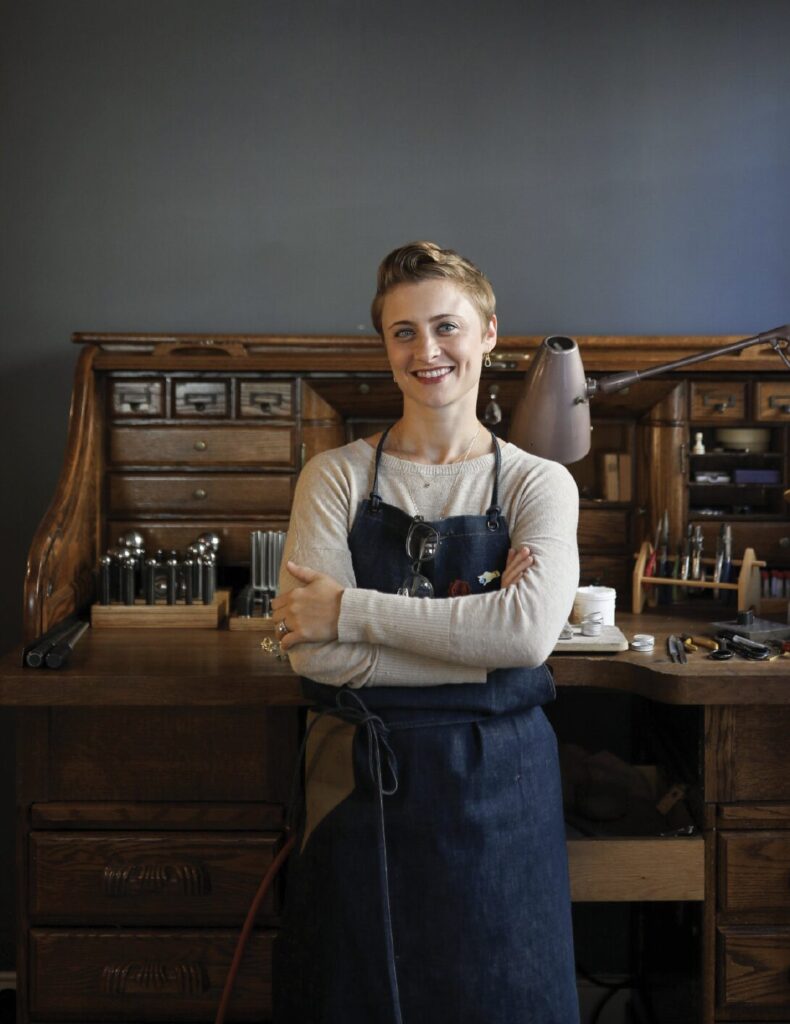
So said Monika Krol, owner of Meeka Fine Jewelry in Camp Hill, who recently celebrated her 10th anniversary in business.

Many regular and former customers stopped by to congratulate Krol, who, in 2014, opened in a snug, 750-square-foot shop on Market Street only to realize quickly that she had underestimated her needs.

“We were there three years and realized we needed a larger space,” she said. “So, we moved to 2135 Market St., which is triple the size.”

The shop’s décor can be described as streamlined and contemporary, with Edison bulb pendant lighting nestled in smoky glass globes and walls that vary from gray to white. Handmade cases allow the jewelry to shine, and a mural located near the back of the store draws in the eye towards a painting of a rabbit sporting a crown.

Krol explained that her family is from Poland and her last name means “king” and a shortened version of “rabbit” when translated.

“Our designer was able to take our royal rabbit idea and create the logo for the store,” she said.

Krol previously worked for another jewelry maker—her professor at the University of the Arts in Philadelphia, where a serendipitous selection of a jewelry elective changed her life, leading to where she is today.

Monika Krol

Love of Craft

Krol makes and sells her own line of jewelry at the store, including rings, bracelets, earrings and necklaces. Her favorite materials are 14-karat gold and tourmaline.

“Tourmalines come in a range of colors, so that’s part of the appeal,” she said.

She also sells jewelry crafted by other artists.

“There were about eight of us in the beginning and that has shifted over the years to three others and me,” she said. “We often have a visiting collection, which can last anywhere from three to six months and can be a test period for the artists.”

Hannah Blount, a Nantucket native who works at a studio in New York, recently visited Krol’s shop.

“I’ve been working with Monika since the beginning,” Blount said.

Her foray into the jewelry world began at an early age when she was gifted with a Klutz bead book.

“My love for the craft took off from there,” she said.

Blount, who makes one-of-a-kind necklaces, earrings and rings, takes some of her inspiration from her fisherman father by creating a selection of nautical-inspired jewelry.

She said that her favorite material to work with is 18-karat yellow gold, which Krol also described as a favorite. As for her favorite gemstone? That would be the Montana sapphire, a gem that ranges in color from cornflower blue to purple.

Blount explained that her most recent work, the “Rose Garden Collection,” is inspired by the rose gardens of Paris and pays homage to European architecture.

Other artists at the shop include Rosanne Pugliese, who is influenced by her work as a designer for Calvin Klein; Lola Brooks, who derives inspiration from the Victorian obsession with death and sentimentality and the Arts and Crafts movement; Rachel Atherly who is inspired by nature; and Mimi Favre, a recipient of a prestigious American Gem Trade Association’s Spectrum Award.

Krol said that the majority of her sales are online, with the top two purchasing states being California and New York.

“We rely mostly on social media and word-of-mouth, and have a very vibrant online following,” she said.

Despite this, she opened a second brick-and-mortar location in Newport, R.I., in 2019.

“People also seem to enjoy the experience of walking into the store and seeing the jewelry,” she said. “We make it fun, and you can meet the artists at our trunk shows, which we hold almost every month at both stores, depending on the season. They bring their entire collections with them.”

Krol, who employs two full-time employees and three others who are part-time, describes her decade in business as extremely fulfilling.

“It’s the people who have been brought into my life from my top-notch team to the artists with whom I’m in constant communication and, of course, the customers whom I’ve gotten to know,” she said. “It’s been a great 10 years for someone who never envisioned herself opening a retail jewelry store.”


Meeka Fine Jewelry is located at 2135 Market St., Camp Hill. For more information, visit
www.meekajewelry.com. Portraits courtesy of GK Visual. Jewelry photos courtesy of Isabel Hetrick.


If you like what we do, please support our work. Become a Friend of TheBurg!  

Continue Reading

A Winter Walk: It may be chilly, but some hikers prefer mid-winter outings

Detweiler Park. Photos courtesy of Calliope Pappadakis.

With its rolling hills, mountains and valleys, countless creeks and streams, the greater Harrisburg area is a hiking region that’s hard to beat.

For some, like Nina Brown of Steelton, the best hiking is not when it’s warm and green, but when the trees are bare and the views sparkling and unobstructed—the dead of winter.

“Many people don’t like to hike during the winter just because it’s cold,” Brown said. “I really enjoy it more during the winter just because you see more. The leaves are gone, there’s no bugs, less people.”

Brown hikes about seven miles each time out. Her favorite is Detweiler Park, located in Dauphin, less than half an hour’s drive from downtown Harrisburg at the base of Peters Mountain.

Owned and managed by Dauphin County, Detweiler offers more than seven miles of trails winding through various habitats.

The park is an easy trail for those new to hiking, Brown said. There’s some elevation through the woods, but it also offers open land that takes you through diverse nature scenes.

When in need of a more challenging winter hike, Brown heads for Boyd Big Tree Preserve Conservation Area, which features 12 miles of trails off Fishing Creek Valley Road.

Straddling Blue Mountain, Boyd has a variety of trails catering to different skill levels—novice to top tier. A power line overlook offers striking views of both sides of the mountain.

Brown’s most advanced winter hiking trail is Cove Mountain, 15 miles north of Harrisburg on the west side of the Susquehanna above Duncannon. Cove Mountain includes the popular Hawk Rock overlook, which offers spectacular views of the surrounding valley.


Many Options

Iordanes Daretzes, who lives in Susquehanna Township just outside the Harrisburg city line, is another winter hiking enthusiast.

“It’s peaceful, the air is cleaner, the leaves are coming down, and it’s quieter,” he said. “There aren’t as many people.”

Now in his 40s, Daretzes has been hiking all his life. He learned about pushing his body to extremes while in the U.S. Marine Corps.

“A lot of people get lazy in the wintertime,” he said. “I go out harder.”

He still likes a challenge, but with two kids frequently in tow—a soon to be 15-year-old daughter and an 8-year-old son—he can’t get too crazy. His favorite venue is the Appalachian Trail.

“You can basically pull off the road and walk into the trails,” he said.

The Appalachian Trail is clean, well-maintained and clearly marked to alert hikers to hazards like cliffs or rocks. The rocky areas and snow and ice in the winter are enough to make it interesting.

Like Brown, Daretzes enjoys Detweiler Park.

“It has rocks, up and down elevations, is smooth and not that long,” he said.

Boyd Big Tree Preserve is another favorite.

“It has multiple trails,” he said. “If you do the whole park, it’s like six miles and you have the mountain.”

Besides these trails favored by Brown and Daretzes—Detweiler Park, Boyd, Cove Mountain and the Appalachian Trail—others in the region meriting a thumbs up from winter hikers include Wildwood Park in Harrisburg, Kings Gap west of Carlisle and Chickies Rock Overlook in Columbia.

Located off Chickies Hill Road, Chickies Rock trail is just half a mile but offers sensational views of the Susquehanna River. On clear days, you can take in Columbia, Marietta and Wrightsville. The trail is dog-friendly and wide enough for strollers.


Be Prepared

If you’re going for a winter hike, prepare for the weather, which may include wind, cold and even snow and ice.

Dress in layers you can take off or put back on quickly, said Ellen Matis, who blogs about hiking for PA Wilds.

“Conditions can change on you—and fast,” she said.

Wear boots with good traction or add ice cleats to your boots. Make sure your pack includes water, protein-filled snacks, extra gloves and hats.

Wear orange when hiking in the winter because you may be sharing the forest with hunters. Don’t forget eye protection for when the white stuff is falling and whipping into your face, or when the sun hits the snow and blinds you.

Brown packs hand and feet warmers on the coldest days—and extra socks. Food-wise, she packs light because she isn’t out there too long, but always brings an apple and water.

Daretzes covers his neck and pulls his ski mask over his nose. He never goes out without gloves.

Importantly—bring plenty of water. Daretzes takes at least a gallon in his CamelBak.

“You can’t drive your car without gas, right? Without water, you won’t survive,” he said. “That’s your fuel.”

Also, always let someone know where you are and how long you’ll be gone, he said. Try making sure there are places you can get to with cell phone reception.

Brown recommends the AllTrails app as a good source for information about trails and hiking overall and to connect with the hiking community.

She takes a lot of photos while hiking and posts them on social media to encourage people to get out in nature. You can find her on Instagram at @whyeyethrive.

Daretzes urges people to give winter hiking a try, especially if you’re looking for a way to escape, unwind and connect with nature. You may just like it.

“Nobody has a perfect life, but when you come out here, nothing bothers you,” he said.

For more information on Pennsylvania Wilds, visit www.pawilds.com.

For more information on Dauphin County parks, click the “Parks and Recreation” link at www.dauphincounty.gov.


If you like what we do, please support our work. Become a Friend of TheBurg!  

Continue Reading

Leap of Faith: Lemoyne gym aims to empower through community fitness

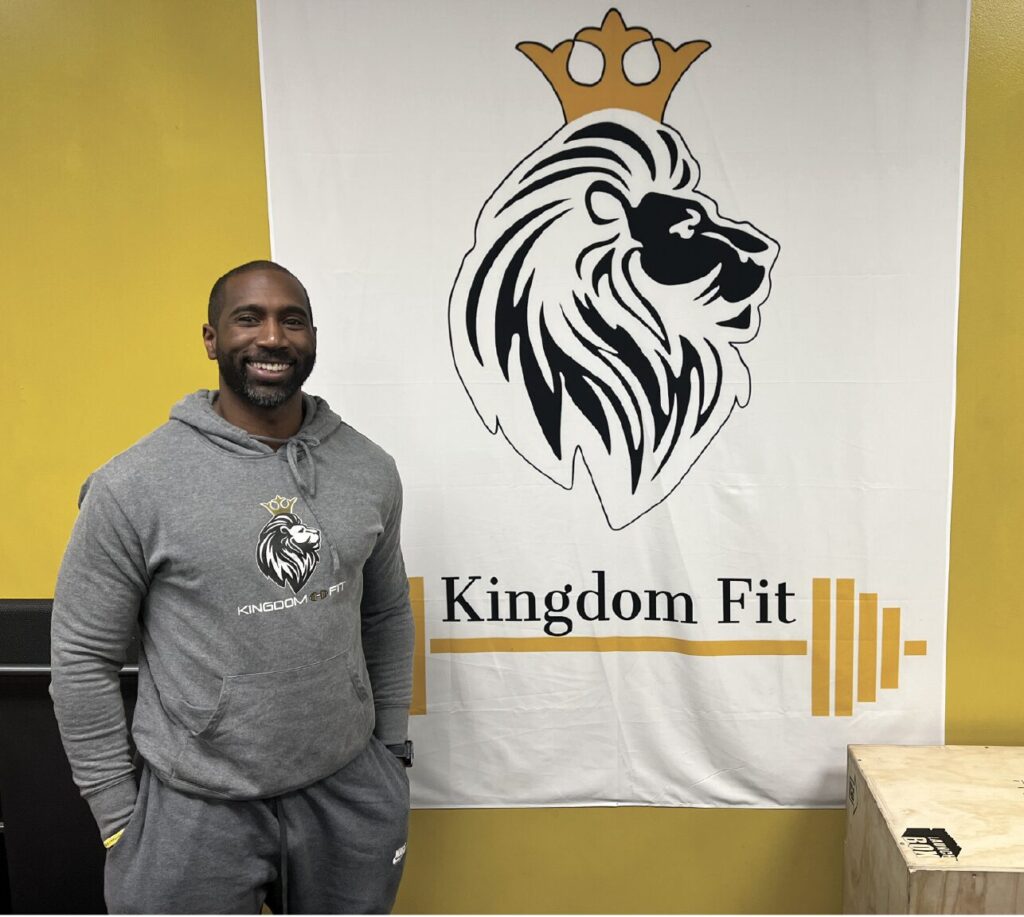
Harry King

People of all ages congregate daily at Kingdom Fit in Lemoyne. Some of their differences are obvious, others are not, but none of that matters because everyone looks the same in gym clothes.

Harry King opened Kingdom Fit in Lemoyne in 2022 to unite people of all races, genders, educational backgrounds, classes, ethnicities and ages. King is a Harrisburg-area native who was tired of the divisions that often weakened the community during his youth.

“No matter where you came from, you are just in here working out,” King said.

Kingdom Fit’s motto is “Iron Sharpens Iron,” from the Bible’s Proverbs 27:17. The entire passage states, “As iron sharpens iron, so one person sharpens another.” King strives to sharpen others and show appreciation for those who helped him.

Several years ago, King began a personal journey to improve his physical, mental and spiritual health. He began coaching basketball and powerlifting but found coaching to be his true passion. He joined the training staff at Gold’s Gym in Camp Hill and started promoting his services using the Instagram handle, “Kingdom Fit,” drawing inspiration from his last name and his strong faith.

“Without that, none of this would be possible,” King said. “I am a firm believer in doing things for the good.”

The name took off. One day, an entire fitness class surprised him by wearing Kingdom Fit shirts.

Gold’s closed in 2022, leaving King and his clients in a lurch. Like King always pushed them to embrace new challenges, his clients encouraged him to embrace opportunity and open his own business.

Starting a business is a big endeavor, but King was not alone.

Mike Donovan of Midstate Carpet Masters, one of King’s clients, stepped up to install flooring. Other members painted walls, donated equipment, and helped to design the space. After two years in operation, the sense of community continues as members push each other, form friendships that extend outside of the gym’s walls, or step up to babysit each other’s children so parents can exercise without distractions.

“It’s so surreal to see how people are coming together,” King said. “When I wanted unity, I didn’t see this.”

Kingdom Fit offers personal training and group personal training through classes such as Butts and Gutz, Cardio XP and Power Yoga. King and his staff keep a close eye on their clients to ensure they not only reach their potential but avoid injury by using proper form.

King is proud to welcome everyone into his gym, regardless of age or physical fitness level.
At Kingdom Fit, a 91-year-old man often exercises next to teenagers and young adults.

King also runs Kingdom Empowerment, a nonprofit organization that helps develop youth ages 12 to 21. King and his staff aim for the program’s participants to return as mentors to the next generation.

“Too many of our young people are navigating through life without a sense of purpose, which leads to the opportunity for them to be misguided, and that must stop,” he said.

The organization hosts a 10-week “Responsibilities and Morals” program that combines physical training with practical life training through discussions that focus on topics such as free will, conflict resolution, values and goal setting.

King has goals of his own. He hopes to franchise Kingdom Fit in the future so residents of other communities can benefit from his model.

King recognizes that joining a gym or a self-improvement program can be intimidating and hopes to be a positive force in people’s lives.

“Let go of your fears. God didn’t give you a spirit of fear; he gave you a spirit of courage,” he said. “You are capable—just take that leap of faith.”


Kingdom Fit is located at 219 S. 10th St., Unit B, Lemoyne. For more information, visit www.kingdomfitharrisburg.com.

If you like what we do, please support our work. Become a Friend of TheBurg!  

Continue Reading

A Humble Tribute: Karate teacher honors his instructor’s legacy through new dojo

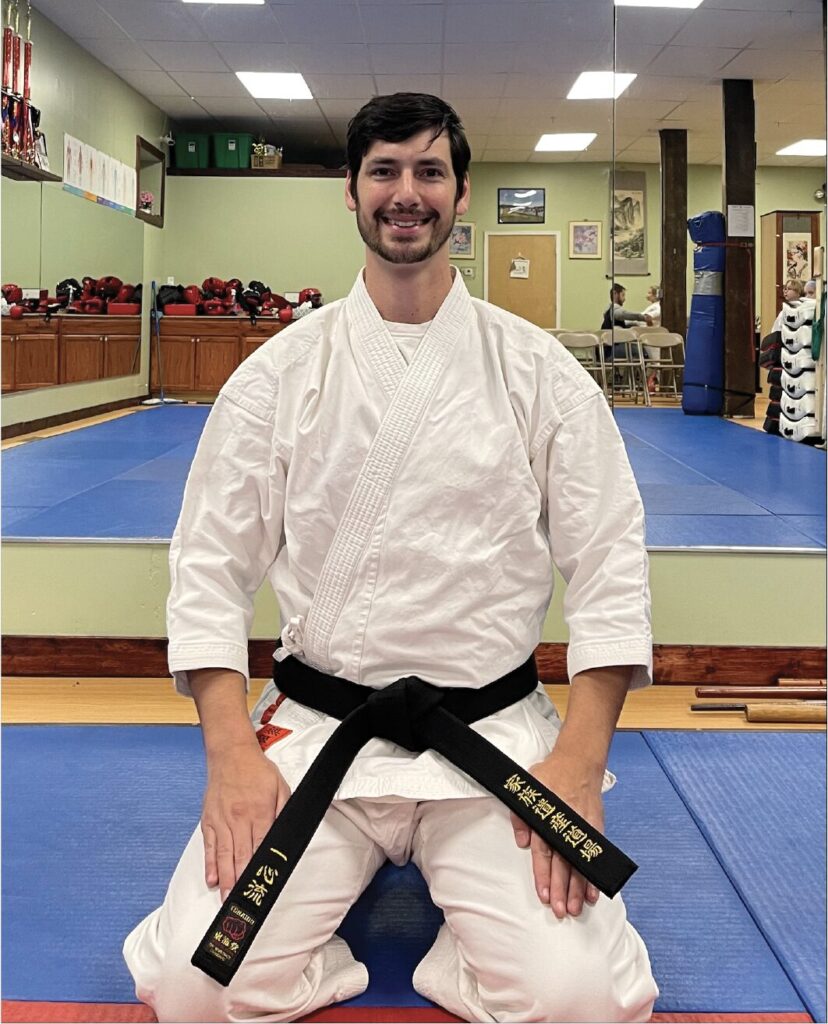
Michael Sheffield

Each night, powerful bursts of “kiai” can be heard from the walls of a new dojo in New Cumberland.

Carrying on the legacy of the karate instructor who changed his life, Michael Sheffield leads his first ever dojo (school) with these four principles: discipline, generosity, appreciation and camaraderie.

Sheffield has found his ikigai—his reason for being—through karate. He feels it is his duty not only to share his instructor’s teachings with others, but to dismantle the misconceptions surrounding martial arts.

With the official opening of Kazoku Isan Dojo in May 2023, Sheffield honors his instructor’s name by sharing his knowledge with those who are willing to learn, reminding them that karate is more than throwing punches.

In the early 1960s, Ralph Lindquist started one of Pennsylvania’s first dojos in New Cumberland. In 2007, at 17 years old, Sheffield and his younger brother attended their first karate class at the Isshinryu Karate Association of Harrisburg. In 2009, Sheffield began learning directly under Lindquist, up until the instructor’s passing in 2015.

What was meant to be only a bonding activity between two brothers ended up making a monumental shift in Sheffield’s life.

Last year, Sheffield opened his first dojo, an experience he has since described as “freeing.” In what he felt was the right thing to do, he dedicated the dojo’s teachings and principles to that of Lindquist, as a way to honor and share the gift he had been given. The name, Kazoku Isan Dojo, translates literally to “Family Heritage Dojo” as a reflection of its founding purpose.

“As my sensei always said during classes, ‘It’s the doing and the sharing of the doing that’s the essence of true value,’” Sheffield said, recalling the words he still lives by.

Something Back

Sheffield’s teachings are grounded in the art of Isshin-ryu, a style of karate originating from Okinawa, Japan, that means “one heart method.” Harmonizing the mind, body and spirit, this form of karate combats the stereotype that the sport is only about beating someone in a fight or the color of your belt.

“It’s a battle against your own ego,” Sheffield said.

The style contains lessons that help guide one’s understanding of their physical and mental being, simultaneously improving their form as well as their way of life.

Offering 21 classes every week, Sheffield teaches all ages and adapts his lessons according to different age groups. From “Little Bonsai” to the adult evening classes, Sheffield ensures that karate welcomes anyone and everyone.

Samantha Haenitsch, one of the dojo’s instructors, respects Kazoku Isan Dojo the most out of all the schools she has tried for truly embodying the spirit of family. Haenitsch feels that Sheffield’s unorthodox approach to Isshin-ryu transformed her perceptions of karate forever.

“I’ve never been anywhere that feels so much like a family and bases its teachings off of the heritage of his greatest teacher,” she said.

For Haenitsch, the lessons she has learned have transcended the dojo and have made deep impressions on her and her family’s lives.

Outside of the dojo, Sheffield continues to pay tribute to his late instructor. As a way to give back, he is working on a carefully curated memoir honoring Lindquist’s life, achievements and impact on others. Hearing from 90 different voices so far, he is eager to see where this journey takes him.

Sheffield wants to further his involvement in the martial arts community, such as the free classes he occasionally hosts. This past summer, Kazoku Isan Dojo held its first annual Open Traditional Martial Arts Tournament, a tradition previously held by Lindquist. With over 100 participants from five different states, the tournament contained events with forms, weapons and sparring.

The dojo also will host its second annual 100 Kata Challenge Fundraiser on April 19 to help students cover tournament fees. In this outdoor event, students receive certificates based on how many kata (forms) they perform.

Without holding any knowledge, techniques or understandings back, Sheffield is steadfast in offering everyone the same opportunities to learn the art of Isshin-ryu—the only limit is whether you’re willing to take it.

“I wish people could get even half of what I got from karate,” Sheffield said. “I feel it is my responsibility when you are given something to give it back.”


Kazoku Isan Dojo is located at 210 Locust Alley, New Cumberland. For more information, visit www.isandojo.com.

If you like what we do, please support our work. Become a Friend of TheBurg!  

Continue Reading

New Year, More Sweat: Hot yoga turns up the temperature on your routine

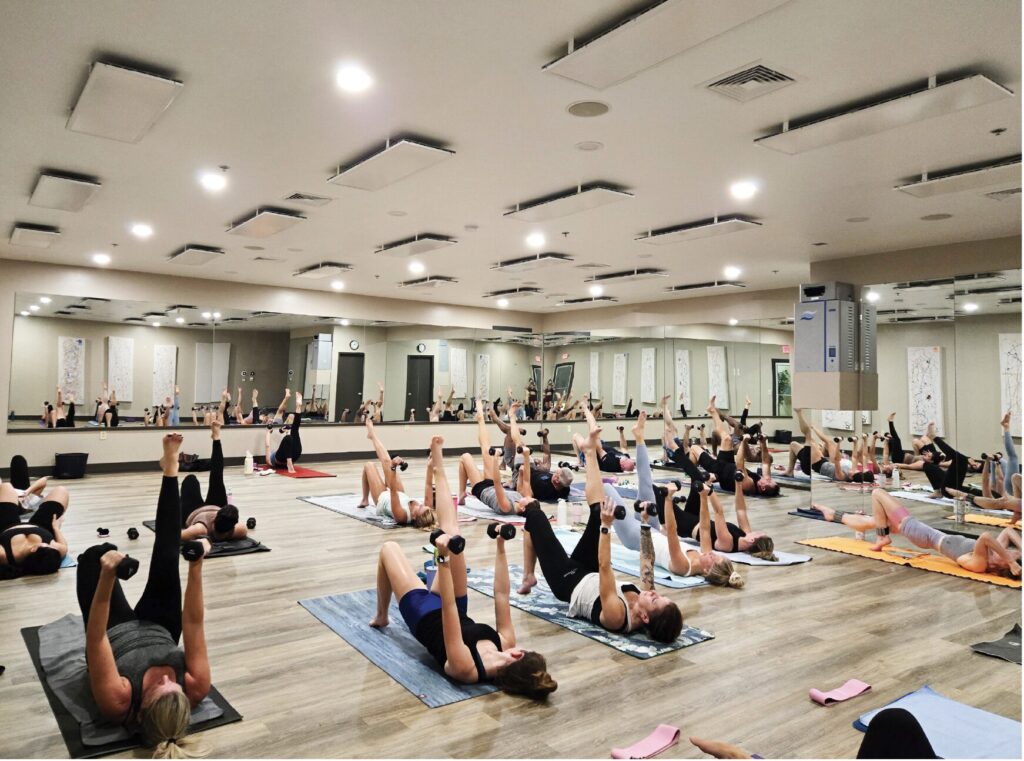
TranscendU

In a white-walled, warm gallery room decorated with a lotus flower mural, I laid down my props in what I thought was an obscure corner but turned out to be right next to the teacher.

I brought my own yoga mat from home, years old and not often used, because I didn’t want to have to worry about making sure I mopped up every last drop of sweat after returning the communal mat to its rightful place.

It was my first time trying hot yoga. This class was a 75-minute vinyasa practice at One Love Yoga studio in Harrisburg, owned by yoga lover and teacher Chris Berger. The studio warms the space with forced air but uses infrared heating panels during class to maintain a smooth 90 degrees with around 50% humidity. The infrared, Berger said, is so “you don’t get that oppressive, swampy feeling” during your workout.

Before the class began, my workout neighbors mingled, talked about a recent ayurvedic workshop they’d attended at the studio, and discussed whether they’d actually implement practices like dry brushing, tongue scraping and drinking warm lemon water in their everyday lives. Next to me, one practitioner, Tina, said that she comes to hot yoga three times a week. While it can feel hard in the moment, “it feels better after,” she said.

Vinyasa is a style of yoga that involves flowing between sequences of poses while coordinating the poses with your breath. At times, it can feel intense. A heated room only adds to the intensity. When the teacher, Cindy Frain, who later informed me she’s 70 years old, got started, the temperature in the room felt like it was climbing, likely due to the heat emanating from our own bodies. That’s when the sweat started to crawl.

Berger said that hot yoga increases muscle flexibility, relieves pain from arthritis and other conditions, detoxifies through sweat, improves circulation, and reduces stress. Elizabeth Foote, owner of yoga studio and rock-climbing facility, TranscendU in Mechanicsburg, noted that it also reduces inflammation and helps you sleep better. I can attest to the latter point—I didn’t get up once in the night after my hot vinyasa class, which is abnormal for me.

But just like any physical exercise, there are things to be mindful of. When the practice is fast paced, hot yoga is hard, and it takes time for the body to acclimate.

“Starting any strenuous activity, even couch to 5K, you should make sure that you are physically fit,” noted yoga instructor and manager of TranscendU, Leslie St. John.

Foote and Berger agree that people on high blood pressure medication should consult their physician before trying hot yoga.

“It’s going to dilate your blood vessels and actually bring your blood pressure down,” Foote said. “Over time, people actually have to reduce their blood pressure medicine. Some people actually get off of it and never need it again.”

Healing Heat

From my own experience, hot yoga was hard—harder than a vinyasa class at a regular temperature. Berger knows this.

“Don’t go full monty in the class, but you will notice you start to develop acclimation to it,” she said.

Berger noted that child’s pose, which involves kneeling and leaning forward, is always there for you when you need a break from more strenuous movements.

“And nobody’s watching,” she said.

During class, I took my fair share of child’s pose breaks.

With all the sweat that comes with a hot yoga class, students can’t rely on the friction of the body or their mat as much as they may be used to. In tree pose, where the sole of my foot pressed into my inner thigh, I was slipping out of balance much easier than I’m used to. In downward dog, my hands tended to slide up the mat, though some mats are specially designed for hot yoga to preserve friction in moist environments.

Some hot yoga classes are more beginner friendly than others. At One Love Yoga and TranscendU, the maximum temperature isn’t as high as at some other studios.

TranscendU also offers a class called “healing heat,” where overhead infrared heat panels combine with extremely gentle movement for a calming experience. Both studios offer mildly heated chair yoga, which is the type of class Berger likes to teach. She said that chair yoga classes ought to be rebranded because people tend to stay away from it, thinking it’s only for elderly folks. But, she said, that’s not necessarily the case.

“It’s so nice if there are issues in transitions from ground to up, post-surgery or injury recovery, because it really does help you keep your agility,” she said.

In One Love Yoga’s hot vinyasa class, there were times when I thought, in my naturally sarcastic way, “Oh, there’s more.” While some classes are not for the faint of heart, there’s a spectrum in the hot yoga world, and no one says you have to start at the more difficult level.

After getting out of my comfort zone and trying a new type of exercise, I could feel the sweat leaving my body to make way for self care. As for whether I’ll go as often as my yoga neighbor, Tina, I can’t say that’s going to happen. But an every-now-and-then challenge to become a better version of myself? Now, that’s not out of the question.

One Love Yoga is located at 2591 Brindle Dr., Harrisburg. For more information, visit  www.oneloveyogaharrisburg.com.

TranscendU is located at 5103 Carlisle Pike, Mechanicsburg. For more information, visit www.transcendu.net.

If you like what we do, please support our work. Become a Friend of TheBurg!  
Continue Reading

Better Births: More doula programs mean more healthy babies

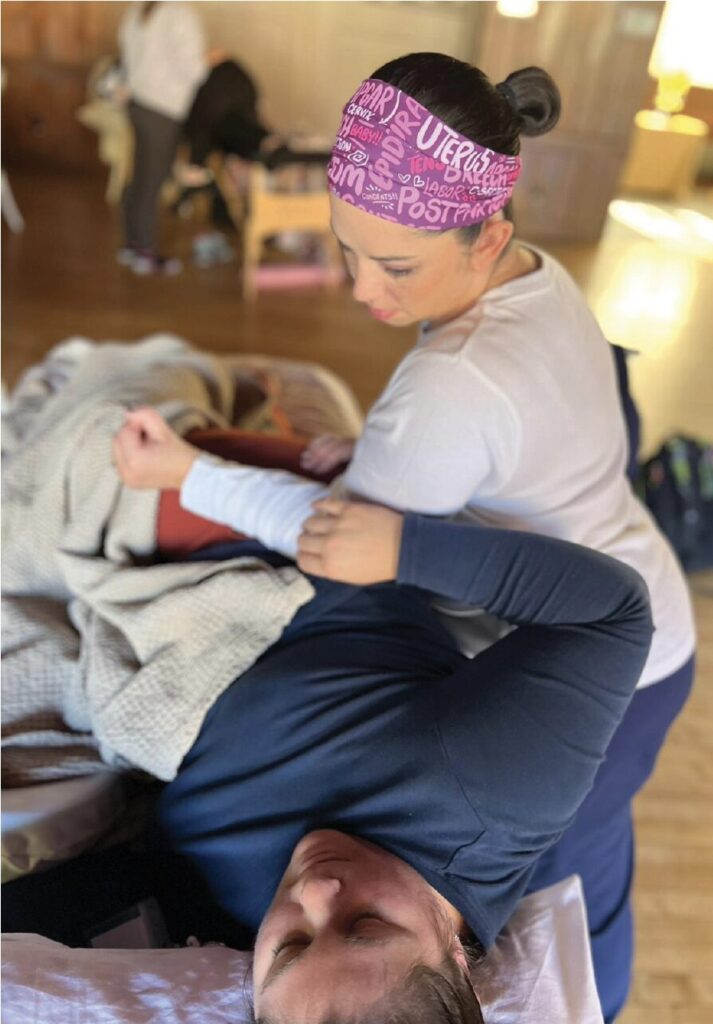
Amy Wilt working with a patient. Photo courtesy of Amy Wilt.

Despite tremendous advances in care that have made birth safer, more comfortable and less traumatizing over time, the medical care team—doctors, nurses and even midwives—are often not enough.

The United States has a relatively high maternal mortality rate of 23.8 deaths per 100,000 live births when compared to other high-income countries, according to research from the National Institutes of Health. Complications increase for mothers of lower socioeconomic status, and other issues like preterm birth, low birth weight and postpartum depression remain a concern.

So, increasingly, families are seeking out additional support in the form of doulas, with the popularity of their services steadily on the rise since the 1980s. That’s true in and around Harrisburg, too. New doula programs are popping up to bolster existing organizations that have served the area for years.

A doula is “a trained professional who provides continuous physical, emotional and informational support to their client before, during and shortly after childbirth to help them achieve the healthiest, most satisfying experience possible,” according to the world’s leading doula training and certification organization, DONA International.

Doulas are specifically non-medical professionals, said Nancy Cupps, MSN, RNC-OB, regional director of women’s health services at UPMC, but that doesn’t take away from their importance.

UPMC is in the early days of its own doula program, which Cupps said will be unique to other doula providers because it’s already part of a formed organization that offers the service at no cost to patients.

“When you come in through UPMC, you have the resources,” Cupps said.

Doulas working for UPMC go to outpatient offices where people get their prenatal care and find folks who might be a good candidate based on support needs. This could include someone who doesn’t have family to support them or has been through a traumatic birth, for example.

Starting at UPMC Magee-Womens, Cupps said that the organization hopes to eventually expand the program to other markets, including Carlisle, Hanover and Memorial in York.

Every Option

Studies show that birth doulas reduce instances of cesarean birth and pain medication, increase the likelihood of spontaneous birth and promote a shorter labor, all of which can increase birthing experience satisfaction.

Cupps said that they’ve also found there’s an increased rate of breastfeeding and a decreased rate of postpartum depression when doulas are a part of the birthing process. And research shows doulas are a tool to reduce racial disparities in health outcomes associated with labor and delivery.

A lot of this boils down to being informed.

“I’m a big fan of people knowing their rights,” said Amy Wilt, LPN, certified birth and postpartum doula and owner of Dauphin County Doulas.

Wilt, who has been a practicing doula for nearly eight years, said that informed consent means enabling the mother to know the risks associated with every option the medical team presents. Only then can they make an educated decision on how best to proceed.

Wilt has a background in nursing and continues to teach nursing but ventured into the world of doula work because she wanted to find a way to support labor and delivery patients without being under the direct influence of the hospital system.

“We really take a look at where baby is at in the pelvis, what is mom feeling, and then use that information to give mom suggestions on movements and positioning to help the baby get through the pelvis easier,” Wilt said.

Cupps added that doulas use pain management techniques like counter pressure and massage, which can reduce the need for medications.

Nearly all the births her agency works are in the hospital, with just a few home births every year.

“We are not tree-hugging hippies,” she reminds people. “We are in hospitals. We do the work alongside the providers. We are really a bridge from the patient to their provider to help facilitate the needs of the patient.”

Same Team

At Dauphin County Doulas, every person gets two doulas who share an on-call schedule and back each other up. Should those two doulas not be available at the time of birth, they work as a team to ensure someone is there.

UPMC is focusing on hiring doulas with flexible schedules so they can try to create a relationship with patients over the course of their pregnancy and be there for them during the birthing process.

While UPMC conducts their education in-house with the help of a certified lead doula, Wilt requires trained experience for anyone joining her agency. If necessary, Wilt will help trained doulas get their certifications by connecting them with clients for their certifying births. Both organizations include ongoing training for staff.

For patients selecting a doula, Wilt said that it’s important to know that not all certifications are created equal.

“In any state right now, doulas are not regulated,” she said, adding that DONA International is the most valued and is most likely to be covered by health insurance. “Insurance companies are starting to recognize doulas as an important part of the healthcare team.”

Third-party payers like Carrot, which offers global fertility benefits for employers, are also becoming increasingly popular.

Wilt has been a professional doula for nearly eight years and has figured out some ways that medical professionals, doulas and mothers can optimize their relationship.

“The more communication [mothers] have with us, the better the experience is overall,” Wilt said.

In the end, everyone must work together for the best result.

“We are all here on the same team for the same purpose,” Wilt said. “I think if everybody in the room realizes that we’re going to have a much better birth.”

If you like what we do, please support our work. Become a Friend of TheBurg!  

Continue Reading

Superfood Startup: Lancaster-based Oola Bowls extends its reach throughout central Pa.

Oola Bowls is a testament to the entrepreneurial spirit of founders Joe Ferderbar and Brock Snider.

“We were young bucks just coming out of college,” Snider said. “I remember going to a lot of Lancaster Chamber [of Commerce] events and just networking mixers and constantly seeing Joe throughout the week there.”

There is some debate over who generated the original idea for the company. Ferderbar recalls scribbling notes on a napkin while on a flight home from San Francisco. But, if you ask Snider, the idea originated after he tasted acai for the first time. Regardless, the duo’s dedication to the business exists in equal measure.

“We spent every Thursday night watching football and going over to [Joe’s] house to kind of create somewhat of a formalized business plan [and] see if this could be a viable option for Lancaster,” Snider said.

Acai has joined the rank of smoothies and salads as a nutritious and convenient grab-and-go option. When frozen, the superfood berry from Brazil mimics an ice cream texture without the dairy found in traditional frozen treats.

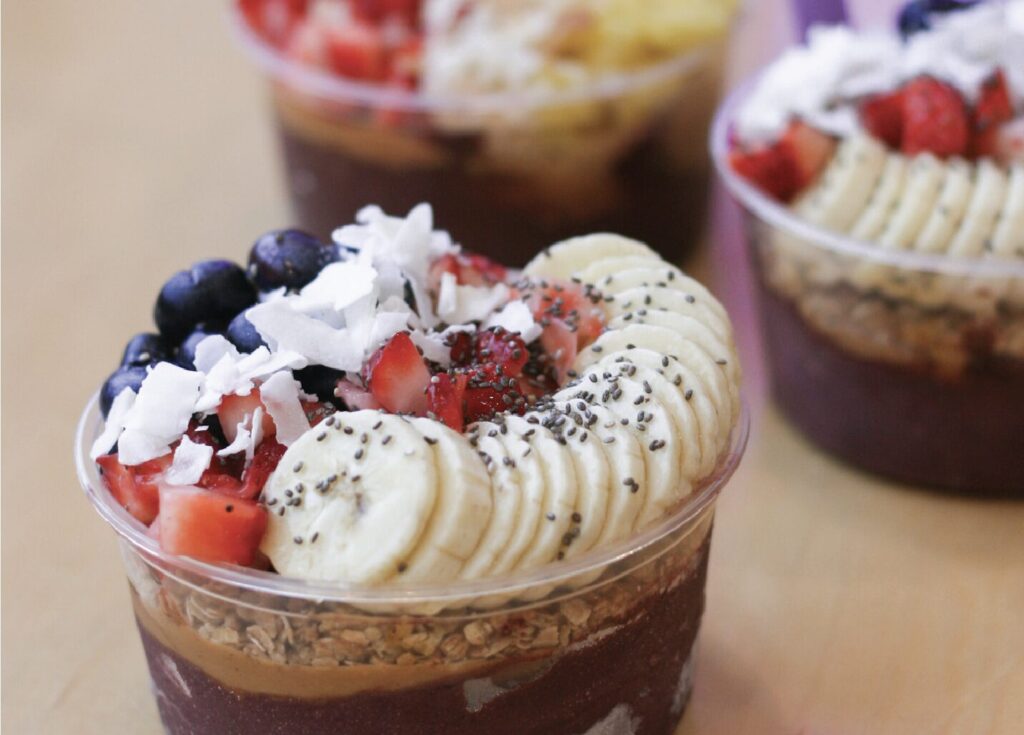
Oola Bowls pairs an acai base with berries, bananas, seeds, nut butters and a house-made granola taken from a recipe by Snider’s grandmother. As they prepared to launch the business in 2018, Snider and Ferderbar spent weeknights tasting samples and developing recipes they could confidently introduce to the Lancaster community.

They hoped to unveil their creations at Lancaster Central Market.

“Central Market was always a dream of mine,” Snider said. “Finding out that they had a stand open just drove me to really figure out a way that we could get in there.”

After proposing the idea to the Central Market board, Ferderbar and Snider waited to hear if they would receive approval to open their stand. Itching to get started, they bought and renovated an old Italian ice trailer, opening the first Oola Bowls food truck in 2018. Shortly after, they received confirmation—the vacant stand in Lancaster Central Market was theirs for the taking. Snider quit his job and went full time in the venture.

“The moment that I was most scared was when Brock quit his job full time to work at Oola Bowls,” Ferderbar recalled. “Is this even gonna work or is this gonna fail before it gets started?”

It did work, as evidenced by the opening of the company’s 12th location in Camp Hill, coming after years of expansion—establishing online ordering, getting a stand at Hersheypark and opening brick-and-mortar franchise locations across central Pennsylvania.

In October, 50 people received free acai bowls in celebration of the opening of the company’s brand-new location. With an extensive career in the coffee industry, Camp Hill’s General Manager Christopher Fisher now aims to introduce the Harrisburg area to Oola Bowls’ unique spin on the superfood.

“We very much value quality over quantity,” Fisher said. “We are just trying to focus on two bases—the acai base and the pitaya base—and we are making sure those can be the best that they can be.”

Fisher leads his team through the daily operations, encouraging connection between the tight-knit Camp Hill community and the team working behind the scenes to prepare Oola Bowls’ signature treats.

“I want people to be their best and also bring their best,” Fisher said. “I think if you give them the tools, they for sure can rise up to where you need them to be.”

Snider said that the pair has always had a positive outlook, despite the adversity that accompanies almost any business startup.

“I think [we’ve] been creative enough to see the positive side of each situation, and I think there’s a lot of things that, at the time, seemed very negative and almost detrimental to our company,” he said. “But without them happening, I don’t think we would have been pushed into some of these opportunities.”

Oola Bowls is located at 3201 Market St., Camp Hill, as well as locations in Hershey, York, Lancaster and Lebanon. For more information, visit www.oolabowls.com.

If you like what we do, please support our work. Become a Friend of TheBurg!  

Continue Reading

A Taste of Sunshine: Lemons brighten up cold winter days

Lemons and January. I’ve never quite figured out why, but in my little corner of the world, they seem to go together.

The holiday decorations have been stored away, and I’m always ready for a fresh start. I have kitchen and dining linens sporting bright lemons: a table runner, cloth napkins, dish towels, as well as beautiful pasta bowls with delicate lemon designs, courtesy of the sale shelf at Williams Sonoma.

My “lemon love” extends to food as well: veal or chicken piccata, lemon quarters in a roast chicken, yellow gold potatoes bathed in olive oil and roasted with sliced sweet onions and fresh rosemary. And in our house, no fish or seafood escapes a squirt of fresh lemon juice. (Did I mention lemon bars and lemon cheesecake?)

In our outdoor (garage) freezer, there is always a half bottle of limoncello liqueur, which we use every summer for refreshing after-dinner drinks. We serve it either “straight up” or over crushed ice. It is fairly easy to make limoncello at home by steeping lemon peels in a good vodka and mixing with sugar syrup.  But there are wonderful commercial brands out there, ours currently being “Pallini” made with lemons from Amalfi.

So, as I was rummaging through the mess that inhabits my outdoor freezer, I spotted our bottle of limoncello. I immediately wondered how I could use the remaining sweet liqueur. What about pasta? Could I make a silky sauce, perhaps with some butter and cream, sort of a version of Alfredo but with a jolt of sweet lemon?

Well, I had to search for a limoncello pasta recipe. This dish was definitely not on my mother’s dinner rotation, but I found it on a cooking website called “Legally Healthy Blonde” (really). It was exactly what I was looking for—a recipe using easily obtained fresh ingredients and relatively simple to make. A feast from the Amalfi coast on a cold January day!

Limoncello Pasta

Ingredients

  • 1 tablespoon of olive oil or butter
  • ½ pound fettuccine
  • 8 ounces crème fraiche (or heavy cream, mascarpone or soft cream cheese)
  • 1/3 to ½ cup limoncello
  • ¼ cup freshly grated Parmigiano cheese
  • ½ tablespoon lemon zest
  • ¼ cup freshly squeezed lemon juice
  • 2 cloves garlic, sliced
  • 2 tablespoons COLD salted butter
  • 1 teaspoon salt (optional)

Directions

  • Cook the pasta according to package directions.
  • In a separate large pot, add about 1 tablespoon olive oil or butter over medium heat.
  • Add the lemon zest and the sliced garlic and sauté just until the garlic is fragrant. Do not allow the garlic to burn.
  • While the pot is still on the heat, add the limoncello to de-glaze the pan. Using a wooden spoon, scrape the bottom of the pan to loosen the browned bits.
  • Let it simmer until the liquid in the pan is almost evaporated.
  • Add the crème fraiche and mix together until blended.
  • Add the fresh lemon juice and stir until well combined.
  • Add the cooked pasta to the pan of lemon sauce along with the grated Parmigiano cheese and cold butter.
  • Remove the pan from the heat until the butter is completely blended into the sauce.
  • Season with salt and pepper to taste. Garnish with chopped fresh chives if desired.

Note: This recipe calls for just a half pound of pasta and would be nice as a first course before a main dish soup like vegetable or minestrone. Or you can use a full pound of pasta and serve it as a main course. I prefer imported dried pasta over fresh, but the choice here is yours.

We don’t know what this January will bring weatherwise. Some of us are hoping for a cold and snowy winter for a change. And as I always say, I know I am in the minority here. But no matter what it might be, this lovely pasta dish will bring thoughts of southern Italy to your dining table.

Remember, don’t save the limoncello for summer!


If you like what we do, please support our work. Become a Friend of TheBurg!  

Continue Reading

Instilling Confidence: Local organizations empower girls through physical activity, education and mentoring

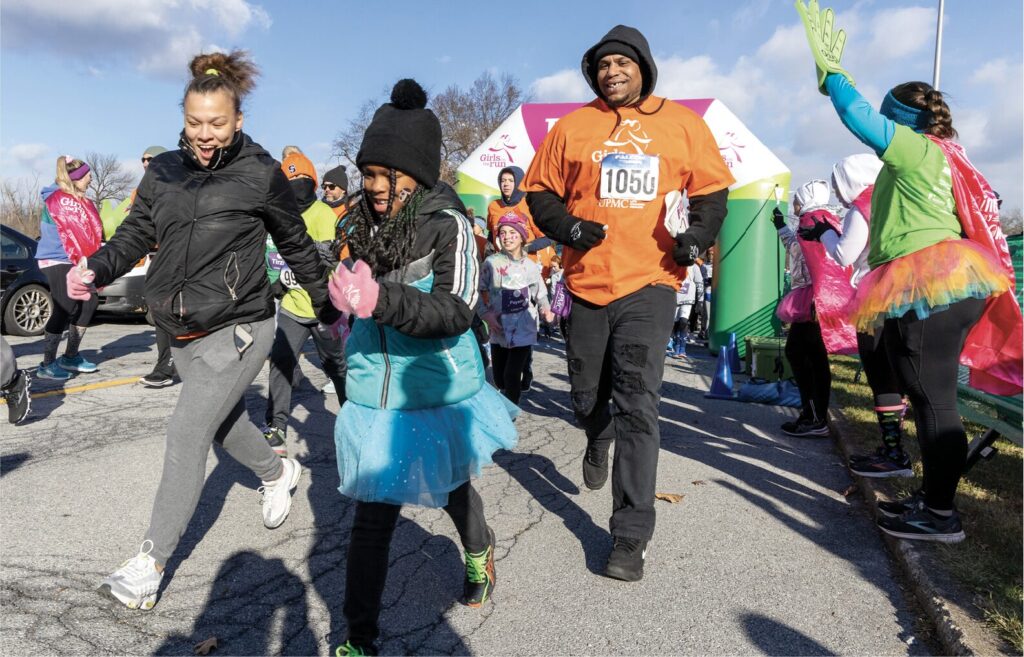
Girls on the Run. Photos courtesy of Girls on the Run.

When my 9-year-old daughter signed up for Girls on the Run a decade ago, she wasn’t a runner. Or a walker, really.

But she laced her pink sneakers and started with a strong stride around the perimeter of Shenk Park anyway. When she became red-faced, she slowed her pace, lagging 50 yards behind. By the time all the other girls finished the race, my little cherub was walking, and not quickly.

We cheered for her anyway—even as the boys’ race started. She wasn’t *too* embarrassed about placing last. She finished what she started, saying she felt “accomplished.” She said, “I proved to myself I could do it.”

Girls on the Run is one of several local programs dedicated specifically to impacting young girls. GOTR Mid State PA Executive Director Gillian Byerly believes in the connection between a strong support system and breaking out from the pressurized, barrier-laden “girl box.”

“We envision a world where every girl can boldly pursue her dreams,” she said. “Our after-school programs inspire girls to be joyful, healthy, confident, resilient and connected with their communities.”

The evidence-based program provides a judgment-free environment for trying new things. GOTR volunteer coaches guide girls through the curriculum, packed with skill-building games, activities, projects and discussions to cultivate skills like building relationships, working in teams and impacting their communities.

Although the program takes its name from a run around the park, Byerly cites a “connection between physical and emotional health, moving bodies in a powerful way to regulate emotions.” Embedded into GOTR is imparting an emotional vocabulary, teaching girls to recognize emotions, to feel negative emotions without reacting, and to develop empathy.

“We target girls specifically because they have different challenges and mature differently,” Byerly said, citing a significant youth mental health crisis. “Girls drop out in larger numbers than boys. One in three consider suicide, and two-thirds feel negative effects from competition.”

A national program in its 10th year, built on a strong volunteer network that invests in approximately 2,500 girls annually, GOTR works with girls in grades 3 to 8, with a structured curriculum focusing on five “Heart and Sole” aspects: social, spirit, brain, body and heart. Girls and LGBTQ+ kids from all races, backgrounds and socioeconomic levels are welcome. There is an adaptive curriculum for girls with disabilities.

“With encouragement from friends and a robust mentor network outside the home to cultivate healthy relationships, there’s a team of girls behind them,” Byerly said. “It makes this program beneficial in so many ways.”

Who I Needed

If running isn’t your girl’s thing, other programs offer character development opportunities through different types of mentorships.

With roots in Harrisburg, Young Women’s Empowerment Academy is a nationwide mentorship nonprofit founded in 2017, offering girls aged 8 to 25 from diverse backgrounds mentorship, leadership development and life skills.

Its mission: “Be Who I Needed When I Was Younger.”

Founder Lisa Lickers-Ricks was once that younger woman—a teen mom who needed guidance. She observed women struggling with challenges related to self-esteem, societal expectations, emotional challenges, navigating personal relationships, and overall stress from feeling like “not enough.” Seeing this need inspired her to create a support system where women could feel empowered to succeed, despite their circumstances.

Through YWEA’s leadership workshops, mental health awareness sessions, community service projects, personal development seminars, entrepreneurship training and the occasional fashion show, each activity is designed to build essential life skills.

“Our leadership workshops help the girls take ownership of their lives, while mental health sessions provide them with coping mechanisms for anxiety and stress,” Lickers-Ricks said. “The community service projects instill a sense of purpose, and our entrepreneurship training encourages them to think creatively about their future.”


Ripple Effect

Also in Harrisburg, Whitaker Center has two evolving programs to connect girls with real-world computer science applications.

Their Women in STEAM committee supplies both the Girls in STEAM program (grades 3 to 8) and Girls Who Code program (grades 6 to 12) with professional mentors who encourage girls to explore STEAM careers as possibilities. Both programs counter cultural and societal gender stereotypes that previously limited career ambitions, resulting in underrepresentation in STEAM fields.

Girls in STEAM’s Education & Science Center Manager Kristin James said the programs “create safe spaces for discussion and encouragement to empower young girls to change their mindset, overcome challenges and thrive.”

The Women in STEAM program offers a range of topics to expose girls to various STEAM opportunities. Guest speakers from local partnerships like Capital Blue Cross, Hersheypark and Harrisburg University provide girls with powerful networking connections. And inviting NASA astronauts through the AstraFemina organization shows girls that women can succeed in male-dominated fields.

Providing girls with STEAM education, showing them what’s possible “can help drive workforce development for future generations,” James said. “We can help shape the goals and aspirations of the next generation and grow the region’s quality of life and economic vitality.”

Coding is just one career path in the vast and ever-shifting field of computer science. Girls Who Code’s Innovation Educator Josh Meek points to the foundation of their curriculum of computational thinking, requiring planning, problem-solving and curiosity. Attendees engage in curated lessons of various scope and difficulty, peer mentorship and friendship-building with others who enjoy solving puzzles and exploring technology. And they learn about computer science careers other than coding, ranging from cybersecurity to 3D art and design.

For nearly three decades, this writer has held a steady 9-to-5 in computer science occupations: technical writer, functional business analyst, data analyst, project manager/integrator, software tester, hardware evaluator. Girls, I’m living proof you can have a career in computer science aside from coding. Computational thinking and problem-solving will get you far.

I wonder how far I might have gotten with mentoring programs.

Lickers-Ricks summed up these enriching local mentoring programs best.

“It’s about creating a ripple effect—inspiring young women to become leaders, innovators, advocates for positive change, and change-makers who will give back to the community,” she said.

For more information about Girls on the Run, visit www.girlsontherun.org.

To find out more about the Young Women’s Empowerment Academy, visit www.yweacademy.com.

To learn more about Whitaker Center’s programming, visit www.whitakercenter.org.

If you like what we do, please support our work. Become a Friend of TheBurg!     
Continue Reading