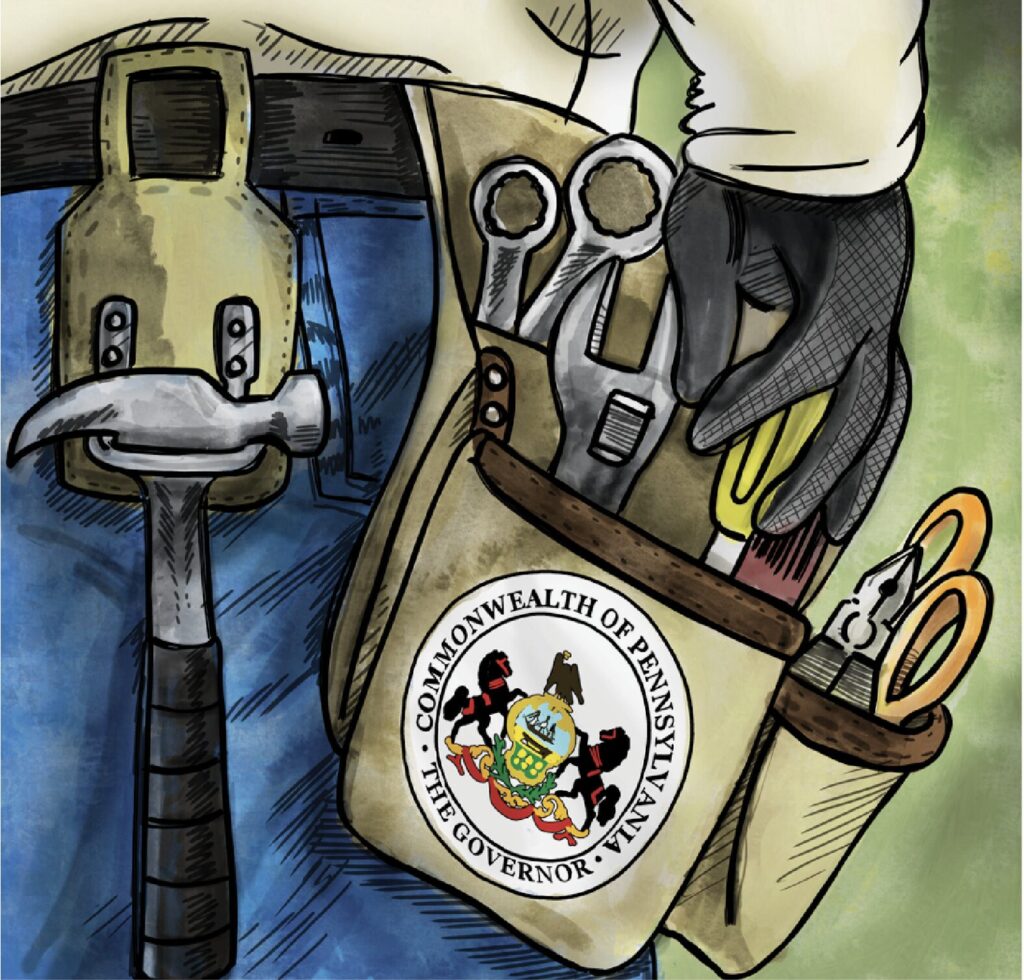
Illustration by Rich Hauck
Last month, Gov. Josh Shapiro stood inside a cupcake shop in downtown Harrisburg and, before a bank of TV cameras, made a bold statement.
“I care a lot about our capital city, and this capital city deserves better,” he said at Anna Rose Bakery & Coffee Shop on N. 2nd Street. “If I can . . . begin a resurgence here, that’s something I believe is a responsibility of mine.”
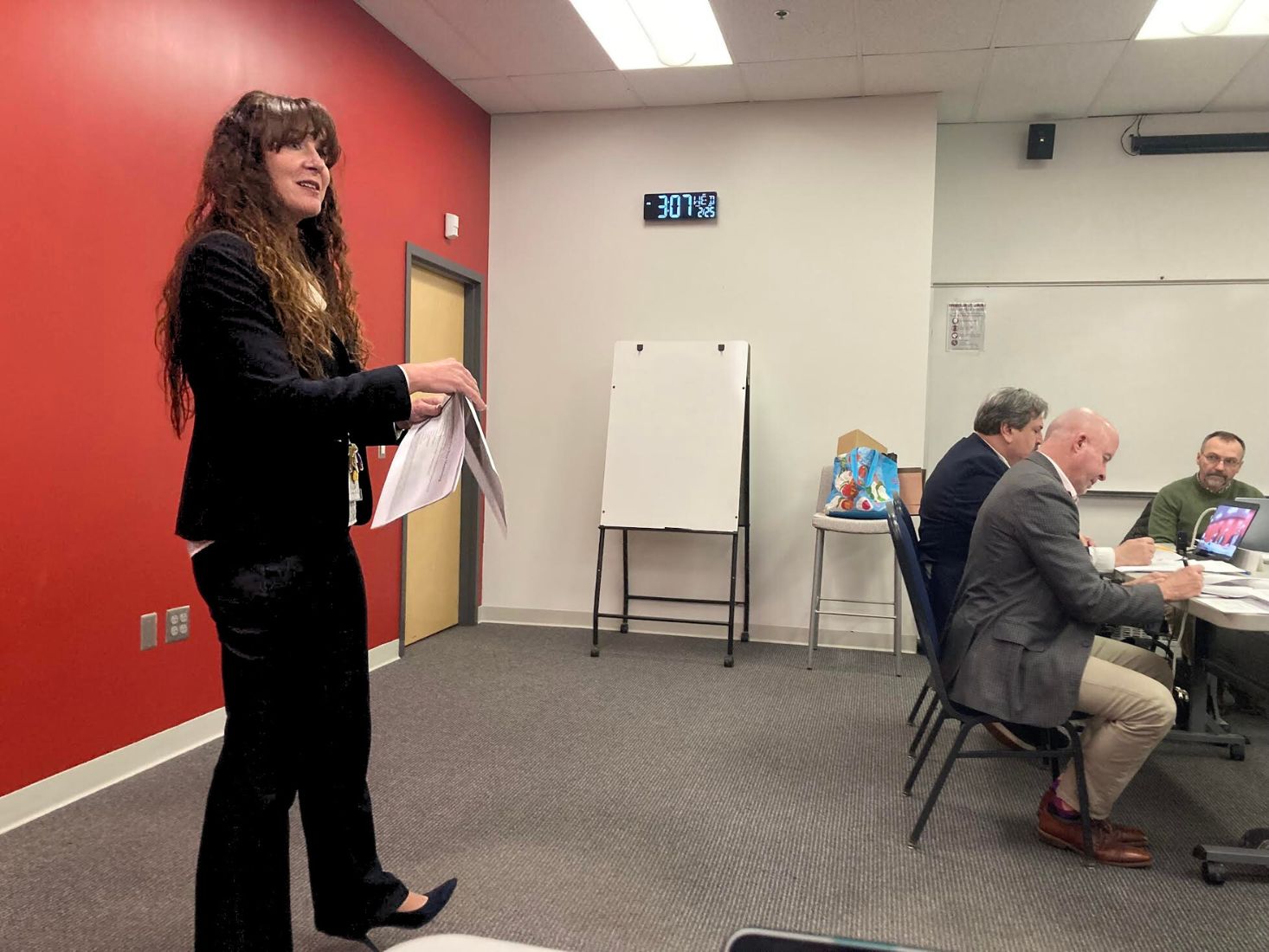
That was Shapiro’s second show of support for Harrisburg in as many weeks. In late January, he gathered key downtown stakeholders together in a conference room to hear about Harrisburg’s struggling central business district—that is, what’s left of it.
To paraphrase a line from the classic wartime movie, “Casablanca:” “Welcome back to the fight, governor.”
When Shapiro took office over three years ago, I was hopeful. After all, he was no stranger to Harrisburg, having served here as a state legislator then attorney general.
So, I believed it a reasonable expectation that he would help lead the city into a post-pandemic future—bringing back state workers, adding life to the stagnant downtown, and helping re-energize the small businesses that had suffered so much during COVID.
A few months after, I felt my confidence affirmed when Shapiro stood in front of the Broad Street Market, which had just suffered a tragic fire, and boldly vowed to marshal resources to help rebuild the brick market house.
But none of this happened. In fact, the city’s crisis only grew worse over time.
The Broad Street Market only recently began re-construction, years after the fire and still years from completion. Downtown, a trickle of business closings turned into a flood as even the most committed, long-time restaurateurs and shop owners threw in the towel, as downtown office buildings emptied, as property owners demanded tax relief or desperately tried to unload their buildings.
Mind you, this isn’t all Shapiro’s fault. The city government has been alternately chaotic and inert, leading to bad headlines, low confidence and a general sense of hopelessness. Today, the mayor and city council aren’t even talking, except through their lawyers, much less cooperating on ways to revive the downtown economy.
But the state’s policies—and its inaction—are a big part of the problem.
For years, the commonwealth dragged its feet returning workers to the office following the pandemic. Even now, much of the state’s Harrisburg-based workforce is on site just two or three days a week. Remote work is also responsible for the related loss of visitors, lawyers, contractors, lobbyists, beseechers and all who do business with the state. This is ruinous to an industry town like Harrisburg.
Every time I write on this subject, someone accuses me of “blaming” state workers. To be clear, I’m not blaming workers. The admin in DEP or the middle manager at Ag doesn’t make the rules, and they have no obligation to buy a turkey sub at the local lunch spot (now closed). But I am blaming state policy. You simply can’t disappear so many people, remove so many worker hours, from a small city like Harrisburg without a devastating effect.
As one of the bakery owners told Shapiro last month: “If you want to support a local economy, especially in a city like Harrisburg where it’s so commuter-focused, you have to have a working downtown.”
At long last, Shapiro seems to have gotten the message.
Perhaps his motivation is self-serving. After all, our aspirational governor is running for re-election this year, with his eyes likely set on a White House bid in two years. You know that old saying that the way to a man’s heart is through his stomach? Well, I’d like to propose a corollary: the way to a politician’s heart is through his ambition.
The lowly state of downtown Harrisburg may be Shapiro’s Achilles’ heel. It’s the ready counterpoint to his oft-told tale of the I-95 overpass rebuild or his oft-repeated mantra of, “getting ‘stuff’ done.” In Harrisburg, the stuff definitely ain’t getting done.
Well, I don’t care if Shapiro is motivated by personal ambition or by a newly awakened love of Harrisburg. Suddenly, he’s organizing meetings, he’s out on downtown streets, he seems to be listening, he’s pledging his help.
The commonwealth already has allocated some money for an economic development study, which is a good start. But much more will be needed afterwards to robustly fund what comes next—likely a mix of residential, commercial and office, as well as things like streetscape upgrades, road diets, pedestrian corridors and business incentives. Also, the state needs to do something about the insane cost of downtown parking, a system that, incidentally, it controls.
Shapiro now seems to acknowledge the state’s role and responsibility (along with the city and the private sector) in guiding Harrisburg to a brighter future.
In January, the U.S. Bureau of Labor Statistics issued a report stating that Pennsylvania had the third-highest survival rate in the nation for new businesses, with 51.6% still around after five years.
“Pennsylvania isn’t just attracting new businesses—we’re creating an environment where they can succeed,” responded Shapiro. “From cutting red tape and streamlining permitting to investing in site development, main streets and our workforce, my administration is focused on making Pennsylvania the best place to start and grow a business.”
That’s profoundly not the case in Harrisburg. Perhaps one day, it will be, but to get there, promises need to be kept, focus needs to be maintained, and “stuff” needs to get done.
Lawrance Binda is publisher and editor of TheBurg.
If you like what we do, please support our work. Become a Friend of TheBurg!