Fraught with Problems: This Year, the Administration Has Pledged to Straighten Out the HUD Grant Process.

It’s that time of year again.

Every June, millions of dollars of federal funds are allocated to various organizations, projects and purposes with the intent of reviving the City of Harrisburg’s most impoverished people and places.

The money comes from the U.S. Department of Housing and Urban Development (HUD). HUD awards Harrisburg yearly grants, which are to be used to rehabilitate devitalized neighborhoods, reduce blight, improve the housing stock and support community and economic development specifically for low-income residents and communities in the city.

Those are the general parameters HUD outlines. The particulars are up to the city.

That responsibility falls to Harrisburg’s Bureau of Housing. In fact, HUD even furnishes funds for the bureau to hire staff to help with this process of establishing program and funding priorities. Every five years, the city is required to assess itself and analyze its needs in order to develop a Consolidated Plan that institutes revitalization intentions and presents strategies for accomplishment. Once that blueprint is in place, an Annual Plan is put forth each year to fulfill it.

Right now, the city is in the midst of its 2010 to 2015 plan and attempting to meet the following goals:

  • Increase homeownership
  • Create affordable housing
  • Decrease blight
  • Create jobs
  • Support services for homelessness


The current Consolidated Plan was established during the Reed Administration and is now being implemented by the Thompson Administration.

Unfortunately, the change in administrations resulted in a loss of prominent staff and, subsequently, institutional knowledge. As a result, over the past few years, the annual HUD process has been wrought with challenges and delays.


[sub]Most Discretionary

In recent years, the Community Development Block Grant (CDBG) program has been particularly fraught with problems.

A portion of CDBG funds are granted to non-profits that demonstrate projects and services that align not only with the broad objectives of HUD but also with the more specific goals of the city’s plan. Some examples of the way CDBG funds may be used include, but aren’t limited to, the purchasing of real estate; repairing and rehabbing properties; demolition; and certain public services, such as job training programs, housing guidance and addiction counseling.

In the past, CDBG monies have helped renovate the McFarland Press Building, maintained the Mayor’s Office of Economic Development Revolving Loan Fund and partially financed the Broad Street Market’s new HVAC system, to name a few of the more notable uses of the grants.

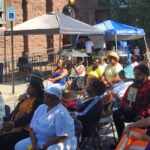
The CDBG category of funds is the most discretionary of the city’s HUD funds. Any viable project is welcome to apply, and the city holds public sessions on how to do so. Upon receiving and reviewing the applications, the Bureau of Housing makes recommendations, the mayor evaluates them and directs changes, then City Council holds public hearings making further adjustments before finally voting on the funding allocations.

Despite a timely application, interview and legislative process, awardees for both 2010 and 2011 funds had to endure almost year-long holdups to access their funds because of the administration’s confusion with the HUD CDBG program. Director of Building and Housing Jack Robinson cited a lack of staff, misunderstandings and too many responsibilities as reasons his department had a difficult time meeting HUD requirements and distributing the funds accordingly.

The delays caused many groups, such as the Heinz-Menaker Senior Center and the Central Allison Hill Community Center, to put off their projects until the city sorted out its problems.

[sub]An Issue of Competence

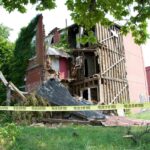
Another area that has caused controversy is the CDBG funds for demolition.

In June of 2012, much to Mayor Linda Thompson’s chagrin, the Harrisburg City Council cut back the city’s Emergency Demolition from $400,000 to $200,000. During the public hearings on these matters, City Councilors were very clear why they lessened Emergency Demolition—the Administration had not used any of its funds from the year before. In May 2012, Housing Director Robinson stated that no demolitions had taken place in 2011. So, council diminished the funds and allocated the money to other CDBG projects. In 2012, about a dozen properties were demolished; however, only one has been taken down so far this year. The administration has blamed the lack of demolition on an insufficient workforce, more than anything else.

HUD representatives have expressed extreme patience with Harrisburg. Last year, several awardees were concerned about losing their funds because of the delays, and, while there are federal guidelines in place about using CDBG money in a timely manner, HUD alleviated those worries by working with city officials to put the program on track. As one HUD representative stated, “Recapturing the funds is a measure of last resort.”

Harrisburg’s hassles with CDBG allocations are not an issue of misuse or abuse. It’s more or less an issue of competence and knowledge of the paperwork involved. The city does not hold the funds. HUD does, and grants aren’t released until all the proper documentation is received.

While there was still some delay in doling out the 2012 grants, the Bureau of Housing seems to be righting its management of the HUD programs.

This year, Harrisburg’s Annual Plan proposes $210,000 funds in public service activities, $287,739 in housing and community development activities and $150,000 in Emergency Demolition.

The particulars of the plan can be found on the city’s website. On June 5 at 5:30 p.m., the Bureau of Housing will formally present its proposals to the Harrisburg City Council. Not only is public input encouraged, it is a mandated aspect of HUD’s overall policy. Any decisions the city makes are to be reasonably influenced by citizen participation and feedback.

HUD funds are incredibly important with a great emphasis on the CDBG program. It’s the CDBG grants that come the most directly and discretionally to the community. If allocated keenly and governed skillfully, there can be a significant burst of activity in the form of dependable projects that serve to better the City of Harrisburg.

This process is indeed something the public should pay attention to.

Tara Leo Auchey is creator and editor of todays the day Harrisburg. todaysthedayhbg.com
Continue Reading

4 Candidates, 3 Questions: Mayoral hopefuls tackle the issues of financial recovery, crime and economic development.

Primary day is just around the corner, and four candidates for mayor—Lewis Butts Jr., Dan Miller, Eric Papenfuse and Linda Thompson—want your vote on May 21.

To help inform our readers, TheBurg asked each candidate to answer the same three questions. Their answers are insightful and even intriguing. We exercised a light editing hand to capture the candidates’ responses most honestly.

Lewis Butts Jr.

1. What’s your position on the financial recovery strategy being implemented by the receiver? Do you favor or not favor municipal bankruptcy for Harrisburg? 

I am not in favor of bankruptcy. To show fiscal responsibility, we must work with the receivership to implement my comprehensive plan that addresses new revenue streams that will satisfy our creditors as well as the receivership. We must create jobs by presenting a vision and plan for the citizenry that benefit the citizenry.

2. If you are elected as mayor, what is one chief community development or anti-crime initiative you would work to implement?

I have a two-tier approach to reducing crime while improving transparency within our city. First, in Wi-Fying Harrisburg, we will create a vehicle of communication, education and security. With a Wi-Fi cloud around Harrisburg, we can erect security cameras anywhere we deem. Our administration will become more transparent. Funding for the cloud will come from Google. Second, to produce more culturally competent officers, we will create a Harrisburg Police Academy in the high school and train cadets who were raised in the city by the city. They will understand the demographics of our city by being a product of the environment.

3. What, in your opinion, does Harrisburg need to better promote economic development in the city?

Harrisburg needs to adopt a new marketing strategy, which integrates easier in the tourism industry. We need to create new tourism attractions. My platform consists of the erections of the Harrisburg International Aquarium (HIA) located at the old Post Office on Market Street. This will attract millions of visitors. The advantages are that it’s on the rail line, and the aquarium will offer more than 500 jobs to the capital city. The hydroelectric dam will create a revenue flow of over $240 million annually, and, by enhancing our natural environment, we will create a new image for our citizenry and visitors. I will create more heritage parks that illustrate our contributions to the Civil War in the Uptown districts. I will also create a PennDOT Plaza; it will have nine eateries and 17 retail shops and will attract patrons of PennDOT, as well as state employees.

Dan Miller

1. What’s your position on the financial recovery strategy being implemented by the receiver? Do you favor or not favor municipal bankruptcy for Harrisburg?

I do not support the Corbett administration’s Recovery Plan for Harrisburg, which has doubled income taxes on residents and offers to sell the city’s revenue-producing assets, such as the parking garages. This punishes citizens and is bad fiscal policy. Why should the city sell what brings in money? Unlike the Recovery Plan, bankruptcy will require shared sacrifices not just from citizens, but also from outside interests such as the municipal insurance company, which guaranteed this bad debt. Bankruptcy will steer Harrisburg towards fiscal revival, whereas the Recovery Plan will not.

2. If you are elected as mayor, what is one chief community development or anti-crime initiative you would work to implement?

Public safety is one of the most important issues facing the City of Harrisburg, and mitigating gun violence is of the highest priority. First, I would establish an Anti-Gun Enforcement Program in the Criminal Investigations Division of the Bureau of Police to give the issue the attention it deserves. Rather than cordon off a small area for a few days, I will implement a proactive policing strategy targeting a long-lasting reduction in gun violence. A top priority will be to make certain that every streetlight in the city is working.

3. What, in your opinion, does Harrisburg need to better promote economic development in the city?

In addition to creating financial stability and promoting public safety, I will strengthen the city’s basic services for lighted streets without potholes and with timely snow removal; as well as for solid water mains and clean, safe parks.

Clearly, Harrisburg’s revival depends on basic city services. A safe, well-maintained Harrisburg would attract businesses and creative, working people to locate here and to enjoy its natural and urban wealth. A safe and appealing city is good for residents and critical to economic growth.

Eric Papenfuse

1. What’s your position on the financial recovery strategy being implemented by the receiver? Do you favor or not favor municipal bankruptcy for Harrisburg?

I do not favor municipal bankruptcy for Harrisburg. Bankruptcy would bring significant negative impacts for both businesses in Harrisburg and residents.  I support the receiver’s efforts to negotiate a fair settlement of Harrisburg’s debt, and there are clear signs of success. If the receiver is able to effect a plan to relieve Harrisburg of the massive debt generated by years of mismanagement, the city will be poised for a new era of growth. It will then need solid leadership to restore confidence and trust. 

2. If you are elected as mayor, what is one chief community development or anti-crime initiative you would work to implement?

Fighting crime in Harrisburg must focus on its root causes, as well as on details like increasing street lighting in our neighborhoods and neighborhood policing. But the single most important thing we can do to impact crime is to improve Harrisburg’s schools. We will focus our efforts on exploring innovative ways to improve education, including helping to provide parents options in where they send their children to school. I propose keeping school libraries open late so that students have a safe haven for the evening hours.  And we must work with non-profits to create after-school and mentoring opportunities. I will launch a task force to research what is working in other parts of the nation and provide recommendations for what will work in Harrisburg.

3. What, in your opinion, does Harrisburg need to better promote economic development in the city?

Harrisburg needs a mayor who will cooperate and welcome business interests into our city. The city presently does not even have an economic development official. The mayor is the prime ambassador for the city and establishes the image that is reflected throughout the region, country and the world. I would move to immediately improve Harrisburg’s image as collaborative and cooperative with neighboring areas and with business interests.

I have a comprehensive plan to encourage economic development that includes the following priorities:

  • Creating an economic map of the city, neighborhood by neighborhood, to determine needs for small businesses and services.
  • Supporting smart use of tax abatements to spur new commercial development and to support improvement of residential real estate.
  • Creating a Business Incubation Plan to assist small businesses.
  • Supporting smart and effective use of KOZs to stimulate development in the city.
  • Partnering with CREDC, the African American and Latino chambers to support their initiatives, possibly offering office space in City Hall to strengthen cooperation between city and small business.
  • Rebranding the city as a warm, friendly and progressive city that is open for business.

Mayor Linda Thompson

1. What’s your position on the financial recovery strategy being implemented by the receiver? Do you favor or not favor municipal bankruptcy for Harrisburg?

I have supported the receiver’s plan and worked closely with the receiver and his team to implement the plan. I have said bankruptcy is an option of last resort if needed to leverage participation in the debt solution, which would be done in cooperation with the receiver. Implementation of his plan, which is very similar to the original Act 47 plan and my Act 47 plan, requires significant work beyond the day-to-day operations in City Hall. We are focused on a solution to the debt crisis, but also working to improve city services to Harrisburg residents. We’ve had our challenges, but I feel we are making real progress for our residents. Some have advocated filing bankruptcy without a plan. This would have been catastrophic for the citizens of our city. The cooperative approach with my administration, the receiver, City Council and the county is working. The city will soon complete the monetization of the incinerator and the parking facility, which would eliminate all related incinerator debt.

2. If you are re-elected as mayor, what is one chief community development or anti-crime initiative you would work to implement?

The city administration has instituted the Neighborhood Safe Zone Initiative in several neighborhoods in the city, and it is an excellent way to focus resources on a stressed neighborhood to implement police actions, ordinance violations and other social services, which clamp down on street crime, while we build community stability and local cooperation with our police and social service programs. We are arresting criminals in our city, and we are taking firm action to right blight.

3. What, in your opinion, does Harrisburg need to better promote economic development in the city?

This administration continues with our strong message that Harrisburg is open and welcoming to business. We are growing our tax base and creating job opportunities for our residents. Since 2010, we have issued 1,800 new business licenses and created 1,442 new full- and part-time jobs. Promoting economic development starts with the same things city residents want: a safe city; an efficient, well-run city government that provides information and is timely with permits; one that encourages investment; and a solution to the debt problem, which has created many false perceptions about the city. Progress is taking place in all areas. Solution to the debt crisis will send a positive message about the stability and the costs of doing business in our city. These are basic things that businesses and developers interested in developing in our city need to know. When we are successful with development, it demonstrates certainty about the future. Reasonable city fees and taxes, competency and cooperation of the city administration and public safety are key. We need younger and older professionals living in our city to increase the city’s tax base, and who will support our local businesses and grow additional businesses that produce income for the city, so we can focus reinvestment in our more distressed neighborhoods. Offering more incentives, like the LERTA and KOZ program that I have proposed and state tax credits, will help promote economic development.

Continue Reading

Hospital that Once Was: In a few decades, Harrisburg State Hospital went from thousands of patients to zero.

Just east of the Pennsylvania Farm Show Complex are the grounds of the Harrisburg State Hospital, the commonwealth’s first public facility for the mentally ill and disabled.

Originally planned in 1845, the official name became the Pennsylvania State Lunatic Hospital in 1848 and eventually just the Harrisburg State Hospital. The hospital was an outgrowth of progressive reforms in Pennsylvania government, but also the tireless lobbying efforts of famed social reformer Dorothea Dix.

The first “main” building was built and designed by architect John Haviland. The large structure could accommodate 300 patients, as well as hospital staff and administration. Room, board and treatment were funded by the patients themselves or provided for by the counties of admission. The initial fee was $2 a week per patient, but was later based upon ability to pay.

As admissions to the hospital grew, the construction of the north and south wings became necessary. One wing was for female patients and the other for male patients. Over time, more wings were added, each 20 feet back from the former.

This design, called the “Kirkbride Plan” was named for Dr. Thomas Kirkbride, superintendent of the Pennsylvania Hospital for the Insane in Philadelphia. This plan allowed as much air and natural light into the buildings as possible. To the rear of the main structure was a bakery and boiler facility for heating the hospital. As the 19th century wore on, the hospital kept expanding, including numerous types of trade buildings, such as a carpenter’s shop, blacksmith’s shop, paint shop and a 150-acre farm, which made the entire hospital largely self-sustaining.

By 1893, the main building was showing signs of wear. Therefore, the General Assembly appropriated $100,000 to remove it and build a new administrative building, completed by architect Addison Hutton in 1895. The commonwealth went on to appropriate more funds to remove old buildings and construct new ones, and the overall plan of the hospital was changed to what was termed the “cottage house” system.

Architect Hutton, along with John Dempwolfe, practically redesigned and reconstructed the hospital in its entirety from 1893 to 1912. The new hospital could accommodate 1,000 patients, and the male and female areas mirrored each other in construction. Numerous employee quarters were also constructed on the grounds, including physician quarters and residences for married employees. Tunnels connected the buildings and also served as conduits for steam and electric.

During the 1930s and ‘40s, the hospital continued to grow in terms of patients, but was able to avoid expansion through parole of patients, as well as transfers to other hospitals. At its peak in the 1940s, more than 3,000 patients were housed at the hospital. By the 1960s and ‘70s, changes in the approach and treatment of mental illness led to the gradual abandonment of numerous buildings.

Patients at the hospital decreased until the late 1990s. Governor Ed Rendell officially closed the Harrisburg State Hospital in 2006, but not after it gained some fame for being used in 1999 for the set of the film “Girl, Interrupted.” Most buildings have now been taken over for use by other state agencies, but a walk around the grounds is still a journey through the history of institutional architecture and mental health in Pennsylvania.

Jason Wilson is a historian for the Capitol Preservation Committee.

Continue Reading

Linking Locals: Harrisburg-area professionals connect online.

I vividly remember when I got what writers refer to as The Call, the day Medallion Press phoned to tell me that they wanted to publish my first novel, “Thy Kingdom Come.”

I was thrilled, of course, but quickly realized that I was blissfully ignorant of what publication actually meant: contracts, legalese, marketing plans, a website, social media, blogs, newsletters, e-books, tax matters, etc.

I needed a place to go for answers to specific questions and items. And it would be helpful if I could get those answers and meet people who might advise me without dashing to a bunch of nonproductive meetings. When I scoured LinkedIn, I found the answer for me: “Linking Locals West Shore – Harrisburg” started by Joe Malis, a professional financial planner.

Linking In

LinkedIn is a social networking website like Facebook and Twitter, but more focused on a business and professional point of view. It operates the world’s largest professional network on the Internet with more than 100 million members in more than 200 countries and territories. There were nearly 2 billion people searches on LinkedIn in 2010.

In Greater Harrisburg, Linking Locals is the largest public LinkedIn group with nearly 1,900 members. In 2009, Malis began building the membership with a community philosophy of “pay it forward,” giving to others without expecting anything in return.

“I’m Italian and like many other nationalities, new immigrants relied on their community to provide work, shelter, safety and protection,” said Malis. “They fed each other’s families when food was short, offered companionship, empathy, they watched each other’s children, offered a helping hand to the members of their group until they got on their feet.”

For LinkedIn to be of value, individuals must be active within their group. They must engage in the discussions and, when they have something noteworthy to share or need help finding a reputable painter or realtor, for example, they can start a discussion. By participating, group members get to know one another. It’s a natural tendency to do business with people we know and trust. And, once members trust one another, they can begin referring business or sharing their skills.

Linking Locals offers networking opportunities for its members, as well as face-to-face connections. Lunchtime networking and happy hour events are held monthly. Plans are now being finalized to offer breakfast networking opportunities, as well. So, no matter the member’s personal obligations or time restrictions, a networking opportunity is available to build relationships with other Linking Locals members. Conversations from these events continue in Linking Locals discussions.

Chris Lawrence, the marketing manager at Quantum Imaging & Therapeutic Associates, is a member of the group.

“I was at a stage where I needed to get references on three projects for our company that involved contractors (painting, carpeting and building),” he said. “We have already completed the first two projects, a direct result of referrals from Linking Locals recommendations. I was spared from having to interview prospects, and that saved me a world of time that I could use on other duties.”

Linking Locals also offers members the opportunity to form sub-groups. One such group is the new Linking Locals Lone Wolf Group, which is for individuals who are either a “one man shop” or work out of their home as a satellite office for a larger company. Group members hold each other accountable to meet their own personal goals, whether they be daily, weekly or monthly, professional or personal.

In addition, Linking Locals recently entered an agreement with the West Shore Chamber of Commerce to co-host and jointly market additional networking opportunities. “Our first monthly event will be open to the public and provide speakers to educate or offer interesting information on a variety of topics,” said Malis.

As in any group, problems have arisen along the way.

“All too many LinkedIn users see the group discussion boards as free advertising platforms, screaming I have something to sell,” Malis said.  “These sales pitches promoting a product or service stifle interaction between group members, discouraging discussion.”

Also, many of the so-called social media experts teach their LinkedIn clients to start a discussion daily, as though they are blogging. This too can drive potential clients and referral sources away. Too much of either can kill a group, turning it into a ghost town.

“This is the exception,” Malis said. “The vast majority of LinkedIn users are professionals who wouldn’t consider such behavior.”

Next Steps

So, what’s next for Linking Locals West Shore – Harrisburg?

“My goals are simple,” Malis said. “First, to engage more members in the group, second, to grow the happy hour meet and greet events to over 100 attendees, third, to ensure the co-hosting relationship with the West Shore Chamber is mutually beneficial, and fourth, to encourage more discussions and posts.”

Lisa Heintzelman, president of Illuminations Consulting, is likewise enthusiastic.

“We have the opportunity to meet face-to-face twice a month, while continuing the conversations online,” she said. “I particularly enjoy the diversity and collaboration with other members. Joe encourages members to develop relationships. I see our strategic partnerships as a win-win because members may become referral partners and that helps us all.”

I’ve been a member of the Linking Locals site for about two months. In that short period of time, I have met a number of businessmen and women in Harrisburg and the West Shore and learned a great deal. And one of the best parts is I don’t have to put on a blue suit and tie to learn. I can do it from my own house in sweats if I want and can keep working on my computer. No commute. No wasted time. And I get the help I need.

For more information on the site, Linking Locals West Shore – Harrisburg, go to the LinkedIn website: www.linkedin.com. If you are not already a member, sign in, then go to groups and search out the site. There is a Help Center if you should need assistance.

Don Helin published his first thriller, “Thy Kingdom Come,” in 2009. He recently published his second, “Devil’s Den.” Don lives in central Pennsylvania and is hard at work on his next thriller. Contact him at www.donhelin.com.

Continue Reading

Tour de Stash: Some of Harrisburg’s most creative ladies join forces for new boutique.

Don’t be confused by the name, midstaters: Pennsylvania has not legalized the goofy green. Stash is the newly minted name for a vintage boutique store co-owned and operated by four city residents: Anela Bence Selkowitz, Jessica Flynn, Haley Harned and Jen Merill.

You might recognize these women from their day jobs as photographer/events promoter of Studio A, spunky and agreeable barista of Little Amps, craft all-star and freelance journalist, respectively – and now they’ve combined their artistic passions to galvanize their love of second-hand attire. Spawned out of a conversation to begin a multi-level food/clothing co-op, they settled on part of the dream, Stash.

The store is a discussion of its own. Owned by Bill Andring, whose law practice once occupied the space, both the exterior and interior seem serendipitously suited for the Stash girls’ concept. Situated on the corner of Green and North, the storefront is defined by its black columns and large, oval windows with a wainscoated skirt of light blue panels outlaid by golden pinecones.

Flynn said they all walked and gathered at the Green Street location, marveling at this corner building, only to find that they were at the wrong place. The prospective landlord was up a few doors waving them down to a row house they ultimately decided against. Fortunately, the first floor of the 234 Green St. was tenant-less, and Andring was happy to lease them his former office.

Inside, as they prep the interior, Merrill points out that almost all the accoutrements are “sustainable and upcycled. The driftwood was gathered by Anela to make the clothing stands, and the bookcases were bought at auction,” so the ethos of recycling will be all encompassing. For the interview, they all sat on top of a recently purchased second-hand carpet.

When asked who their target market is, Flynn answers, “everyone,” and Bence Selkowitz says, “we hope to attract the vintage lovers as well as 50-year-olds,” before Harned adds, “and the 12-year-olds as well.” Their ambitious and synchronized goals are butting up against conventional wisdom that says clothing storefronts are a dying breed, much like the print publication you are reading. But Merrill sees the Etsy online model as overhyped and senses that people in this area are ready for a shop like this.

Situated in between the thriving, upscale restaurant operations of Home 231 and Mangia Qui, a stone’s throw from the Capitol complex and positioning themselves as a 3rd in The Burg destination, Merrill can at least justify the “location, location, location” mantra. Just as important, however, they will sell their clothing at a generous and democratic price point.

“The bulk of the items will be less than $50,” says Harned, “and most dresses will only cost between $20 to $30,” says Selkowitz. While they’ve decided against consigning, at first, they will offer men’s, women’s and children’s clothing along with some specialty items like furniture and accessories.

“This will be a clean operation, everything will be steamed and sanitized,” says Harned, so you won’t need to dig through racks and racks (i.e. thrift store style).

The paradigm of fashionable/vintage stores is evident in places like A Passage in Time located in Lancaster and various boutique joints in the Hampden neighborhood of Baltimore. What Bence Selkowitz and cohorts realize is, unlike those stores, they have to avoid price gouging, so they can cater to their market while Harrisburg can add to its growing compilation of valuable (and hip) entities in the Midtown and Uptown neighborhoods. The next evolution can be found in places like Stash.

Stash is at 234 Green St., Harrisburg. Hours are Wednesday to Friday, 11 a.m. to 2 p.m. and 4 p.m. to 7 p.m.; Saturday, 11 a.m. to 7 p.m.; and Sunday, 11 a.m. to 4 p.m.

Continue Reading

Community Corner: Notable Events in May

Annual Quilt Exhibition

May 1: The annual Quilt Exhibition returns to the Winters Heritage House Museum in Elizabethtown through May 31, featuring more than 30 quilts of many sizes and patterns. Each piece is displayed along with its background story so visitors may enjoy the quilts’ colorful histories as well as their craftsmanship. Admission is $3/person. For more information, contact Nancy Landis at 717-367-4672.

The Harrisburg Singers

May 3-5: The Harrisburg Singers are back with their most popular concert series, “Pops to Broadway!” Audiences will be treated to selections from the Broadway stage, as well as music by Bruno Mars, The Supremes, Paul Simon and the Rat Pack. For tickets or locations/times, call 717-233-1005 or visit www.harrisburgsingers.org.

Author Book-Signings

May 3 & May 18: Harrisburg’s own Gene Albano will hold two signings this month: the first on May 3 at the Strawberry Patch, adjacent to the Hallmark store in Strawberry Square, Harrisburg; and the second on May 18 in the kitchen at the Cornerstone Coffeehouse, 2133 Market St., Camp Hill. Both events are 11 a.m.-2 p.m. Albano will sign copies of his new novel, “Letters to Andrea,” as well as copies of his other books.

2nd Annual Cinco de Mayo Block Party

May 4: El Sol Mexican Restaurant is hosting a block party in celebration of Cinco de Mayo. Food, drinks, live entertainment, a jalapeno eating contest and a salsa dancing competition will be held on the grounds directly outside the restaurant on S. 3rd Street, Harrisburg. For more information, call 717-901-5050.

Derby Day Returns

May 4: Dust off your sundress and big, floppy hat for the annual Derby Day celebration, which has made several changes this year. In a departure, the event, which includes food, music and an auction, will be held on the grounds of a private home in Lewisberry. Proceeds benefit the Harrisburg-based arts organization Jump Street. For more information or to purchase tickets, visit www.jumpstreet.org/events/derbyday.

Keystone Capital Chorus

May 4: The Keystone Capital Chorus will present its 65th annual Spring Show, “Haunting Memories,” at Scottish Rite Auditorium, 2701 N. 3rd St., in Harrisburg.  The show follows the antics of a wicked witch who hates a cappella music and has turned the singers into ghosts, goblins, Frankenstein, Dracula and even members of The Addams Family. Halloween in May, folks. Tickets are available at kccsing.com, by calling 717-695-7527 and at the door. Show times are at 2 p.m. and 7 p.m.

The Art of Flower Arranging

May 4: The Harrisburg Chapter #18 of Ikebana International will present an ikebana demonstration by Midori Tanimune at 11 a.m. at Trinity Evangelical Lutheran Church, 2000 Chestnut St. Camp Hill. Ikebana is the ancient Japanese art of flower arranging. To reserve a seat and for more information, call Alice Hartman at 717-545-5394.

Garden Faire

May 5: The annual Garden Faire returns to Fort Hunter, with dozens of vendors selling plants and crafts. There will also be food, children’s activities, exhibits on Victorian daily life, mid-1800s dancing, live music, garden chats and a Peep Show—art made from marshmallow Peeps. Event is 10 a.m.-4 p.m. More information at www.forthunter.org.

Photography Lecture

May 5: The Art Association of Harrisburg will host a lecture by photographer Jeffrey Stoner, “The Fine Art of Photography,” 2-4 p.m. Stoner will explain the evolution of photography over time and share tips and techniques to improve one’s own photography. A $10 donation is requested. Call 717-236-1432 for more information or visit www.artassocofhbg.com. The Art Association is located at 21 N. Front St., Harrisburg.

Susquehanna Art Museum Groundbreaking

May 7:  The Susquehanna Art Museum will commemorate the future site of its long-awaited facility. Remarks will be at 5 p.m., followed up by a block party. Meet the staff and board of directors, ask questions and learn about the project. 4:30-8 p.m. at the site of the proposed museum at the corner of N. 3rd and Calder streets, Harrisburg. Refreshments will be served and admission is free.  Additional information is available at 717-233-8668 or www.squart.org.

Farmer’s Market Kick-Off

May 7:  A summertime Harrisburg tradition returns as the weekly open-air farmer’s market sets up in the parking lot of the Pennsylvania Farm Show Complex off N. Cameron Street. Each Tuesday through September, farmers will sell their in-season produce directly to consumers. Visit www.pafarmshowcomplex.com for more information.

Mayoral Debate

May 8: Harrisburg Young Professionals hosts the can’t-miss event of the campaign season: a mayoral debate just weeks before the primary election. At press time, incumbent Linda Thompson and challengers Eric Papenfuse, Dan Miller and Nevin Mindlin had confirmed for the event, according to HYP. The debate takes place at the Hilton Harrisburg, 7-8:30 p.m. It will be moderated by abc27’s Dennis Owens and include panelists from other area news organizations. www.hyp.org.

Annual Home Tour

May 11: The homes of Midtown Harrisburg will be open and awaiting visitors during the 15th annual Home Tour sponsored by Harrisburg Young Professionals. Attendees can tour about 15 homes, 1-5 p.m., followed by an after-party at the King Mansion on N. Front Street. For more information or to purchase tickets, visit www.hyp.org.

Author Event at Grumpy’s Books

May 11: Andi O’Connor, local fantasy author, will read from her fantasy novel, “The Lost Heir,” and will sign copies following the presentation. 2-4 p.m. at Grumpy’s Books, 3619 Walnut St., Harrisburg. For more information, call 717-743-1332 or go to www.andioconnor.

Community Yard Sale:

May 11: Friends of Midtown will host a community yard and sidewalk sale in neighborhoods throughout Midtown Harrisburg. The day kicks off with a pancake breakfast at Second City Church on Verbeke Street, 8-11 a.m., with proceeds benefiting Friends of Midtown beautification projects. If interested in participating in the yard sale, either with a table in front of your home or at the Broad Street Market, send an email to [email protected].

Homegrown Market

May 11: Presented by The MakeSpace, Home Grown Market will feature local vendors (art, handcrafts, music, food, etc.) every Saturday, 10 a.m.–5 p.m., starting May 11 through the end of November. If you’d like to know more or would like to apply for vendor status, please visit homegrown-market.com or email [email protected].

Pennsylvania Passenger Trains

May 14: Mike Shafer, the editor of “Passenger Train Journal,” will give an illustrated talk to the Harrisburg Chapter National Railway Historical Society at Hoss’s Restaurant, 743 Wertzville Rd., Enola. Starts at 6 p.m. The program is open to the public. For more information, contact Sloan Auchincloss at [email protected] or 717-237-2131.

Conscription During the Civil War Exhibit

May 15: The National Civil War Museum has announced a new exhibit “In the Service of our Nation: Conscription During the Civil War.” The exhibit will examine the events and reasoning that led the Union and Confederate governments to pass conscription acts during the Civil War. A cheese and wine reception will take place 5:30–7:30 p.m. Reservations must be made by contacting Bryan Guerrisi at 717-260-1861 or [email protected].

Star Trek on IMAX

May 15: The sci-fi thriller, “Star Trek Into Darkness: An IMAX 3D Experience” beams into Harrisburg at the Whitaker Center’s IMAX Theater for a special showing. Follow the continuing adventures of the crew of the starship Enterprise in this movie directed by J.J. Abrams and starring Zoe Saldana, Chris Pines and Zachary Quinto. For more information and tickets, visit www.whitakercenter.org or call 717-214-ARTS.

Business Networking Mixer

May 16: The Central Pennsylvania Gay and Lesbian Chamber of Commerce will hold its monthly networking event at the LGBT Center of Central PA, 1306 N. 3rd St., Harrisburg. Business dress attire is requested. Free for members/$10 for prospective members, 6-8 p.m. www.cpglcc.org.

41st Annual Greek Festival

May 17-19: Experience the sights, sounds and sweet aromas of Greece at the Holy Trinity Greek Orthodox Church Cathedral’s Greek Fest 2013 on May 17, 18 and 19 at 1000 Yverdon Dr., Camp Hill. The annual festival runs 11 a.m.- 8 p.m. on Friday and Saturday and noon-5 p.m. on Sunday. Admission is free. For more information, call 717-920-1579 or go to www.PAGreekFest.com.

Armed Forces Day

May 18: Drop in on the annual Armed Forces Day event, a showcase of all things military, on City Island. The day starts at 8 a.m. with the annual Armed Forces Day 5K Run/Walk around the island. It picks up again later that morning and runs through the afternoon with a display of military-themed hardware, programs and more. Visit the city’s website at www.harrisburgpa.gov.

85th Annual International Juried Exhibition

May 18: The Art Association of Harrisburg’s 85th Annual International Juried Exhibition will premier with a reception, 6-9 p.m. Central Pennsylvania artists predominate the roster of 68 accepted artists this year—with four from out of state. Visit www.artassocohbg.com for more information or call 717-236-1432.

Historic Harrisburg Association Milestone

May 23: Historic Harrisburg Association will toast four decades of preservation efforts and accomplishments at Milestone on the River, 2701 N. Front St., Harrisburg. In addition, the organization will announce its annual Historic Preservation Awards. For more information, call John Campbell at 717-233-4646 or visit www.historicharrisburg.com.

Harrisburg River Rescue Presents Earl David Reed & Friends

May 23: Comedian and 105.7 The X Morning Show co-host Earl David Reed will perform at the Harrisburg Midtown Arts Center (HMAC). Tickets can be purchased in advance for $20 at HMAC and Abrams & Weakly pet shop, or by emailing [email protected]. Event is 7-10 p.m. Proceeds benefit Harrisburg River Rescue and Emergency Services.

Arts on the River

May 25-27: If it’s Memorial Day weekend, it must be time for Artsfest, the annual three-day arts competition, music showcase and fair along the Harrisburg waterfront. This year, the arts group Jump Street is organizing the event, taking over from long-time organizer, the Greater Harrisburg Arts Council, which is disbanding.  A $5 admission fee, instituted several years ago, is being eliminated for the 46th annual event.  Simultaneously, the 15th Annual Harrisburg Artsfest Film Festival, sponsored by Moviate, will run at venues throughout the city. For more information, visit www.jumpstreet.org and www.moviate.org.

Continue Reading

Bread Is Her Business: Up before dawn, hands in dough, Susie Knepp has found her baker’s calling.

At the end of her shift at Ciao Bakery, Susie Knepp starts all over at the beginning, of the bread making process that is.

While she might arrive early each day to bake the bread, the process commences the day before. The dough must sit overnight to ferment. In all, it takes 22 ½ hours from the time the flour, yeast, water and salt are mixed together until the loaves emerge from the oven.

Knepp wanted to study art. She researched several art programs and different colleges, but decided it wasn’t the route for her due to the lack of available jobs. Instead, she went with her second choice, baking. Knepp, a resident of Duncannon and a self-described homebody, chose to attend Harrisburg Area Community College to study baking. The curriculum contained only a small portion on bread making, but Knepp really liked it.

Bread has been around since the time of the Egyptian pyramids and Knepp appreciates that bread is still made the same way today.

“Plus, it’s also really fun to work with your hands and use pure ingredients,” says Knepp, part of a fresh bread renaissance in Harrisburg that now includes Alvaro Bakery in Olde Uptown and Yellow Bird Café in Midtown. “And it tastes really good.”

While still in college, Knepp accepted an internship with Ciao Bakery. On her first day, she met with Executive Pastry Chef Casey Callahan and explained that she wanted to learn more about bread. Callahan was excited since most people who work in the bakery are not too interested.

“They might love bread, but making it is not their idea of a good time,” says Knepp.

On the second day of her internship, Knepp worked the entire bread shift alongside Callahan. By the third day, she did the bread shift herself. Upon completion of the 180-hour internship, Knepp was hired full time.

For nearly three years, Knepp has been working the bread shift at Ciao Bakery, located on Chestnut Street in Harrisburg. Her day begins at 5:30 a.m. – she doesn’t start with bread, but with breakfast. The day before, a co-worker will prepare the breakfast foods consisting of croissants, muffins and scones.

“I just take it out, proof it and bake it – and make it beautiful,” says Knepp.

Her entire day is a sequence of tasks. Next, she moves on to the bread. The dough is placed on a floured surface, divided into six equal parts and shaped into tight rounds, known as boules. Then each one is put into the proof box, where it will rise for two hours. During the proofing process, the dough nearly doubles in size. Steaming is an optional step. During this process, air and moisture are added to the proof box creating an environment in which the dough rises more quickly.

Following the proofing step, the dough is dusted with cornmeal, scored depending on the type of bread and placed in a 450-degree oven, where it will bake for 30 minutes. During the baking process, the bread is steamed twice in order to create a crispy crust. Without the steam, the bread would appear pale and hard.

On a typical day, Knepp bakes nearly 50 loaves of bread, as well as an assortment of rolls. To a novice baker, this might sound like a bounty.

“It’s not a lot of bread. It’s just that, since it’s by hand and in small batches, it takes a long time,” says Knepp.

Most of the bread she bakes is used at Bricco and the Hilton Harrisburg, as well as sold at Ciao Bakery. At the end of the day, any white loaves that did not sell are used by the kitchen at Bricco. The restaurant usually gets five loaves each day and uses it to make panini sandwiches, grilled cheese and croutons.

The bread is just as good the second day. “It’s just easier to use,” says Knepp. “The inside is very soft and fluffy the first day, so it’s very hard to make a sandwich out of. Really good for soup the first day and sandwiches the next.”

As her bread shift draws to a close and all of the bread has finished baking, Knepp will begin by preparing the dough for the following day. “It’s all just a big cycle,” she says.

After a full day of bread making, “I get very lazy when I go home,” says Knepp. She will venture into the kitchen to make sugar cookies or cook something like curry, but it’s usually never bread.

For now, Knepp doesn’t aspire to open her own bakery. “I like working for someone else,” she says. “I like not having to take any work home.”

From time to time, she does get “bread homework” from Chef Jason Viscount at Bricco. Recently, he added a new burger to the menu and needed a bun for it. Knepp suggested brioche. “He’ll come up and we’ll have a chat about bread, and he’ll tell me what he wants,” says Knepp. “He usually gives me free rein.”

Knepp’s abilities have earned her a small following of bread aficionados. Sometimes, her customers come into the bakery to tell her about bread they purchased elsewhere that was not as pretty or as tasty as the loaves she makes. Knepp isn’t sure how to feel about such distinction. “It’s a little strange, quite humbling actually,” she says. “It’s very sweet.”

For the novice bread baker, Knepp’s advice is to start out simple. The key is repetition. Continue to work with the same recipe until the bread comes out right. “Keep plugging along,” she says. “You’ll get the hang of it eventually.” In addition, she says, “Always feel what you’re making. You can tell if something is off by the way it feels.”

Knepp enjoys baking other things, but bread is her beloved. “Pastries are really fun, but I really adore bread,” says Knepp. “I’ll probably just keep trying different types.”

In order to broaden her horizons, Knepp plans to eventually travel to other countries to try out different kinds of bread. From time to time, she’ll visit bookstores and peruse pictures of bread, thinking, “Wow I wish I could make bread that looks like that.” But she kind of already does. 

Ciao Bakery, S. 3rd and Chestnut streets, Harrisburg. Open Monday to Friday, 6:30 a.m. to 4 p.m. Contact 717-724-0236 or visit www.briccopa.com/ciao-bakery.

Continue Reading

It’s All in the Name: Smoke: A barbecue joint that keeps it simple.

Even after the lunchtime rush, the dining room at Smoke BBQ Joint is bustling.

The trendy eatery that opened in February is a dream come true for owners Josh and Jenna White, who say they spent years imagining what their own restaurant would be like.

There’s been a “huge response, it’s unbelievable,” said Josh.

The couple, both from the Harrisburg area, call themselves “homegrown,” and— true story—they first met at a barbecue restaurant.  They bonded over a shared love of food and, together, kept a journal of what worked and what didn’t at the many restaurants they visited throughout the country.

They were living in Miami when they came up with the concept for Smoke. At the time, Josh was working in the music industry, and Jenna was pursuing a career in psychology. They decided to leave it all behind in hopes of bringing good eats to people back home. Josh says he created a draft of the restaurant’s menu, and, a week later, they were back in Pennsylvania.

“We like to make things happen,” he said.

All of 2012 was spent developing a business that aims to serve up killer barbecue, while keeping a focus on being local, sustainable and organic.  They originally had their sights set on Route 22 or Linglestown Road for their business. However, they ended up in a plaza on Patton Road outside of Linglestown after a few other locations fell through.

They chose the site because it’s heavily traveled, and Josh describes the space as nothing more than four walls when they moved in.  They basically had a blank canvas, which gave Jenna, who is behind all of the design, free rein to do exactly what she wanted.

“We wanted it open and inviting,” she said. “We kept it simple.”

Mason jar light fixtures hang from the ceiling, the colors are warm, and earth-toned and feel-good-food ideals are written on chalkboards. Josh says the open, simple design allows customers to “bring their attention back to the table.” And, on the table, patrons will experience what the Whites describe as “modern American barbecue.”

A must-have on the menu is the pulled pork sandwich. The meat is organic, comes from a farm in Mount Joy, along with all the other pork and beef the restaurant serves, and is smoked to perfection. And why wouldn’t it be? After all, the couple says they have a foundation in smoking meats and even own a smoker at home.  The pork is topped with Carolina sauce and coleslaw, and comes accompanied by hand-cut fries.

Besides the main course meats on the menu, there are a lot of “small bites.” Not to be confused with appetizers, this section of the menu includes everything from fried green tomatoes, cheddar grits, “awesome mac and cheese” and fried chickpeas to pork belly, cheese steak egg rolls and crispy pig’s ear.

Everything served at Smoke is made from scratch, right down to the dressing and sauces. Ninety percent of Smoke’s food comes from within a 25-mile radius, and the Whites say one of the main things they love about returning to Pennsylvania is access to all of its fresh resources. The couple now looks forward to “the growing season,” as local farms soon will be overflowing with a variety of fresh food choices.

The cost to dine at Smoke is modest, as small bites range from $3 to $9 and sandwiches cost $8 to $11. “Our restaurant is sexy and the food is sexy, but it doesn’t need to be super-expensive to be sexy,” said Josh.

Right now, Smoke is open Tuesday through Sunday and serves lunch and dinner, but the Whites may add a brunch menu down the road. Also on Josh and Jenna’s list of things they’d like to do: opening a butcher shop or a restaurant on the West Shore.  For now, though, they are simply soaking up the success of their first restaurant and staying very, very busy.

“‘I’ll sleep eventually” Josh says with a laugh.

Smoke BBQ Joint, 2308 Patton Rd., Harrisburg. Open Tuesday to Thursday, 11 a.m. to 2:30 p.m. and 4:30 p.m. to 9 p.m.; Friday and Saturday, 11 a.m. to 2:30 p.m. and 4:30 p.m. to 10 p.m.; Sunday, 11 a.m. to 8 p.m.; closed Monday. Contact 717-695-3148 or visit www.hickorysmokedgoodness.com.

Continue Reading

Eat, Play, Live: Despite its troubles, Harrisburg’s convenience, vibrancy continues to attract families.

Genevieve Fitzgibbon picks up her kindergartner from the Londonderry School in Harrisburg early on a Friday. The two then decide to walk from their home to the Yellow Bird Café in Midtown to share a mother/daughter lunch on this special half-day off from school and from Genevieve’s job as director of grants and special projects at Keystone Human Services.

Here, 6-year-old Lilia sees a friend from school, and the two giggle over homemade pastries while their moms chat over coffee. Afterwards, they stroll through the State Museum, then walk together to the playground at Sayford and Penn streets. Eventually, they return to Genevieve and Lilia’s Green Street home, where the moms linger on the front stoop and the girls jump rope until it’s time to come in for dinner.

Later, Genevieve and her husband, Chris Wonders, director of the Institute for Public Service at Shippensburg University, take their daughter over to Riverfront Park – which the family jokingly calls the “front yard.” Lilia rides her bike as her parents walk their dog and watch the sunset from the banks of the Susquehanna.

“I know it sounds so rosy, but I really do feel an amazing sense of joy walking around Harrisburg with my daughter,” said Genevieve, who grew up in Trenton, N.J., a city she says is similar to Harrisburg in many ways – from its geographic size, to the historic homes, ethnic makeup of its citizens, capital city status and even a bordering river.

“On my block growing up, we knew all our neighbors,” Genevieve continued. “We socialized on our front stoops; we had block parties; we looked out for each other. I am happy that we have found a similar community in Harrisburg in which to raise our daughter. And I am proud that Lilia will always have this vibrant urban environment as her touchstone.”

But Genevieve explained that Harrisburg and her hometown of Trenton also share some similar problems, including poor-performing public schools and neighborhoods that struggle with blighted properties and crime. Parents who choose to raise their families in Harrisburg must come to terms with these issues.

“I recognize there are challenges to raising children here,” she said. “Many of our neighbors with children have chosen to move out of the city before their kids reached school age. Though this makes me sad,”

Genevieve said she respects their decision.

“I don’t begrudge them for their choices,” she said. “We are fortunate to be able to afford to send our daughter to a private school, but, I’ll admit, it does sting a bit when you’re already paying school taxes and you don’t have a viable public school option.”

That, however, is a tradeoff Genevieve and her husband are willing to make for the benefits of city life. Genevieve says Lilia’s weeks are filled with the cultural activities. She joins her parents at the symphony, large and small theater performances, gallery openings, festivals and fun restaurants. She’s taken art classes at the Art Association of Harrisburg on Front Street, and she is beginning piano lessons this summer at the State Street Academy of Music.

“We love that we can walk to all these offerings and so easily take advantage of them,” said Genevieve. “But even more than that, we love that these places are just a normal part of Lilia’s childhood neighborhood. We don’t have to make a special trip into the city for these programs and events. It’s all just a part of where we live.

Honest Living

Genevieve, Chris and Lilia also enjoy the regular happenstance of seeing friends out and getting to socialize without having to make plans. One weekend, the three of them dined at The Sturges Speakeasy on Forster Street on the eve of a fundraiser for the Susquehanna Art Museum. There, they ran into another Midtown couple raising a family in the city.

Brandon and Shannon Williams have a 7-year-old daughter, Anna, who attends St. Stephen’s Episcopal School on Front Street. Anna and Lilia met each other at a dinner party hosted by neighbors and have continued getting to know each other during Saturday mornings spent at “The Little Scholar” in the Midtown Scholar Bookstore.

Brandon, an attorney in Camp Hill, said his family thrives on the energy and familiarity of his Midtown Harrisburg neighborhood. He relishes the idea of his daughter hopping the fence behind his row home to play with the neighbor kids and enjoys seeing the same faces over and over on weekend errands. Shannon serves as executive director of the Harrisburg Authority – a short commute to work.

Anna walks with her father to the Broad Street Market on weekends. Brandon buys their meat from Hummers and his poultry from an Amish stand where he enjoys chatting about the kind of cut he wants to cook in a specific dish. He said the vendors often remember his choices the next time he visits, and they discuss cooking methods.

Brandon grew up in a rural area outside of Altoona, Pa. He could view only two neighbors’ houses from his own. If someone was going to visit his family there, they had plenty of time to straighten everything up in the house and prepare refreshments.

“Where we live now, people stop by casually. The kids naturally play together. You talk when you are out shoveling the sidewalk. There’s an honesty that comes with living so close,” he says. “They even see you taking your garbage out in your pajamas,” he laughed.

Just before buying their home in Harrisburg, Brandon and Shannon rented a New Cumberland townhouse with an attached garage. Brandon said the couple would arrive home in the evenings, park in their garage and go inside, as did all of the neighbors. “We lived there for three years, and I could not tell you if my next door neighbor was a retired couple, college students or a family with a baby.”

When it came time to buy a house, Brandon and Shannon compared prices of suburban houses with those in Midtown Harrisburg. They found a three-story Harrisburg home with 14-foot ceilings, exposed brick walls and hardwood floors. They fell in love with the house and the price – half of what surrounding suburban homes were listed.

Although they pay tuition for their daughter’s private school education, the lower mortgage cost evens it out, said Brandon. His heating bill is also manageable in the family’s row home. “You have 16 feet of insulation on either side – it’s called neighbors.”

Best of all? “No garage,” he said.

Pleasant Surprises

Floyd Stokes, a local children’s book author best known for his SuperReader program, serves as executive director of the American Literary Corp. He and his wife LaShana have two children at home. The couple’s 4-year-old daughter, Olivia, attends the Londonderry School, while their 8-year-old daughter, Madison, participates in the Pennsylvania Cyber Charter School.

LaShana teaches at Harrisburg Area Community College and spends time with the couple’s daughters, exposing them to the wealth of cultural resources in and around the city. “We love the fact that we have the Whitaker Center for Science and the Arts, the State Museum and the State Libraries, all within a walk from our Midtown home,” said Floyd.

“While we have hundreds of books at home, we are constantly making trips to the local libraries to see what’s new. I don’t know how my family keeps all of the books separated, but they do!” he said.

Spring and summer bring vibrant annual festivals to the riverfront and region, and Floyd and LaShana enjoy taking their kids to experience all that the events have to offer.

Floyd echoes the sentiments of many Harrisburg community members. “It seems like you are always in for a pleasant surprise when you are out and about in Harrisburg. It is small enough that you really get to know the people in your neighborhood, and your kids enjoy seeing friendly faces at local events.”

Stop and Chat

For Genevieve and Chris, one of the greatest benefits of the city is the diversity of people they interact with on a regular basis: the mix and mingle of the Broad Street Market, community forums at the Midtown Scholar Bookstore, picking up a weekly share of produce from the Joshua Farm urban garden up at 18th and Holly streets and friends from a broad variety of backgrounds.

“Democrats and Republicans, gay and straight, young and old, religious and atheist, single and married, kids or not, and all shades of skin color,” said Genevieve. “These are our Harrisburg friends and community, and the people Lilia is growing up knowing.”

In turn, Lilia teaches her parents.

“Every time we go somewhere new, she notices something that could have slipped by us. Our daily experience is broadened by her perspective,” said Genevieve.

She then uses the experience of rearing her child in an urban area as a teaching tool for her daughter. As with any child, Lilia asks about aspects of her environment that catch her attention.

“Are there some not-so-nice people? Do you see trash on the street? Are there times when you need to be extra careful? Yes, yes and yes. We are not preparing our daughter to live in Utopia. But the beauty is that she asks us, and we talk about it. We experience the good together, and we also have a chance to witness some of the bad together. That gives us the opportunity to discuss how to react to the bits that aren’t so wonderful and to figure if there’s something we can do about it. We talk to Lilia a lot about our role in the community and what it means to be a good neighbor and a good citizen.”

A unique aspect of Harrisburg is its location on the Susquehanna River. The river is a tremendous amenity, but it comes with its own set of added responsibilities.

“We live in a river city” said Genevieve. “We can’t let trash and pollution get washed downstream from us, just as we don’t want it from upstream. Lilia is conscious of that, and she is aware of how she wants her local playground and parks to be fresh and somewhere that she can go to play. It’s our city, and we have a role in making it what we want it to be. Lilia is starting to recognize how her own actions make a difference, for better or for worse.”

Genevieve moved to Harrisburg about a decade ago after living in Chicago. At the time, she worried she might feel cramped and bored in Harrisburg, longing for a larger city. But her experience has surprised her.

“Every time I turn around, I learn about something new that’s happening here. Harrisburg has a strong community base and a large number of loyal, dedicated residents. When there is a need for something to be done, residents have a chance to be a part of it, even take the lead, and help make it what they want it to be.”

These sorts of hands-on opportunities can be harder to come by in big cities where many things are already designed and pre-packaged, she said.

“It is in part because of our city’s smaller size, and also because of our current challenges, that Harrisburg affords many opportunities for rolling up your sleeves and making something happen. And this is a wonderful environment for teaching children about activism and creativity and how you can have a real impact on your community.”

Another benefit that Genevieve says her family experiences is that the city is small enough that you truly get a sense of belonging to a community without having to do much to make this happen.

“You start to see the same faces again and again, so you really get to know your neighbors and local community members,” she said.

Some of the most authentic experiences of getting to know your neighbors come from just sitting on your front stoop.

“If we’re out front on a nice day, we’ll end up saying hello to at least a dozen neighbors from our block and the few surrounding blocks,” she said. “And most will stop to sit and chat for a while.”

Continue Reading

The Ladies of Rotary: Female leadership has become the norm for the once male-dominated service group.

It wasn’t that long ago that Rotary clubs were only open to men. But attend a meeting today at either of Harrisburg’s two clubs, and you’ll find something quite different.

Not only are men and women welcome at the Rotary Club of Harrisburg and the Keystone Rotary Club, but both currently have female presidents.

“It may have been an ‘old boys network’ at one time, but it certainly is not that way any more at the Rotary Club of Harrisburg,” said current President Una Martone, who daylights as president of another service organization, Leadership Harrisburg Area.

Martone, in fact, is not the first female president of Harrisburg Rotary. That honor fell to Karen Paris back in 1997, a step that, at the time, seemed almost revolutionary for a group then nearly nine decades old.

Since then, though, it’s become almost routine. Martone is the eighth female president of the 200-member group, which meets each Monday at noon at the Hilton Harrisburg.

A few blocks away at the Keystone Rotary Club, Jessica Sprajcar leads a 28-member organization that has had female leadership practically from the start.

The group is young, only eight years old, and says it’s the first “happy hour Rotary Club” in the metro area, holding meetings that are open to the public every Tuesday at 5:30 p.m. at the Appalachian Brewing Co. on N. Cameron Street.

While they may meet at a brewery, please don’t confuse them with a drinking group.

Members are proud to have already raised more than $3,000 for a medical mission trip to Ecuador, scheduled for the spring of next year. They also are helping those in need to see better, with plans to provide free eye screenings and glasses to 150 people in Allison Hill this month. In addition, the club’s members volunteer regularly at the Central Pennsylvania Food Bank and do neighborhood cleanup projects twice a year.

Likewise, members of the Rotary Club of Harrisburg are firmly devoted to a life of service to others. Some of the group’s recent accomplishments include raising $5,000 for a local nonprofit organization and providing free vision screenings and glasses for hundreds of students at Foose Elementary School. Another $20,000 was raised for community non-profit organizations serving students and their families in Harrisburg. This spring, the club plans to make a donation of at least $15,000 to the Harrisburg School District.

Of course, every organization, however successful, has challenges, as well.

While the glass ceiling for women may have been broken, the Rotary Club of Harrisburg would like to expand its membership and leadership in other ways. For instance, the club would like to recruit younger members, as well as more minorities.

“Our club clearly understands that we need to cultivate new members,” said Martone. “We only ask that people devote themselves to service.”

The Keystone Rotary has somewhat the opposite challenge.

The club was organized specifically to appeal to younger members, thus the after-work meeting time, the brewery location and the generally casual atmosphere. But an emphasis on youth has raised its own issues.

“We’re faced with people moving because of their jobs or having babies and then not having the time to contribute any longer,” said Sprajcar. “So, we need to constantly attract new people.”

One thing that’s not in question for either club: women will play key roles going forward. Both rotaries plan far ahead, so they know that female members will continue to occupy top leadership positions.

“After me, the next three presidents will all be women,” said Sprajcar.

Are you interested in learning more about how to serve your community through Rotary? Find out more about the Rotary Club of Harrisburg at hbgrotary.org and the Keystone Rotary Club at hbgkeystonerotary.org.

Continue Reading