An Optimist Strikes Back: Good things are happening right before our eyes. So, what’s with all the cynicism?

I meet people every day who love living and working in Harrisburg.

Often, just having a coffee at Little Amps or grabbing lunch at Café Fresco, I enjoy the fun and excitement of urban spontaneity. One meeting leads to two or three other conversations as people have unplanned interactions throughout the course of the day.

The essence of urban living and working is being out and about, walking around, meeting new people and reconnecting with friends and colleagues. Some of the best ideas spring from these chance encounters and enriching conversations, occasionally leading to actions and projects, both large and small.

This past month, a major new business joined Harrisburg when the Philadelphia Macaroni Co. took over operations at the former Unilever plant on S. 17th Street. This is but one of numerous new businesses and residents in Harrisburg recently. While this news was surprising to some (who generally have a cynical outlook of the city), it should not be a surprise to anyone who has been following all of the positive activity going on over the last year. Here is a list of just some other projects (and folks to talk to) if you want to hear the story of what is really happening this summer in Harrisburg.

WebpageFX recently moved 65 employees into a renovated, 9,000-square-foot building at 1705 N. Front St. Bill Craig and Karie Shearer have led the company since its inception. They said that moving to Harrisburg from a business incubator in Carlisle was a natural next step in the growth of their company and was essential for their recruitment efforts. WebpageFX has generally young and tech-savvy employees who prefer city amenities—like the beautiful view of the Susquehanna River right out their front window. (My company, WCI Partners is the developer and landlord of WebpageFX’s building.)

Speaking of views, Char’s Tracy Mansion, just up Front Street from WebpageFX, is having a record-breaking year. I spoke to Char Magaro this week, and her business is outperforming all the expectations that she had when she expanded from her prior location in Shipoke. At the time, many were skeptical that any restaurant on Front Street would be successful. However, her food and setting are as good as any in the region and state.

While I’m talking about restaurants, Harrisburg boasts not one but several national-class dining experiences. Qui Qui and her partner Staci, the long-time owners of Mangia Qui and Suba, are set to more than double their restaurant space when they open Rubicon this summer. Sitting in the shadow of the Capitol dome at N. 3rd and North streets, Qui and Staci have re-invested substantial new capital into their business and are excited to expand their offerings in the city.

Derek Dilks recently gave me a tour of the LUX condominium building that he and Dan Deitchman redeveloped at N. 3rd and State streets in Harrisburg. Consisting of 44 units, about half of which are already reserved prior to their opening, the building is a terrific redesign and conversion of vacant, rundown office space. Formerly a non-profit association headquarters, the building sat empty for years. Dan and Derek are working on a restaurant for the first floor and offer amazing views of the Capitol building and downtown for their residents from the building’s rooftop. When fully occupied, the building will add vibrancy and foot traffic in the downtown.

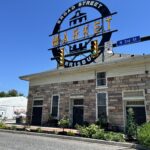
Josh Kesler recently gave me a tour of his ambitious new project across from the Broad Street Market. Over the winter, Josh and his team sandblasted and refinished the old wood timber in the historic Millworks building, which had sat empty for years. Now, they are putting finishing touches on 23 workspaces that have been 100-percent pre-leased to artists who will both make and market their wares in the new space. Josh and his wife are also adding a farm-to-table restaurant and beer garden inside the space. By removing part of the roof, they have created a very unique indoor/outdoor space unlike any other in the region. It is sure to be a new hot spot when it opens this fall.

Nick Laus is opening a new wine bar and upscale brick-oven pizzeria called Cork & Fork at the corner of N. 2nd and State streets this fall. Expanding on his already very successful city businesses at Café Fresco and Home 231, Nick’s additional investment shows his continued faith in Harrisburg. (WCI will be the landlord for Cork & Fork.)

And the reasons for optimism keep on coming:

  • Emma’s on Third recently opened an organic spa and yoga studio on 3rd Street in Midtown near the new Susquehanna Art Museum.
  • Yellowbird Café was packed this weekend when I swung by for take-out for some friends visiting from out of town.
  • Aaron Carlson at Little Amps tells me that his business has had its best three months running since it opened.
  • The team at The MakeSpace continues to impress with all their artistic and community endeavors.
  • Dan Webster (with an assist from Liz and Dani Fresh) recently produced a Harrisburg version of their magazine, Local. If you haven’t picked up a copy, please do—it is worth the read.
  • Out-of-town investors recently purchased the long-vacant properties previously owned by Mary Knackstedt and have started work, vowing to be the latest residents to make their home on N. Front Street.

I could go on and on, but you get the picture. This is truly an exciting time for Harrisburg. There is much more to be done, but our worst days are behind us and many terrific things are happening, if you just look and walk around.

Unlike the cynics, don’t be surprised. Just read TheBurg every month (and daily on the Web) to hear about the stories you won’t find elsewhere.

J. Alex Hartzler is publisher of TheBurg.

Continue Reading

Musical Notes: Big Bands, Small Spaces

DRGN KING (Photo credit: theswollenfox.com)

DRGN KING (Photo credit: theswollenfox.com)

Summer is heading towards its end, but that doesn’t mean that Harrisburg’s music scene is winding down too.

Our little city continues to invite visits from excellent, nationally renowned touring artists, often featured within some of our smaller venues. This is the perfect opportunity to hear excellent live music in a setting that promotes a level of interaction that cannot be replicated in a larger arena. So, make your way to one of these great shows and introduce yourself to the artists, buy an album (preferably on vinyl) straight from the source, and support Harrisburg’s amazing musical culture.


DRGN KING w/THE INDIAN BURN BAND, 8/17, 6PM, LITTLE AMPS UPTOWN, $5 SUGGESTED DONATION

There is nothing like seeing a solid, energetic rock band in the intimate confines of a small space. When Philadelphia’s DRGN KING takes the “stage” at Little Amps Uptown, their infectious rock hooks will fill every corner of the friendly coffee shop. But don’t let the setting fool you. This is a rock band with a solid repertoire of soaring and bombastic anthems designed to fill large clubs. Their full-length, 2013 album, “Paragraph Nights,”was released by the Hoboken, N.J., imprint Bar/None. DRGN KING will be supported by locals, the Indian Burn Band.

Ed. Note: This show has been cancelled.


ARBOREA, 8/22, 8PM, THE MAKESPACE, $5

The haunting folk duo, Arborea, will be making their way to the equally moody atmosphere of The MakeSpace. Wife and husband Shanti and Buck Curran compose delicate psychedelic folk that conjures up images of the autumnal wilderness, centered around Shanti’s lilting melodies and melancholic lyrics. They have caught the attention of WNYC’s “Spinning on Air,” been featured in a “Tiny Desk Concert,” and have been a showcase performer at Austin’s famed SXSW festival.


MATT WHEELER & VINTAGE HEART, 8/30, 9PM, HMAC

Lancaster County’s Matt Wheeler is a folk songwriter in the truest sense of the word. His songs are morose and thoughtful, designed to tell stories that are deeply personal yet instantly relatable. Channeling a long and rich tradition, his music invites comparisons to James Taylor, Josh Ritter and Iron & Wine. His backing band, Vintage Heart, only complements Wheeler’s tendency towards introspection, with laid back folk-rock percussion and moody string arrangements elevating the impact of tales of searching and heartbreak.

Mentionables: Dr. Slothclaw and The Dogs of Lust, Abbey Bar, 8/1; Indigo Girls, Whitaker Center, 8/13; Yo Momma’s Big Fat Booty Band, Abbey Bar, 8/26; Hot Jam Factory, Little Amps Downtown, 8/29

Continue Reading

6-Month Check-Up: Eric Papenfuse has been mayor for half-a-year. How’s he doing?

illustration by Nick Sider

illustration by Nick Sider

Back in January, I wrote that we couldn’t reasonably expect to judge the performance of Harrisburg’s new mayor until at least six months had passed. Last month, the Papenfuse administration reached that milestone—so let the judging begin!

Seriously, I still think it’s too early to say whether Eric Papenfuse should be regarded as a good mayor, a meh mayor or something else.

Heck, during his 28 years in office, former Mayor Stephen Reed had numerous ups and downs—even regarded by some as one of the best mayors in the country before he crashed and burned. And, of course, casting judgment is always subjective, depending almost as much on the person judging as the one being judged.

With those caveats, I think we can begin to form an opinion based on Papenfuse’s priorities, governing style and successes so far. If you believe these point Harrisburg in the right direction, then you probably approve of what he’s doing. If not, then you likely don’t.

So, six months in, here’s what I see from the administration.

Economic Development: Right out of the box, Papenfuse indicated that he would make economic development a top priority of his administration. He’s followed through on that pledge, reviving the moribund economic development office, getting CREDC to fund a director for the office, moving swiftly to pass the stalled zoning code update and indicating that he wants fast action on 10-year tax abatement for property improvements. One could argue the merits of any of these measures, and, in fact, various factions (from residents to gadflies to developers) have criticized all of them. Also, as I’ve stated repeatedly, I believe that shoring up the city’s iffy infrastructure, improving its appearance and firming up its management would do more to attract businesses and residents than more overt marketing efforts. Papenfuse, though, has maintained his administration can—and should—do it all.

Blight: For four decades, Harrisburg has been overrun with slumlords, uncaring property owners and abandoned buildings. Papenfuse is not the first mayor to identify blight as a major problem in Harrisburg, but his response has been both active and creative. He moved codes enforcement into public safety, began a Housing Court and created a land bank aimed at putting blighted properties back into productive use. He also took the heat, but refused to retreat, after one of the first people arrested for codes violations turned out to be a prominent minister.

Infrastructure: Harrisburg’s infrastructure, neglected for so long, is an embarrassment. The administration has made some progress on that front. A few streets have been striped, some potholes filled, some lights turned back on. Admirably, the city has kept the giant knotweed, which chokes the riverfront each summer, in check. Papenfuse says infrastructure is a priority of his administration. Unfortunately, he’s forced to live within the limitations of a tight municipal budget until the city can tap into the $6 million infrastructure fund set up as part of the financial recovery plan. That access, however, looks to be months away, as a nonprofit still must be set up to administer the fund.

Schools: Papenfuse believes that Harrisburg’s poor-performing schools are an impediment to repopulating and re-energizing the city. Few would disagree. The mayor, however, has little control over the system, which is run independently by the school board and administration. Papenfuse tried to sidestep that reality by appealing directly to the state Department of Education, then going public, in an effort to remove state-appointed Chief Recovery Officer Gene Veno. At this writing, Veno remains in his job. Papenfuse also failed in his public effort to have the school board approve the proposed Key Charter School. It now will be interesting to see whether Papenfuse continues to try to fight this uphill—and, so far, unproductive—battle.

Public Safety: A few years ago, as a private citizen, Papenfuse attempted to create an improvement district devoted to boosting security in Midtown. Therefore, it’s no surprise that he’s made public safety a central part of his administration. So far, his efforts seem to be working. As of this writing, crime is down year-over-year in Harrisburg, with homicides considerably lower. Meanwhile, both Police Chief Thomas Carter and Fire Chief Brian Enterline have been quietly and competently rebuilding their demoralized forces.

Governing Style: In prior administrations, Harrisburg bounced from a mayor who seemed to everywhere to one who was hardly seen at all. Papenfuse is somewhere in the middle, which is probably best. Behind the scenes, though, his government has operated at a frenetic pace. He’s tried to make many changes, large and small, in a short period of time. For the most part, that energy is needed, as the city lost years of progress through poor governance and financial despair. However, the torrential pace has led some to feel that he tries to steamroll change, such as his insistence that the city pass a new zoning code quickly. His impatience also has affected relations with some City Council members and parts of the community, who have reacted suspiciously to it.

Management: Papenfuse had to rebuild a government almost from scratch, which he’s done with some success. Unlike the past two administrations, he seems to have adequately devolved power from the mayor’s office, while holding his managers accountable. That said: his top staff varies significantly in ability and temperament. Also, the administration has benefitted from just how low expectations have sunk. In Harrisburg, it’s practically a reason to celebrate when Public Works fills a pothole or cuts the weeds; when codes enforcement cracks down on habitual violators; when a cop is seen on the street. He needs to ensure that his managers, first and foremost, are focused on these basic service delivery and quality-of-life issues.

Papenfuse has tried to do a lot, quickly. Most of his efforts have been successful. That’s a commendable result, as the new mayor faced an incredibly steep learning curve and the daunting mission of reconstructing a shattered government. As a resident, I hope that Papenfuse will build on his successes, while learning from his mistakes. He’s an intelligent, capable, well-intentioned man, but he also can be stubborn and impatient to make big changes. A successful tenure will depend upon his ability to exploit his many strengths while holding in check those tendencies that might impede progress.

Continue Reading

July News Digest


Zoning Code Gets OK

Harrisburg has a new zoning code, as City Council last month approved a complete overhaul to how the city guides residential and commercial development.

Council members gave their unanimous consent to the code, the first complete update in 64 years. The new code substantially streamlines the city’s zoning map, reducing the number of base zoning districts from 27 to nine and overlay districts from six to four.

At the last minute, council made a number of changes to the code to respond to concerns voiced by several developers during a series of hearings in June. Therefore, with a special exception, a wider variety of uses now will be permitted in certain zones, including the Institutional, Commercial and Downtown Center zones.

Notably, council narrowly defeated an amendment that would have allowed the owner of the former U.S. postal facility at 815 Market St. to continue a full range of industrial uses by right. Under the new code, his property falls into the Downtown Center zone, where most industrial uses are banned.

Under a grandfather clause, businesses will be able to continue their properties’ current uses, regardless of the new zoning.

The effort to revamp the zoning code began years ago. In 2010, the council introduced a new code, but it died in committee. With several changes, the Papenfuse administration re-introduced that code earlier this year, stating that a new code was needed to move the city forward economically.


Land Bank Established

City Council last month passed legislation creating the Harrisburg Land Bank, an effort to strengthen the city’s fight against blight.

The land bank aims to take vacant, abandoned and tax delinquent properties and return them to productive use, according to the city.

A seven-member board of directors will direct the land bank, giving it the right to acquire properties before they go to judicial tax sale. The board will make such decisions as which properties to acquire, how the properties will be managed, how funds will be acquired to make purchases, and how property will be disposed of.

It also allows the city to purchase and assemble clusters of property to make them more appealing for redevelopment.

“This is a major tool in our efforts to tackle the problem of abandoned and blighted properties in our city,” said Mayor Eric Papenfuse. “We can now proceed to refine our strategy to improve the housing stock in our city.”


HUD Funds Allotted

Harrisburg last month voted to disperse about $3 million in federal funds for housing, community and public service groups.

As it usually does, City Council made a number of changes to the administration’s recommendations on how to allot the annual funds from the Department of Housing and Urban Development.

In the end, Community Development Block Grant (CDBG) funds went to:

  • Administration and Indirect Costs: $376,279
  • Debt Service: $335,358
  • Housing Rehabilitation Program: $300,000
  • Emergency Demolition: $295,000
  • Homeowner Demolition Program: $150,000
  • Harrisburg Fair Housing Council: $131,000
  • Camp Curtin YMCA: $125,000
  • Heinz-Menaker Senior Center: $101,209
  • Park Playground Equipment: $100,000
  • Fire Station Roof Repairs: $98,050
  • Habitat for Humanity of the Greater Harrisburg Area: $90,000
  • Code Enforcement: $69,500
  • Public Safety: $50,000
  • Christian Recovery Aftercare Ministry: $35,000
  • Tri-County Community Action: $25,000

Home Investment Partnerships Program funds went to:

  • Targeted Area Rehab/New Construction: $330,326
  • Homeowner Improvement Program: $200,000
  • Operating Expenses: $66,065
  • Grant Administration: $44,043

Emergency Solutions Grant Program Funds went to

  • Christian Churches United/H.E.L.P.: $39,765
  • Shalom House: $39,765
  • YWCA Greater Harrisburg: $39,765
  • Grant Administration: $9,678

The Papenfuse administration had sought $150,000 for a rental rehabilitation program. Council, though, decided to redirect that money to several groups that had been denied funding in the administration’s initial proposal.


Sinkhole Probe Launched

Harrisburg City Council last month approved hiring an engineering firm to conduct an emergency sinkhole investigation.

Camp Hill-based Gannett Fleming will perform the work, focused around the 1400-block of S. 14th St., where several sinkholes have formed in recent months. The probe, which will employ seismic surface waves and verification drilling to develop a site map, should be completed by year-end.

The cost of the investigation will be shared with Capital Region Water. It is estimated to cost $166,000.


Trash Fees Adjusted

Harrisburg’s small business owners received some relief last month, after City Council temporarily lowered fees for trash collection.

For years, small businesses have complained that they were subject to high commercial collection rates, even though they generated little trash.

Under the new provision, small businesses will be charged the same rate as residential customers: $156 a year or $13 a month. To qualify for the lower rate, they must produce no more trash each week than can fit into two trashcans with lids.

The lower rate applies only until the end of the year. In November, the Department of Public Works will assess the impact of the reduction and report to council if it should be made permanent.


Jackson Hotel Gets Go-Ahead

The historic Jackson Hotel may be saved after all, as the Harrisburg City Council last month approved a plan that should lead to its renovation.

Council gave the OK to a land use plan that will subdivide the property at 1006 N. 6th St. from the Jackson House restaurant next door. Decades ago, the two parcels were combined into a single lot.

With council approval, Harrisburg residents Kerry and Lessa Helm can complete the purchase of the four-story, 6,000-square-foot Victorian townhouse from Dave Kegris, the owner of Jackson House.

Kegris has owned both properties since inheriting them from German Jackson, an African-American entrepreneur whose hotel once served prominent black celebrities and other visitors to Harrisburg who were not allowed to stay in whites-only establishments.

Kegris long has run the eatery, but couldn’t afford the extensive renovations to the hotel next door, which has deteriorated badly over the years.

The Helms learned about the house by reading a story in the May 2013 issue of TheBurg. They now plan to stabilize the rundown building and begin a long-term renovation with the goal of making it their home.


Mansion Named for Eugenia Smith

The Reservoir Park mansion has been renamed in honor of Eugenia Smith, a Harrisburg city councilwoman who died suddenly in April.

The mansion now will be called The Honorable Eugenia Smith Family Life Center.

The administration originally proposed renaming the smaller Brownstone Building for Smith. However, City Council changed the resolution after Councilwoman Susan Brown-Wilson insisted that the mansion would be a more fitting tribute to Smith.


City Requests Noise Exemption

Harrisburg plans to ask the state Liquor Control Board for an exemption to its noise regulations for establishments selling alcohol downtown.

City Council last month approved a resolution authorizing the city to apply for an exemption, so that it could enforce its own noise control ordinance. Currently, downtown Harrisburg restaurants, bars and nightclubs are under both sets of regulations.

The city has asked for—and been granted—exemptions to the state’s noise ordinance several times before.


Changing Hands

Adrian St., 2449: R. & H. Dougherty to A. McKune, $51,000

Bigelow Dr., 40: Fannie Mae to G. Neff & M. Murphy, $32,000

Boas St., 209: M. Roda to V. Padilla, $112,900

Brookwood St., 2624: J. Thompson et al to K. Patel, $220,000

Capital St., 1214: E. Hoynes to J. Forbes, $99,500

Chestnut St., 2113: G. Yarnall to J. Dos Santos, $190,000

Edgewood Rd., 2312: Fannie Mae to J. Whiteman, $85,000

Hale St., 427: J. Fox to D. & C. Taylor, $55,582

Manada St., 1905: U.S. Bank NA Trustee to PA Deals LLC, $30,000

Market St., 1317, 1321: W. & N. Schubauer to S. Betz, $440,000

N. 2nd St., 902: J. Salvemini & D. Vitale to L. & S. Freeman, $147,000

N. 2nd St., 1303: PA Deals LLC to D. Reinhart, $95,000

N. 2nd St., 2644: M. Ventresca to D. Castle, $250,000

N. 4th St., 2250: R. & T. Ruiz to Equity Trust Co. Custodian Linda Dean IRA, $39,000

N. 4th St., 3108: P. Purdy to E. & C. Thomas, $122,000

N. 7th St., 2712: PA Deals LLC to Merrick Solo 401K Trust, $57,000

N. 15th St., 1309: R. Floyd et al to M. Gabrielle, $47,000

N. 17th St., 88; 1150 Mulberry St.; 2332 N. 6th St.; 2519 N. 6th St.; 2308 Jefferson St.; 448 Hamilton St.; & 612, 613, 614, 616, 617, 619 Oxford St.: Redevelopment Authority of Harrisburg to SMKP Properties, $327,273

N. 7th St., 3205 & 3133: K. & J. Rust to Bass Pallets Realty LLC, $240,112

N. 17th St., 1007: Wells Fargo Bank NA to J. Mosley, $60,000

N. Front St., 1525, Unit 610: M. & C. Heppenstall to M. Hadginske, $80,000

N. Front St., 2901: M. Knackstedt to R. Edwards, $395,000

N. Front St., 2909 & 2917: M. Knackstedt to M. & S. Wilson, $361,000

Penn St., 1105: Fannie Mae to G. Knight, $40,000

Penn St., 2334: E. Stawitz to A. Yates, $83,000

Pennwood Rd., 3214: 360 Home Services LLC et al to CNC Realty LLC, $100,000

S. 17th St., 1701: J. & H. Garcia to Niel Real Estate Investments LLC, $225,000

S. 27th St., 634: A. & S. Velez to S. Moore, $55,000

Susquehanna St., 1709: G. & D. West to A. Fortune, $108,000

Susquehanna St., 1910: R. McLean to WCI Partners LP, $87,500


Continue Reading

Community Corner: Notable August Events


Lunchtime Concert Series
Aug. 1, 8, 15, 22, 29: Have your lunch at the Broad Street Market and enjoy a concert in the courtyard every Friday in August. Concerts run 11 a.m. to 1 p.m. and feature local musicians. Contact 828-230-0451 or [email protected].
                                       
Cultural Fest
Aug. 1: The annual, free Cultural Fest at on 2nd and Market streets, Harrisburg, will be held 4:30 p.m. to 10 p.m. Celebrate diversity in Dauphin County with food, crafts, and music. Visit dauphincounty.org.
 
Mt. Gretna Home Tour
Aug. 2: Mt. Gretnans will open their homes for this self-guided walking home and garden tour. Tour runs 10 a.m. to 5 p.m. Tickets are $20 in advance and $25 day of. Visit gretnamusic.org.
 
India Day Festival
Aug. 2: The annual free event features more than 30 performances and food, clothing and jewelry vendors. The festival takes place at HACC’s Harrisburg campus 12 to 8 p.m. Visit aiacpa.org/indiaday.
 
Bookstock Read-In
Aug. 4: Celebrate the 45th anniversary of Woodstock with the Fredricksen Library at this summer read-out. Bring a lawn chair or blanket, snacks and a book. The free event takes place 5 to 8 p.m. Visit fredricksenlibrary.org.

National Night Out
Aug. 5: Neighbors meet neighbors during National Night Out, which will be celebrated after work throughout greater Harrisburg. Check with your town or community group for happenings in your neighborhood and enjoy this annual community-building event.

34th Annual Central PA Jazz Festival
Aug. 7-10: Support local music and Central PA Friends of Jazz at this year’s JazzFest. The weekend includes a jazz cruise, jazz party, jazz picnic and a jam session. More information is available in a story in this issue and at friendsofjazz.org.

Decked Out Live
Aug. 8: Dauphin County Library System and Vineyard and Brewery at Hershey have teamed up to benefit the library. Tickets are $20, which includes a wine and beer tasting at 6 p.m. and a reserved seat for the Soul House Quartet at 7 p.m. at the winery/brewery. Contact Lori Lane at 234-4961 x 110 or visit dcls.org/DeckedOut.
 
Keystone Cluster Dog Show
Aug. 8-10: See show dogs compete and participate in events, including an all-breed dog show and junior showmanship classes for children and their dogs. Event is at the PA Farm Show Complex. Admission is $6 and free for children 12 and under. Visit hkc.org.
 
Music at Gretna
Aug. 8-10: Mt. Gretna Playhouse will host a weekend of music. On Aug. 8, Capitol Steps will perform political parodies. On Aug. 9, the Russian Festival Chamber orchestra will perform classic Russian masterpieces. On Aug. 10, the Lee Smith Group and Hendrik Meurkens Samba Jazz Quartet will perform as part of Central PA Jazz Festival. Visit gretnamusic.org.

4th Annual Chocolate Tour
Aug. 9: Support cancer research at Penn State by walking, running or cycling. Events range from 6-mile walk and run to a 10-, 25-, 35-, 50-, 75- and 100-mile bike ride. Samples of local chocolate and other foods will be available. Visit pennstatehershey.org/web/melanoma/home/fundraising.

.5K Challenge
Aug. 10: Join Keystone Rotary Club for its fun “.5K Endurance Challenge.” Registration for the “exhausting” race starts at noon at Appalachian Brewing Co., 50 N. Cameron St., Harrisburg. Fees are $25 for adults and $15 for kids. Proceeds benefit local service projects. Information is at www.hbgkeystonerotary.org.
 
Automobile Show
Aug. 10: Join the Blue/Gray Chapter of the Oldsmobile Club of America at the AACA Museum in Hershey for an Oldsmobile, Buick, Pontiac, classic and antique automobile show. Event takes place from 10 a.m. to 3:30 p.m. Visit aacamuseum.org.

Genealogy & Adoption
Aug. 10: Sandi Bornman, Act 101 representative for Dauphin County, will be at the Historical Society of Dauphin County research library 1 to 3 p.m. to answer questions about genealogy and adoption records. Event is free for members of the Society and $10 for non-members. Call 717-233-3462 or visit dauphincountyhistory.org.

Twisted Stitchers
Aug. 11: The August meeting of Twisted Stitchers at Fredricksen Library will take place 6:30 to 8:30 p.m. The free event is for ages 16 and older who love to knit and crochet. Visit fredricksenlibrary.org.
 
Exhibitor Seminar
Aug. 12: West Shore Chamber of Commerce hosts a free exhibitor seminar to teach skills for a better trade show experience. Exhibit Studios/Get Graphics Now will present this seminar at the Radisson 9 to 11:30 a.m. Contact [email protected] or visit wschamber.org.

Teaching Residencies
Aug. 12: Perry County Council of the Arts will hold an information session for artists interested in a teaching residency in schools within PCCA’s service region. Event takes place at Landis House, 67 N. 4th Street, Newport, 6 to 7 p.m. Contact 717-567-7023 or [email protected].
 
Fredricksen Reads
Aug. 12: Be a part of Fredricksen Reads, a series of book discussions at the Fredricksen Library, with “Juliet in August” by Dianne Warren. You must have read the book to attend. Free event begins at 7 p.m. Visit fredricksenlibrary.org.

Business After Hours
Aug. 14: Join Harrisburg Regional Chamber & CREDC for an informal networking event at Penn National Insurance. Free event takes place 5 to 7 p.m. Call 717-232-4099 or visit harrisburgregionalchamber.org.

Woodstock Tribute
Aug. 14: Shea Quinn & Friends will wrap up Concerts on the Lawn series at the Fredricksen Library with a tribute to Woodstock. Free event begins at 7 p.m. Rain date is Aug. 19. Visit fredricksenlibrary.org.

Build with Natural Materials
Aug. 16: Furniture builder and author Bill Willow will teach the basics of building with natural materials. Event takes place 9:30 a.m. to 3:30 p.m. at Hershey Gardens. No experience is necessary. Students must bring their own hammers and pruning shears, but all other materials are provided. Visit hersheygardens.org.

Farmers & Arts Fest
Aug. 16: Broad Street Market will hold a produce-only farmers’ market in the courtyard, featuring farmers within 100 miles of Harrisburg. Deep Roots Fest, a concurrent celebration, will feature locally made art and community groups promoting positive change in Harrisburg. Join the celebration 10 a.m. to 2 p.m. Contact 828-230-0451 or [email protected].

Business Seminar
Aug. 21: Learn how to interpret your business’s performance at this seminar with Stephen Taylor, CFO of B2B. Free event takes place at Lower Allen Township Building 9 to 11 a.m. Visit harrisburgregionalchamber.org or call 717-232-4099.

After Dark 7K
Aug. 22: Harrisburg Area Road Runners Club will host this race at 7 p.m. starting at Kunkel Plaza in Harrisburg. Registration is $30. Prizes awarded to the top three runners in each age group. Visit usroadrunning.com. 

Yorkfest
Aug. 22-24: Celebrate our neighboring city at the Yorkfest Fine Arts Festival, featuring about 100 fine artists from around the country, a juried exhibition at YorkArts, free family entertainment and more. Visit yorkcity.org/yorkfest. 

Supercars on State Street
Aug. 23: The annual showcase of exotic and supercars benefits Making Strides Against Breast Cancer and the American Cancer Society. Registration takes place 9 to 11:45 a.m. on City Island, and the event runs 12 to 3 p.m. Cost of registration is $40. Visit carshowlink.com/August.

Keystone State Triathlon
Aug. 23-24: Challenge yourself in one of several triathlon courses, including an Olympic course, at Gifford Pinchot State Park in Lewisberry. The top three males and females in each age group will win awards. More information is available at trimaxendurancesports.com/KeystoneState.html.

Transportation Briefing
Aug. 26: Sheryl Connelly of Ford Motor Co. will reveal 10 transportation trends changing our world. Event will take place at the Radisson. Registration required. Cost is $45 and $35 for Harrisburg Regional Chamber members. Visit harrisburgregionalchamber.org or call 717-232-4099.

Luminary Awards Luncheon
Aug. 27: West Shore Chamber of Commerce will honor two businesswomen with the Visionary and Shining Star Luminary awards at this luncheon at the Radisson, which takes place 11:30 a.m. to 1:30 p.m. Cost is $35 for members and $45 for non-members, with a portion benefiting a nonprofit chosen by the award winners. Call 717-761-0702 or visit wschamber.org.

Kipona
Aug. 30-Sept. 1: Harrisburg’s Kipona festival migrates to City Island with its “celebration of sparkling waters.” Each year, Kipona marks the conclusion of the summer festival season with the three-day event over the Labor Day weekend. Check the city’s website for more details at www.harrisburgpa.gov.

Country Casual
Aug. 31: Celebrate the arts at Hunters Valley Winery. Enjoy beer, Hunters Valley wine, food and music by local band Hemlock Hollow and participate in exciting Silent and Live Auctions. Event will take place 4 to 8 p.m. Tickets are $50. Visit perrycountyarts.org.

Continue Reading

Justice Delayed: Harrisburg ponders how to use acres of empty space as Congress puts the proposed federal courthouse on hold.

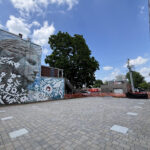
Screenshot 2014-07-30 21.12.38A vacant lot stands at N. 6th and Reily streets in Harrisburg. But where, many ask, is our shiny new federal courthouse that’s supposed to be rising there?

The answer comes down to two obstacles, one better known than the other. It’s no secret that the first obstacle to construction is congressional appropriation of the funds, but the project’s fate also rests on the outcome of a lesser-known review underway of all federal courthouse construction projects.

Chastised by the U.S. Government Accountability Office (GAO) for a clouded decision-making process and bloated construction projects, the federal judiciary is re-examining its five-year (2014 to 2018) plan that prioritized new courthouses for Harrisburg and 11 other cities. The reworked plan will then be handed to Congress, which could use it to guide funding decisions.

First, a recap.Harrisburg’s current federal courthouse stands downtown at N. 3rd and Walnut streets, occupying several floors of the Ronald Reagan Federal Building. In 2004, the federal judiciary put Harrisburg on a list of cities where new construction was a top priority, prompted by the need to beef up security or add more space, or both.

The General Services Administration (GSA) seemed hellbent on tearing down a viable block of 2nd Street downtown to make way for the new, 265,000-square-foot facility. Residents, organizations, city officials and the state’s congressional members put up a fight.

In 2010, the city prevailed, winning a commitment that the building would rise from the vast, L-shaped parcel bounded by N. 6th, N. 7th, Reily, Harris and Boyd streets, affirming hopes for a courthouse as a jewel of a Midtown renaissance.

More than four years later, the five-acre site remains vacant. About half of the $26.7 million appropriated by Congress for site and design work has been spent, according to the GSA, but Congress has yet to approve the remaining $110 million needed to move forward.

It “remains to be seen” if Harrisburg stays on the list of priority construction projects, said U.S. Rep. Lou Barletta, a Republican who represents a chunk of Harrisburg and chairs the House Subcommittee on Economic Development, Public Buildings and Emergency Management.

“The Harrisburg Courthouse remains on the Judiciary’s five-year Courthouse Project Plan,” said Barletta. “However, there are six federal courthouse projects scheduled ahead of it, at a combined cost of $700 million—which is currently not funded.”

While many players point to the lack of a congressional allocation as the holdup, Harrisburg also must wait while the judiciary reconsiders its construction projects.

The rethink was prompted by GAO’s April 2013 report that the judiciary’s five-year plan lacked transparency or documented justification for many priority projects. For instance, GAO claimed, the plan cites the need for two or more new courtrooms as a key criterion for a new building—and Harrisburg needs only one.

The judiciary balked at GAO’s recommendation for a moratorium on construction but agreed to review all projects. Harrisburg is part of that review, according to U.S. Courts spokesperson Karen Redmond. She had no timeline for completion of the review, although the GAO report said it could be done by October 2015, plus another 18 to 24 months for a long-range facility plan.

Waiting, Waiting

Harrisburg’s current federal courthouse has “a sufficient number of courtrooms,” but security is a major concern, said Middle District Chief Judge Christopher Conner. The building, finished in 1966, has exceeded its 40-year lifespan and, sitting squarely on the street, doesn’t comply with post-Oklahoma City setback guidelines, he said.

The primary concern is that the current building can’t be retrofitted with “secure corridors for the ingress and egress of prisoners, judges, witnesses, jurors and the like,” said Conner.

“I ride in the same elevators as the prisoners, the witnesses, the attorneys,” he said. “There is no segregation of judicial officers from the other participants. I’ve been in elevators with the family of somebody I’ve just sentenced, and it’s awkward and unsettling, probably for everyone.”

U.S. Rep. Scott Perry, a Republican who represents most of Harrisburg, said that he and his staff have “sought feedback from a wide array of sources,” including city officials, local business leaders, concerned citizens and the GSA. Congress will review the judiciary’s new plan when it’s released, he said.

“I believe that ensuring the proper administration of justice for our citizens is a core function of government,” Perry said. “Yet, with our nation facing a $17 trillion debt, Congress has a duty to ensure that taxpayer money is used efficiently.”

In January, Barletta told Pennlive/Patriot-News that the project could be done under a public-private partnership, in which businesses make a deal with government to shoulder a big share of the load in exchange for a profit. Still, it all goes back to a congressional appropriation, he told TheBurg.

“I do believe that public-private partnerships should more frequently be used for this type of project, but funding is still a big issue,” he said.

Nothing Firm

While federal officials ponder their next moves, the GSA is leading residents and the Papenfuse administration in considering how to make temporary use of the vacant space at 6th and Reily. Ideas that emerged from a meeting in May included dog park, community gardens, park and playing field, fitness area, bandshell/theater and open space.

Working with the GSA and the city, Friends of Midtown and today’s the day Harrisburg solicited opinions on the site’s interim use. Findings were to be shared with the GSA.

Under GSA guidelines, any use would have to be temporary and add little infrastructure, said Friends of Midtown Vice President and Treasurer Don Barnett.

“We’re trying to gauge what the community would like and what the community would use,” said Barnett.

Before his election, Mayor Eric Papenfuse was among the residents who fought for the 6th and Reily site. He remains interested in the talks about its temporary use, said spokesperson Joyce Davis.

“There have been some conversations at recent public meetings in which the mayor indicated he favored being able to let the land be used for community purposes, including some of it possibly being used for a dog park, but there is nothing firm or confirmed about these ideas,” Davis said.

Continue Reading

City to Residents, Visitors: Get Ready for Kipona

KiponaWeb

Harrisburg Mayor Eric Papenfuse explains the details of the city’s Kipona festival during a press conference today.

Are you a fan of the pow-wow, the chili cook-off, the fireworks, the canoe races, the music, the food and craft vendors?

Then you’re in luck, as Kipona will take place as usual over the Labor Day weekend, with just a few changes to the annual three-day festival, the city said today.

In perhaps the greatest change, most activities will be located on City Island, said Mayor Eric Papenfuse. Riverfront Park near the Walnut Street Bridge will be reserved for food and vendor booths, though some booths also will be located on City Island. Fireworks will go off Sunday night at dusk.

“Everything we’ve done with Kipona, we’re doing,” said Papenfuse, of the Aug. 30 to Sept. 1 festival. “We’re only tweaking the location of events.”

Notably, 1,200 parking spaces on City Island will be free on Saturday, as will spaces in the River Street parking garage. Parking will be free on all city streets on Sunday and Monday. Bike taxis will be free of charge for transportation over the Walnut Street Bridge connecting the two festival locations.

The footprint of the festival will shrink, which will help keep down the cost, Papenfuse said. Front Street will be closed for just one block, from Locust to Walnut streets, on Saturday and Monday. On Sunday, the closure of Front Street will extend to Forster Street to accommodate the large crowds expected for the fireworks.

The city will pony up $37,500 for Kipona, of which $20,000 will pay for the fireworks, said Papenfuse. Moreover, the city continues to seek sponsors for the event to further offset costs. In past years, Harrisburg’s main three summer festivals cost the city “in excess of $100,000” each, said Papenfuse.

City Council will be asked to approve the expense for Kipona once it returns from its summer hiatus in late August, said Papenfuse. He added that, in prior administrations, the cost of festivals was “off-budget,” but that, going forward, the cost would be included as part of the normal budgeting process.

During today’s press conference, Papenfuse repeatedly took issue with recent media reports on Kipona, which he characterized as incomplete, wrong and purposely inflammatory. Some media outlets, for instance, reported that Kipona would be held exclusively on City Island.


Continue Reading

Half-a-Year Out, Laid Off Parking Employees Count Their Losses

Robert Wilson, pictured here with his granddaughter at his Uptown home, is one of more than 50 employees laid off from the Harrisburg Parking Authority last year.

Robert Wilson, pictured here with his granddaughter at his Uptown home, is one of more than 50 employees laid off from the Harrisburg Parking Authority last year.

On a Monday morning last December, two days before Christmas, Robert Wilson finished his final shift at the River Street garage, where he had worked as a night custodian since 1989.

As regular customers arrived from their morning commute, he told them it would be his last day. Around 8 a.m., he headed to the maintenance shop and dropped off his keys, his garage pass and his spare uniforms—dark blue pants, maroon shirts. Then he went home to hand off the car to his wife, who was starting her work day.

Wilson is one of more than 50 employees of the Harrisburg Parking Authority who lost their jobs last year. Now, as state unemployment benefits run out and the authority’s monthly supplemental payments become his only income, Wilson is once again taking stock of how his 25 years of service came to end.

In the fall, as the city edged towards a resolution of its debt crisis, Wilson and his co-workers confronted an unpleasant reality. The city needed to generate hundreds of millions of dollars to pay off bad debt, and the parking system was one of its only assets with any long-term value. But union jobs like Wilson’s, with good wages and benefits, contributed negatively to the system’s potential value.

In September, members of Wilson’s union, AFSCME Local 521, voted 43-0 in favor of a “transition agreement” outlining the terms of the transfer to the system’s new operators. It described two options: continued employment with a 10-percent pay cut, with no guarantees of wage or job security after one year, or a severance package that included a lump-sum payment and unemployment supplements for up to a year.

David Gash, a retired union staff representative who was involved in the negotiations, described the severance package as unusually generous. “I’ve had companies close and not give their employees anything,” he said. All but five employees took it.

Typically, a laid-off worker in Pennsylvania collects unemployment at a rate of about half his or her former salary. Under the union agreement, however, the Harrisburg Parking Authority would supplement its former employees’ state checks, bringing their total compensation to the level it had been when they were employed.

The agreement also stipulated that laid-off employees would be reimbursed for the costs of health insurance, at a rate of 90 percent of the parking authority’s previous contributions to their monthly premiums. Both sets of supplements would be paid out of trust funds, administered by the authority’s handful of remaining employees. The authority would make payments out of the funds—$588,000 for unemployment supplements, $360,000 for insurance reimbursements—for up to one year, at which point the benefits expired, and any leftover funds reverted to the authority.

For Wilson, as for others, the severance package was vastly preferable to the uncertain promise of continued employment under the new private operator, Standard Parking.

“How am I going to go from $14 an hour to $7.25?” he asked, reflecting a belief that, once a year had passed, Standard would be free to reduce its compensation to minimum wage.

Even so, he found the transition negotiations bewildering, such that he and his sister, Jackie, also a former parking employee, wound up believing they’d been promised much more than they had.

For one thing, while the agreement promised unemployment supplements for up to one year, there was an important caveat: the parking authority would pay a maximum of 50 percent of each past employee’s former earnings. State unemployment benefits would theoretically make up the other 50 percent—but those would only last for 26 weeks. Without the federal government’s emergency extension of benefits, which the U.S. Congress did not renew, in six months the authority’s supplements would be all he earned.

Additionally, the insurance reimbursements were just that: reimbursements for premiums, which laid-off employees would have to pay first on their own.

With respect to the insurance agreements, yet again, the severance agreement was meant to be generous. Laid-off employees can usually obtain so-called COBRA coverage, under a federal law giving them the right to continued benefits under their former group health plans. But they often wind up with insurance premiums that, absent the contribution from an employer, are difficult to afford.

The Parking Authority severance sought to mitigate the pain by guaranteeing employees a 90-percent reimbursement of the authority’s prior contributions to their premiums. To receive the reimbursement, though, former authority employees had to sign up for COBRA or other continued coverage themselves.

One way or another, the Wilsons missed the message. As they tell it, they relied on assurances from the union and from management that they would continue to receive health coverage. Representatives at the authority, however, say that employees were clearly told about the nature of the reimbursements at meetings in the fall. In any case, Jackie didn’t learn she had no coverage until March, when she took her daughter for a maternity checkup.

A generous severance package is still a severance package, and people close to the labor negotiations will generally acknowledge that parking employees caught a tough break. Effectively, they suffered the consequences of a debt crisis they played no role in creating.

“They ended up paying the price. They were all good employees, all good people,” David Gash, the AFSCME staff representative, said. “It was terrible. Everybody felt bad about it.”

Continue Reading

Theft Charges Filed Against Former Leader of Police Athletic League

Harrisburg police officer Jennie Jenkins, second from left, at an event with children and fellow officers outside PAL's N. 6th Street headquarters.

Officer Jennie Jenkins, second from left, at an event with children and fellow officers outside the Harrisburg Police Athletic League’s N. 6th Street headquarters.

The office of Pennsylvania Attorney General Kathleen Kane filed charges today against Harrisburg police officer Jennie Jenkins, who was placed on administrative leave last October over her alleged misappropriation of funds as the head of the Police Athletic League.

The criminal complaint—which details charges for one third-degree felony and four first-degree misdemeanors, all related to theft—was assigned to Magisterial District Judge Lavon A. Postelle, in whose court Jenkins was arraigned Tuesday afternoon.

In it, the Attorney General’s office alleges Jenkins paid herself $7,000 for work related to PAL and falsified PAL time sheets over an eight-month period beginning in November of 2012. The Harrisburg police department’s own internal investigation of the matter, which was begun last August and concluded with the filing of charges, supported the AG’s complaint, Harrisburg Police Chief Thomas Carter said Tuesday.

At a press conference in city hall Tuesday afternoon, Mayor Eric Papenfuse suggested that Jenkins’ alleged misuse of funds stemmed from a culture of favoritism and poor accountability in the police department, which his administration has sought to eradicate since he took office in January.

“You had individuals given special treatment,” Papenfuse said. He added that the people associated with this culture have left the city, and that “those who said ‘enough is enough’” had risen to positions of leadership in the new administration.

The mayor pointed to Chief Carter as an example, saying the city had “the right leader at the helm.” He declined to name former employees who might have been involved in creating the culture he condemned.

The 43-year-old Jenkins joined the Harrisburg police department in August of 2005, and was appointed president of the Police Athletic League in August of 2011, in the midst of the city’s efforts to revive the dormant charity.

The Police Athletic League, usually referred to by the acronym “PAL,” provides youth mentoring and other community services, relying on police officers to volunteer time in its various programs. The IRS awarded PAL its nonprofit status on Nov. 30, 2012, following an application by PAL the previous July.

The Attorney General’s complaint lists three offenses, all related to Jenkins’ actions in her two years leading the organization. The first offense, charged as a third-degree felony, relates to allegations that Jenkins paid herself $4,000 out of charitable donations to PAL for time she had spent working for the organization. According to the complaint, Jenkins submitted time sheets to The Foundation for Enhancing Communities, a local manager of charitable funds that served as PAL’s account administrator from November 2011 to March 2013.

The second offense, charged as three first-degree misdemeanors, relates to three alleged cases of Jenkins receiving checks totaling $3,000 from PAL’s account with PNC Bank in the spring and summer of 2013 in return for services she provided the organization.

The checks, for $1,600, $900 and $500, were dated May 1, July 16 and August 5, respectively. The first check, for $1,600, noted in its memo section that the payment was for “Jan-Feb Mentoring Pal,” according to the complaint.

The third offense, charged as a first-degree misdemeanor, involves Jenkins’ alleged falsifying of time sheets on 13 separate occasions between November 2012 and July 2013. According to the complaint, Jenkins was paid a total of $875 for hours she claimed to have spent working for PAL when she was actually working for the police department.

On Tuesday, Jenkins’ defense lawyer, Brian Perry, said that his client’s position is that she was entitled to compensation for hours she spent working for the organization. “She was basically running the Police Athletic League by herself,” Perry said. “The whole case is about the hours she put in. There are two questions: was she allowed to be paid? And did she double-dip?”

Perry declined to comment on the complaint’s allegations in the third offense, relating to the falsified time sheets, saying he had not yet seen the documents in question. But he did say that Jenkins reviewed all PAL expenditures with a board of directors, who approved every payment she requested.

Jenkins was placed on administrative leave on Oct. 18 last year, following the Harrisburg police department’s inquiry into her handling of PAL funds. Chief Carter said Tuesday that he opened the investigation after becoming interim chief in August and finding discrepancies in her accounting of PAL and police department hours.

Janice Black, the president of The Foundation for Enhancing Communities, said Tuesday that Jenkins brought receipts to TFEC whenever she requested reimbursement for goods and services provided through PAL. She said that investigators had visited TFEC offices and gone over all materials related to the PAL account, and that it was her understanding that there had been nothing inappropriate about payments TFEC had made.

“We had receipts for everything,” Black said.

Black also said that the Harrisburg PAL had received numerous charitable donations in the period that TFEC managed the account, including several from area banks. Jenkins was a “very good fundraiser,” she said.

Mike Dillhyon, the executive director of the National Association of Police Athletic/Activities Leagues, said that Harrisburg’s PAL was awarded a $15,000 grant in 2012 for its youth mentoring program. The grant was to reimburse costs for snacks and other program-related expenses in 2013, but expressly excluded payments to program mentors, who are supposed to be volunteers.

The Harrisburg PAL had to forward receipts and other documentation in order to receive reimbursements, Dillhyon said. He said that his organization had not detected any issues with the Harrisburg PAL’s filings, but did say he had forwarded several documents connected to the 2012 grant to investigators last year.

The Harrisburg PAL is one of numerous members of the national organization, all of which pay a $400 annual membership fee in exchange for benefits including lower insurance costs and free website development.

Years before Tuesday’s criminal complaint, Jenkins faced disciplinary action on two occasions for having a service weapon stolen from her personal vehicle. The first time, the police union blocked any penalties, and the second time, in August 2010, she was placed on desk duty, according to prior reports by abc27.

On Tuesday, Chief Carter would not go into detail about either of these incidents, saying that he was eager not to denigrate Jenkins, who remains on the payroll on administrative leave.

“Our thoughts are with Officer Jenkins,” the chief said. “She’s still a Harrisburg police officer. She has been charged but not convicted, and we should be mindful of that.”

Continue Reading

Harrisburg Police Officer Charged with Theft

Office Jennie Jenkins with youth and fellow officers of PAL

Officer Jennie Jenkins (second from left) poses with city children in 2012, soon after the re-establishment of the Harrisburg Police Athletic League.

Harrisburg Police Officer Jennie Jenkins today was charged with five counts of theft for allegedly misdirecting funds intended for the city Police Athletic League to her own use.

Three years ago, Jenkins was widely lauded after helping to revive PAL, a charitable organization focused on helping city youth, which had been dormant for many years. The press release from state Attorney General Kathleen Kane’s office follows:

Harrisburg City Police Officer charged with stealing from HPAL

HARRISBURG – Attorney General Kathleen G. Kane today announced charges against a Harrisburg City Police Officer following allegations that she misappropriated funds from the Harrisburg Police Athletic League (HPAL), a volunteer charitable organization she helped administer.

According to the criminal complaint, Jennie Jenkins, 43, 2605 N. 2nd St., Harrisburg, paid herself out of HPAL’s charitable donations and grant funding following its revival in 2011.

The investigation revealed that when Jenkins assumed the role as president of the athletic league it was made clear that she would not receive any additional compensation beyond her salary as a city police officer.

The charges state that Jenkins allegedly wrote checks to herself from the athletic league’s account and submitted falsified time sheets for periods when she was actually performing regular police duties. Agents estimate that Jenkins stole $7,000 from the organization.

Jenkins is charged with four counts of theft by unlawful taking or disposition and one count of theft by deception.

Attorney General Kane thanked the Harrisburg City Police Department and the Dauphin County District Attorney’s office for their assistance with the investigation.

The case will be prosecuted in Dauphin County by the Office of Attorney General’s Criminal Prosecutions Section.


Continue Reading