Mama’s Boys: Documentary tells the stories of young lives lost to gun violence in Harrisburg, through the words of their mothers

Young men featured in “Our Boys.”

It was 2014 when Harrisburg-area resident Shanelle Baltimore received a panicked call from her youngest son, who screamed on the other end that someone had been shot.

Over seven years later, Baltimore can still recall every detail of that night. She remembers the conversations leading up to the shooting, the exact times she made phone calls to relatives, and the waiting room at the hospital, flooded with friends and family.

But of course she remembered everything—it was the night her firstborn son died.

Every morning since, Baltimore kisses a framed picture of Hauson Baltimore-Greene Jr., better known as “Choppy,” the nickname the family gave him after his dad, “Big Chops.” There are reminders of him everywhere, she said. The family celebrates Hauson’s birthday in November and the day that he passed, Jan. 18, every year. Conversations about Hauson will trigger laughter and tears, but are largely kept between family members and close friends.

When Hauson’s cousin, Lawrence Greene, approached her about sharing her story for a documentary he was making, Baltimore was not interested. It would be too painful, and she didn’t know if she was ready to share his story with the world, even years later. When Green asked again, she considered it and decided to give it a try—for Hauson.

As soon as she walked into the filming room, she was surrounded by other Harrisburg mothers who had lost sons to gun violence. It was like being at a family reunion, she explained.

“I felt like no one understood my pain and anger,” she said. “But being in a room of other mothers who went through the same thing brought comfort to my heart. I felt like this is something I had to do.”


Telling Their Stories

Greene, of Eli Greene Films, expects to release his film, “Our Boys,” late this summer. It’ll be the second documentary he has produced, this one building off of the last.

His first film, “Torin,” followed the life and death of Middletown high school student Torin Dworchak who was bullied and eventually shot and killed.

After seeing the effect the film had, impacting the community and raising over $20,000 for anti-bullying charities, Greene wanted to continue the story—this time in his hometown.

“I feel like maybe this is what I’m supposed to be doing,” he said. “This happens to so many people in Harrisburg. Their stories have to be told.”

Greene reached out to a few mothers he knew who had sons who were lost to gun violence in the city. But word spread and, soon enough, Greene had a room full of mothers and family members sharing the stories of their sons, brothers, grandsons and friends.

Like Baltimore, many of these mothers hadn’t talked much about their sons’ stories—it was painful. Sharing their experiences on camera was definitely not easy—Greene could tell. They often had to take breaks from filming.

“I was very emotional,” Baltimore said. “But this was something I had to do. This isn’t about me; it’s about my child and other young people in our community.”

In addition to Baltimore, four other mothers shared the stories of their sons who were killed by gun violence. This includes Jowanna Howze, the mother of Jawan Washington; Cheryl Hughes, the mother of Malik Mundy and Charles Tate Jr.; Shawanna Plummer, the mother of Ty’Jerell Curry; and Monica Gallmon-Hill, the mother of Rashaad Gallmon.

Grandmother Saundra Jackson also tells her grandson, Chay’nce King-Henderson’s, story, and Fla Richardson shares her older brother, Anthony Richardson Jr.’s, story. Rep. Patty Kim (D-103) also makes an appearance to tell Jason Hill’s story, as it was still too painful for his mother to be interviewed.

Throughout the documentary, viewers get to know the young men through archive video footage, as well as through their mothers’ and family members’ testimonies. There are smiles and happy memories, but there’s also grief and tears. It’s a film that will likely weigh heavily on its audience. But that’s part of Greene’s reasons for making it. He wants people to sit with that sadness and weight, to see a perspective that they might not have before.

“The city has to see the pain that these mothers are going through,” he said. “My goal is healing, not just for the mothers, but for the whole community.”


Grief & Relief

To Greene, “Our Boys” is more than a project; it’s personal. He knows several of the mothers in the film. It was tough for him at times, too, listening to the mothers pour out their hearts, which were broken for their sons.

“I always try to make sure everyone feels comfortable,” he said. “It was hard for a lot of them. It was very emotional for me, too.”

Baltimore had to work through the feelings of grief that had stuck around since 2014. And then there were the anger and trust issues she had. She didn’t even have the comfort of justice to hang on to. Hauson’s killer was never found.

Hauson was in high school when he passed. Baltimore never got to see him go to prom, graduate or choose a college.

Releasing her story, sharing her son with the world—it was scary. But it was healing, too.

“It gave me a sense of relief,” she said. “The grieving process never goes away, but he’s definitely here in our hearts.”

Greene hopes the film will help other mothers process their pain and heal. And for those who don’t share the same story of loss, Greene hopes it will give them a new perspective.

“I really hope everyone watches this film,” he said. “The stories that you’re going to hear are life changing.”

For more information about “Our Boys” or to watch the trailer, visit www.eligreenefilms.com.  

If you like what we do, please support our work. Become a Friend of TheBurg!
 

Continue Reading

Lucky Levi: How a chained, rescued dog became the “Official Dog of Pennsylvania”

Every dog has his day. But not every dog has his own Twitter account with nearly 20,000 followers.

So how did Levi, a dog rescued from a West Virginia pen (where signs warned trespassers they ran the risk of being shot and killed), attain his canine celebrity status?

Like the happiest dog rescue tales, love—and a little luck—were at play.

“I came to that day—my heart was ready to adopt again,” said Gisele Fetterman, second lady of Pennsylvania. Her husband John Fetterman serves as lieutenant governor.

After grieving the loss of her previous dog, Gisele told a friend that she was ready and the next day was connected to a Pittsburgh-area organization that had just rescued Levi. His story melted her heart.

“The idea of your whole life spent on a chain—I felt an immediate connection,” Gisele said.

That was last May, and like many homebound Americans, the Fetterman family of five welcomed the idea of a pet amid the pandemic.

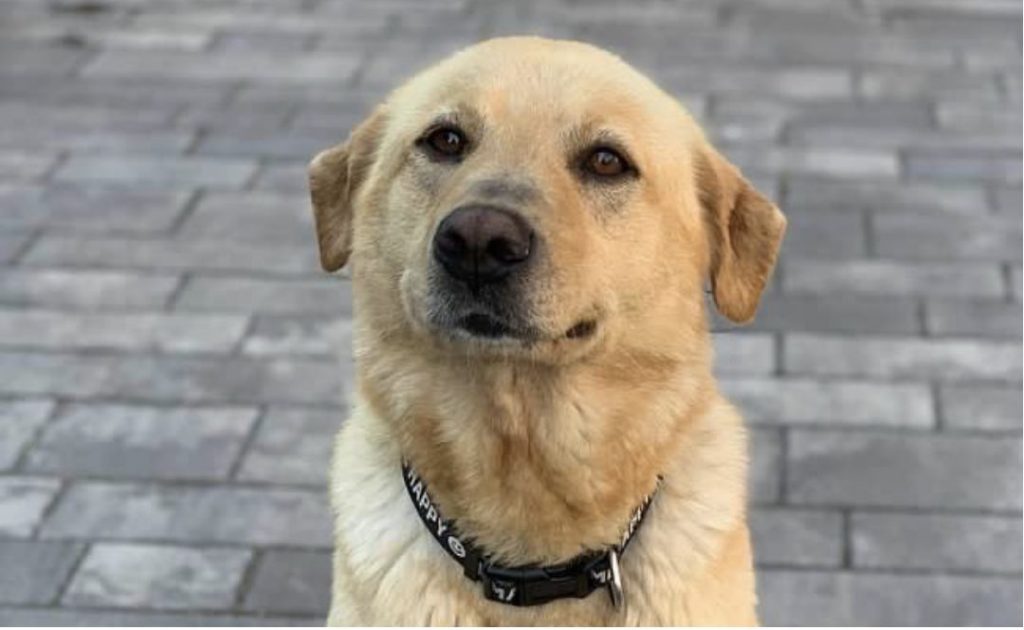
In the beginning, Levi didn’t know how to lie down. He would fall asleep, standing up, and adorably topple over. Before long, he learned he had beds in nearly every room.

“He didn’t know how to play with toys, and now he has more toys than my kids,” said Gisele with a laugh. “He had nightmares the first few months. And he was very scared of brooms—he may have gotten hit with something like that—but we’ve overcome those things.”

It took Levi two months to realize water and food would always be available—he didn’t have to gobble it all down at once. The starved, 30-pound, feral-looking creature transformed into a healthy, 76-pound, golden-colored family dog. He’s a mix of about eight breeds including Lab.

“What overwhelms me is—I look at him, and he is just love,” Gisele said. “He knows how to love, and he was never taught that—it’s just who he is. It’s just so beautiful, I can’t understand it. He’s just a magical creature.”

So magical, in fact, that he’s become a Twitter celeb. So how did that happen?

Last fall, as John Fetterman was being interviewed for political pieces by national media outlets, Gisele posted a behind-the-scenes photo. It showed their home Zoom setup, with family life taking place around the edges of the perfect “set,” and there was Levi, in the middle of it all. If dogs can have funny expressions on their furry little faces, Levi certainly did. And the Twittersphere responded.

The next day, someone had created Levi’s Twitter account. And it wasn’t Gisele. So who’s the tail wagging the dog, behind the account?

“I didn’t really have a plan. Levi had a look on his face, like a deer in headlights, and I thought it would be funny for him to comment,” said Ann.

It’s not her real name, but she wants to remain anonymous, behind Levi’s account.

“When I realized someone had created his Twitter account…I reached out,” Gisele said. “The person who runs it is wonderful. We’ve since become friends, and I certainly couldn’t manage his account as well as she does.”

Levi’s profile identifies him as the “Official Dog of Pennsylvania” providing “Twitter emotional support.”

Nearly every morning, he greets his adoring followers by saying “hiii.” One recent morning, it was, “hiiii good morning hiii wyd?” About 400 people liked it, and 53 people replied to tell Levi what they were doin’.

“Some of the goals we talk about are to create a safe, kind space on social media—it can feel so cruel and awful at times,” said Gisele. “We have people who say Levi makes them happy every day.”

Sometimes, Ann posts photos that Gisele has shared with her. Levi banters with fellow celeb pups like @TedCruzPoodle. He relentlessly begged for Gritty, the Flyers’ mascot, to say “hiiii” on Twitter. In early May, Gritty did just that, through a video pinned to the top of Levi’s account like a trophy.

Besides the Twitter fun, Levi has found a voice for advocacy, including current Senate and House bills designed to raise Pennsylvania’s dog license fees, in order to better fund the Bureau of Dog Law Enforcement and state dog wardens. He even made an appearance at the Capitol in June, Gisele by his side, at the “Be the Voice for PA Pups Rally.”

Most of his tweets are dedicated to his fellow rescue pups. The longest resident at the Pennsylvania SPCA, Max, was recently adopted thanks to Levi’s tweets. Now, Levi’s going to bat for another long-timer in search of a home, Pepe.

Ann creatively writes Levi’s messages in “dogspeak,” with references to belly rubs, snoozles and his soulmate—that’s Gisele. Through the eyes—and voice—of a dog, Ann sees the world differently.

“One of the lessons I’ve learned from Levi is Twitter maturity,” said Ann, also a dog lover and owner. “On my own Twitter account, there are certain issues and threads where I would want to reply and perhaps argue. But that’s not what a dog would do, or what Levi would do…. Dogs are so pure.”

There’s something about looking into a dog’s eyes. If you’re lucky, you see a reflection—a soulmate with unconditional love.

“When I moved to this country from a third-world country, as an undocumented immigrant, I felt disposed. I had to be invisible,” said Gisele. “I would see the waste, the retail waste, and I would see communities abandoned. I remember being shocked at how disposable everything felt here.”

That’s why she created several nonprofits that collect unused food for the hungry. And it led her to a greater question.

“How do I advocate for those who are devalued? That includes people, places, things and pets. That has become my mission—to show value in the devalued,” she said. “Levi was a devalued dog, as so many dogs in shelters are. People search for pure breeds like somehow that’s superior, just like people can see themselves as superior to someone who wasn’t born in this country, and, at the end of the day, no one is above anyone.”

“If Levi can make someone feel seen and heard and validated through his page, then we’ve surpassed any goals.”

You can find Levi on Twitter @LeviFetterman. He’s also on Instagram, thanks to Ann, @rescuedoglevi.

If you like what we do, please support our work. Become a Friend of TheBurg!
 

Continue Reading

Painting Pride: Local artists invest in their neighborhood through beautification project

Althea Lynn King remembers painting her boots with nail polish as a kid growing up in Harrisburg. She was always DIYing, sketching and creating.

Now, she has her own son, whom she homeschools along with her nephew. King still loved art, but, with two little boys running around, time for her own interests often got pushed to the back burner.

“I definitely got lost in being a mom and forgot about me,” she said.

That began to change when King spotted a flyer—a call for artists for an upcoming painting project in Allison Hill. Local nonprofits Sprocket Mural Works and Tri County Community Action were seeking artists to leave their mark on a number of flower planters installed throughout Allison Hill.

King decided to apply, but admitted that she was doubtful she’d get chosen. Little did she know, a few weeks later, she’d be kneeling on Market Street, paintbrush in hand.

King painted what she knew was important to her and to her community—family.

“I wanted to bring the power of mom into it,” she said of her “mom squad” painting.

In both English and Spanish, the phrase “protect our kids, teach our kids,” is painted on the planter.

“For my son to be able to walk by and say ‘that’s something my mom did,’ it’s huge,” she said.

The planter-painting project was meant to add to the beauty of the Allison Hill neighborhood, explained Sprocket co-founder Meg Caruso. But the effects reached further. For King, and many of the other artists, the experience was one of empowerment and pride in their roots.


Stroke of Hope

What began to happen among artists and in the community is exactly what Tri County had hoped for when coming up with the project.

“This is encouraging people to take pride in their community,” said Danielle Krebs, communications manager at Tri County. “It also gave artists the opportunity to be creative and give back to their community.”

Tri County supplied the canvas—large cement planters—along with flowers, and Sprocket helped connect with artists and provided paint. The project kicked off Sprocket’s 2021 Harrisburg Mural Festival, which includes many other projects throughout the summer.

Krebs also saw this as a way to address an aspect of Tri County’s Heart of the Hill Community Action Plan, which they developed with residents’ input. As outlined in the plan, which was updated in 2020, community members expressed a desire for public art and beautification projects in the neighborhood.

For this project, Sprocket looked specifically for artists from the neighborhood and successfully gathered a group of 20 artists, ranging in age and experience.

One of the younger artists is 20-year-old Kiara Dawson, a Harrisburg High School alum.

Dawson has always loved art, she said. She helped design the cougar head painting inside Harrisburg’s Rowland Intermediate School, designed school T-shirts and painted a mural at the high school for her senior project.

But when her former art teacher, Rachel Aslan, encouraged her to apply for the planter project, she was nervous. She doesn’t like being in the spotlight, she said.

However, Aslan successfully got Dawson, as well as two of her students from this past year, to apply. All three were selected.

“We try to talk to our kids about the importance of public art, and this was the perfect opportunity for them to get involved in their community,” Aslan said.

Dawson rose to the occasion, creating a piece that celebrates individuality and showcases her own journey towards overcoming depression and accepting herself.

“My mural gives people hope that things will get better,” she said.


Community Beauty

Artist Tristan Bond is known locally for his art, with murals on the sides of HMAC and Ciervos Pizza. His painting on the planter on Market Street is much smaller than some of his other work, but carries a lot of significance.

Bond has memories of that spot where his artwork now sits. He remembers being a kid, walking with his mom to the fried chicken shop and the five-and-dime store just off the sidewalk. At the bus stop nearby, he used to take a crayon to his coloring book while they waited.

“It’s like it’s come full circle,” he said.

Bond’s mother passed away in February, but sitting on that corner, he could still picture himself up on her shoulders, walking through the neighborhood.

“Being able to touch on the memory of her—it means a lot,” he said.

His painting shows robotic hands planting and watering flowers. He hoped to capture the importance of organic growth alongside continued technological advancement. On one side of the planter, Bond painted “The Hill,” what many of the neighbors call Allison Hill, he said.

“It brings a sense of pride to the community,” he said. “There’s art and beauty in this community. It’s rough around the edges, but there’s so much beauty in it.”


To learn more about Sprocket Mural Works, visit www.sprocketmuralworks.com.  

For more information on Tri County Community Action, visit www.cactricounty.org.

If you like what we do, please support our work. Become a Friend of TheBurg!
 

Continue Reading

Sniff & Greet: After the pandemic, dogs, like humans, may need to re-socialize

As we’re coming out of the pandemic, you may be aware of social changes in yourself. Dogs have similar social needs, with adverse effects if those needs aren’t met appropriately and often enough.

“Without proper socialization, dogs may become anxious and fearful of anything unfamiliar,” said Amy Powell, certified dog trainer and owner of DoggieU, LLC.

Just as we learn from socializing, “dogs learn skills they need: communication, hunting, and how to play cooperatively with other dogs,” she said.

Much like when we started looking disheveled, wearing pajamas in public because no one would recognize us under our masks, dogs forget their good manners without routine interactions. They need to keep socializing with humans, cats and other dogs to ensure they don’t develop bad behaviors.

Socializing also helps dogs make friends, derive good mental health, confidence and self-esteem. And it helps them feel more comfortable in unfamiliar situations, like meeting new people and going to new places. Dogs, Powell said, are all in different stages of their journeys.

“Don’t assume that approaching a dog is OK,” she said. “Some dogs aren’t friendly.”


Where to Socialize

It helps to meet on neutral territory.

Walking your dog in public spaces will help the pup be more comfortable. Try taking your dog to a training class, a structured dog walk, or a popular public trail. Expose your dog to a variety of stimuli, people, clothing, different ways of being petted or handled, environments, floor textures, surroundings, cats and other dogs. Brick-and-mortar pet supply stores are fun mingling spots, and so are well-supervised and curbed dog parks. Ask your vet for recommendations for doggie play dates, trainers and other social resources.


Preparing to Socialize

Before embarking on socializing, level-set your expectations. Just as people don’t like or gel with all people, not all dogs will mesh personalities either. Senior dogs sometimes clash with much younger dogs. Males tend to be competitive when brought together. Females together tend to become territorial and fight with each other.

One of your objectives in socializing your dog is to make the presence of other dogs a normal thing. Nothing to see here, pup, and nothing to get excited over. Move along.


How to Socialize

Be sure your dog is calm and acting politely. You’ll want to keep your body language calm and assertive, but be on guard in case you need to withdraw your dog. Your dog will take cues from your demeanor and follow your lead.

  1. When you see another dog owner with their dog on a leash, ask the owner, “Can we say ‘hello?’”
  2. If the answer is no, respect that and move on. If the answer is yes, instruct your dog, “Say hello.”
  3. Allow the dogs to sniff each other, just for a few seconds.
  4. Before leashes get tangled, tell your dog, “Leave it. Let’s go.”
  5. Lead your dog away from the other dog.
  6. If your dog showed good manners, give lots of praise and a treat. If things went awry, don’t praise, and don’t yell either. When you try again, you don’t want your dog to have a negative association with socializing. Praise the behavior you want repeated and withhold praise for the behavior you don’t.

If the first meet-and-greet didn’t go well, don’t be discouraged. Much like people coming out of their solo hovels, we’re all a little worse for the wear, and we’re all re-learning some social skills. But unlike us, dogs don’t mask or fake their feelings in social situations.

You will want to repeat introductions with many dogs to build positive associations.

“Let the dogs work out their own issues for the five seconds they’re together,” Powell said. “If they seem to like each other, you can let them play longer next time.”

If either dog shows negative body language, such as a snarly lip, bared teeth, low growl, fixed gaze or hackles going up, then at least the interaction was short. When a dog lies on his back without wagging his tail, it doesn’t mean he wants a belly rub. It means, “Back off!”

“Displays of aggression have underlying emotions of fear or anxiety. It’s an attempt for the dog to gain control of the situation,” Powell said. “Aggression and anxiety are common when dogs haven’t been around other dogs enough.”

If your dog has known issues, try socializing with just one dog and repeat the above process frequently. As interactions improve, you can gradually increase the time they spend together.

“Ideally, you will want to socialize your dog at least twice per week, and more often than that, if possible,” Powell said. “Make socialization part of your dog’s routine.”

As a general rule, socializing is for all adult dogs, with one exception. In rare cases, you may have a dog who is dominant aggressive. According to Powell, this type of dog is disinterested in social exchanges, is only interested in overpowering, and has no willingness to please. An animal behaviorist would need to formally diagnose this personality type.

For puppies, it is only safe to socialize when they receive their second kennel cough vaccine shot (sound familiar?) from their veterinarians.

For all other dogs, routine socialization builds and maintains a good temperament. Once your dog reaches the point of being consistently calm and comfortable around people, other dogs, and even cats, then your dog is well socialized. You can expect your dog to react to stimuli in a healthy, appropriate way. And because your dog is taking your cues, so will you.

For more information, visit www.doggieullc.net.

If you like what we do, please support our work. Become a Friend of TheBurg!

Continue Reading

Wild Things: West Shore Wildlife Center helps heal the divide between human and animal

For Emily Garrigan, it’s all about co-existence between humans and animals in today’s rapidly changing world.

Garrigan operates the West Shore Wildlife Center from “the bottom” of her Etters home on a volunteer basis, offering rescue, rehabilitation and conflict resolutions for wild animals, as well as educating humans. She’s assisted by a rotating roster of around 20 volunteers and works the facility on weeknights and weekends around her full-time job at a pharmaceutical company.

“Our mission here is to inspire cohabitation between animals and people,” said Garrigan, who founded the facility in 2019. “People need to learn to co-exist in ways like learning how to safely protect their garden without harming animals.”

You won’t find Fido or Fluffy at West Shore Wildlife.

The facility’s most common clients comprise, but aren’t limited to, Eastern cottontails, possums, turtles, squirrels and ducks. Permanent residents include Steve-O, a banded pigeon, and Bert and Ernie, two escaped male quails found in an Etters neighborhood. No one can determine from where these animals may have escaped, and all appear too domesticated to successfully be released into the wild.

As green spaces throughout the region are overtaken by development at what seems like a continuously accelerating pace, wild animals are losing their native habitats and now can be seen roaming residential yards or busy roadsides. This worries Garrigan.

“Most animal species can adapt well to living in human environments, but we, as humans, still need to improve how we co-exist with them and to preserve as much green space as possible,” she stated.

Garrigan serves as West Shore Wildlife’s board president and lead rehabilitator and holds state and federal permits for the rehabilitation of mammals, passerines, raptors, reptiles, amphibians and endangered/threatened species. She also has interned as a wildlife rehabilitator and educator at Raven Ridge and Tamarack wildlife centers, as well as serving as an educator at ZooAmerica.

Last year, Garrigan became a certified wildlife rehabilitator through the International Wildlife Council. She also holds state permits for the educational use of wildlife, which allows West Shore Wildlife to serve as a sanctuary for non-releasable wild animals.

“Emily is dedicated to rehabilitating her animals. She’s just amazing,” said Cathy Ankeny, a volunteer animal transporter for several regional rescue organizations. “(West Shore Wildlife Center) is low-funded, so they do what they do because they love animals.”

West Shore Wildlife Center receives no government funding and is run through private donations. The organization also accepts donated care items through an online wish list it maintains on Amazon.

Ankeny, of York County, has done rescue volunteering for seven years throughout the region, primarily dealing with exotic bird species. She’s noticed that rescue calls for injured or misplaced animals have been more “consistent” over the past couple of years.

“People were home more during the pandemic and spending more time in their yards, or working more with security cameras, so they’re noticing animals more,” Ankeny noted.

The most common reasons for calls, Garrigan said, stem from vehicular mishaps, attacks by domestic animals and “human reasons” that are “sometimes accidental,” but not always. Sadly, human cruelty serves as a factor in some cases, like a mallard duck hit by a crossbow that she treated. Under Garrigan’s watch and care, the mallard fortunately recovered well enough to return to the wild.

Garrigan is required to report such instances of apparent wildlife cruelty to the Pennsylvania Game Commission, which places the case under its own jurisdiction for further investigation and often leads to charges. She readily admits that running a wildlife rescue poses its fair share of challenges, but she seems to like it that way.

“It’s such a challenging field in that it keeps me engaged,” she said. “You never know what’s going to come through that door. Every day is different. It keeps me engaged physically, emotionally and spiritually.”

In total, West Shore Wildlife Center takes in an estimated “1,000 to 2,000 animals per year,” which has included several injured turtles found by Tim Bonus of Camp Hill. The self-proclaimed turtle lover spends much of his time paddling through regional waterways to photograph and observe turtles. Sometimes, he brings in injured or sick turtles found along his travels.

“The work they do (at West Shore Wildlife Center) is just incredible,” he said.

For more information on the West Shore Wildlife Center, call 717-268-9574 or visit www.westshorewildlife.org.

If you like what we do, please support our work. Become a Friend of TheBurg!
 

Continue Reading

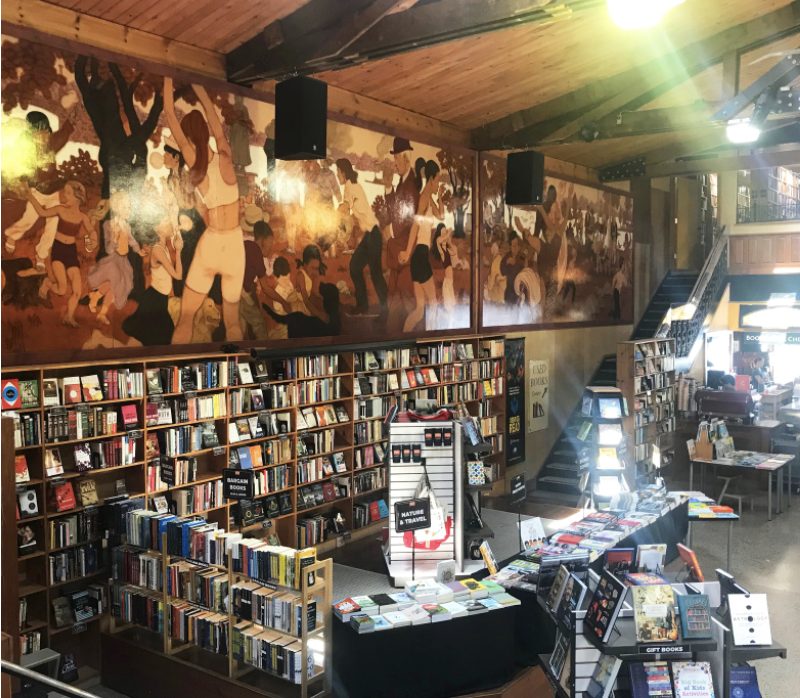
Back to Browsing: With limited reopening, Midtown Scholar shelves pandemic shutdown

Midtown Scholar Bookstore

Since moving to its current location in 2009, Midtown Scholar Bookstore has become a mainstay in the commerce and culture of Harrisburg’s Midtown neighborhood.

But on March 15, 2020, like hundreds of other small businesses in Harrisburg, the thriving store suddenly faced the reality that it would have to close its doors in the face of the rapidly expanding coronavirus pandemic.

Now, after more than 400 days without walk-in customers, the Scholar has re-opened to the public and is anticipating the days when it soon will be filled with loyal patrons looking for the latest bestseller or excited about interacting with a favorite author.

Confronting the instant disappearance of those customers in the chaotic early days of COVID-19, Alex Brubaker, who became the store’s manager in the summer of 2018, realized that he “had to get creative.”

One immediate decision involved redeploying resources to the business’s existing e-commerce division, which had focused on selling used books. He now pivoted to sales of new ones as customers, eager for fresh reading material during the pandemic, enthusiastically embraced online book buying.

But another critical choice, which Brubaker admits was made without any long-term plan, was to immediately move the store’s calendar of author readings and interviews onto Zoom and significantly expand their frequency, occasionally featuring two events in a single evening. The bookstore became one of the first in the country to make the shift—within a week of the shutdown—and, by the time of the re-opening, it had presented some 150 of these programs.

While a typical event drew about 200 viewers, several, like the one featuring Madeleine Miller promoting the paperback edition of her novel “Circe,” attracted an audience of more than 1,000 from around the world.

The virtual programs also allowed the store to introduce its brand to new customers and to host well-known authors like James Patterson, John Grisham and Martha Stewart, who may not ordinarily make Harrisburg a stop on an in-person book tour, Brubaker noted.

Though it wasn’t only nationally known authors who took advantage of the new venue. Local writer Joel Burcat said that the chance to promote his second novel, “Amid Rage,” in the virtual space in February 2021, “meant everything” to him.

“[That event] gave me exposure far beyond what I would have had in-store,” he said, after his plans for an in-person launch were derailed by COVID.


Really Fortunate

Beginning in May 2020, the Scholar also began what became highly popular weekly sidewalk sales on Fridays and Saturdays—some 100 during the shutdown. These allowed customers to maintain their physical connection to the store, even if they couldn’t enter to browse the shelves or sip a latte from the café.

Brubaker admitted that he was skeptical about these initiatives, but called it “really humbling” to see “the love for this place the community of Harrisburg has.”

On May 28, the store’s re-opening date, a cool, overcast Friday, co-owner and Harrisburg Mayor Eric Papenfuse, along with the familiar aroma of brewing coffee, greeted the masked customers who browsed the store at the start of what Brubaker described as a “phenomenal” two-day opening.

Beryl Kuhr, a regular from Susquehanna Township, waited to pick up one of the online orders she had placed through the website, Bookshop, which donates a portion of its sales to participating independent bookstores.

“It feels wonderful to be inside and to have this whole selection of books,” she said, smiling broadly.

But it wasn’t only local readers who were happy for the opportunity to engage in a book lover’s passion—browsing. Chambersburg resident Abigail Maley was eager to soak up the atmosphere.

“I can smell the books again,” she said, a bit sheepishly. “It’s one of the things I like about coming to a physical bookstore.”

Midtown Scholar wasn’t alone in dealing with the pandemic’s upheaval. The American Booksellers Association, the trade group representing independent bookstores, reported that it lost 80 members due to store closings in 2020. But John Mutter, editor-in-chief and co-founder of the industry publication, Shelf Awareness, noted that many independent booksellers “have done better than anyone could have hoped for.”

Brubaker didn’t minimize the economic challenges of the closure.

“Like all small businesses, we were hurt,” he said. “But we are feeling really fortunate that we were one of those bookstores that was able to stay alive and survive the pandemic.”

Now, he’s looking forward eagerly to bookselling in the post-COVID world.

While virtual events will continue through the summer, the store already is in discussions with some publishers about live author appearances once fall arrives. In-store hours will expand gradually as conditions permit, with the hope of resuming normal operations before the beginning of the holiday shopping season.

But as Brubaker reflected on 14 months of pandemic life, one lesson will remain with him—nothing will replace the in-person book browsing experience.

“If anything, it confirmed what I do for a living and that independent bookstores need to be here as physical locations in order to grow a literary community,” he said. “Once that was taken away, it made me realize how important that is to a community.”

Midtown Scholar Bookstore-Café is located at 1302 N. 3rd St., Harrisburg. For more information, visit www.midtownscholar.com.

If you like what we do, please support our work. Become a Friend of TheBurg!

Continue Reading

Hops Howl: Award-winning brewers open on the west shore

Derek and Elaine Wolf know their way around a keg.


The couple had been attending home-brewing and beer festivals for years, which inspired them to try their hand at the craft. When they won an award in the summer of 2013, their appetite was whet, and their sights were set on winning more. They eventually won honors in all 50 states, laying claim to 123 awards with 55 different beers.

These overachievers in the beer world have now opened their own establishment.

“We had the opportunity to travel extensively to areas like Australia, New Zealand, France and around the United States,” Derek said. “So, we figured out what we liked and didn’t like.”


At Home

Earlier this year, the couple opened their own brewery in the Market Square portion of Landmark Legacy Park off Route 114, an area near and dear to their hearts.

“Mechanicsburg is our hometown, and we remember running around the cornfields,” said Derek.

It doesn’t hurt that the area is currently under development and will soon be the site of new homes, pedestrian trails and retail establishments.

The 8,000-square-foot brewery seats about 300 people, with a décor that can be described as an open, contemporary space with clean lines and plenty of places to sit, whether at the bar in view of the 10-barrel system, at large, wooden tables scattered around the room, in front of either of the two fireplaces, or at a bank of chairs positioned in front of the attractive front windows.

The couple are also excited about their outside space, which seats 100 and features a covered patio and lawn behind the building, along with cornhole games, picnic tables, firepits and an outside service window. The area is dog-friendly, as well.

The Wolfs said that the project began in June of last year and that they’ve managed to weather the COVID storm and the lumber crisis, but there has been a learning curve, too.

Elaine, who has worked in both human resources and the restaurant industry, brings her considerable experience to the table, but still has trouble finding staff, like many in the hospitality industry these days. And Derek said that he’s learning quite a bit, after the initial shock.

Derek credits other breweries for being willing to offer advice, along with the assistance of the National Brewers Association, the Brewers of Pennsylvania and staff at the Nebraska-based Alpha Brew System.

“Even though I’ve collaborated with other breweries, I was still a deer in the headlights in the beginning,” he said.

Hitting Their Stride

Beer aficionados will be in their element, with a total of 24 selections on tap, ranging from lagers to pilsners to sours, saisons and IPAs. And if you’re bringing along that person who may not care for beer, there’s a selection of Pennsylvania wine, ciders and spirits on hand.

It’s also important to the couple to give back to the community, so each month they sponsor, “Flight for a Cause,” where $1 from each beer flight goes to a local organization.

“Last month, we were able to raise $3,280 for the Mechanicsburg Fire Department,” said Elaine.

Wolf Brewing partners with Mechanicsburg’s Smoke & Pickles to manage kitchen operations.

“We use as many local farms as possible, including as many things from Smoke & Pickles Artisan Butcher Shop as we can, such as our nitrate-free bacon and our 21-day dry-aged, and 100-percent grass-fed burgers,” said David Mills, owner and chef at Smoke & Pickles.

Mills said that plans are in the works over the next few months to expand the menu and feature private beer dinners to showcase local ingredients presented in an upscale way, along with new releases of Wolf Brewing Co.’s beer.

Customer Julie Huff went to check out the west shore’s newest brewery soon after they opened.

“My overall take on the place is that it’s classy, but comfortable,” she said. “It’s welcoming, and the servers are very nice. We also like the fact that there are a variety of places to sit.”

Eric Anderson said that he’s a loyal “Wolf Pack” member who had the opportunity to get in early for a nominal fee, along with merch and an invitation to the soft opening. Anderson, who lives in Linglestown, met the couple at brew festivals and followed them.

“I also like the food,” he said. “I had the croque madame with fries, and it was amazing.”

As for his favorite beer, that would be the aptly named “On the Prowl,” a double IPA brewed with citra and galaxy hops, featuring floral notes and flavors of pineapple.

With each new day in business, the couple said that they learn more. They now feel that they are hitting their stride and are happy to be pursuing their passion, on their terms.

“We love to see people enjoy themselves and we like to entertain too, while at the same time giving back to the community and making friends along the way,” said Elaine.

Wolf Brewing Co. is located at 100 Legacy Park Dr., Suite 400, Mechanicsburg. To learn more, visit their website at www.wolfbrewingco.com.

If you like what we do, please support our work. Become a Friend of TheBurg!

Continue Reading

The Slice Is Right: Impress your guests with this summery tomato bread appetizer

In the last year or so, I have become intrigued by the cooking of Bobby Flay.


Bobby is well known for his Food Network cooking shows like “Beat Bobby Flay,” as well as his acclaimed restaurants such as Mesa Grill and Shark in Las Vegas, Gato in New York, and Bobby’s Burger Palace in several locations in the United States.

While Bobby’s cooking relies heavily on the bold flavors of Spain, Mexico and the American southwest, he grew up in Manhattan in the 1970s. So, with many Italian friends and frequent trips to “Little Italy” for spaghetti and meatballs, Bobby expresses a love of Italian cooking, as well.

I have been studying Bobby’s cooking technique, the ingredients he uses, and most importantly, how to make a good margarita! When looking for an appetizer to serve with drinks, I stumbled across something that was a hit with our guests. It is a Spanish take on the traditional Italian tomato bread, a popular item at Italian bistros in South Philly.

I was so tired of hummus and pita chips, salsa and nachos, and plain old cheese and crackers (even good cheese). This appetizer relies on a unique combination of flavors. But, as Bobby noted in his introduction to the recipe, because there are so few ingredients, all of them need to be very good. I had to search for Serrano ham (found it at Wegman’s) and substituted store-bought basil pesto in lieu of making homemade parsley pesto. Prosciutto ham could be substituted, but the Serrano ham is worth looking for.


Tomato Bread with Serrano Ham and Pesto

Ingredients

  • A container of store-bought pesto sauce (or homemade if you have it)
  • 3 very ripe beefsteak tomatoes
  • Kosher salt and freshly ground black pepper
  • Pinch of crushed red pepper flakes (optional)
  • 1 loaf of crusty Italian bread (ciabatta is good but any good country loaf will work)
  • 2 large garlic cloves, sliced in half
  • ¼ cup extra virgin olive oil
  • ¼ pound thinly sliced serrano ham


Directions

  • Cut the tomatoes in half horizontally.
  • Place a box grater in a large bowl. Rub the cut side of the tomato halves over the large holes of the grater, using your palm to move them back and forth.
  • The flesh should be grated off, leaving the skin intact in your hand. Discard the skin and season the tomato pulp with salt, black pepper and red pepper flakes. Let sit at room temperature while you prepare the bread.
  • Heat a grill or grill pan to high.
  • Cut the bread into ¼ inch thick slices and grill until lightly charred. Flip the bread slices and toast a little longer until heated through and lightly browned.
  • Rub the grilled bread slices with the halved garlic cloves and then brush them with olive oil.
  • Spoon liberal amounts of tomato pulp onto the grilled bread slices and drizzle with some of the pesto.
  • Top with the ham slices and serve at room temperature.

The colors of the dish are beautiful, and the combination of flavors is just delicious. I served the bread with drinks and no other “nibbley” was needed. Flay recommends making tomato bread in late summer when tomatoes are at their best, but as long as they are red and ripe, this recipe will work. You could try making it for a light weekend lunch, as well. If you have tomato pulp left over, you can use it to whip up a quick marinara sauce for pasta.

Flay is said to be opening an Italian restaurant in Vegas called Amalfi. I am eager to see how he puts his own signature style on Italian classics. Maybe another cookbook is in the works, too.

A little side note: On the Food Network show, “Beat Bobby Flay,” Bobby usually wins the cooking competition! But you will find tomato bread is a winner and easy to make, too.

If you like what we do, please support our work. Become a Friend of TheBurg!


Continue Reading

A Tale of Two Churches: For a pair of congregations, ecumenism took root during the pandemic

No one can overstate the distress that resulted from the pandemic. But there were bright spots, as well, such as people reaching out to each other to overcome loneliness and isolation.

One example is the cooperative spirit that took root between the Old Catholic Church, Parish of Saint Joseph, and Metropolitan Community Church of the Spirit.

The Old Catholic Church began its ministry in 1994, long using the home of the pastor—Rev. Michael J. Scalzi—or a hotel for services. It has also rented space in other churches.

Scalzi said the churches that leased their spaces were “nice,” but his congregation was “treated like tenants.” Then, in September 2019, things turned around. The Old Catholic Church began a rental relationship with MCC, also using its Harrisburg facility for Sunday Masses.

When his church needed to find new space, Scalzi composed an email to “select friends” asking for help. He said he had “barely hit the send key” when Lori Hatch-Rivera, senior pastor of MCC of the Spirit, got in touch and offered her church.

It helped that Scalzi and Hatch-Rivera had been friends for a decade, having met through interfaith work, and both sit on the Mayor’s Interfaith Advisory Council. As a result, Scalzi said, he and members of his church were treated like and “felt like family” at MCC.

The relationship between the two churches grew even closer when the pandemic struck. Beginning in March 2020, they started holding joint services (after the building was closed briefly to congregants when COVID-19 first struck.) The two churches had two weeks to put together a joint service and “experimented,” said Hatch-Rivera.

Other than that brief closure, services took place in person, but were also live-streamed on Facebook. The two churches also co-sponsored other programs, including a Christmas musical.

“An instant bond was formed,” said Rev. Dr. Lawrence F. Keiser II, who is affiliated with both—as deacon of the Parish Community of Saint Joseph and as associate pastor (director of music ministries and administration) of MCC of the Spirit.

And the “ecumenical relationship” born of the pandemic has inspired more than joint services, added Scalzi. It has formed a familial bond across religious lines between an MCC congregation and a Catholic congregation.

What helped seal that bond was the fact that most people at MCC come from different denominations, Hatch-Rivera pointed out.

“The two congregations share an openness and an uplifting of all people,” Scalzi said. “Both are similar religiously and philosophically, despite differences in liturgy, etc.”

MCC’s pastor noted that the church has been a leading voice in central Pennsylvania for LGBTQ+ rights and spirituality. It sponsors monthly “Sharing Our Caring” HIV/AID dinners, hosts TransCentral, an advocacy group for the transgender community, and serves home-cooked meals to the homeless in downtown Harrisburg.

For its part, said Scalzi, the Old Catholic Church is “open and affirming, welcoming and inclusive to our LGBTQ sisters and brothers who are all welcome to attend our Masses.”

Now that the pandemic is easing, the two congregations decided to return to separate services. That took place the week before Palm Sunday, a fact that is causing some sadness and disorientation.

“We got so used to joint services,” Scalzi said. “It was a little emotional. Even though it had to happen, it was odd.”

“It took three weeks to feel we were going back to normal,” agreed Hatch-Rivera, and Keiser called the transition back “bittersweet.” Still, the pastors agreed, the door is “always open” for joint services to be held on special occasions. And the live-streaming will continue “forever.”

Looking back on the relationship of the two churches, which began before but blossomed during the pandemic, Hatch-Rivera said, “We are affirming that we are all people of God.”

For more information on the Old Catholic Church, Parish of St. Joseph, visit www.theparishofstjoseph.org.

For more information on the Metropolitan Community Church of the Spirit, visit www.mccofthespirit.org.

If you like what we do, please support our work. Become a Friend of TheBurg!

Continue Reading

Echoes of the Past: Harrisburg native—and famed screenwriter—Jeff Arch releases a novel 30 years in the making

If a writer’s career could serve as an example of the value of persistence in the face of rejection, Harrisburg native Jeff Arch’s would be a superb one.
Nominated for an Academy Award for co-writing the screenplay of the beloved romantic comedy, “Sleepless in Seattle,” Arch has just published his first novel, “Attachments,” a book he began working on some three decades ago.

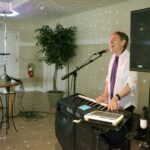
On a recent FaceTime call, Arch—dressed in a gray T-shirt and baseball cap—looked like he had just strolled in from the beach that’s located across the street from his home in Carpinteria, Calif., a short distance south of Santa Barbara. His appearance and demeanor exude a slight rock music vibe, suggestive of the time he spent as a concert lighting designer after graduating from Emerson College with a degree in film and theater production in 1976.

“Attachments” grew out of a 1988 visit that Arch paid to a favorite teacher at Wyoming Seminary, the Kingston, Pa., boarding school he attended for two years in the early 1970s. The novel tells the story of three students—Sandy (“Pick”) Piccolo, his wife Laura Appleby and their friend, Stewart (“Goody”) Goodman—at a private school that Arch acknowledged bears some resemblance to that one, which he admitted “had a hold on me.”

Eighteen years after they leave the school, they’re summoned back by an urgent request from their former dean before he slips into a coma following a stroke, to face what Arch called a terrible betrayal they’ve escaped dealing with for all that time. Shifting perspectives among these characters and three others, the novel deeply explores the moral implications of long-ago acts and their echoes in the present.

Inspired by an incident Arch recalled from his school days, “Attachments” began as a screenplay, and along with “Sleepless in Seattle,” was written in 1990. In that year, he sold the northern Virginia tae kwon do studio he had owned for three years and committed himself to writing three screenplays in 12 months.

Though the “Sleepless” script eventually gave birth to a movie starring Tom Hanks and Meg Ryan that grossed nearly $228 million worldwide, it wasn’t until 1998 that Arch finally understood that the screenplay he entitled “The Bell Tower,” the predecessor of “Attachments,” wouldn’t get a similarly warm reception by the film industry. That’s when he decided he needed to transform it into a novel.

That novel features memorable characterization and, unlike some literary fiction, a compelling plot. Arch explained that, once he was freed from the rigid constraints of screenplay writing, he “had a blast.” His one job as a novelist, he said, is to “make a complete stranger turn the page. And the only way they’re going to turn the page is if they want to know what happens next.”

Over the next two decades, as he turned out some of the 20 screenplays he’s written, Arch kept returning to “Attachments,” driven to bring this story to an audience. “It just did not let go,” he confessed.

Arch also wasn’t deterred by the sometimes-chilly reception he received for early drafts of the novel. “It’s not failure,” he said, “it’s feedback,” a lesson he absorbed in 1985 when an off-Broadway play he wrote closed after a week. For all his enthusiasm about the writing life, he’s careful not to identify too closely with its end product.

“If you want to know your value as a person, look around at the people in your life,” he said. “That’s your value as a person.”

Just before he was about to self-publish “Attachments,” it found a home with SparkPress, and the long journey to publication ended. Early reviews of the novel have been positive, including a starred review from Kirkus Reviews. Some readers have even told Arch the novel has helped them through grief.

Arch credits Oscar-winning cinematographer Conrad Hall with providing his inspiration to pursue a career in screenwriting. In a scene out of a movie, 17 years after their first meeting, he had the opportunity to express his appreciation personally to Hall at a Hollywood luncheon celebrating both of them as Oscar nominees in 1993.

“Attachments” is set in Pennsylvania, and though Arch only returns to Harrisburg for an occasional visit, it’s evident this region hasn’t lost its hold on him. “There’s a part of me that was going to leave, but there was also a part of me that wished I could stay.”

Recalling his childhood in the city’s Uptown neighborhood, he has warm memories of the freedom and simplicity of growing up there in the 1960s and ‘70s, the son of a businessman father he calls a “visionary” and a mother whose love of books and movies sparked his own.

In addition to savoring the Subway Cafe’s distinctive pizzas, Arch also appreciates the beauty of the Susquehanna River, even as he vividly recalled how it ravaged his family’s classic stone home on Green Street just north of Division in 1972.

As his novel enters the world, he’s currently in a “pause” in his writing, the first he can recall in many years. Though he has no commitments from anyone who wants to create a film version of “Attachments,” he hopes his Hollywood connections will help bring it full circle someday. If persistence and resilience will make that happen, it would be a bad idea to bet against him.

“Attachments” by Jeff Arch, SparkPress, 376 pages, $24.95

If you like what we do, please support our work. Become a Friend of TheBurg!

Continue Reading