New Plan: Developer proposes 162 apartments for former Federal Building in Harrisburg

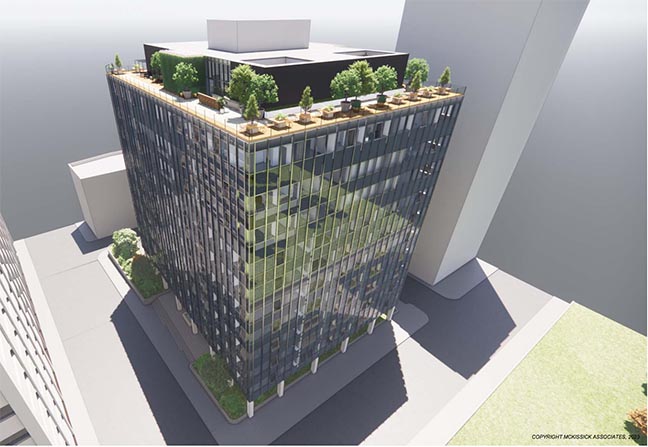
An exterior rendering of the proposed apartment building conversion for the former Federal Building in Harrisburg. (credit: McKissick Associates)

An apartment plan is back on the board for the former Federal Building in downtown Harrisburg, as a developer is proposing an office-to-residential conversion.

Yasser Hellel, a New Jersey-based developer, has submitted a land development plan to convert the boxy, 11-story office structure to a 162-unit apartment building, according to an application filed with the city’s Planning Commission.

The 196,000-square-foot building would include 146 one-bedroom units, 14 two-bedroom units and two studio units, according to the proposal. The units would range in size from 604 to 1,377 square feet.

The plan also calls for possible first-floor commercial space, as well as amenities such as a fitness center, penthouse lounge, shared office space, a rooftop deck, a shared lobby and a parking deck with around 30 spaces.

Notably, Harrisburg’s Downtown Center zoning district does not require developers to include off-street parking in their projects.

A rendering of an apartment (credit: McKissick Associates)

In February, Hellel purchased the 55-year-old structure at N. 3rd and Walnut streets for $13.13 million from Justin Etzin, a former diplomat from the island nation of the Seychelles, who purchased the building at auction in early 2022 from the U.S. General Services Administration for $10 million.

Since 1968, the building had served as the federal government’s main office facility in the Harrisburg area, including housing the U.S. District Court for the Middle District of Pennsylvania. In April, court employees were officially relocated to the new federal courthouse at N. 6th and Reily streets.

Under his ownership, Etzin twice had informally proposed converting the building to a high-end apartment building, but had never filed a land development plan with the city. Currently, the Harrisburg Planning Commission is slated to consider Hellel’s plan at its meeting on Wednesday.

According to his application, Hellel doesn’t plan to make any changes to the building’s glass-dominant, mid-century design. In fact, it states that he’s currently pursuing an effort to list the building on the National Register of Historic Places, which would help preserve its architectural integrity.

Hellel could not immediately be reached for comment.

A rendering of the rooftop deck (credit: McKissick Associates)

The city’s Planning Bureau has recommended approval of the plan, but has requested that Hellel provide an economic impact report for presentation to City Council.

If the Planning Commission approves the land development plan, council would also need to pass it before work could begin.

In his application, Hellel lists the address of his company, 1422 Route 179 Florida Realty LLC, as located in Old Bridge, N.J.

The main professionals for the project are both Harrisburg-based. They include architect Vern McKissick, a long-time member of the city’s Planning Commission, and Marc Kurowski of Kurowski & Wilson, a city-based engineering firm.

Click here to read the city Planning Bureau’s case report for the project.

If you like what we do, please support our work. Become a Friend of TheBurg!

Continue Reading

The Week that Was: News and features around Harrisburg

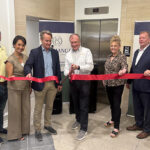
LGBT Center of PA officials stand in front of their new building on Front Street in Harrisburg.

The August issue of TheBurg dropped a bit early this month, so you’ll have extra time to enjoy all of our magazine content. Pick a copy up or read it online. You also can feast on the stories we published over the past week, which are all listed and linked below.

The Broad Street Market fire is the subject of this month’s publisher’s note, which opens our August issue. In it, our publisher/editor describes his experience as he learned about and then covered the blaze and its aftermath.

Found Collab is one of Harrisburg’s newest businesses, but it also has a great pedigree. Two veteran Harrisburg retailers have joined forces and expanded their wares in a new downtown location, says our magazine feature.

Harrisburg has a new city engineer, ending a long search stretching back 18 months. Daniel Snow is already on the job, with a long list of projects ahead to tackle, according to our online story.

Jason Isbell and his band, the 400 Unit, opened the HU Presents Summer Concert Series in Riverfront Park. Our reviewer described the evening as a “spectacular” night of music along the Harrisburg waterfront.

Julia Parkins isn’t your average suburban mom, as she’s also a jiu-jitsu champion. Our magazine story relates how she discovered the sport and rose through its ranks.

Lamont Jones was nominated for a Harrisburg City Council seat in May. However, two city residents have now filed a lawsuit challenging his nomination, according to our reporting.

LGBT Center of Central PA has a new home after being in temporary quarters for nearly two years. Our online story details how the group came to purchase their own building and what will happen next.

Living off the grid may be a dream for those who desire a simpler, environmentally friendly lifestyle. Our magazine feature tells the story of one local couple that are making it happen, and in beautiful style.

National Night Out is moving to City Island this year, our reporting found. The family-friendly, city-sponsored event, taking place next week, outgrew its prior location, says our online article.

Sara Bozich is back in the action after a much-needed vacation. In her weekly column, find out what she has on her agenda this weekend and what could be on yours.

Trap, Neuter, Release programs are essential for controlling the feral cat population. Our magazine story details some of the groups, people and techniques at work in our area.

Venture down to York to discover one of the gems of that city’s arts district. Three local women have joined forces to offer an eclectic artistic experience, says our fine arts writer.

Do you receive TheBurg Daily, our daily digest of news and events delivered right to your email inbox? If not, sign up here! 

Support quality local journalism. Join Friends of TheBurg today!

Continue Reading

On the Fringe: A Fringe Festival Photo Feature

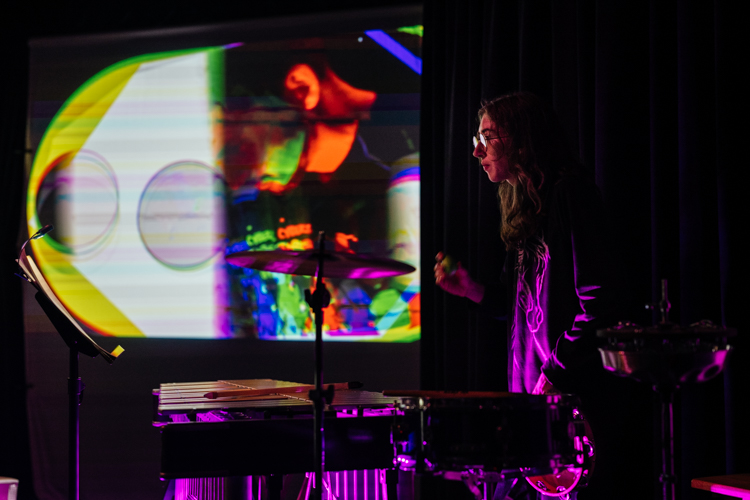
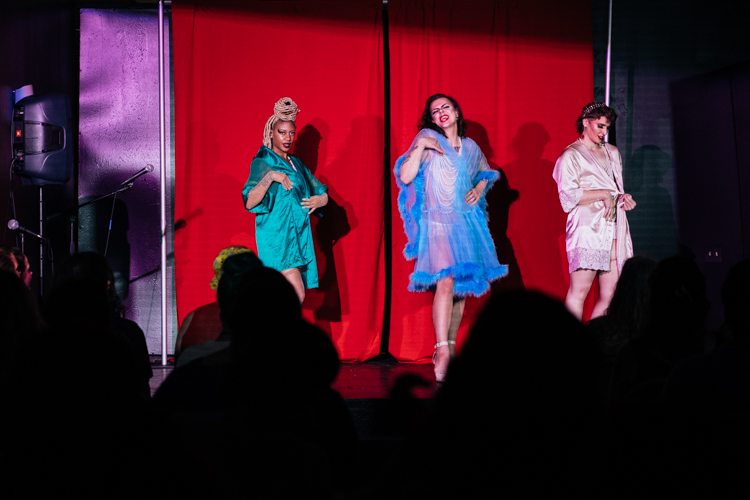
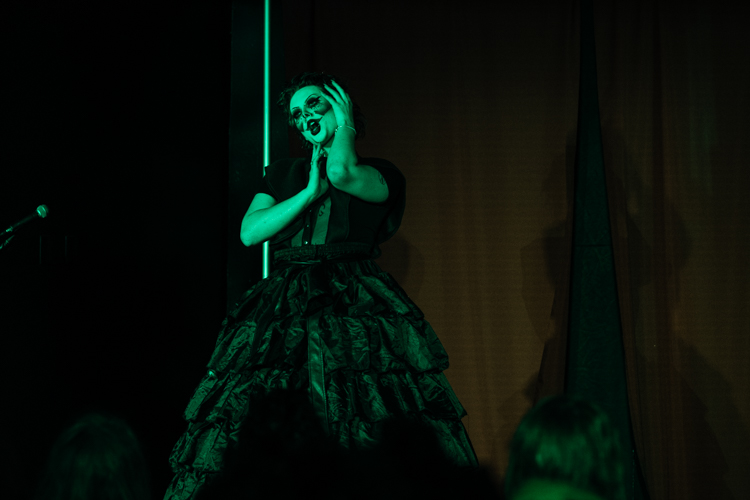
Harrisburg’s first-ever Fringe Festival launched last month, showcasing numerous local and non-local artists. Performances were a wild spectrum—from juggling knives on a unicycle, a hilarious choose-your-own play, and a grotesque film that felt like a weird trip to familiar local hip hop, a heart-wrenching, 15-minute opera, and a shocking drag, burlesque, sideshow performance. The festival’s uncensored, non-juried structure nurtured the spirit of the weird and gave a platform to artists pushing the boundaries of mainstream culture.

If you like what we do, please support our work. Become a Friend of TheBurg!

Ridiculous Nicholas Family Comedy Variety Show at Midtown Cinema

Curse of the Werewolf – Choose Your Own Play at Gamut Theatre

Core Memory / Align at Open Stage

Lodi & Chewdo-Ju at Narçisse Theatre

Spit & Spat’s This or That at Midtown Cinema

Drowning Girls at Narçisse Theatre

Rhythm and Rhymes – Swamprat at Narçisse Theatre with Jeremiah Henderson, Kevin Beaver, & Sir Dominique Jordan

Pelt Room Peep Show at Narçisse Theatre with Seija Syren, Legs Akimbo, & Frankie Debonaire

Pelt Room Peep Show at Narçisse Theatre with Nebula Nova

Continue Reading

Canopy Cure: In Harrisburg, trees are vital for fighting climate change, boosting the environment

Volunteers at a Harrisburg tree planting in April.

After an unexpected wind and hailstorm hit Harrisburg in June, city forester Cody Legge had a big job on his hands.

Trees were damaged and downed across the city, and Legge and his team were tasked with inspecting the remainder, determining if they were healthy enough to remain standing or if they needed to be removed.

This is a regular part of Legge’s job, although he’s usually not inspecting so many trees in one week. All around the city, trees are always aging, sustaining damage and dying. Removing them may be what’s best for public safety, but Legge has noticed a concerning trend—lately Harrisburg has been losing more trees than it’s gaining.

Trees are vital to the city and provide numerous benefits, Legge said, which is why their loss is something he hopes to reverse.

Other local organizations are also working to plant more trees and to educate the community on their benefits. With growing concern around climate change and the way it impacts our world, local officials say that trees are a significant player in the fight against global warming.

“They’re not always viewed as an asset, but they are,” Legge said. “They can make a big impact.”


Green Power

Emma Bast, an attorney with the environmental advocacy organization, PennFuture, knows that temperatures are going up and summers are going to keep getting hotter.

According to the U.S. Environmental Protection Agency (EPA), Pennsylvania is expected to warm another 5.9 degrees by 2050 and may experience more days above 95 degrees than the state has historically seen.

“We know that, with climate change, it’s possible to mitigate the effect of it,” Bast said. “In urban environments like Harrisburg, trees can have a number of really positive environmental impacts.”

One of the greatest impacts comes from the carbon dioxide that trees absorb during photosynthesis, Legge explained. Trees store carbon and release oxygen, thereby reducing greenhouse gases from the atmosphere, while improving air quality.

Along Harrisburg’s riverfront, near the Walnut Street Bridge, the city recently added informational signs near several large trees. A large red oak has absorbed around 41,000 pounds of carbon in its lifetime, one sign reads.

Legge said that the city calculated the benefits of the trees using a free online program called i-Tree. Anyone can use the program to determine the effects of any tree on elements like carbon uptake, stormwater mitigation, air pollution removal and energy cost savings.

Stormwater mitigation is another superpower of trees, Bast explained. PennFuture is a strong advocate of innovative, green infrastructure. In Harrisburg, this often comes in the form of rain gardens, which absorb stormwater runoff and rainwater, and in the form of trees, which soak up rainwater and help prevent flooding. According to the EPA, the leaf canopies of trees can even help reduce erosion as rain droplets bounce off leaves rather than directly hitting the ground.

According to the city’s informational signs along the riverfront, a single large American sycamore has intercepted 259,000 gallons of rainfall and helped avoid over 54,000 gallons of stormwater runoff.

In urban environments like Harrisburg, trees are also great at reducing the heat island effect by providing shade. In the greenest city neighborhoods, such as Bellevue Park, the difference in heat can be very noticeable, Legge said. This is part of the reason why the city plants trees in groups, rather than sporadically placing them around the city, he added. Larger quantities grouped together have the potential to make a greater difference.

“You can make a big impact on a whole block,” Legge said. 


Culture of Conservation

Since 2018, the Chesapeake Bay Foundation has worked to make the commonwealth greener with its “10 Million Trees” initiative. The program is more than halfway to its goal, which it aims to meet by the end of 2025.

“Our goal is to get a tree into the hands of anyone who is willing to plant it,” said Joe Hallinan, the foundation’s Keystone Trees Pennsylvania Partnership manager and a self-proclaimed “tree hugger.”

The initiative obtains trees and supplies through grant funding and then distributes them to local partner organizations, which pass out free trees to community members and landowners. The Chesapeake Bay Foundation’s hope is that, the more trees, the more nitrogen is taken into plants and out of waterways.

Equally important to Hallinan, however, is the potential to provide education and “normalize a culture of conservation.”

“Sometimes, when it comes to climate change, we pass the buck because it feels like too big of an issue for us to address individually,” he said. “With this initiative, we are enabling each person to plant a tree.”

Since 2018, the initiative has planted 10,734 trees in Dauphin County.

Harrisburg also has its own plantings, one each fall and spring. At its most recent event, volunteers helped put 120 trees into the ground.

The city is specifically aiming to plant more trees in east Allison Hill and South Harrisburg, where canopy cover is sparser, Legge said.

And while residents are welcome to plant a tree on their private property, or along the street with a city permit, Legge suggests that those who want to make a difference in reversing the city’s loss of trees should volunteer at a planting.

“Volunteering is probably the best way people can get involved,” he said. “It’s pretty rewarding.”


For more information on Harrisburg’s Shade Tree Program, visit www.harrisburgpa.gov/parks-recreation-facilities/trees-3.

PennFuture’s central office is located at 610 N. 3rd St., Harrisburg. For more information, visit www.pennfuture.org.

To learn more about the Chesapeake Bay Foundation’s “10 Million Trees” project or to get involved, visit www.tenmilliontrees.org.

Stories on environmental subjects are proudly sponsored by LCSMWA. 


If you like what we do, please support our work. Become a Friend of TheBurg!  


Continue Reading

5 Stories of Stories: Angelica Docog  brings a lifetime of experience to her new role leading the State Museum

Angelica Docog

What does 7-year-old Aaron like best about the State Museum of Pennsylvania? He leaves no doubt.

“The dinosaurs!” he shouts.

That is music to the ears of Angelica Docog, the museum’s new executive director.

“You can see the same thing on your phone or your computer, but when you actually see it in person, it makes a difference,” she said. “Museums are in competition with the internet, but I’m a firm believer that nothing can replace the real thing.”

Meet Docog, appointed in March. Her lifelong association with museums has taken her across the country and around the world. Now, the State Museum is planning major upgrades, and her job is shepherding a Midcentury Modern museum’s transformation into a more inclusive and engaging institution for the 21st century.

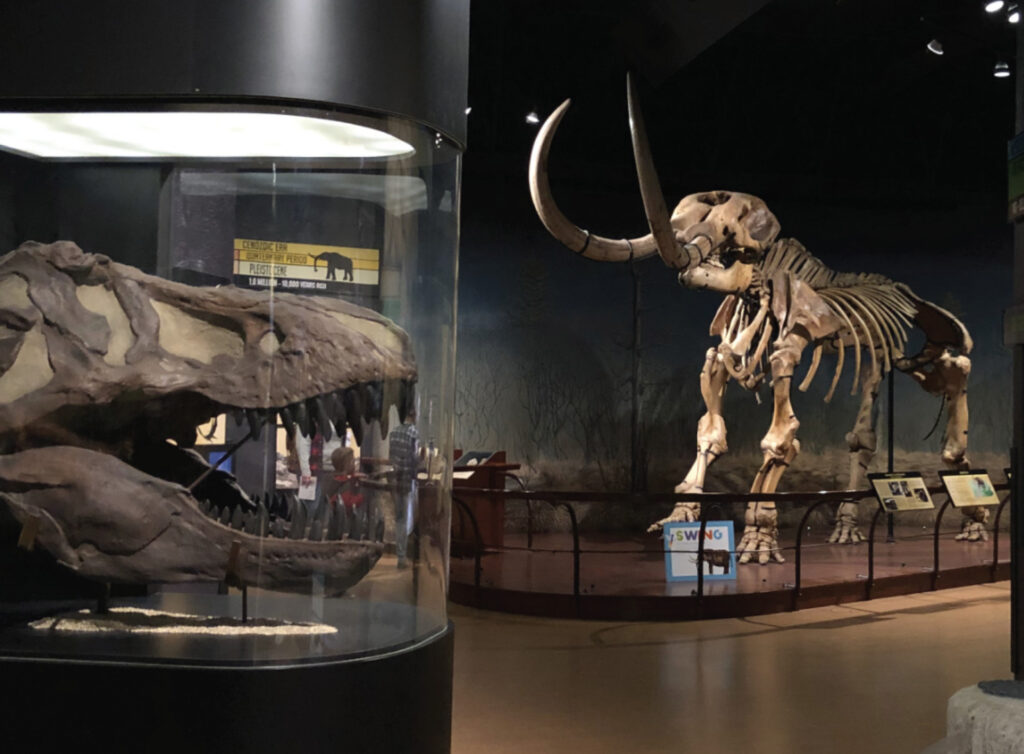
Exhibits at the State Museum


Authentic Way

Good history museums do many things well, but first, they deliver value and validation, said Docog. Value, as in presenting authentic and trusted information. Validation, as in telling community stories in conjunction with the communities that actually lived them.

“Museums can help equalize communities—not only people, but also the stories that are told,” she said. “Some of them are, as we know, not all positive stories, and so, we’re able to present it in the most authentic way.”

Docog is the daughter of a Filipino father and Mexican mother. The family moved around during her father’s 35-year career as a U.S. Navy dentist. The household spoke three languages, never drawing distinctions among cultures.

“We thought everybody was everything,” she said.

As the family moved, it also seemed normal to immerse in local culture through visits to museums, archeological sites and historic places.

But it took a nun at Seton Hill College (now University) to open Docog’s eyes to a career in history.

“You love museums so much,” the nun said. “Why don’t you work in one?”

“And I’m like, ‘You can work in one?’” Docog recalled. “We always saw people there, but I didn’t realize they got paid.”

With a bachelor’s degree in early American history and a master’s in museum studies, she pursued a career path through curating, community outreach, strategic planning, education and leadership. She has worked at the Polish Heritage Center in Panna Maria, Texas, the University of Texas at San Antonio’s Institute of Texan Cultures, Charlotte (N.C.) Museum of History and Hezekiah Alexander House, History Colorado and the Arizona Museum of Natural History.

The State Museum of Pennsylvania draws Docog back to her roots in the mid-Atlantic, where she spent youthful years living in Norfolk, Va., and visiting family on the East Coast. With the museum’s galleries devoted to Pennsylvania’s places, people and natural history, Docog now revels in telling the “wonderful cross-section” of Pennsylvania history.

“We’re able to tell the whole story, from the environment to the climatic changes to the people to the industry and transportation,” Docog said. “What we are telling is the American story here, and for me, that’s exciting. Very, very exciting.”

The State Museum is “tasked with telling the rich, complex history of the commonwealth from its very beginning to the present,” said Andrea Bakewell Lowery, executive director of the Pennsylvania Historical and Museum Commission.

PHMC’s current strategic plan includes revitalizing connections to once-overlooked communities. At the museum, it’s there in the “Place for All” permanent exhibit on racial integration and in dialogue infusing the perspectives of Native American nations into a revamped Anthropology and Archaeology Gallery.

Docog’s range of experience, Lowery said, “really ties into what we’re doing here.”


Learning Experience

The State Museum’s popular Mammal Hall presents stunningly detailed dioramas of Pennsylvania’s native creatures in their natural habitats, but on TheBurg’s visit, Docog was eager to show off an adjoining, and equally intriguing, exhibit on the hall’s 2018 restoration.

She marveled at the talents involved—taxidermist, diorama stager, muralist—in accurately posing the long-dead creatures, molding leaves, and creating snow that looks like actual snow. Her job is providing the resources that help staff “make the exhibits come alive.”

“It’s like making a movie, because you’ve got so many people behind the scenes creating this story for you,” she said.

The museum’s educational mission was the attraction for young Aaron and his family, visiting the museum on that summer Friday. Aaron’s grandmother, Lisa McManuels, of Swatara Township, paused in awe by a majestic mountain lion under plexiglass, poised to pounce on its dinner.

“He’s beautiful, but he’s dangerous,” McManuels said.

“You don’t realize how long they are,” Docog agreed. “And look at the paws!”

McManuels brought Aaron and her granddaughter, 14-year-old Aaliyh, to the museum for “a good learning experience, since school is out and they could get out and see some of the things that the museum has.”

“I just thought it was a good experience for them, especially since Aaron is into a lot of science,” said McManuels. “I thought that would be right up his alley.”

Besides, Aaron “had 50 million questions” at the planetarium, McManuels added with a laugh, and “I can only answer but so much.”

Where to find those 50 million answers? At the museum, said Docog. The multidisciplinary and multisensory aspects of natural history museums accommodate all learning styles, whether visual, auditory or tactile.

“For me, that is the ultimate good,” she said. “I see myself as an educator but in a non-traditional classroom.”

In the age of misinformation, disinformation and AI, Docog stakes her work on authenticity. Movies and series with a historical twist are in vogue, putting museums in competition with the networks and streaming services keeping us glued to “Bridgerton” and “Outlander.”

“They do history in a much more elaborate way but not always authentic,” said Docog. “That increases our responsibility to make sure that the information we deliver is authentic, is correct.”


A Lead Role

Big changes are coming this decade. Under the museum’s sweeping master plan, a free ground-floor exhibit will engage visitors in history without the barrier of admission fees. Exhibit renovations will incorporate more technology, with film, sound and immersive environments. An observation level in the now-vacant archives tower will provide a sweeping vista for exploring the history of urban planning.

Having Angelica step in right now as we’re poised to launch that really big initiative, it’s great to have fresh eyes and her depth of experience to help us shape that project,” said Lowery.

Museum galleries will be redeveloped “to push into new technologies and different ways of approaching material that visitors will find 21st century in their delivery,” she said.

Docog said that she will “continue to tell the stories” in an interactive, truthful fashion. Master taxidermist George Dante, animal restoration artist of the 2018 Mammal Hall rejuvenation, is expected to return for livestreamed touchups. Visitors to the annual “Art of the State” exhibit will be invited to contribute their stories. Planning has begun for collaborations celebrating—brace yourself—the nation’s 250th birthday in 2026.

For now, Docog is pursuing her Ph.D. and familiarizing herself with the Harrisburg area—riding the Pride of the Susquehanna riverboat, visiting Armstrong Valley Winery, exploring the culinary diversity and agricultural history of the Broad Street Market (pre-fire) with her visiting mother and niece.

In the 1950s and ‘60s, museums felt compelled “to play a lead role in sharing history,” said Lowery. Today, they are supporting players, offering assistance and guidance to communities and people seeking links to their pasts.

Docog once shook things up at the Institute of Texan Cultures, one of those “lead role,” circa-1960s museums. When she joined its staff, the institute paid tribute to the first 25 ethnic groups of Texas’ origin stories.

But where, Docog asked, were the people instrumental to Texas’ growth and culture in the 50 years since? There was pushback, she said, but engaging communities and people in telling fully integrated stories is what she does.

The State Museum gives Docog five stories of space to do the same for Pennsylvania.

“We’re helping to preserve stories and preserve the history of the state and really making people aware that it’s just not our responsibility,” she said. “It’s their responsibility, too.”

The State Museum of Pennsylvania is located at 300 North St., Harrisburg. For more information, visit www.statemuseumpa.org.

If you like what we do, please support our work. Become a Friend of TheBurg!   

Continue Reading

City Wild: In Harrisburg, nature meets human

Illustration by rich Hauck

As I kid, I lived right across the street from the fetid Passaic River, a meandering waterway outside New York turned into an industrial dumping ground.

From my house’s picture window, I could see the brown, murky water, complete with the remains of a barge that had caught fire decades before and was still slowly decomposing into the sticky mud. And, when the wind was blowing right, I sure could smell it.

A few old-timers told me how, when they were my age, they swam and caught fish in the river, but, by the late 1970s, those days were long gone. So too were the pheasants and hawks and waterfowl that they claimed had been abundant.

On my block, we had brown squirrels, brown sparrows and brown trees, and that was about it for wildlife.

Perhaps that’s why, in part, I appreciate this area so much. In this space, I’ve often written about the businesses, restaurants and people here, but, in my book, the wildlife also ranks highly—the stately great egret, the playful mallards, and the fluttery goldfinches, to name a few.

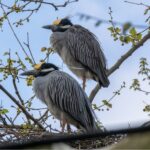
This year, we had a special treat on my block as a pair of yellow-crowned night herons moved into the neighborhood, a delight to everyone except, perhaps, those who unwisely parked beneath their nest.

To me, Harrisburg boasts a unique combination of urban density and natural wonder, giving the city a singular character for the humans who choose to settle here.

Recently, I came upon a book entitled, “Urban Jungle: The History and Future of Nature in the City.” In it, author Ben Wilson discusses how some animals have adapted to urban life, often quite successfully. These include foxes, falcons and raccoons, in addition to hardened city dwellers like pigeons, squirrels and crows.

All of these can be found here, but what makes Harrisburg unique is the presence of the mile-wide Susquehanna River. The river, its wetlands and nearby parks and natural areas add an abundance of diverse wildlife unrivaled by any city or suburb I’ve lived in before. Also, the river is highly accessible to walkers, runners, bikers, anyone—unlike in many cities where residents are cut off from their waterfronts by highways, railroads, industry and blight.

But, sure, the situation in Harrisburg is hardly perfect, and in his book, Wilson details how cities can further enrich urban life by better integrating the natural world, with the added benefit of helping to fight climate change.

In that spirit, I’m going to steal a few of his ideas and add one or two of my own as options for Harrisburg.

Increase tree canopy. According to the city forester, trees are vital for stormwater mitigation, air pollution removal and energy cost savings. But they also make cities more beautiful and livable, while providing stopovers, refuges and homes for many different types of wildlife. Unfortunately, if you take a walk around Harrisburg, you’ll readily see places where street trees should be, but aren’t—empty squares of dirt and weeds along a sidewalk. If one is in front of your house, please consider planting a tree. On its website, the city has a long list of acceptable street trees, and, if you can’t afford one, you may be able to get it for free.

Add wild grasses and flowers. Lawns are dead zones for most critters. However, native grasses and flowers are more likely to attract wildlife, both in abundance and diversity. They can also be less work overall, while allowing a gardener’s creativity to shine. As an old, densely built city, Harrisburg has many tiny backyards that offer terrific potential for small clusters of low-maintenance, complementary grasses, flowers and plants. I intend to heed my own advice. Decades ago, a previous homeowner slapped a big wooden deck over the entirety of my backyard, replacing, according to my neighbor, a lovely English-style garden. I plan to remove the now-rotting deck, place pavers under an overhang and add several planting areas.

Rethink roads. I’ve been accused of being obsessed with infrastructure, and, to that, I plead guilty. Harrisburg simply has too much asphalt for its needs, especially on state-owned roads. Forster Street, from the bridge to the Capitol Complex, could easily lose two lanes, with bump-outs, green spaces and rain gardens built in their stead. This would beautify the harsh streetscape while improving pedestrian safety. It also would help reduce vehicle speed and noise, a benefit to residents—both human and animal. Likewise, Front Street needs to have its speeds and noise reduced, and I’d also advocate cutting the rest of Front and 2nd streets down to two lanes, making them softer, safer and greener. And since I’m dreaming—let’s reimagine our downtown alleys as more than forlorn, empty asphalt strips. Many cities have transformed well-located, underused spaces into linear greenways, pocket parks and pleasant gathering areas.

When I was kid, I simply accepted my surroundings as they were: brown, ugly and smelly. In Harrisburg, I discovered something better—with hopes that it can be better, and greener, still.

Lawrance Binda is publisher/editor of TheBurg.


If you like what we do, please support our work. Become a Friend of TheBurg!   

Continue Reading

A Visionary Retires: Under Danette Blank, Vision Resources of Central PA expanded its services, reach

Danette Blank

For Danette Blank, “it was time.”

Blank, 65, of Linglestown, retired June 30 after serving 23 years as executive director of Vision Resources of Central Pennsylvania, a Harrisburg-based advocacy organization for the blind and visually impaired.

“I felt it was time for myself to retire and time for the agency to have new blood and ideas,” she said recently.

Blank started with the agency in 2000 while it was still known as Tri-County Association for the Blind and before the organization transferred to its current moniker eight years ago. Previous to that, she worked 17 years as a general manager for Manpower staffing in Dallas, Texas, and then in Harrisburg. She initially worked in social welfare for three years after earning a degree in that field at Kutztown University.

After elimination of her Manpower job, Blank said that she “wanted to go back to social services work and to find something where I could incorporate my business experience with social service.”

By all appearances, Vision Resources was her perfect occupational match.

“Danette took (Vision Resources) through hard financial times,” said Paul Zavinsky, the agency’s director of development and public relations. “She had a capital campaign and helped envision our current location. She built up the organization’s businesses and has been a champion for employing individuals with disabilities.”

Blank cited that, under her leadership, Vision Resources expanded its services to include a no-cost eye clinic offering free glasses, occupational therapy services and low-vision rehab. She also spearheaded a capital campaign that raised $2 million, permitting the agency to double its working space by moving operations from Kelker and 2nd streets in 2008 to a 36,000-square-foot location in South Harrisburg.

She also oversaw expansion of the agency’s business-to-business operation, which now boasts 100 employees. Of those, 70 live with disabilities that range beyond blindness or vision impairment.

Initially founded as a mail service offering PennDOT photo IDs, business services have grown to include custodial care, laser printing and full-service flooring. A production unit offers such services as warehousing and distribution, Braille transcription and audio recording services. The program also runs a children’s summer camp, but Blank said, “The largest number of people it helps are senior citizens.”

“Danette built up the organization’s businesses and has been a champion for employing individuals with disabilities,” Zavinsky said. “She led the agency into the digital age, including social media and amazing new technologies available to the blind and visually impaired.”

Vision Resources also runs a prevention program that provides eye screenings for youngsters in area daycares.

“We want to get them before they go to school and might have behavioral or learning problems from undiagnosed vision problems,” Blank said. “Sometimes, they were born that way and didn’t know that everything in the world wasn’t blurry.”

Zavinsky said that Blank cares about everyone who Vision Resources serves.

“Her goal is to help every action that each person in the sphere of Vision Resources is engaged in to be achievable, especially the organization’s mission of creating greater independence and empowerment for those that are blind and visually impaired,” he said.

It hasn’t all been easy, though. Blank said the most challenging part of her job involved securing agency funding and personnel issues sprouting from its business service employees.

“My job was to keep everyone happy,” she noted.

As a standalone, nonprofit agency, 3% of Vision Resources’ budget comprises state funding. About 85% of the agency’s revenue is self-generated through its business service operations, while remaining funds are generated through grants and donors.

Still, Blank loved her job.

“Every day was different,” she said. “I liked coming up with a new idea and developing it.”

In retirement, Blank said that she looks forward to seeking part-time work, working in the community, and spending more time with her husband of 30 years, as well as visiting her daughter, son-in-law and grandson in Florida.

“I will miss Danette’s passion for the agency that she helped develop and sustain,” Zavinsky said. “Next to her family, it has always been evident how meaningful and fulfilling her work with Vision Resources has been to her.”

Vision Resources of Central Pennsylvania is located at 1130 S. 19th St., Harrisburg. For information, visit www.vrocp.org or call 717-238-2531.

If you like what we do, please support our work. Become a Friend of TheBurg!  

Continue Reading

August News Digest

Officials Commit to Rebuilding Market

Local and state officials last month vowed that the Broad Street Market would be rebuilt following a destructive fire.
At a press conference after the fire, Harrisburg Mayor Wanda Williams and Pennsylvania Gov. Josh Shapiro, along with other local officials, pledged to support the market’s many vendors and restore the historic building.

“Overnight, the heart of our community was taken from us,” Williams said. “Today is not the end of the Broad Street Market. We will rebuild it.”

Subsequently, the city also announced that a temporary, enclosed market for displaced vendors would be set up on an empty lot directly across Verbeke Street until reconstruction of the building is finished.

At about 1 a.m. on July 10, the Harrisburg Fire Bureau responded to reports of smoke coming from the market’s brick building. Flames engulfed the building, causing severe damage to the roof and, specifically, the side of the building closest to N. 6th Street. The fire took several hours to contain, fire officials said.

According to Fire Bureau Chief Brian Enterline, the fire was caused by an electrical malfunction of a large ceiling fan, installed in 2017. The building did not have a sprinkler system.

According to Enterline, the building’s shell is salvageable and the historic architecture of the building can be maintained. Much of the interior portion of the building near the market courtyard is salvageable, as well, largely suffering smoke and water damage, fire officials stated.

The Broad Street Market is covered under Harrisburg’s insurance, city Business Administrator Dan Hartman told TheBurg. Vendors in the market are required to have their own insurance, as well.

Shapiro also vowed to assist the city in rebuilding the market, offering possible state grant or loan opportunities. The commonwealth is coordinating with the PA Emergency Management Agency (PEMA) and the Department of Agriculture to find ways to assist vendors displaced by the fire, he said.

“This market matters; it’s mattered for more than a century,” he said. “You’re going to see government at all levels now work together. We are all now going to come together and do what’s necessary to support the rebuild.”

While local officials are hopeful about the future of the Broad Street Market, they recognize that rebuilding won’t be a quick process.

“Make no mistake, this will take time and, of course, tears, but the end result will be worth it,” Williams said. “The Broad Street Market will be back and better than ever before.”


Harrisburg Approves Grant Deployment

After months of meetings and public hearings, Harrisburg has decided how to deploy millions of its federal COVID-relief dollars.

City Council voted last month to use $31.4 million of its American Rescue Plan Act (ARPA) funds for projects like renovating a city pool and supporting affordable housing development.

The vote caps a long decision-making process by Harrisburg to determine how to use its total $47 million allocation from the federal government as pandemic relief.

Council already voted in June 2022 to allocate $15.6 million to reimburse the city for lost revenue during the pandemic, for one-time bonuses to uniformed personnel in the Harrisburg Fire Bureau and Bureau of Police and to replace the HVAC system in the city’s Public Safety Building.

Last month, council voted to allocate the city’s remaining funds, $31.4 million, to replace revenue lost during the pandemic. The money will go into Harrisburg’s general fund. However, the money will be used by the city for specific programs and projects approved by council.

According to City Solicitor Neil Grover, using the money for revenue replacement eliminates some ARPA reporting requirements that would otherwise be mandated when awarding funds to sub-recipients, such as local nonprofits or businesses.

The biggest allocations within the spending plan for ARPA funds will support funding affordable housing projects and the renovation of Hall Manor pool, which is currently closed, each receiving an $8 million allocation.

City officials explained at previous meetings that the money for affordable housing can be disbursed to developers as matching funds. Developers would apply for the money and be approved by a board using a scoring rubric.

Other allocations within the ARPA plan include $5 million for home repairs for low-income and elderly residents, $1.5 million for creating an ADA-accessible playground and $1.5 million for blighted building demolition. Another $1 million will assist people with delinquent trash bills, $1 million will create a workforce development/internship program for youth, and $1 million will provide funds for residents’ emergency and transitional housing needs.

Additional, smaller allocations will support tree removal services for elderly residents, the purchase of radios for the Fire Bureau, and support for nonprofits that assist senior citizens.

Council also amended the plan to include $1 million to create a “Community Matters” grant program to support underserved communities, minority- and women-owned businesses and nonprofits that assist underserved communities. Another $500,000 will create “community connection hubs” at locations in the city to assist with workforce development. An additional $1.2 million will pay for the city’s administration of the funds.


School Budget Approved; William Penn to Be Razed

At its last meeting of the academic year, the Harrisburg School District took action on two significant agenda items—the district’s budget and the future of one of its most storied buildings.

During the late June meeting, District Receiver Dr. Lori Suski approved the demolition of the long vacant and blighted William Penn School building, citing the financial burden that it has caused the district.

“We have gone through extensive dialogue about this property,” Suski said. “The building was improperly shuttered years ago, and I agree with the residents that it’s a travesty. But we need to look at how best to use our resources.”

Suski approved a $6.8 million proposal from the Gordian Group to demolish the building, built in 1926.

According to district officials at a previous board meeting, William Penn has increasingly suffered structural damage, fires and break-ins. Over the years, the school district weighed options such as selling the building and renovating it for use as a magnet middle school. However, Suski explained that the district wasn’t interested in any sales offers it got and received quotes estimating renovations could be as high as $90 million.

Several William Penn graduates and community members attended the meeting to express frustration with the plan to demolish the building.

“I’m upset that they allowed the building to deteriorate,” said Elle Richard, of the William Penn class of 1966. “It shouldn’t have gone this far. It’s sad because it seemed so much like home.”

Some school board members expressed support for the decision to demolish the building, agreeing with district officials that maintaining the building had become too costly.

“It does hurt that this decision had to be made,” said school board director Danielle Robinson. “We’ve done everything to try to figure out how to save this building but, realistically, it just can’t be done.”

The school district will likely begin demolition in August or September, which would take around a year to complete, said John Reedy, chief of operations for the district.

According to Superintendent Eric Turman, the district plans to host community meetings in the fall to hear input from residents on how they’d like to see the property used after William Penn is demolished.

At the meeting, Suski also approved the final 2023-24 budget of $218.5 million, which does not include a property tax increase. Taxes will remain at a millage rate of 30.78.

In an earlier form of the preliminary budget, the district proposed raising taxes by 3.25%. However, officials removed the tax hike from the proposal at a previous meeting.


FNB Field Set for Upgrades

FNB Field, home to the Harrisburg Senators, will undergo upgrades as Harrisburg has agreed to fund a number of improvements.

City Council last month voted to affirm Harrisburg’s commitment to fund Major League Baseball-required upgrades to the city-owned field on City Island.

Harrisburg will support improved stadium lighting, better practice and training facilities and improved clubhouse areas for both home and visiting teams. Renovations will also include expanding locker room areas due to the growing number of female coaches and umpires in professional baseball.

“With Major and Minor League Baseball recognizing the need to update facility standards to improve conditions for minor league players as part of their new collective bargaining agreement, the city of Harrisburg, as the owner of FNB Field, is proud to partner with the Harrisburg Senators to keep the Eastern League’s second oldest franchise in the city of Harrisburg,” said Dan Hartman, city business administrator.

In November 2022, the city was awarded a $6 million Redevelopment Assistance Capital Program (RACP) grant from the commonwealth, which will help fund the over $11 million project. The Senators will pay for the remainder of the project’s cost, according to the city.

City and Senators officials expect construction to be completed in time for the start of the 2025 season.

“We are thrilled that the city of Harrisburg has formally decided to fund the improvements necessary to bring FNB Field in-line with the new Major League Baseball facility requirements,” said Harrisburg Senators President Kevin Kulp.


Tight Rental Market in Harrisburg Area

The Harrisburg area is the tightest market nationwide for residential rentals, says a new study.

RentCafé, a national apartment search website, stated last month that 96.2% of apartments in the seven-county, south-central PA region are occupied.

“Apartment seekers in Harrisburg face significant challenges in finding vacant places, as only about 4% of rentals are available,” according to the report.

By “Harrisburg,” the company means the entire region that comprises Adams, Cumberland, Dauphin, Lancaster, Lebanon, Perry and York counties.

The tight market makes “apartment hunting feel like looking for a needle in a haystack,” according to RentCafé.

The report states that a prospective renter needs to compete with 13 other hopefuls to secure a lease in the Harrisburg area—four times more than the national average.

For its analysis, RentCafé compiled data from 137 rental markets in the United States of multi-family properties of at least 50 units.

The Harrisburg area had a “competitive score” of 123, which actually was higher than all markets—large and small—in the nation. The Miami-Dade, Fla., market, which ranked first among large national markets, had a “competitive score” of 120.

In its report, RentCafé also states that the Harrisburg region’s rental market is twice as tight as that in Philadelphia.

For small markets, the Harrisburg area was followed by Fayetteville, Ark., and Providence, R.I., in RentCafé’s analysis.

According to the company, not only is demand strong, but there’s been a lack of new construction, exacerbating the situation. According to RentCafé’s statistics, the area has added “zero” net new apartment units recently.

“Besides the cost of living and the convenience of renting here (just about everything you need is within 20 minutes by car), people calling Harrisburg home are also close to major metros like PhiladelphiaPittsburghBaltimoreNew York City and Washington, D.C.,” the report states.


Bridge Toll Plan Dropped

The proposal was all but dead, but now word is official—the South Bridge will not be tolled.

In a project update released last month, the Pennsylvania Department of Transportation affirmed that it has dropped a widely criticized plan to toll the bridge to help pay for its replacement.

“The bridge will not be tolled and is no longer included in the Major Bridge Public-Private Partnership (MBP3),” according to a PennDOT statement. “The project will be moving forward with non-tolling funding sources and to expedite this critical project, the department continues to seek federal discretionary funding so the project can be delivered earlier.”

PennDOT said that the 62-year-old bridge, which carries I-83 traffic over the Susquehanna River at Harrisburg, is near the end of its lifespan. Its replacement is estimated to cost $850 million to $1 billion.

The agency hopes to begin the project in 2025.

In the meantime, PennDOT said that it is resuming environmental studies for the project to address the requirements of the National Environmental Policy Act (NEPA). An environmental analysis is a detailed study of how a project would affect the surrounding community’s quality of life, including health, safety, cultural resources, natural resources, etc.

In February 2021, PennDOT released a plan to toll the bridge, but that proposal was met with widespread opposition from many Harrisburg and area officials. Last year, the state lost a lawsuit filed by several western PA towns opposing the PA Major Bridge P3 Program, further denting PennDOT’s tolling plan.

Last month, PennDOT said that it made the decision not to toll the bridge due to possible traffic impacts on surrounding communities, as some drivers would seek alternative routes to avoid paying the toll.

“Since the bridge will not be tolled, toll-driven diversion of traffic onto local roads will not occur,” PennDOT stated in its release. “Therefore, proposed improvements identified along the diversion routes will no longer be included in the project.”


Court Approves Property Sale

A local developer is one step closer to purchasing a Harrisburg lot on which to construct a proposed affordable housing project.

Last month, Dauphin County Court of Common Pleas Judge John Cherry approved the Harrisburg School District’s sale of its vacant lot at 1001 N. 18th St. to Harrisburg-based Fernandez Realty Group.

In February, district Receiver Dr. Lori Suski approved the sale of the lot that previously housed Woodward Elementary School to the developer, who has proposed building a four-story affordable apartment building.

However, the district was required to get court approval for the $240,000 sale. According to state law, when a public school’s property is sold privately, instead of through public auction, it must receive court approval.

With court approval, the district and Fernandez Realty Group may move forward with the sale.

“Woodward Lofts” still must go through the city’s land development process. If the project is approved, Fernandez plans to construct a 48-unit apartment building for senior citizens. The building would also house a community room, daycare, food and clothing banks, and possibly a pharmacy or clinic. The plan includes 37 off-street parking spots.


So Noted

Appalachian Brewing Co. announced last month an expansion into Carlisle, partnering with the Carlisle Barracks to open Appalachian Brewing Company at 1757 Grille. The brewpub will operate just outside the barracks gates on Jim Thorpe Road, with a view of the golf course.

Camp Curtin YMCA has cut the ribbon on four new affordable townhomes at Woodbine and Jefferson streets, near its facility in Uptown Harrisburg.  Each 2,000-square-foot home cost homeowners $150,000 and includes four bedrooms, three baths and off-street parking.

Capital Area School for the Arts has had its charter renewed for another five-year period by the Harrisburg School District. CASA, an arts-intensive public high school located downtown in Strawberry Square, received its first charter approval in 2013, which was renewed in 2018.

Catherine Hershey School for Early Learning last month “topped off” its new building in Harrisburg by placing the last steel beam on the nearly 47,000-square-foot structure at N. 6th and Muench streets. CHS Harrisburg is slated to open next year, serving children under 5 years old from under-resourced backgrounds at no cost to families.

David J. Fitzpatrick last month was named the new artistic director of the Wheatland Chorale, a Lancaster-based choral ensemble. In addition, he is the artistic director of the Montgomery County Chorale and Orchestra in Fort Washington, according to the Wheatland Chorale.

John Anthony has been named the Downtown Mechanicsburg Partnership’s “2023 Person of the Year.” The award is given annually to a borough resident or businessperson in recognition of an overall record of service to the community and its civic and volunteer organizations.

Open Studios debuted last month as affordable studio space for creators, with rents starting at $350 per month. Twelve studios and two private offices are available at 1070 S. Cameron St., Harrisburg, above the Urban Churn facility. For more information, visit www.openstudioshbg.com.

Sarah Oatney-Weiler last month was named the new Head of Early Childhood and Lower School at Harrisburg Academy. She previously served as the Head of School of a bilingual school in Sao Paulo, Brazil, and has worked across three continents over a 20-plus year career in education.

Stretch30 is a new addition to Lemoyne’s Burn30 that offers assisted stretching services. Stretch coach Elijah Fregm helps clients improve flexibility, range of motion and overall fitness in 15- and 30-minute sessions. For more information, visit www.burn30.net/stetch30.

Stuart Malina last month agreed to a three-year contract extension as music director and conductor with the Harrisburg Symphony Orchestra. His new contract will take him through the 2025-26 season, which will be his 26th year as the orchestra’s artistic leader.

The Content Creator’s Collective has opened in downtown Mechanicsburg at 1 E. Main St. Owner Shannon Claire created the collective as a space for digital content creation, as well as for workshops, small events and pop-up shops. For more information, visit www.theShannonClaire.com/studio.

WITF and Steinman Communications last month completed a transaction that gifts LNP/Lancaster Online to WITF, central PA’s public media organization. As a result, LNP has been converted to a Pennsylvania Benefit Corporation and is now a WITF subsidiary, according to the organizations. With seed funding from the Steinman Foundation, WITF also established the Steinman Institute for Civic Engagement to support local journalism, education and community engagement.


Changing Hands

Adrian St., 2429: D. Boyle to E. Alvarado, $50,000

Apricot St., 1709: M. Baltozer to R. Hand, $40,000

Benton St., 711: A. Curillo to M. Lugo, $55,000

Berryhill St., 1212: Parcview 135 Corp. to DC Blessings Company, $63,500

Berryhill St., 2154: J. & M. Ranck to Builders Property Management & Marketing Group LLC, $90,000

Berryhill St., 2160: J. & M. Ranck to Builders Property Management & Marketing Group LLC, $53,000

Berryhill St., 2244: Ranck Investments LLC to Builders Property Management & Marketing Group LLC, $90,000

Bigelow Dr., 39: J. Mayweather to S. & S. Delp, $112,000

Boas St., 1842: J. VanHook to Penn Properties Associates LLC, $53,500

Briggs St., 268: G. Kehler & L. Mills to Alex Manning Enterprises LLC, $342,000

Briggs St., 1610: L. Collado to L. Ledesma, $40,000

Briggs St., 1813: K. Kassmel to Penn Properties Associates LLC, $62,000

Briggs St., 1909: SPG Capital LLC to Coopers Hawk LLC, $60,000

Briggs St., 1927: B. Hernandez to Y. Martinus, $65,000

Calder St., 212: S. Lindsey to N. Reigner, $186,100

Calder St., 1419: R&T Clark LLC to Penn Properties Associates LLC, $50,000

Camp St., 649: B. Debeljak to J. Rivera, $75,000

Chestnut St., 2031: N. & C. Hamani to S. Castro, $120,000

Curtin St., 523: SR Homes LLC to T. Bedon, $62,000

Derry St., 1230: C. Ramirez & A. Johnson to M. Rodriguez, $79,000

Derry St., 1515: Program for Female Offenders to 2020 Real Estate Ventures LLC, $175,000

Derry St., 2145: Stone Hedge Holdings LLC to R&K Realty Group LP, $64,500

Derry St., 2459: B. Ortega to B. Olaleye, $120,000

Edward St., 201: M. Spizzirri to A. Carrick & A. Labella, $165,000

Green St., 1409: Aljo Properties LLC to Y. Kwon, $173,000

Green St., 1413: Pine Asset Management LLC to Aljo Properties LLC, $125,000

Green St., 2951, 2955: E. Payne to D. Mouzon, $375,000

Hamilton St., 430: T. & L. Sneidman to S. Malhotra, $170,000

Herr St., 1621: SPG Capital LLC to AJ Real Estate Properties LLC, $82,000

Holly St., 1841: Tassia Corp. to D. Boyle, $75,000

Hudson St., 1135: EBM Real Estate Holdings LLC to G. & C. Ulrich, $182,000

Jefferson St., 2615: C. Geary to A. Palenfo, $80,000

Kensington St., 2357: J. & M. Ranck to Builders Property Management & Marketing Group LLC, $90,000

Kensington St., 2436: C. Zapata to Y. Vargas, $132,000

Lexington St., 2626: E. Easton to A. Tinoco & D. Walters, $90,000

Liberty St., 1349, 1351 & 2464 Reel St.: C&T Button Properties LLC to Williams & Williams Properties LLC, $260,000

Liberty St., 1428: Dima Properties LLC to E. Milanes, $80,000

Logan St., 2231: C&T Button Properties LLC to D. Boyle, $55,000

Maclay St., 425: D. Perez to A&W Homes LLC, $114,990

Market St., 1220: Colston Neighborhood Development LLC to Upscale Properties LLC, $75,000

Market St., 1226: Colston Neighborhood Development LLC to Upscale Properties LLC, $75,000

Market St., 1228: Colston Neighborhood Development LLC to Upscale Properties LLC, $75,000

Market St., 1853: S. Miranda to AZ Penn Group LLC, $120,000

Market St., 2006: Willow Mill Realty Holdings LLC to G. Diaz, $203,000

Melrose St., 725, 736, 740, 742, 1029 1031 1037, 1039, 1041, 1047 and 1044 S. 23rd St.: W. Hocker to HL Bowman Building II LLC, $787,779

Muench St., 273: S. Eicher to K. & G. Shay, $205,000

Naudain St., 1512: Golden Brick Road LLC to A. Diaz, $175,000

N. 2nd St., 1509: R. & T. Joseph to Bridgeforth & McGuire Investments LLC, $260,000

N. 2nd St., 2425: A. Waltz to TD Dwellings LLC, $232,000

N. 3rd St., 1808: T. Findon to R. Caretti, $200,000

N. 3rd St., 2112 & 2109 Susquehanna St.: Heinly Homes LLC to El Gamwo LLC, $110,000

N. 4th St., 2434: L. & C. Lautsbaugh to H. Qin, $95,000

N. 4th St., 3005: A. Cruz to Z&E Holdings LLC, $223,000

N. 5th St., 2536: D. Boyle to R. Duarte & M. Rivera, $67,000

N. 6th St., 1725: R. White to R. Stoughton, $176,000

N. 6th St., 2200: D&F Realty Holdings LP to Kian & Lian Houses & Apartments LLC, $150,000

N. 6th St., 2334: First Choice Home Buyers LLC to Dreams2Reality Services LLC, $58,000

N. 6th St., 3221: T. Blount to F. Ashenafi, $95,000

N. 12th St., 60: Arich Star LLC to A. Bouhach, $54,000

N. 15th St., 519: Great Row LLC to NA Property Holdings LLC, $64,000

N. 15th St., 1307: B. Shepard & N. Cook to L. Smith, $101,500

N. 15th St., 1435: N. & V. Gutkovskiy to M. Brown, $115,000

N. 16th St., 28: J. Goodman to Rivas Property Investments LLC, $55,000

N. 16th St., 802: Greenlove Realty LLC to BA Fresh Start LLC, $50,500

N. 16th St., 1122: L. Sampson to A. Moore, $123,000

N. 18th St., 21: S. Ledesma to J. Garcia & E. Peralta, $40,000

N. Front St., 1323: DMI55 Enterprises LLC to LGBT Community Center Coalition of Central PA, $255,000

N. Front St., 2843: Accession Holdings LLC to Kachin International LLC, $340,000

Peffer St., 228: B. Matuszny to J. Tedorski, $249,900

Peffer St., 427: L. Blanton to G. McCoy, $225,000

Penn St., 2117: Sound Community Solutions to Equitable Rentals LLC, $70,000

Penn St., 2121: Akadi Trucking LLC to KDM Capital LLC, $101,000

Penn St., 2128: J. Espaillat to B. Carr, $120,000

Penn St., 2133: Lancaster Real Estate Fund LLC to Tal Flan Real Estate LLC, $76,001

Pennwood Rd., 3128: F. Mills & J. Glover to S. McDonald, $145,000

Race St., 548: Panda Real Estate LLC to Ladaff Enterprises LLC, $177,000

Regina St., 1706: Integrity First Home Buyers LLC to 1706 Regina St Harrisburg LLC, $40,000

Regina St., 1708: S. Flores to AZ Penn Group LLC, $100,000

Regina St., 1721: D. Airhart to E. Ashenafi, $107,000

Schuylkill St., 544: Ideal Associates LLC to Y. Rahman, $45,000

South St., 107: K. Arnold to C. Meyer, $165,000

S. 12th St., 1319: G. Ruiz to M. Garcia, $45,000

S. 13th St., 320: W. Paredes & I. Gelvez to A. Alfonso, $40,000

S. 14th St., 114: A. Lopez & S. Garcia to Penn Properties Associates LLC, $55,000

S. 15th St., 216: M. Nichols to AJ Real Estate Properties LLC, $75,000

S. 18th St., 1235: M. Quinn to Glanzair Properties LLC, $106,500

S. 19th St., 227: J. Pierre to Penn Properties Associates LLC, $56,900

S. 25th St., 614: T. Tran to M. Kenz, $45,000

S. 27th St., 653: T Wy Enterprise LLC to M. Arias & B. De Abreu, $112,500

S. Cameron St., 1605: G. Martin to I. Claytor, $60,000

S. Front St., 803: T. Edwards to Laurenn Reiss LLC, $196,100

State St., 1925: AJ Real Estate Properties LLC to S. Jobarteh & K. Suso, $240,000

Swatara St., 1224: O. Kagiri to Falcao Group Consulting & Service Corp. Inc., $65,000

Thompson St., 1621: Keystone Properties Solutions to Balaci Properties LLC, $92,000

Verbeke St., 124: Kyzer Rentals LLC to M. Dagostino, $138,000

Vernon St., 1343: J. & C. Glick to SU Hogar LLC, $79,200

Vernon St., 1555: R. Scott to J. Everett, $45,000

Walnut St., 1614: J. Berrios to J. West, $80,000

William St., 1423: Stoute Housing Inc. to B. Lewis, $175,000

Wiconisco St., 420: R. Andrews to Sky Resort Investments LLC, $165,000

Woodbine St., 320: J. & J. Mangan to J. Pronio, $166,500


Harrisburg property sales, June 2023, greater than $40,000. Source: Dauphin County. Data is assumed to be accurate.

If you like what we do, please support our work. Become a Friend of TheBurg!  

Continue Reading

Blooming Business: The Meadow opens in Harrisburg with a bouquet of local vendors on display

Around six years ago, Kenzie Brinkman set up as a vendor at one of her first artist markets, the HBG Flea.

She stayed up until 3 a.m. the night before, prepping her pressed flower pieces and making a display to hang her art on. Brinkman, a Harrisburg resident, was excited, but also nervous. She had faced tough times and rejection on her journey to this day.

But the flea couldn’t have gone any better. The community showed up and bought almost all of her pieces—colorful flowers pressed in frames and hung from pieces of driftwood.

“It just skyrocketed my business,” she said. “The community support and reception was insane.”

A while before the flea, Brinkman left her job at Starbucks to start her business, The Wildest Flowers, originally selling pressed flower phone cases on Etsy. Since then, with a few bumps along the way, her business has only grown as she expanded to creating home décor pieces and preserving and pressing wedding bouquets.

In July, that growth accelerated further as Brinkman, with her partner Cody Imes, opened a storefront, The Meadow, in Midtown Harrisburg.

“We really just want to give back to Harrisburg because we love it so much,” Brinkman said.


Local Love

The Meadow opened just down the street from the Broad Street Market on N. 3rd Street in the location of a former laundromat. The shop brings to the neighborhood something that Brinkman views as sorely needed in the city—retail.

Inside, you’ll find pieces from The Wildest Flowers, but also art, clothing, home items, candles, funky fanny packs, embroidered hats and handmade jewelry, among many other unique items. About 20 local vendors sell their wares at The Meadow, making it a one-stop-shop for one-of-a-kind finds.

“You need that opportunity to find success,” Brinkman said. “And if we can give that to people and give them that space to have that opportunity, or give them the confidence to expand, that’s a dream come true.”

The Meadow only sells quality handmade or handpicked items at fair and affordable prices—something that’s important to Brinkman. She loves the idea of people coming to the store and discovering a new artist or small business to support in the future.

“I wanted it to be a space where people could find anything and everything,” she said. “And I want to make it easier for the community to support local.”

And Brinkman and Imes may not be the only ones to greet you when you come to the store. Their puppy, and now shop dog, Hermione, will likely welcome you with a wagging tail.

Pressed Success

A rose isn’t without its thorns, and the journey leading up to opening The Meadow wasn’t easy for Brinkman.

She recalled the early days of making pressed flower phone cases when a woman made a nasty comment online about her art. The negative remark caused her to take down her Etsy shop and begin working again in the food service industry. But she again regained her confidence and, shortly after, participated in that first HBG Flea.

The pandemic was another trying time for the business, as Brinkman not only lost sales, but, while driving, was hit by a drunken driver, breaking her dominant arm and temporarily costing her the ability to make art.

However, through all of the challenges, Brinkman maintained her passion for pressing flowers, an art she’s practiced since she learned as a kid from her mom.

“To think that all of that led here, if you had told me that back then, I would’ve been like, ‘OK, crazy,’” she said.

Imes has been by her side through the years and, several months ago, left his job to work with Brinkman. Trading his desk job for an artsy one, he has been able to reignite his creative side as he cuts glass, presses flowers and helps run the business. With the career switch, he feels like he can “breathe” again.

The couple has found that they make pretty good business partners, as well.

“We’ve been through a lot of hard times together,” Imes said. “I’ve always tried to reinforce her beliefs and keep her going. I wanted to see her get to this point.”

While The Meadow has only been open for weeks, Brinkman already has hopes to expand, adding more business vendors to the shop and finding additional ways to promote her community.

“We just want to showcase as many people as possible and just fill this space with beauty,” she said.


The Meadow is located at 1126 N. 3rd St., Harrisburg. For more information, find the business on Instagram @the.meadow.hbg or visit www.thewildestflowers.com.  


If you like what we do, please support our work. Become a Friend of TheBurg!  
Continue Reading

August Publisher’s Note

The calls and texts began arriving before 3 a.m.

Who could that be, I wondered, as my phone lit up in the middle of the night.

An early-morning call is almost never good news, and this one certainly wasn’t—the Broad Street Market was on fire.

A friend who lives near the market began texting me pictures, and, well, I’m sure you remember how the scene looked: sheer devastation. I believe that our cover image this month captures well the profound destruction and sense of sorrow.

It was the beginning of a very long and emotional day for Harrisburg. At TheBurg, we wrote several stories, interviewed vendors and residents, spoke with city, state officials. I received more texts, emails, phone calls—people shocked, distressed.

The Broad Street Market holds a special place in the hearts of Harrisburg, this I’ve long known. However, sometimes it takes tragedy for people to truly feel that emotion and express it.

They expressed it intensely and at length. On social media, they shared stories and memories of the market; they voiced sympathy for their favorite vendors; they detailed their pain, their grief.

If there’s a more beloved city institution, I don’t know what it is. Fortunately, as that first day wore on, the news got better. The city seemed eager to quickly rebuild; the state pledged its support.

To me, one interesting aspect was that, since the pandemic—let’s face it—the market has been in something of a funk. Foot traffic has been down, and some vendors have left recently.

So, I deeply hope that, in the end, this catastrophe proves to be a blessing: that the re-construction modernizes a building desperately in need of repair and updates; that officials better appreciate this remarkable city gem; and that the community continues to rally around the market with their love, their patronage and their money.

Let’s take this opportunity to turn disaster to fortune, to reinvigorate our allegiance to our beloved Broad Street Market.

If you would like to donate to the market and its vendors, please visit www.broadstreetmarket.org.

Lawrance Binda
Publisher/Editor

Click here to read the digital version of our August issue.

If you like what we do, please support our work. Become a Friend of TheBurg!  
Continue Reading