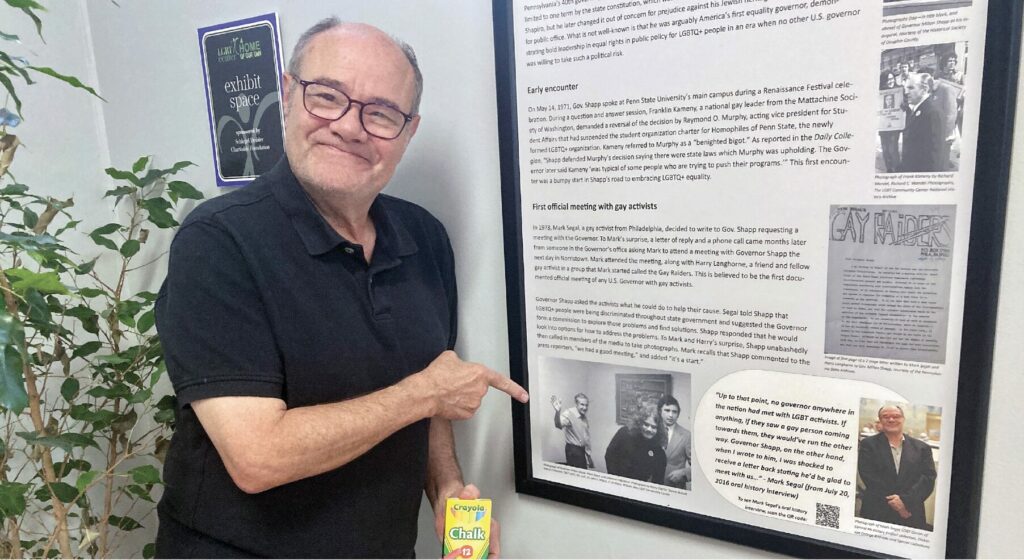
Mark Segal
Fifty-five years ago, a teenage Mark Segal used a piece of chalk to rally people for what would, in retrospect, become a watershed moment in LGBTQ+ history.
“Tomorrow night: Stonewall,” Segal scrawled on walls and sidewalks in the wake of a police raid at the Stonewall Inn in New York’s Greenwich Village.
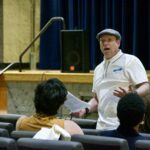
Historical moments like that don’t always seem so important while you’re living in them, Segal said, at a recent visit to the Harrisburg-based LGBT Center of Central PA’s new home.
Indeed, he said, LGBTQ+ activism is as essential today as it was in 1969, as school boards across central Pennsylvania ban books and pass new restrictions targeting young people. Meanwhile, an effort to pass statewide nondiscrimination protections for LGBTQ+ people has stalled in the state Senate.
“My whole life has been about one word: visibility,” said Segal, who founded the Philadelphia Gay News in 1976. “So, you go to those meetings. You stand up and you talk. You get your friends and family to go with you. You become a majority, rather than a minority.”
When he was growing up, Segal said, gay people were largely absent from public life. In public libraries, for example, a young man like himself could find a few books about LGBTQ+ people—categorized under criminology and psychology. In the media, there were coded stereotypes, but no honest representations.
“I was told I was illegal. I was immoral. I was psychologically insane,” he said. “Somehow, luckily—and probably thanks to my family—I don’t think I ever felt that way.”
Back then, Segal said, “We were totally invisible.”
Segal interrupted the CBS Evening News, hosted by Walter Cronkite, in 1973 with a message: “Gays protest CBS prejudice!” The move was designed to note the lack of balanced news coverage of LGBTQ+ people.
Such activism risked real consequences—including criminal trespassing charges—but helped change hearts and minds. Segal said Cronkite eventually became a supporter of gay rights.
Community & Connection
Partly due to Segal’s efforts, LGBTQ+ rights have come a long way since then. Same-sex marriages are now recognized nationwide, and LGBTQ+ people are now visible in most areas of public life. A young person doesn’t necessarily have to flee to New York to be themselves, as Segal did.
Today, school boards and state legislatures nationwide are passing policy restrictions on athletics, bathrooms and even pronoun usage in schools. According to the American Civil Liberties Union, at least 530 anti-LGBTQ+ bills have been introduced nationwide in the last legislative session, including five in Pennsylvania.
For good reason, he said, many ordinary people are wary of becoming the public face of civil rights activism. But that relative lack of visibility cuts both ways. The more visible a minority becomes, the more difficult it becomes to silence them.
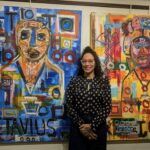
Segal himself was a key player behind the scenes of the LGBT Center’s latest historical exhibit recognizing Gov. Milton Shapp as “America’s First Equality Governor.” Shapp was the first U.S. governor to prohibit discrimination against LGBTQ+ state employees, protections he later expanded to include companies with state contracts. In 1976, Shapp also issued a Gay Pride Week proclamation.
During his remarks at the exhibit’s opening, Segal said that Shapp noted his own status as a political outsider. Shapp, Pennsylvania’s first Jewish governor, shortened his last name from Shapiro to sidestep anti-Semitic discrimination.
At one point, Shapp told Segal: “I, too, am in the closet.”
That anecdote underscores another lesson for today’s LGBTQ+ activists: The importance of allies. Shapp wasn’t gay, but he could relate to oppression and that motivated him to stand up for social justice.
“Our allies are extremely important,” Segal said, “so put them to work!”
Further, Segal said it’s important for LGBTQ+ people to organize, even if it’s sometimes a messy process with so many different perspectives on their world and their place in it.
“Gay Liberation Front was probably the most dysfunctional organization that ever existed — and I’m so proud of that,” he said, of the early gay rights group he helped establish. “Out of that dysfunction came a movement that got us to where we are today.”
Segal said that organizations like the LGBT Center are essential to continuing that legacy, providing a place for LGBTQ+ people to gather without discrimination.
In addition to historical exhibits like “America’s First Equality Governor,” the center—which moved into its new home on Front Street in Harrisburg earlier this year—hosts a variety of community, mental health and even housing programs.
As a nonprofit, the center does not engage in political activity but earlier this year hosted an event, “Vote ‘n’ Vax,” that combined a nonpartisan voter registration drive with an MPOX vaccination clinic.
“Having a safe and affirming space where you know you will be welcomed for who you are and met with kindness and support is invaluable,” Executive Director Amber Roadcap said, of the center’s work moving forward. “The LGBTQIA community needs to know that there is a place to go for not just support and resources but to build community and connection.”
The LGBT Center of Central PA is located at 1323 N. Front St., Harrisburg. For more information, to donate or to volunteer, visit its website.
Wallace McKelvey serves on the LGBT Center’s board.
Fun & FAB
In addition to the first exhibit in its new Front Street home, the LGBT Center of Central PA has several other activities planned this fall.
On the first Saturday of each month at 11 a.m., the center will also host a family-friendly storytime, “Once Upon a Rainbow.” Families with kids of all ages are welcome to attend the event free of charge with snacks provided.
Then, on Nov. 2, the LGBT Center will hold its annual FAB Gala at the Hilton Harrisburg. This year’s theme is “Fabulous Fantasies and Fairytales,” with the event raising funds for the center’s community programming.
FAB festivities will begin with a welcome reception at 6 p.m. followed by the 7 p.m. gala. An after-party is planned at the new event venue, Karma, 706 N. 3rd St., Harrisburg, starting at 10 p.m.
If you like what we do, please support our work. Become a Friend of TheBurg!


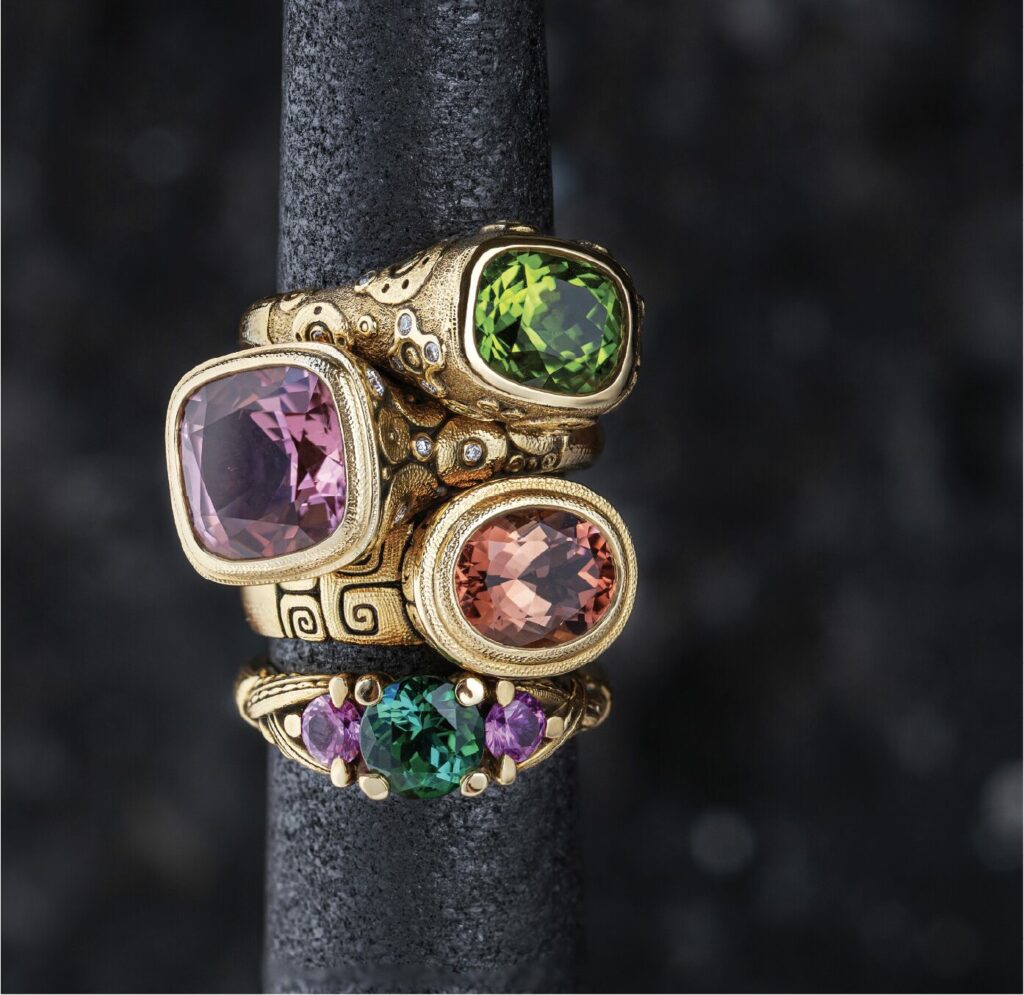





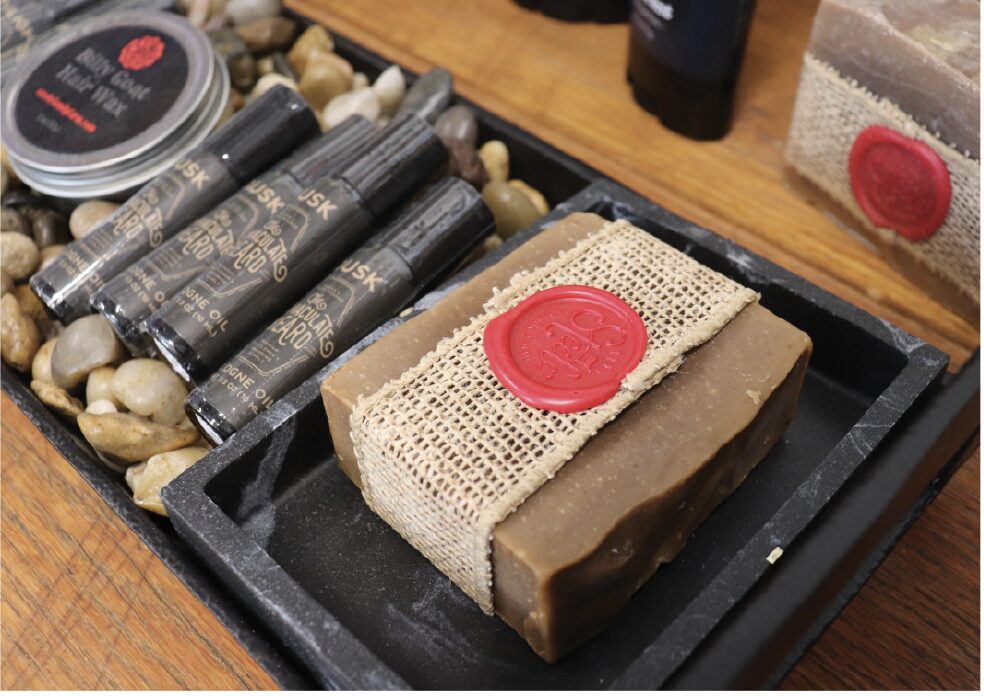
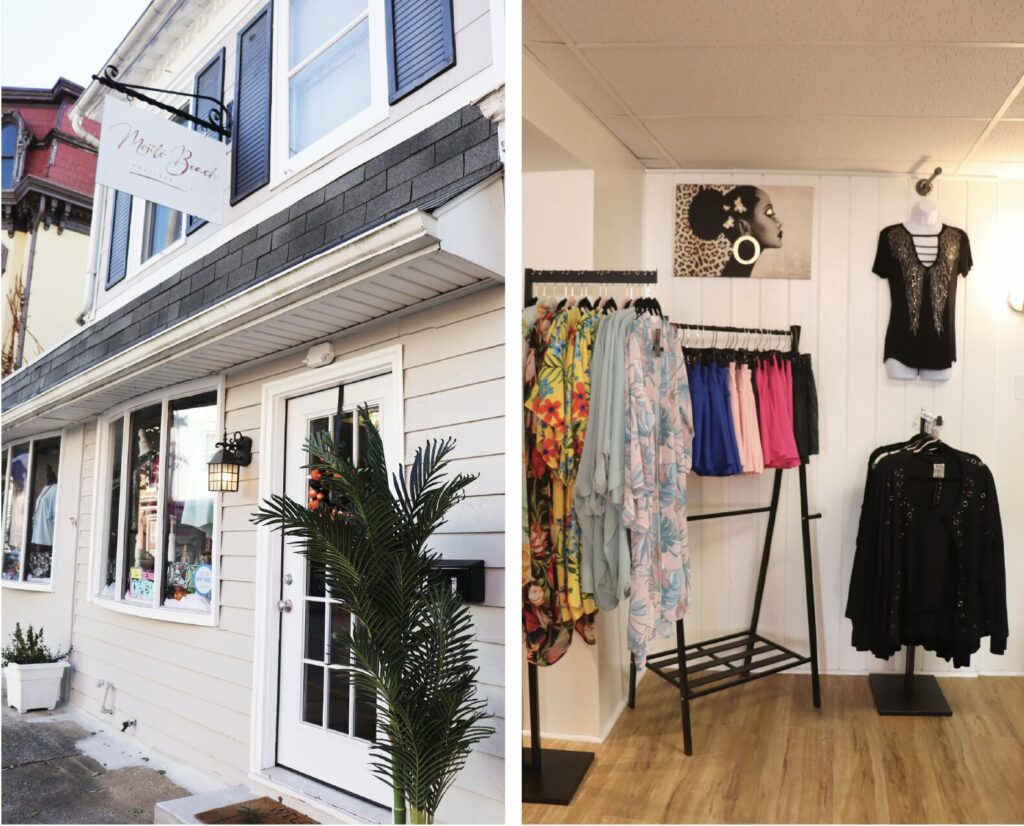
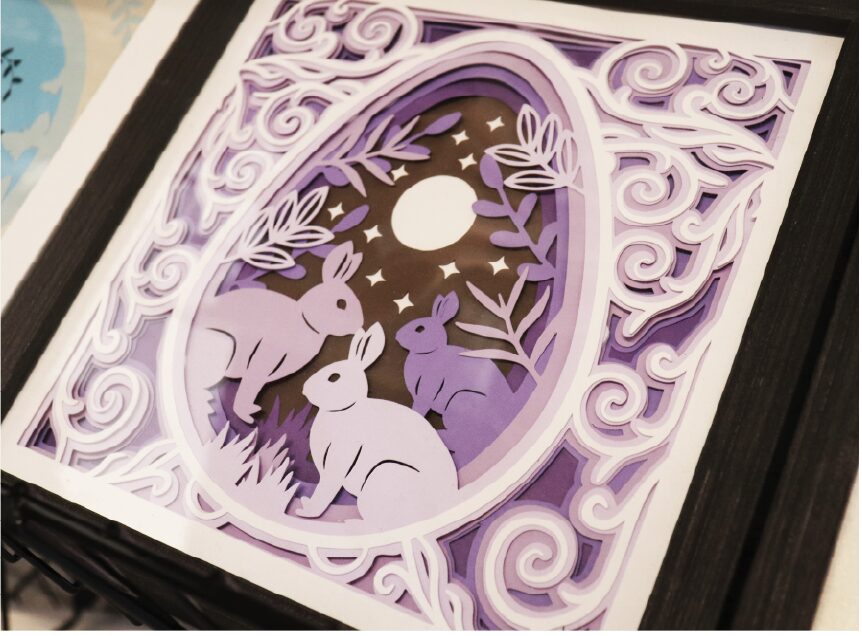 Tucked away in a residential area in Camp Hill, a building bursts with creativity, celebrating community and allowing local artisans to highlight and cultivate their talents.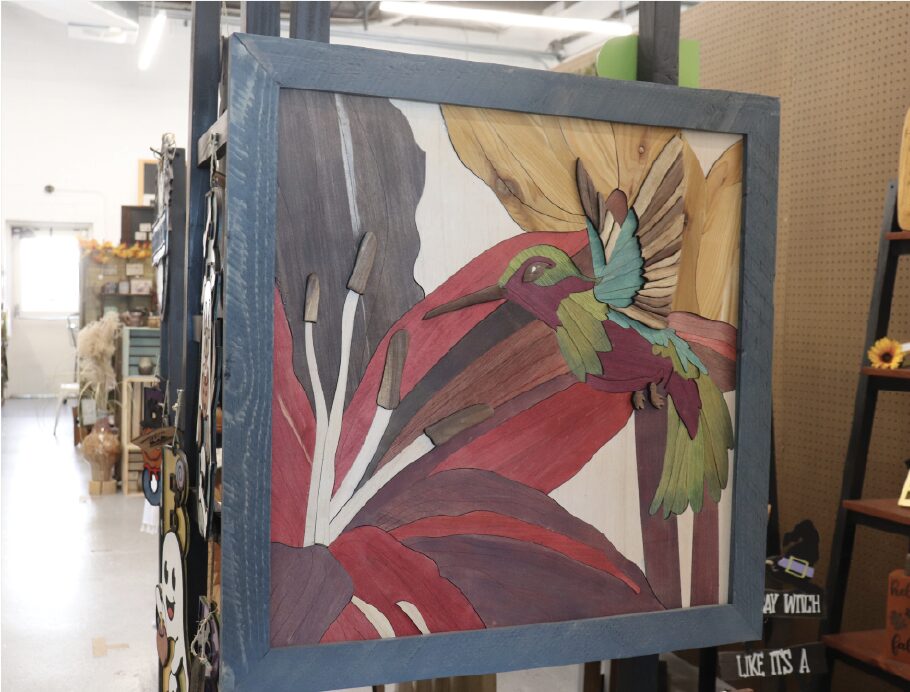

 Growing up, I often spent time in the kitchen with my mom and watched her clean, stuff, slather with butter and roast a turkey. When it was eventually my turn to host a turkey dinner, I felt well prepared.