Tag Archives: harrisburg

Smile! Harrisburg ranks among happiest cities to live in U.S., says national magazine

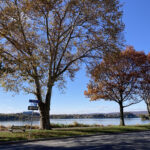
Riverfront Park and the Market Street Bridge in Harrisburg

Are you feeling happy?

According to a national magazine, you should be, as Harrisburg is among the 15 “happiest places to live” in the United States.

Outside Magazine ranked Harrisburg as the ninth happiest in the nation, based on criteria like walkability, biking accessibility and proximity to parkland.

“What constitutes a happy town? It comes down to things like ample outdoor access for all, affordability, a safe environment, diversity, and freedom for residents to be who they are,” writes the magazine, which focuses on outdoors activities, health, travel and culture.

The “happiest” ranking is included among the magazine’s recently published “best towns” package of stories.

Harrisburg ranked especially high for affordability, with a median home price of $176,000, the lowest, by far, among the top-15 cities. Its median rental price of $1,425 a month was fourth lowest among the group.

The magazine cites other factors that contribute to Harrisburg’s “happiness,” including City Island, the Walnut Street Bridge, the Broad Street Market, the PA Farm Show Complex and a highly diverse population. Including the metro area, it lists proximity to rivers and streams, mountains and the Appalachian Trail.

In the section called “Room for Improvement,” the magazine only lists the recent Commonwealth Court case ruling that Pennsylvania’s school funding is unfair and unconstitutional and adds that lawmakers are attempting to remedy it.

In the “happiness” ranking, Reno, Nev., came in first, followed by Wilmington, Del., and New Orleans.

Why did Outside Magazine choose to focus on happiness? According to the editor, “Because the world is still rethinking how to work and live post-pandemic, and many people are searching for that perfect place to move to where they just feel better.”

Click here to read the full story,”The 15 Happiest Places to Live in the U.S.”

If you like what we do, please support our work. Become a Friend of TheBurg!

Continue Reading

Report: Harrisburg metro places first as “best place to live” in PA

A spring day on the Harrisburg riverfront

The Harrisburg area ranks as the number-one place to live in Pennsylvania, according to a much-followed annual list.

In its recently released 2023-24 list of “Best Places to Live,” U.S. News & World Report placed Harrisburg ahead of all other metro areas in the commonwealth.

In its report, U.S. News lauded Harrisburg for such attributes as affordability, a strong arts scene, easy access to the “great outdoors” and proximity to larger cities.

“While Harrisburg isn’t necessarily regarded as affluent, it has a more affordable housing market and a lower cost of living than many of the East Coast’s larger metro areas,” the report states.

Every year, U.S News ranks the largest 150 metro areas in the United States, using such criteria as “desirability,” “value,” “job market,” “quality of life” and “net migration.”

In its new list, released last week, U.S. News ranked the top three “best places to live” in the United States as Green Bay, Wisc., Huntsville, Ala., and Raleigh/Durham, N.C. The bottom three spots were Stockton, Calif., Bakersfield, Calif., and San Juan, P.R., respectively.

Overall, the news organization ranked Harrisburg as the 38th “best place to live” in the country, a small decline from No. 35 last year, when it also ranked first in PA.

Harrisburg received its highest marks for “value” and “quality of life” and its lowest mark for “desirability.”

According to U.S. News, “quality of life” consists of a multitude of factors, including crime rates, quality of education and access to health care. Housing affordability and relative affordability compared to other metro areas constitutes “value.”

“Desirability” is largely based on a “desirability survey” that U.S. News conducts with respondents from across the country to find out where they would most like to live.

Elsewhere in PA, Pittsburgh ranked as No. 47 in the nation, Lancaster as No. 55, York as No. 78, Scranton as No. 85, Reading as No. 88, Allentown as No. 109 and Philadelphia as No. 119.

Last year, U.S. News also ranked Harrisburg as the No. 2 “best place to retire” in the entire country. In that report, Lancaster ranked as the No. 1 “best place to retire” in the country.

Click here to read more for “U.S. News Best Places,” 2023-24.

If you like what we do, please support our work. Become a Friend of TheBurg!

Continue Reading

Speaking My Language: Melissa Mesones-Ortiz helps Harrisburg connect with Spanish-speaking residents, supports Latino community

Melissa Mesones-Ortiz

For one of her first work assignments, Melissa Mesones-Ortiz was asked to interpret a Harrisburg city meeting from English to Spanish.

Interpretation takes mental focus and sharp, quick thinking, but she had done it many times before. However, she wasn’t expecting how long the meeting would take—over three hours.

“Interpretation is live, so you cannot make a mistake,” she said. “They were talking so fast, but I was trying to process and take my time. Some people don’t understand—it’s a very difficult world, translation and interpretation.”

But that was just the beginning of the countless hours that Mesones-Ortiz would dedicate to making the city more accessible to Spanish-speaking residents. As Harrisburg’s deputy director of communications, she almost single-handedly oversees communications with Latino residents who often face language and cultural barriers in engaging with and accessing local government.

Mesones-Ortiz admits that she’s a perfectionist, especially when it comes to grammar and spelling. Her family has joked about it too—her intense attention to detail. But in her line of work, one mistake could mean anything from getting measurements wrong in a zoning document to confusing the sport pickleball with a ball that doubles as a savory snack.

Her services are vital to the 20.5% of Harrisburg residents who speak a language other than English at home, according to the most recent U.S. Census data.

However, her work goes beyond just helping Spanish-speaking residents understand what they’re reading or hearing; she’s building relationships. Her efforts ultimately show them that local government is there to serve them too—that they’re not outsiders, but valuable community members.

“Little by little, every time I help them with services, they get more involved with issues in the city that they know are important,” she said.


Miss Understanding

Mesones-Ortiz can relate to many of the residents she helps because she knows what it’s like to be in a new country without English as your first language.

She first came to Harrisburg from her native country, Peru, as a study abroad student, staying at the International House, a former student exchange program downtown. She remembers some of her first weeks in the city, getting lost in the train station and being amazed by Strawberry Square. She loved that there was a “mall” within walking distance.

But it also was a difficult adjustment.

“It was my first introduction to American life,” she said. “I was in shock. I was really afraid to speak English. It was difficult at the beginning because people were not familiar with my accent, so I had to repeat things multiple times.”

After college, Mesones-Ortiz decided to live in Harrisburg, working at Penn State as a research supervisor and at the Latino Hispanic American Community Center in Allison Hill. She started her position with the city in 2021 with a goal of community service and a specific passion for helping Harrisburg’s Latino senior citizens.

“I really wanted to provide information to them,” she said. “It’s a community that sometimes they are forgotten.”

When Mesones-Ortiz started, the city was lacking in formal translation and interpretation services, which is crucial for non-English speakers, she said. Processes like getting a building permit, paying a parking ticket, or even just calling into the city with a question can be challenging for someone with language or cultural barriers.

These barriers can cause misunderstandings and fear and can even get residents into trouble if they unknowingly violate a city code or statute.

“I was one of them when I was learning English, so I know the difficulty that is not knowing a language,” Mesones-Ortiz said.


Opportunity for Community

Mesones-Ortiz’s fourth-floor office is decorated with artwork, mostly crayon drawings by her 9-year-old daughter. It’s small, but has become a welcoming place for the many Harrisburg residents she’s built relationships with over the past two years.

She believes that, if she can be an understanding, friendly face to one Spanish-speaking resident, that person will pass on word to a neighbor, and the community’s view of the city will slowly change for the better. City officials aren’t out to stick you with fines, but are trying to assist and keep you safe, she explains.

She also spends a lot of time informing residents about which services the city does and doesn’t provide, as their cultural background may be different. Outside of translating documents, she has put together informational resources for Spanish-speaking residents and hopes to eventually host topical workshops.

Mesones-Ortiz sees her work paying off as residents are more confident in engaging with the city and understanding its role better.

“They really believe that they can trust in the municipality and the city and that they’re going to find help,” she said. “It’s no more that, ‘I got a ticket, I’m in trouble.’ It’s more like, ‘they’re going to help me out.’ I don’t see any more of that fear.”

The inclusivity isn’t just beneficial for non-English speakers, Mesones-Ortiz explained, but for the entire Harrisburg community. When Latinos receive assistance tailored to their needs, they’ll be more engaged in city happenings. And isn’t a more diverse, vibrant, united city better for everyone?

“We just want opportunities to show what we can bring to the country,” Mesones-Ortiz said. “If people can get more opportunities, we can be a more connected community.” 

Harrisburg’s MLK City Government Center is located at 10 N. 2nd St., Harrisburg. To contact Melissa Mesones-Ortiz, email her at [email protected].


This article is available in Spanish on our website. Certified translation by Latino Connection.


If you like what we do, please support our work. Become a Friend of TheBurg! 


Continue Reading

Hablando mi Idioma: Melissa Mesones-Ortiz ayuda a Harrisburg a conectarse con residentes de habla hispana, apoya a la comunidad latina

Melissa Mesones-Ortiz

Para una de sus primeras asignaciones de trabajo, se le pidió a Melissa Mesones-Ortiz que interpretara una reunión de la ciudad de Harrisburg de inglés a español.

La interpretación requiere concentración mental y un pensamiento agudo y rápido, pero ella lo había hecho muchas veces antes. Sin embargo, no esperaba cuánto tomaría la reunión —más de tres horas.

“La interpretación es en vivo, así que no puedes cometer un error”, dijo. “Estaban hablando muy rápido, pero estaba tratando de procesar y tomarme mi tiempo. Algunas personas no entienden, —es un mundo muy difícil, traducción e interpretación”.

Pero eso fue solo el comienzo de las innumerables horas que Mesones-Ortiz dedicaría a hacer que la ciudad fuera más accesible para los residentes de habla hispana. Como subdirectora de comunicaciones de Harrisburg, supervisa casi sin ayuda las comunicaciones con los residentes latinos que a menudo enfrentan barreras idiomáticas y culturales para interactuar con el gobierno local y acceder a él.

Mesones-Ortiz admite que es perfeccionista, especialmente cuando se trata de gramática y ortografía. Su familia también ha bromeado al respecto —su intensa atención al detalle. Pero en su línea de trabajo, un error podría significar cualquier cosa, desde equivocarse en las mediciones en un documento de zonificación hasta confundir el pickleball deportivo con una pelota que sirve como un refrigerio sabroso.

Sus servicios son vitales para el 20.5% de los residentes de Harrisburg que hablan un idioma distinto al inglés en casa, según datos del Censo de los Estados Unidos.

Sin embargo, su trabajo va más allá de ayudar a los residentes de habla hispana a entender lo que están leyendo o escuchando; ella está construyendo relaciones. En última instancia, sus esfuerzos les muestran que el gobierno local también está allí para servirles, —que no son extraños, sino miembros valiosos de la comunidad.

“Poco a poco, cada vez que los ayudo con los servicios, se involucran más con los asuntos de la ciudad que saben que son importantes”, dijo.

Señorita Comprensión

Mesones-Ortiz puede relacionarse con muchos de los residentes a los que ayuda porque sabe lo que es estar en un nuevo país sin el inglés como primer idioma.

Primero vino a Harrisburg desde su país natal, Perú, como estudiante de estudios en el extranjero y se hospedó en International House, un antiguo programa de intercambio de estudiantes en el centro. Recuerda algunas de sus primeras semanas en la ciudad, perdiéndose en la estación de tren y asombrándose con Strawberry Square. Le encantaba que hubiera un “centro comercial” a poca distancia.

Pero también fue un ajuste difícil.

“Fue mi primera introducción a la vida estadounidense”, dijo. “Yo estaba en shock. Tenía mucho miedo de hablar inglés. Fue difícil al principio porque la gente no estaba familiarizada con mi acento, así que tuve que repetir las cosas varias veces”.

Después de la universidad, Mesones-Ortiz decidió vivir en Harrisburg, trabajando en Penn State como supervisora de investigación y en el Centro Comunitario Latino Hispanoamericano en Allison Hill. Comenzó su puesto en la ciudad en 2021 con el objetivo de servir a la comunidad y una pasión específica por ayudar a los adultos mayores latinos de Harrisburg.

“Tenía muchas ganas de proporcionarles información”, dijo. “Es una comunidad que a veces se olvidan”.

Cuando comenzó Mesones-Ortiz, la ciudad carecía de servicios formales de traducción e interpretación, lo cual es crucial para los que no hablan inglés. Procesos como obtener un permiso de construcción, pagar una multa de estacionamiento o simplemente llamar a la ciudad para hacer una pregunta pueden ser un desafío para alguien con barreras culturales o de idioma.

Estas barreras pueden causar malentendidos y miedo e incluso pueden causar problemas a los residentes si, sin saberlo, violan un código o estatuto de la ciudad.

“Yo fui una de ellas cuando estaba aprendiendo inglés, así que sé la dificultad que es no saber un idioma”, dijo Mesones-Ortiz.

Oportunidad para la Comunidad

La oficina del cuarto piso de Mesones-Ortiz está decorada con obras de arte, en su mayoría dibujos de crayones de su hija de 9 años. Es pequeño, pero se ha convertido en un lugar

acogedor para los muchos residentes de Harrisburg con los que ha establecido relaciones en los últimos dos años.

Ella cree que, si puede ser una cara amable y comprensiva con un residente de habla hispana, esa persona le transmitirá la palabra a un vecino, y la opinión de la comunidad sobre la ciudad cambiará lentamente para mejor. Los funcionarios de la ciudad no quieren imponer multas, pero están tratando de ayudarte y mantenerte a salvo, explica.

También pasa mucho tiempo informando a los residentes sobre los servicios que la ciudad ofrece y los que no, ya que sus antecedentes culturales pueden ser diferentes. Además de traducir documentos, ha recopilado recursos informativos para los residentes de habla hispana y espera eventualmente organizar talleres temáticos.

Mesones-Ortiz ve que su trabajo está dando sus frutos ya que los residentes tienen más confianza para relacionarse con la ciudad y comprender mejor su papel.

“Realmente creen que pueden confiar en el municipio y la ciudad y que van a encontrar ayuda”, dijo. “Ya no es eso, ‘Tengo un boleto, estoy en problemas’. Es más como, ‘me van a ayudar’. Ya no veo ese miedo”.

La inclusión no solo es beneficiosa para quienes no hablan inglés, explicó Mesones-Ortiz, sino para toda la comunidad de Harrisburg. Cuando los latinos reciben asistencia adaptada a sus necesidades, estarán más involucrados en los acontecimientos de la ciudad. ¿Y una ciudad más diversa, vibrante y unida no es mejor para todos?

“Solo queremos oportunidades para mostrar lo que podemos aportar al país”, dijo Mesones-Ortiz. “Si las personas pueden obtener más oportunidades, podemos ser una comunidad más conectada”.

El Centro de Gobierno de la Ciudad MLK de Harrisburg está ubicado en 10 N. 2nd St., Harrisburg. Para contactar a Melissa Mesones-Ortiz, envíele un correo electrónico a [email protected].

Traducción Certificada por Latino Connection.

Este artículo está disponible en inglés nuestro sitio web.

Continue Reading

Artsfest returns to Harrisburg’s riverfront with vendors, food, music

A previous Harrisburg Artsfest

Harrisburg has drawn up an artsy event to kickstart the summer.

Artsfest, the city’s annual event, will return to Riverfront Park, from May 27 to 29, with artisan vendors, live music and food.

The festival will feature over 150 artisans and craftsmen from across the country, selling handmade items in categories including ceramics, drawing, furniture, glass, jewelry, painting, photography, printmaking and sculpture, among others.

The HBG Flea will also be on site with a lineup of local artists and small businesses.

In conjunction with the festival, Jazzfest will bring local musicians to one of the live music stages. Another stage will showcase bands, dance groups and other community groups, and the Art Association of Harrisburg will host a concert series presented by The Wednesday Club.

Attendees can grab a bite to eat at one of the 25 food trucks that will line N. Front Street, offering cheesesteaks, dumplings, stuffed waffles, funnel cakes and more. Farm Show milkshakes will also be on site. Additionally, the festival will include beer and wine gardens.

For the younger crowd, Kidsfest will provide free activities such as face painting, balloon animals, tightwire walking and juggling, as well as other entertainment.

All attendees can also participate in a community mosaic project.

Artsfest will take place from 10 a.m. to 7 p.m. on May 27 and 28 and from 10 a.m. to 5 p.m. on May 29.

City street parking is free on Sunday and Monday and the code LUVHBG can be used in the Parkmobile app to receive four hours of free downtown street parking on Saturday. Parking downtown is free after 5 p.m. City Island parking is $5. Parking at the Market Square Garage is $10 from 8 a.m. to 9 p.m. each event day, courtesy of Park Harrisburg. Free bike parking is available courtesy of Recycle Bicycle.

For more information on Harrisburg’s Artsfest, visit their website.


If you like what we do, please support our work. Become a Friend of TheBurg! 

Continue Reading

The Week that Was: News and features around Harrisburg

CIE Executive Director Jay Jayamohan and HU President Eric Darr, joined by Harrisburg area officials, led the ribbon cutting for the new center this week in Strawberry Square.

There are lots of festivities in store for this weekend around Harrisburg. Not only can you watch the St. Patrick’s Day Parade downtown, but it’s also 3rd in the Burg. Before heading out, catch up on this week’s local news.

The Center for Innovation and Entrepreneurship officially cut the ribbon on its Strawberry Square location, our online story reported. The center, an affiliate of Harrisburg University, is home to several startup founders enrolled in its business incubator program.

Cork & Fork in downtown Harrisburg has changed ownership, but patrons shouldn’t expect to see much change, our online story reported. The former west shore location was also recently sold and will open as a Mediterranean restaurant in May.

Dauphin County resident Agata Czopek organized a fundraiser last year to help Ukrainian refugees in Poland, her native country. In our online story, read about how much money she raised and how many projects she was able to support during the year.

Downtown Harrisburg faces a new reality brought by the fallout of COVID-19, and our publisher has some recommendations for how it can adjust. Read them, here.

George Fernandez, a local CEO, developer and entrepreneur, is motivated by his love for the Harrisburg community. In our magazine story, read about his recent work in marketing and affordable housing development.

Harrisburg celebrated a historic day for the city on Thursday, our online story reported. The city officially paid off a debt load that dates back over a decade.

The Harrisburg Housing Authority announced that it received a federal grant to begin redeveloping Hoverter Homes in South Harrisburg, our online story reported. Authority officials said that they plan to redesign the 233 units, creating a modern, mixed-income development.

Home sales dipped in Harrisburg in February while prices rose, our reporting found. For the three-county region, 368 homes sold in February compared to 456 in the year-ago period, as the median sales price increased to $234,950 from $227,000.

Kilmaine Saints, a Harrisburg-based Celtic punk band, is getting ready to release their fourth album, our magazine story reported. Get in the mood for the St. Patty’s Day holiday with the band’s high-energy music.

Open Stage is presenting its first annual Good At Heart Festival this weekend, our magazine story reported. It includes productions of “The Diary of Anne Frank,” “Anne and Emmet,” and several nights of discussions on social justice.

Sara Bozich has a weekend roundup full of events for the St. Patty’s weekend. Find them all, here.

Whitaker Center has some exciting changes in store for visitors, our magazine story reported. There’s a new gaming studio, virtual programming and fresh exhibits and classes.


Do you receive TheBurg Daily, our daily digest of news and events delivered right to your email inbox? If not, sign up here! 

Support quality local journalism. Join Friends of TheBurg today!

Continue Reading

A few months in, new director Tanis Monroy has plans to make the Broad Street Market a “community hub”

Tanis Monroy

Tanis Monroy was exposed to the ins and outs of running a small business at a young age.

His parents owned a restaurant in Carlisle, where he grew up, giving him an appreciation for local entrepreneurship.

So when he heard that Harrisburg’s Broad Street Market was searching for a new executive director, he jumped at the opportunity to apply.

“I loved the farmers market and being able to get produce or sitting down and having a meal,” Monroy said. “I thought I could bring fresh ideas and a new perspective.”

Monroy started his new position as the market’s day-to-day manager in October, filling the shoes of former director Josh Heilman, who had departed months before.

Monroy admitted there has been a learning curve as he’s taken on new responsibilities, but feels his background has prepared him for the job.

The first-generation American, whose parents immigrated from Guatemala, grew up in Carlisle. As a teen, he got involved with the Amani Festival, a multicultural celebration in Carlisle, and would later serve as chair of the event.

“Seeing other people share my background, but also those from different cultures was really exciting,” he said.

Monroy also co-founded Destination Carlisle, to promote business and tourism in the city, and later held jobs in marketing. Volunteering in the local community also has been important to him and showed him how much he enjoyed interacting with the community.

“Now, the Broad Street Market gives me a chance to do that every day,” he said.

As director, Monroy handles everything from finances to building maintenance to relationships with vendors.

Monroy said that he has an “aggressive goal” for the new year in terms of fundraising and outreach. He wants to make the market more of a “community hub,” and plans to host holiday events, movie nights, festivals and other experiences to bring people to the market.

“It’s going to be a busy year for the market,” he said. “I want people to know the market is here for them.”

As business at the market inches closer to pre-pandemic levels, Monroy hopes people will continue supporting vendors. There are currently 40 vendors with only a few open stands.

“I want to encourage people to support the market and our vendors—they need that support,” he said.

The Broad Street Market is located at 1233 N. 3rd St., Harrisburg. For more information, visit their website.


If you like what we do, please support our work. Become a Friend of TheBurg!

Continue Reading

Committee Commitment: Harrisburg community members work long hours, for no pay, on important city boards and commissions. What motivates these volunteers?

Ausha Green

When Ausha Green first joined the Harrisburg Planning Commission in 2015, she questioned whether she belonged.

“Everyone here is either an engineer or architect, and I’m just a community member,” she remembered thinking.

Although Green, now City Council vice president, had served on the Harrisburg School District’s board of directors, the planning commission was much different and, admittedly, she had no idea what the planning commission did. But, always eager to serve the city she was born and raised in, she jumped right in.

Getting up to speed on the functions of the board, which reviews construction and development proposals, took many months. Fortunately, her fellow commission members eagerly provided guidance along the way.

Seven years later and Green is still serving, even though her term has expired. She plans to stay on until her seat is eventually reappointed. Green views a big part of her role as making sure that proposed projects don’t negatively impact her community and its residents.

“I think I bring a different perspective to the board, which I think is important,” she said. “I’ve learned so much being on the board. It’s been a joy to serve.”

Green is just one of many local community members who choose to volunteer their time to serve on the city’s various boards, committees and commissions. Most of the time, these boards go unnoticed, flying under the radar though vital to the city’s functions and to its future.

Besides the planning commission, there are over 25 boards listed on Harrisburg’s website, although some are likely defunct or not meeting regularly. Among the more active groups are the Zoning Hearing Board, the Historic Architectural Review Board (HARB) and the Harrisburg Redevelopment Authority board.

Members of the city’s boards are most often appointed by City Council or the mayor’s office and usually are chosen based off a relevant expertise, skill or passion. While board members don’t get paid, let alone get many thanks for their dedication, most do it gladly and, like Green, have even served past their original terms.

“The best way to make a change in your community is to be a part of it,” Green said.

Alex Reber

Reflect the City

Alex Reber not only serves on one board, but three. For the past eight years, he has sat on the audit committee and, for about a year, on the redevelopment authority board and the Harrisburg Land Bank.

He was asked to join the audit committee since he is licensed as a certified public accountant, as the committee is required to have one such professional. The board, he said, chooses and hires auditors, making the selection process more independent of the city. They also review the audits. It’s a way to keep checks and balances during the city’s financial reporting process, he explained.

Those meetings usually take place quarterly, but, with only two members on what should be a five-person board, the group hasn’t really been able to conduct business.

Similarly, on the redevelopment authority’s board, only three out of five seats are filled.

Having vacant seats or members with expired terms are problems across several of the city’s boards and commissions. Mayor Wanda Williams has recently moved to fill seats on a few boards, including the Capital Region Water (CRW) board, zoning board and LERTA Appeals Board. City Council has not yet voted on the CRW board appointments, but the zoning and LERTA board appointees have filled their seats.

Reber hopes that, as seats are filled, boards will become more diverse. He encouraged city residents who have skills or passions related to any of the boards to reach out to city staff and officials. Some boards require city residency, while others may only require that members work or own property in Harrisburg.

“It’s important that these boards reflect the city,” he said.

Reber more recently joined the redevelopment authority’s board, which works on revitalization and housing development, out of his passion to help increase and improve affordable housing in the city.

“It’s exciting to be a part of trying to work to accomplish that goal,” he said. “I find it really fulfilling.”
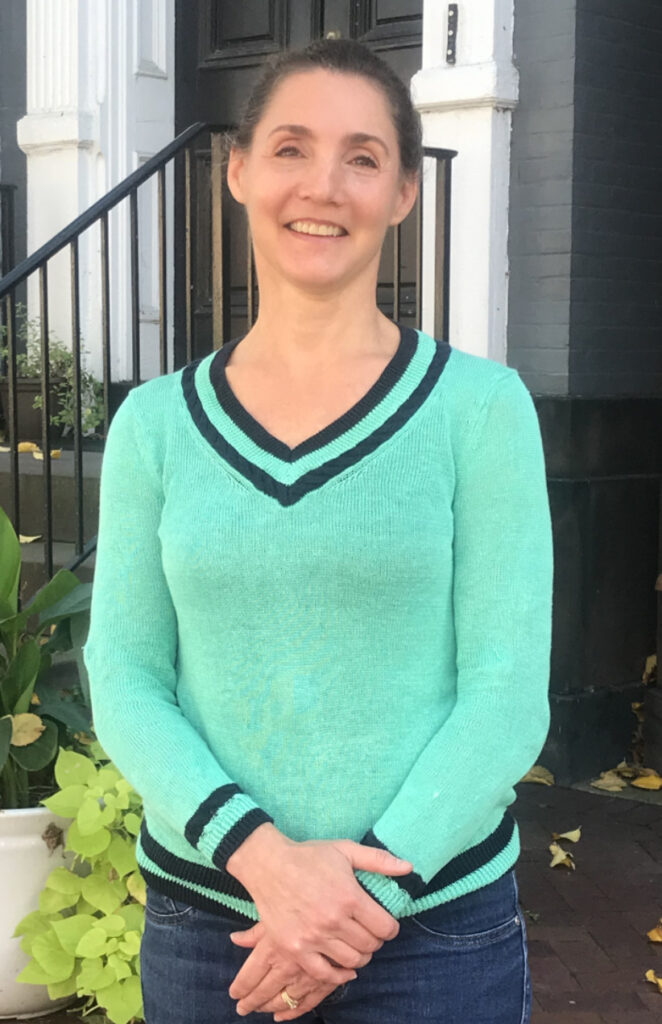
Trina Gribble

Like Reber, HARB chair Trina Gribble decided to serve out of a passion and skillset. With her background in architecture and experience on the Historic Harrisburg Association’s preservation committee, she decided to join HARB after she was asked by the previous mayor.

Gribble views her role on the board as helping to maintain and preserve Harrisburg’s historic streetscape and “unique identity,” she said. The board does this through examining and voting on proposed building projects within Harrisburg’s historic districts.

“I play a little role in helping to keep that urban fabric together,” she said.

Leading from Behind

For most volunteers who serve on Harrisburg’s boards and commissions, their willingness to dedicate hours every month comes from their love for the city.

Capital Region Water board Chair Marc Kurowski draws inspiration from a program he attended through Leadership Harrisburg Area, an organization that teaches servant leadership and community service.

“You’re leading from behind, doing it in no way to further yourself, but to do it for the greater good,” Kurowski said.

He has served on the board since 2008, lending his skillset as a civil engineer. Even with his professional background, Kurowski said that it took him about three years on the board to wrap his head around all that CRW does. The board makes decisions around policy, conducts community outreach, and votes on changes to water and sewer rates, among other functions.

Marc Kurowski

Over the years he’s served, CRW has made strides in diverse hiring practices, in controlling costs, in hiring quality top officials and, recently, in finalizing an agreement to reduce contaminated stormwater runoff, he said.

Like some other city board members, Kurowski’s term has expired, but he continues to serve until reappointed or replaced, he said.

“I enjoy being able to be part of a bigger thing that can be beneficial to a community,” he said.

According to Green, she was raised to understand the importance of volunteering. Her mom was always serving in the community and runs a food pantry, which Green and her siblings volunteer at regularly. Her mom’s example is what has inspired her to be civic-minded.

The same goes for Reber, who was also taught at a young age to give back.

“It’s important that, if you have a skillset, to give back to the community,” he said. “Anything I can do to help, I want to do.”


For more information on Harrisburg’s boards and commissions, visit www.harrisburgpa.gov/boards-commissions.


If you like what we do, please support our work. Become a Friend of TheBurg!

Continue Reading

Cents-ible Event: Harrisburg Coin Club to host 60th annual coin show next month

A medal picturing the state Capitol created by the Harrisburg Coin Club

Dan Nettling, president of the Harrisburg Coin Club, is a walking encyclopedia of the club’s history.

Nettling attended the club’s first coin show in 1963 and hasn’t missed one since. This year will be no different, as the club hosts its 60th annual coin show at the Scottish Rite Cathedral in Harrisburg on Sept. 16 to 17. 

The Harrisburg Coin Club has a long history. The group was founded in 1950 as a way for coin collectors, or numismatists, to trade, auction and buy old coins and medals. 

“Any organization to last 60 years nowadays is incredible,” Nettling said.

The club, which meets the second Thursday of every month at the Lemoyne Community Building, today has over 50 members.

These members are helping plan the coin show for this year. There will be 45 coin dealers from 11 different states in attendance at the show to buy, sell and trade coins. Attendees can also test out and purchase metal detectors on site. Food will be provided, as well.

However, Nettling is most excited for the return of the medal program. The program, which was discontinued in 2008 due to the increasing price of silver, is back in honor of the 60th show. There will be different medals for sale with designs such as the Capitol building, local railroad bridges and the logos of local fire departments. 

For Nettling, these events have been an important part of the interest he has had in coin collecting since he was in junior high school.

He remembers his principal and a group of students going through the change people had spent on lunch that day and picking out the oldest coins, as long as they promised to replace them the next day. His mother was also friends with one of the wives of a club officer, who would give her coins for Nettling when he came home during Christmas and after his 24 years in the military.

“I’d always have the Harrisburg Coin Club medals in my Christmas stocking,” Nettling said.

Nettling took over as the club’s president and vice president in 2016.

For Nettling and other members, history is a big part of coin collecting and the Harrisburg Coin Club.

“The history aspect is most appealing,” Nettling said. “I’m basically a historian of interest.” 

The Scottish Rite Cathedral is located at 2701 N. 3rd St., Harrisburg. For more information, visit the Harrisburg Coin Club’s website.

If you like what we do, please support our work. Become a Friend of TheBurg!
Continue Reading

Good Times, Bad Times: Harrisburg, going up, going down

Illustration by Rich Hauck

I’ve been feeling nostalgic lately.

This month marks the 14th year since the birth of TheBurg, causing me to reflect on my time in this unique, sometimes great, often frustrating little city.

To use a Harrisburg-appropriate metaphor—there’s been a lot of water under the (Market Street) bridge.

And, in this case, water is the appropriate medium, since much of my pondering seems to take place during walks and runs along the river.

Water seems to have that effect upon people. Based upon folks I see sitting alone on the river steps, staring off into the liquid distance, I’m not the only one lost in thought.

Personally, I’ve been reflecting upon the status of our city—things that have gotten better, or have gotten worse, since I arrived here.

Always in search of a good column topic, I thought I would share my ideas with readers. This short list is not meant to be complete or indisputable. These are simply a few things that struck me as I strolled pensively down the river walk.

Going Up

1. City Government

When I came to Harrisburg, the municipal government was on the brink of fiscal collapse—and then it fell off that brink. So, sure, I started covering the city at a historic low, when it seemed it had nowhere to go but up. Nonetheless, Harrisburg should take pride in how far it’s come in balancing its budget, expanding core services, and getting out of the death spiral of deficit and debt.

2. City Roads

In the 1950s, the city conspired against its own future by tearing through neighborhoods, replacing buildings, businesses and people with acres of asphalt. When I got here, I felt that the city’s main streets were too wide, too fast and too decrepit. A lot of progress has been made since. The long list includes 3rd Street, 7th Street, State Street and, most profoundly, N. 2nd Street, which is being reclaimed as a two-way, neighborhood road. As commuting gets replaced by home and hybrid work models, the commonwealth and the city should rethink other roads, including Forster Street, Front Street and the rest of 2nd, helping to stitch the city back together.


3. Broad Street Market

Before coming to Harrisburg, I lived near Eastern Market in Washington, D.C., and loved the crowds, the variety, the vibe. I found none of that here. Around 2009, the Broad Street Market was the proverbial “diamond in the rough,” two beautiful old market buildings that suffered from a lack of vendors, a lack of customers and chronic neglect. Then came new market leadership and a rapid renaissance, as people rediscovered this marvelous asset. Having said this—the pandemic and recent management flux have taken their toll, requiring renewed vision, commitment and stability going forward.


And Going Down

1. Downtown

In recent years, downtown Harrisburg has suffered the one-two punch of crazy parking rates and a terrible pandemic. COVID then became the plague that kept on plaguing, first emptying the downtown of people and then ushering in a new era of work-from-home. The one saving grace—several developers, led by Harristown, had the vision years ago that downtown’s future would be more residential than office. How right they were. Going forward, the city should do everything in its power to facilitate this long-term trend towards a vibrant, livable downtown, encouraging walkability, development, density and amenities.


2. River Walk Steps

In 2019, Harrisburg laid fresh concrete on the lower river walk, which had suffered years of neglect and decay. The project, though, stopped there, leaving the crumbling steps that descend into the river to crumble even further. Certainly, fixing the river walk steps is an expensive, extensive endeavor, but the city needs to begin thinking seriously about how to preserve this treasure from our City Beautiful past, even if it takes many years to complete. Otherwise, we’ll need to resign ourselves to watching the Susquehanna River slowly reclaim its muddy banks.

3. Homelessness

I don’t know if there are more people living on the streets today than when I arrived in Harrisburg. However, as the city redevelops, homeless encampments seem to have become more concentrated, pushed more towards the river. Some occupy private land that is overgrown and undeveloped, but is for sale. Some day, maybe not too far in the future, someone will buy these long-vacant, well-located riverfront parcels, and people way smarter than me on this issue will need to ponder what comes next for the folks who live there now.

In creating this list, I thought about many possible areas of progress and decline. Some, such as the school performance, I regarded as “about the same” as when I arrived. Others, such as crime, were a mixed bag—some encouraging trends and some discouraging ones. And then there were a few runners-up: Midtown (a lot better), bike/pedestrian safety (a lot worse).

Perhaps you have your own ideas on what’s better—or not—in Harrisburg over the past decade or two. If so, email them to me. If I can gather enough thoughtful responses, I’ll publish a follow-up column online.

If you need some quiet inspiration, I strongly recommend a long, contemplative stroll along our beautiful riverfront.

Lawrance Binda is co-publisher/editor-in-chief of TheBurg.


If you like what we do, please support our work. Become a Friend of TheBurg!

Continue Reading