Tag Archives: gary lenker

Tri County Housing cuts the ribbon on new affordable homes in Allison Hill

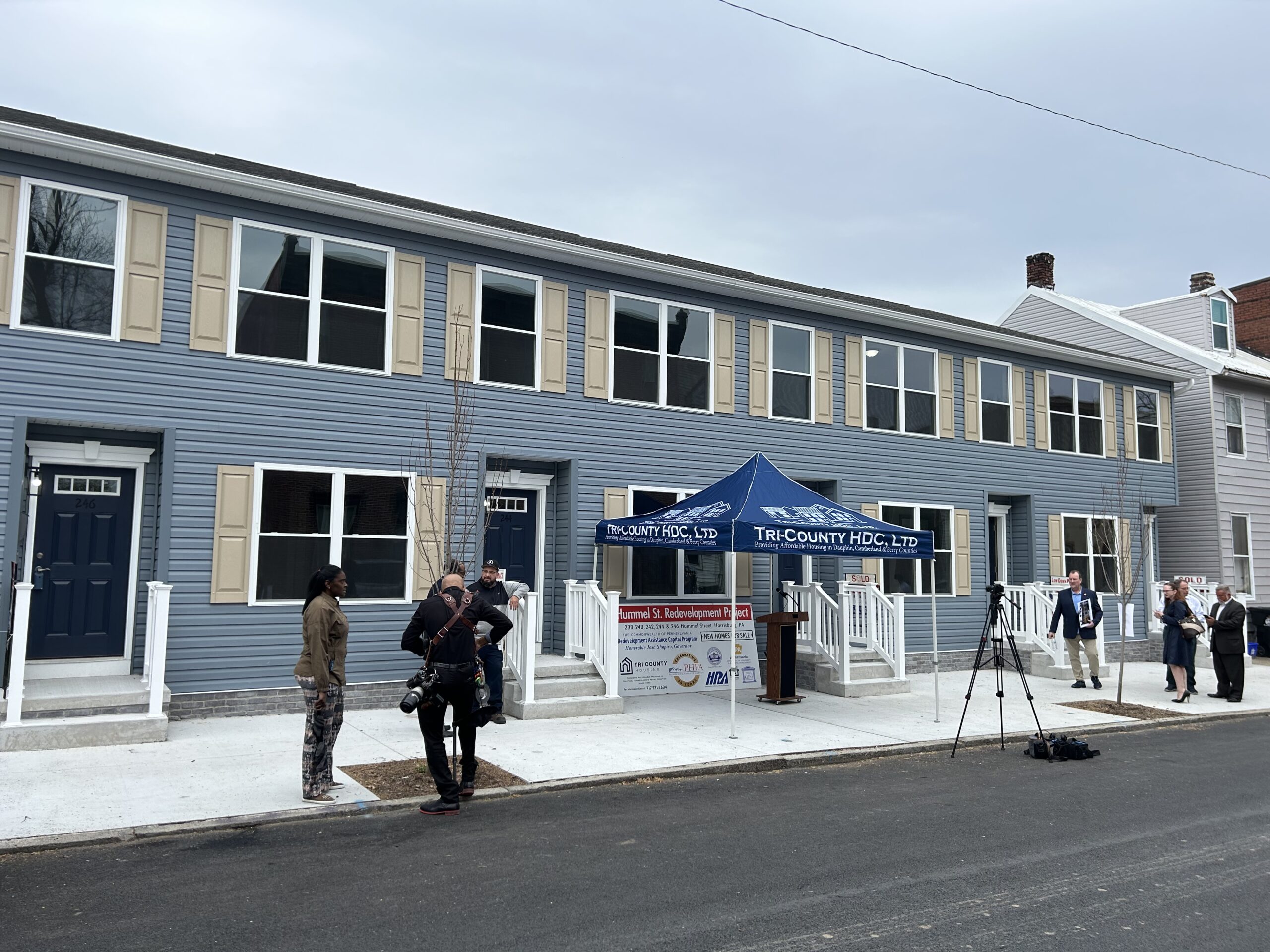
Tri County Housing and local officials cut the ribbon on five new affordable homes.

Several Harrisburg families will soon receive the keys to newly built affordable homes. 

On Wednesday, Harrisburg nonprofit Tri County Housing cut the ribbon on five new townhomes in Allison Hill, which will benefit lower-income residents.  

“We are turning blight into something right,” said Mayor Wanda Williams, who spoke at the event. “When we can provide safe spaces for people to live, people take ownership of that block. That is how we turn this city around.” 

The five attached houses are located on the 200-block of Hummel Street. Each home is about 1,600 square feet, features three bedrooms, one-and-a-half baths, and a full basement. They are listed for $124,900 to $126,900 each, and three of the five are currently under contract. 

According to Gary Lenker, executive director of Tri County Housing, the organization began acquiring the blighted properties that previously stood at the location in 2015 and demolished them.  

Five new townhomes on the 200-block of Hummel Street.

The new homes add to the five other renovated homes across the street that the organization completed around two years ago.  

Lenker believes that the homeownership opportunity for residents will provide them with “stability and security.” 

Tri County Housing also provides monthly first-time homebuyer workshops, which have become well attended, Lenker said.  

The about $1.3 million project was funded using money from the Pennsylvania Housing Finance Agency (PHFA), the state’s Redevelopment Assistance Capital Program (RACP), and the state’s share of federal American Rescue Plan Act (ARPA) funding, among other sources.  

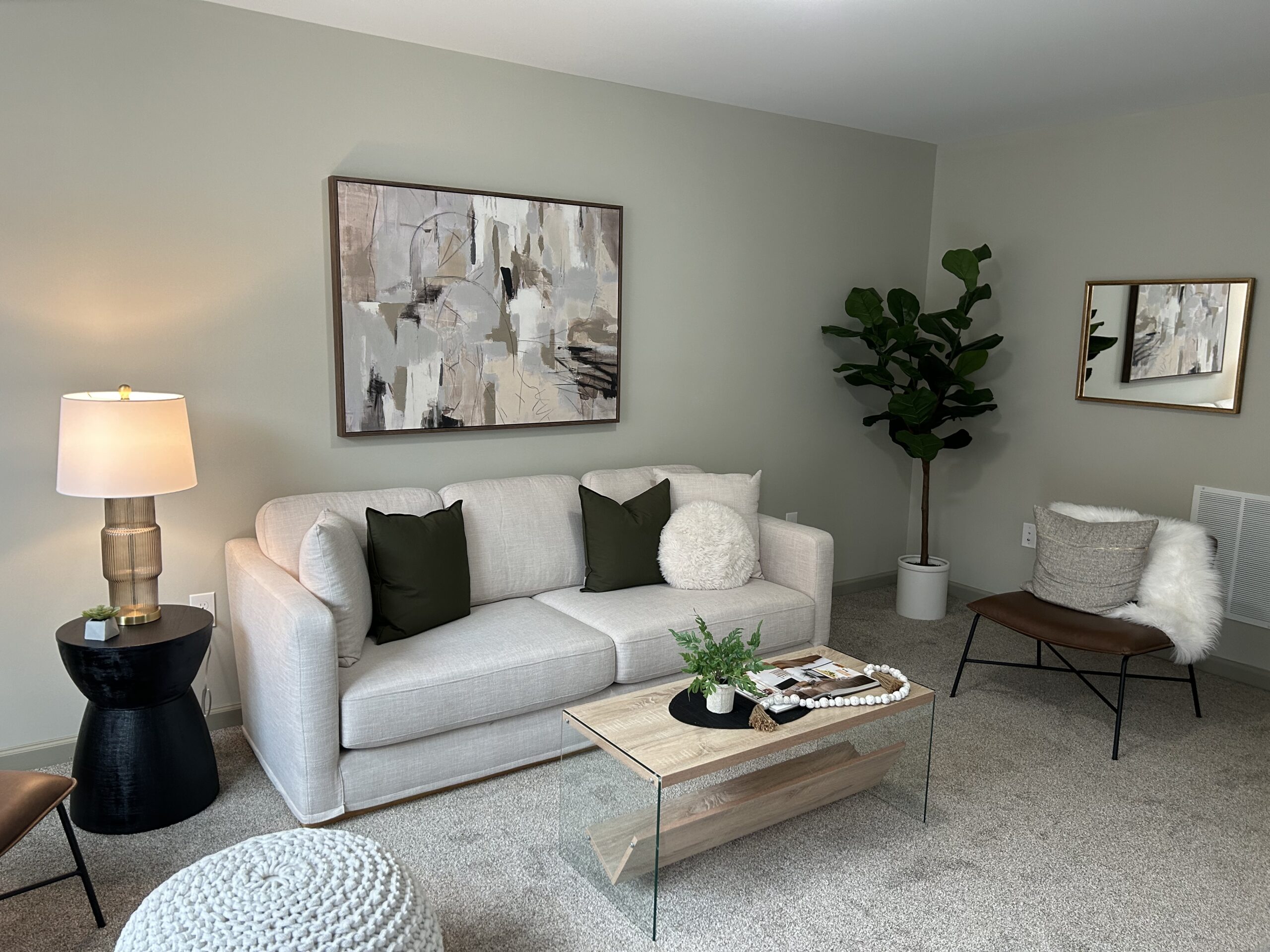
Inside one of the newly built townhomes on Hummel Street.

Tri County Housing has also proposed constructing five affordable single-family townhomes on an overgrown lot on the 2100-block of N. 4th Street. Each 1,500-square-foot home would include three bedrooms and one-and-a-half baths. 

According to Lenker, this would be Tri County’s first project in Harrisburg outside of Allison Hill, where most of their construction has taken place. 

“We’d like to see this duplicated throughout the city,” Williams said at Wednesday’s ribbon cutting. 

For more information about Tri County Housing, visit their website. 

If you like what we do, please support our work. Become a Friend of TheBurg!   


Continue Reading

Two affordable housing projects for Uptown Harrisburg receive Planning Commission approval

Rendering of JMB Gardens, an affordable housing development proposed for Uptown Harrisburg

Two new development proposals aim to bring additional affordable housing to Uptown Harrisburg.

At a Planning Commission meeting on Wednesday night, developers with Harrisburg-based Vice Capital shared their plans to construct lower-income housing on the 2200- and 2300-blocks of N. 6th Street.

“The Uptown Harrisburg area hasn’t had their fair share of new construction and affordable housing,” said Ryan Sanders, vice president of development for Vice Capital. “We believe the residents deserve to live in homes that are clean and safe.”

The project, named JMB Gardens, would include the construction of five rowhome-style buildings on several currently vacant lots along the corridor. In total, they would feature 41 affordable units, a community center and 21 off-street parking spaces. According to the proposal, units would include a mix of one-, two- and three-bedroom apartments.

Vice Capital expects the project to cost about $15.7 million, and they hope to break ground in September, according to Sanders.

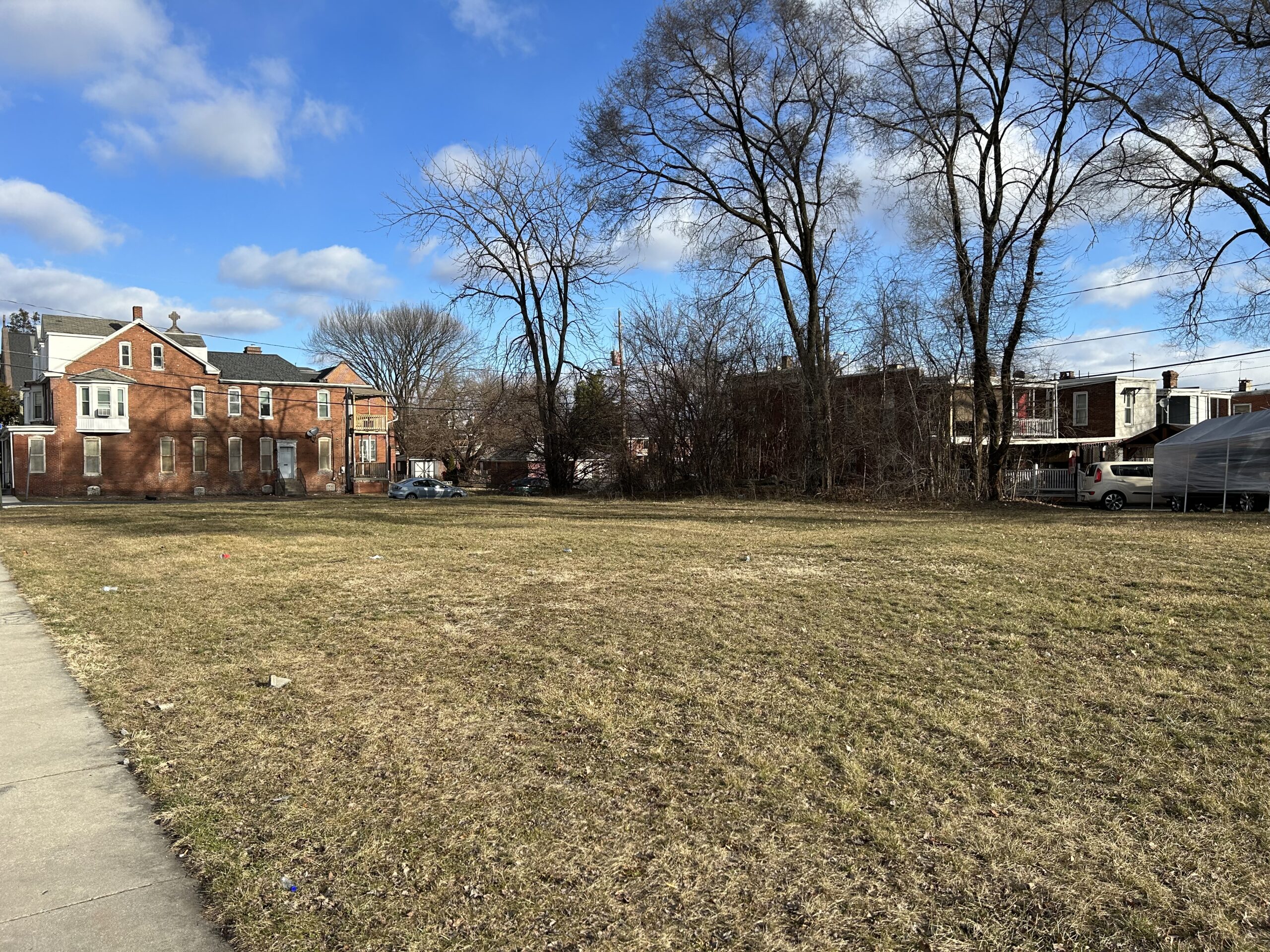
A vacant lot on the 2300-block of N. 6th St., one of the properties that Vice Capital has proposed for an affordable housing complex.

Vice Capital, which is owned by former NFL player LeSean McCoy, plans to purchase the properties from the Harrisburg Redevelopment Authority and the Harrisburg Housing Authority. Sanders said that they will host a community engagement session on Feb. 17, with more details to follow.

The Planning Commission voted to approve a zoning variance and special exception for the JMB Gardens project. Next, this zoning relief will need to gain approval from the city’s Zoning Hearing Board. It then would need to go through the land development process, which will require additional city approvals.

“It seems like a very well-thought-out plan,” said commission member Ausha Green. “Not just in the buildings and the business side of it, but also in the people side of it.”

Additionally, on Wednesday, the commission approved a zoning variance and special exception and land development plan for a proposed affordable housing project on an overgrown lot on the 2100-block of N. 4th Street.

Harrisburg-based nonprofit Tri-County HDC shared their proposal to construct five, single-family townhomes. According to Executive Director Gary Lenker, the homes would be sold to lower-income families for around $100,000 each. Each 1,500-square-foot home would include three bedrooms and one-and-a-half baths.

Tri-County plans to purchase the land from the Harrisburg Redevelopment Authority.

Lenker expects the $1.3 million project to break ground in 2024. It still will need to receive approvals from the Zoning Hearing Board and City Council.

According to Lenker, this would be Tri-County’s first project in Harrisburg outside of Allison Hill, where they have built many affordable homes. With prompting from Mayor Wanda Williams, Tri-County plans to continue expanding to other neighborhoods in the city, Lenker said.

“We’re looking forward to brightening up the neighborhood and providing homeownership opportunities,” he said.

For more information about Vice Capital, visit their website.

To learn more about Tri-County HDC, visit their website.


If you like what we do, please support our work. Become a Friend of TheBurg! 

Continue Reading

Tri-County Housing Development to move office, offer new homeownership classes

The TCHDC has announced that they are moving offices to Front Street, as well as offering a new program.

Tri-County Housing Development Corporation (TCHDC) has good news for Harrisburg-area residents, as well as for the future of the organization.

Last week, TCHDC announced that it will move its operations to a new office on N. Front Street in downtown Harrisburg on Wednesday and become a partner in a state homeownership counseling program.

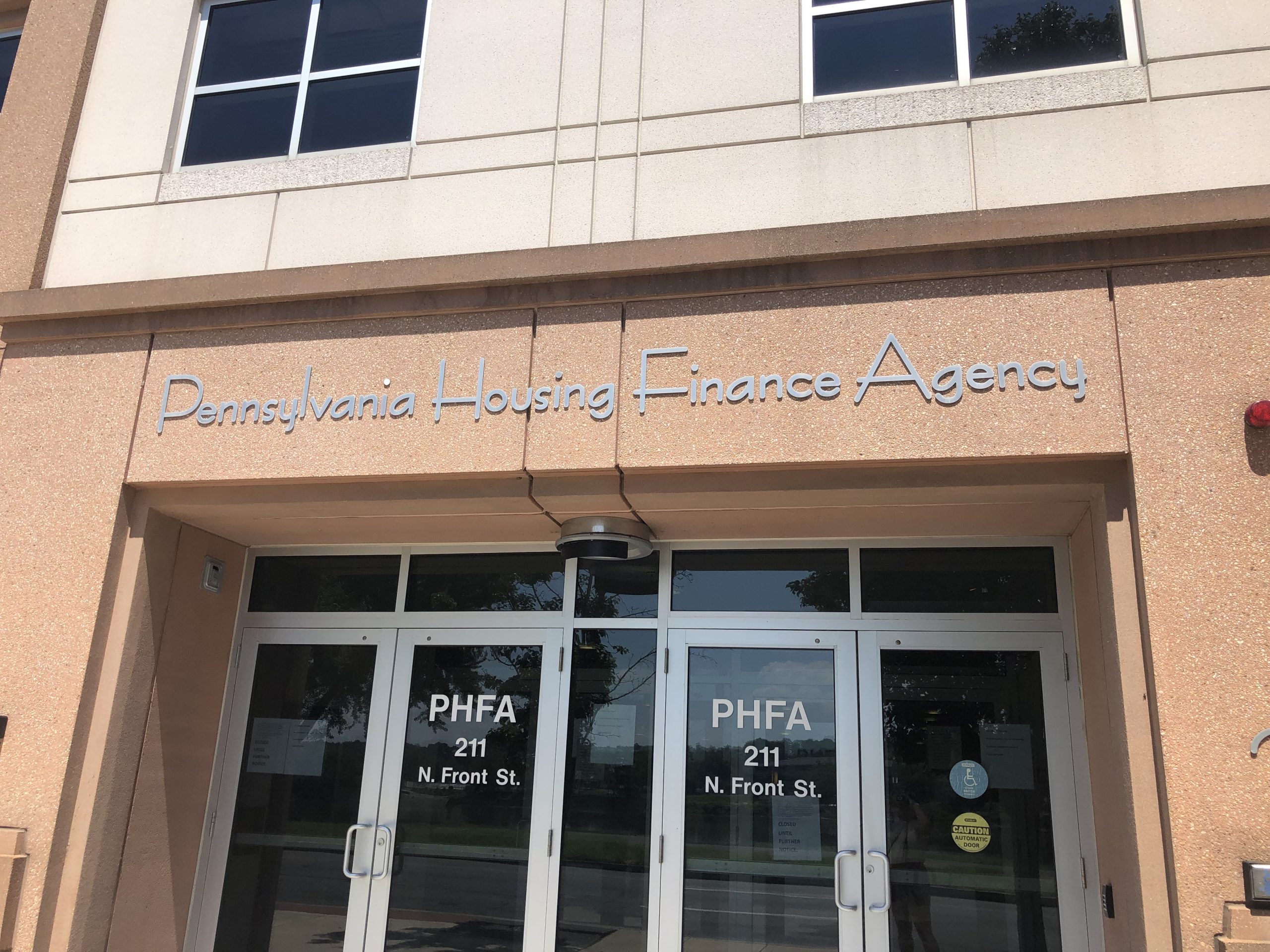
The organization will move from its current location on the 1500-block of Derry Street to a first-floor office in the Pennsylvania Housing Financing Agency (PHFA) building at 201 N. Front St.

PHFA also approved TCHDC to join its Comprehensive Homeownership Counseling Network in its Level Up Program. The program works with nonprofit organizations to help them create their own housing counseling programs. 

For years, Harrisburg-based Tri County Community Action offered a similar service to nonprofits, until ending it this past June. PHFA’s program now fills that gap in services.

“We’re actually the first organization in the program,” said TCHDC Executive Director Gary Lenker. 

Lenker said that he is happy to have a service like this return to the area. 

“It will provide another opportunity for homebuyer counseling,” Lenker said. “There is a real need for it, and we’re excited to provide that service.”

According to Lenker, the office’s move to the PHFA building goes “hand-in-hand” with TCHDC’s decision to participate in the homeownership program. 

“They have a really nice community room that we can use for homebuyer counseling,” Lenker said.

The schedule for the homebuyer counseling classes has yet to be finalized.

Lenker said that the courses will fit with the organization’s mission “to provide affordable housing to persons and families throughout the city and in surrounding areas.”

To learn more about Tri County Housing Development Corporation, visit their website.

If you like what we do, please support our work. Become a Friend of TheBurg!


Continue Reading

MulDer Square home sold to low-income Harrisburg family, with more on the way

Executive Director Gary Lenker, of Tri-County HDC, speaks about the organization’s recently renovated and sold affordable home.

A newly renovated home in Allison Hill soon will provide affordable housing to a local low-income family.

On Monday, officials from Tri-County HDC showcased their recently completed redevelopment project—a single-family townhome at 247 Hummel St.

The three-story building is the fifth rehabbed home by the organization as part of its revitalization efforts in the MulDer Square neighborhood of Allison Hill.

“I am very proud of this project and the fact that all five homes we sold were to low- to moderate-income buyers who are women,” said Gary Lenker, executive director of the organization. “The demand greatly exceeds the supply right now, so we are so happy to be able to add to the supply of affordable housing in a busy market.”

The Hummel Street home was recently sold to a family for $109,900, according to Lenker. The family will pay a mortgage of around $500 per month and will not be required to pay property taxes for at least 10 years, thanks to Harrisburg’s LERTA tax abatement program.

The four-bedroom home required a total rehab, Lenker said. In total, including purchasing and renovating the building, it cost the organization around $200,000.

Tri-County HDC first began the MulDer Square project in 2016, as a partnership with the city, state, Harrisburg Housing Authority and Brethren Housing Association. They have since completed five single-family home renovations, all of which have been sold.

Lenker also pointed out the several empty lots across Hummel Street—the sight of Tri-County’s next phase of the project. Where many blighted buildings once stood before being demolished, the organization will construct five new single-family townhomes and one single-family home. These new residences, which will have addresses from 238 to 246 Hummel St., with the single-family home on Kittatinny Street, will all be designed for homeownership.

To be eligible for homeownership, residents must make no more than 80% of the city’s medium family income.

According to Dennise Hill, the director of the Department of Building and Housing Development for Harrisburg, projects like these are needed in the city.

“Organizations like Tri-County HDC and others in the community are crucial to stabilizing neighborhoods,” Hill said. “They are good partners in the community to really invest in the community and work with the city as we are working on blighted areas.”

For more information, visit Tri-County HDC’s website.

If you like what we do, please support our work. Become a Friend of TheBurg!


Continue Reading

Midtown, Allison Hill projects get go-aheads from Harrisburg City Council

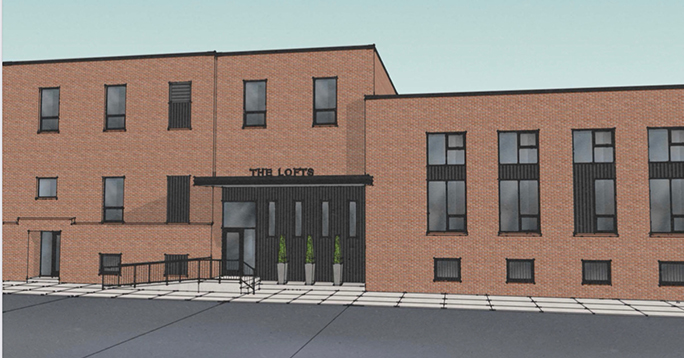
A rendering of “The Lofts in Midtown”

Several development projects in Harrisburg received their final city approvals on Tuesday, allowing them to begin.

During a virtual legislative session, Harrisburg City Council approved the land development plan for conversion of the former Salvation Army building in Midtown to a 16-unit, market-rate apartment building.

The project, by Wormleysburg-based Integrated Development Partners, will convert the 10,920-square-foot building at Green and Cumberland streets to one- and two-bedroom units. A paved lot across the street will provide parking for the project.

“The project does have ample parking,” said council member Dave Madsen. “There will be 16 apartments total and about 35 parking spaces for those units.”

The project, called the Lofts in Midtown, previously had cleared both the city Planning Commission and Zoning Hearing Board.

Council member Danielle Bowers was the sole vote against the project, objecting to the fact that all units would be market-rate. In April, the city approved a package of bills to incentivize the construction of affordable housing in Harrisburg.

“The applicant has no interest in participating in the city’s affordable housing program,” she said.

City Solicitor Neil Grover added that the project began the city application process before those ordinances were passed, which typically would exempt it from legislation approved later.

The building, built in 1954, has been empty since late 2019, when the Salvation Army relocated to its current location on the 500-block of S. 29th Street.

Council also approved a development project to construct six town homes on Allison Hill at Hummel and Kittatinny streets. Tri-County HDC plans to demolish a building currently on the property and construct affordable housing.

The project received a $500,000 state Redevelopment Assistance Capital Program grant.

The project is part of the South Allison Hill Safety Plan, a partnership between several nonprofit organizations that aim to make the neighborhood safer.

Gary Lenker of Tri-County said previously that he hopes to break ground on the project late this summer.

In addition, council unanimously approved the transition of Monroe Street, between Verbeke and Herr streets, from a two-way street to one-way. This was done at the request of the Harrisburg School District, which hopes to improve the flow of traffic in the area of the Downey School.

Lastly, council authorized city Engineer Wayne Martin, and the city grant manager, Rebecca Vollmer, to act as the city’s authorized representatives for the Multimodal Transportation Fund Grant for the “Courthouse Connection” project.

Harrisburg has received a $700,000 grant from the state Department of Community and Economic Development for the project, which would extend the existing Urban Meadow walkway on Boyd Street from Fulton to N. 6th streets, near where the federal courthouse is being built. The project also would add 50 angled parking spaces on Reily Street between Logan and Fulton streets.

If you like what we do, please support our work. Become a Friend of TheBurg!

Continue Reading

Buyer Ready: 3 Harrisburg houses hit the market following building blitz

Newly built homes line the 1500-block of Swatara Street in Harrisburg.

Today, three houses sit ready for purchase on the 1500-block of Swatara Street in Harrisburg, filling formerly empty land and adding to the many new homes popping up on the block.

Last June, 160 volunteers from Woods Memorial Presbyterian Church in Maryland came to Allison Hill in Harrisburg to build three houses in just five days. They were brought to the city by Habitat for Humanity of Greater Harrisburg with the mission of creating more affordable housing.

“A year ago or more, these homes were blighted,” said Rob Keith, board president of Tri-County Housing Development Corp. (TCHDC). “This is just an example of how people can work together for a common good.”

Keith was talking about the partnerships between Habitat for Humanity, Tri-County HDC, the Pennsylvania Housing Finance Agency (PHFA), the city of Harrisburg and others.

According to Lyndsey Sturkey, Habitat’s executive director, the WoodsWork team from the Maryland church did the majority of the framing for the houses, while Habitat volunteers and Tri-County staff brought them to completion.

“The homeownership mentality is so important and it transforms neighborhoods,” explained state Rep. Patty Kim, who attended the unveiling.

While units 1511, 1513 and 1515 on the street are the most recent additions, TCHDC has been working to transform the entire block. With the new houses, the organization has reached 13 new homes.

Gary Lenker, executive director at TCHDC, noted that more than $5 million of federal, state, county and local dollars have gone into development on the street.

Each house is 1,600 square feet, including four bedrooms, one full bath and two half-baths, rear parking and a security system. Although construction costs exceeded $150,000 each, eligible families can purchase the houses for $101,900, Lenker explained. Buyers will also see building improvement taxes forgiven for the first 10 years.

Lenker added that a family’s median income must fall in the 51- to 80-percent range for the area, which equates to $45,450 and $70,100, in order to qualify. Buyers will also need to attend first-time homebuyer classes through TCHDC or PFHA.

Lenker mentioned that, while no one has moved in yet, “We have a lot of interested people.”

A property at the corner of 15th and Swatara streets was also removed and TCHDC hopes to begin development on the 1400-block next, according to Lenker. A new South Allison Hill police substation has also recently opened down the block.

In the coming weeks, TCHDC also will unveil two, six-unit townhouses in Steelton.

For more information, visit Tri-County HDC at www.tchdc.net. To purchase one of the homes, contact Barbara Kauffman of Iron Valley Real Estate at 717-608-1284.

Continue Reading

Harrisburg officials see “a light at the end of the tunnel” as they conclude busiest year yet for demolitions.

Condemned properties at 335 and 337 Peffer St. are among the Harrisburg codes bureau’s demolition priorities in 2019. The city has identified a total of 41 properties it considers urgent candidates for demolition.

For years, Harrisburg’s fight against blighted homes has looked something like a game of Whack-a-Mole.

As soon as codes officers demolished one abandoned property, they’d be alerted to a different structure on the brink of collapse. A city-wide roster with hundreds of condemned and abandoned properties never seemed to get any shorter.

That changed in 2018.

Harrisburg demolished a record-breaking 42 properties this year, according to codes administrator David Patton, and is on track to raze two more before the end of December.

Combined with an uptick of private development projects this year, Harrisburg’s demolition rate has helped the city significantly reduce its stock of condemned housing, Patton said.

“We’re getting to a point where we see a light at the end of the tunnel,” he said. “We’ve reached a threshold where things are looking extremely good for the city.”

The codes bureau entered the year with more resources than ever for demolitions, thanks to a $250,000 allocation in the city’s 2018 budget. It also got $120,000 for emergency demolitions in June from the Community Development Block Grant fund.

The funds allowed Patton to double his in-house demolition capacity from the previous year, when crews tore down 24 buildings.

Mayor Eric Papenfuse pledged to keep the demolition budget steady in the new year. While the cost of demolition varies for each property, Patton hopes to match or exceed his demolition rate in the new year.

He’s already compiled a list of 41 priority properties.

Decades of suburbanization and migration out of the city left Harrisburg with more than 4,000 vacant residential, commercial and industrial structures, according to census data. The worst ones garner codes citations and condemnation orders, often after concerned neighbors lodge complaints with the codes bureau.

Patton said the city had as many as 700 condemned properties—those deemed unfit for human habitation—just a few years ago. Today, the tally stands at 388.

Some condemned properties can be saved with costly renovations. For instance, the Swallow Mansion on N. 6th Street, which been condemned since 2010, recently attracted the interest of a private developer who expects to spend up to $400,000 restoring it.

But the longer a property languishes, the more expensive its renovation becomes. Unsound structures are also liable to collapse or catch fire. It’s these properties that city officials target in their demolition program.

Codes officers inspect buildings daily and use a ranking system to determine which ones should be demolished, Patton said.

“Triage is very difficult because a lot of them are in equal levels of deterioration,” Patton said. “But I have an instinct when I look at certain properties. If we have to do something very quickly, we get it on the roster.”

Extreme weather or other emergencies can alter demolition priorities. Even so, Patton is trying to target this year’s efforts on areas with “extreme distress,” such as S. 18th Street, where seven properties are marked for demolition.

That’s good news to Gary Lenker, president of Tri-County Housing Development Corp., who said that a targeted strategy is the best approach to fighting blight.

“From a development standpoint, focusing on a block-by-block approach gets the most bang for your buck,” Lenker said. “You see the biggest results in a quicker fashion.”

Tri-County didn’t demolish any buildings in 2018, Lenker said, but did rehabilitate four homes on Hummel Street as part of the MulDer Square revitalization project. It has just one demolition planned for 2019.

Lenker said that the bureaucratic hurdles of demolition are often too cumbersome for a small nonprofit organization.

For each house the city demolishes, Patton has to get a “declaration of site emergency” from the mayor, ask utility companies to terminate service, and secure permits from the state Department of Environmental Protection.

He also has to obtain state clearances for properties with historical significance.

One such property is among Patton’s 2019 demolition priorities: the Biedelman House at 1225 Market St., which formerly served as the residence of the Pennsylvania lieutenant governor.

Patton also included the property on last year’s demolition list, in hopes it would pique the attention of preservationists and developers.

Though some prospective buyers visited the property this year, Patton doesn’t think any are prepared to salvage it.

The hulking building on the corner of Market and Evergreen streets has sat vacant for at least two decades. It now needs a new roof and an internal gut renovation.

“I had to make that effort to preserve it, but the last preservation estimate was $1 million,” Patton said. “Everything inside has deteriorated.”

Tearing down the Biedelman House could cost as much as $70,000, he said.

An array of factors affects the cost of a demolition, including the property’s location and material composition.

A demolition on a one-way street, for instance, may carry a high price tag if crews can’t park equipment outside.

Row home demolitions can also be costly. Adjacent properties have to be sealed off with new party walls, which are often more expensive than the demolition itself, Patton said.

Patton uses a combination of in-house and contracted labor to complete demolitions. City codes officers can easily demolish a freestanding property themselves for about $6,000, according to Patton.

The same project could cost $20,000 when done by a contractor.

Patton usually bids out row home demolitions, which can run up to $30,000 per home once crews construct party walls.

The most expensive demolition this year was a $59,000 project at 407 S. 13th St., where contractors tore down a row home with intricate brickwork and masonry arches.

The home was sandwiched between two occupied homes, Patton said. They each needed new stucco siding once the condemned property was carved out.

Patton said that he was sad to see the distinctive structure reduced to dust. But, as with many historic homes left abandoned for decades, he believed that there wasn’t an alternative.

“A lot of these areas do have unique architectural features, but the properties are just way past sell-by date,” Patton said. “There’s no administering first aid on these, and the only recourse is to demo.”

Continue Reading

April News Digest

Superintendent Decision Reversed

The Harrisburg School District may not be getting a new superintendent after all, thanks to an unexpected vote last month.

In March, the board voted 5-4 to approve a resolution opening the position of superintendent to new applicants. The move signaled to current superintendent Sybil Knight-Burney that her contract would not be automatically renewed when it ends on June 30.

But last month, Tyrell Spradley, the board member who cast the deciding vote on that contentious resolution, motioned to rescind it. His motion passed 5-4 with board members Carrie Fowler, Percel Eiland, Brian Carter and board President Judd Pittman in the minority.

Asked what the vote meant for Knight-Burney’s contract, district Solicitor Samuel Cooper pointed to the Pennsylvania school charter. That law states that the board must give the acting superintendent 90-days notice if it doesn’t intend to automatically renew her contract.

But if the board fails to take action, the terms of Knight-Burney’s contract extend for one year, Cooper said.

By nullifying the vote from the prior month, the board has essentially chosen to forego any action on the superintendent’s contract. It will automatically renew for a one-year provisional period, but Cooper said the board could act before then to renew it for up to five years.

After the meeting, Spradley said that he changed his mind about the search because the board received new information about personnel and budget matters.

Allowing Knight-Burney’s contract to renew for one additional year will preserve consistency in the district and lead to better decision-making by the board, he said.

“I don’t have an issue looking for candidates, but we need time to find the correct ones,” Spradley said. “The board may feel rushed.”

Pittman was disappointed, but not surprised, by the board’s action. He said his position on Knight-Burney’s tenure has not changed in the three years he’s served on the board.

“When you look at our academic data and the evidence we put forth for our success, it just isn’t there,” Pittman said. “If we’d done a search and Knight-Burney came out as the best candidate, I would have supported her… but our responsibility as a board is to hold everyone as accountable as possible.”


School Finances “Bleak”

The Harrisburg School District’s finances are “more bleak” than anticipated, said the president of the Harrisburg school board.

Board President Judd Pittman offered that assessment last month following a presentation by Chief Financial Officer James Snell, who told the board that the district is facing serious financial challenges.

Budget projections prepared by consultants at Philadelphia-based Public Financial Management (PFM) anticipate that rising expenditures and flat revenues will generate years of consecutive deficits and ultimately draw down the district’s $21.6 million fund balance.

PFM consultant Marissa Litman told the board that the fund balance could be depleted in as few as three years, even if the board levies the highest allowable tax hikes.

Expenditure projections anticipate no salary increase for HEA-represented employees, but they do expect that bargaining will move some teachers up a salary step based on a grievance settlement. Social security and pension payments will increase along with those salary expenditures, and the projections also call for $3 million for facility enhancements. The expenditure projections assume that the district will continue its debt service payments and will not borrow any more money.

Litman reminded the board that projections are based on assumptions that are subject to change. Nonetheless, she advised the board to correct its spending to avoid drawing down its fund balance.

“This has been projected for a number of years, and now we have to deal with it,” Litman said.

The district was able to add to its fund balance as recently as the 2014-15 fiscal year. But the district ran a $3.7 million deficit in 2015-16, followed by a deficit of roughly half a million in 2016-17. The current 2017-18 budget anticipates another $6 million deficit.

DBEs Debated

For months, Harrisburg City Council members have raised seemingly the same question to members of the city’s administration.

How many women and minorities are being hired for public works contracts?

Last month, they got their first firm answer from Harrisburg Business Director Marc Woolley, who appeared at a legislative session to review the city’s success in hiring disadvantaged business enterprises, or DBEs, for its public contracts.

DBE is a recognized business category that includes minority business enterprises (MBEs) and women business enterprises (WBEs). A business can seek MBE or WBE certification if 51 percent of its ownership is controlled by minorities or women, respectively.

Most large cities across the country have policies aimed at drawing DBEs into public projects. TheBurg reported in March that Harrisburg’s own policies became the subject of scrutiny late last year, when council members grilled city officials on the rate of DBE participation in a major repaving project.

Last month, Woolley confirmed that DBE contracts for the 3rd Street Multimodal project, which will enhance two miles road and sidewalks from Uptown to downtown Harrisburg, amounted for just 3.8 percent of the project’s $3.1 million construction budget.

“There’s a lot of room for improvement if we want to increase our participation percentages,” Woolley said.

Working with colleagues from the Department of Community and Economic Development and the city’s Affirmative Action Office, Woolley set out to determine how many DBEs have participated in city contracts in the past three years and how city departments can reach more through bidding and solicitation.

According to Woolley, the program currently under development will have three objectives: removing impediments to business certification, participating in business development, and elevating small businesses and suppliers by moving them up the supplier chain.

Woolley said that Harrisburg’s current process for certifying DBEs is cumbersome, which could discourage businesses to seek DBE certification and, in turn, skew the city’s participation rate.

Woolley and his team plan to simplify the certification standards and are in the process of verifying the DBE status of every vendor that the city has hired in the past three years. The verification process has already revealed some vendors who were not listed as DBEs and who have since been added to the city’s Certified Minority Business Directory, Woolley said.

While some cities try to enforce minimum participation levels for DBEs, Harrisburg’s own DBE program will focus on education and business development, Woolley said.

City officials also plan to bolster outreach efforts by advertising public bidding opportunities on social media and in public service announcements.

More Apartments Downtown

Another downtown apartment project received the official go-ahead last month, as Harrisburg City Council agreed to a residential conversion on Pine Street.

Council voted 5-1 to allow Harristown Enterprises to proceed with converting the circa-1952 office building at 124 Pine St. to a 25-unit apartment building with commercial space on the first floor.

The lone no vote came from council President Wanda Williams, who stated that she would refuse to vote affirmatively on future Harristown projects until she was satisfied that they contained what she considers to be affordable units.

With the affirmative vote, Harristown can move forward with purchasing the six-story, 30,000-square-foot building from current owner Keystone Human Services, which has it on the market for $1.5 million.

Once the sale is complete, Keystone is expected to lease the building until it can find a new home, meaning that the office-to-residential conversion probably won’t begin until early 2019, according to Harristown CEO Brad Jones.

The Pine Street project, Jones said, will consist of 18 one-bedroom and seven two-bedroom units that will range from about 700 to 850 square feet in size. He expects rents to be about $1,095 to $1,395 a month. The project includes 19 off-street parking spaces, which would be rented separately.

Over the past few years, Harristown has converted several other downtown office buildings to residential use, adding about 60 apartment units in all.

At last month’s meeting, City Council also approved a resolution that will allow broadcaster ABC27 to construct a 3,500-square-foot addition to its Uptown Harrisburg building. The project entails consolidating three parcels at 3235 Hoffman St. and at 560 and 600 Alricks St., demolishing several existing structures on the Alricks Street parcels and adding to the main building on Hoffman Street.

In other action, council passed an “aerial easement agreement” with Harristown, allowing the company to continue to string about 580 lights over S. 3rd Street between Market and Chestnut streets. Harristown hung the lights last year after receiving temporary authorization from the city. Since then, several evening block parties have been hosted on the street.

Council also approved a $2 million, 10-year loan from the state Department of Transportation Infrastructure Bank to fund the repair and improvement of streets, including accessibility upgrades, in south Harrisburg.

Lastly, council passed a resolution allowing New York-based Smart City Media to install about 25 digital kiosks in downtown and Midtown Harrisburg. The kiosks will display city-based information such as events, businesses, dining options, schedules and history, with Smart City footing the $100,000 cost per kiosk, said Councilman Cornelius Johnson. The displays will contain advertising, with the revenue split between the company and the city, he said.

Glass Recycling Re-Starts

Glass is trash no more.

That was the message of Mayor Eric Papenfuse last month, as he announced the return of glass recycling to Harrisburg.

“We are pleased to be able to provide a way for our residents to recycle glass jars and bottles,” Papenfuse said. “This is just another way we’re trying to implement environmentally friendly programs that will make us a green and progressive city.”

Three years ago, Harrisburg suspended glass recycling, citing its high cost and difficulty. At the same time, it began to accept paper products for recycling, which previously had not been allowed.

While glass recycling will re-start, it will not be picked up with other recyclables during weekly curbside collection. Instead, the city has identified areas in the following places where glass can be dropped off:

  • Shipoke
  • Hall Manor
  • Kline Plaza
  • Fire Station Two
  • Fire Station One
  • Fire Station Eight
  • Broad Street Market
  • Uptown Shopping Plaza
  • Harrisburg Department of Public Works
  • William Howard Day Homes

Each location will provide a clearly marked dumpster or bin for recycled glass products, Papenfuse said.

Specific glass products, including jars and bottles without lids or tops, will be accepted. Other glass products such a mirrors, windows and drinking glasses, will not be accepted.

Papenfuse said that glass recycling has re-started because the new program will keep glass out of the waste stream of other recycled products. A major challenge for glass recycling has been that broken glass is difficult and expensive to separate and handle when intermingled with other recycled waste.

The city has contracted with Mount Pleasant, Pa.-based CAP Glass, a glass recycler, to collect and recycle the glass.

Papenfuse said that, since he’s been mayor, recycling in the city has increased three-fold, and he stressed the importance of glass recycling to keep down the city’s cost of burning solid waste at the incinerator.

“Not only are we concerned about the environment,” he said. “We’re also concerned about taxpayer dollars.”

River Walk Repaving Funded

Harrisburg will soon start repairing its pockmarked riverfront walkway, working with a budget that’s 50 percent larger than initially anticipated.

Harrisburg Mayor Eric Papenfuse announced last month that the city has received an additional $500,000 in grant funding from the U.S. Department of Transportation to repair concrete on the entire length of the city’s historic river walk—11,000 linear feet stretching from the Shipoke neighborhood to Maclay Street in Uptown.

The city learned a year ago that it had received $1 million from the federal Transportation Alternative Program (TAP) grant, which is designed to assist and promote non-motorized transportation.

City officials knew then that $1 million would not cover the whole project, Papenfuse said. They successfully lobbied PennDOT, which administers the federal TAP grant, for more money.

“It’s a massive project,” Papenfuse said. “With the price of concrete and total scope of the project, we needed more.”

Papenfuse said that work could begin as early as this year. He declined to say how long it would take to complete the repairs, but did say that the city might have to work quickly to comply with terms of the grant. Harrisburg expects to receive its funds almost immediately after City Council grants approval for the grant agreement.

“I think PennDOT is ready to go,” Papenfuse said. “This isn’t that complicated and won’t require a separate design phase. So, we’ll move into the contract and bidding phase next.”

The 100-year old river walk is pummeled by floods, snow and ice every year, which leads to erosion and cracks in the concrete. The walkway is currently marred by potholes and uneven surfaces, making it difficult to navigate for anyone riding bikes, pushing strollers, or travelling in wheelchairs.

The funds from this grant will not permit the city to repair the stairs leading from Riverfront Park to the riverside promenade, nor the steps that descend from the lower walkway into the river. Papenfuse said that those fixes, as well as other enhancements like landscaping, could be made by the city with in-house labor after the walkway repairs are complete.

“This is a major investment, and it will be up to the city to maintain it,” Papenfuse said.

HACC Tuition Rises

HACC students will have to pay a bit more for the next academic year, as the college plans to raise tuition and fees to close a budget gap.

The Harrisburg-based regional community college announced last month that its board of trustees passed a $142 million budget with an average 2.9-percent tuition hike.

“HACC faces enrollment challenges similar to other colleges and universities across the commonwealth and throughout the country,” HACC President John J. “Ski” Sygielski said.

Sygielski said that HACC faced a $1.7 million shortfall for the 2018-19 academic year. The higher tuition and fees will yield an extra $2.4 million, he said. HACC’s tuition will increase by $6 per credit hour for sponsoring, non-sponsoring and out-of-state tuition rates.

For an in-state resident who lives in one of the 22 sponsoring school districts, tuition will increase from $174.25 to $180.25 per credit hour (3.4 percent increase). For non-sponsored, in-state residents, tuition will go from $211 to $217 per credit hour (2.8 percent increase). Out-of-state residents will pay $262 per credit hour, up from $256 (2.3 percent increase).

There also will be a $25-per-credit-hour increase in tuition rates for “College in the High School” and dual enrollment programs, and a $1-per-credit-hour increase in technology fees for students.

So Noted

Barley Snyder last month announced that it has formed a “Senior Living Industry Group” to address legal issues facing the growing senior living industry. The law firm has offices throughout central PA, including in Harrisburg.

Devan Drabik began last month as the new director of marketing and communications for ExploreHBG, Visit Hershey & Harrisburg’s tourism branding program for Harrisburg. Drabik last served as director of business development for the city of Harrisburg

Gary Lenker was named last month to the Pennsylvania Housing Finance Agency. Appointed by Gov. Tom Wolf, Lenker is executive director of Tri-County Housing Development Corp.

S&T Bank last month announced two personnel moves. Melissa Doss was named mortgage banker to serve the Harrisburg and East Shore markets. In her new role, she will originate mortgage loans and foster relationships with new borrowers in that region. Katie Rittel was promoted to mortgage banker, responsible for originating mortgage loans and growing the bank’s existing loan portfolio in the Camp Hill and West Shore markets.

Shores Veterinary Emergency Care Center cut the ribbon last month on its facility at 835 Sir Thomas Court, Harrisburg. The 9,600-square-foot hospital features two surgical suites, eight treatment rooms and a dedicated trauma entrance, in addition to a 40-seat conference room.

TheBurg last month announced that it received 16 2018 Keystone Professional Awards from the Pennsylvania NewsMedia Association. TheBurg received peer-judged press awards in a wide range of categories, including for reporting, writing, headlines, graphics, photography and design. For the third straight year, TheBurg also won the prestigious “Sweepstakes” award for best performance statewide in its category.

Traditions Mortgage last month held a grand opening for its new location at 3421 Market St., Camp Hill. A division of York Traditions Bank, the mortgage company lends in York, Dauphin and Cumberland counties.

Changing Hands

Boas St., 405: V. Zahorian to J. Varner & C. Fowler, $119,900

Briggs St., 223: P. & J. Moran to D. & L. Butcher, $175,000

Brookwood St., 1915: R. Carter & S. Hill to Edwin L. Heim Co., $50,000

Chestnut St., 2043: V. Oster to P. Geltmacher, $128,500

Cumberland St., 211: Summerhill Partners LP to B. Sholtis, $118,000

Derry St., 1333: Leonard Dobson Family Limited Partnership to S. Costa. $50,000

Emerald St., 247: US Bank National Assocation to M. Bekelja, $31,000

Green St., 1611: L. McLeaish to M. & S. Topping, $177,500

Green St., 1918: J. Leahan to D. Haubert, $145,000

Green St., 2009: J. Croft & M. Kmiecinski to L. Crandall & C. Wagner, $206,000

Green St., 2220: M. & L. Craig to Harrisburg Properties LLC, $34,000

Harris St., 216: D. & R. McLean to D. Zimmerman, $161,500

Harris St., 220: D. Grossman to D. Merkt, $184,000

Harris St., 234: D. Barclift to Big Leaf Properties LLC, $40,000

Hillside Rd., 105: W. & L. McBride to J. Runyan, $149,900

Kelker St., 204: W. Manley to A. Nebbou, $125,000

Kensington St., 2223: Deutsche Bank National Trust Co. to PA Deals LLC, $31,000

Logan St., 1730: E. Tisdell to B. & W. Bechtel, $145,000

Manada St., 1914: T. & R. Black to W. Fischer, $30,500

North St., 254 & 256: Harrisburg Redevelopment Authority to Alli Lin LLC, $34,300

N. 2nd St., 1200, 1202, 1204 & 1206, Harrisburg Second Street Apartments LLC & Nish Realty Inc., to WCI Partners LP, $235,000

N. 2nd St., 2053: Sunoco Retail LLC to 7 Eleven Inc., $1,248,000

N. 3rd St., 2600: D. & V. Alvear to L. Freed, $160,000

N. 4th St., 1422: Leonard J. Dobson Family Limited Partnership to B. Esworthy, $80,000

N. 4th St., 2747: A. Sieger to S. Gamble & C. Kilb, $135,000

N. 4th St., 3212: L. Bowers to C. Gibson & R. Landon, $100,000

N. 5th St., 2606: M. Pitts to M. Napper, $67,900

Parkside Lane, 2906: R. & K. Riley to S. Webb, $350,000

Peffer St., 216: SL Realty to S. Gallagher & C. Prestia, $60,750

Penn St., 917: B. Fritz to B. Golper & J. Wu, $96,000

Penn St., 1908: WCI Partners LP to K. & D. Smyth, $165,000

Putnam St., 1625: S. & M. Mavric to J. Avila, $36,000

Radnor St., 618: Dziko Properties to D. Nelson, $45,000

Rudy Rd., 2311: N. Ishman to V. McCallum, $151,000

S. 14th St., 1408: M. & B. Graybill to City of Harrisburg, $42,000

S. 14th St., 1445: G. Neff to City of Harrisburg, $43,000

S. 14th St., 1446: D. & T. Patterson to City of Harrisburg, $52,000

S. 14th St., 1448: G. Neff to City of Harrisburg, $50,000

S. 14th St., 1450: G. Neff to City of Harrisburg, $49,000

S. 14th St., 1452: G. Neff & City Limits Realty to City of Harrisburg, $51,000

S 17th St., 1034: NationStar HECM Acquisitions Trust 2017 to D&F Realty Holdings LP, $45,000

S. 19th St., 533: PMSC Investments LLC to V. & D. Morales, $58,500

S. River St., 321: S. Cammack to J&S Home Solutions, $60,000

Susquehanna St., 1739: A. Otterson to A. Nebbou, $85,500

Susquehanna St., 1833: J. Secrest to C. Straub, $110,000

Susquehanna St., 2018: Unite LLC to P. Truong, $30,000

Verbeke St., 1723: J. & C. Weathers to Harrisburg Properties LLC, $49,900

Woodbine St., 214: Monte Design Studio LLC to E. Whittaker, $105,900

Woodlawn St., 2710 & 2712: Deutsche Bank National Trust Co. to Fruition Holdings LLC, $80,299

Continue Reading

Habitat for Humanity nabs volunteer partnership, plans affordable housing building spree.

Habitat for Humanity volunteers raise a house frame. (Creative Commons.)

Seven days, three houses, and 160 volunteers.

That sums up an upcoming building blitz by Habitat for Humanity of Greater Harrisburg, which plans to construct new affordable housing units with a sought-after volunteer corps in June.

Habitat for Humanity has won a competitive partnership with WoodsWork, a youth-led mission group from Maryland. The faith-based group partners with one Habitat for Humanity affiliate each year to assist on a large-scale building project.

This year, they decided to send their services to Harrisburg, where 160 teen volunteers will construct three affordable housing units on Swatara Street over the course of five work days. They’ll spend two additional days exploring the city.

The trained volunteers will arrive in Harrisburg in June with their own food and medical crew in tow.

“They’re essentially like an army,” said Yinka Adesubokan, executive director of Habitat for Humanity, at tonight’s City Council legislative session.

Habitat for Humanity is partnering with Tri-County Housing Development for the June project. The three housing units will be part of HDC’s Mount Pleasant development, which comprises 10 new houses in a blighted area near Swatara and N. 16th streets.

Tri-county HDC hopes to build three more homes after the June construction, bringing the total number of affordable units in the development to 16.

In addition to construction, volunteers will also assist local neighborhood groups with beautification projects.

The WoodsWork volunteers will stay at West Shore Christian Academy in Camp Hill and travel to their construction sites each day. HDC Director Gary Lenker explained that the nonprofits had to arrange accommodations for the WoodsWork volunteers. He said that schools in Harrisburg could not meet the needs of the volunteer corps, which include sleeping space, showers and a cafeteria.

Lenker said that the free labor provided by WoodsWork would generate significant cost savings for the local nonprofits. Tri-County HDC has previously paid as much as $160,000 per unit to construct the homes in its Mount Pleasant development, which all have four bedrooms and 3.5 baths.

By reducing the amount of paid labor, Lenker estimates that construction costs will clock in at just under $100,000 per unit—much closer to the homes’ selling price.

The teen volunteers will complete most of the construction on the new homes, but local volunteers will add mechanical components and interior finishes later in the summer, Lenker said.

The nonprofit leaders touted the fact that the projects will be completed without any financial assistance from the city. But they did have some requests of council and the administration, including street closures surrounding the work sites and security fencing to protect equipment left out overnight.

“It would also be nice not to have to pay for building permits,” Lenker said.

Leaders from Habitat and HDC will meet with city hall officials tomorrow to go over some of their requests.

In its legislative session tonight, council also approved a building project by Bethesda Mission, which plans to raze and rebuild its women’s shelter on 20th Street. The project is expected to double its capacity for its recovery programs.

Council also approved a grant agreement with PennDOT that will finance $1.5 million in repairs to the city’s crumbling river walk.

Council will reconvene for a work session on May 1 at 5:30 p.m. Councilmembers will hear a presentation from the Harrisburg Police Bureau about public safety issues, including speeding vehicles and pedestrian safety. The Public Works Department will also give a presentation about proposed revisions to the city’s sanitation ordinance.

Continue Reading

Move In Day: First MulDer Square house sold, ready for new owners.

Harrisburg Mayor Eric Papenfuse, joined by other local officials, prepares to cut the ribbon to the first renovated house in MulDer Square.

A family on Hummel Street will get the keys to their new house today, but their path to homeownership wasn’t a typical one.

The purchase of a newly renovated home at 243 Hummel St. marks the first sale in a long-term community development project that aims to raise property values in and attract private developers to Allison Hill’s MulDer Square. Overall, more than $20 million is expected to flow into the area in the coming years.

“This is the rebirth of the MulDer Square neighborhood,” Mayor Eric Papenfuse said at a press conference this morning, just hours before the sale was scheduled to close.

Papenfuse noted that the $70,000 sales price of the home was almost twice the median value of other single-family properties in the neighborhood. He said that the buyer, a woman with two children, qualified for homeownership assistance programs through the city and Dauphin County.

The family’s mortgage will be less than $500 per month, and they will pay only $45 in property taxes each year thanks to Harrisburg’s LERTA tax abatement program.

The goal of these programs is to make homeownership affordable to low- and moderate-income families, officials said. Gary Lenker, executive director of Tri-County HDC, said that families must make at least 80 percent of the city’s median family income to qualify for HDC’s homebuyer programs. The median is currently $53,800 for a family of three, he said.

Lenker and Papenfuse said that the Hummel Street property was dilapidated when it was acquired by Tri-County HDC, but not as severely blighted as other parcels on the street. Tri-County HDC gut-renovated the four-bedroom, 1.5-bath home and plans to give the same treatment to three more single-family units on the street this year.

Tri-County has also demolished blighted properties, including five fire-ravaged townhomes. The organization expects to level that empty lot and prime it as a site for future building.

Papenfuse said that filling in vacant lots and rehabilitating existing structures will “change the fundamental perception of the neighborhood.” In time, he also hopes that a more robust real estate market will draw private developers into the neighborhood.

“In a few years, this should be a wonderful neighborhood in which to live and walk to work,” Papenfuse said.

Residents, for their part, are happy to see visible change to the neighborhood.

“It makes us feel good that we’re seeing the progress of our efforts,” said Shirley Blanton, a Tri-County HDC board member who lives on Berryhill Street.

The investments in MulDer Square are part of a multi-partner community development project that began in 2016. That year, PennDOT made $14 million in improvements to the Mulberry Street Bridge, which connects Mulberry Street in Allison Hill to 4th street in downtown Harrisburg.

In addition to the city and Tri-County HDC, the Harrisburg Housing Authority, Brethren Housing Corp., Harrisburg Redevelopment Authority, Tri-County Community Action and Capital Region Water have all pledged to rehabilitate properties and infrastructure in the neighborhood.

Continue Reading