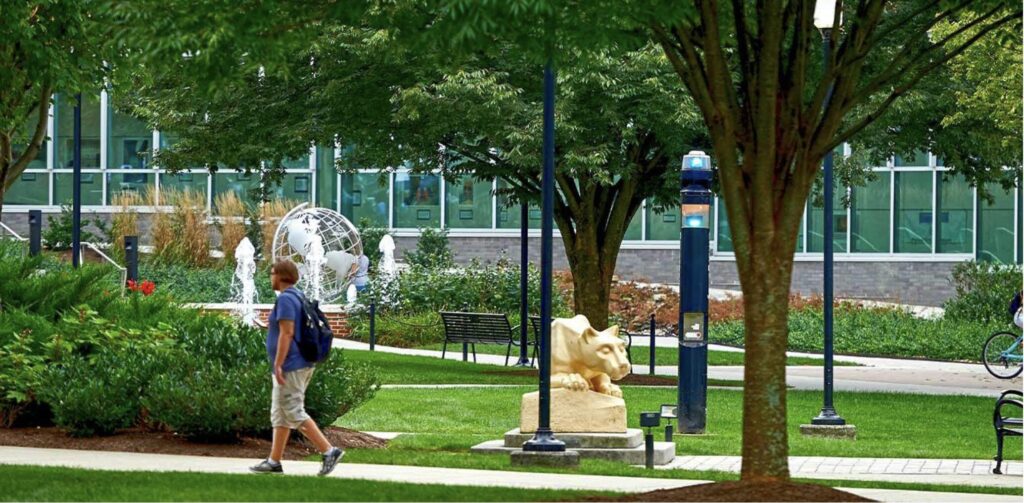
Uncertain Semester: Local colleges react, adapt to shifting policies, concerns for international students

Penn State Harrisburg

For decades, Dickinson College has cherished its ethos as an international campus, where students, faculty and staff learn amid the “complexity of global context.”

“International students bring their experience, their perspectives, their openness to learning and sharing their own cultural backgrounds with us,” said Associate Provost Samantha Brandauer, executive director of Dickinson’s Center for Global Study and Engagement. “The moment a student sets foot on the Dickinson campus, you’re going to be interacting with people around the world.”

As Trump administration policies erect, remove and re-erect barriers to immigration and international enrollment, central Pennsylvania colleges and universities are staying agile.

Harrisburg University isn’t seeing an enrollment slowdown since the State Department lifted a pause on visa interviews, but it’s a fluid situation.

“What I am seeing and hearing and identifying is students questioning whether to come to the U.S. right now,” said Chief Strategy Officer Ryan Riley.

And as Brandauer said, “You’re constantly Plan A, B, C and D-ing everything, so that you have a clear and kind and empathetic communication strategy, and you are getting feedback from the population themselves to understand the needs. It’s a multipronged approach where you’re managing what feels like a crisis.”


Motivated to Learn

At Dickinson, in Carlisle, international students come from all over the world, studying as single-semester exchange students or four-year degree candidates. They are, said Brandauer, “really high-achieving, really integrated across campus life.”

Dickinson’s Center for Global Study and Engagement helps international students stay in compliance with visa and immigration rules. It also advocates campus-wide for international students.

“We have an amazingly supportive and wonderful team of folks across the college who get this with us,” Brandauer said. “It’s easy to advocate for international students at Dickinson. People get it right away.”

International students often share similar challenges and needs with first-generation U.S. students, so Dickinson also considers the “universal design pieces” in academics and student life that help all students thrive, she added.

Dickinson students express a mixed bag of feelings about immigration crackdowns. Many want to simply live their lives as college students and feel like they belong. While they absorb Dickinson’s expressions of support and inclusivity, they worry about “a government that’s not sending the same signal,” Brandauer said.

At Penn State Harrisburg, “our international students are an integral part of the fabric of our campus community, as well as the surrounding communities while they attend and after graduation,” said Chancellor David M. Callejo Pérez. “They—like all of our students—provide valuable and diverse perspectives in our classrooms, our research and our communities.”

Penn State Harrisburg is “not seeing a significant decrease in new international student enrollment” and has not written additional policies to address changes coming from Washington, he said.

Penn State Global’s International Student and Scholar Advising (ISSA) office offers direct support and resources on a range of issues, from understanding legal requirements to getting a PA driver’s license.

In the mid-2010s, HU “carved out a unique space that has kept a strong pipeline of international students from over 100 countries,” said Riley. Its “Curricular Practical Training” program allows F-1 non-immigrant student visa holders to work, without waiting a year, in fields directly related to their academics.

The CPT typically accommodates two types of visa students, Riley said—those who want to see the U.S. and make friendships here, or entrepreneurs eager to take their skills back home.

“[They’re] very focused on their studies,” he said. “They’re appreciative of being here.”


Around the Town

As college administrators note, international students bring economic benefits to their communities.

In Pennsylvania’s 10th congressional district, which covers the Harrisburg area, 1,706 international students contributed $73.3 million to the economy and created 345 jobs in 2023-24, according to NAFSA: Association of International Educators.

Penn State Harrisburg’s international students contributed $44.1 million and supported 191 jobs. At Dickinson, they contributed $17.5 million to the economy and created 86 jobs.

International students’ direct financial contributions to Dickinson’s coffers are “a mixed bag,” Brandauer said. They are “not a monolith,” she noted. Some pay full tuition, while others need and receive financial support “because they contribute meaningful benefits to the community.”

HU’s international graduate students pay full tuition, enabling financial support for the undergraduate population that is more heavily U.S. citizens, school officials said.

International students are key drivers of HU’s growth in local economic impact from $106 million in 2016-17 to $274.5 million today, and they support about 200 of HU’s 600 jobs, Riley said. They are also patrons of Harrisburg International Airport, Amtrak and services around Harrisburg’s SoMa (South of Market) area.

“When you come to downtown Harrisburg when they’re here, there are 1,200 people getting cups of coffee and eating lunch and staying in hotels,” Riley said. “So, as the city itself looks for its next renaissance and opportunity to thrive, when you look at the SoMa area, it’s Harrisburg University that is keeping the economy alive because of these students.”


Bumpy Road

The U.S. remains the top choice globally for higher education, but inconsistent policies create “a tremendous amount of uncertainty and stress,” Riley said.

“The U.S. will lose students, probably this cycle and the next cycle to institutions in Canada, for sure, but also to the UK and Australia, which have maintained their consistency in their programs,” he said.

As uncertainty lingers, HU’s international student and student services offices support international students, and a new staff position connects graduate students to resources on-campus and off, for such needs as tutoring and mental health.

Dickinson’s international and legal teams are preparing their recommendations for this fall’s student cohort. As events unfold quickly under the Trump administration, they have devised a strategy to keep students informed in a timely fashion and confident of the facts.

“This is a moving target,” Brandauer said. “A lot of our messaging to students right now is helping them feel that we see this, we see you, and we are doing all kinds of things to support you.”

To help ease worries about barriers to re-entry, Dickinson offered free campus housing to students impacted by the travel ban this summer, and about 30 accepted. During the brief visa suspension, another handful of students accepted a similar offer.

The travel ban hasn’t significantly impacted Dickinson’s fall enrollment, Brandauer said. However, as other universities are starting students on their international campuses or partner institutions outside the U.S., Dickinson is having similar “what if” conversations.

Some Penn State Harrisburg students have proceeded normally through visa processing and interviews while others “have encountered some issues,” said Pérez. “We continue to support our students as they make their way through these processes and prepare to join us in the fall.”

In light of questions from the Penn State community about Trump’s executive orders, Penn State Global in April recommended that international students and scholars keep their visa statuses current and always carry copies of their documentation.


Reaping Benefits

Although disruption sows mistrust and insecurity that can cause potential international students to reconsider, most of HU’s graduate students “feel confident they’re doing the right thing,” Riley said.

“They’re making the right choices. They’re following the law,” he said. “They’re here for their experience.”

He compares international students to “seeds from around the world that are planted on American soil.”

“When they’re nurtured with opportunity at institutions of higher education, they grow into bridges, and those bridges connect the U.S. to global ideas and markets and innovation,” he said. “So if we neglect them, we’re fencing off the garden, and not only do we lose a vibrant variety, but we miss out on the fruit they bear for everyone.”

Dickinson continues to monitor Trump administration policies and, in the world’s “perma-crisis,” also works to ease the anxiety and stress borne by staff concerned about their students, Brandauer said.

“It’s just disheartening because international students and scholars bring so much to our communities, to our campuses, to higher education,” she said. “I find it disheartening that we aren’t creating an environment that is welcoming of them. Dickinson is, but we’re fighting a fight. I feel lucky to do this work in a place where there’s so much support for it. It’s part of Dickinson’s values and identity.”

As Riley puts it, HU continues “just solidifying the message to our prospective students that the United States is open, and we’re here to help you get through any questions or challenges you have.”

If you like what we do, please support our work. Become a Friend of TheBurg!    

Continue Reading

Be My Neighbor: Program sets up students for success beyond high school

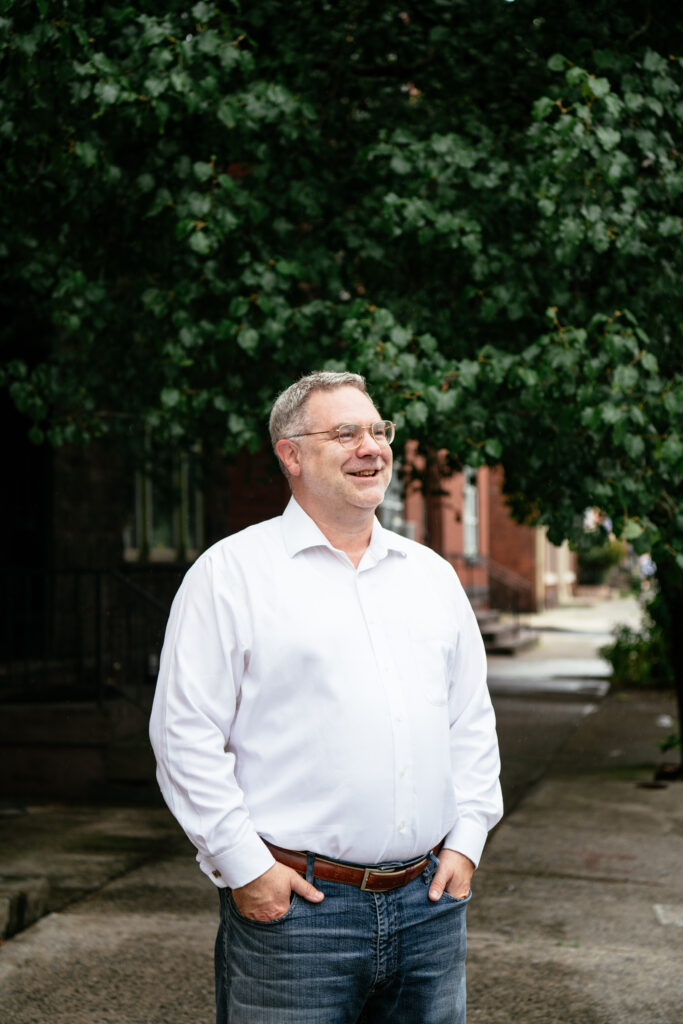
Chad Frey. Photo by Dani Fresh.

To Chad Frey, being a neighbor means so much more than living next to someone.

That’s because, to Frey, being a neighbor is a responsibility. Being a neighbor is a calling. Being a neighbor is an expression of love.

“I like to frame neighboring as a verb and look at it on an interpersonal level,” Frey explained. “I like to wonder: What does it mean for institutions to be part of a neighborhood?”

Frey has been tackling that question through his role as president and CEO of the Neighboring Academy, an in-school program at Steelton-Highspire High School that aims to break cycles of poverty by creating pathways to homeownership for students.

The idea for the academy was borne out of a response to the local housing crisis. As community members met to discuss the issue, Frey started to observe how the concern for affordable housing was “bubbling up” among local educational leaders, as well as community stakeholders.

Fast-forward to 2022, when the first Neighboring Academy pilot program was launched as a six-week summer program. The camp began with 10 rising ninth graders at Steelton-Highspire, and its focus was to help equip students with the abilities to become responsible citizens by expanding access to capital and preparing those students to make future homes in their communities.

In addition to educating students on financial literacy, the program helps them set up checking and savings accounts, teaches them how to save for a future home, and connects them with local leaders and businesses as a means to establish a network of professionals upon graduating high school, among other goals.

“Part of interrupting cycles of poverty is introducing ways to break those intergenerational cycles,” Frey said. “Home ownership is one of those very strategic things that has potential to be wealth-creating, and there are real challenges facing folks of color to attain home ownership. We want those students to build social capital, and we called that ‘neighboring.’ We want them to understand that they have a lot of neighbors that can help them succeed.”

Josh Aponte. Photo by Dani Fresh.

Changing Lives

One of the students that has grown up in the Neighboring Academy is Josh Aponte, who was made aware of the program by attending a school assembly in eighth grade. He heard what the academy offered and thought it would be a good way to make money through work experience with a partnering business. Once his mother signed off on it, Aponte enrolled.

What he found out, however, was that the program offered so much more than a vehicle to earn a few extra bucks as a teenager.

“It’s opened up so many opportunities,” Aponte, who is going into his senior year of high school, reflected. “I have such a wide network of neighbors that I can do whatever I want in life now. It’s given me exposure to so many different companies and businesses.”

That exposure has come in the form of getting a head start on acquiring professional skills. Earlier this summer, Aponte was part of a class that worked to become OSHA certified. During his junior year, a typical day would mean taking four core courses at Steelton-Highspire, eating lunch, and then volunteering at a UPMC hospital.

Aponte’s story is one of many that Frey is proud of, and it comes at a special time for the academy. For the first time, the program this summer featured students who have been with the initiative for their entire four years of high school. It’s a testament to both the commitment of the people who helped launch the program and the students who stuck with the vision offered to them.

“This program has helped change the lives of students,” Frey proudly relayed. “There were a number of students at the beginning who came in and were at risk. We weren’t sure if they were going to be able to continue in a public school setting, but they’ve come a long, long way.”

Now, these students consistently receive awards and scholarships, he said.

“The story of the Neighboring Academy truly is neighbors coming together to build something out of nothing,” Frey added. “In terms of what makes this go, what’s really at the heart of everything, is that love we have for our neighbors.”

For more information about the Neighboring Academy, visit www.neighboringacademy.org.

If you like what we do, please support our work. Become a Friend of TheBurg!   

Continue Reading

Sweet Start: Wake & Bake Café serves up homemade treats, breakfast to downtown Harrisburg patrons

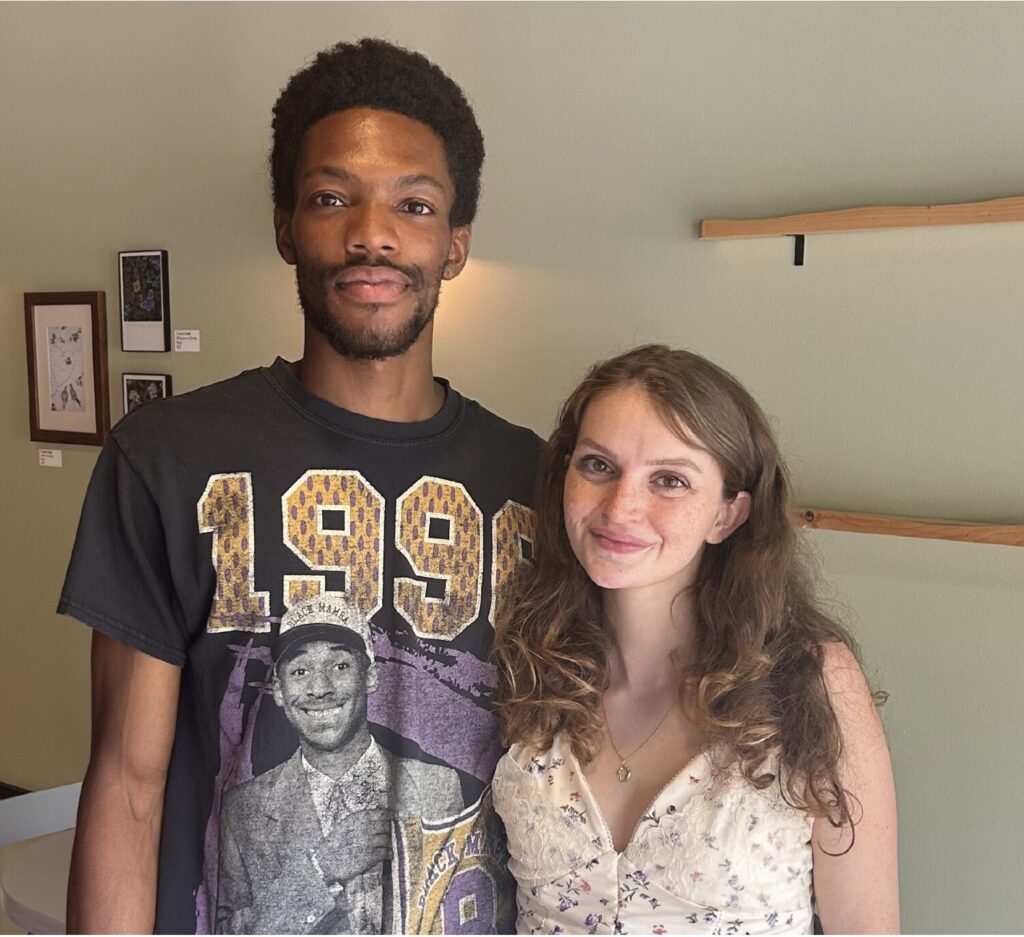
TJ Greenhowe & Elle Daniels

Baking came at just the right time for Elle Daniels.

She took up the hobby while walking through a period of stress and anxiety, and baking became the perfect outlet, the Harrisburg resident said.

For a while, she baked for fun, making treats for friends and family. It wasn’t until her partner TJ Greenhowe encouraged her to start a business that she even considered it.

After her daughter was born, Daniels started vending and doing pop ups at events and quickly began receiving praise from satisfied customers.

“There was so much positive feedback and people asking, ‘When is your bakery opening?” she said.

Daniels and Greenhowe decided to take the plunge and open their own storefront. They looked at a few places downtown, as that’s where they often went to grab coffee and wander around, before settling on a newly vacant spot on N. 3rd Street. They decided on the name, Wake & Bake Café, planning to provide both quality coffee drinks and baked goods, along with breakfast items.

In July, the couple cut the ribbon on their storefront, surrounded by friends and community members. It didn’t take long for a line of patrons to fill the shop.

“It feels unreal,” Daniels said on the opening day.

Wake & Bake serves up a variety of treats, from cookies to cakes to breads.

Anything chocolate peanut butter is a crowd pleaser, Daniels said, and her favorites to make are carrot cake and unique flavors like lavender lemon.

She also takes custom cake orders and even holds monthly cake giveaways to families that can’t afford special occasion cakes.

Affordability is another important value of the business. As someone with a family of her own, Daniels knows how expensive it can be to go out to eat and wants to make sure customers can still get quality flavors at reasonable prices.

The shop itself looks different than what customers might remember of the former business at that location, Deco Grab & Go.

Greenhowe, who has his own contracting business, Greenhowe’s Aesthetics, did all the interior renovations himself. That includes a newly white tiled counter, new tables for customer seating and a window bar that provides extra space to sit and snack.

“Our main goal was to make it vibrant,” he said. “It’s like, wow, we really managed to pull it off.”

The journey toward opening hasn’t been easy, as Greenhowe balanced his full-time job with renovating the café and as Daniels found out she was pregnant again, just after deciding to open the storefront. But now that they’re open, the couple is excited to offer the Harrisburg community a new place to hang out, satisfy a sweet tooth and meet with friends.

They also have plenty of help in the form of a significantly sized team for a new business. Four additional staffers will work at Wake & Bake, helping with cooking breakfast, making hot drinks and serving patrons.

During the July ribbon cutting, Harrisburg Mayor Wanda Williams gave her congratulations to the new shop and noted how important small businesses are to the city.

“Thank you for choosing the city of Harrisburg,” she said to the owners. “Thank you for seeing what we see—a city full of promise, full of pride and full of people who will support you every step of the way.”

Wake & Bake Café is located at 240 N. 3rd St., Harrisburg. For more information, visit them on Facebook and Instagram @wakeandbakecafehbg.

If you like what we do, please support our work. Become a Friend of TheBurg!   

Continue Reading

Vintage Views: Gruver Farms Winery offers a taste of the Finger Lakes in New Cumberland

Gruver Farms Winery & Tasting Room

If you ever purchased a Christmas tree in our region, you may already be familiar with the name “Gruver.”

The family operates a longstanding tree farm in New Cumberland where customers can cut their own trees or choose from a variety of pre-cut options.

Their latest venture is the Gruver Farms Winery & Tasting Room, which is owned and operated by Jaden Gruver, who celebrated the grand opening in April.

“It’s been the culmination of five years of hard work and dedication to get the tasting room constructed and up and running,” Gruver said.


Year-Round

The story begins in the 1970s when Jaden’s father, Bob, purchased 32 acres of land on Stetler Road, launching a landscaping business and Christmas tree farm.

About a decade ago, Jaden decided to join the business to help expand operations. Since then, they’ve added pumpkins, a three-acre vineyard and the newly opened tasting room. The tasting room is located on the Christmas tree farm and is relatively large by some standards, at 3,200 square feet.

“We wanted to create a space big enough for residents to gather,” Gruver said.

His vision: to offer reasons to visit the farm all year-round. During warmer months, customers can take a seat on an outdoor patio and behold a beautiful view overlooking the countryside.

When it came to getting the word out and operating the winery, Gruver’s bachelor’s degree in tourism and hospitality management from Temple University came in handy, as did his hands-on experience.

“I worked at a couple wineries in various positions, from being out in the vineyard to making wine to help running tasting rooms,” he said.


Crisp, Refreshing

According to Gruver, the most challenging aspect of winemaking in central Pennsylvania is the unpredictable weather.

“One season can be perfect and the next can bring unexpected rain, humidity or late frosts, which really impacts the grapes,” he said. “So, it keeps us on our toes.”

In good years, Pennsylvania’s cooler climate and rolling hills create ideal conditions for crisp, refreshing whites and balanced, fruit-forward reds.

“The soil here is a mix of limestone and clay, which not only gives the grapes good draining, but also adds some complexity,” Gruver said.

Unlike many Pennsylvania wineries that focus on sweeter wines, Gruver Farms sets itself apart with dry styles. The wine is produced in partnership with Weathered Vineyards in New Tripoli using Gruver’s Marquette, Frontenac gris and Cayuga grapes.

“These wines really shine,” Gruver said. “The growing conditions are challenging, but they help bring out the character of each variety.”

Gruver’s personal favorite is the Frontenac gris.

“It’s crisp and refreshing with bright citrus notes and easily paired with light summer dishes like grilled shrimp, fresh salads or even a simple goat cheese appetizer,” Gruver said.

For non-wine drinkers, Gruver also offers beer, canned cocktails, coffee and non-alcoholic drinks.


Breathtaking

Harrisburg resident Kate Lewinson, who attended the grand opening and its lavender festival in late June, was impressed.

“I had a wonderful tasting lavender slushie,” she said, recalling the event that featured local vendors, live music and a relaxed atmosphere.

What struck her most, though, was the view.

“It’s incredible, and the sunsets are breathtaking,” she said.

“When people visit, they often say that it feels like a little slice of the Finger Lakes, right here in New Cumberland,” added Gruver.

The winery features live music on Friday evenings, yoga and barre classes in the vineyard, as well as private events.

“I’ve always loved how wine brings people together—whether it’s for celebrating big milestones or just enjoying a relaxing afternoon,” Gruver said. “We wanted to create a space where people could slow down, enjoy good wine, and connect with family, friends and community.”


Gruver Farms Winery and Tasting Room is located at 255 Stetler Rd., New Cumberland. For more information, visit
www.gruverfarms.com or follow them on Instagram and Facebook.

If you like what we do, please support our work. Become a Friend of TheBurg!   

Continue Reading

Behind the Plate: Chef’s travels flavor new Hotel Hershey restaurant experiences

1933 Restaurant & Tavern. Photo courtesy of Hotel Hershey

Does anyone ever rave about the food in college dining halls?

Odd as it sounds, Hotel Hershey Executive Chef Bart Umidi does. He made the leap into the culinary field because of his campus job helping to create what he called “progressive and creative” fare at the University of Maryland.

Helping to run a dinner theater in one dining hall, he then helped start up a steakhouse in the student union building, which was the turning point that led him to stay on as catering staff after graduation and then to culinary school at the renowned Culinary Institute of America in Hyde Park, N.Y.

Since then, food has continually opened the door to exotic experiences. He worked in celebrated resorts such as the Greenbriar in West Virginia and the Broadmoor in Colorado Springs, Colo., as well as in such touristy places as Bermuda, Hawaii and Hilton Head, S.C.

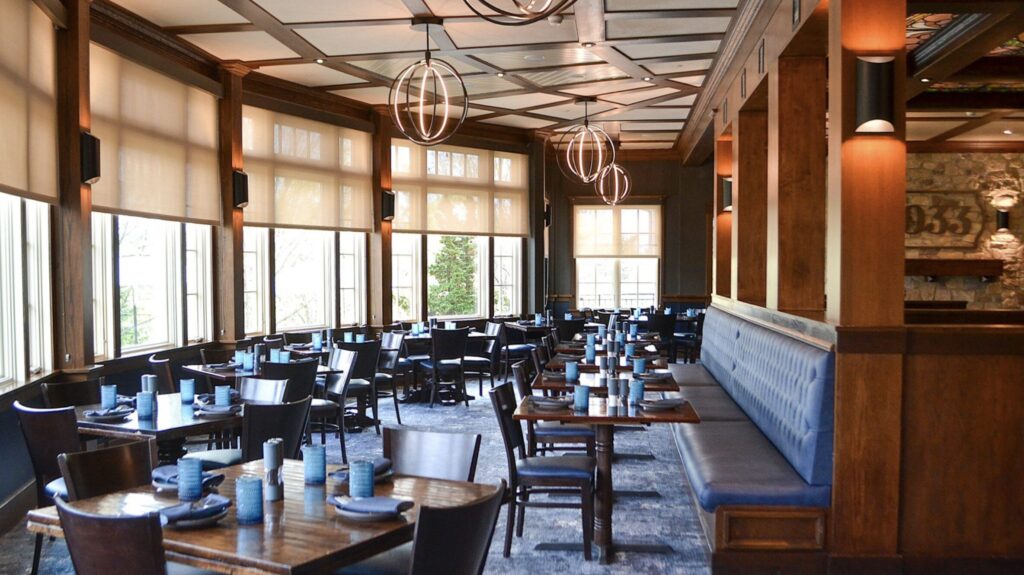
After nine years as executive chef at Hershey Lodge, Umidi moved to the Hotel Hershey in 2021 to oversee the culinary operation for three full-service restaurants, an all-day café, lounge, room service, banquet and event space, spa restaurant and seasonal poolside café for the AAA Four Diamond property. The restaurants include The Circular, Trevi 5 and the newly rebranded 1933, which had previously operated as Harvest.

He’s lived in lovely resort areas around the world but has now been in Hershey for his 13th summer.

“We measure things in summers around here,” he quipped.

So, what’s the special sauce in Hershey?

He was attracted initially to take on the executive chef responsibilities after he “met the team, met the chefs, their energy, their passion, what I saw as potential with the size and complexity of the Lodge.”

“I got real excited,” he said. “There’s nothing we can’t do in this environment.”

Getting to rebrand restaurants—Fire & Grain and Revelry Chophouse at the Lodge, and now 1933 at the Hotel—along with menu development, restaurant design, kitchen design and layout keeps the job interesting.

“With our mission for our company with Milton Hershey School and how our leadership drives that and communicates it and gives us opportunities to engage, it’s something you can’t find in a freestanding restaurant,” Umidi noted. “I’ve always enjoyed being in resort hotels.”

It doesn’t hurt that he spent his younger years in Hanover and Spring Grove before graduating from high school at Chesapeake High in Paradise, Md.

Umidi loves collaborating on new dishes and menus with the three executive chefs of the hotel restaurants—Dakota Bowers at 1933, Vincent Delagrange at the Circular and William McDonough at Trevi 5—where the team looks for seasonal triggers that inspire and support a sense of time and place for each restaurant’s identity.

Umidi’s past locales and his staff help to inform his menu.

“My experiences and my guys—they’re inspired and they’re creative,” he said. “That’s one of the things I love the most—the collaboration with them.”

In Hawaii, he was exposed to Pacific and Asian cuisines, traveling to places like Thailand and Japan. He used king salmon in Hawaii and continues that today because it is fattier and more delicious than Atlantic salmon, he said.

Umidi serves mussels with an Asian spin and created a seafood tower for 1933. The Circular menu has some Korean flavors, including a pork tenderloin with gochujang, kimchi and rice, and a miso-glazed black cod in a country ham dashi with a fresh salad and forbidden rice.

“The Circular is a place where we can push boundaries a little and explore,” he said. “I like to be able to surprise them with that creativity.”

Also at the Hotel, the Iberian Lounge is a favorite for hotel guests and locals. New items also recently dropped there, including flatbreads, hummus, prosciutto and burrata plate, and other tapas-oriented items that reflect the Iberian peninsula.

Chef’s Bites: The newly branded 1933 expands the Harvest menu with a steak and chop profile, continuing relationships with vendors (like Bowcreek Farm) and the community. It now has more of a British tavern vibe with pub dishes that resonate with throwbacks like a steak and ale pie and a meatloaf that “is not your grandma’s meatloaf.”

Favorite Dish: Among Umidi’s favorites is an interpretation of a cassoulet at The Circular that uses lamb loin as the foundation along with lamb consommé, legumes and duck bacon. “It was fun to evolve that dish. It didn’t start as that but worked through an evolution to become spring cassoulet.” At Trevi 5, he recommends the pizza that features a thin crust and the house-made filled pasta. At 1933, favorites include oysters, an aged Kansas City strip steak (aged for 32 days), and the aged pork chop.

Pro Tips: Summer is prime time at the Hotel Hershey, but savvy locals can get seated by dining earlier. Sunday brunch at 1933 is a good bet.

If You Go: Reservations are available during the summer at all three restaurants except for the Trevi 5 patio.

The Hotel Hershey is located at 100 Hotel Rd., Hershey. For more information on Chef Bart Umidi and the restaurants, visit www.thehotelhershey.com/dining.

If you like what we do, please support our work. Become a Friend of TheBurg!   
Continue Reading

Counting Coins for College: It’s never too early to start prepping for your child’s higher-education journey. Local financial planners offer advice

Twenty years ago, sitting at my computer, my arms resting on my pregnant belly, I opened a PA529 college savings account for my baby girl.

I followed conventional advice: Start investing now to take advantage of compounding interest. Invest in diversified high-yield accounts. Pay myself first. Invest consistently. Automate contributions from payroll. I opened a Upromise credit card for cashback rewards.

All great advice… except why did every parent in my circle run out of money before their baby girls and baby boys finished college? How did our collective estimates fall so short of actuals?

At the risk of aging myself, my parents funded my college using an add-to-anytime CD. Yearly tuition cost less than today’s vacation. Some in my circle funded college out-of-pocket. Paradigms have shifted—hard.

“Many people underestimate long-term inflation and the true cost of room, board, travel and inflation-adjusted tuition,” said Harrisburg-based financial advisor Ray Stark, of Thrivent Choice Financial Group.

Conner Brady, financial planner and owner of Brady Planning, numerically explained how today’s parents get caught unaware. College costs rose 2 to 8% every year, far outpacing wage growth over a 40-year period ending in 2023.

“A low-yield savings account, savings bonds and a part-time job doesn’t cut it anymore,” Brady said.

Invest Is Best

529 plans are a great go-to plan for tax-deferred growth and tax-free withdrawals. You can invite third-party investors, and you can invest in 529 plans for other states, which may have different rules. They typically offer age-based portfolios that automatically adjust risk. As college nears, the portfolio shifts to safer investments to reduce risk and preserve capital. Stark advised that 529 plans do count as an asset, and may reduce your student’s financial aid award. Likewise, custodial accounts count as student assets.

You can also use cash value life insurance or other investment accounts not tied to your student as part of your overall wealth portfolio. For example, you can withdraw contributions against a Roth IRA without taxes and penalties prior to the minimum age when withdrawals are used for qualified higher education expenses. These funds won’t affect your student’s financial aid award.

Real estate is another great long-term investment. Pro tip for those seasoned in real estate investing: Purchase real estate near your student’s college. Your student now has housing, and you can charge their roommates rent.


FAFSA-lutely!

The federal government may give your student financial aid, but they first want to know how much you have. According to Brady, Uncle Sam expects parents to help students financially, whether they plan to or not. For every $100 of parent-owned assets, the government assumes $5.64 goes towards college.

“Don’t assume you make too much money or have too many assets to receive financial assistance,” Stark said.

Enter the Free Application for Federal Student Aid (FAFSA) form. Many high schools and local credit unions offer tutorials for completing it. You can also find handbooks and video tutorials offering strategies for shifting your money around.

“Savings used too early may actually count against students receiving more financial aid during the second half of their education,” Stark said.

Fill out the FAFSA form every year, and don’t miss the application deadline.

Loan Lessons

“We see lots of grads entering the workforce who didn’t understand the long-term impact of the college debt they were signing up for,” Brady said.

Loans represent a great learning opportunity.

“Educating kids about debt early can help prevent costly mistakes later in life,” Stark said. “Discuss interest rates, repayment options and co-signing risks.”

Brady recommends federal loans (preferably subsidized) over private loans. Federal loans offer more flexibility and don’t grow interest until after graduation.

Realistic loan amount? “A loan shouldn’t be more than one-third of the student’s first year of expected income,” Brady said. “More than that is unrealistic, and may not be worth the return on investment.”


Can I Get a Tip?

Here are some bonus ways to save cash and pay for college.

  • High schoolers may qualify for college credits through Advanced Placement classes. Many schools also partner with community colleges to offer college courses to high schoolers, who can earn early college credits.
  • Save on room and board by attending community college. The first two years of college consist of general education courses that should transfer to almost any four-year college.
  • Encourage your high schooler to frequently check with their guidance counselor for grants and scholarship opportunities. If you have a niche talent or sports acumen, enlist a guidance counselor’s help finding a recruiting college.
  • Private schools are not always more expensive than state schools. Many offer need-based and merit-based aid.
  • Consider joining the military—active duty or reserves. Service members receive college tuition and housing expenses at accredited institutions.
  • Check into your current (or potential) workplace’s benefits. Full- and part-time employees may qualify for tuition assistance. University employees and their families often receive reduced or free tuition.
  • The ultimate cost avoidance—consider a lucrative trade instead. My stepson didn’t need full college for his field. He attended vo-tech and took some college classes.
  • Not every degree is worth taking on significant debt. Consider an associate’s degree or certificate program instead of a four-year investment.

Whether you connect with a financial adviser or DIY with an internet calculator, here’s a disclaimer via both Stark and Brady: No financial advice provides guarantees. Consider investment objectives, risks, charges, tax implications and expenses associated before investing.

Connect with Ray Stark at https://connect.thrivent.com/ray-stark.

Find out more about Brady Planning at www.bradyplanning.com.

If you like what we do, please support our work. Become a Friend of TheBurg!   

Continue Reading

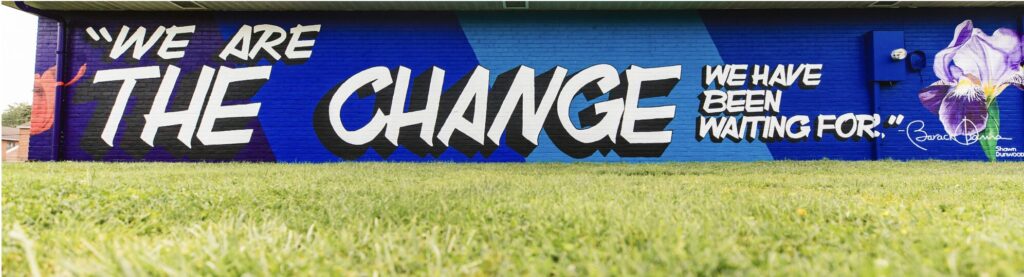
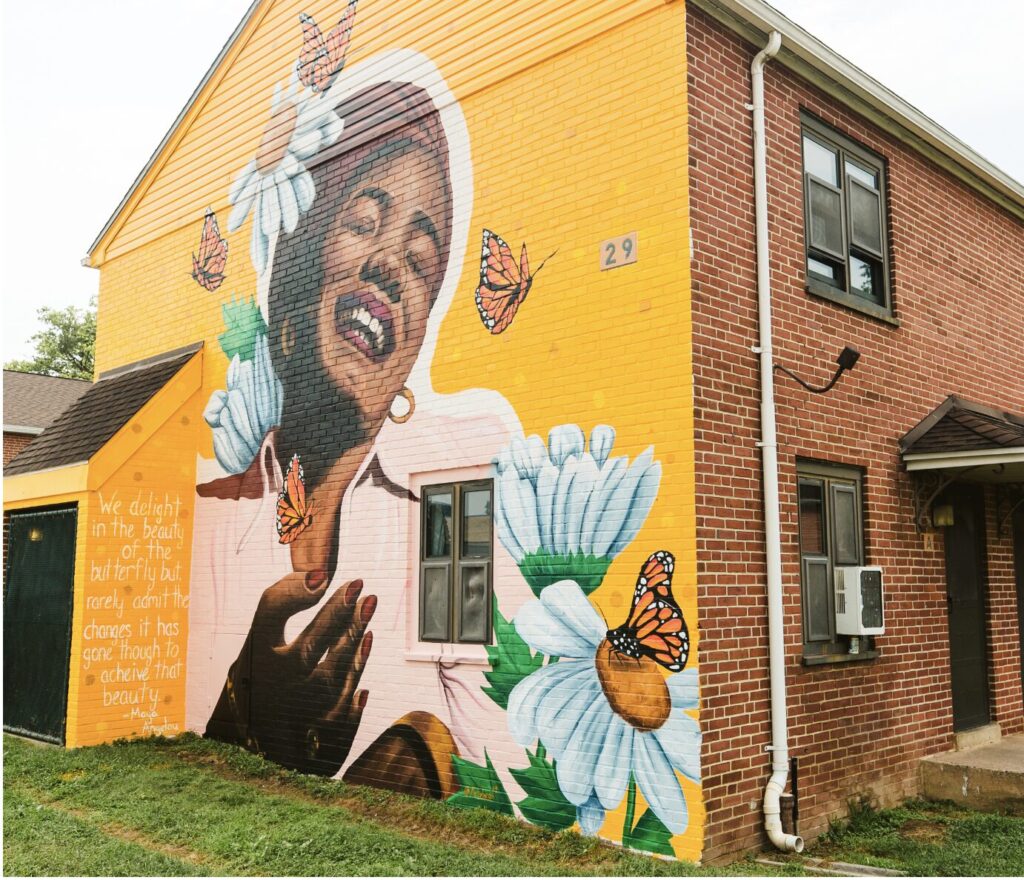
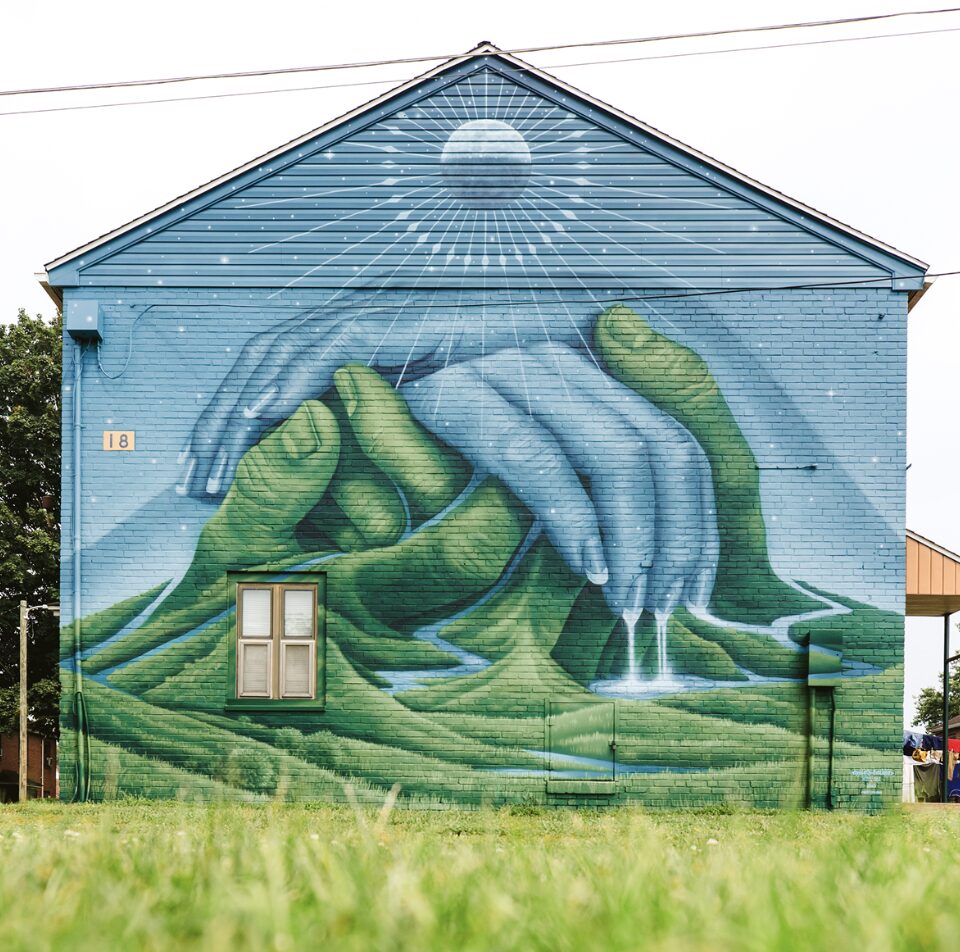
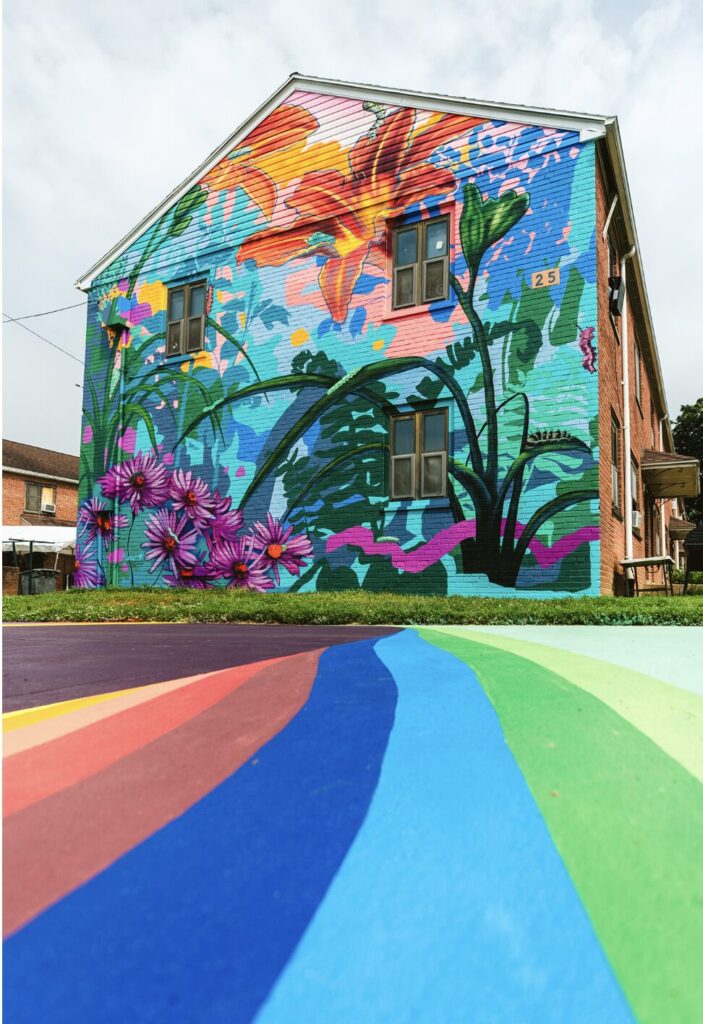
Hall Manor Hues: Sprocket Mural Works brought big, bold colors this summer to Hall Manor, a housing community in Allison Hill

In late June, the Harrisburg-based arts nonprofit oversaw the creation of several large-scale murals, a sidewalk mural and a mural on a basketball court, as well as a mural on the exterior of the Boys & Girls Club.

Before the project, over 1,000 residents were surveyed and concepts were presented. Then both local and nationally known artists were commissioned to do the painting, which stretched out over several weeks.

Here, we share a sample of the Hall Manor art project. For more information on Sprocket Mural Works, and to donate, visit www.sprocketmuralworks.org.

Photos by Landon Wise.

Mural by Rough Edge Collective

Sharnee Burnett

Mural by Osiris Rain

Maya Angelou mural by Sharnee Burnett

Mural by Miles Toland

Mural by Sarah Eberly

Mural by Dionn Reneé

Continue Reading

Adventure Together: Cool off from the August heat with a family trip to the Poconos

Hawk Falls

As the temperature climbs, so do many families, into the mountains seeking a cooler oasis.

This year, my family decided to explore somewhere we’d never been—the Poconos. Ascending the winding pathways northeast, we found temperate relief as grasses turned to ferns, moss made blankets on trees, and the sound of rushing water competed with the roar of my engine.

Sold on a Google review rating of 4.6/5 stars and a feature photo of a playground with a castle, we stayed at Peaceful Woodlands Family Campground in Blakeslee. Privately owned and operated, the folks are kind and welcoming, even going above and beyond by offering free coffee, tea and cocoa in the mornings. Mini golf is included in your stay, with a course built by hand that’s full of pinwheels and tunnels with varying grades of difficulty. A pool packed with kids splashing and playing met our need to cool off. When they’re not poolside, kids swarm the two playgrounds, making up games and forging friendships.

Peaceful Woodlands also hosts two music festivals a year. Unfortunately, our stay didn’t overlap with a festival this time. Many of the campers were raving about the upcoming Robin and Beth Music Festival happening the first week of August with headliner Hezekiah Jones, a collection of Philadelphia-based artists specializing in folk music. The Midnight Mountain Music Show is upcoming on Sept. 12 and 13, with 12-plus bands in the lineup.


Hike & Splash

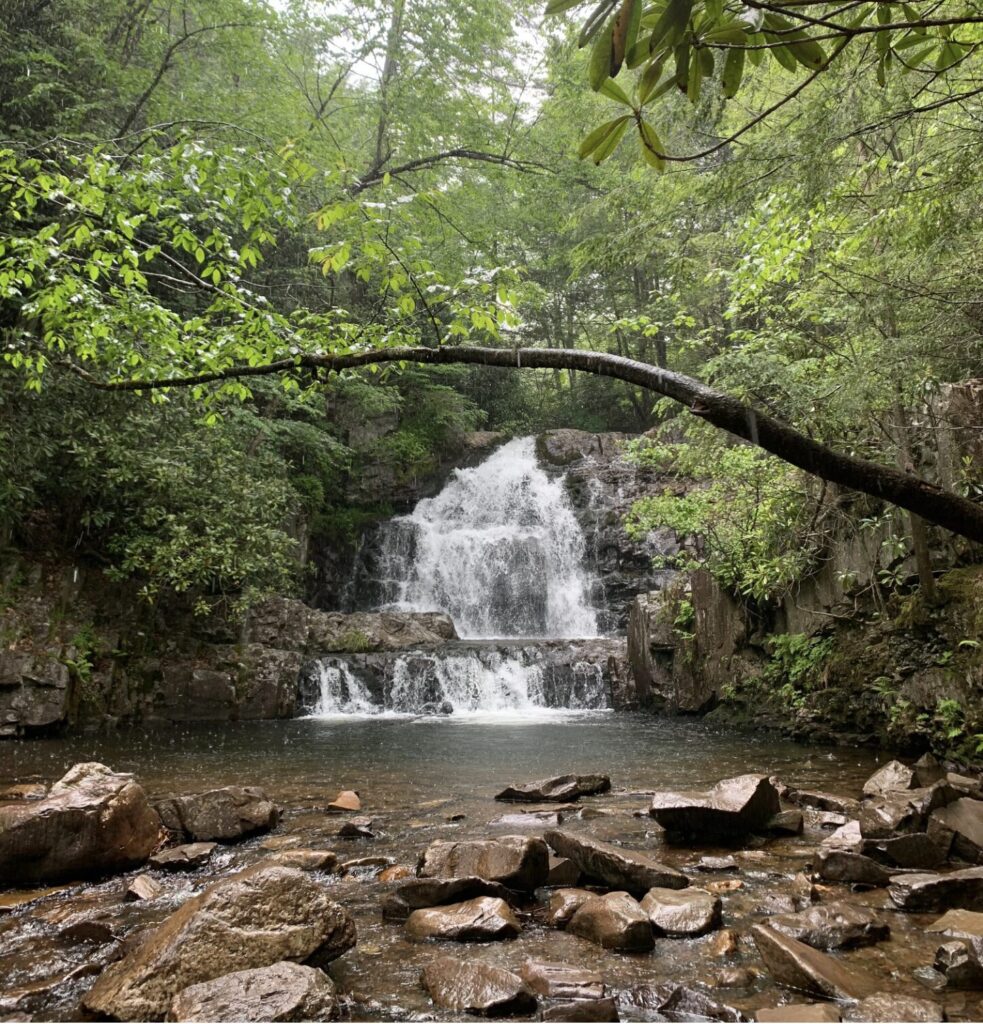
The campground is located about five minutes from the Pocono Raceway, if your family is into watching cars go fast. It’s also 15 minutes from Hickory Run State Park where Hawk Falls, a 25-foot waterfall, roars in the forest. Hawk Falls can be accessed from a 1.2-mile out-and-back hike. The trail borders boulders, perfect for little feet to climb, then traverses tunnels of dense rhododendron reminiscent of Alice falling down the rabbit hole. Hikers emerge from the tunnels at the base of the falls where there’s ample room to sit in wonder, splash in the creek, or enjoy prepacked snacks.

As your tribe is enjoying the outdoors, remember to be cognizant of disposables. During our hike, we noticed a fair amount of trash littering the pathway. Encourage your family to be proactive stewards of the earth by packing bags or containers to gather litter that you may encounter. The Pocono Mountains are part of the Delaware River Watershed, a drinking water source for over 320,000 people. The base of a waterfall is an excellent place to educate your little(s) about the water cycle and how the mountain streams tumble and grow until they meet the ocean. Speaking of tumbling and growing, when it comes time to clean your crew, remember to pack eco-friendly soap.

Post-hike, we visited the town of Jim Thorpe, which is bustling with kid-friendly things to do. Some highlights are The Historic Jim Thorpe Trolley Tours and the Lehigh Gorge Scenic Train Excursions. We were surprised to learn that reindeer can live outside of the North Pole during a “Summer Reindeer Tour” at Spruce Ridge Reindeer.


Eco-art

With so much excitement and easy entertainment, we almost didn’t have time for our craft. But as all parents know, the boredom comes quickly, so we made our own paintbrushes. The cool thing about making your own paintbrush is that the textures are a night-and-day difference from the store-bought kind.

To start, find a stick that seems paintbrush size, about 3 to 4 inches long and sturdy. Next, gather the materials for the brush. We tried two contrasting materials—pine needles on our first paintbrush then fresh green leaves on the second. The pine needle paintbrush ended up looking similar to a witch or wizard’s broom and made designs that were distinct, keeping the paint separated and fairly difficult to spread. The green leaf paintbrush was pretty silly, offering an almost watercolor experience with globs of paint mixing and mashing, colors running into each other and making quite a mess.

If your family is interested in testing out paintbrushes but you don’t have any paint with you, try using water on a rock to see ecofriendly designs come to life then disappear again before your eyes. This is another example of how water changes form, moving from liquid to gas as it evaporates off the surface of the rock.

Only about two hours from Harrisburg, the Poconos are the perfect place to cool off during this scorching month. In one weekend, we barely scratched the surface of what these mountains and this community have to offer. An amazing thing about Pennsylvania is the varied terrain and people and that a two-night trip can feel a world away. Renewed by the rhododendron, we wound our way back home to enjoy the last few weeks before school begins anew.

For more information on Peaceful Woodlands Campground, visit www.peacefulwoodlands.com.

Hawk Falls Trail is located on Route 534, Hickory Run State Park, Albrightsville.

If you like what we do, please support our work. Become a Friend of TheBurg!   
Continue Reading

Tat Chat: So, what makes a tattoo artist?

Todd Williams & Daniel Lara

You might say that the tattoo industry is leaving its mark. Today, about 32% of U.S. adults sport at least one tattoo.

Those who are already inked may be familiar with the ins and outs of tattoo artistry, but for the uninitiated, the journey of a tattoo artist can be as fascinating as the art itself.


Getting Started

In Mechanicsburg, tucked quietly into a residential neighborhood, is the historic Rakestraw building, an 18,000-square-foot-warehouse that appears deceptively small from the outside. This unassuming building is home to Rock Mill Industries—a haven for creatives.

Among those artists are Todd Williams and Daniel Lara of Laser Fang Tattoo Emporium Extrordinorium. The two Mechanicsburg residents—who also happen to be musicians with backgrounds in heavy metal—have been running their own shop since 2020 after working together at another studio.

Unsurprisingly, both men also share a deep passion for art. Williams described how his love for tattoos was inspired by fellow musicians and a well-known sports figure.

“I’ve loved art my entire life, and so many musicians have tattoos,” Williams said. “Dennis Rodman, one of my all-time-favorite basketball players, also has quite a few.”

Both men attended classes at HACC before starting tattoo apprenticeships.

“I took all the art courses, and, during summers, I practiced art in the park,” Lara said. “I would also sit in on model drawing sessions to learn.”

Both men agree that aspiring tattoo artists should apply for apprenticeships.

“There’s only one right way to learn, and that’s through an apprenticeship,” Lara said. “It’s akin to surgery and must be done in a sterile environment. You need proper training, including certification in bloodborne pathogens.”

Williams agreed.

“When you are an apprentice, they teach you everything—from dealing with clients to cleaning and sterilization techniques,” he said, adding that the typical apprenticeship lasts a year or two.

Rock Mill Industries isn’t just about tattoos. It’s a one-stop shop for musicians and those who want to look like them. In addition to Laser Fang, there’s the Rock Mill print shop, which turns out swag and other custom-made items for local bands like Honeypump and others. They specialize in screen printing, graphic design and apparel printing.

Logan Summey rented the space for a dozen years before purchasing the property last January.  According to Summey, it’s fully leased and includes additional businesses like Hershey AV solutions and a recording studio where students can enroll in “The Rock Band Program” by Rod Goelz and more.

“We’re a one stop shop for all your creative needs,” Lara said


Personal Expression

As a tattoo artist, it’s almost mandatory to have your own tattoos—preferably many. Both Williams’ and Lara’s tattoos tell unique personal stories. Williams shone a light on two of his: a train and a lighthouse.

“My father was a train engineer, and my mother is my guiding light,” he explained.

And for the uninitiated, friends no longer have to be guinea pigs for those practicing the art of tattooing, and the old way of subjecting one’s own legs to the practice has given way to better protocols.

“Years ago, my mentor sent me to butcher shops to get pig skin,” Lara said. “It was the first thing I ever tattooed because it was the closest to human skin. I’d start with it frozen, then have to work on it and freeze it again. It was how I did my first couple.”

Nowadays, budding tattoo artists have the luxury of practicing on synthetic skin, Lara explained. He tossed me a synthetic, tatted-up foot before describing one of his more unusual requests.

“One guy wanted a depiction of Waldo crawling out of his butt crack,” he said, adding that concepts can range from serious memorial pieces to the downright wacky.

Williams agreed, adding that one of his more memorable requests included a tattoo of the Pink Panther wearing a leather jacket and a doo rag, riding a chopper and standing in front of a semi.

And if you want a professional tattoo, costs run about $150 an hour—on par with some lawyers.

“My parents weren’t altogether thrilled with the idea of me becoming a tattoo artist, but when series like ‘LA Ink’ and ‘Miami Ink’ went mainstream, they understood that it was an actual profession,” Williams said. “They became my best supporters.”


Laser Fang Tattoo Emporium Extrordinorium is located at 17 E. Coover St., Mechanicsburg. For more information, visit their Facebook page. For more on Rock Mill Industries, visit www.rockmillindustries.com

If you like what we do, please support our work. Become a Friend of TheBurg!   

Continue Reading

Have Art Will Travel: The Mount Gretna Chronicles, Part III: Art of the Jigger

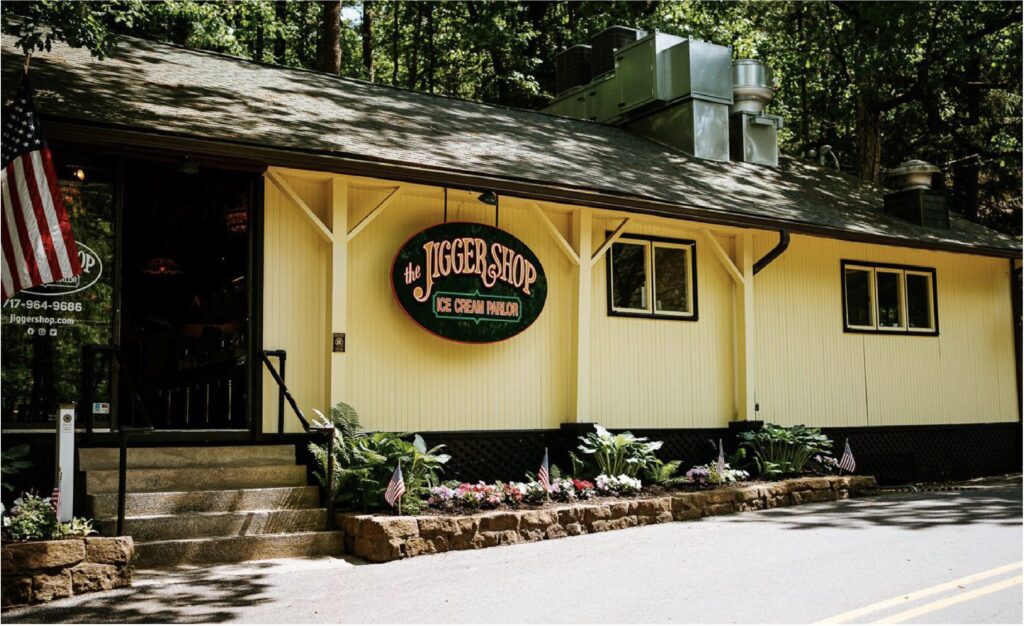
The Jigger Shop

If you have ever wondered how articles in TheBurg come about, I can only share my experience. As a writer I count my blessings. My editor grants me the latitude to create my own topics as long as they are art related. You may ask, “What is a Jigger?” If you have heard of it, how would it qualify as art?

Over the past 12 months, I have been writing about the environ of Mt. Gretna. A wee bit outside of my art purview but perfect for August—can there truly be a better month for ice cream? The Jigger Shop is much more than a sundae. It is a page in Mt. Gretna’s photo album for eternity.


Colloquial Charm

When Mt. Gretna was created in the early 1880s, iron ore magnate Robert Coleman envisioned a resort community. His blueprint was a picnic grove where visitors could relax for an afternoon and enjoy the fruits of summer. A lake was created by damming the Conewago Creek. A railroad station was built, and a narrow-gauge rail line was laid from the park up the mountain to Governor Dick Tower. The lookout provided a panoramic view that spanned four counties. Its cement tower allows one to survey the surrounding countryside and remains a great spot for hikers and day-trippers. The picnic grove for summer visitors became the foundation ultimately for a hotel, a railroad, dancing and skating pavilions, picnic benches, a restaurant, a shooting gallery, a bowling alley and even a ballfield. With the advent of the Pennsylvania Chautauqua in 1892, many disciplines sprung up to include religion, philosophy, music, literature and the fine arts. Those aspects continued to expand as Mt. Gretna entered the 20th century.


A Jigger History

A Lebanon county destination, the Jigger Shop is found in the heart of Mt. Gretna. Charlie Myers, a Harrisburg tailor by profession, opened a summer pavilion in 1895 under his name, and it remained Myers Pavilion through the mid-1920s. Known for its bon-bons, its menu grew over time.

“Legend has it that two girls vacationing in Gretna for the summer would stop in every afternoon,” stated Drew Allwein, owner of the Jigger Shop for over 50 years. “The girls came up with a unique sundae combination which they loved. The very next day, they came back and asked the waitress if she could make that jigger again.”

“Jigger” at that time was an abbreviated term for “thingamajig,” and the name soon caught on with customers who asked for the Jigger. So much so that the business would switch its name from Myers Pavilion to “The Jigger Shop.”

Since those days, the Jigger Shop has changed owners seven times. The Allwein family was its longest owners, dating back to 1963 when Chuck and Charlotte Allwein purchased the restaurant. Son Drew and wife Linda then ran the business up through 2017. In 2018, the extended Seyfert family of Lebanon County purchased the legendary parlor. Today, Kyle Seyfert keeps it chugging along, much like the railroad passing through Gretna all those years ago.

The Jigger Shop is in great hands under Kyle’s watchful eyes. Each day, he can be found behind the counter or even doing the dishes. Those very tasks endear him to his employees, who keep coming back summer after summer.

“Some places, like the Jigger Shop, don’t need reinvention,” Kyle said. “They just need people who care enough to keep them steady. The Jigger Shop has been that kind of place for over a century, and now it’s my turn to help carry it forward—not by making it new, but by keeping what always works.”


Creative Expressions

At the Jigger, feel free to relax and enjoy the leisurely pace of summer. After all, you are in the land where time stands still, and memories become second nature. Umbrellas, under the canopy of trees, serve the weather’s uncertainty and provide shade for the outside tables. Parlor seating indoors. with ceiling fans humming, ward off the heat and humidity. The soda fountain stools are a throwback to yesteryear as one conjures the two young ladies creating the original Jigger sundae. The order desk at the front showcases posters that line the high-ceilinged wall from the halcyon days of Mt. Gretna’s theater productions. The stained-glass lamps over the tabletops add the perfect finishing touch.

Anything crafted by hand is a form of art, and making a Jigger sundae qualifies as a true expression of creativity. The confection is comprised of 2½ scoops of French vanilla ice cream and whipped marshmallow, chocolate or butterscotch syrup with nuts. The Jigger Shop has remained a constant Gretna favorite, evoking nostalgia and memories handed down over its storied history.

One can work up quite an appetite going to the lookout tower at Governor Dick or traversing the Lebanon Valley rail trails. Perhaps a better bet may be to take The Ice Cream Spur Trail portion. A short walk through the former grounds of the Mt. Gretna Amusement Park will provide access to all the area attractions, including the Jigger Shop, hence the name, the Ice Cream Spur—though its vast menu offers so much more than ice cream. The Jigger’s choices tout 71 delights not including Pennsylvania Dutch birch and root beer in frosted mugs. Ice cream sundaes total 22 options. Don’t forget about lunch as the Jigger Shop is open daily from noon until 9 p.m. every day except Monday. Now you know there is much more to the Jigger than just the Jigger!

The Jigger Shop has been a part of so many central Pennsylvania lives over its 130-year history. Today, the Jigger community spans many generations, with a vast legion of fans, patrons and friends. Students from the surrounding area, whose parents also worked there, continue the tradition, all sharing a genuine affection and appreciation for what the Jigger Shop represents. As far as ambiance goes, summer nights in Gretna hold a magic all their own. When the lights come on at twilight, the ice cream always tastes better. There’s a saying in Mt. Gretna that you truly haven’t experienced the “flavor” of the area until you savored a “Jigger,” and its secret ingredient? A liberal sprinkling of pixie dust—after all, you are in Mt. Gretna!

The Jigger Shop is located at 202 Gettysburg Ave., Mt. Gretna. For more information, visit www.jiggershop.com. A heartfelt thanks to Jack Bitner and his comprehensive book on the history of the region, “Mount Gretna, A Coleman Legacy.”


August Art Arrivals

August beckons, which means Mt. Gretna is at its peak of artistic expression.

The month kicks off with the annual Cicada Music Festival, which runs Aug. 4 to 12. Meanwhile, the Gretna Playhouse bustles all summer long with performances in its cavernous amphitheater. A Saturday morning is reserved for the younger set with timely children’s theater geared for the entire family.

The 51st Annual Mt. Gretna Outdoor Art Show, one of the country’s best art festivals, returns Aug. 16 to 17. Back at the helm again this year is festival director, Kerry Royer. Mt. Gretna’s International Film Festival is also back, running that same weekend. The film festival is dedicated to the memory of Michael Evan Dietzler.

Your choice film or art—the skilled will find a means to do both, but can you do it while juggling a Jigger?

If you like what we do, please support our work. Become a Friend of TheBurg!   

Continue Reading