
Illustration by Aron Rook
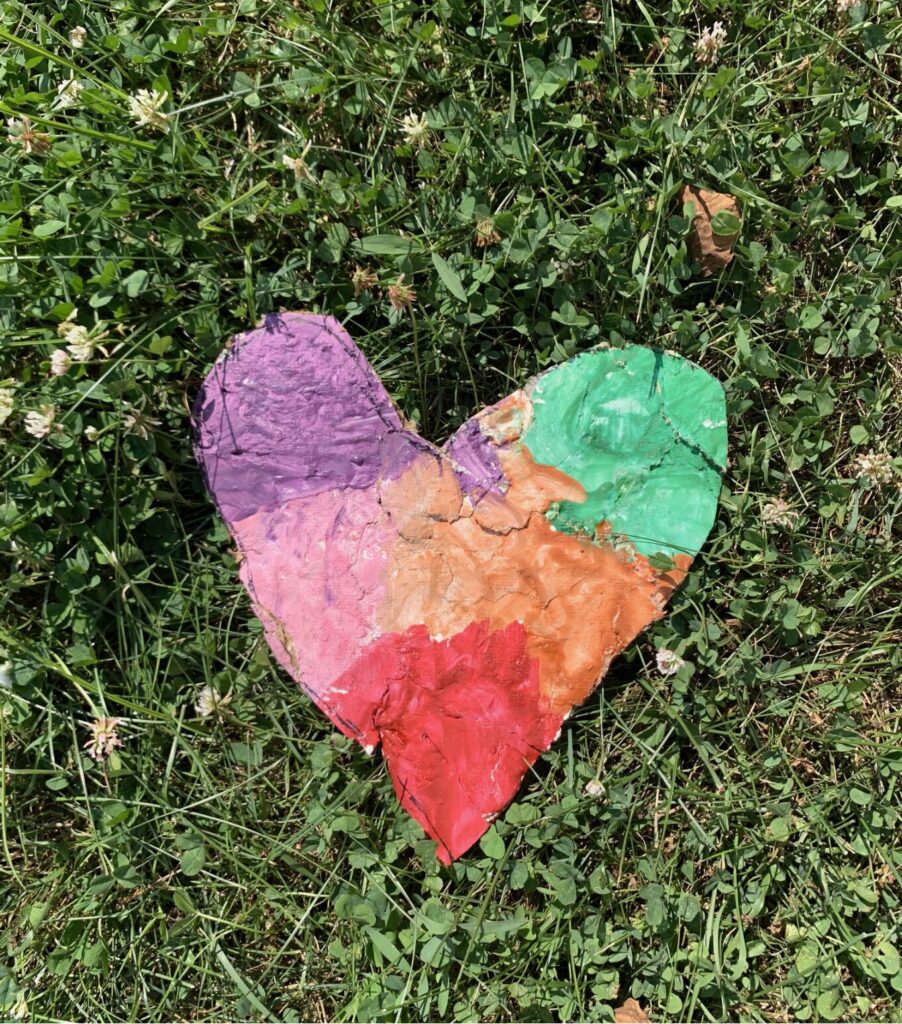
It wasn’t until last summer when I finally created a fridge-worthy painting.
As a child, I’d taken art classes, my creations later shoved into the back of my shame-drawer. Most of my art teachers (God bless them!) tried to teach me, but they soon identified with the nuns’ comments on my report cards: “Impervious to instruction.”
I’d thought (incorrectly) that art is an “anything goes” experimentation sesh. What I realized as an adult is that art classes teach more than mixing colors and buying the right kind of sketchpad. Kids must learn rules and correct techniques before strategically flaunting them.
Most art styles are forgiving, allowing experimentation … but not pottery class. Bob Cappelluti, a self-taught pottery teacher and owner/president of Riverbottom Pottery in Swatara Township, stressed the need for kids to follow directions.
“If they don’t follow the steps, the piece doesn’t make it,” he said.
Although the atmosphere is fun, Cappelluti expects kids (ages 7 and older) to learn, to apply critical thinking in 3-D, and to communicate with instructors, all six of whom used to teach elementary school.
In pottery class, “there’s a sense of satisfaction that they’ve successfully materialized something,” Cappelluti said. “Whatever piece they make, they take through the whole process.”
Sarah Kachurik said pottery classes expanded her fifth-grade daughter Tori’s creativity “beyond the typical box of crayons.” Mom said, “She stepped away from electronics and worked with her hands to create something she saw in her imagination.”
There’s also a takeaway lesson when things don’t work as intended. Tori either had to fix it, or accept that the piece wasn’t working and start over. Either way, Mom reports, Tori had fun.
Try Something New
Other types of art instructors can afford to encourage experimentation because their media are more forgiving. Art Association of Harrisburg’s Youth Drawing & Painting instructor Allison Juliana believes that, while basic guidance and structure are important, kids are there to learn something new and to use art as a means of expression.
Beyond trying new materials, like tempura paint or mixing colors, she encourages kids to “take risks, to think about materials in a new way. I show them different styles and approaches so they can learn about the many different ways to create art, maybe try something they haven’t tried before.”
Fellow Art Association of Harrisburg instructor Carrie Feidt also uses diverse art media to allow children to discover what works for them. (Feidt also teaches independently through Carrie Feidt’s Freelance Art, focusing on kids ages 5 to 14.) Feidt encourages kids “to look at the world around them in a more artistic way. They may begin to wonder how they would go about painting a scene that they see.”
Resiliency and troubleshooting are other important lessons.
“I have seen young kids learn how to be creative and fix something that they originally thought was an accident,” Feidt said.
Although she is clear in warning her students what will happen when they make certain decisions, their true understanding must stem from working with the materials hands-on.
“Kids always get excited when they can turn something they didn’t like into something they are proud of,” she said.
Making, Collaborating
I’d like to think I learned something from each teacher who tried to “correct” my art. But more important are art instructors who develop insights into their students, and those who nurture relationships—especially for kids who don’t fit into more interactive reference groups.
Tina Antonicelli, secretary of the Art Center School and Galleries board of directors and volunteer director, loves to see artsy kids come together, bouncing ideas off each other.
“Kids who don’t have athletics or music may lose their way,” Antonicelli said. “Art classes give those kids a chance to build self-confidence and experiment with different techniques.”
Katie Seward, an eighth grader who has attended several pottery and drawing classes at the Art Center, considers art itself to be a lifelong part of her friend group and a form of self-expression that allows her to be in the moment.
Her mother, Huyen Nguyen, has seen her daughter develop patience, work ethic and the ability to take her time.
“I’m starting to see her combine her two interests together: pots, plates and bowls with patterns or drawings,” Nguyen said. “One year, Katie had [drawings of] dragons and snakes swimming all over her artworks. She’s even won awards for her art pieces.”
That same spirit of collaboration and experimentation helps kids grow in other life areas, with instructors who nudge them out of their comfort zones. Although there is no typical child who enrolls in art classes, many local art classes tend to attract kids enrolled in virtual cyber schools looking for in-person interaction.
“Art classes bring kids together,” Juliana said. “They’re meeting like-minded peers, forming new relationships.”
“The first day of camp is quiet,” Cappelluti added. “But they’re old friends by the end.”
As critically formative as art classes are, they can be expensive. My daughter is currently an art major in college, and you can practically hear my two leftover nickels clinking together. In the spirit of inclusion and opportunity, inquire about scholarships, sponsorships, benefactor offerings and ride sharing for your kids. If you’re on the other side of the tin cup, thank you for supporting the arts.
For more information on The Art Center School and Galleries of Mechanicsburg, visitwww.theartcenterschoolandgalleries.com/kids-classes.
Find out more about the Art Association of Harrisburg at www.artassocofhbg.com.
Learn more about Riverbottom Pottery at www.riverbottompottery.com.
If you like what we do, please support our work. Become a Friend of TheBurg!




 We’ve done a lot of breaking down this month.