Nonprofit Focus: LINKBANK & Brethren Housing Association


LINKBANK

Why do you feel it’s important for your business to support our area’s nonprofits?

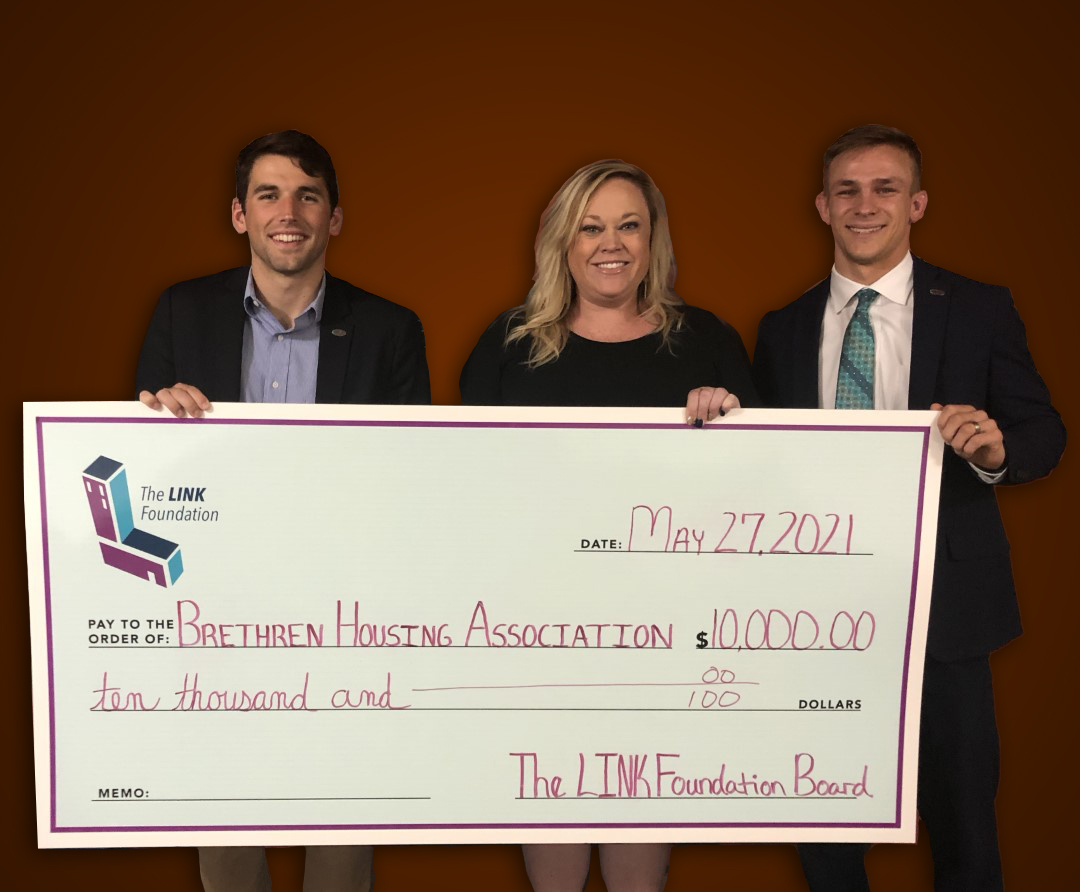
At LINKBANK, we are thrilled to be catalysts of positively investing in building strong communities and championing a greater community impact. LINKBANK’s mission is to positively impact lives through community banking. The founding shareholders desired to create an avenue for continually evaluating and supporting the greatest needs in our region.  In response, The LINK Foundation was established as a separate legal entity and with a distinct Board of Directors, with a focus and drive to positively impact the communities across Central and Southeastern Pennsylvania. The LINK Foundation is proud to support and engage organizations and projects towards positive and measurable impact, helping to grow a vibrant Pennsylvania region. The Foundation’s funding initiatives are focused on three pillars: developing future leaders, promoting financial literacy, and fortifying personal growth—pillars that emulate the shared mission of LINKBANK.   The LINK Foundation has given $252,500 to 19 local nonprofits since its first grant cycle in May 2020.   [LINKBANK is a division of The Gratz Bank.]

Why do you support this particular nonprofit and what does your business do to benefit the organization?

It’s our joy for The LINK Foundation to partner with Brethren Housing Association (BHA), supporting their holistic program of stable housing, supportive services and loving relationships to individuals and families who are experiencing homelessness. Stories of impact are what moves us to collaborate with Brethren Housing to help individuals become self-sufficient. For over 30 years, BHA has been providing transitional housing for single moms with children. They offer classes from parenting to financial literacy to job readiness. It’s the stories of transformation that move us to support them as they positively impact their community, building futures filled with hope, promise and stability.

BRETHREN HOUSING ASSOCIATION (BHA)

Describe your organization and the importance of corporate support to further your mission.

Brethren Housing Association is a bridge housing program for single mothers and their children experiencing homelessness. In FY 2020-21, we were able to serve 134 individuals (47 families). Through loving relationships, stable housing and supportive services, our families are successfully able to transition from homelessness to permanent housing. Despite all of the challenges that COVID presented, 74% of our families were able to move into permanent housing! None of this could be possible without the support of corporations and foundations. And while the success speaks for itself, the financial efficiency and how BHA stewards donor funding is also impressive, with $.85 of every dollar going directly to the program and support of our families. In addition to the direct impact on families, BHA is also at the center of change in our community. Since 1989, BHA has helped to transform the block where we are located by purchasing distressed and abandoned properties and rehabbing the houses into apartments. These apartments are used to serve the single mothers with children in the Transitions Program. BHA has invested over $1.5 million dollars into Hummel and Mulberry streets and has been called the catalyst for the improvements that have taken place in our area of South Allison Hill.

For 2022, what is your greatest need? In 2022, our focus is on growth and addressing the affordable housing crisis.

We’re looking at creative ways to serve our families during these challenging times. BHA is expanding into permanently affordable housing—this means providing housing to families at a rent they can ACTUALLY afford. It’s hard enough being a single mother, but trying to afford “affordable housing” at a time where $1,242 for a 3-bedroom is what’s considered fair in our area, makes it almost insurmountable (especially when coming from homelessness). So, the greatest need on that end is a) real estate and b) financial support. Another need we’re currently experiencing is help with our youth program! We offer a weekly youth program, while mom is attending life skills classes. This program is able to exist because of volunteers looking to engage with our young folks. A variety of lesson plans are taught to encourage self-esteem and support the children as they are developing self-regulation and conflict resolution skills. If you’re interested in volunteering, please visit www.bha-pa.org.

Sponsored Content

Proudly Sponsored by

Continue Reading

Nonprofit Focus: Crescent Strategy & M28 Ministry

CRESCENT STRATEGY, LLC

Why do you feel it’s important for your business to support our area’s nonprofits?

Crescent Strategy has worked with many of the area’s nonprofits to build their brand recognition, increase their fundraising prowess, and attract new volunteers to support their causes. Frequently, we select which organizations to work with based on their mission and the positive impact they have on their communities. We want to do good for our clients as they do good for society and believe in living our values by giving back to each of our clients whenever possible—sponsoring their charity events like gala dinners and golf tournaments and donating our time as a board member or event volunteer. We know the importance of being good stewards of not just our clients’ branding, but of central Pennsylvania’s image as well. As a woman-owned small business located in uptown Harrisburg, we recognize the challenges and opportunities in the Capital region and applaud the myriad organizations working to make this a great place to live, work and play. From city beautification efforts to support for individuals working on their sobriety to feeding the hungry, local nonprofits fill the needs that society requires to thrive. As our business continues to grow, we look forward to finding new ways to support these change-making nonprofits and encourage other business owners to do so, too.

Why do you support this particular nonprofit and what does your business do to benefit the organization?

The mission of M28 Ministry resonates with Susan Ewing, owner and founder of Crescent Strategy. She lost both her father and sister to addiction, so she knows how drugs can impact more than just the individual. It makes waves that ripple through every level of a community. That is why our business works so closely with M28, as they provide hope and support to those in substance use disorder recovery. Susan sits on the organization’s board, where she uses her digital marketing expertise to elevate M28’s visibility and uncover new ways for them to fundraise and find volunteers. In addition, we have provided financial support to them through event sponsorships and other donations. Crescent Strategy also uses its local partnerships to connect M28 with other business leaders and community pillars.

M28 MINISTRY

Describe your organization and the importance of corporate or foundation support to further your mission.

There have been many negative consequences of the COVID-19 pandemic: job loss, overwhelming stress, and a higher cost of living, to name but a few. These can weigh heavily on anyone, but to someone struggling with a drug or alcohol addiction, they can be fatal. Sadly, the pandemic has increased both the number of individuals using substances and those who overdose from them. Some treatment centers have had to close due to staffing shortages and the challenges that come from trying to house people in close quarters while trying to maintain social distancing. M28 Ministry is a faith-based, community-focused movement of people who help individuals in drug and alcohol addiction recovery. Our mission is to stand alongside those who want to help themselves. We partner with the region’s substance use disorder treatment and recovery centers, as well as with other nonprofits, faith organizations and government agencies, to build transformational relationships for those in recovery, as well as for their families. Like any nonprofit, M28 relies on the generous support of individuals and businesses to continue our vital work. Last year, we had our first-ever charity fundraising gala, and more than a dozen local organizations stepped up to support our mission through event sponsorships, auction item donations and financial gifts. At this year’s gala, we expect even greater success! We continue to work with Crescent Strategy to identify other opportunities to improve our fundraising strategy and connect with other local, socially minded business owners looking to help those in need.

For 2022, what is your greatest need for corporate or foundation support?

In 2022, we begin the second year of our Assisi Program, which is a housing and whole life transformation assistance program that prioritizes providing long-term housing to people trying to rebuild their lives, thus ending their homelessness and poverty. Graduates of the program learn how to pursue their personal goals (finding a career, securing a place to live, rebuilding relationships, etc.) and improve their quality of life. We welcome corporate and foundation support to be able to offer the Assisi Program to more individuals seeking guidance on the road to recovery. This can be through financial support, or as a volunteer mentor who will provide guidance to program participants throughout their one-year journey toward independence. New this year is a partnership between M28 and Jewish Family Services of Greater Harrisburg to help resettle several Afghan refugee families in central Pennsylvania. Through our House2Home Project, we provided furniture and other household goods to these families to make them feel more comfortable as they start a new chapter in their lives. These donations have left our warehouse rather empty, so we are looking for generous support to help us restock our furniture and home goods supplies (either through direct donations or funds) so that we can provide these at no cost to others in need in the coming year. You can learn about these and other opportunities to give on our website.

Sponsored Content

Proudly Sponsored by

Continue Reading

Nonprofit Focus: Pavone Marketing Group & Caitlin’s Smiles

PAVONE MARKETING GROUP

Why do you feel it’s important for your business to support our area’s nonprofits?

Throughout our three decades of work in Harrisburg, we’ve always known that providing pro bono marketing, messaging and volunteer hours for worthy causes was a key part of our business philosophy at Pavone Marketing Group. We’ve been committed to supporting a variety of organizations in Central PA, and as we expand with office locations outside of this area, that philosophy remains the same. It goes without saying that local businesses are made up of local people. And those people are the area’s community. When we share our expertise with worthy nonprofits, we all benefit.

Why do you support this particular nonprofit and what does your business do to benefit the organization?

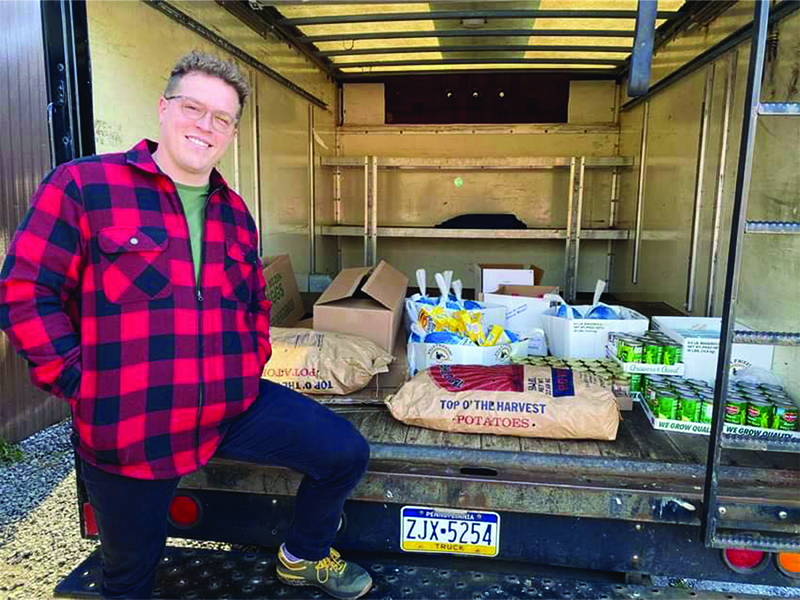
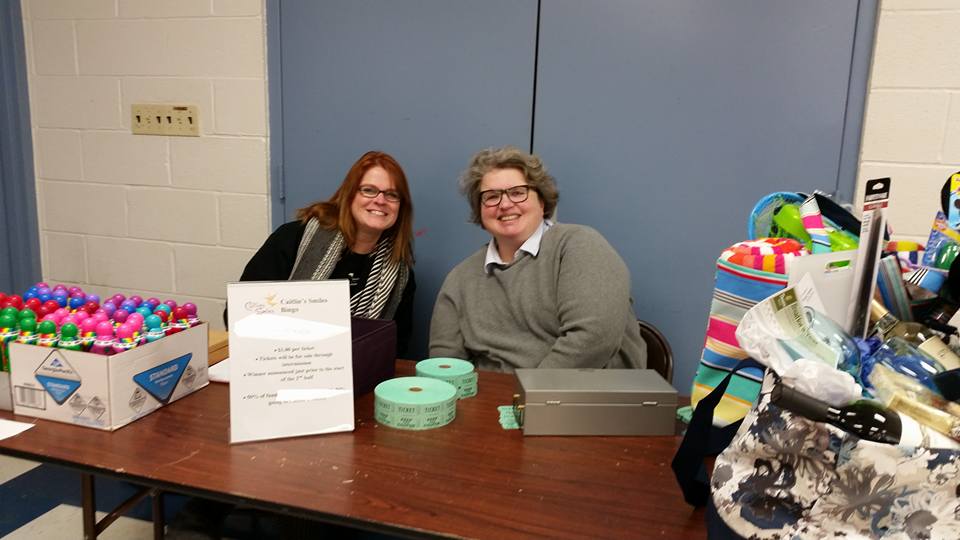
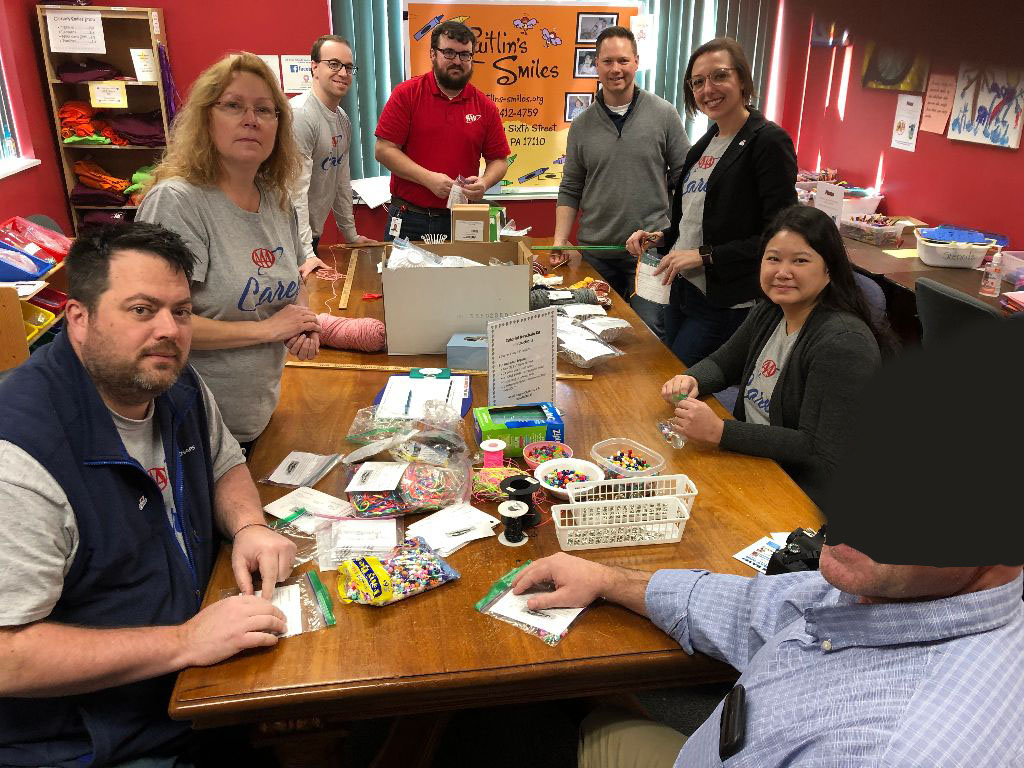
In the case of Caitlin’s Smiles, we first heard of their founder’s mission nearly 16 years ago while attending an awards show. We were deeply moved by Cheryl’s story of Caitlin and her channeling of that experience into the creation of an organization that is focused on children in the same circumstances. Her commitment to those children and their families is evident as she works to provide arts and crafts materials and activities that serve as both a comfort and a distraction to them. Over time, our relationship and commitment to the cause has both strengthened and broadened. We’ve felt privileged to help touch so many lives. Anyone who has the opportunity to observe first-hand the joy this organization brings to children can’t help but share in that joy. We created and maintain their website and provide copywriting, social media, marketing and PR support, and strategic direction for Caitlin’s Smiles. Our staff has served on their board, and one of our partners currently serves as its president. We attend and assist with all of their fundraising events, serve as kit-making volunteers, and help secure donations of art supplies.

CAITLIN’S SMILES

Describe your organization and the importance of corporate support to further your mission.

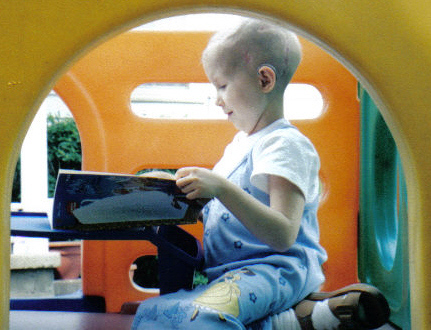
Caitlin’s Smiles was founded in 2004 by Caitlin’s mom, Cheryl Hornung, in memory of her daughter Caitlin. Caitlin lost her battle to a brain tumor at the age of 7. Caitlin was diagnosed at 4 years old. For Caitlin, arts and crafts were a very positive distraction from her hospital treatments and stays.  She spent her next 3½ years in four children’s hospitals in four different states for her surgeries, radiation, chemo, stem cell transplant and blood transfusions. In her memory, Caitlin’s Smiles has donated over 2.2 million arts and craft supplies to children in area hospitals, medical facilities and medical camps over 18 years. Powered by a passionate group of volunteers, Caitlin’s Smiles encourages children with serious health challenges to explore their uniquely creative talents by taking part in arts and craft activities. While creating feelings of self-worth and instilling confidence in these children, the efforts ultimately put smiles on the faces of everyone involved.  Caitlin’s Smiles depends on the support of local businesses to help spread smiles to children in hospitals and medical facilities. These corporations help raise funds through creating and marketing special events, writing grants, collecting donations of supplies, donating expertise to website development and newsletters, volunteering time to work special events and assemble kits, creating publications and giving overall executive guidance on the board.


For 2022, what is your greatest need?

The hospital can be an intimidating place for children. Add the presence of COVID to the mix, and it can be downright scary. COVID has changed the way that pediatric units in medical facilities function by limiting visitors, shuttering playrooms and restricting art carts. Plus, COVID has increased the needs of other facilities that we have not served much in the past. Now, there is a need for us to provide more of our activities to kids in behavioral health units and to medically fragile children who attend virtual medical summer camps. Our greatest need is for corporate partnerships. What we really need is for corporations to fully partner with Caitlin’s Smiles, as Pavone has done. We can use additional hands on help with developing new fundraising ideas, grant writing and outreach projects. Additionally, providing reciprocal social media, event participation and conducting supply drives/donations would help in spreading the word about our mission to a larger audience. While there are many businesses that offer these services, small to medium-sized charities like ours cannot afford to pay for them, and we struggle to develop new ideas due to budget and time constraints. Input from new partners can help us spread smiles to more hospitalized children.

Sponsored Content

Proudly Sponsored by

Continue Reading

Nonprofit Focus: Gunn-Mowery, LLC & Robin’s Way

GUNN-MOWERY, LLC

Why do you feel it’s important for your business to support our area’s nonprofits?

When Gunn-Mowery was in its formative years, a lot of people and businesses stepped up to support and do business with us.  That support meant the world to us, and we want to give back in a way that supports the communities we are active in. We walk hand-in-hand with our clients and partners to give of our time, talent and money to help advance the needs of our communities. One of the key ways we define our success is giving back to our communities in a significant way. While we can’t always give as much as we would like to, we do what we can to help those in need. It’s our “why” and why we do what we do everyday.

Why do you support this particular nonprofit and what does your business do to benefit the organization? (Answered by G. Greg Gunn)

My wife, Val, and I had a very close friend, Robin Scaer, who passed away in 2020. Robin was the Executive Director of the YMCA of Carlisle and was passionate about the services provided by its Rape Crisis Center. Robin often expressed her concern that funding to the Rape Crisis Center had severely decreased.  It touched her deeply.  When Robin passed away, we reached out to her friends and talked to her husband Bob about how best to honor her. With Bob’s blessing, we gathered a committee and created Robin’s Way to sustain critical funding for the Rape Crisis Center. Thankfully, we had a caring committee of friends and family working with us to make this happen, including Jewel Cooper, Anthony and Carolyn Worrall, Diane Tokarsky and many others. To keep administrative expenses to a minimum, Robin’s Way is administered by the YWCA of Carlisle and our good friend, Maddie Young. Maddie and Robin were friends, so Maddie also takes this effort as personally as Val and I do. All of us were fortunate to have Robin in our lives, and she inspired us to make a lasting difference in our community. Robin’s Way is our way of continuing to honor the extraordinary spirit of Robin Scaer and, especially, her passion to lift up others in need.

ROBIN’S WAY

Describe your organization and the importance of corporate support to further your mission.

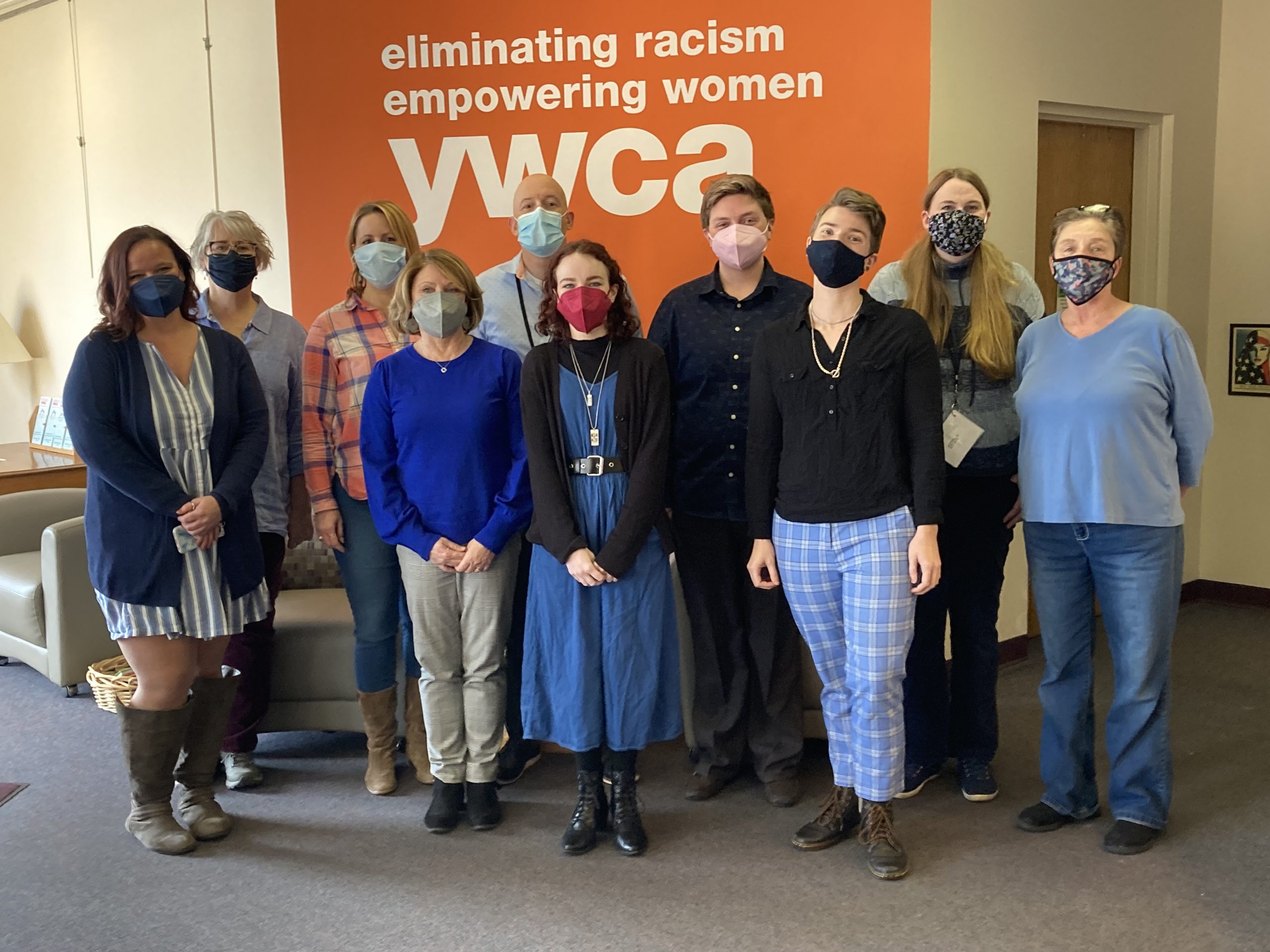
The YWCA Carlisle & Cumberland County’s mission is to eliminate racism, empower women and promote peace, justice, freedom and dignity for all. Our services include programs devoted to youth empowerment, social justice and racial equity; a full functioning preschool; and sexual assault awareness and advocacy through Sexual Assault/Rape Crisis Services of Cumberland County (SARCs). The Robin’s Way memorial fund was created in honor of our late executive director, Robin Scaer, and goes directly to supporting the quality and efficacy of SARCs. Robin championed the services and programs of the YWCA and was especially dedicated to SARCs. Caring and providing compassion for those in crisis is work that is never done, and corporate and foundation funding allows us to continue to offer a variety of services through SARCs, including prevention education; empowerment counseling for adults; body safety counseling for children; survivor support groups; individual advocacy; in-person accompaniments to hospitals, court and police settings; and a 24-hour hotline for anyone in crisis. Last year, we were able to serve 7,183 people across all our programming because of corporations dedicating money specifically to racial equity programs, our Empower & Equip and After the Bell Youth programs, and to Robin’s Way.

For 2022, what is your greatest need?

This year, our greatest need for corporate and foundation support is for our youth programs and support groups dedicated to people who have been victimized. Funding in these areas will help us continue to strengthen our current programs, while giving us the resources we need to expand our offerings to even more people in need. For example, we are developing a new program, STEAM Queens, for female-identifying high-schoolers interested in careers in science, technology, engineering, art and math (STEAM). Girls and women are systematically tracked away from science and math throughout their education, limiting their access, preparation and opportunities to go into these fields as adults. Our program aims to fight this trend by guiding students in building confidence as they explore and contribute to a male-dominated field by learning and experimenting alongside women working in STEAM. For our support groups, our goal for 2022 is to expand the Sexual Assault/Rape Crisis services that Cumberland County provides by building programming dedicated to human trafficking awareness and prevention, an area we have seen a great need in, but previously have not had the resources to aid. It is through the generous donations of corporations and foundations that we will be able to continue developing in these two areas and work to provide further support to all who have been marginalized within our community.

Sponsored Content

Proudly Sponsored by

Continue Reading

A Home in Harrisburg: Afghan refugees are resettling in central PA, with the assistance, collaboration of local groups

Church World Service volunteers. Photo by Dani Fresh.

Moving is not for the weak—even if it’s just a move across town. It involves a lot of upheaval and strength, both physical and mental. Add to that the need to relocate to a new country and culture for safety, and the task of moving becomes almost overwhelming.

That’s where a myriad of Harrisburg-based organizations and agencies are drawing together, collaborating to help relocate Afghan refugees to new homes and services in the area. Without this cooperation involving armies of volunteers and outreach, the move would be next to impossible.

Igor Drucker is one small part of this force. A refugee himself, he arrived here in 1990 from Kyiv, Ukraine, part of the exodus of Soviet Jews.

He will offer several of the apartments he owns through his commercial real estate business to Afghan refugees resettled by Jewish Family Service, which also sponsored his move here. In the past, he has helped house African and Nepali refugees through Catholic Charities.

“As much as I can help folks to give them a chance to start over in this great country, I’ll be happy to do so,” Drucker said.

Through the years, many organizations have helped resettle Soviet Jews in the Harrisburg area, as well as Vietnamese, Laotians, Bhutanese, Nepalese, Syrians and now, Afghanis.

“A lot of people who have grown up in the area, unless they are connected to a program like ours, they don’t get a sense of how diverse our Harrisburg area is,” said Sara Beck, ESL Services Manager for Catholic Charities. “When I say I have people from 40 countries—they just can’t wrap their heads around it.”

Many of those who have come before have added not only to the diversity of the region, but to its core values of working hard to get ahead. For example, Derry Street now houses a stunning strip of Nepalese businesses and restaurants.

In recent years, as many as 30,000 people from Bhutan and Nepal have settled in the Harrisburg and Lancaster areas.

“They are a really entrepreneurial group,” Beck said. “So many people have bought houses. It’s so cool to see how far they’ve come in a relatively short time.”

Among those working to achieve their American dream is Dinesh Bhattarai, who was 17 when his family was resettled from Nepal to Harrisburg. Now a sophomore majoring in biology at Penn State Harrisburg, Bhattari shows his gratitude to Catholic Charities by volunteering as an aide for the agency’s ESL classes.

Dinesh Bhattarai. Photo by Dani Fresh.

“If you come here without knowing anything, it can be difficult,” Bhattarai said. “After you get used to it, you are going to feel you can have more opportunity here in this area.”


Working Together

In all, some 90,000 Afghan refugees are expected to resettle in the United States, with a small portion coming to the Harrisburg area. They’ll arrive through some of the nine nationally approved organizations.

Catholic Charities has a contract to resettle 20 Afghan refugees in the area. Three other organizations also have resettlement contracts—Jewish Family Services will resettle 50 to 70, the International Service Center is resettling more than 113, and Church World Service is opening a Harrisburg site to resettle as many as 20 refugees. Some of the Afghanis have already arrived, with more still coming.

Catholic Charities has been helping to resettle refugees in the Harrisburg region since 1980.
According to Beck, the refugee resettlement program is a “crazy kind of big web that trickles down to essentially our office here.” Refugees are identified and registered, interviewed, and then go through clearance with the U.S. State Department before being approved for resettlement.

Catholic Charities, like most of the other organizations, will help new refugees for 90 to 180 days after arrival or provide further case management to give them a path to self-sufficiency. This help may include finding and outfitting a home, employment services, classes in English as a Second Language and referrals for other needs.

Most of the resettlement organizations partner with other agencies and programs for services they can’t provide, such as mental health services, food assistance and legal services. The new director at Catholic Charities, Kelly Gollick, arrived last November from CONTACT Helpline, which is a part of the referral services of Catholic Charities.

“Because our contract is limited, it compels us to work in partnership, which is a happy place for us,” said Steven Schauder, executive director of Jewish Family Service of Greater Harrisburg. “The team working on resettlement in our agency is comprised of a Christian, a Jew, a Muslim and a Buddhist. We’re our own UN working on resettlement.”

The large influx of Afghan refugees prompted the opening of a Harrisburg sub-office of Church World Service.

Site director Alex Swan said that a lot of the work, such as finding housing, occurs before the refugees arrive. A hot welcome meal of food from their home country is provided for the first night in their new house, and the refrigerator is stocked for the first few days. Referrals to clothing and food banks are made, and help is provided to enroll children in school and families in health care programs and ESL classes.

“We rely heavily on community members to step up and form a welcome team,” Swan said. “They’re our boots on the ground.”

International Service Center, which is based out of Market Square Presbyterian Church in Harrisburg, has been involved in refugee resettlement since 1976, helping people from such countries as Vietnam, Cambodia, Laos, Cuba, Haiti, Iran, Mexico, El Salvador and Ethiopia. Last year, it began its Afghan Assistance Placement Project.

Truong Phuong, executive director of International Service Center, said that a great need right now is finding landlords willing to provide homes.

“Because of the magnitude of arrivals within a historically short timeframe, we are in desperate need to secure affordable housing for many newly arrived Afghan refugees,” Phuong said.

Other support agencies include M28 Ministry, which is teaming with Jewish Family Service. M28’s House2Home Project helps furnish the refugee homes with everything down to forks and knives. For M28, this is the first time working with a resettlement project, as their main focus usually is helping people in drug and alcohol recovery.

“It is kind of a cool thing to see charities from all faith backgrounds and nonfaith backgrounds working together to help people as they transition here,” said Jimmy Schambach, director of M28 Ministry.


Moving Forward

Getting the refugees resettled requires lots of organization and collaboration. But, once they’re settled, then what?

That’s where organizations like Camp Hill-based PACRI—Pennsylvania Center for Refugees and Immigrants—come in. A former refugee, Alishine Osman started PACRI to help his fellow Somalis find services and connections when they came to the Harrisburg area.

Osman knows the journey that these newcomers face. His organization helps connect immigrants and refugees with area services such as transportation, education, finding employment and referrals to other services and agencies.

“We are the yellow pages basically,” Osman said.

Others offering services and referrals include Trinity Presbyterian Church, which offers ESL classes, Tri-County OIC, which also offers ESL as well as a special intensive culinary training and English for Special Purposes program, and the Pennsylvania Association of Immigrant and Refugee Women (PAIRWN).

PAIRWN has programs designed to offer ongoing support for newcomers, including a Family Advocacy Program to provide homework help for immigrant and refugee students. It also offers one-on-one interpretation services for parents.

Perhaps most importantly, PAIRWN offers fellowship for women seeking a home in their new country. The Story Circle program meets monthly, allowing members to tell their stories, make friends, and learn to know their new community.

According to resettlement organizations, the Harrisburg area has much to be proud of, with a strong history of supporting refugees, as well as employment opportunities for them.

“Historically, this area has been really amazing for refugees because of the good, family-sustaining, entry-level jobs,” Beck said. “We have lots of warehouses and places for people to work—and they’re able to advance at those work sites, too.”

And, Swan said, data shows that refugees have been “overwhelmingly successful in integrating into our communities—filling jobs, bringing their cultures and foods.”


Lending a Hand

Would you like to learn more about the organizations mentioned in this story or get involved in helping Afghan refugees?

Catholic Charities programs: www.cchbg.org

Church World Service: [email protected] or call 717-358-9351.

International Service Center: 717-236-9401 or email [email protected]

Jewish Family Service of Greater Harrisburg: www.jfsofhbg.org

M28 and its House2Home Project: www.m28.us/projects/house2home

PACRI: www.pacri.org

PAIRWN: www.pairwn.org

Tri-County OIC: www.tricountyoic.org

Trinity Presbyterian Church: www.trinityhbg.com

If you like what we do, please support our work. Become a Friend of TheBurg!   

Continue Reading

Working Overtime: Harrisburg’s two new City Council members pledge visibility, engagement within the community

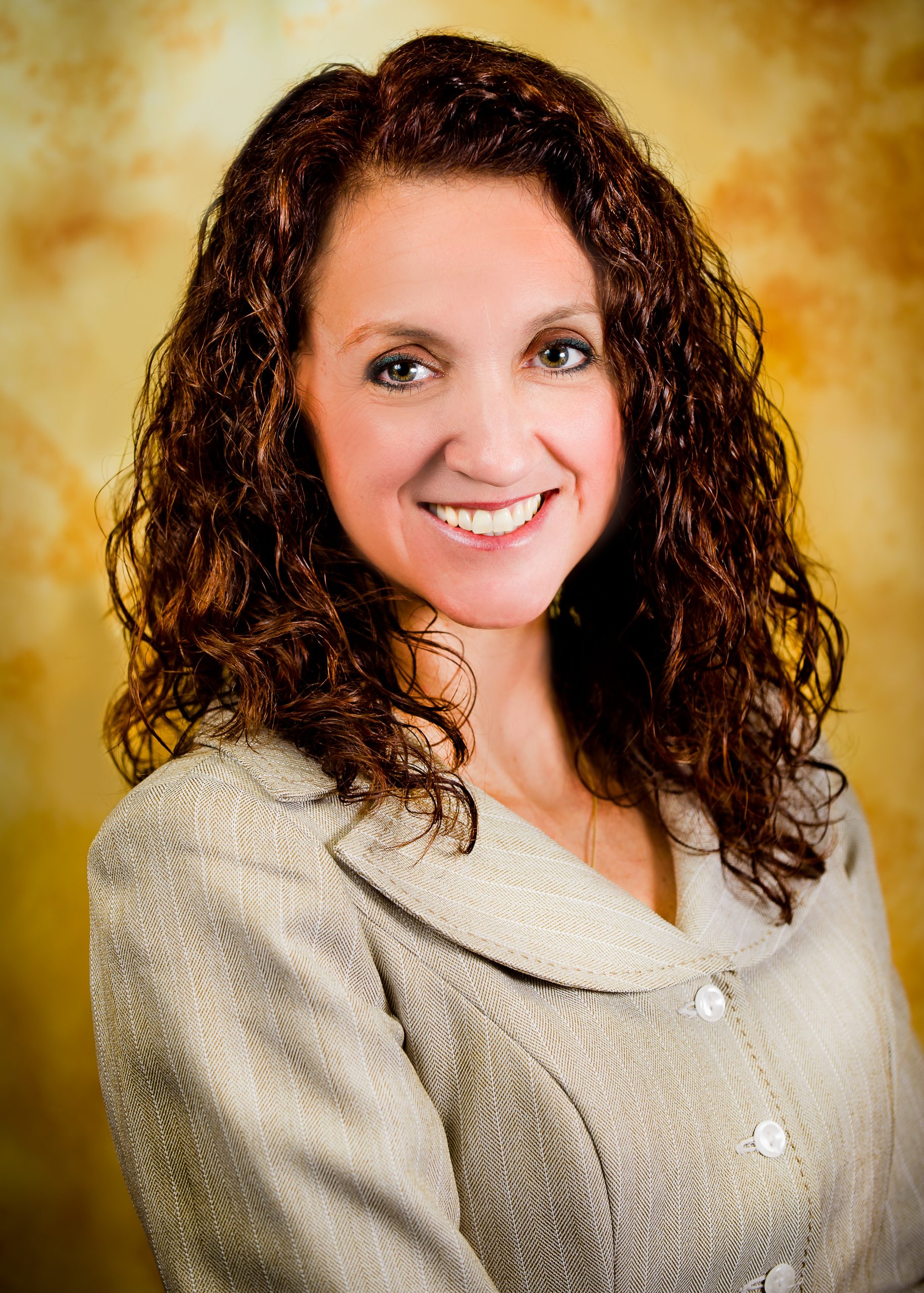
Jocelyn Rawls

Education runs in Jocelyn Rawls’ blood.

Her dad was a teacher in the Harrisburg School District for 35 years, and her mom served as a nurse in the district. Rawls grew up to become a teacher herself, working in New York City before coming to Ben Franklin Elementary School in Harrisburg. For the past six years, she has worked for Central Dauphin School District as a third-grade teacher.

It’s been a challenging couple of years for Rawls, as it has been for all teachers during the pandemic. But she has learned a lot, she said, such as how to be more tech savvy in the classroom and how to promote health and hygiene. But there’s also been plenty of repeatedly reminding kids to pull their masks over their noses.

At home, there are more kids. She and her partner have five children in the blended family of seven. Even after the school bell rings and her workday finishes, Rawls is often back in a school gym watching her children’s sports games.

This year, she heaped another large serving onto her already full plate and took a seat on Harrisburg City Council.

The 2021 election season in Harrisburg was one full of eager candidates. In the primary election, 13 hopefuls ran for four seats on council. In the end, two incumbent council members, Shamaine Daniels and Ausha Green, were re-elected and two newcomers, Rawls and Ralph Rodriguez, won seats for the first time.

Rawls and Rodriguez may be new to council, but they’re not new faces in the community. Both have been active in caring for and educating the Harrisburg area for years. Recently, as they took their seats on the council dais, they shared how they plan to continue those efforts.


Ralph Rodriguez

Fight or Flight

What Rawls hopes to accomplish on council isn’t too different from what she does as a teacher. Her goal is to promote communication and education between the city and its residents.

Rodriguez also draws on his years of experience working in the community. Like Rawls, Rodriguez is already juggling a lot of responsibilities, between running a nonprofit and raising five kids with his wife Cierra Ross. But this is his home, his passion.

After moving to Harrisburg in the mid-1990s, Rodriguez lived on Chestnut Street in Allison Hill and attended Harrisburg High School-John Harris Campus.

“When I think about the good old days, that’s what I reference,” he said. “I just remember neighbors coming by, and it really was, ‘Hey does your mom have sugar upstairs?’ ‘Can I borrow a cigarette?’ It was so much love.”

He loved the sense of community he felt—the neighbors, the cookouts.

But life wasn’t always carefree for Rodriguez who, at 3 years old, lost his father to drug use. At age 9, he entered a juvenile placement facility, due to neglect, he said, and remained in the system until he was 17. Two weeks before Rodriguez’s high school graduation, his mother died.

These experiences drove him to care for others in similar situations.

“I understand how it feels to be left and neglected,” he said.

About a decade ago, Rodriguez, a certified life coach and intervention prevention specialist, started All You Can Inc., an organization that provides emergency services to at-risk families in central Pennsylvania.

Over the years, he’s hosted gun safety courses, holiday toy drives, school supply drives and community Thanksgiving dinners. All You Can also organized a protest after the killing of George Floyd and helped distribute a quarter-of-a-million pounds of food to families in need during the pandemic.

In a lot of ways, moving into a political position with City Council was a natural next step for Rodriguez, although he’s never considered himself a politician. He prefers “public servant” or “advocate.”

“When I have 200 to 300 people looking at me like—‘Ralph, what are we going to do? What’s the plan?’—it’s either fight or flight, and I’ve never been good at running,” he said.


Fresh Eyes

Last year, during her campaign, Rawls would get off of work then begin to walk the neighborhoods, knocking on doors, talking to residents. She introduced herself, listened to questions and shared her vision for Harrisburg. These were long days, but Rawls was determined to make herself visible in the community, rather than using volunteers.

“I’m going to be in the seat, so why should I have other people doing the work for me?” she said.

On council, Rawls now chairs the Parks, Recreation and Enrichment Committee, a perfect assignment for someone who wants to enhance youth programming in Harrisburg. Other goals include updating infrastructure and improving communication within the city. In the process, she wants to help educate the public on the workings of the local government, which she considers to be key to her work, as well.

Rawls admitted that she didn’t always know much about the way city government functioned. As a city resident, she often didn’t know what to do or who to call when she had a question. Her goal now is to help people who also feel that way, she said.

Once Rawls started learning about the importance of participating in local government, she had to be a part of it.

“Sitting on city council, I have a larger voice,” she said. “I know what the city can be. It has so much potential, but it needs warriors.”

Rodriguez never imagined that he would be one of these “warriors,” making big decisions on behalf of the public.

“As a teenager, I used to sit at my window and wonder where I’d be someday,” he said.

Rodriguez now is confident that he’s in the right place, bringing “fresh eyes” and a “new perspective” to council.

Some of his priorities overlap with those of Rawls—better communication with constituents and additional educational opportunities for kids. Others include focusing on recruitment and retention efforts within the police and fire bureaus and promoting transparency within city government, things that fall under his purview as chair of the public safety committee. However, Rodriguez said that his first year on council will include a lot of time learning.

He’s also dedicated to being visible and present in the community and noted that walking the streets of Harrisburg and talking to residents shouldn’t stop after election season.

“I need to show these citizens that there is someone working overtime for them,” he said. “Our work doesn’t stop in the council chambers.”

Both Rawls and Rodriguez eagerly shared what they see as the most beautiful parts and aspects of the city—the Susquehanna riverfront, the state Capitol complex, Italian Lake and the diverse and delicious restaurants. They already love their city, but envision it becoming even greater.

“I’m really hopeful for the future of Harrisburg,” Rodriguez said. “I would love to see Harrisburg come back to the ‘Miss Jones, do you have any rice I can borrow?’ My hope is that we have the right council and administration that is homegrown, from the area, and willing to put in the overtime.”


If you like what we do, please support our work. Become a Friend of TheBurg!

Continue Reading

History Assignment: As it enters its third decade, the National Civil War Museum has a new leader, with a fresh perspective

Jeff Nichols

Jeff Nichols tells this story about the impact that a museum can have in tumultuous times.

It was 2017, shortly after the infamous “Unite The Right” rally in Charlottesville, Va. Thomas Jefferson’s Poplar Forest, where Nichols was executive director, was holding an event on the meaning of monuments, focusing on Richmond where statues still stood honoring Confederate generals Stonewall Jackson and Robert E. Lee.

Some wanted the statues preserved; others wanted them taken down. It was a civil discussion, recalled Nichols, who became CEO of the National Civil War Museum in Harrisburg in September.

At the end of the event, a woman approached Nichols. She told him her grandfather fought in the war for the Confederacy.

She still revered his service, but told Nichols this was the first time she had ever thought about the other person’s side in any real way. She thanked Nichols for it.

“Whether you change their mind or anything—who knows—but it’s that kind of thing,” he said. “We can’t change the world, but maybe we can change a couple of minds and get people thinking, just to be critical thinkers.”

That Imagination

A Connecticut native, Nichols was a history major on his way to becoming a schoolteacher when he started volunteering at a local museum.

He immersed himself in cataloging and preserving artifacts for the historical society in New Haven. He enjoyed interacting with the public, giving walking tours and programs. From that, he realized he had found a new calling.

Nichols moved on to positions with the Barnum Museum in Bridgeport and the Mark Twain House & Museum in Hartford, eventually finding himself in charge of Poplar Forest, the site of Jefferson’s plantation and personal retreat.

His last job before coming to Harrisburg was with Georgetown Heritage, a group devoted to fundraising and advocating for national parks. It was behind-the-scenes work, he said.

Nichols said that he missed working in museums and being with visitors on a regular basis. So, when the National Civil War Museum position opened up, he saw it as a chance to get back into that world.

The museum also rekindled memories of his first exposure to history. He was a boy of about 6 years old when his parents took him on vacation to Hersheypark—and then to Gettysburg.

The battlefield and re-enactors “triggered that imagination for me,” he said.

“It’s almost like a gateway drug for historians,” Nichols said of the Civil War. “You enter the field in a lot of ways by studying the Civil War. I think the fascination is that old adage of brother against brother, how a nation could turn against itself and really slug it out the way they did.”

Visiting the museum in Harrisburg for the first time with his wife, Nichols was impressed that the exhibit in place since the museum’s founding twice mentions the year 1619—the first written record of Africans being transported to the New World to be enslaved.

“It wasn’t as common 20 years ago to really say, the cause of the war was slavery,” Nichols said. “This museum, to its great credit, did that, and I think it carries through to this day.”


Coming Back

Sitting atop a hill overlooking a majority minority city, it is important for the museum to engage with the surrounding local community, such as Allison Hill, Nichols said.

“We want to make sure we are telling stories and doing programs and events that are appealing to a wide range of people,” he said.

The museum closed for much of February in order to install technology upgrades that will enhance the visitor experience.

“The museum has continued to upgrade its technology under Jeffrey’s leadership and is committed to presentations in its galleries which maintain our balanced approach while evolving its technology to today’s standards,” said museum board chairman J. Randall Grespin.

Grespin added that the board has “been impressed” with Nichols’ focus on fundraising, as well as a commitment to history education and to programming for an “ever broader and diverse citizenry.”

Upon arriving in Harrisburg, Nichols faced the task of rebuilding attendance that had dropped sharply due to the area’s COVID-19 shutdown and slow, uneven recovery.

Lately, activity at the museum has been picking back up. Attendance began rising last fall to where the December numbers were off only by about 6% compared to pre-pandemic levels, Nichols said.

Before the pandemic, the museum attracted about 45,000 visitors a year, on average.

Attendance is always low in the first quarter of the year, but the museum hopes to have a great summer, Nichols said. “It’s still coming back.”

Grespin noted that Nichols has the museum on track to fulfill terms of a 2017 deal giving it five years to raise $5.25 million to buy the portion of its collection that is owned by the city. Grespin added the city plans to apply the repaid funds towards improving Reservoir Park.

David Morrison, executive director of Historic Harrisburg Association, met with Nichols shortly after his arrival here. Morrison was impressed with Nichols’ communication skills and his knowledge of history.

A self-described “big fan” and advocate of the National Civil War Museum since its inception, Morrison said the museum has “untapped potential” and that Nichols is “the right leader” to achieve that potential.

For his part, Nichols sees himself building on the progress of his predecessor, Wayne Motts, whom Nichols credits with doing much to increase activity at the National Civil War Museum during his 10 years as CEO.

“The best way we can do that is through public programs, lectures, different talks, different panel discussions, different student programming that can bring in diverse audiences but also expand how we tell the story,” Nichols said. “It’s important, I think, for historic sites like this to show the importance of the historic era to today.”

The National Civil War Museum is located at 1 Lincoln Circle, Reservoir Park, Harrisburg. For more information, visit www.nationalcivilwarmuseum.org.

If you like what we do, please support our work. Become a Friend of TheBurg!

Continue Reading

A Straight Fight: How the organization Hero in the Fight, and founder Dan Albert, reverse the stigma of addiction, from zero to hero

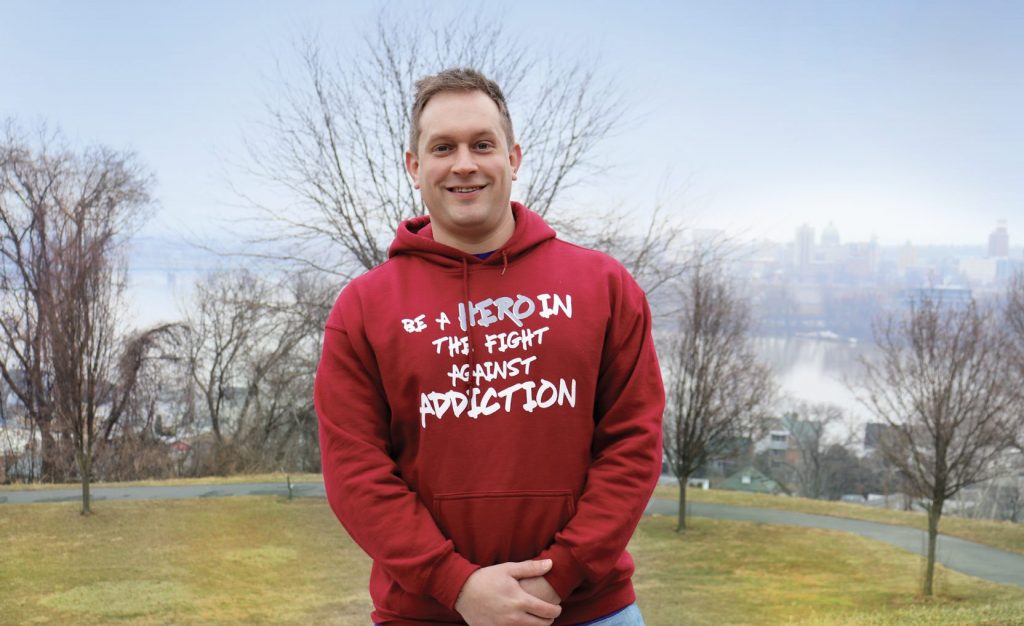
Dan Albert at Negley Park

If you’ve ever been to Lemoyne’s Negley Park, chances are, you remember the view. The park offers a stunning, eagle’s eye view that overlooks the city of Harrisburg and the Susquehanna River.

Dan Albert was in active recovery from substance abuse when he visited Negley Park nearly five years ago. And it was there, gazing at the view, that he gained a new perspective on life—one that led him to found the organization Hero in the Fight.

“I wanted to be proud of what I was doing, and I didn’t want anyone else to go through what I was going through,” said Albert, 36, of Camp Hill. “I was going from nothing, breaking down the stigma and shame of speaking openly about addiction.”

With his new perspective, he saw a new word. There, within his former drug of choice, heroin, was the word “hero.”

Just 90 days into recovery, he did three things that are still going strong today, nearly five years later.

First, he created shirts emblazoned with “Hero in the Fight,” which he began selling to fund scholarships for others who, like him, couldn’t really afford to live at a recovery house—but realized it was the key to a clean future.

The shirts are also conversation starters. Albert envisioned a world where society could talk openly about treatment and drug abuse prevention, rather than focusing on overdoses, deaths and statistics. Identifying those in active recovery as “heroes” acknowledges they are fighting for their lives.

Secondly, he created a Facebook page that operates as a judgment-free community supporting those in active recovery. Today, that community regularly reaches as many as 26,000 people around the country and the world fighting similar fights.

Third, Hero in the Fight started planning events.

“All my life, I thought I couldn’t have fun without a substance,” Albert said. “We started doing events in the community to prove that we can be productive members of society—there are a lot of stigmas placed on us that aren’t true.”

Today, those events—ranging from Sunday hikes to spoken word events, running and volunteering at the Bethesda Mission on Christmas—also help those in active recovery realize they’re not alone.

Somehow, Albert juggles Hero in the Fight with a full-time job, plus being a dad. He cherishes these things now, he said, because he’s learned to appreciate every moment, substance-free.


Rock Bottom

Growing up in Steelton, “I put expectations on myself that I had to be an amazing athlete, and I wasn’t,” Albert said.

Still, he did something that sports legends are made of. He hit a grand slam as a freshman baseball player that put him in a “very egotistical” mindset. Drinking became normalized in his family, and the perfect storm for substance abuse began.

He points to a number of rock-bottom situations, starting with a DUI, driving home from his first college visit (he’d gotten a full-ride scholarship—which he later lost). A few years later, driving his then-girlfriend to the hospital to give birth to their daughter, Albert made her withdraw cash from an ATM along the way, because he “couldn’t comprehend being there two days without substances. This moment that was supposed to be beautiful—I ruined it for her,” he said.

By then, addiction spiraled into heroin, deepening those rock-bottom moments. He almost died on his bathroom floor, before his mother’s eyes. Homeless, he lived in his vehicle. Then he spent a few days in prison.

“I didn’t want to live, but I was caring about being high too much to die,” Albert said.

Throughout his addiction, he held a string of jobs in Harrisburg’s restaurant industry—where he credits several pivotal people for his eventual recovery.

The Melting Pot owner Brian Sikorski “had a hard conversation with me. He said I had two choices—one, to go into treatment, or two—you’re fired.”

Albert’s first treatment wasn’t successful, but his second attempt was.

“Nick Laus, late owner of Cork & Fork—I told him I needed to go to treatment, and he said he’d keep my job open for me,” Albert said. “I was allowed one phone call a week. My daughter, who was 5 at the time, called and said, ‘Daddy, I just don’t want you to be sick anymore.’ And in that moment, I said, ‘All right, I’m going to do this.’”

Following treatment, he transitioned to the recovery house in Lemoyne and had that lightbulb moment at Negley Park. Hero in the Fight was born.

“Nick was pivotal,” Albert said. “I went on to become general manager for both Cork & Fork restaurants. These are places where I was once doing substances in the bathrooms.”


Recovery, Community

“At Cork & Fork, we created an atmosphere of recovery within the restaurant industry,” Albert said. “We had six people in recovery working there, including Ashlei.”

An active Hero in the Fight, Ashlei Gingrich, 41, of Harrisburg leads free Yoga of 12 Steps of Recovery classes (Y12SR) to her fellow heroes.

“I was inspired by Hero in the Fight to give back,” Gingrich said. “They opened the door for me and put me on this path.”

That’s because Hero in the Fight underwrote her Y12SR certification’s 200 training hours, propelling her to become only the third certified instructor in central Pennsylvania. The program offers healing through yoga.

What Albert has created through Hero in the Fight is “amazing,” said Dr. Weston Kensinger, director of the Douglas W. Pollock Center for Addiction Outreach and Research at Penn State Harrisburg.

“He’s living proof that recovery is not only possible, but it’s probable,” Kensinger said. “To start something like this from scratch, and grow it, is a testament to how much passion he has, especially in the context that recovery is an ongoing process, and it’s not easy.”

Recently, Albert took a new position that allows him more time with his daughter, now 10. It’s a job that takes him full circle, back to Sikorski and The Melting Pot, where he’s now general manager.

And April 30 marks a milestone for Albert—five years, clean.

“It’s more important to me than my birthday,” Albert said. “And no substance will ever be able to give me the life I have today.”

For more information on Hero in the Fight, see herointhefight.org. And to hear more about Dan Albert’s story, tune into the March episode of TheBurg Podcast, which drops March 11.

If you like what we do, please support our work. Become a Friend of TheBurg!

Continue Reading

Life in the Fast Lane: Find out what drives central PA’s traffic guy, John Wilsbach

John Wilsbach assists student JJ Molina at the Middletown High School operated broadcast station WMSS 91.1FM

Where there are roads, there are going to be vehicles.

Where there’s commuting, there’s going to be traffic.

And where there are bottlenecks, slowing and outright jams, there is going to be John Wilsbach.

In our chaotic, fast-paced world, Wilsbach is the voice of reason. He may peddle in traffic updates, but the true service he provides is sanity.

“I’m with you on the roads,” he said. “I hate sitting in traffic jams—that’s what drives me. I want people to get where they need to go, quickly, safely, on time. They rely on me to get to work on time. I’m here for them, because they’ve always been there for me.”

Wilsbach updates central Pennsylvania commuters on traffic conditions multiple times each workday, mainly during rush hours, 52 weeks of the year. His quick, to-the-point reports can be heard on numerous radio stations across the region.

He positively impacts the lives of hundreds of thousands of commuters each day, with a delivery honed by experience and intelligence, featuring just a hint of his mischievous personality.

“People have a goal, they have a mission, to get from point A to point B—damn other people,” said Wilsbach, a 56-year-old resident of Londonderry Township. “That’s why we have aggressive driving. You’re going to have bad drivers, you’re going to have good drivers, but what we need is safe drivers. We’ve all got to share the road.”

The majority of Wilsbach’s professional life has been spent on the radio. He started at WINK 104 as a backup sports and news guy in 1989, but then saw an opportunity to fill the need for a local traffic reporter.

Twenty-five years later, he’s still doing traffic, which he never imagined would become a lifetime career. But the need for a traffic guy on local radio hasn’t diminished during that time—in fact, it’s only grown.

“Since I started doing it, there’s more traffic on the roads, and we’ve got more lanes,” he said. “But what gets me is that it’s still local. It’s still radio.”

Contrary to popular belief, Wilsbach does not monitor traffic conditions by flying over the Harrisburg region by helicopter, even though much of his first 12 years of information-gathering was performed in the passenger seat of a Cessna. Now, his gathering techniques are much more sophisticated and intricate.

In his relentless search for trouble spots, Wilsbach relies heavily on the internet, including local counties’ 911 websites, Pennsylvania’s 511 website and the mobile application, Waze. But he’s also old school in his reliance on emergency radio monitors or scanners, the telephone and even tips from loyal listeners, including the occasional ones from police.

“I’m continually monitoring the traffic in central Pennsylvania,” Wilsbach said. “I get information out four minutes after an incident happens. So, you’re being updated when you’re driving, and it changes every five minutes.”

But, to Wilsbach, it’s not only about communicating traffic facts.

“Yes, I will try to entertain sometimes,” he said. “I try to be informal.”

Wilsbach covers a lot of territory for one man, as his reports span some 10 counties. He concentrates on all the major highways, but also knows the back roads like the back of his hand.

His main goal, he said, is to get people to drive safely.

“People who are driving crazy and driving over the speed limit aren’t listening to me,” he said.

If traffic reporting is the career path that Wilsbach has been led down, then his other interests help him remain true to his roots.

He is also the operations manager of Middletown High School’s instructional radio station, WMSS 91.1 FM, a play-by-play and color commentator for broadcasts of Lebanon Valley College football and men’s and women’s basketball, as well as the one-time owner and current voice of the Harrisburg Heat indoor soccer franchise.

“My wife would tell you that she never sees me,” Wilsbach said. “I’m at school seven days a week, so it’s a delicate balance.”

It’s hard to say what the future holds for Wilsbach. But, for right now, commuters shouldn’t worry. For the foreseeable future, they’ll be able to continue depending on him for their vital traffic information.

“I’m just going to keep doing what I’m doing,” he said.

If you like what we do, please support our work. Become a Friend of TheBurg!

Continue Reading

Community Corner: Notable Events in March


Maple Sugar Festival
March 3: Enjoy the annual Maple Sugar Festival at Fort Hunter Park, 5300 N. Front St., Harrisburg, 12 to 4 p.m. Learn the mysteries of maple syrup making and have fun with tree tapping and children’s activities. Taste syrup and shop for Pennsylvania maple products. www.forthunter.org


Pitties and Pints
March 4: Join Harrisburg Young Professionals at Midstate Distillery, 1817 N. Cameron St., Harrisburg, 6 to 8 p.m., for “Pitties and Pints,” benefiting Pitties.Love.Peace, which will bring several pit bull puppies in search of their forever homes. HYP will also accept supply and monetary donations. www.hyp.org


Get That Job

March 4-27: Attend Get that Job! workshops virtually or in-person at Fredericksen Library, 100 N. 19th St., Camp Hill, on Fridays, 10:30 a.m. and 4:30 p.m. Learn how to present your best self with a strong resume, concise cover letter, targeted interview, good communication and more. www.fredricksenlibrary.org


Kids Discover

March 5: Kids are invited to Wildwood Park, 100 Wildwood Way, Harrisburg, to learn about woodpeckers and their adaptations. Make a craft and take a walk to look for signs of woodpeckers. Cost is $5 per child; chaperones are free. Two sessions will be held: 10 to 11:30 a.m., ages 4 to 6, and 1:30 to 3 p.m., ages 7 to 10. www.explorewildwoodpark.org


Seed Swap
March 5: Winters Heritage House Museum, 47 E. High St., Elizabethtown, hosts its Heirloom Seed Swap & Garden Workshop, 10 a.m. to 12 p.m. Lay out a great garden for spring and learn how to minimize work and maximize produce. Bring seeds to swap or make a donation.  www.elizabethtownhistory.org


HBG Flea
March 5: Shop the HBG Flea for local art, vintage treasures, curated curios and unique gifts, 10 a.m. to 4 p.m. in Strawberry Square, Harrisburg. The mission of the HBG Flea is to create a platform for growth in the community by bringing artists, small businesses and patrons together in one place. www.hbgflea.com

Ice & Fire
March 5: Harrisburg’s annual Ice & Fire Festival returns with ice sculptures, fire dancers, a street festival, food trucks, kids’ activities and more. This year, the festival takes place on Front Street downtown, 11 a.m. to 9 p.m., with ice sculptures located throughout the city. www.harrisburgpa.gov


Peaceful Poses

March 9, 11: Kids ages 3 and older are invited to a yoga adventure with Ann Fields, founder of Peaceful Poses Kids Yoga, Fredricksen Library, 100 N. 19th St., Camp Hill. On March 9 at 7:30 p.m., kids can wind down with PJ Yoga on Zoom and, on March 11, they can do virtual or in-person yoga at 10 a.m. www.fredricksenlibrary.org


Curious Kids
March 10: State Museum of PA, 300 North St., Harrisburg, invites kids ages 3 to 6 and their families to “Curiosity Kids” at 11:30 a.m. to learn about the various types of bird beaks and their specialized functions. Kids can make their own bird feeder to take home to observe birds feeding. www.statemuseumpa.org


Food Rally

March 10: Enjoy fresh, savory foods at the New Cumberland Food Truck & Restaurant Rally every second Thursday of the month, from March to December, 5 to 8 p.m. Grab dinner from area food trucks or New Cumberland restaurants, and cap off the evening with shopping and special promotions at local businesses. www.newcumberlandpa.org


PA Charter

March 11: Join the State Museum of Pennsylvania and Josh Stahlman, archivist from the Pennsylvania State Archives, for Virtual Learn at Lunchtime to study the William Penn 1681 Pennsylvania Charter, 12:15 to 12:45 p.m. A question-and-answer session follows. www.statemuseumpa.org


Film Fridays
March 11: Head to Fredricksen Library, 100 N. 19th St., Camp Hill, for a special Film Friday of 2022 Oscar-nominated short films. View documentary short films from 2 to 5 p.m. and take in live action short films from 7 to 9 p.m. www.fredricksenlibrary.org


Spring Wreath
March 12: Decorate a wreath with natural materials at Wildwood Park, 100 Wildwood Way, Harrisburg, 8:30 a.m. to 3:30 p.m. Cones, nuts and seed pods will be supplied. Participants may bring additional items and ribbon. Sip tea or coffee while adding finishing touches. Workshop fee is $25 per wreath. www.explorewildwoodpark.org


Volunteer Day 
March 12: Enjoy the outdoors and help with continuing park and habitat enhancement projects at Wildwood Park, 100 Wildwood Way, Harrisburg, 10 a.m. to 1 p.m. Tools and work gloves provided, and refreshments will be available.

www.explorewildwoodpark.org


Author Weekend

March 12-13: Join Cupboard Maker Books, 157 N. Enola Rd., Enola, for “Local Author Weekend,” March 12, 10 a.m. to 6 p.m., and March 13, 11 a.m. to 3 p.m. Authors from fiction, romance, mystery, fantasy, horror and thriller genres will sign their books throughout the weekend. Find a full schedule online. www.cupboardmaker.com


Spring Gardening

March 12, 19, 26: Penn State Extension Master Gardeners presents its Spring Gardening Symposium at Wildwood Park, 100 Wildwood Way, Harrisburg, 9:30 to 11 a.m. Join Dauphin County Master Gardener Kevin Kelly, virtually or in-person, for “A Four-Season Garden–Secrets of Success.” Cost is $5. www.explorewildwoodpark.org


Book Signing

March 13: Scott L. Mingus, Sr. will discuss and sign his book, “A Carnival of Grief: The Lincoln Funeral Train in Pennsylvania,” at John Harris-Simon Cameron Mansion, 219 S. Front St., Harrisburg, 1 p.m. Artifacts from the train’s stop will be on display, and copies of the book will be available for purchase.  www.dauphincountyhistory.org


3rd in The Burg
March 18: Explore the best of Harrisburg during 3rd in the Burg, the monthly arts and culture event, where you can visit and enjoy galleries, restaurants and art spaces throughout downtown and Midtown, 6 to 9 p.m. www.thirdintheburg.org


Campfire Stories

March 18: Experience the magic of Wildwood Park, 100 Wildwood Way, Harrisburg, at night. Make s’mores and listen to stories while cozied up around a campfire, 7:30 to 9 p.m. As a group, attendees will build their own round robin story. Dress for the weather and bring something to sit on. www.explorewildwoodpark.org


St. Patty’s Parade
March 19: Harrisburg Downtown Improvement District hosts the annual St. Patrick’s Day Parade starting at 2 p.m. with Irish dance groups, pipe and drum bands, festive floats, famous characters, cool cars, marching bands and more. The “Lucky Charm” 5K/10K precedes the parade at 12 p.m. www.harrisburgstpatricksdayparade.com


Flower Walk

March 20: Take a walk at Wildwood Park, 100 Wildwood Way, Harrisburg, 1:30 to 3 p.m., to seek out skunk cabbage, other cold tolerant plants, and anything left over from winter. You may even spot a few flowering trees. www.explorewildwoodpark.org


Archeology Talk

March 20: Dr. Andrew Wyatt, principal investigator of excavations at Lemoyne Borough Park’s Susquehannock Village, will discuss archeology at New Cumberland Library’s Foundation House, 1 Benjamin Plaza, 3 p.m. He will present local findings and how they advance knowledge of central PA’s Native people. www,newcumberlandlibrary.org


Empty Bowls

March 21: Fight hunger one bowl at a time at Carlisle Arts Learning Center’s Empty Bowls, 6 to 7:30 p.m., at Dickinson College’s Holland Union Building. All proceeds benefit Project SHARE. Tickets are $25. www.carlislearts.org


Music Awards

March 24: Save the date for the Central Pennsylvania Music Awards (CPMAs) and its Hall of Fame induction ceremony at the Hershey Theatre, 15 E. Caracas Ave., Hershey, 7 to 9:30 p.m. Doors open at 5 p.m. for the red-carpet pre-show. The Englewood, 1219 Research Blvd., Hummelstown, will host the after-party. www.cpmhof.com


Women of Excellence
March 24: YWCA Greater Harrisburg presents its annual “Tribute to Women of Excellence” awards dinner at the Hershey Lodge, 325 University Dr., Hershey, 5:30 to 8:30 p.m. The tribute will honor 25 outstanding women who dedicate time and talent to making a difference in central PA. Cost is $100 per seat. www.ywcahbg.org


Nature Lab
March 25: State Museum of Pennsylvania, 300 North St., Harrisburg, hosts a talk with Nevin Welte, mussel biologist for the Pennsylvania Fish and Boat Commission, 12:15 to 12:45 p.m. Welte will discuss the importance of freshwater mussels and the efforts being made to restore populations to rivers and streams. www.statemuseumpa.org


Film Friday
March 25: Fredricksen Library, 100 N. 19th St., Camp Hill, will show “Crip Camp” on Film Friday. The film takes place in 1971 at Camp Jened, a summer camp in New York for teens with disabilities who became activists for disability rights. Showings are at 2 and 7 p.m. www.fredricksenlibrary.org


Art Auction
March 25: Join Harrisburg Habitat for Humanity for its 17th annual “Art Builds Homes” art auction at the Hershey Country Club, 1000 E. Derry Rd., starting at 6 p.m. with an artist reception with hors d’oeuvres, tastings, raffle tickets, a cash bar, a silent auction, a dessert bar and more. The live art auction begins at 7:30 p.m. www.harrisburghabitat.org


Exhibit Opportunity

March 25-26: The PA Dance Sport Ballroom, Hummelstown, welcomes a limited number of artists to exhibit during its weekend Spring Fling Dance. The event will begin with an artist reception on March 25 at 8 p.m. and will continue during the March 26 dance event. www.padancesport.com


Kids to School

March 26: Keystone Rotary hosts the 3rd Annual Capital City Corn Hole Challenge at Appalachian Brewing Co., 50 N. Cameron St., Harrisburg, 11 a.m. to 4 p.m. The event supports Yes Liberia’s Hop on the Bus campaign, which helps get kids to school safely and quickly, while also providing jobs. www.hbgkeystonerotary.org


Beautiful Burg

March 28: Janice Lynx, founder of Friends of Sheepford Road Bridge and executive director of the West Shore Historical Society, and Veronica Martin, historic bridge program manager for PennDOT, will present “The Bridges She Built: Women’s Role in Creating and Restoring Historic Bridges” in a virtual discussion, 6 to 7:30 p.m. www.historicharrisburg.org

If you like what we do, please support our work. Become a Friend of TheBurg!

Continue Reading