Passing of History: Salutes to the family, the flag mark July 4 weekend in Linglestown

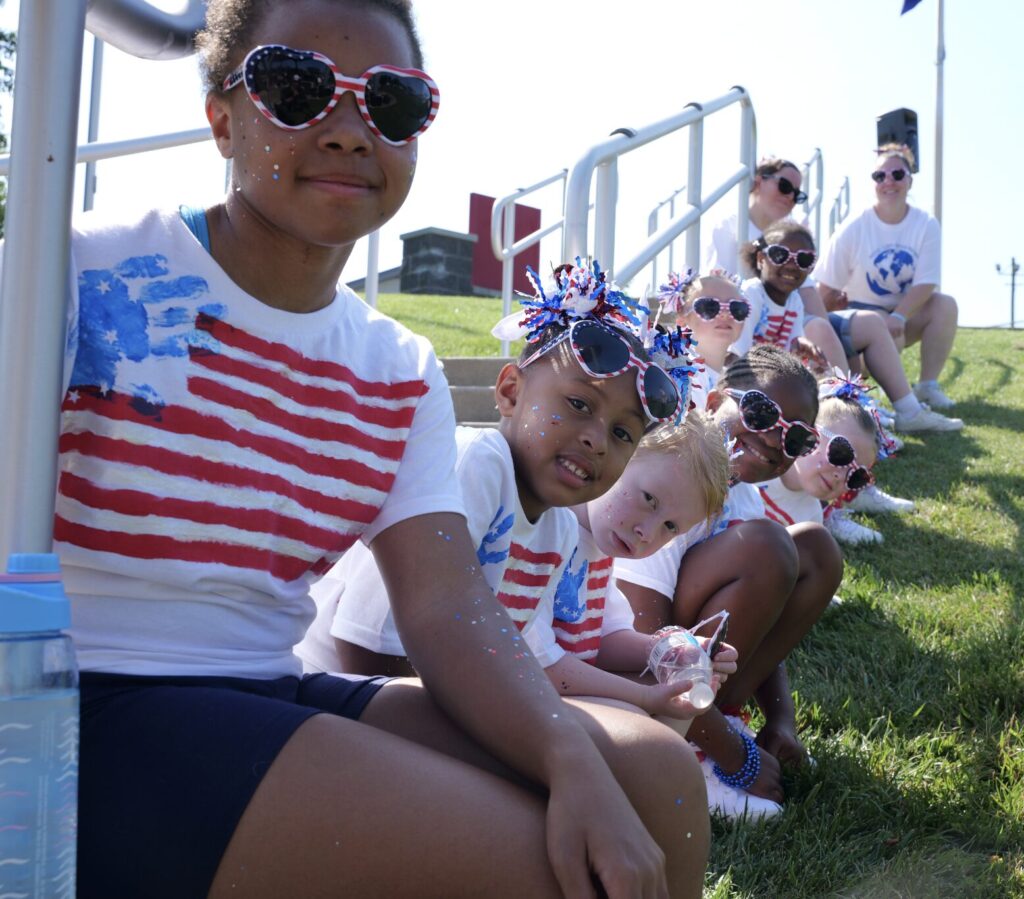
Attendees enjoying ndependence Weekend Family Celebration

For Michelle Zandome, the Independence Weekend Family Celebration is all about “Americanism and children and youth.”

Zandome, a Linglestown American Legion Post 272 trustee, is set to participate in the Lower Paxton Community Foundation’s weekend activities, which include a “Salute to the Flag Celebration” and a “Community Family Festival” on July 4.

Both events are scheduled to take place at Dauphin County Heroes Grove at Brightbill Park in Linglestown.

Of course, this year’s weekend celebration also highlights America’s 250th anniversary. Along with other related observances during the event, Scouts USA and Girl Scouts of the USA each have opportunity to earn an America250 badge.

“I was a kid in 1976 during America’s 200th anniversary. I really loved that celebration,” said John Hanks Jr., a Community Foundation and Independence Weekend committee member. “I love to pass that on to the kids today. It’s the passing of history.”

The celebration weekend sprouts from Linglestown’s 250th anniversary celebration and parade that took place in 2015. Planning for that two-day event began in 2013 with former foundation member Polly Murphy. By 2014, Hanks and Chris Lunden of Make It Happen Events joined the effort, which grew to include more than two dozen local volunteers.

In 2017, the same group took charge of Lower Paxton Township’s 250th anniversary celebration, which led to the formation of the Lower Paxton Community Foundation. The nonprofit organization is “dedicated to fostering a vibrant and connected community by supporting and organizing events, activities and projects” that enrich life in the township, according to the foundation’s website.

In 2019, the foundation launched its annual Christkindlmarkt featuring dozens of vendors around Lingletown’s main square. Meanwhile, this year marks the foundation’s fifth annual Independence Weekend Family Celebration.

This year’s “Salute to the Flag” celebration, on July 4, offers live entertainment by the Enlisted Band, Matthew Dodd Songs & Stories and a reading of the Declaration of Independence by “John Harris, Jr.,” portrayed by Rev. David Biser of the Dauphin County Historical Society.

The event concludes with a ceremony featuring U.S. veterans from each service branch, emergency responders, Girl Scouts and Scouts USA. This year’s “Polly Murphy Spirit of Volunteerism Award” recipients will be announced during the ceremony. The award is given to individuals determined as making “a significant impact” on the quality of life for the Lower Paxton community.

The Community Family Festival is sponsored by MacaroniKID Capital Region with live entertainment by Guitars for Vets of Lebanon, Imaginary Friends Puppet Theater, and a return appearance by Matthew Dodd with Songs and Stories of the Red, White & Blue.

A Kurtz Family Kids Zone midway offers free kids’ crafts and games, Balloon Animals by Steph, a kids’ selfie backdrop, and Whitaker Center’s WOW Van. An onsite “Touch a Truck” program allows children access to fire trucks and emergency vehicles from throughout the greater Harrisburg area.

A “Meet a Vet” event sponsored by American Legion Post 272 is Zandome’s favorite part of the weekend.

“I like getting the kids involved with this,” she said. “The vets will wear identifying stickers, and the kids will look around to get the vets to sign their paper. Prizes are awarded when kids complete and turn in their papers.”

Hanks, president and founder of Make It Happen Events, echoed this.

“We’re concentrating on young families and veterans from all different eras,” he said. “It’s important for children to see these people before they pass on.”

Finally, Hornung’s Ace Hardware sponsors a community picnic with food trucks at the event.

“All of this is free, except for the food trucks,” Hanks said. “It’s really a great way to celebrate America in a fun, family friendly way.”


The Lower Paxton Community Foundation’s 2026 Independence Weekend Family Celebration takes place July 4 at Dauphin County Heroes Grove at Brightbill Park in Linglestown. On Sunday, July 5, at Heroes Grove, Lower Paxton Parks will host a free concert from 4 p.m. to 8 p.m. For more information, visit
www.lopaxfoundation.com.

If you like what we do, please support our work. Become a Friend of TheBurg!      
Continue Reading

Lifts & Licks: French bulldogs mix pets with reps at local fitness center

Deebo

Like most college seniors, Noah Parsons didn’t have a lot of money.

Still, he scraped together enough to do something a little impulsive—he bought a dog.

“I got Deebo with all the money I had,” Parsons said. “French bulldogs are known for having extreme separation anxiety, so from that point forward, he was attached to my hip. He goes everywhere with me.”

These days, “everywhere” is Triple P Fitness, a Harrisburg-based business where Parsons is the owner and lead personal trainer. In addition to offerings that include an intense focus on physical health, the gym provides what many clients feel is a boost to their mental health: dog time.

 Through the years, Triple P has earned a reputation for its de facto mascots—three French bulldogs. Besides Deebo, there’s Dream and Dre.

Dream, owned by personal trainer and nutrition coach Lauren Patterson, is what Parsons described as the “nightmare” of the trio—loud, always crazy, always slobbering.

“She is a lot more hyper and charismatic than the other two,” Patterson said. “She keeps the energy up and keeps the other two on their toes. She is a little more aggressive than the other two, but she is also very sweet and protective.”

Dre, meanwhile, is the Parsons-proclaimed, “best dog in the world.”

“He’ll lick your face off,” Parsons said of Dre. “He’s the most upbeat. He just wants to be pet and run around with you.”

The story of Dre’s inclusion is one of Triple P lore.

Tyler Freeman, Parsons’ best friend since eighth grade and a health and physical education professional, was the odd person out when it came to dogs at the gym. In response, Parsons gifted Freeman with Dre as a surprise for his birthday last year.

“I was completely caught off guard because I wasn’t expecting anything at all,” Freeman explained. “They all asked me what my favorite type of cake was. So, when Dre was delivered to me on a Thursday morning in October, he was in a cake box. Once the shock wore off, I was excited because I’ve always enjoyed having dogs around. To be gifted one was one of the best things of my life.”

Different Energy

The presence of the dogs has shaped Triple P’s brand in ways that Parsons never knew were possible. In fact, the dogs’ influence has taken such a hold on the business that its promotional graphics now feature French bulldogs lifting weights.

Knowing that the gym is a place where dogs are not only welcomed but celebrated has done wonders for its popularity.

“Our dogs are a huge part of our brand,” Patterson said. “A lot of our different sale names are named after our dogs. Our equipment is named after them as well.”

Even their new recovery room is French bulldog themed.

“We wouldn’t have it any other way,” Patterson said. “Our clients love our dogs so much, and we feel that makes Triple P Fitness a very welcoming place.”

 While the space welcomes clients who bring their own dogs, Parsons acknowledged that it can be difficult for some pups to mesh in a way that makes everybody comfortable. Even so, a fenced-in area where dogs can hang out has become a calling card of the establishment.

 “People know us as the gym with the dogs,” Parsons said. “As soon as you walk in, all the dogs greet you. It’s part of the experience.”

The marriage of canines and fitness has proven to be an invaluable element to the Triple P practice, in no small part because of what the dogs bring to the equation.

“All the dogs add a different energy to the gym,” Freeman said. “Training can be challenging and demanding, and having dogs around helps create a welcoming and relaxed environment.”

He believes they make the studio feel more like a community rather than just a place to work out.

“No matter what kind of day someone is having, it’s hard not to smile when a dog comes over to say hello,” he said. “They help break the ice, reduce stress, and make the studio feel more inviting.”

Parsons agreed.

 “When we opened, I just thought I’d bring in Deebo with me every day,” he said. “He turned out to be so great and look where we are now. There’s never a dull moment.”

Triple P Fitness is located at 2609 N. Front St., Harrisburg. For more information, visit www.triplepfitness.com.

If you like what we do, please support our work. Become a Friend of TheBurg!      
Continue Reading

Cat Comfort: Mechanicsburg Community Cats offers support, services for area strays

Rescued kittens

Marcy Domen is an animal lover. She had cats as a child growing up in central Pennsylvania, and says they still have a special place in her heart.

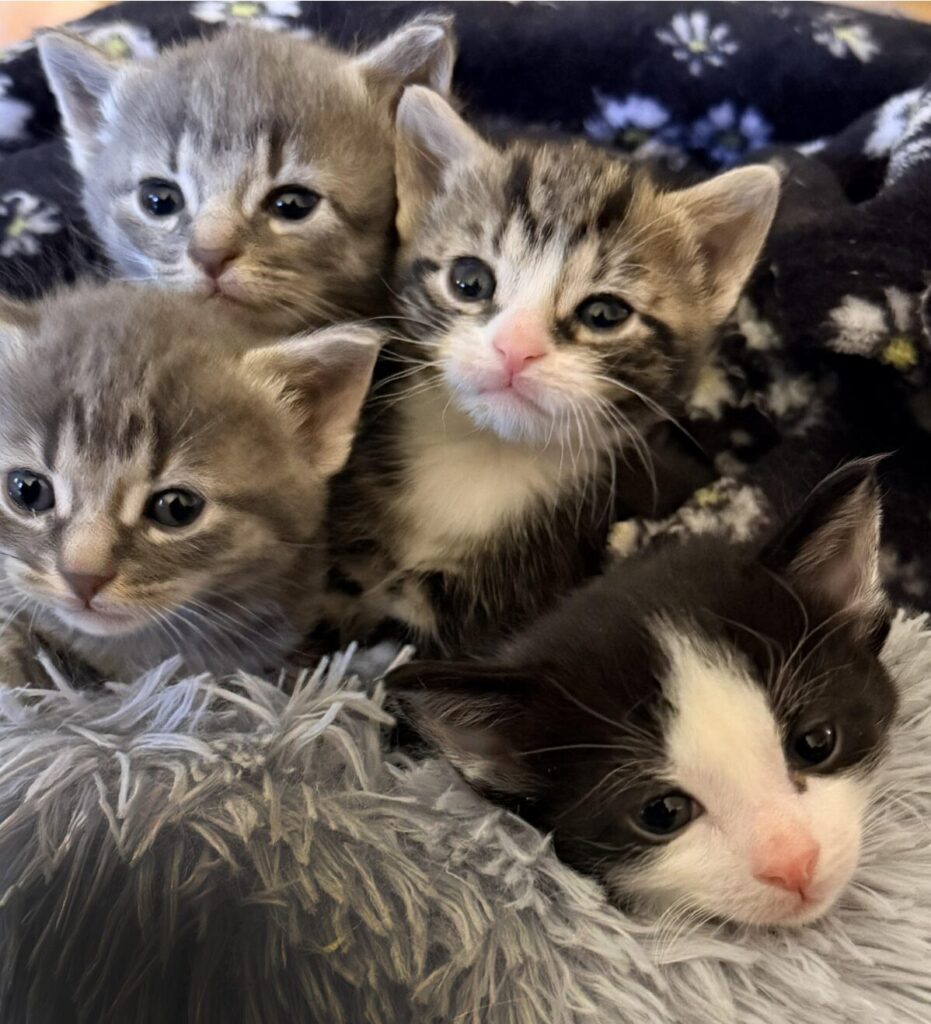
When she moved back to the area about 15 years ago, she discovered a litter of kittens in the yard of her Mechanicsburg home. She listed them on Craigslist to try to find them new homes, and another site user reached out asking if she had heard about using the “Trap Neuter Return” (TNR) strategy to help control outdoor cat populations.

Thus began Domen’s work to learn about, promote and educate others about TNR in Mechanicsburg and surrounding communities.

TNR is a comprehensive strategy to humanely address outdoor cat populations and has been adopted by communities across the United States. TNR volunteers capture feral cats so they can be spayed or neutered and vaccinated and then returned outdoors.

The TNR approach prevents suffering among the cats, protects public health, reduces stress on wildlife, and enables communities to redirect desperately needed resources elsewhere,” according to the Nobodys Cats Foundation, which coordinates and implements TNR in 15 southcentral Pennsylvania counties.

Domen volunteers on behalf of Nobody’s Cats as a TNR coordinator and educator, and in 2022, she started a separate Facebook group, Mechanicsburg Community Cats, to help further educate the public about TNR and provide support for local communities. The page has more than 3,500 members and many more regular visitors, she said, showing a high level of interest in the issue.

Cats are by nature domestic animals, Domen said, and they vary in their levels of socialization to humans.

“All cats born outside are lost or abandoned pets or the offspring of them,” she said.

Male cats will travel long distances to find a female in heat, Domen said. The average female cat that hasn’t been spayed has at least two litters of kittens per year, and can have up to four, she said, which means the cat population in a neighborhood can grow quickly.

Domen remembers the first such situation she assisted with in Mechanicsburg.

“I was contacted about a man who lived downtown,” she said. “People were seeing kittens in his yard and being hit in the road.”

She knocked on his door and told him she could help, and the man started to cry. His mother had owned just three cats, he told her, and, within two years, he had 36 living in his yard.

As part of TNR, volunteers feed and provide shelter for the released cats, allowing them to live comfortable lives without producing an uncontrolled number of kittens. This feeding and sheltering piece is important, Domen said.

“If you stop feeding, they will spread out into the community and get into trash,” she said.

Several local townships have recognized the benefits of TNR, and many now even provide vouchers for spay/neuter services. Some municipalities have also changed their ordinances to allow feeding and sheltering of outdoor cats that have been through the TNR process, activities that had previously been prohibited. Domen and Nobody’s Cats continue to work with local municipalities to encourage these types of changes.

Cats that are returned through TNR programs have their left ears clipped and flattened, a universally recognized sign, Domen said.

“Whether you love cats or hate cats, TNR is the best approach,” she said. “It’s healthier for the cats and the community.”

Domen estimates that she has helped trap and return close to 1,000 cats in Mechanicsburg and surrounding townships, and, in the process, assisted hundreds of people.

She said that her ultimate goal is to let people know they don’t have to try to tackle a cat population issue on their own.

“People often feel overwhelmed, but there are resources available,” she said. “Don’t feel like you have to tackle it on your own, there are people who can help. The more we can educate, the better off we are.”

For more information about local Trap Neuter Return resources, visit www.nobodyscats.org.

Mechanicsburg Community Cats is on Facebook.

If you like what we do, please support our work. Become a Friend of TheBurg!      
Continue Reading

Community Comment: Neighboring for Change

There is a wise saying that “it takes a village.”

If you haven’t heard this one before, the gist is that it takes more than one person to do things like raise a child, build a school or change the status quo. Yet, for all the times this adage gets repeated, or however true it may be, we simply can’t assume anymore that people actually feel as though they belong to a neighborhood or that they possess the skills and abilities needed to create one.

The feelings of loneliness, powerlessness and meaninglessness that too many of us experience are a trifecta for a kind of social shipwreck. In 2023, the U.S. surgeon general declared loneliness and isolation a nationwide epidemic in a widely published health advisory. In this report, the lack of social connection was found to increase the risk of premature death as much as smoking 15 cigarettes a day. This shocking finding, however, would have come as no surprise to Mr. Rogers. More than 50 years before the surgeon general sounded the alarm, Fred Rogers was on TV trying to help the nation understand the importance of teaching children how to love their neighbors.

So what can we do to interrupt the powerful forces that are dividing us in our neighborhoods? How can we arrest the invisible systems and structures that create, sustain and perpetuate anxiety and displacement? Here are a few concrete neighboring practices to help us focus locally on what we can do where we are.

First, take a break from consuming headlines that manufacture fear or feature violence. If you can’t quit toxic media cold turkey, try at least not to take the bait by clicking on negative stories that might make you spiral into feeling worse about yourself and others at the start or end of the day. You might reduce some stress if you can create some self-imposed boundaries as to what news stories you choose to read and when.

Second, focus on the work you can get involved in at the local level. At the very least, start by getting to know the names of your neighbors who live right beside you. Share some food to break the ice or simply be intentional about starting a conversation. Little practices like these can go a long way toward strengthening basic social connections within our neighborhoods. Just by knowing the names of those who live around, you can jumpstart the process of transforming a stranger or potential enemy into a neighbor or future friend.

Third, join a group or neighborhood organization that values small and consistent efforts over time to make local neighborhoods safer and more attractive places to live. Activities like planning a block party, picking up trash, or organizing wellness checks on those who are vulnerable won’t usually attract large grants or media attention, but the social connection that comes from working together for the common good can’t be underestimated. These efforts bond social capital that effectively improves the quality of life for everyone while building the connections that neighbors need to feel like they belong and matter in the places they live. Connections like these are vital when tragedy strikes and neighbors become first responders.

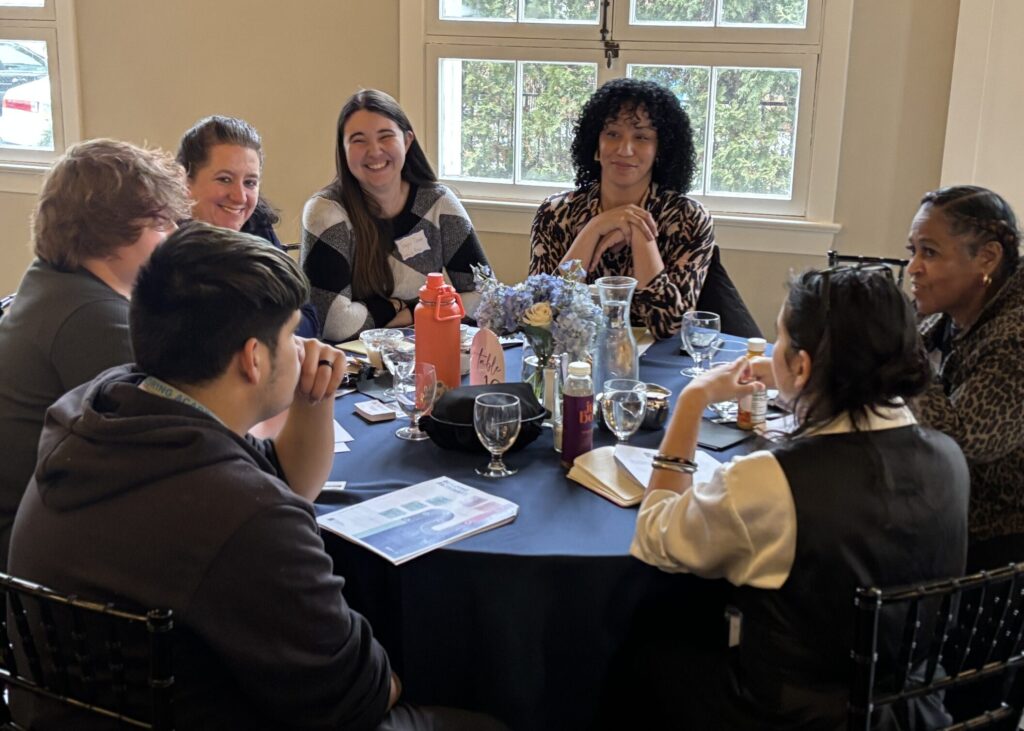
Fourth, change the narrative and tell different stories. For example, over 100 employers, community leaders, educators and students gathered in Harrisburg this year for an inaugural “Neighboring Summit.” This event was sponsored in part by the PA Department of Labor & Industry, SCPa Works and C&J Catering. Throughout the day, students and professionals from diverse neighborhoods were introduced to each other. They spent time exploring promising neighboring practices that bring together business and education sectors to address regional workforce challenges, as well as to champion student achievement. Numerous stories of innovative partnership were shared, illustrating how businesses in the Capital Region are neighboring with schools in mutually beneficial and reciprocal ways. New pathways are being created for high school students to earn a living wage ($21 to $25 an hour) after graduation and break generational cycles of poverty as they save to become future homeowners by age 25, if that is a choice they want to make.

If you have an inspiring story of neighboring, consider sharing it with others. These stories can directly confront the destructive myths that are being recycled about our cities and urban neighborhoods—namely that poverty and violence are intractable. Make no mistake: the fights, fires and fatalities in our neighborhoods can’t be glossed over. Tragic shootings are occurring, and poverty both literally and figuratively stunts the growth of our children. However, we can’t be led to believe that these are the defining stories of our people and places. The narrative that our communities are poor and violent and that they will always be poor and violent must be countered by the stories of neighbors who have a prophetic imagination formed by suffering but not defined by it.

Toward that end, we all (regardless of age) are challenged to learn how to become better neighbors. The stakes are too high to fail. If we don’t rise to the occasion, the surgeon general warns that, “we will pay an ever-increasing price in the form of our individual and collective health and well-being. And we will continue to splinter and divide until we can no longer stand as a community or a country. Instead of coming together to take on the great challenges before us, we will further retreat to our corners—angry, sick and alone.”

If you would like to learn more about individual, group or systems level neighboring practices, or if you have a story of how businesses and schools are partnering together to address regional workforce challenges and improve student achievement in your neighborhood, we would love to hear from you. You can contact us online at www.neighboringchallenge.com.

Chad Frey is president and CEO of the Neighboring Academy.

This is sponsored content.

If you like what we do, please support our work. Become a Friend of TheBurg!      
Continue Reading

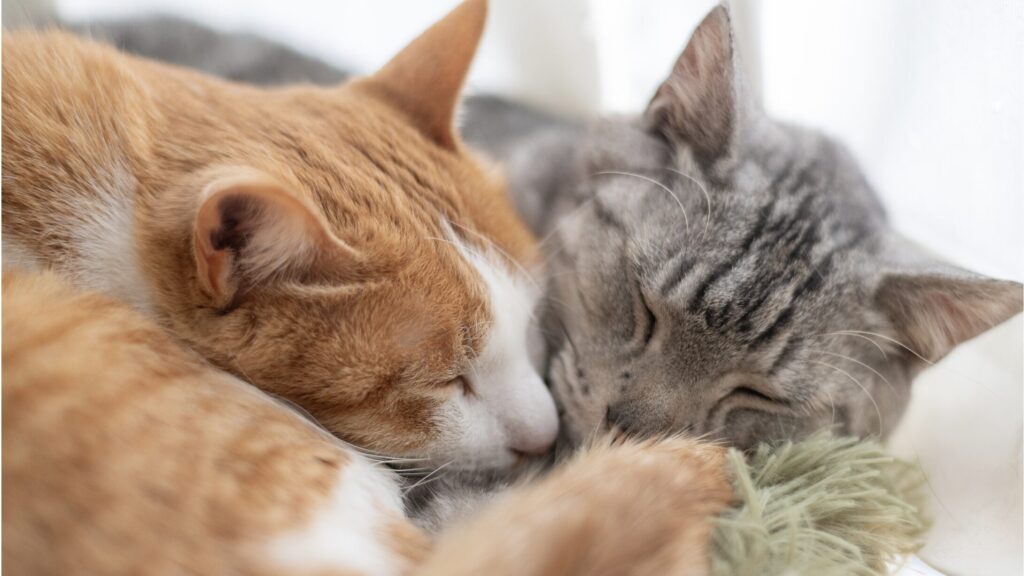
Peeper, Meet Baby Cakes: Introducing a second cat takes time, technique

“What are we going to do with this cat?” I thought.

The cat in question was a dainty, little tiger-striped female, Baby Cakes, that belonged to my mother-in-law, who had just broken her hip. After surgery and rehab, she would move into assisted living. No cats allowed.

We had no doubt that we would take “Baby” in, but we had plenty of doubt about how our current, not-so-dainty, male, tiger-striped cat, Peeper, would handle this change in his living situation. We knew this much—this introduction would take some time.

Our instincts proved correct.

“Time,” agreed Annika Shoemaker, of Trapped and Tipped cat rescue when asked about the best way to introduce a new cat into a household with a resident cat.

“And that’s the biggest problem,” she said. “People want everyone to, all of a sudden, just be this happy family.”

How much time?

“They need two weeks for their GPS to reset from wherever they’re coming from,” she continued. “So, they’re not only going to have to learn your cat, but they’re going to learn you, your home, your smells, your routine.”

Shoemaker recommends bringing a cat into a “safe room,” a place where the cat can feel secure and begin to learn the home, before they are introduced to the current furry resident.

To begin acclimating the cats to each other, Shoemaker recommends scent swapping. Each cat should have contact with a blanket, then the blankets are switched. This gives each cat a scent introduction before they lay eyes on one another.

With Baby and Peeper, we had one cat on the first floor of our bi-level and the other cat on the second floor, then swapped.

“Let the cat out to kind of get the lay of the land without the other cats,” Shoemaker said. “So, they can get their bearings before my cat is running up to them, because that’s overwhelming.”

Next, allow the cats to meet underneath a door or behind a baby gate. Try and make it a positive experience by playing with or feeding the cats while this is happening.

It’s going well “if they seem curious, they’re not hissing or growling,” said Amanda Shafer, a cat rescue colleague of Shoemaker’s with over 10 years’ experience.

If one of the cats demonstrates a negative behavior, or runs away, they just aren’t ready.

“Then you go back and go slower,” Shoemaker said.

Rule of Threes

Based on Shoemaker and Shafer’s recommendations, I pushed Baby and Peeper’s introduction a bit, allowing them to be face-to-face at about a week. Things went well with no concerning behaviors. Shafer pointed out that some cats will be fine with a quicker introduction.

“Just listen to the cats, because you are still learning the [new] cat’s behaviors,” Shafer said. “I’ve had cats where it looks like they are going to attack, but really they’re just trying to be friends. So, you need to learn the cat too.”

Shoemaker talked about the “threes” rule: three days, three weeks, three months.

“Three days to calm down. Three weeks, they’re starting to look and learning your routine. Then three months is when they feel like they are actually at home and they’re settling,” she said.

If an owner has questions about the new addition, the rescue is a fantastic resource.

“The foster typically knows pretty well how that cat’s going to act, because they’ve already put the time into figuring that out,” Shoemaker said.

If your cat came into the home through someone who found a litter under their porch, or maybe you found the kittens under your porch, the safe room is even more important. The health history of these animals is unknown, and strays can carry an array of harmful diseases that could be transmitted to your current cat, such as ringworm or the deadly feline distemper. Shafer does not advise bringing a stray into a home with another cat in residence, but instead going through a rescue.

Also, it’s not always advisable to add another cat into your home.

“I’ve had people adopt because they want a single cat. That’s all they want,” Shoemaker said. “Then three years later, they would like a second. I’m like, ‘You adopted that particular cat because you wanted one cat. She did not do well with other cats here. Then she’s not going to do it now.’”

And occasionally, the situation just doesn’t succeed.

“Sometimes, it just won’t work. Maybe it’s not in the best interests of that cat to stay in that home,” Shoemaker said. “I would rather that cat come back to me, and I’ll get it in the right place.”

Baby Cakes and Peeper seem to have found the right place. Their introduction produced no cat fights, and they live together harmoniously.

When trying to create a multi-cat household, more time for that feline relationship is better than moving too fast.

“So, you let it [the introduction] go too long, it’s no issue,” Shoemaker said. “But if you try to rush that and there’s a bad interaction, that’s really hard to come back from.”


For more information on Trapped & Tipped, visit Annika Shoemaker’s
Facebook page.

If you like what we do, please support our work. Become a Friend of TheBurg!      

Continue Reading

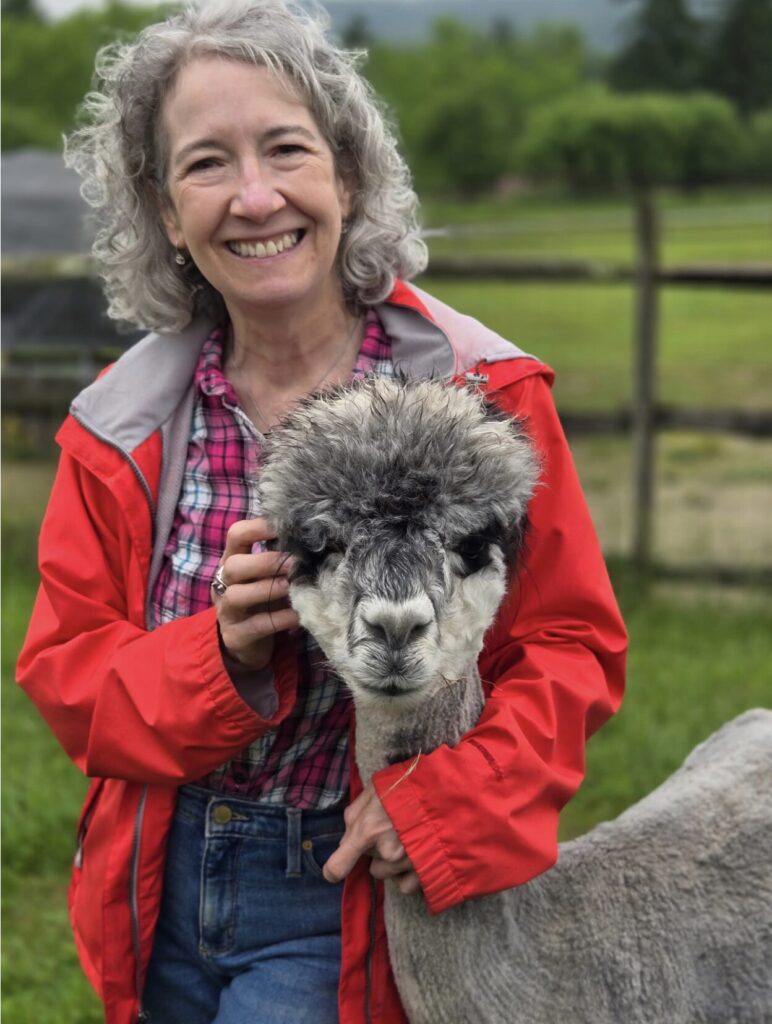
Fuzzy & Friendly: Go outside, touch grass, meet an alpaca

Diane McCormick

Carey DuRand called for the girl alpacas to be released into the field. Then came the boys.

Santoro, a cream-hued boy with a remarkable resemblance to Sam the Snowman of “Rudolph the Red-Nosed Reindeer,” ambled to the fence, hoping for treats.

 “He’s got a full mustache and beard,” DuRand said. “Cracks me up.”

Looking for a fun and educational summer getaway? One with fuzzy animals with irresistibly soulful eyes?

Try a nearby alpaca farm. Get out in the fresh air. Enjoy the countryside views. Let the kids romp, phone-free. Give a boost to Pennsylvania agriculture, and meet some of the cutest animals on the planet.

“They’re kind of funny looking,” said Karen Nace, president of the Pennsylvania Alpaca Owners & Breeders Association. “They’re furry. People flock to them. Most kids have seen a sheep and a goat and a cow, but they’ve not really seen an alpaca.”


Origin Stories

Alpaca farmers just seem to fall into the business.

Carey DuRand and her family wanted animals suited to their new farm, and they found them at the Pennsylvania Farm Show. After volunteering for nearby Alpacas of York to learn the ropes, they grew a herd of seven—that ballooned to 37, in part, when Alpacas of York asked to board its herd at DuRand’s Shear Heaven Alpaca Farm near Emigsville.

Scott and Cindy Johnston of Starry Night Alpacas, Lewisberry, accompanied a friend to an auction, just to look. When auctioneers led in the adorable Jackson, Scott’s hand went up, “and we bought an alpaca,” said Cindy. Then came the kicker.

“You know they’re pack animals,” someone said, “so you need to have at least two.”

Today, they have two dozen.

Angie Grove, looking for an activity for her daughter, found it on a visit to an alpaca farm. Now a 4-H leader, Grove opened Angie’s Alpaca Paradise in Enola in August 2024. There, I was first greeted by two personable boys, the beautifully spotted Bomber and the sleek black Griffin popping their heads over their stall.

Every week, Grove’s farm hosts 4-H members who tend to assigned alpacas and train for agility competitions.

Tending livestock teaches children how to take responsibility for the health and well-being of animals, including pets, and that there are “good days and bad days, because just like us, animals wake up in a bad mood, and they’re like, ‘No, I’m not doing that today,’” said Grove.

“Kids are our future, whether they want to own a farm in their lifetime or not,” she said. “Working with animals teaches them responsibility. It teaches them that it doesn’t matter what the weather is. They’re coming to the farm. The animals still need fed, and the poop needs cleaned up.”

Alpaca farmers cherish their roles as educators and PA agritourism ambassadors.

“Most of all, I love bringing kids from the city here that don’t really know grass and trees,” said DuRand, whose farm offers stunning views. “The experience and the joy is absolutely what fuels me. It’s even more important now with people being so glued to technology and phones and social media. It’s so important to have opportunities to get people away from that and to be outdoors and see God’s creation.”


What I Learned

Yes, alpacas spit. But usually, only if they’re fighting over food, so don’t get between them.

Don’t walk behind them or touch their rear ends, either. They can kick.

They are native to the Andes Mountains of South America, mostly in Peru, Bolivia and Chile. They came to the U.S. around 1980.

As prey animals, they would naturally shy away from humans, but if you have treats, they’re happy to meet and greet.

They are communal poopers. They do their business in one place in the field, which allows farm visitors to walk around freely, as long as they avoid the restroom areas.

Sure, they’re cute, but they are livestock—living beings that require food, water, shelter, treatments against parasites and annual shearing.

Those googly eyes come from their mountain origins. Grove told me that their three eyelids expand their peripheral vision to spot predators like mountain lions.

Boys and girls have separate quarters because they mate year-round. When DuRand, leading a Shear Heaven tour, shared that female alpacas are pregnant for 11½ months, the women there—a Maryland group that takes excursions around the region—groaned.

Alpaca fleece is hypoallergenic, wicking for year-round comfort and, they say, seven times warmer than wool.

Alpacas come in 16 natural colors, from white and fawns to browns, grays and blacks. At the Johnstons’ Starry Night Alpacas, Rachel has a pronounced underbite but a stunning coat.

“If the sun was shining, you’d see how she was a red-mahogany color,” said Scott as rain pelted the barn roof. “She’s really beautiful.”


Up Close

Like humans and pets, each alpaca has a personality. From his side of the fence, Shear Heaven’s Beau likes to race four-wheelers and visitors.

“He’s Mr. Competitive,” said DuRand.

Some are shy or skittish. Others are friendly. DuRand’s “super-chill” Frodo calmly poses for photos with guests, including a giggling little girl who exclaimed, “He didn’t even bite me!”

Which, actually, is impossible. Alpacas have only bottom teeth. They grind their food with their hard palates.

I learned, however, that I should have clung tightly to Frodo’s neck for my photo. When he bolted from me, DuRand calmly instructed the visitors to form a human fence.

“You guys are all alpaca farmers now,” she said.

At Shear Heaven, Jen and Jon Bosley, recent transplants from Maryland to Red Lion, York County, were at “A” on their A-to-Z list of Pennsylvania experiences. As the tour wrapped up, DuRand recruited them to lead Frodo and Sammy to the barn.

“We’re getting the full alpaca experience,” Jen said. “Then we’re off to Hershey to build a candy bar.”

“There’s so many things to do up here that you don’t realize,” said birthday-boy Jon. “We love Pennsylvania. It’s a different pace of living.”


World Away

Since their introduction to Pennsylvania, alpacas have become agritourism mainstays.

“We’re PA Preferred at the Farm Show, and a lot of our members sell beautiful things made with PAOBA yarn,” said association President Nace. “I don’t think any of us are making a lot of money. Agritourism helps bring in some extra income and keep the farm running.”

Nace hosts alpaca yoga and summer camps at her Crimson Skye Farm, Schwenksville, Montgomery County. DuRand holds Alpaca U classes for adults ready to learn. Farms typically have gift shops, including Starry Night, featuring yarn spun and pieces woven by Cindy Johnston. Grove sells $5 bags of alpaca poop—it’s odorless!—for fertilizer, while her 4-H students raise funds by making alpaca-fleece nesting balls for birds.

“We try and use everything,” Grove said. “We don’t let anything go to waste.”

The alpaca appeal is in the animals themselves, say the Johnstons.

“I just feel comfortable around them,” Scott said. “They’re very relaxing.”

Cindy likes to set a chair in the middle of the pasture “and just sit there.”

“There’s something about them, especially their eyes,” she said. “If you’re depressed, they just have some kind of chemistry that makes you feel good.”

At Angie’s Alpaca Paradise, Grove names the babies after Disney characters. I bonded with Stitch as we walked the barn at an easy pace—until we turned, and he was anxious to run back to his buddies in the pen.

Alpaca visits offer a way to de-stress or give the kids a day out, said Grove. Her fall event, Oct. 4 this year, lets kids walk and feed an alpaca and play alpaca games—all for $5 per child.

Life is expensive, Grove said, “and if we can bring some family time together and still pay our bills, that’s our goal.”

You never know what people are going through, she adds.

“If we keep our costs down to the public, they can come and enjoy, and we can put that smile on somebody’s face,” she said. “That’s, you know, our purpose.”

Alpaca Action

Tours, fees and events differ by alpaca farm. For more information on the farms and resources in this story:

Angie’s Alpaca Paradise, farm and store, 6844 Wertzville Rd., Enola. Open for free walk-in visits Sunday, 1 p.m. to 4 p.m., other tours by appointment. www.angiesalpacaparadise.com

Crimson Skye Farm, 704 Camp Wawa Rd., Schwenksville, www.crimsonskyealpacafarm.com

Shear Heaven Alpaca Farm and Store, 3841 Trout Run Rd., York. Scheduled tours Wednesdays and Sundays, www.shearheavenfarm.com.

Starry Night Alpacas and Store, 653 Observatory Rd., Lewisberry. Tours by appointment, 717-938-6898, [email protected].

Alpaca Fiber Designs, www.alpacafiberdesigns.com

Alpaca farm finder, www.paoba.org

If you like what we do, please support our work. Become a Friend of TheBurg!      

Continue Reading

Flowery Fare: Zucchini blossoms make for a tasty summertime dish

One of my favorite downtown Harrisburg summer dining memories is sitting outside Rubicon/Mangia Qui on North Street. We were there for dinner on a beautiful summer evening.

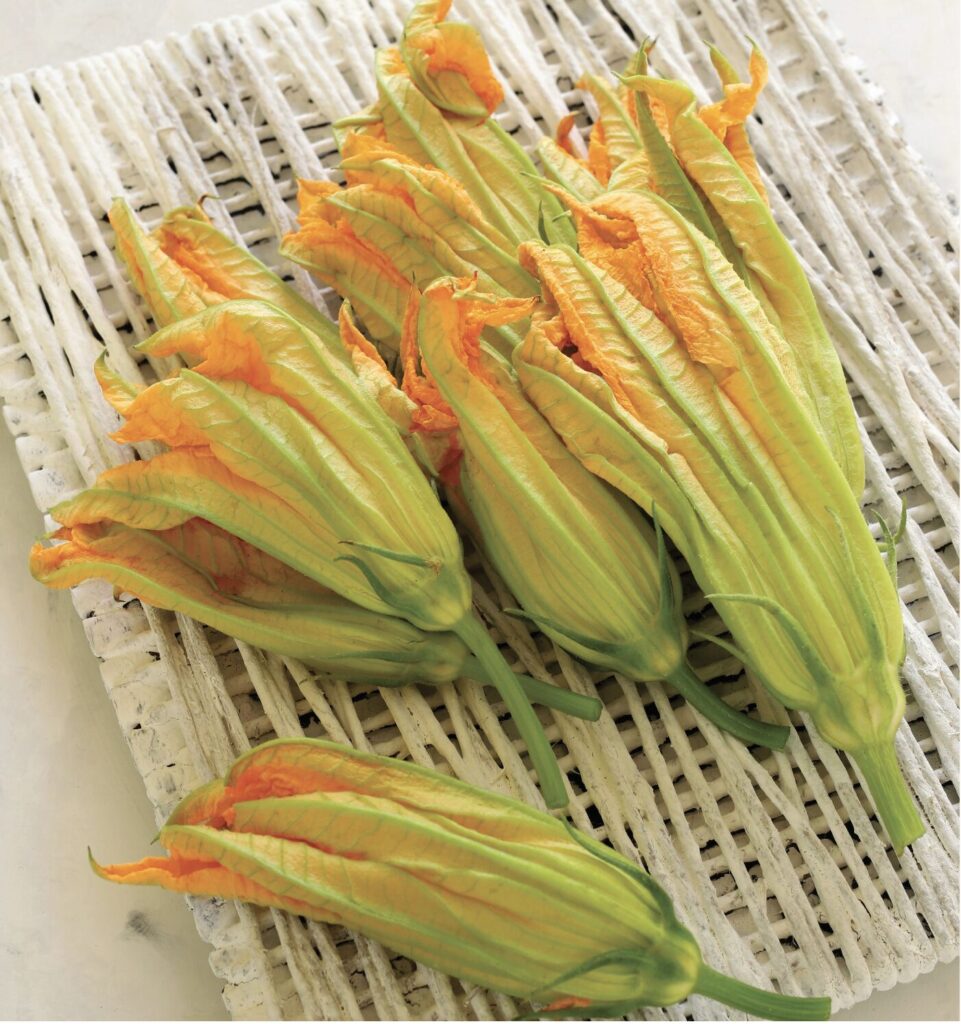
The special appetizer that night was stuffed zucchini blossoms. They were filled with creamy ricotta cheese, lightly battered, and fried in tempura style. They were absolutely delicious.

Every once in a while, I see zucchini blossoms at the farmers market and wonder if I should buy some. I usually don’t deep fry foods, and so I always wonder what else I can do with them.

People cook with other flowers, don’t they? Pansies as a garnish on a plate? We have all seen that. And rose blossoms in a pretty summer drink? Lovely.

But what else can we do with zucchini blossoms? I started the search. I tore my Italian cookbook collection apart. Not much there. But I found my answer in an old favorite, “Rustic Italian,” a Williams and Sonoma publication, written by Domenica Marchetti. There it was! Waiting for me. I must have passed over it many times: “Cavatelli con Fiori di Zucca” (“Cavatelli with Zucchini Blossoms”).

Probably, the hardest part of this recipe is finding the zucchini blossoms. Check local farmers markets and places like Wegmans and Whole Foods. The blossoms should be brightly colored and fresh-looking, never wilted. And if you have your own little home garden and grow zucchini, you will have an ongoing supply.

Cavatelli with Zucchini Blossoms

Ingredients

  • Fine sea salt and freshly ground black pepper
  • 4 tablespoons extra virgin olive oil
  • 2 medium zucchini, cut into large dices (about 2 cups)
  • 1 clove garlic, minced
  • 12 zucchini blossoms, cut crosswise into thin slices
  • Zest of 1 lemon
  • Juice of ½ lemon
  • 1 tablespoon finely chopped fresh basil
  • 1 tablespoon finely chopped fresh flat-leaf parsley
  • 1 pound cavatelli or other short pasta
  • ½ cup shaved Parmigiano cheese

Directions

  • Bring a large pot of salted water to a boil.
  • In a large frying pan, heat 2 tablespoons of olive oil over medium heat.
  • When the oil is shimmering, add the diced zucchini and cook without stirring until the pieces are well browned on the bottom. Then stir gently until browned on all sides.
  • Reduce the heat to medium low and add the garlic, sliced zucchini blossoms and lemon zest. Stir very gently to coat the blossoms with the oil.
  • Add the lemon juice, 1 teaspoon salt and freshly ground pepper.
  • Remove from the heat and stir in the basil and parsley. Cover the sauce to keep warm and set the pan aside.
  • Add the cavatelli to the boiling water, stir a few times and cook until al dente according to your package instructions. When cooked, drain and reserve about ½ cup of pasta water.
  • Transfer the cooked pasta to the pan with the sauce.
  • Using tongs, toss the pasta very gently to combine. Add a splash or two of the pasta cooking water to loosen the sauce if needed.
  • Place in a serving platter or individual shallow bowls and garnish generously with the grated cheese of your choice: Parmesan, Grana Padano or Romano.

Note: Cavatelli is a small, shell-like pasta that cooks up rather firmly. You can substitute orecchiette, small rigatoni or even penne if you wish. Garnishing the serving platter with whole zucchini blossoms makes a beautiful presentation. Serve with a soft white wine, like Soave or Pinot Grigio. This pasta could become one of your new summer favorites. Back to loving zucchini!

If you like what we do, please support our work. Become a Friend of TheBurg!      
Continue Reading

Adventure Together: Learn all about moths and butterflies this month with hands-on activities and gardening

Photos provided by Ashcombe Farm

While camping a few weekends ago, a tiny white moth crawled across our picnic table.

It was a small action that guided the course of our adventuring this month, highlighting how slowing down and allowing space for wonder can lead to new and exciting ventures.

Delighted by the fuzzy body and feather-like antennae of the tiny creature, my kid had the brilliant idea to create a moth out of found objects in nature, one that could live with us longer than the wild moth on our picnic table. Always eager for chances to combine art and science, we decided to learn more about moths to gain an understanding of how their bodies work and why each part is important before building our own.

At the end of our camping trip, we headed to the library to check out books on moths. Many of the books that detail the science of moths also touch on the wonderful world of butterflies. The two actually share the genus lepidoptera. You may be surprised to learn that butterflies are technically classified as a type of diurnal moth, meaning they are active during the day.

Try a brainstorming activity by creating a chart of animals that are diurnal vs. nocturnal. List animals on each side of the chart, then discuss why you think it may be beneficial for those animals to be active during day vs. night. For moths and butterflies, we learned that the big feathery antennae of moths are adaptations to their lifestyle flying in darkness. The feathery antennae maximize their sense of smell because the greater the surface area, the higher the sensitivity. These antennae give moths the incredible talent of locating food sources several miles away. Ask your kid if they can think of other nighttime animals with specialized skills.


Craft & Release

Now that we understood moths a little better, it was time to build our own. To make yours, use a pinecone for the body and pack it with moss, creating a round look and soft, fuzzy feel. Sticks or pieces of hay work for the six legs. For the antennae, use ferns to emulate a feathery look. Though moths rely on their sense of smell for food navigation, they do still have eyes, and we used mulberries to make ours, then snacked on the leftovers. Another great topic to discuss with your family is how pollinators like moths and butterflies help make fruit like mulberries.

Butterflies and moths thrive in areas that are thick with native plants. Native plants have been proven to attract pollinators up to four times that of a non-native shrub or perennial. Some popular choices for our region are milkweed, sunflowers, foxglove, wild blue phlox and the delicious fruiting trees of apple and mulberry.

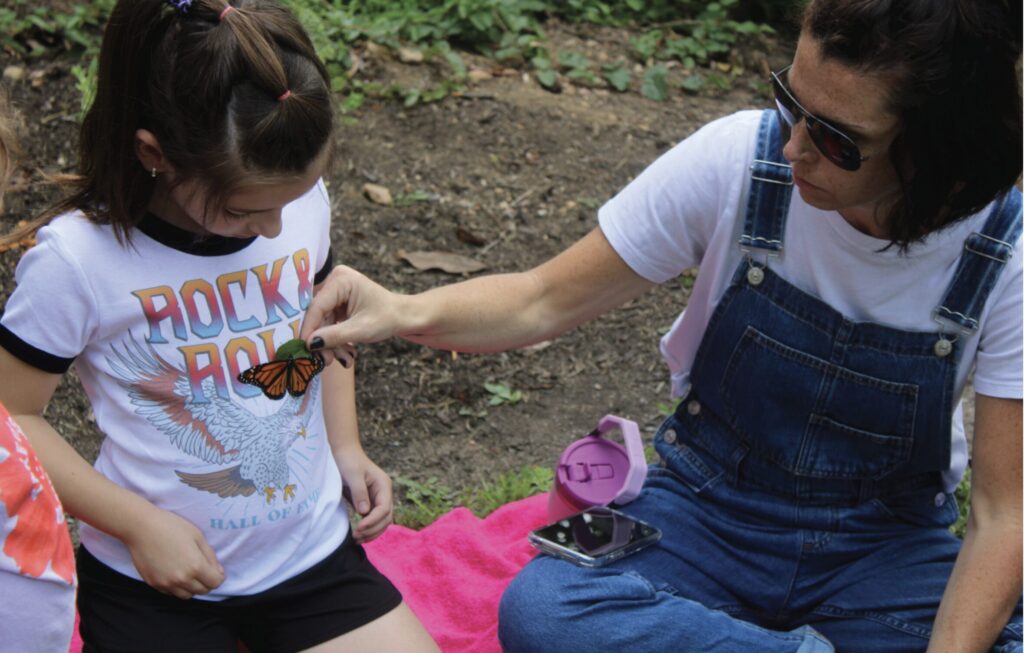
Ashcombe Farm is hosting a perfect event to combine education on pollinators while celebrating butterflies. Located in Mechanicsburg, their annual Butterfly Day festival and release will take place on Saturday, Aug. 1 from 10 a.m. to 2 p.m. Created with the intention of recognizing the importance of pollinators, there will be an educational “Plants & Pollinators” talk during the festival with guidance on how to create pollinator friendly habitats at your home. The day includes free kids’ crafts, activities and a petting zoo too. There will also be artisan vendors and food trucks to keep everyone in the family fed and happy.

A secondary facet to Ashcombe Farm’s Butterfly Day is the memorial release of butterflies after the festival, honoring and remembering loved ones in an uplifting way. To adopt a butterfly to release with your family, visit Ashcombe Farm’s website or stop by their shop.


Get Your Hands Dirty

To get involved in gardening outside of the home, you can join one of Harrisburg’s several community gardens or gardening clubs. The Berryhill Community Garden and the Dauphin County Community Garden are great options. If you’re interested in gardening with a team, the Penn State Master Gardeners is having a workday at the Five Senses Garden on July 3 at 9 a.m. Wildwood Park is having a volunteer workday on Saturday, July 11 at 10 a.m.

By pausing to appreciate one tiny moth that crawled across our picnic table, we embarked on a month-long journey of activities and learning. Like the pollinators who flit about keeping plants thriving, children flutter from one moment to another as fast as a moth’s wing beat. This month, we remembered the importance of appreciating moments between, pauses and spaces of wonder that allow us to appreciate little things that may wander our way.

Ashcombe Farm is located at 906 Grantham Rd., Mechanicsburg. Learn more about events at ashcombe.com.

Berryhill Community Garden is located at 2405 Berryhill St., Harrisburg.

Dauphin County Community Gardens is located at 1599 Elmerton Ave., Harrisburg.

The Five Senses Garden is located at 1350 N. Harrisburg St., Harrisburg.

Wildwood Park is located at 100 Wildwood Way, Harrisburg.

If you like what we do, please support our work. Become a Friend of TheBurg!      
Continue Reading

New Kind of Play: The Harrisburg area has many one-of-a-kind playgrounds, perfect to get the wiggles out

Illustration by Aron Rook

When I was a younger mom, my boys would play anywhere. It was all about action, speed, who could slide down first, and who could swing the highest.

But my daughter was much pickier. She preferred playtime venues where she could role play, serve as captain on her own pirate ship, or schoolmarm wayward boys aboard her spaceship.

Harrisburg has some excellent playgrounds, and nothing beats free, outdoor entertainment that will exhaust your littles and make the other parents in your playdate group say, “They’ll sleep good tonight.” For parents, especially those with multiple children to run after, a fenced playground with only one gate is a plus. And so are parent benches, with cupholders optional.

While some of the more conventional playgrounds have the typical swing/slide/monkey bar combos, other more offbeat Harrisburg playgrounds stand apart from the others—with distinctive built-in features inspiring max levels of creativity.

I’ve rounded up some of the more unique parks in Harrisburg.


Un-bored Game

The City of Harrisburg contains an inspired work of art in its life-sized version of Chutes and Ladders at Reservoir Park. With its unusual features built into the park’s natural, 50-foot sloping hillside, and its spongy footholds, the color scheme and crazy mazes feel like being inside the pages of a Dr. Seuss book.

I have to admit, I tried to navigate the game myself, but with my dog, Lucy, tugging me along, I didn’t play for long. Many neighborhood kids wandered over to pet Lucy, while the older siblings designated as their babysitters made sure the many benches scattered throughout the park didn’t blow away. Rather than answer my “kid on the street” questions about things they liked about the playground, the kids were more interested in seeing if my dog wanted to slide.

For now, the Chutes and Ladders game location sits surrounded by fence portions, even if it is just orange construction mesh. Harrisburg is currently renovating Reservoir Park to include a new splash pad with water features.

In addition to the benches, there’s a table underneath a shaded umbrella and a pavilion. If you move your seat a few times, you can keep track of your littles. You can track even better if you are the designated game spinner.

If you bring your family at the right time, you can catch Free Shakespeare in the Park, or maybe even a concert.


King of the Hill

In Swatara Township, just off Paxton Street, the Oasis Playground has a busy number of distinct features, like a fortress atop a hill. The playground is situated on the edge of the parking lot of Living Water Community Church amidst the flags of many nations, welcoming everyone to come and play. And it’s built above a soft surface, just in case my little grand-cherub slips off the perch of her Rapunzel tower.

If safety is first, then security is safety’s BFF. Seated at one of the three hexagonal tables underneath a shady umbrella, one woman, Olivia, said she likes the extra security measure of a fenced-in playground. “I don’t have to worry about my three kids running out the other side [of the playground],” she said.

The space itself is about 2,000 square feet, which is about half the size of a standard basketball court. The play features aren’t labeled, but you can easily see where the play zones are logically divided by age groups. Little kids like to swing on these things, and bigger kids like to hang upside-down off those things. And if your little prince or princess needs some extra assistance, this playground is wheelchair accessible, with plenty of ramps and slides.


All Welcome

My favorite local Harrisburg playground is Possibility Place in Thomas B. George Jr. Park, Lower Paxton Township. My bias is not just a case of location, location, location. Labeled “The Playground for All Children,” the fenced-in area is centrally situated between several multi-purpose fields, shaded in many spots at the right times of day, and has spongy ground for soft landings. In addition to being shaped like a castle surrounded by a giant moat, kids can play with built-in learning stations hidden all around, or climb the rock wall.

Bill, a father of three, likes to bring his kids to Possibility Place to blow off steam. His boys were each involved in sports activities taking place in three different surrounding fields, and they met at Possibility Place when practice concluded. “It’s close to home, and the boys really like it here,” he said.

An all-inclusive playground, your kids can play in Possibility Place regardless of age or ability, and there’s built-in wheelchair accessibility. With the pavilion nearby and benches near the playground’s entrance, you can gossip, ahem, catch up with the other parents in your playdate group while your kids tire themselves out to the point of “sleeping good tonight.”

Reservoir Park is located at 100 Concert Dr., Harrisburg. For more information, visit www.harrisburgpa.gov.

Oasis Playground is located at 206 Oakleigh Ave., Harrisburg. For more information, visit www.oasiscommunitypartnership.org.

Thomas B. George Jr. Park is located at Nyes Road and Heatherfield Way, Paxtonia. For more information, visit www.lowerpaxton-pa.gov.

If you like what we do, please support our work. Become a Friend of TheBurg!      

Continue Reading

Little Theatre, Big Success: Mechanicsburg’s local theatre celebrated its 75th season this year—and it’s ready for more to come

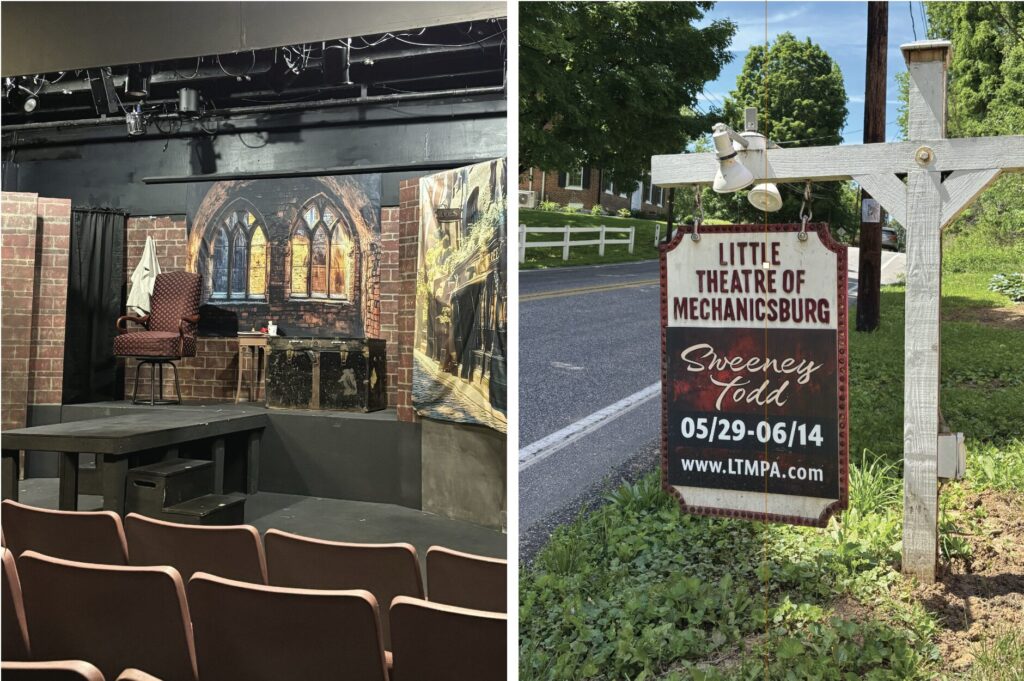
There are no bad seats at the Little Theatre of Mechanicsburg.

Located in a former 1863 one-room schoolhouse, the venue marks a unique, intimate space for show business in the small town and the broader region.

“We have one of the smallest theatres in the area,” said John Kubasko, vice president of the theatre, emphasizing that the 64-seat space creates an immersive experience for audiences. “If you’re sitting in the front rows, you feel like you’re a part of the show.”

This year, the theatre celebrated a big anniversary, marking 75 years of bringing live community theatre to the Mechanicsburg area.

The organization traces its roots back to 1950 when a group of students from Mechanicsburg Junior High School, who shared a passion for the arts, began gathering to read plays together.

The volunteer-run nonprofit found its current home in 1964 when the former Kohlertown School House was purchased for $10 and transformed into a theatre.

Over the past several decades, the old schoolhouse building has been upgraded with a light booth, new seats, two lobby areas with restrooms and two dressing rooms.

Prior to the upgrades, the facility had no dressing rooms, requiring actors in the 1970s to change costumes in their cars. What’s more, the original brick outhouse served as the theatre’s only restroom.

The theatre just concluded a successful anniversary season. The 75th year wrapped with the popular, Tony-Award winning musical, “Sweeney Todd: The Demon Barber of Fleet Street,” which sold out every performance during its May 29 to June 14 run.

A majority of Sweeney Todd’s 15 cast members made their Little Theatre debut with this show.

Jacquie McNary, who played the leading role of Mrs. Lovett, said the production embodied the spirit of community theatre.

“Working on ‘Sweeney Todd’ at the Little Theatre of Mechanicsburg has truly been a joy and everything I want when I think of community theatre,” McNary said. “Everyone I’ve met through the production process, including Little Theatre of Mechanicsburg board members, producers, crew, the creative team, and the cast, have been so welcoming to me as a newcomer.”

McNary previously performed in productions at Theatre Harrisburg and Keystone Theatrics but said her experience with the Little Theatre highlighted the organization’s emphasis on collaboration and community involvement.

“We build trust and support each other, lift each other up when we are feeling low or tired, and share our success knowing that a great performance relies on every single player, both onstage and behind the scenes,” McNary said.

Local businesses throughout Mechanicsburg supported the big anniversary season by making donations in return for ads featured in each show’s playbill program, according to Marley Warren, the theatre’s treasurer and benefit coordinator.

“We’ve had a lot of partnerships with local organizations like Buhrig, where they’ve provided us wonderful services over the years,” said Warren, referencing a local funeral home. “We also have advertisers right now that we haven’t had for several years but have returned because of the popularity of ‘Sweeney Todd.’”

Warren emphasized that the theatre’s success depends on the dedication of its volunteers and the strong sense of community these volunteers help create. At the Little Theatre, all actors, directors and production crew members are volunteers, who donate their time and talent to put productions together.

Kubasko encourages those of all ages to come out and audition.

“It’s a safe place to put yourself out there,” he said. “If there’s someone who hasn’t acted since high school but has always wanted the opportunity to do it again, you can come out for auditions and take baby steps.”

As Little Theatre of Mechanicsburg prepares to begin its next season, the board hopes to continue welcoming new volunteers, performers and audience members into its theatre family.

The 76th season will kick off with William Shakespeare’s “The Taming of the Shrew” from Aug. 7 to Aug. 23, continuing to bring classical as well as modern shows to the stage.

“There are so many opportunities to volunteer, no matter your age or skillset,” Warren said. “It’s such a fun community to be a part of.”

The Little Theatre of Mechanicsburg is located at 915 S. York St., Mechanicsburg. For more information, visit www.ltmpa.com.

If you like what we do, please support our work. Become a Friend of TheBurg!      

Continue Reading