HMAC announces closure, forced by dispute with city over unpaid entertainment taxes

HMAC

HMAC announced its closure in a Facebook post Tuesday.

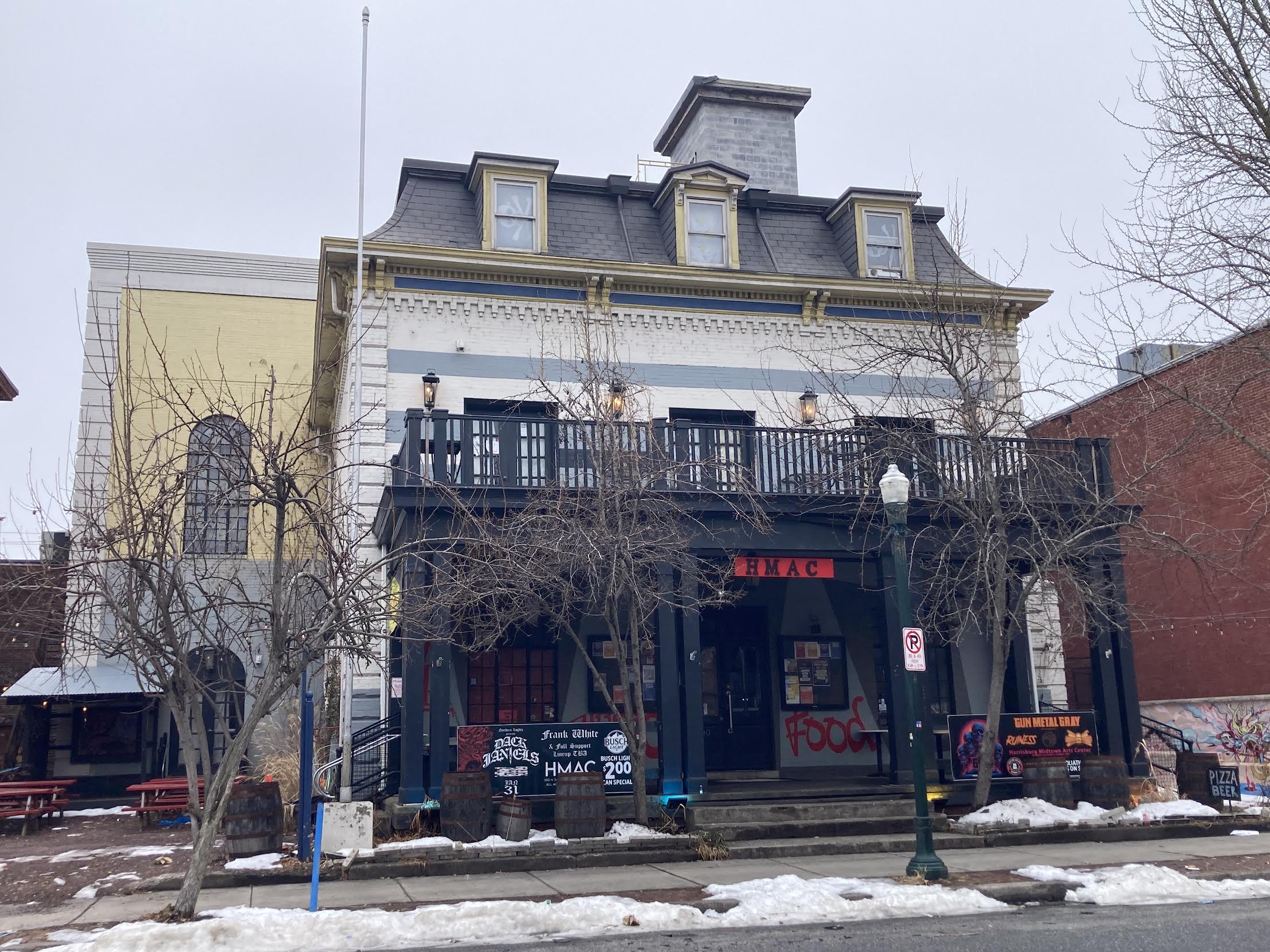
Harrisburg Midtown Art Center announced its closure on Tuesday, stating it couldn’t procure essential operating licenses from the city after failing to pay its entertainment taxes.

“We acknowledge that entertainment tax is owed,” HMAC, which initially opened in 2009, wrote on Facebook.

The venue has already been effectively closed for the past two weeks, according to John Traynor, one of the concert venue’s co-founders, when reached by telephone. Without essential licenses, like health and mercantile licenses, it cannot legally operate, he said.

In Harrisburg, entertainment taxes constitute 10% of each ticket sold for any amusement, with the city and school district taking 5% each. While city Solicitor Neil Grover said that while he couldn’t disclose the amount of unpaid entertainment taxes HMAC owed, unless the city goes to court with the venue, “it’s substantial.”

Traynor meanwhile estimated the amount owed is somewhere around $250,000 or $300,000.

Grover said that the city was lenient with HMAC last year for “the exact same issue.”

“If they would pay their bills like most taxpayers do, most good corporate citizens do, then that would solve the issue,” Grover said. “This is their issue of their making.”

According to Grover, HMAC also owes the city for unpaid trash bills.

Traynor added that he and HMAC’s legal representatives have asked the city to negotiate payments for the outstanding entertainment tax balance, but received no response from the city. 

Grover said this is because HMAC’s offer, as of last week, constituted “pennies on the dollar” for what it owed.

“And it’s money that the court already ordered be paid to us, so I don’t consider that working with us,” Grover said.

“The city has done everything it can within reason to work with HMAC,” he said. “HMAC has not worked with us.”

Traynor meanwhile said it is possible the venue could reopen if “we have a willing advocate and partner in the city.”

He added that, as a small, live entertainment venue coming out of the COVID-19 pandemic’s prolonged shutdowns, HMAC has struggled in recent years.

“HMAC’s closure during COVID caused significant financial harm to the company,” Traynor said, adding that he thinks that the venue, which includes a restaurant and bar, brings value to the Midtown community.

The closure has put bartenders, security, lighting and sound technicians, production crews, and administrative staff out of work, HMAC said.

“It’s been really hard,” said Traynor. “For all the staff, everyone has lost their jobs like that.”

He added that HMAC doesn’t just do music shows. It is open seven days a week.

“We do fundraisers all the time for free for people, we do poetry nights,” he said. “Those have been hugely successful in the courtyard outside during the summer. It brings a sense of community.”

Grover indicated that perhaps the venue could reopen if it paid off its balances, owed to the city, in full. 

If you like what we do, please support our work. Become a Friend of TheBurg!
Continue Reading

Bob’s Art Blog: Arts Flashback

Painting by Claire Berlus at the Civic Club

This President’s Day blog for Friday’s 3rd in the Burg employs two hits from the 1960s to tie a neat bow for art’s February events. Back then, when I was a teenager, the Chambers Brothers penned a psychedelic pop anthem, “The Time Has Come Today,” a song for those times that resonates even more so now. Its lyrics speak to the vagaries of time, appreciating the time we have, and the acceptance that life is short. It is unique musically in that its deliberate beat opens with a cowbell and a “cuckoo” and highlights guitar fuzz throughout. Its lyrics reference the Civil Rights movement, social activism and anti-war protest. Sound familiar? Opt to listen to the 11-minute album version released in 1967 and be “psychedelicized.”

Sculpture by James Berlus at the Civic Club

Segue to the riverfront in Harrisburg for the Civic Club’s eclectic evening celebrating “Black History and The Arts” from 6 to 8 p.m. at 612 N. Front St. Rev. Eric Jackson is somehow able to juggle his many gifts as pastoral leader, motivational speaker and musical performer, leaving all his talents at the podium and stage as blessings from the heavenly father. Jackson will be the keynote speaker and performer at the Civic Club. He is a longtime proponent and advocate for Ending Gun Violence. Rev. Jackson is a dynamic orator with a great message to share and will take his music to new heights. Friday’s event celebrates Black History Month as part of a tribute to the many cultural contributions that people of color make and have made throughout our city, as well as on a national level. Joining him is the equally talented artist, author, filmmaker and storyteller Julia Mallory of her Ten Oh!Six Studio and Gallery, Dr. Jacquie Forbes Owolabi, a Black education scholar, and Pretty Heads Hair. The Civic Club Artists Advisory Council pioneered by its president, Contrena Baltimore, is eager to place art center stage throughout the night. Multicultural art showcases the works of Haitian-born and raised James Berlus, one of the featured cultural leaders in TheBurg’s February issue. Poetry and the spoken word experience from Julia will keep all visitors thrilled and “chilled” on this February night. To spice up the celebration, detectable dishes from Maria’s Haitian Cuisine will provide another cultural contribution to the mix. The event is free to the public.


Dandelion @ Carlisle Arts Learning Center (CALC)

The year 1967 also saw the release of The Rolling Stones’ “Dandelion,” which is also the title for CALC’s “Winter Members Show.” Just opened last week, the exhibit runs through March 14, shortly before the arrival of spring.


Judging by the pop art postcard heralding the show, Dandelion’s brilliantly yellow theme will brighten even the darkest of days. As yellow is one of the three primary colors used to make all others, it can run the gamut of lemon, gold, honey, blond, amber, flaxen and even “electrical banana” (thank you, Donovan), which “may be the very next craze.” They call me “Mellow Yellow.”

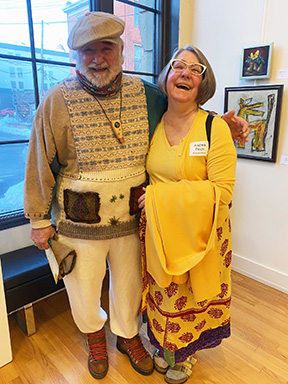
Arts writer Bob MacGinnes and award-winning artist Andrea Finch

Be sure to look for insider’s picks from noteworthy members like Jim Capone, STEN, Marti Yeager, Roberta Lula, Matthew Bennett, Sheila Druist, Mike Donovan, Alison Rosen, Andrea Finch and Joseph Osborne. As for me, “my sunny disposition ‘stems’ from my artist wife Jana’s brushstrokes, placing a brilliant sunflower front and center. The opening night reception was this past Friday the 13th, but no need to worry as the Carlisle crowd came out in droves. How many members does it take to fill a gallery? Perhaps a new category award should go to CALC’s Curator and Creative Director Abria Donato. I have long felt art recognition should include the advertising postcards sent to announce a new show.


As you can see, “Dandelion” employs a pun as a new king of the jungle and is dressed to the nines well in advance of CALC’s Martini Auction. Perhaps Mick Jagger is under the lion’s head. As far as creative cards go this one is something to roar about!

If you like what we do, please support our work.
Continue Reading

Warming shelter opens for youth experiencing homelessness, with planned pay-what-you-can restaurant to come

Thrive warming shelter

Harrisburg youth in need of a safe place to go have a new option.

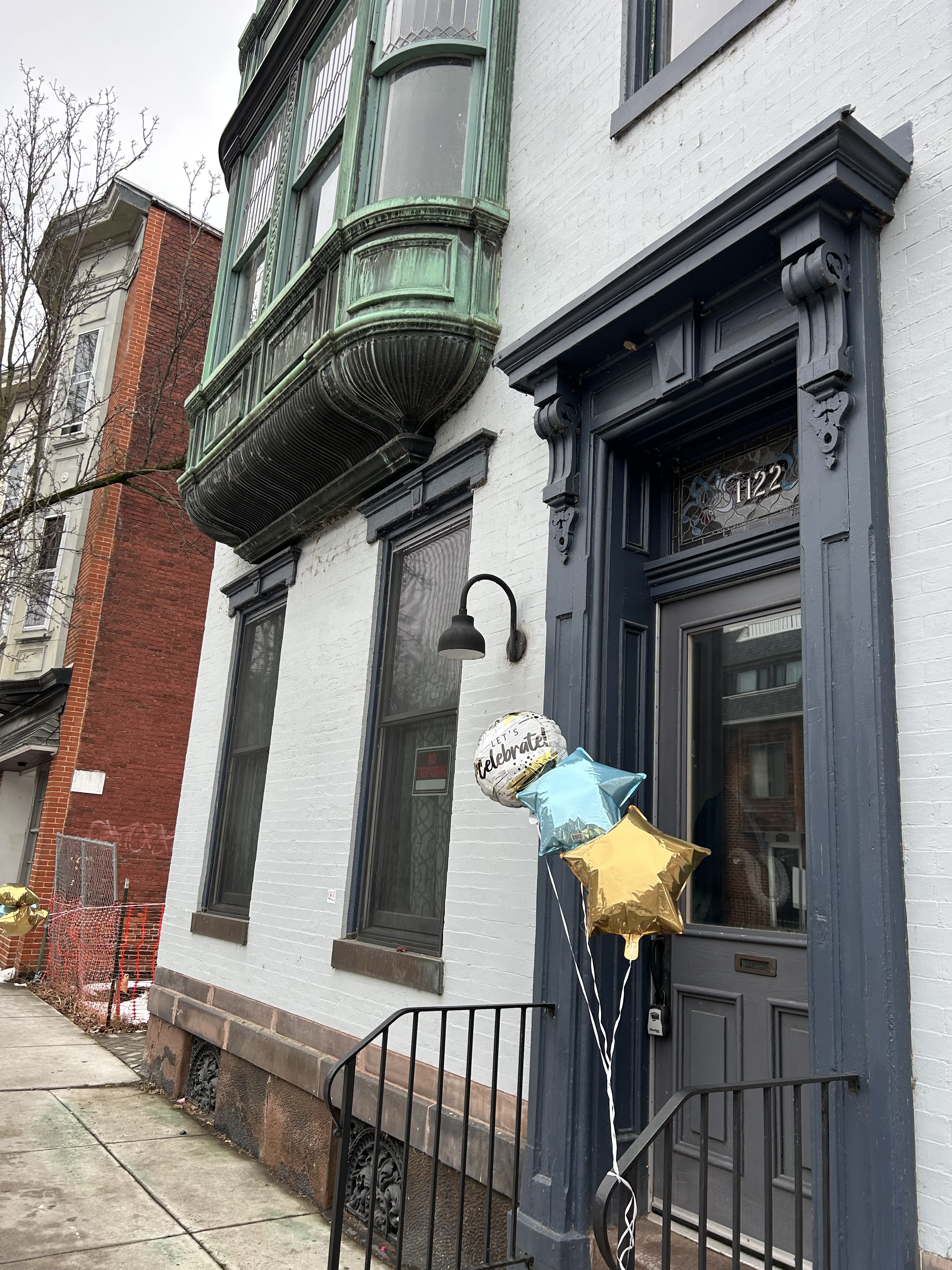
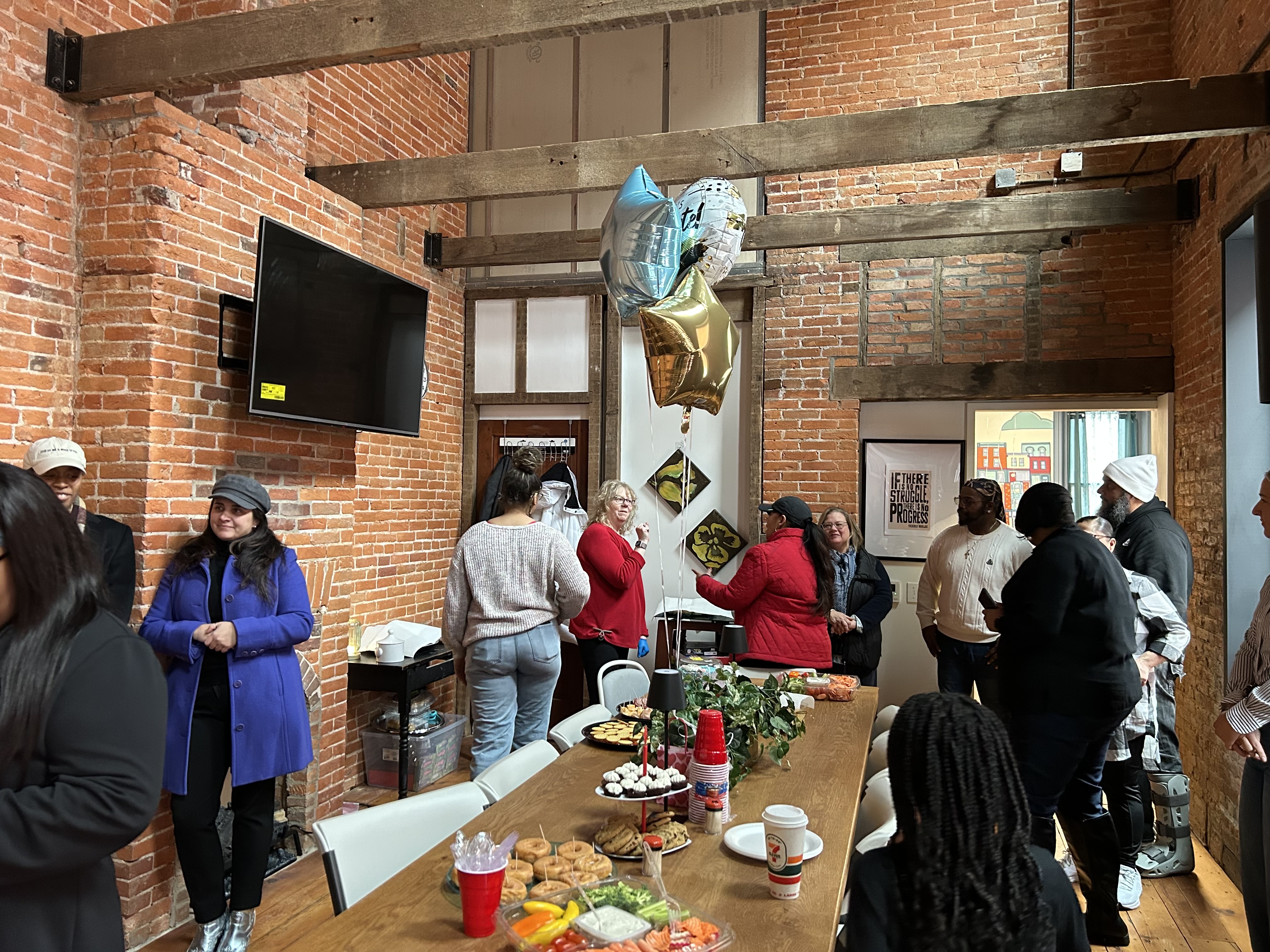
City-based Thrive Housing Services on Monday held its grand opening of a warming shelter in Midtown for children, teens and young adults experiencing homelessness.

“We wanted to make this a space that is nice and cozy so that they can feel like they have family, they can feel like they have friends, they can feel like they belong somewhere and their voice is heard,” said Dee Allen, Thrive’s executive director.

The service center, at 1122 N. 3rd St., will serve as a place for young people to hang out, rest, get snacks and find connections with service providers that can help them with things like housing and basic needs.

Thrive warming shelter

“We definitely are going to make sure that they get the things that they need so they can move forward out of homelessness,” Allen said.

Thrive currently offers housing across the city for young adults experiencing homelessness. Allen described the new center as a way to reach more young people in need of help.

Youth ages 10 to 24 are welcome to utilize the center. Up to 20 youth can be in the center at once.

“Our children and young people in this community certainly need space to belong,” said Randie Yeager, Dauphin County Human Services director. “I’m just so excited for this opportunity for our young people.”

The property, which also includes 1120 N. 3rd St., was previously owned by Heartshine, a group that renovated the property and planned to open a pay-what-you-can restaurant. However, that restaurant was never completed or opened. Heartshine later gifted the property to Thrive.

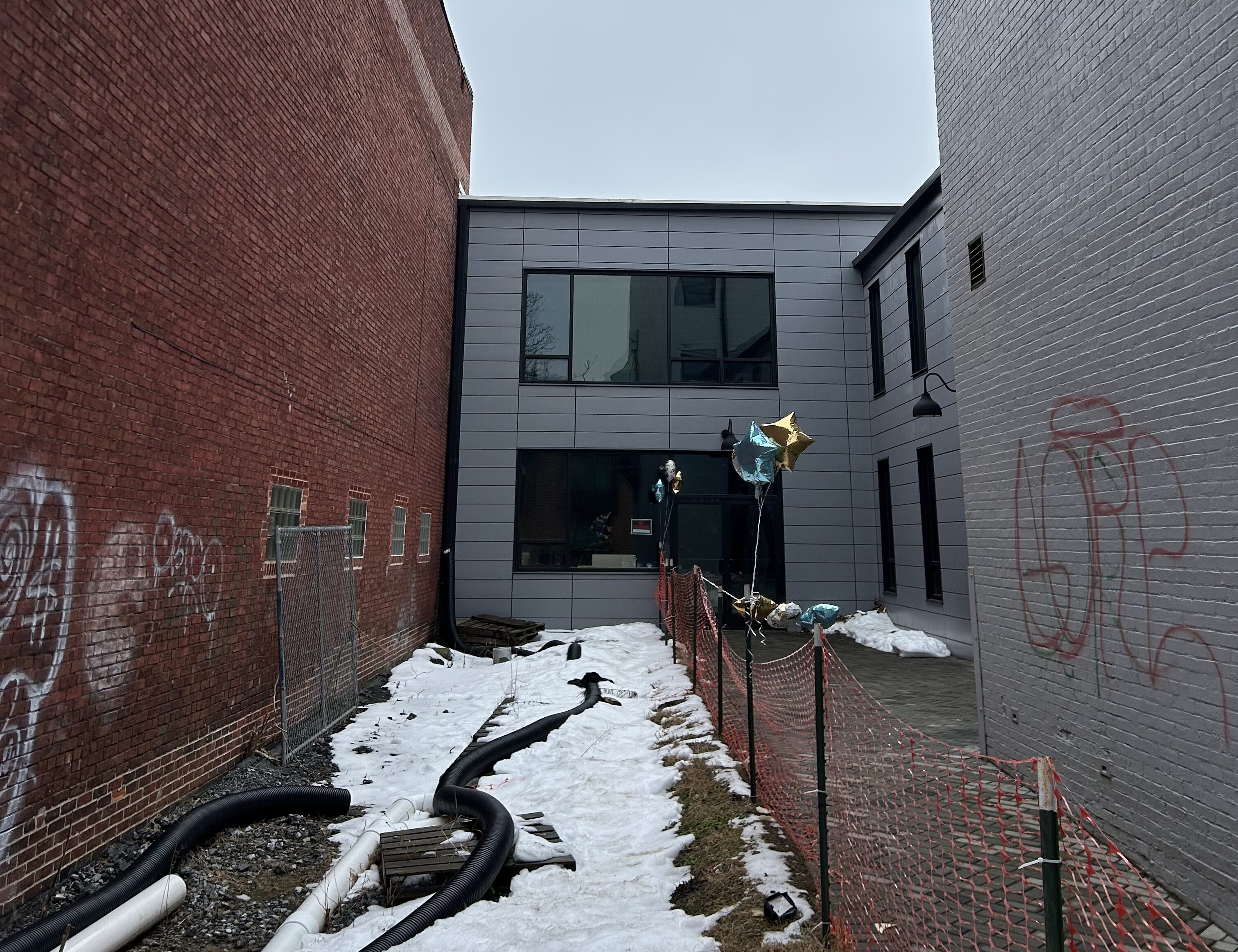
In addition to the warming center, Thrive plans to re-start the pay-what-you-can restaurant in the building that is set back beyond a small courtyard. They are also working to renovate and build out four apartments for Thrive clients above the warming center building. Allen said that those two projects are projected to be complete at the end of the year, but are heavily dependent on funding.

Planned pay-what-you-can restaurant next to the warming shelter

Allen described the restaurant as a way for anyone to be served food and given dignity, regardless of their income level and ability to pay. There will be suggested menu prices provided. The restaurant will also employ Thrive clients, giving the young adults job training and experience.

While the restaurant and apartments are still in the works, Allen said that she wanted to get the warming center open first, due to the recent extreme cold temperatures.

“It was two degrees last week,” Allen said. “We interviewed a kid last week, right before it got cold, and he was staying behind in a pizza shop […] I was like, we’ve got to hurry up.”

Thrive warming shelter

For more information about Thrive Housing Services or to donate, visit their website.

If you like what we do, please support our work. Become a Friend of TheBurg!          

Continue Reading

Burg Review: “Ephraim Slaughter: Freedom’s Witness” tells the story of an overlooked Harrisburg hero with “pure poetry”

To celebrate Black History Month, Harrisburg is privileged to meet one of its adopted sons, Ephraim Slaughter, a Civil War Union Army veteran, community leader, and philanthropist who was born into slavery in 1846. Sankofa African American Theatre Company and Gamut Theatre tell his story through the poignant one-act play, “Ephraim Slaughter: Freedom’s Witness,” breathed into life by Director Sharia Benn, Pennsylvania playwright Teresa Miller, and several resident descendants who proudly claim lineage to their ancestor.

When we meet Ephraim Slaughter (Marcus McGhee), he is puttering around his living room dressed in a simple robe, listening to the staticky hum of an old-time radio. When he finds his way into his easy chair and sips from a delicate teacup, I feel ready to comfortably slide right along with him into the memories surrounding him. His bookshelf holds not only books, but mementoes like a brown globe, a canteen, and a leather urn, next to faded pictures and recently shined medals (Props Designer, Alex Winnick). 

When he tells his life story, all comfort falls away. Slaughter escapes a plantation in North Carolina to enlist in the United States Colored Troops. He fought for our country’s freedom while finding his personal freedom. Then he changed into a bellhop uniform to fold napkins, meeting his wife in a hotel kitchen. Moving Slaughter’s life story through time and eventually to Harrisburg, McGhee deftly shifts his character’s age and various roles through simple costume changes (Costume Designer, Callie Lythgoe). McGhee, who shaved his head to embody the main character, creates an incredibly convincing Ephraim Slaughter.

Through his many life stations, Slaughter reminisces about the people alive in his memories, many of whom did not treat him well. Mystical voices from the past drift in and out of the hazy dream that memories and history become when they are cobbled together from historians and binders in dusty corners. The voices of Afrofuturism echo throughout, suggesting that Slaughter’s past of resistance is linked to the voices of the future. He stands as the embodiment of the sum of his memories, feeding his own experiences into future generations. Disembodied voices signify that there is more to his story than what we see right in front of us. (Voice-Over Cast: Clark Nicholson, Sergeant James McCall; General Benjamin Butler, Jeff Wasileski; Georgiana Slaughter, Leah Payne. Afrofuturistic Voice-Over Cast: Ursula Ayler, Weimy Montero Candelario, Lunden McClain, Najuma Norman, and David Payne. Sound Designer, Callie Lythgoe).

Each voice is channeled by Slaughter’s granddaughter, Yvonne Pittman (Melinda Anderson), who waves her hands to whoosh the voices in. Anderson also serves as the Narrator as the hands of time tick by. The symbolism of hands carries through Slaughter’s life story. He picked cotton with raw fingers, and later folded napkins while meeting his first wife, whose hands were caked with flour. Then he asked for the hand of a woman 43 years his junior to be his marital companion. These same hands passed the baton to the generations that followed, who press back at his likeness through museum glass.

The play’s dialogue is pure poetry. I find myself wondering if the humble, quiet Ephraim Slaughter spoke lyrically in real life, or if poetic license crept in. I quickly decide that I don’t care. I love the way the dialogue lilts its way into my brain, gliding across my ears first. Plus, the life story of a pillar of Harrisburg deserves flowery pomp and circumstance, with a little extra sprinkled in to compensate for the many times he was overlooked. And this play is focused on him, so he can hold the floor as long as he wants, and drop the mic when he decides.

“Memory is our greatest defense against erasure. This is truly a Sankofa piece, merging past, present, and truly, the future, bringing in elements of Afrofuturism,” Benn said of the two-year project. Research sources included members of Slaughter’s own family. His great-granddaughter, Dr. Sharonn Williams, shared her talents as historian and genealogist. You may be privileged enough to attend a performance with the real-life Yvonne Pittman. I was, and she shared wonderful memories of her grandfather’s pride and philanthropy surrounding homeownership during a time, according to Pittman, when Black folks didn’t own their own homes. 

To me, up until this play, Ephraim Slaughter was just another statue at the National Civil War Museum, and the name on the placard of the Ephraim Slaughter American Legion Post 733, set at the entrance to Reservoir Park. Both tributes stand just as humbly as the man who, through 97 years and 19 presidents, “wrote down his life so we would know what it cost to get here.”

“Ephraim Slaughter: Freedom’s Witness” runs Feb. 14-22 at Gamut Theatre, 15 N. 4th St., Harrisburg. For more information and tickets, visit https://www.sankofatheatrehbg.com/ or https://www.gamuttheatre.org/sankofa.

If you like what we do, please support our work. Become a Friend of TheBurg!           

Continue Reading

Harrisburg, CREDC ask for stakeholder input on survey to kick off downtown revitalization plan

A stretch of downtown Harrisburg on N. 3rd Street

A group of state and local leaders is looking to Harrisburg residents, business owners, workers and visitors for help with a revitalization plan for downtown Harrisburg.

The Capital Region Economic Development Corporation (CREDC) and Harrisburg are asking stakeholders to complete an online survey in order to best understand people’s “perception” of the city’s struggling downtown. 

The survey asks participants to weigh in on their view of the area’s restaurants, businesses, overall appearance and availability of activities, among other things.

Harrisburg spokesperson Mischelle Moyer explained that the survey is the “first step” in a broader engagement process that will guide policy decisions, economic development priorities and public-private partnerships as a downtown revitalization plan moves forward.

“Engagement ensures that our strategy reflects the lived experience of residents and the practical realities of business owners,” Moyer said. “It also builds shared ownership. When the community helps shape the vision, the community is more invested in its success.”

Several entities, including CREDC, the city, area legislators and the state, are combining forces to fund and draft a revitalization plan for downtown Harrisburg. In addition, Gov. Josh Shapiro said earlier this month he had state dollars “available” for the project if a comprehensive vision could be established.

Ryan Unger, president & CEO of the Harrisburg Regional Chamber and CREDC, noted that CREDC’s role in the process will be to bring together all groups collaborating on the effort. 

After gathering data from the survey, which was developed by Pennsylvania Downtown Center, the revitalization team hopes to identify early opportunities for revitalization and identify areas for further research.

“We want to produce a short-term action plan within the very near future,” Unger said. “At the same time, we know that we need a longer-term vision and revitalization plan, and that’s also a part of our work as we go forward.”

Unger said the survey is an initial step in the planning process and that it’s important to gather the public’s input.

“You need a starting point to try to understand where people think of the downtown, but also what they would like to see,” he said.

If you ask local business stakeholders, possible areas for improvement include more daytime activities for tourists and fewer abandoned or vacant buildings. That’s according to Little Amps Business Development lead Mia Song, who formerly managed the coffee shop’s downtown State Street location.

She noted that the COVID-19 pandemic had a detrimental impact on the downtown’s business corridor.

She also said that when the state House is in session, Little Amps, just down the street from the Capitol, sees a high number of customers coming in the door, but that business can be pretty slow otherwise—especially in the winter.

“We need help from the state,” she said. “I hope that the state incentivizes people to come into the city.”

Song added another perception issue: safety during the city’s festivals. There have been several safety incidents in recent years, such as a woman driving through barriers and injuring several at Kipona Festival this past year. In 2024, the city’s Fourth of July fireworks show was cut short due to several people carrying guns.

“I know people who don’t live in the city too are deterred to come here,” Song said.

Meanwhile, Trik Sadi, owner of the downtown crepe shop Au Bon Lieu Bistro, theorized that more activities downtown during the day, like these festivals, might help bring in people to support businesses like his.

Right now, he said, foot traffic downtown is so low that he must work another job to cover his expenses. Many former customers, who are state workers, are now working from home, he said, and the high cost of parking is a big issue for other customers.

”The downtown now is very, very, very tough,” said Sadi.

Pat Davis, who owns Hornung’s True Value on N. 2nd Street, agrees that downtown parking is a major barrier for customers. When her customers get parking tickets, she worries they might not return. 

She thinks that 15-minute free parking on downtown streets would make a world of difference for business owners like herself.

“That would change the whole scenario,” Davis said.

According to Unger, the survey will be available to the public for at least a week, maybe more, depending on the number of responses logged at that time. Additional outreach and engagement with downtown businesses will follow, he said.

“I think there’s definitely a lot of thoughts–a lot of desire to help improve downtown Harrisburg,” he said.

To learn more about or participate in the survey, visit HBGsurvey.com. The primary focus area of the survey on downtown Harrisburg is from Front to 7th streets and Mulberry to Forster streets.

If you like what we do, please support our work. Become a Friend of TheBurg!           

Continue Reading

The Week that Was: News and features around Harrisburg

broad street market board

New chair Paul Gellerman speaks to the Broad Street Market Alliance board.

It’s been a busy news week in Harrisburg—catch up on the latest news about a legal settlement between Harrisburg’s city council and mayor, the school district’s latest step in a decision for the future of William Penn, and more. Our weekly coverage is compiled for you below:

Dauphin County Concert Series announced two summer shows. The Riverfront Park-based series will feature alt-pop-soul-jazz fusion group Lake Street Dive on Friday, July 31 and eclectic jam group The String Cheese Incident on Aug. 5, our online story reports.

Harrisburg City Council and Mayor Wanda Williams settled a disagreement over council’s defunding of several top city positions Tuesday, avoiding a legal appeal, as seen in our online story. Council subsequently refunded some of the positions in question.

Harrisburg Green Alliance, a new nonprofit dedicated to beautifying the city’s public spaces, launched this month. Learn more about it in our February magazine story.

Harrisburg school district will hold a public hearing this spring around the planned closure of two middle schools. Read more in our online story.

Harrisburg school officials are recommending demolishing the century-old William Penn High School and using the property for athletic fields. Read more in our online story.

Harrisburg-area home sale prices were largely flat in January, our online story reported.

Lenwood Sloan was a Harrisburg artist, activist, visionary and friend who died suddenly in December. Read more about his life and legacy in our February magazine story.

Midtown Cinema will begin showing “Wuthering Heights” tonight. Find out our movie reviewer’s thoughts on the film, as seen in our February issue, here.

Nate Davidson, a Harrisburg-area legislator, has decided to run for a second term. He announced on Tuesday that he would seek re-election to the 103rd legislative district House seat, according to our online story.

Open Stage’s new original parody play “Stoney Brook” imagines the adolescent characters from the book series “The Baby-Sitters Club” as adults, 30 years into the future. Our reviewer said it “hits that sweet spot of childhood, then turns it salty.” Find our full review here.

Pennsylvania officials warned the public to stay off the ice on frozen waterways. Read more here.

Sara Bozich has compiled the best events of the weekend in her Weekend Roundup, including fun Valentine’s Day events like Cake Decorating Night at Anna Rose Bakery and Galentine’s Night: Fries Before Guys at Karma. Check out the full list.

Theatre Harrisburg is bringing Broadway to the city with Jason Robert Brown’s “The Last Five Years,” a high-concept romantic musical dramedy. Read our review of the performance here.

Valentine’s Day weekend is here. If you’re looking for a cute craft to do (for kids or adults) check out this conversation-starter keychain, as seen in our February issue.

If you like what we do, please support our work. Become a Friend of TheBurg!

Continue Reading

Harrisburg mayor says legal agreement with City Council is a “compromise,” not “celebration”

Mayor Wanda Williams spoke about her agreement with City Council during a press conference in city hall.

Harrisburg Mayor Wanda Williams said that, while she and City Council reached an agreement on funding for top officials, she doesn’t see the compromise as a victory.

During a press conference on Thursday morning, Williams addressed her agreement with council following a legal battle over council’s defunding of several top positions as part of the 2026 budget.

“This is not a victory speech. It is a statement of compromise,” Williams said. “This is a necessary step to move the city of Harrisburg forward.”

Earlier this week, council and Williams filed a joint agreement in the Dauphin County Court of Common Pleas to re-fund a few of the positions that council had previously defunded, including the business administrator and project director for business administration/LERTA and create a new director of economic development position.

In the budget, council also removed funding for the police bureau’s director of community engagement and relations and partially defunded the director of building and housing and economic development. Those changes will stand.

Williams sued council in early January, alleging that council acted outside of its power, however, Dauphin County Judge Jeffrey Engle sided with council in his decision. A week later, council and Williams came to an agreement.

Council members, during a Tuesday legislative session, praised the agreement. Council Vice President Lamont Jones called it a “new day” for the city and a “shining moment.” Other council members saw it as a step forward for the city and for the relationship between council and the mayor.

In contrast, Williams said that the compromise with council was not something to celebrate.

“I do not confuse compromise with celebration,” she said. “My responsibility is not to win arguments. It is to protect the interests of the residents of the city of Harrisburg […] Compromise is sometimes necessary to keep a city moving. That is what great leadership does.”

Williams said that she didn’t “love” the terms of the agreement, but said that “because the voters, the taxpayers and residents deserve a city government that is unified,” she accepted the terms.

Terms of the agreement included Williams hiring a new business administrator and ending the practice of appointing “interim” directors and having council approve of new hires, an issue that informed council’s original decision to cut funding to two directors.

Williams and council did not meet as part of the negotiation process, but had their attorneys come to an agreement. Williams said that she has not met with council since then either.

When TheBurg asked if she would consider setting a meeting with council to work on their relationship, Williams said that her door is always open to council, but that no one has come to her office.

“This door is always open,” Williams said. “I even stay here until 6 or 7 o’clock at night. You’ll catch me here many a night. Two of them [council members] have jobs, the other five probably don’t have jobs, and I am here if they need me for any kind of information.”

Williams said that the city will begin searching for new employees to fill the business administrator, project director for business administration/LERTA and new director of economic development positions.

If you like what we do, please support our work. Become a Friend of TheBurg!          

Continue Reading

Broad Street Market Alliance elects new board chair; new fried chicken stand opens today

broad street market board

New chair Paul Gellerman sits in the center at the Broad Street Market Alliance Board meeting.

The Broad Street Market Alliance has new leadership.

At a special board meeting last week, former alliance secretary Paul Gellerman was elected chair of the nonprofit that manages the market’s daily operations and marketing as well as vendor relations.

The new chair announced the change at the alliance’s monthly board meeting Wednesday night.

In addition, Doug Rickards was elected vice chair (a formerly vacant position) and Bryan Davis was elected secretary (formerly held by Gellerman). Merrick Green remains the board’s treasurer.

Gellerman said the new leadership team was looking forward to adding more structure to the meetings and increasing board member participation.

“One of the expectations is everybody on the board is participating,” he said. “That participation can take many different forms, but really the expectation of communication—if you’re unable to attend a meeting, that’s getting at least communicated.”

Previous board chair Tashia James, who remains on the board, was not present at January’s meeting and other board members noted that she had missed several other meetings.

“We are all really looking forward to moving along together,” Gellerman added on the leadership transition.

Board committee member and market vendor representative Tito Tep, owner of Tep’s Fresh Seafood, thanked the public for being patient with the alliance as they reorganized.

He said the alliance’s struggles with posting meeting minutes and other records on its website over the last several months had frustrated not just the public, but board members too.

“Thank you for being patient and giving us time to get our house in order and to put our best foot forward moving forward,” Tep said. “I think I have a really good feeling that it’s going to work out.”

The board also noted Wednesday that a new market vendor, Damien’s Fried Chicken, is scheduled for a soft opening in the market today. The vendor will serve a variety of fried foods including chicken, liver and gizzards.

“Encourage everybody to stop by,” Gellerman said. 

If you like what we do, please support our work. Become a Friend of TheBurg!

Continue Reading

Weekend Roundup with Sara Bozich

Plan your weekend with my weekly list of things to do around Harrisburg and central PA!

What you’ll find below:

For something new: Adult Scholastic Book Fair with Cupboard Maker Books at Appalachian Brewing Company Mechanicsburg on Sunday; Broken Hearts Brunch at Tequila Willies on Sunday

Worth noting: Ample Valentine’s and Galentine’s Day events, excellent live music at various venues

Things on my agenda this weekend: youth baseball ?! maybe V-Day brunch on Sunday?

Thursday

Friday

Saturday

Sunday


If you like what we do, please support our work.
Continue Reading

Harrisburg school administration recommends demolition of William Penn, construction of athletic fields

William Penn High School

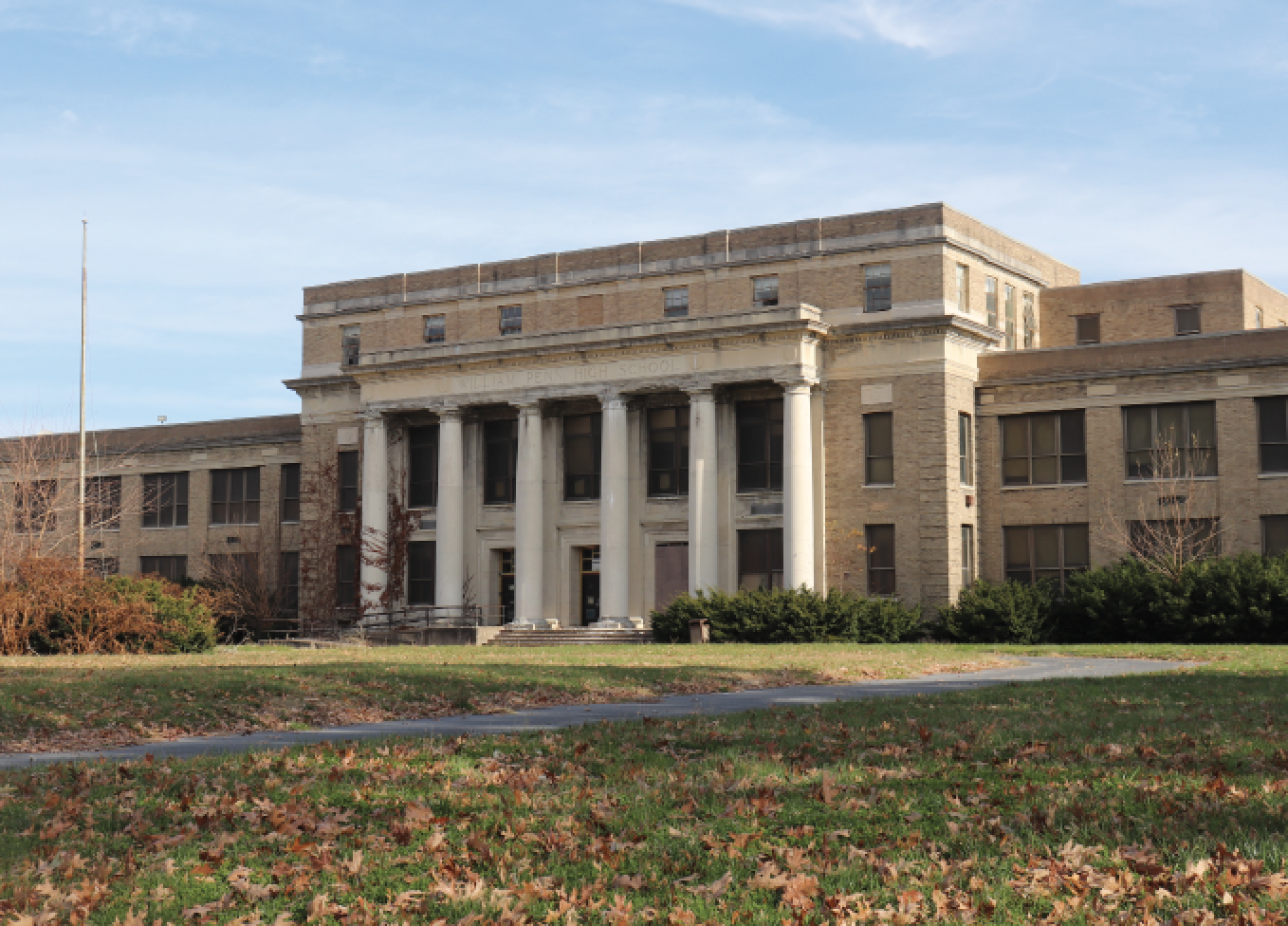
Top Harrisburg school officials are recommending demolishing the century-old William Penn High School and using the property for athletic fields.

After reviewing a slate of options for the district’s long-vacant William Penn building, Superintendent Benjamin Henry on Tuesday presented the administration’s assessment of each possibility to the school board.

Considering all the options’ levels of risk for the district and levels of benefit for Harrisburg students, Henry said that the administration feels that the “best” path for the district would be demolishing the building and constructing athletic fields on the former vocational school’s land.

Athletic fields would be a positive, student-focused move that would help the district expand girls’ athletics, per the administration’s analysis.

“We are growing athletic programs in middle school and especially in our girls’ sports,” Henry explained.

The sprawling 100-year-old building, last in use 15 years ago, sits on an adjoining 27 acres of land, overlooking Italian Lake. Officials have weighed what to do with the property since it was vacated.

“I want to make sure everyone understands that this meeting is for the board to understand all the pros and cons over all the proposals, all the options that we’ve been reviewing,” Henry said.

He clarified that the presentation was meant to provide school board members with a comprehensive analysis for informed decision-making in the future.

“This is not just about a building. This is about student safety, fiscal responsibility and educational equality, and again, how we move the district forward,” he added.

School administrators previously expressed that they would like to create a new soccer field for the varsity girls soccer team, who are currently practicing in the outfield of a boys’ baseball field.

In addition to girls’ soccer, the district wants to pilot flag football for middle school girls next year, he noted. He said the administration was recommending the option, above others, because it aligned with the district’s K-12 mission and because of its moderately low risk.

“One of the biggest things: it provides flexibility as we continue to grow and continue to look at programming needs,” Henry said.

The project, which would include a multi-year capital commitment, according to the presentation, would also align with the district’s recovery plan. Installing a new soccer field on the property was quoted at $896,000, according to a years-long comprehensive plan for infrastructure upgrades that was reviewed by board members earlier this year.


Other possible futures

Seven additional options, all presented in November to the board at a special meeting, were also reviewed in the presentation.

Among them, three public-private partnership options that proposed various commercial adaptive reuse projects for the historic building. Henry noted district concerns that these options were high-risk, lacked guaranteed funding streams, and out of alignment with the district’s K-12 educational mission.

He added that, if the private partners could not complete the projects, the district could be held liable for the completion of the building.

Another option included repairing the building into a career technical education center—an idea born out of the William Penn Task Force, which was created by the district in 2023 to generate ideas for the use of the property. It previously recommended retaining the building’s vocational roots, providing options for partial and full restoration.

Henry said William Penn’s retransformation into a such a center could cost anywhere from $13 to $93 million, a high-risk price tag for the district, which exited state receivership in June, and will operate under an existing debt burden of $19 million per year through 2036.

Keeping the vacant building ‘as is’ was another option presented.

In its current state, William Penn costs the district $566,000 per year, requires high-level security (as it often attracts trespassers) and liability insurance and offers no benefit to students. Keeping the building ‘as is’ doesn’t align with the district’s K-12 mission, Henry noted.

“We’re spending $1,000 every day on this building,” Henry said of the cost of security. 

Another possibility, the flat-out demolition of the building, estimated at $5.3 million, would eliminate the high cost of building security, Henry said, but “not add any student benefit.”

Finally, while subdividing the land and selling William Penn would narrow the district’s responsibilities, Henry said, it would require court approval, could cost the district up to $200,000 to do and would result in the loss of a valuable district asset.

“Harrisburg is landlocked,” the superintendent said. “They don’t have new land coming on the market and so, for us, we have to understand that the flexibility of having this land is very important.”

Following the superintendent’s presentation, several school board members made comments.

Member Brian Carter asked if the district had exhausted every option, including grants to save the building, to which Henry responded that grant opportunities have become harder to come by over the last few years.

As someone who previously went through William Penn’s co-op program, board president Roslyn Copeland indicated that, while she has memories of the building, this decision is about the district’s children.

“Their education is important,” she said.

If you like what we do, please support our work. Become a Friend of TheBurg!
Continue Reading