Photo by Michael Yatsko
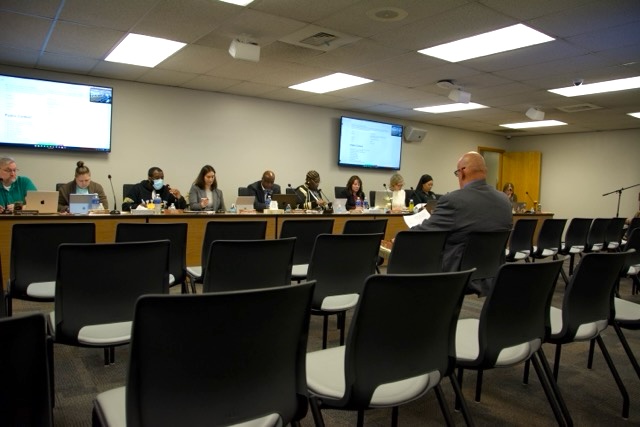
Last December, a group of state-appointed officials gathered in a classroom on Temple University’s Harrisburg campus.
They came together to look at the city’s finances, as they do regularly—often scanning projected budgets or other financial data.
At this meeting, though, the focus was on a potentially high-return investment: Harrisburg’s downtown revitalization plan.
Over decades, the downtown economy has grown increasingly dependent on state and other office workers. Post-pandemic, this dependence turned into a disadvantage, as hybrid and remote work dramatically reduced the number of workers commuting into the city, making it difficult for small downtown businesses to keep their doors open.
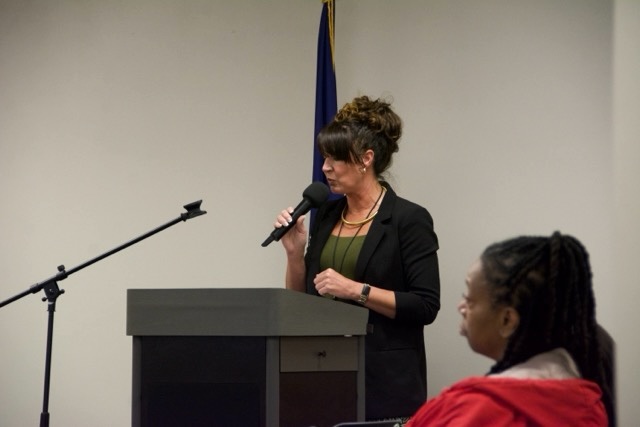
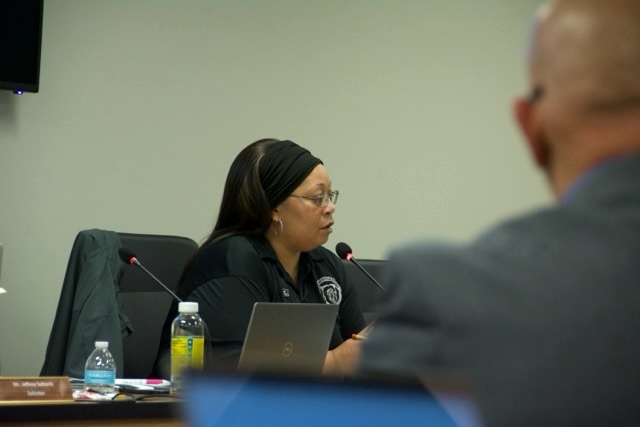
“It is such a spotlight issue with businesses relocating, retail relocating and restaurants closing, so there really needs to be a focus there,” Doug Hill, chair of the Intergovernmental Cooperation Authority (ICA), told the board.
Their intent was to furnish some seed money for the project.
By that time, the group had been working for over a year with state and city officials, the Capital Region Economic Development Corp. (CREDC), and others on a strategy to turn Harrisburg’s downtown around.
The ICA, which gets $100,000 for operations from the state every year, moved to put $50,000 from its fund toward the economic development plan for downtown.
“We, as the ICA, think this is important enough that we’re willing to put our money where our mouth is,” said authority board member Kathy Speaker MacNett, the sole original appointee serving on the board.
State Roots
Helping to fund a downtown redevelopment plan was not part of the ICA’s original marching orders.
The body came to life in 2018 as part of an agreement between the state and the city. The state legislature allowed Harrisburg to retain elevated local income and local services taxes, but, in exchange, a five-member ICA was appointed to provide oversight of the city’s finances.
“Our role isn’t just to check the books, our role is to help the city work toward a positive financial future,” said Hill, who has served on the board since 2019.
The ICA, in turn, reviews the city’s annual budget, assists in the development of a five-year financial plan and offers yearly updates to the state on the city’s progress towards exiting Act 47, the state’s program for financially distressed municipalities.
“The idea is that we are actually a state-appointed body—so we’re a state agency of a sort—but we’re independent from the state, and our role is to provide advice and guidance to the city leadership on all of its financial matters,” Hill said.
Eight years after its creation, the ICA still meets monthly, often drawing in the city’s finance and budget officials to offer updates and presentations. They discuss in detail such matters as Harrisburg’s budget, revenues, financial challenges, outstanding trash collections and economic development.
Under its charter, the ICA is due to shut down five years after Harrisburg exits Act 47, which city officials thought might happen as far back as 2019, as the city has had years of balanced budgets and, more recently, paid off most of its long-term debt.
But longstanding litigation against an array of former financial consultants, who once advised the city, has stalled the planned exit.
“If the city were to exit Act 47, they would lose standing,” Hill said. “So, because there’s a chance for [financial] recovery, [the city] has remained in the litigation and hence remained under Act 47.”
When the lawsuit wraps, finally allowing the city to leave Act 47, the clock will start ticking on the ICA’s end.
While it still exists, the ICA will continue to work with officials across state and party lines to build a brighter financial future for the capital city.
“We cannot tell the city what to do, but we instead work through building strong relationships with both the mayor and council, and then, in turn, we file an annual report with the legislature on the city’s progress,” Hill explained.
Future Focus
While the revitalization plan is still in its infancy, the ICA board had been communicating with state and city officials about Harrisburg’s economics for years.
According to Hill, since it was conceived in 2018, the ICA has recommended in “every one” of its annual Harrisburg budget reviews that the city develop a comprehensive economic development plan—which it still hasn’t done.
“The city has had good intent and good agreement that they want to do that,” Hill said. “They’ve not been adequately staffed or funded to be able to do it on a true, comprehensive basis.”
Harrisburg needs a comprehensive plan for the entire city—a plan that would recognize the city’s impediments to development, identify opportunities and outline action steps.
This is especially important, Speaker MacNett said, because about half of the properties in the city are tax exempt. Given the median income of the city, it wouldn’t make sense to continually increase taxes on those who are paying, she said.
“A strong, citywide economic development plan should increase city revenues without unduly burdening Harrisburg residents,” Speaker MacNett said.
The current effort to focus on the downtown began to take shape last year, as CREDC and the city’s state legislative delegation combined forces to lobby for seed money from the state.
While the ICA kicked in $50,000 toward the downtown revitalization plan, the state has contributed $350,000 for planning and early implementation projects. This initial money provides the foundation for a strong start, according to ICA members.
Harrisburg’s downtown could be an exciting part of the city’s future, Hill said.
“It has all the potential. It has all the history,” he said. “It has walkable streets. It has beautiful neighborhoods, wonderful recreational opportunities—and we need to capitalize on that to secure a brighter economic future.”
For more information on the Intergovernmental Cooperation Authority, visit www.hbgica.org.
If you like what we do, please support our work. Become a Friend of TheBurg!



 The program, called “A Century of Song,” will bring together vocal ensembles for a National Concert at the Forum Auditorium, along with live music, dancing and community events open to everyone at St. Nicholas Church.