Indie band The Head and The Heart return to Riverfront Park with revived summer concert series

A well-known indie-folk band will take the stage in Riverfront Park this summer, the first show in a revived outdoor concert series.

The Head and The Heart is slated to perform on Saturday, Aug. 2, as part of the Dauphin County Live Concert Series, with special guests Wilderado and Marfa.

“It’s a great day for Harrisburg to have concerts back on the riverfront,” said Dave Niedbalski of promoter/producer Grand Rising Curations. “The Head and The Heart return to town after their previously sold-out performance.”

The band played the Riverfront Park stage in 2023 as part of the previous HU Presents summer concert series. They’re touring in support of “Aperture,” the band’s sixth album.

Earlier this month, the Dauphin County commissioners allotted $250,000 in county tourism dollars to revive the concert series, which is slated for the weekend of Aug. 1 to 3.

“We are beyond excited to welcome The Head and The Heart to kick off the Dauphin County Live Concert Series,” said series organizer Frank Schofield. “This series is about bringing world-class live music to our community and attract people from all over to Harrisburg.”

According to Schofield, more concerts will be announced to fill out the weekend of live music.

Tickets for The Head and The Heart go on sale Friday, March 7, at 10 a.m. Visit this link to sign up for pre-sale access. For more information on Grand Rising Creations, visit their website.

If you like what we do, please support our work. Become a Friend of TheBurg!


Continue Reading

Weekend Roundup with Sara Bozich


Plan your weekend with my weekly list of things to do around Harrisburg and central PA!


What you’ll find ⤵️

For something new: Benaiah’s Wood Fired Kitchen reopens tonight Worth noting: Harrisburg Symphony Orchestra POPS features A Night at the Movies: Spaced Out! Saturday and Sunday. Things on my agenda this weekend: A kid’s bday party; snow tubing

For your weekend planning

Below are more options for your weekend.

A Look Ahead

Jon Taffer | VIBE | Harrisburg Regional Chamber

  1. Grab your (exclusive discounted) tickets to Harrisburg Regional Chamber’s VIBE featuring Jon Taffer on April 29
  2. Check out the full Strawberry Square Music Series lineup here
  3. Pet owner? Harrisburg has got you.
  4. Grab tickets for the food event that feeds people — April 6 in Harrisburg!
  5. Are you on my email list?
  6. Submit your events for the Weekend Roundup

Thursday

Friday

Saturday

Sunday

If you like what we do, please support our work. Become a Friend of TheBurg!

Continue Reading

The Last Ward: In a few years, the Harrisburg State Hospital site will be radically transformed

Photo courtesy of Phil Thomas

John Pufnak got a call from city police. He was fire marshal for Harrisburg State Hospital, so somebody wanted him to know that a patient was directing traffic at the busy intersection of Cameron and Maclay streets.

“The cop said he was doing a darn good job,” Pufnak remembers.

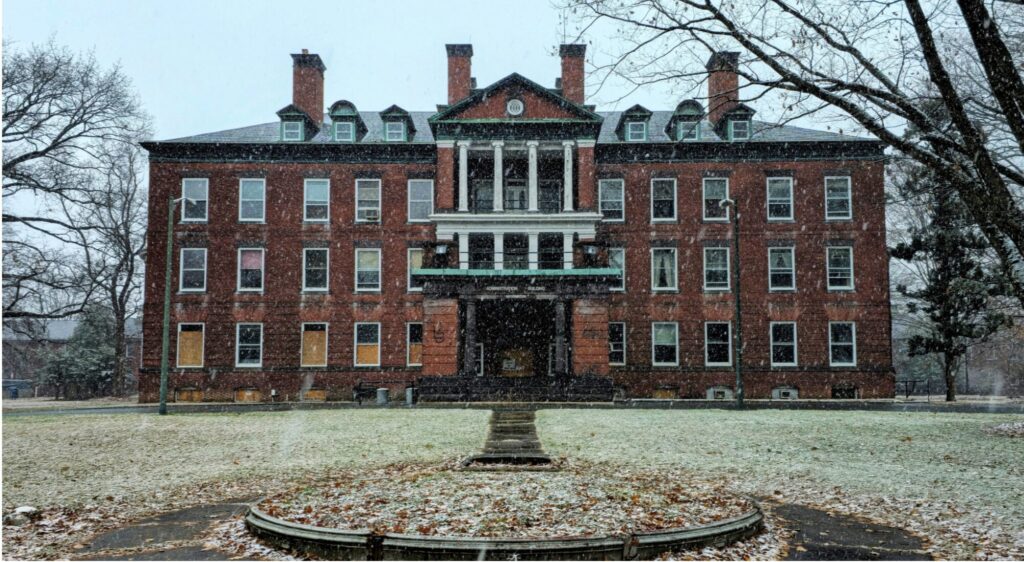
Harrisburg State Hospital hasn’t housed a patient since 2006, but those who tell the story of the historic, 300-acre campus always come back to the people.

By 2029, 400 or 500 people will return to the campus—state employees resettled in shiny new laboratories where they will conduct public health and food safety testing, plant disease diagnostics, air- and water-quality tests, and criminal justice investigations.

The Pennsylvania Department of General Services plans to restore four historic State Hospital buildings and demolish the rest to make way for two gleaming labs. The site’s friends acquiesce to progress while mourning the loss and sharing tales of love, pain and unauthorized use of fire extinguishers.


Family

The staff tagged Pufnak with the affectionate nickname “Fire Marshal Bill,” from Jim Carrey’s “In Living Color” character.

“It was a family,” said Pufnak, of Lower Paxton Township, now retired. “No matter what department you were in, it was that close. It wasn’t like working for a company. You worked with everybody.”

Naturally, there were days when people acted up. Pufnak got the call when a patient turned a water-pressure fire extinguisher on the nurses’ station, giving everyone there a heavy-duty super-soaking.

“They weren’t happy, but all I could do was replace the fire extinguisher,” Pufnak said with a laugh.

Today, Pufnak leads a group of former employees that convenes to share memories. He has toured the closed buildings, lamenting their deterioration caused by time and vandals.

“If our nurses could see this, they would cry,” he said. “These were more than their patients. They were their kids. Most of them said, ‘These are our kids.’ That’s how close these people were.”


A Site Transformed

The state needed a modern, adaptable replacement for its scattered laboratories used by the departments of Health, Agriculture, Environmental Protection and Conservation and Natural Resources, said DGS spokesperson Eric Veronikis. Pennsylvania State Police forensics, serving federal, state, and local law enforcement statewide, also needed a centralized crime lab.

Among the state-owned sites explored, the Harrisburg State Hospital grounds offered a chance to “repurpose a commonwealth-owned property.” By consolidating research capabilities, the project eliminates the costs of five different acquisition and construction processes, which allows the state to invest more in construction of a higher-quality building, Veronikis said.

Construction on the $325 million, 300,000-square-foot joint laboratory is slated to begin in early 2026. Phase 2, including the PSP lab and historic restorations, begins later in 2026, and all phases conclude around 2029.

DGS will demolish 35 hospital buildings, but remnants will linger in preservation of the Administration Building, Chapel, Dixmont Cottage and Dix Museum. All will be repurposed for administrative, training and meeting spaces for the joint-laboratory agencies.


Modern Use

The Pennsylvania State Lunatic Hospital was founded in 1851, in an age of reform, when “personal problems became social problems,” and states devoted institutions to the specific needs of people who were mentally ill, deaf and blind, or “feebleminded,” said retired Millersville University history professor Dennis Downey.

The Pennsylvania state legislature founded its Harrisburg hospital on the “compassionate care” principles advocated by reformer Dorothea Dix. She left her imprint on Harrisburg State Hospital through therapeutic pursuits for patients. Bowling alley. Reading rooms. The wondrous image-projection lamps known as “magic lanterns.”

But in time, ideas of incarceration as a waystation toward rehabilitation evolved into “more coercive warehousing of people,” Downey said. Harrisburg State Hospital kept growing, but overcrowding was always a problem, and deinstitutionalization became one of the solutions.

And then, he said, the question became, “What do you do with these large institutions once you close them?”

In the case of Harrisburg State Hospital, DGS “sought and received input from officials, organizations and other stakeholders with a demonstrated historic preservation interest in the former Harrisburg State Hospital site,” Veronikis said. The buildings saved from demolition were selected for their historical significance, existing condition and suitability for rehabilitation into modern use.

I asked Downey: Is something lost to history when only a partial site is preserved?

“That’s a subject for broad community discussion,” he said. “Not any one person or one entity has an answer. How can it be meaningfully used to not only preserve history and the memory of the people but also meet current needs?”


The Grounds

As Historic Harrisburg Association Board President Jeb Stuart once noted, the Harrisburg State Hospital campus “retains its original topography and park-like setting, a place of profound beauty . . . (that) reinforces the hospital’s historic significance as a place meant to uplift the spirits of those who lived and worked there.”

The redesigned complex will “embrace the landscape,” with a new, natural green area of native trees and meadow plantings to complement the arboretum and grounds, said Veronikis.

Pufnak so rarely used his state vehicle assigned for getting around campus that he got a “use it or lose it” lecture from the garage supervisor. But Pufnak preferred strolling the grounds. It was where patients held picnics, the Patton arboretum blossomed every spring, and the portion of the Capital Area Greenbelt crossing Asylum Run hearkened back to the early 20th-century City Beautiful movement plan for a parkway ringing the city.

The Greenbelt and arboretum will remain open and accessible “throughout the project,” Veronikis said. At completion, additional walking paths will be accessible from the Greenbelt. The ballfield visible from Cameron Street and open to local leagues, currently including cricket, softball and volleyball, will also remain available and “as it is for the foreseeable future,” he said.


City on the Hill

Urban explorer Phil Thomas sees the story of Harrisburg State Hospital in the details. Nicer trim in the men’s wards than the supposedly identical women’s wards. Therapeutic heat lamps left in a dark corner. Tile-walled rooms for water therapy. Isolation rooms for agitated patients. Storage cabinets still marked, “Leather restraints.” Books and VHS tapes in the rooms.

Thomas, of Hanover, is an amateur photographer who has been drawn to HSH since it closed for residents. On his own time, and his own dime, he documented the site’s architecture, history and deterioration for his “City on the Hill” website and Facebook page (hsh.thomas-industriesinc.com).

Although every project, alteration and closing came down to money, Thomas believes, “for the most part, the people wanted to do good. They wanted to help. Harrisburg was a home for the employees and the patients. I’ve heard from former employees who said HSH stands for ‘home sweet home.’”

Thomas worried that further neglect could have caused the loss of structures to fire—as seen just this past December—or collapse. He credits DGS for going “above and beyond” to preserve four landmark buildings when leveling the whole site would have been cheaper and easier.

“Those are staying, and they’re staying mostly original, which is great and will definitely lend itself better to history and people becoming interested in the place than if it was just a plaque in the yard,” he said.


Facing History

Why preserve the history of American institutionalization?

“History is something that happens to people,” said Downey, quoting Arnold Toynbee and C. Vann Woodward. “We have to remember that history is not some dead carcass of facts. It’s something that happens to people.”

To understand where we are today, we have to understand where we came from, he added.

“It’s not just memories but having tangible reminders,” he said. “These sites can serve a public good in reminding us that many of the challenges and problems that we face today have a deep, rich and complex history behind them. A key is to reuse at least some portion of the sites, not only as a memorial but as a way to instruct the public and also lawmakers who won’t know anything about this.”

Veronikis notes that stakeholder suggestions for memorializing the site’s history “have been incorporated into the project design as much as possible,” including plans for an educational memorial marker and incorporating salvaged architectural features into the landscaping.

Thomas pictures a sculpture made from the convalescent building’s copper cupola. His friend Pufnak is glad that the site’s key buildings will remain in state hands and restored for use. He has asked the architects to incorporate their designs with artifacts from the original buildings.

And, Pufnak says, he has a salvaged memento of his own. It’s a water-pressure fire extinguisher, just like the one that a patient turned on the nurses one soggy day.

If you like what we do, please support our work. Become a Friend of TheBurg!    

Continue Reading

March News Digest

Housing Project Approved

The housing stock for seniors in Harrisburg may soon grow, as a developer has received the green light on a building project.

Harrisburg City Council has approved the construction of a four-story affordable housing apartment for seniors at 1001 N. 18th St., a vacant lot that once housed Woodward Elementary School.

“Woodward Lofts,” a plan by Harrisburg-based Latino Connection Foundation, will offer 48 one- and two-bedroom apartment units, a community room, a dog park and 47 off-street parking spaces.

The project initially received pushback from neighbors who were concerned that the housing would increase traffic in the area, cause parking and safety issues, and potentially decrease neighbors’ property values.

However, Dr. Amber Borreli, interim executive director of Latino Connection Foundation, said that she has met repeatedly with residents to address their concerns and even make changes to the initial plan proposal.

Originally, Latino Connection said it would build first-floor commercial space into the structure for possible use as a clinic, daycare and food bank. After speaking with residents, Borreli said they cut the commercial space from the project, to address traffic concerns.

Borelli estimated that the project would break ground in October and take about 12 to 18 months to complete.

Soccer Returns to Harrisburg

Soccer is back on the roster in Harrisburg.

The Capital City Islanders, a recently formed professional men’s soccer team, is set to kick off a new era of the sport on City Island this spring.

“We are just trying to bring something positive to the area and hopefully we can do that through the game of soccer,” said team founder and owner Alex McGee, of Capital City Sports Group.

The team will play at the island’s Skyline Sports Complex, a field that once hosted the Harrisburg City Islanders, a professional league that ceased operations in 2019 after 16 years of operation. McGee said that his team has no affiliation with the Harrisburg City Islanders.

The team will play as part of the United Premier Soccer League (UPSL) Division 1 American Conference, the fourth tier of the U.S. Men’s Soccer Pyramid. McGee hopes that the team will eventually advance to the USL League One, a tier above.

McGee, a Lebanon native, is a long-time soccer lover, player and coach, who coaches for Milton Hershey’s high school team, his alma matter.

“Myself and a couple of the guys who are part of the ownership group […] just understood the need and the calling for a team to return to the island and reconnect the community and bring soccer back to Harrisburg,” he said.

According to McGee, while Central Pa. is a soccer-loving region, there are no major professional outdoor teams.

“Central Pennsylvania is a soccer hub and the area loves soccer,” he said. “It was a no brainer.”

Adam “Johnny” Morris will serve as head coach. Morris has over 20 years of coaching experience in Europe and the U.S., most recently serving as the assistant coach for USLW Lancaster Inferno.

“To coach this team is more than just the wins we will achieve, it’s about reigniting Harrisburg’s soccer spirit and bringing the game back to the island,” Morris said. “I’m excited to get started and to see the Capital City Islanders rise to new heights.”

Underpass Closes

The pedestrian underpass on Cameron Street near the PA Farm Show Complex has closed until further notice.

PennDOT last month stated that they discovered concrete deterioration on the ceiling of the walkway, which goes under Cameron Street. Access to the corridor will be temporarily restricted.

Repairs to the underpass will begin later this year, as part of an already planned pavement preservation project that PennDOT is currently performing on Cameron Street. The total project, which includes making repairs and upgrades to the road, intersections, traffic signals, drainage and other areas, is expected to be completed by September 2026.

In the meantime, a contractor will install temporary shielding and supports in the Cameron Street underpass, which will remain until permanent repairs are made.

An alternate pedestrian crossing is located to the north of the tunnel at the intersection of Azalea Drive and Farm Show Drive.

Additionally, the left turn lane from westbound Cameron Street into the Farm Show Complex at Farm Show Drive will be closed until the permanent repairs are made. The lane is located directly above the deteriorated concrete and will be affected when concrete removal in the tunnel begins.

Home Sales, Prices Higher

Harrisburg-area home sales and prices both rose in January, according to the latest report on previously owned houses.

For the three-county area, 398 homes sold in the month, 40 more than in January 2024, while the median sales price increased to $277,000 from $258,000, according to the Greater Harrisburg Association of Realtors (GHAR).

In Dauphin County, 221 houses sold versus 187 in the year-ago period, as the median price rose to $245,897 from $229,900, GHAR said.

Cumberland County had 161 home sales compared to 146 the previous January, while the median sales price went to $335,000 from $297,450, according to GHAR.

In Perry County, 16 homes sold, a drop from 24 in January 2024, as the median price increased to $283,500 from $263,450, GHAR stated.

The pace of home sales slowed as “average days on market” rose to 35 days from 31 days a year ago, said GHAR.

So Noted

Abigail Fortino has been named president of Conrad Siegel, replacing Mark Bonsall, who served as president since 2011. Fortino brings more than 20 years of leadership and consulting experience with the firm to the new role, according to the Harrisburg-based employee benefit and investment advisory firm.

Angela Capeles, CEO of Capeles Agency, last month was named the 2025 board president of Harrisburg Young Professionals (HYP). In addition, Kelly Smith and Rebekah Harriger will serve as co-vice presidents, Andrew Essis as treasurer and Alexandria DeCicco as secretary.

Eric Hagarty last month was hired as the new chief clerk for Dauphin County, serving as chief of staff for all three commissioners. Hagarty said he plans to continue as the volunteer chair of the Broad Street Market Alliance, the nonprofit that oversees the day-to-day operations of Harrisburg’s historic city market.

Kara Beem has been named president of the Harrisburg Chamber board of directors for 2025, while Shawn K. Leppo will serve as president of the CREDC board for the year, according to the chamber. Beem is president of Keystone Ingenuity, a state and local government affairs firm, while Leppo is an attorney for McNees Wallace & Nurick.

Members 1st Federal Credit Union last month announced two promotions in their leadership team. Christy Pavlakovich was named chief administrative officer, and Karen Roland was promoted to chief marketing officer.

Robert Kennick has been named Harrisburg’s new budget and finance director, a key city post that had been vacant for months following the resignation of Marita Kelley. This is Kennick’s first government position, as he previously held accounting and finance jobs in the private sector.

Sharon S. Myers last month was selected as the new president and CEO of Visit Hershey & Harrisburg (VHH), the tourism agency for Dauphin County. Myers has over 38 years in the hospitality industry, most recently as executive director of the PA Farm Show Complex & Expo Center, and replaces longtime VHH CEO Mary Smith.

Soles4Me, which sells new and pre-owned sneakers and designer clothes, opened last month at 9 N. 3rd St., adjacent to the 3rd Street entrance to Strawberry Square in Harrisburg. This is the retailer’s second brick-and-mortar location, the first located in Buford, Ga.

Team Pennsylvania last month celebrated the opening of its new downtown Harrisburg headquarters in the Bowman Tower of Strawberry Square. The nonprofit organization works to boost Pennsylvania’s economic competitiveness, convening business and policy-makers to help foster long-term change for the better.

Changing Hands

Adrian St., 2241: M. Boyle to Alexs Rentals LLC, $116,000

Balm St., 23: D. Fernandez & H. Valverde to PACC Homes & Development LLC, $84,700

Balm St., 60: Zion Management LLC to Number Realty LLC, $175,000

Balm St., 119: Bridger Investments LLC to K&M Home Investment LLC, $77,000

Bellevue Rd., 1833: Mau Properties LLC to Penn RM Properties LLC, $115,500

Berryhill St., 1520: J. & W. Colon to Carvcam Properties LLC, $72,500

Berryhill St., 2247: MidAtlantic IRA LlC to Normans Realty Services Inc., $130,600

Bigelow Dr., 5, 6, 7, 8, 14, 16, 17, 19, 29, 30, 31, 33, 34, 35, 36, 38, 40 & 3, 5, 42, 44, 46, 47, 48 Bigelow Ct.: VAB Investments LLC to Berkshire Twins LLC, $1,004,129

Bigelow Dr., 20, 21, 23, 24, 25, 26, 27, 1300: VAB Investments LLC to Berkshire Twins LLC, $1,038,612

Boas St., 226: L. Morrison to DC Terra LLC, $120,000

Boas St., 235: M. Ruiz & K. Hillman to A. Sheinvold, $233,000

Boas St., 413: H. Townsend to J. Kirtchuk, $310,000

Boas St., 1500: Capital Realty Guild LLC to D. Adain, $290,000

Boas St., 1714: R. Howard to Culcay Remodeling Guagua LLC, $130,000

Calder St., 208: K. Landers to B. & L. Snyder, $160,000

Camp St., 623: J. Gulbin to MAT Holdings LLC, $127,000

Chestnut St., 2310: B. & L. Kitlinski to G. Oritz, $257,900

Crescent St., 446: Crescent Street Associates to B. Gounongbe, $60,000

Curtin St., 551: K. Compres to Val de Vie Estate Investment LLC, $85,000

Derry St., 1230: M. Rodriguez to TMH Family Trust, $84,000

Derry St., 2330: Star & Star LLC to E. Ramirez, $118,000

Dunkle St., 558: T. Sherard to J. Hall, $100,000

Green St., 1406: Pine Asset Management LLC to M. Wolfe, $165,000

Green St., 2010: G. Neff & City Limits Realty to L. Sandelli, $205,000

Hamilton St., 340: PD Estate Properties LLC to Y. Adams, $163,500

Hamilton St., 342: T. & M. Sneidman to J. Stevenson, $156,000

Howard St., 1332: M. Nichols to Penn RM Properties LLC, $95,000

Hummel St., 233: B. Ortega to A. Ulerio, $60,000

Hummel St., 250: M. Fragoso to Amazing Rentals LLC, $450,000

Kensington St., 2304: C. Diaz to W. Rivas, $55,000

Lenox St., 1906: T. & P. Gragg to D. Harrison, $55,000

Lenox St., 2001: PKN Real Estate LLC to S. Acharya & S. Ghimire, $200,000

Lexington St., 2546: Elevation Properties LLC to Cyprys Property Group LLC, $118,000

Logan St., 2013: L. Blanton to Home Like Rentals LLC, $115,000

Logan St., 2157: Donald F. Kick Trust & Natalie M. Kick Trust to B. & T. Bender, $123,000

Luce St., 2301: E. Farjado to C. Rosado, $199,900

Market St., 2105: A. Acanda to L. Nyabinghi, $400,000

Market St., 2201: Lugos Home Improvements LLC to S. Goodwin, $375,000

Meadowlark Pl., 186: T. & T. Powers to Theta One LLC, $112,000

Muench St., 427: M. Carter to D. Glick, $107,000

Mulberry St., 1841: Offer PA LLC to A. Dominguez, $100,000

Mulberry St., 1945: J. McLamb to House Cash LLC, $80,000

Nagle St., 106: T. Edwards to I. Charles, $199,000

N. 2nd St., 234: Goodman Real Estate to Second & Pine Ventures LLC, $1,600,000

N. 2nd St., 1803: Z. Gause to D. Taveira & S. Morrow, $192,400

N. 2nd St., 1833: K. Kiely to Glanzair Properties LLC, $52,750

N. 2nd St., 1911: J. Rotz to Third Street Realty Co., $335,000

N. 2nd St., 2321: Elite Remodeling Realty LLC to J. Sivak, $270,000

N. 2nd St., 2343: I. Stubblefield to K. & J. Vang, $245,897

N. 4th St., 2308: J. Torres to T. Gaines, $165,000

N. 4th St., 2316A: N. & L. McCoy to D. & L. Lucier, $112,000

N. 4th St., 3231: Family Tree Holding LLC to S. McArthur, $176,900

N. 5th St., 2318: Tassia Corp. to Breneman Properties LLC, $162,500

N. 5th St., 2554: JTA Consulting Group LLC to A. del Rosario, $165,000

N. 5th St., 2622: US Bank National Association Trust to C. Drayton, $92,500

N. 6th St., 2933: J. Ryan to J. Watson, $184,999

N. 7th St., 2632: T. Krone to F. Ashenafi, $110,000

N. 15th St., 18: Lorfax 1 LLC to Sunnyside RE Enterprise LLC, $115,000

N. 15th St., 515: Stoute Housing Inc. to C. Rodriguez, $165,000

N. 17th St., 711: Property Connect LLC to K. Lopez & S. de la Rosa, $160,000

N. Front St., 1617: C. Cumming to S., A., A. & I. Troy, $465,000

N. Summit St., 125: M. Carmona to Beahive Affordable Housing Outreach, $55,000

Norwood St., 902: A. Mohamed to A. Pizarro & A. Ordonez, $110,000

Park St., 1930: Mau Properties LLC to Penn RM Properties LLC, $118,965

Peffer St., 216: 216 Peffer LLC to Breneman Properties LLC, $260,000

Penn St., 2149: M. Spicher to Knight Development & Management LLC, $71,250

Radnor St., 411: 2020 Real Estate Ventures LLC to T. & A. Sanders, $211,000

Reel St., 2736: T. Thompson to Integrity First Home Buyers LLC, $162,000

Regina St., 1612: Mau Properties LLC to Penn RM Properties LLC, $74,844

Reily St., 331: Q. Zhou to NK Enterprises LLC, $140,000

Rudy Rd., 2133: C. Weaver & A. Shughart to S. Isaacs, $210,000

Rudy Rd., 2452: G. & K. Stine to PACC Homes & Development LLC, $97,000

Seneca St., 253: G&W Rentals LLC to S. Clissaint, $162,900

S. 13th St., 1285: D&F Realty Holdings LP to Kian & Lian Houses & Apartments LLC, $210,000

S. 13th St., 1461: I. Colon to G. Alemnji, $75,000

S. 14th St., 406: G. Garcia to K. Rojas, $90,000

S. 16th St., 534: G. Neff to T. Cisse, $75,000

S. 17th St., 24: I. Colon to Capital J Holdings LLC, $92,000

S. 27th St., 710: D. Barrick & A. Toci to R. Barnes & J. Brubacher, $290,000

Susquehanna St., 1911: S. Umble to R. Cortina & E. Hennessy, $225,000

Sycamore St., 1712: J. Gorka to Centric Property Group LLC, $140,000

Sycamore St., 1724: L. Reed to Centric Property Group LLC, $95,000

Verbeke St., 122: U. King to Z. Elliott, $185,000

Verbeke St., 266: J. Huff & Huff NC Homes LLC to E. Murray, $224,900

Walnut St., 1423: E. Shephard to G. de Leon Amador, $110,000

Waldo St., 2655: Fowler Investments LLC to GR Investments LLC, $82,000

Zarker St., 1929: S. Dunbar to PACC Homes & Development LLC, $81,700

Harrisburg property sales, January 2025, greater than $50,000. Source: Dauphin County. Data is assumed to be accurate.

If you like what we do, please support our work. Become a Friend of TheBurg!    

Continue Reading

Taking Care of Businesses: As small business goes, so goes Harrisburg

Illustration by Rich Hauck

Callie Alvanitakis gave it her all.

For the past four years, the Harrisburg resident ran Deco Grab & Go, a snug café and sandwich shop located just across the street from the state Capitol Complex.

She fashioned an artsy, inviting décor, created a tasty menu, and worked long hours, but, ultimately, couldn’t overcome the forces arrayed against her.

“It’s been such a struggle,” she told me, just before shutting her doors for the final time last month. “I have to move on to something else, something more stable.”

Running a small business is always tough—few survive long-term. But, in downtown Harrisburg, it’s become even more challenging, as owners face the potential knockout punch of stubborn inflation, sky-high parking rates and a state workforce that has largely abandoned the city.

“I can’t continue on, given this work-from-home trend,” Alvanitakis said. “It may be more efficient and offer a better work/life balance, I get that. But state workers are hardly here anymore, so it’s become impossible for me.”

Without customers, even a well-run business can’t survive.

Historically, Harrisburg’s small businesses drew customers from three distinct groups: workers, visitors and residents.

A hundred years ago, the city’s economy was powered by heavy industry. When the steel mills and railroads collapsed, the growing state workforce helped fill the gap. But now, that labor force also has dissipated, leaving behind the moms and pops that once made their lunches, poured their beer and sold them everything from chewing gum to finely tailored suits.

Likewise, Harrisburg’s visiting population has been dinged. In-person business meetings have gone remote, meaning fewer hotel nights, catered lunches and expense-account meals. The Capitol Complex once crawled with long-term government contractors, but much of that work is now done somewhere else—Florida, India, who knows?

This leaves the city’s small businesses more dependent than ever on locals. In other words, it’s up to us, as a city, to ensure the survival of our own small businesses.

Are we up to the job? Regular readers of this column may not be surprised that I have a few ideas.

As residents, we can boost our commitment to patronizing our shops and restaurants. I’m almost hesitant to ask this, since residents already carry much of our city’s economy on their backs. On the other hand, I know people who reflexively jump in their cars and head off to the soulless suburban supermarket every time they need a loaf of bread, a carton of eggs or a bag of coffee. Meanwhile, there are wonderful alternatives, of even higher quality, right here in Harrisburg—in interesting, well-curated stores and stands that likely are run by your neighbors.

As businesses, we can be more proactive and collaborative. Our small business community has many strengths, but cooperation is not among them. As a small business owner myself, I get it—you’re so busy that it’s tough to see outside your own four walls. However, greater cooperation (events, cleanups, marketing, lobbying, etc.) and more community involvement and outreach would benefit everyone. Truly, we’re all in this together.

As a city, we should always keep our small businesses front of mind. Our elected officials, for instance, could make development easier, craft a robust economic development plan and take other measures to help small businesses. If I were an official, I would focus on infrastructure improvements and residential development since, without office workers, we need more people to live in and visit Harrisburg. More people equal more customers for our strapped, struggling small businesses. Recently, someone suggested to me that the city should have a point person for Harrisburg’s three main small business districts: downtown, Midtown and Allison Hill. I think that’s a great idea to help make the city more responsive to owners’ needs.

Harrisburg is a city of small business. With industry and offices in decline, shops, restaurants and other small businesses have become the driver of our local economy. We must do everything we can to help them survive and thrive.

Lawrance Binda is the publisher and editor of TheBurg.

If you like what we do, please support our work. Become a Friend of TheBurg!    

Continue Reading

March Publisher’s Note

Many folks around Harrisburg are very interested in local history.

I know this because I’m contacted often to try to answer questions about this or that historical tidbit. Why, just last month, I was asked for information on a statue in Reservoir Park, an obelisk at Italian Lake and an old building in south Harrisburg.

Sometimes, I have the answers, sometimes I don’t. But, when I don’t, I know who to call.

In Harrisburg, we’re lucky to have several people who are founts of local historical knowledge. These include (but are not limited to) David Morrison, Jeb Stuart, Calobe Jackson Jr. and Ken Frew. I’ve referred folks to them repeatedly, and their names have appeared again and again in the pages of TheBurg.

These local historians have served our area for decades. We should be grateful for their deep knowledge of our past, which, as Harrisburg changes and evolves, informs our present and guides our future.

This month, I also mention local history in this space because Historic Harrisburg Association recently released its “Preservation Priorities,” an annual list of our area’s endangered buildings and structures.

For 2025, HHA’s “top five” list starts with the Broad Street Market then continues with William Penn High School, Balsley House, the Lochiel Hotel and the Riverside and Paxton firehouses. The list includes about two dozen other structures on a “watch list.”

“This is how we alert the entire community and potential buyers and developers of their opportunities for preserving these buildings,” said Morrison, HHA’s executive director.

Indeed, bringing these structures into the public conversation is a vital first step in historic preservation. “That has proven to be very effective,” Morrison added.

Maybe you have a desire (and a budget!) to carry out a historic restoration project? If so, please visit the HAA website and/or our online story to view the full list of Preservation Priorities.

With that, I welcome readers to our March issue, which is focused on some of the many wonderful nonprofit organizations in our area. I’ve already mentioned one (Historic Harrisburg) but turn these pages to learn about many others and the good work they’re doing.

Remember, most nonprofits need your help as a volunteer, board member and/or donor. So, if you can, please give generously to the organization of your choice.

Lawrance Binda
Publisher/Editor

If you like what we do, please support our work. Become a Friend of TheBurg!    

Continue Reading

No Apologies: Harrisburg has many strengths; we should be proud of them

Photo by Michael Yatsko

“Our city nearly went bankrupt from a previous mayor, and we’re dealing with the legacy of that.”

This was the response from a community leader last year when asked, “What do you think of Harrisburg?” It was part of a broader effort to better align our region’s business, talent and tourism attraction strategies. Or, to use a favorite sports analogy: making sure we are all calling plays from the same playbook.

As part of that work, we underwent an intensive process, led by our partners at Visit Hershey Harrisburg (our local visitor’s bureau), to bring in placemaking experts who interviewed stakeholders, surveyed regional visitors, and conducted a data-driven assessment of who and what we are as a region.

Their top recommendation? Stop apologizing for Harrisburg.

Not better marketing. Not focusing on a single strength. Just a shift in mindset—because there’s no reason to apologize.

Yet, stakeholders told us again and again, “Downtown Harrisburg used to be a great place to go; it’s not what it used to be.”

Let’s look at the numbers. Dauphin and Cumberland counties outpace our neighboring peers in the number of nightlife experiences, restaurants and events. Our region outpaces benchmarks in population growth and talent while maintaining a low unemployment rate.

Do we have work to do? Absolutely. Our remote workforce has grown faster than our peers, primarily because of our strong industry mix. This changes the way we plan our communities, and we need focused efforts to rethink places that were intended to house workers and commuters.

But here’s the good news: we get to do it right here in Harrisburg—a region that offers a rich diversity of opportunities that allow visitors and residents to live fully. Our region is one of very few places that beautifully balances a high quality of life, low cost of living, and vibrant cultural and outdoor programming.

We sit at the keystone of the Keystone State, a hub of national and international logistics. That asset sometimes leads people to sell the region by saying, “You can visit Philly, NYC, Baltimore or DC every weekend if you want.”  Instead, I challenge you to flip that and say, “All of your friends in the East Coast’s biggest cities can easily visit you for a fun weekend getaway.” Harrisburg can be the destination.

A core value of the work I do every day is to be unapologetically positive about our region. Why? Because I noticed the same thing that the consultants found when I started in my role at the chamber three years ago—too many people leading with apologies for Harrisburg instead of pride. To be clear, that’s not blind optimism— I’m not burying my head in the sand. I am not saying we are exactly where we need to be as a city or a region, but why not focus on what we have rather than long for what we don’t?

As residents and lovers of Harrisburg, if we can’t shed the apologies and start by celebrating our community, then who else will?

Ryan Unger is president and CEO of the Harrisburg Regional Chamber & CREDC. For more information, visit www.harrisburgregionalchamber.org.

If you like what we do, please support our work. Become a Friend of TheBurg!    

Continue Reading

Arts Assist: The Charles Bruce Foundation offers a boost for writers, artists, musicians

Charles Bruce

For 10 years, a local foundation has been making the idea of the “starving artist” less of a reality.

The Carlisle-based Charles Bruce Foundation supports musicians and artists by providing them with paid work opportunities through performing at local nonprofit events and illustrating books for its nonprofit publishing house.

“Everybody wants you [artists] to work for free,” said Pat LaMarche, the self-proclaimed “chief cook and bottle washer” for the foundation.

Nonprofits simply don’t have funds for the luxury of music at events, so the Charles Bruce Foundation assists by providing those funds. Libraries, shelters and the Carlisle Arts Learning Center (CALC) have been on the receiving end of that assistance.

“Because they support writers, artists and musicians, if we are having an event, they will pay for a musician,” said Catherine Stone, CALC executive director. “Because, of course, we all believe artists should get paid for their work.”

In a collaborative effort, CALC hosts book launches for the foundation. Last fall, CALC facilitated an art show focused on the Charles Bruce Foundation book, “American Roulette,” which highlights gun violence in America.

“Many times, we have a book come out, and we have the artists provide the artwork and then do an art show,” LaMarche said. “Then you can buy the book and maybe a piece of original art.”

Revenue from books provides a portion of the funding for the foundation. These books include “The Priscilla” series, which addresses family homelessness; “The Doody Story,” which, as the title suggests, is about potty products; and “Humble Pie,” which offers stories about hunger and recipes that stretch the dollar.

“What we offer to authors is the opportunity to be published,” LaMarche said.

Literacy is another important focus of the foundation, which has given away over 10,000 books through its 10-year history. Children can walk into a Cumberland County system library and request a free copy of a Charles Bruce Foundation book.

“We want to get books into the hands of kids,” LaMarche said. “When you read the studies, if a child owns 12 of their own books, they’re twice as likely to finish high school.”


Really Proud

All this writer, artist and musician aid began with the foundation’s namesake, Charles Bruce.

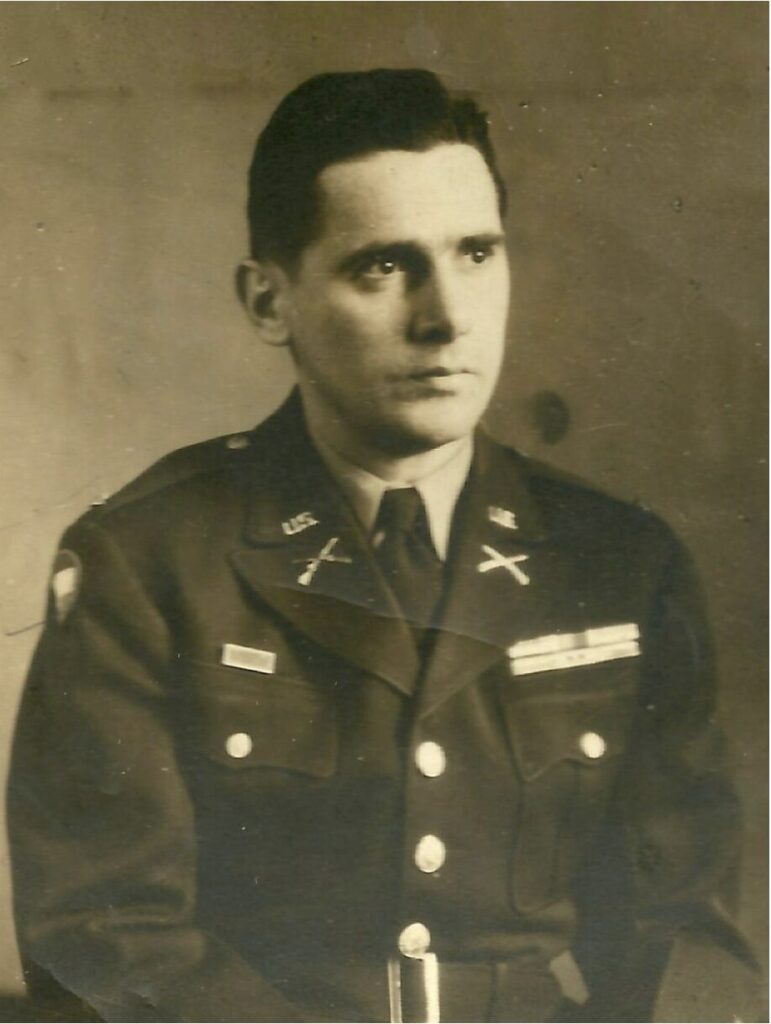
Charles Bruce was a lieutenant colonel who, with his wife, helped rebuild Austria after World War II. While there, they visited an orphanage and met a little boy, who became their son, Chad Bruce. Chad was the opposite of his father.

“This military man who fought in World War II, Korea and four tours of Vietnam, he was highly decorated, adopts a kid who likes to draw pictures and sing songs,” LaMarche said. “And he doesn’t get mad at him. He takes the door off the hinges and makes him an art table.”

Chad birthed the Charles Bruce Foundation from an intense gratitude for his parents’ support of his artistic nature.

“I feel fortunate that I was given opportunities to pursue my creative goals, and the extent that I can provide others with similar opportunities is my desire,” said Chad Bruce, the foundation’s executive director.

His parents would likely be proud of his awards that came in the form of musical accomplishments as a harmonicist, playing at President Barack Obama’s inauguration, and his exceptional talents as a book designer and artist.

The foundation began out of Chad’s dream to help artists, but with no real plan for how to do that. Then he met LaMarche.

“Before, I was just hoping something would happen, but I didn’t quite know what,” he said. “Patty showed me, and, together, we worked on it and have made a success of it.”

Today, Chad uses his skills on the drawing board, doing much of the book designing. LaMarche contributes as a writer, but also as an organizer and logistician.

LaMarche employed the latter skill three years ago to begin the Homeless Memorial Blanket project. This social justice art display involves coordinating and collecting hundreds of hand-crocheted, knitted and quilted blankets and uniting them on the ground to make a giant art memorial to those who have died homeless on the streets. The project grew from an interaction that LaMarche had with a young woman with an intellectual disability who told her, “I just want to crochet all day,” LaMarche said.

The Charles Bruce Foundation receives blankets from this young woman each year, and it is taking the project to Denver in 2026.

People interested in assisting young artists, promoting literacy, or publishing a book can do that by donating, by contacting the foundation about receiving books for a class or group, or by sending a book proposal.

The Charles Bruce Foundation brightens the area by making it more financially feasible for artists to ply their craft.

“I’m a musician, and my wife is a writer,” Chad Bruce said. “To be able to help young people to further their interests and careers in those areas and do that to a successful degree, that really makes me proud.”

For more information on the Charles Bruce Foundation, visit www.charlesbrucefoundation.com.

If you like what we do, please support our work. Become a Friend of TheBurg!    

Continue Reading

Seasonal Solutions: Leveraging a HELOC for Year-Round Home Maintenance and Upgrades

As the seasons change, so do the demands of your home. From tackling winter weather to preparing for warmer months, your home requires ongoing care to stay comfortable and efficient. Whether you are maintaining your house for the winter’s chill, planning for spring renovations to freshen up your space or looking to consolidate high-interest debt, a Home Equity Freedom Line of Credit (HELOC) can be the key to turning your plans into reality.

You may be wondering, what is a HELOC and how can it help me reach my goals? Let’s break it down. 


What is a HELOC?

A Home Equity Freedom Line of Credit works like a credit card, giving you access to funds that you can borrow, pay back and borrow again. Unlike a credit card, a HELOC is a line of credit issued based on the equity you’ve built in your home. Use as much or as little as you want—for whatever you want.

No matter what you have planned, our freedom line of credit offers you the best of both worlds—a variable-rate line of credit that adjusts over time and the option to lock in a fixed rate1 when you need extra stability. Whether you are funding a one-time project or planning for ongoing expenses, this type of flexibility can make managing your finances less stressful. Keep in mind, however, that with a variable rate, your interest rate (and your monthly payments) may fluctuate.

How can I use a HELOC?

One of the biggest advantages of a HELOC is its flexibility. Here are some practical ways to put your equity to work:

Prep Your Home for Winter: As winter approaches, protect and enhance your home with smart improvements. A HELOC can help you tackle essential projects like replacing drafty windows, upgrading your HVAC system or repairing your roof. These updates not only boost energy efficiency but can increase your home’s value too.

Bring Your Spring Renovation Dreams to Life: Is a spring refresh in your future? Look no further. Whether it’s creating a backyard oasis, modernizing your kitchen or landscaping your yard, a HELOC can fund renovations that enhance your home’s functionality and appeal.

Consolidate High-Interest Debt: Use your HELOC to pay off credit card debt at a lower interest rate, simplify your payments into one manageable payment and save on interest overtime. Debt consolidation through a HELOC is a smart way to reduce financial stress, while taking advantage of lower rates.

Why is now the perfect time for a HELOC?

With the holidays behind us, now is a great time to look at your financial goals for the year ahead. Winter is ideal for tackling any necessary indoor repairs when the weather is cold, while spring invites a fresh opportunity to invest in the exterior of your home. Take advantage of competitive interest rates and explore the benefits of using your home’s equity.

Why work with Members 1st Federal Credit Union?

At Members 1st FCU, we understand that as a homeowner, your needs are all different. That is why we offer a HELOC with:

  • Competitive rates to save you even more
  • Flexible borrowing limits to fit your project goal
  • Customized service to ensure you have what you need

A HELOC is not only powerful in the winter and spring but any season for achieving your financial and home improvement goals. Whether you’re preparing for colder weather, planning spring upgrades or consolidating debt, we are happy to help make it happen.

Contact us today to learn more about how a HELOC from Members 1st Federal Credit Union can work for you and your goals. Let’s use this year to improve not only your finances but your home too!

*Note: A HELOC cannot be used to finance the purchase of a new primary residence, swing loan or bridge loan. Please contact us to discuss other options.

1 You may lock in all or a portion of your line as a fixed term loan up to three fixed terms at one time. Terms available from 1 year to 15 year maximum. Minimum $5,000 to lock-in. Fixed term APR may vary based on term chosen. Your first fixed term lock option is free and subsequent lock options are subject to a $100 processing fee. Balances you choose to lock in at the fixed rate of interest must be repaid in substantially equal monthly payments of principal and interest. The total monthly payment under the Line of Credit will include repayment of the total of all advances under the Line of Credit to date, in addition to and including the advance(s) for fixed term lock option(s).

We do business in accordance with the Federal Fair Housing Law and Equal Credit Opportunity Act.  Federally Insured with NCUA.

This is sponsored content.

If you like what we do, please support our work. Become a Friend of TheBurg!    

Continue Reading

Big Lift: Big Brothers Big Sisters expands, addresses growing need

Every two weeks or so, Ariana, an 11-year-old from Mechanicsburg, eagerly awaits a fun-filled visit with Jamie, her Big Sister mentor.

“I get out the house, and Jamie’s so sweet and nice,” Ariana said. “I spend time with her and Amelia (Jamie’s niece) and go eat or do something fun together.”

Ariana and Jamie were matched nearly five years ago by Big Brothers Big Sisters of South-Central PA, which serves more than 1,300 young people throughout Adams, Cumberland, Dauphin, Lancaster, Lebanon, Perry and York counties.

“I’ll never forget when I got the call from BBBS, and they said, ‘We’ve found the perfect little sister for you. She is energetic, loves crafts, and is full of personality,’ Jamie said. “We know you guys will be great together—and boy, were they right.”

Big Brothers Big Sisters is a nationwide federation comprising 230 affiliates throughout the United States, including Big Brothers Big Sisters of South-Central PA. Each affiliate has its own budget, board of directors and set of operational procedures.

“We have our own fundraising, grants, donations, corporate partners, events and separate event sponsors,” said Krystina Shultz, BBBS of South-Central PA’s marketing and communications manager.

One of the South-Central PA agency’s biggest fundraisers is “Bowl for Kids’ Sake.”

This year’s event takes place throughout March and April, with each participating team asked to raise a minimum of $500 to support the agency’s many youth mentoring programs. Teams comprising five bowlers each may raise the requested total as a group, or individuals may participate for a minimum goal of $100.

Fundraiser success is vital because the need in our area is growing. Last year comprised “our greatest number of youth served in a single year over the last 20 years,” Shultz said.

Extending Reach

Big Brothers Big Sisters’ national origins trace back to 1904 when New York City Court Clerk Ernest Coulter noticed an increasing number of young boys coming through his courtroom.  Through observation, Coulter decided that caring adults could help many of the youngsters stay out of trouble. He then took action with the beginning of the Big Brother movement.

Concurrently, a Ladies of Charity group, later to become known as Catholic Big Sisters, was befriending girls coming through New York Children’s Court. The boys’ and girls’ groups continued to work independently until joining forces to become Big Brothers Big Sisters of America in 1977.

Today, Big Brothers Big Sisters operates in all 50 U.S. states and 12 countries worldwide, continuing its mission to “create and support one-to-one mentoring relationships that ignite the power and promise of youth.”

The local organization was first established as Big Brothers Big Sisters of the Capital Region in 1981, activating the belief that “every child possesses the potential to succeed and thrive in life.” At that time, the affiliate serviced Cumberland, Dauphin, Lebanon and Perry counties.

In October 2024, the Capital Region affiliate officially changed its name to Big Brothers Big Sisters of South-Central PA upon expanding its service area to include York and Adams counties.

“We extended our reach into York and Adams counties because it was the right thing to do,” said Mary Murphy, the affiliate’s vice president of development. “We changed our name to better reflect our coverage and are now BBBS of South-Central PA.”


Positive Change

Program services provided by Big Brothers Big Sisters of South-Central PA include:

  • Community-Based Program. Bigs and Littles meet two to four times monthly, with both deciding activities and times and places to meet. The Bigs’ goal is to “expand their Littles’ world view and introduce them to new experiences through community activities and everyday conversation,” according to the organization.
  • Site-Based Program. Bigs and Littles meet at a designated location, with several sub-programs falling under this category. Subprograms include Bigs in School, which involves meeting at a Little’s school before, during or after school hours.
  • High School Bigs & College Bigs programs, where high school and college students “learn leadership skills while volunteering as mentors at nearby elementary and middle schools.”
  • Bigs in Blue program, which introduces youth to active-duty law enforcement officers who serve as mentors. Officers meet with Littles each month at the child’s school.
  • Beyond School Walls, a workforce development program introducing high school students to professionals from area businesses, trades and higher education. Students and adult mentors meet bi-monthly at a corporate, educational or community location “to inspire and prepare students for their future.”
  • Sports Buddies, where Bigs and Littles meet at a local YMCA to swim, work out and participate in YMCA-hosted activities.

Big Brothers Big Sisters also offers field trips, career exploration opportunities and educational opportunities year-round, including a Historically Black Colleges & Universities Fair, Graduation Recognition & Scholarship Presentation, Back-to-School Block Party, Youth Leadership Summit, Bigs in Blue field trip, and other customized activities.

As for Little Sister Ariana, her mother Mary said that she’s noticed positive changes in her daughter since Ariana and Jamie started spending time together.

“Ariana’s always been an outgoing person. I mean, she’s not a shy person,” Mary said. “I think Big Brothers Big Sisters is a good program. I think it’s helped Ariana’s self-esteem. I think there’s change for the better.”


For information on Big Brothers Big Sisters of South-Central PA, or to register or donate to Bowl for Kids’ Sake, visit
www.capbigs.org.

If you like what we do, please support our work. Become a Friend of TheBurg!    

Continue Reading