Harrisburg school district officials said the district will not have to amend its budget after receiving state budget allocations.
While state dollars make up most of the district’s total revenue, Harrisburg passed its $227 million budget on June 30 based on projections, as the state’s budget passed late.
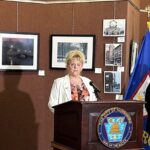
While it was officially signed this weekend on July 12, the district’s Chief Financial Officer Marcia Stokes said Tuesday that her projected budget landed within half a percentage point of actual numbers. The district will receive $124 million total in funds for the 2026-27 school year.
Breaking it down: the state will send Harrisburg $89.1 million in basic education funding and $9 million for special education funding. It will also receive a combined $26.2 million in Ready-To-Learn Adequacy, Foundation and Tax Equity funds—money that is linked to a 2023 lawsuit settlement that found Pennsylvania’s system of funding public schools with local property taxes to be unconstitutional (as it creates inequities).
Stokes said the district has been tying the millions provided in Ready-To-Learn funds to programs that support several metrics the district is trying to improve, like absenteeism and English Language Arts and math scores.
The money has helped the district expand its middle school electives, after school and club programming. It’s also allowing the district to launch a new math curriculum this year; next year, it will launch a new English Language Arts curriculum for K-5.
One area where the district could use more help, Stokes said, is in special education funding. She noted the district’s special education needs far outweigh the funds it gets from the state. Sixteen percent of Harrisburg students fall into this camp.
“The costs associated with educating them have far superseded any of the aid or support we receive for those particular students,” said Stokes.
In recent years, the number of special education students enrolling in the district has shot up. Autism diagnoses in particular have risen sharply.
When the pandemic hit, the district had eight autism support classrooms across the district, she said. Now, it’s up to 39.
“It’s great that they’re being identified early, so they’re able to get the support services and other agencies earlier in life,” Stokes said. Still, the district wonders how it will handle the increased growth, especially if it continues.
Between the state and federal funding, only about 31% of Harrisburg’s special education costs are covered, leaving the rest to come out of its Basic Education and local tax revenue funds, Stokes said.
The increase is part of a national trend.
If you like what we do, please support our work. Become a Friend of TheBurg!