 There is a wise saying that “it takes a village.”
If you haven’t heard this one before, the gist is that it takes more than one person to do things like raise a child, build a school or change the status quo. Yet, for all the times this adage gets repeated, or however true it may be, we simply can’t assume anymore that people actually feel as though they belong to a neighborhood or that they possess the skills and abilities needed to create one.
The feelings of loneliness, powerlessness and meaninglessness that too many of us experience are a trifecta for a kind of social shipwreck. In 2023, the U.S. surgeon general declared loneliness and isolation a nationwide epidemic in a widely published health advisory. In this report, the lack of social connection was found to increase the risk of premature death as much as smoking 15 cigarettes a day. This shocking finding, however, would have come as no surprise to Mr. Rogers. More than 50 years before the surgeon general sounded the alarm, Fred Rogers was on TV trying to help the nation understand the importance of teaching children how to love their neighbors.
So what can we do to interrupt the powerful forces that are dividing us in our neighborhoods? How can we arrest the invisible systems and structures that create, sustain and perpetuate anxiety and displacement? Here are a few concrete neighboring practices to help us focus locally on what we can do where we are.
First, take a break from consuming headlines that manufacture fear or feature violence. If you can’t quit toxic media cold turkey, try at least not to take the bait by clicking on negative stories that might make you spiral into feeling worse about yourself and others at the start or end of the day. You might reduce some stress if you can create some self-imposed boundaries as to what news stories you choose to read and when.
Second, focus on the work you can get involved in at the local level. At the very least, start by getting to know the names of your neighbors who live right beside you. Share some food to break the ice or simply be intentional about starting a conversation. Little practices like these can go a long way toward strengthening basic social connections within our neighborhoods. Just by knowing the names of those who live around, you can jumpstart the process of transforming a stranger or potential enemy into a neighbor or future friend.
Third, join a group or neighborhood organization that values small and consistent efforts over time to make local neighborhoods safer and more attractive places to live. Activities like planning a block party, picking up trash, or organizing wellness checks on those who are vulnerable won’t usually attract large grants or media attention, but the social connection that comes from working together for the common good can’t be underestimated. These efforts bond social capital that effectively improves the quality of life for everyone while building the connections that neighbors need to feel like they belong and matter in the places they live. Connections like these are vital when tragedy strikes and neighbors become first responders.
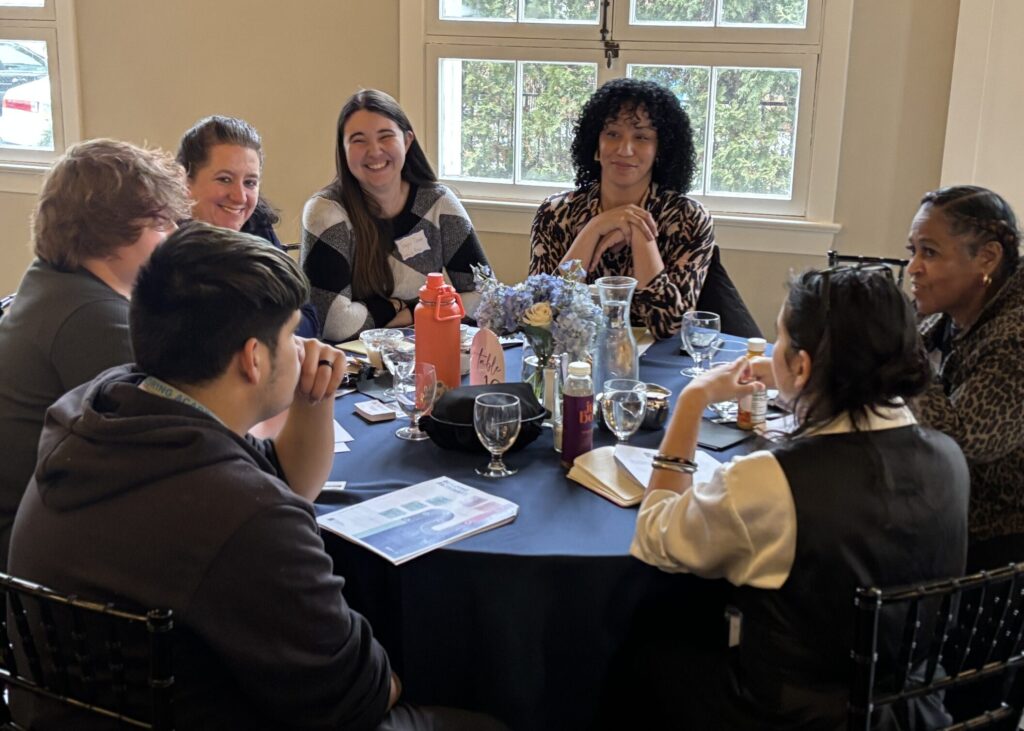
Fourth, change the narrative and tell different stories. For example, over 100 employers, community leaders, educators and students gathered in Harrisburg this year for an inaugural “Neighboring Summit.” This event was sponsored in part by the PA Department of Labor & Industry, SCPa Works and C&J Catering. Throughout the day, students and professionals from diverse neighborhoods were introduced to each other. They spent time exploring promising neighboring practices that bring together business and education sectors to address regional workforce challenges, as well as to champion student achievement. Numerous stories of innovative partnership were shared, illustrating how businesses in the Capital Region are neighboring with schools in mutually beneficial and reciprocal ways. New pathways are being created for high school students to earn a living wage ($21 to $25 an hour) after graduation and break generational cycles of poverty as they save to become future homeowners by age 25, if that is a choice they want to make.
If you have an inspiring story of neighboring, consider sharing it with others. These stories can directly confront the destructive myths that are being recycled about our cities and urban neighborhoods—namely that poverty and violence are intractable. Make no mistake: the fights, fires and fatalities in our neighborhoods can’t be glossed over. Tragic shootings are occurring, and poverty both literally and figuratively stunts the growth of our children. However, we can’t be led to believe that these are the defining stories of our people and places. The narrative that our communities are poor and violent and that they will always be poor and violent must be countered by the stories of neighbors who have a prophetic imagination formed by suffering but not defined by it.
Toward that end, we all (regardless of age) are challenged to learn how to become better neighbors. The stakes are too high to fail. If we don’t rise to the occasion, the surgeon general warns that, “we will pay an ever-increasing price in the form of our individual and collective health and well-being. And we will continue to splinter and divide until we can no longer stand as a community or a country. Instead of coming together to take on the great challenges before us, we will further retreat to our corners—angry, sick and alone.”
If you would like to learn more about individual, group or systems level neighboring practices, or if you have a story of how businesses and schools are partnering together to address regional workforce challenges and improve student achievement in your neighborhood, we would love to hear from you. You can contact us online at www.neighboringchallenge.com.
Chad Frey is president and CEO of the Neighboring Academy.
This is sponsored content.
If you like what we do, please support our work. Become a Friend of TheBurg!