Here Comes the Fuzz: It’s a no-shave zone for Harrisburg police.

If you happen to see a Harrisburg police officer on the evening news or out on the street, you may notice that he seems a little—well—hairier than usual.

There’s a good reason why members of the force are giving their razors a rest and turning their faces into blankets of fur.

About 40 of the bureau’s 135 officers have given up shaving for more than two months to raise money for—and boost awareness of—the city’s hungry and homeless, according to Blake Lynch, the department’s community policing coordinator.

By paying $30 each, male officers are permitted to defy traditional orders and grow their beards for November, December and the first week of January. Participating female officers are allowed to color their hair and wear make-up and colored nail polish.

Money raised is donated to Downtown Daily Bread, the mission associated with the Pine Street Presbyterian Church, which has cared for the hungry and homeless since 1983.

Cpl. Josh Hammer, sporting a sandy blonde, Bradley Cooper-esque beard, said that his sons don’t seem to notice the extra facial fuzz, but his wife Angie, a West Shore salon owner, sure does. City residents do, too, since they’re accustomed to their officers being clean-shaven.

Hammer said the beards have boosted morale and provoked a healthy dose of light-hearted male ribbing and bonding on the force. But they also have raised awareness of a more sobering message.

“Going into so many houses, we see it all,” he said. “We see people who are really struggling.”

Hammer and Lynch reflected somberly on several recent tragic events, such as the young teen killed in a car crash at 25th and Brookwood streets on the Swatara Township-Harrisburg city line. Lynch helped plan a funeral, connected the family with grief counselors, communicated with another mom staying 24-7 in the hospital with her critically wounded son, crafted public statements on their behalf, and helped keep food on the table when the families could not work due to the incident.

Over the years, police officers have also assembled and delivered baskets of fresh food at Thanksgiving. They have helped job-seekers tie their neckties before job interviews, bought food anonymously for needy families, hosted National Night Out events and stopped at child care centers to let the little ones push the buttons inside the police cars to activate the lights and sirens.

“Our goal is to protect and serve,” Lynch said. “This is just one more opportunity to serve.”

The beard-growing venture is more than a fundraiser for the church-based charity located in the shadow of the expansive marble-floored and mahogany-walled Capitol. It’s a spirited competition among colleagues. The winner of “Best Beard” wins a plaque, a trimmer, and, of course, bragging rights.

Contestants must take a photograph of their beard only—no dazzling white smiles or distinctive facial features to skew the results. Last year’s winner, Officer Bath, is participating again, so he is clearly the beard to beat.

With the start of the new year, the beards may be unceremoniously washed down the sink, but the spirit of giving will not. Officers must show up clean-shaven on Jan. 7 or the disciplinary write-ups for facial hair will fly anew.

But until then, the force will continue to channel their inner lumberjack, hipster or Jason Kelce and compare their beards to each other’s as a true measure of machismo.

“This is an opportunity for people to really be part of something bigger than themselves,” Lynch said. “Our officers do that every single day. We are not just collecting a paycheck. We do it because we care.”

Continue Reading

Poetry & Pipes: Annual “Burns Supper” celebrates all things Scottish.

Scotland is known for many bold things: The Loch Ness Monster, Scotch whisky, “Braveheart.”

The Scottish culture was once even the subject of a rousing “Saturday Night Live” skit in which cast member Mike Myers coined the catchphrase, “If it’s not Scottish, it’s crap!”

The Scottish are also known for an 18th-century Romantic poet named Robert Burns, hailed as the “Scots’ Bard.” The majority of Burns’ poems and songs celebrate Scottish culture, farm life, religion, politics and equality for all. In the United States, his most popular and recognizable work is “Auld Lang Syne.”

In 1801, five years after Burns died, his friends gathered together for the first “Burns Supper” to celebrate his birthday. Though he lived only 37 years, Burns inspired a Scottish tradition that has lasted more than two centuries.

Here in central PA, the Scottish Society of Central PA has held a Burns Supper every January since 1955.

“The whole evening is a night of tradition and ceremony,” said President Ken Millage. “It’s a celebration of Burns’ life. We always try to make it fun.”

The itinerary follows a standard order.

To start, the officers and board of directors enter the room accompanied by bagpipers from their society. The host then gives opening remarks, during which all of the guests recite Burns’ poem “Selkirk Grace” to bless the food. Given that it’s a January event, the local host recites a poem on winter weather in Scotland.

Next comes the food, which begins with the soup course—cock-a-leekie soup—consisting of chicken and leeks, plus rice and julienned prunes. The pinnacle of the evening is next: the presentation of the haggis by the hotel chef. The celebrated haggis is organ meat from sheep ground up with suet and boiled in a sheep’s stomach.

“This is a processional ceremony with crossed swords and one of the members giving the ‘Address to a Haggis’ poem from memory,” Millage said. “It’s a long poem.”

For those who find the idea of haggis and julienned prunes in soup less than appetizing, there are many other culinary offerings, such as pecan-encrusted salmon, braised beef, grilled vegetables and trifle for dessert. Armed with their favorite beverages, everyone at the party gives a series of toasts to national leaders of the United States and Scotland, followed by humorous, roast-type toasts to lads and lassies.

“The toasts poke good-natured fun at how men and women see each other,” Millage said.

Next, one of the members gives an oration of all things Burns, whether serious or funny. This is followed by a short toast to the “Immortal Memory of Robert Burns,” then more poetry and music.

“Burns wrote in a dialect unique to him,” Millage said. “Some in the society can recite all evening long. They have great knowledge of the poetry. I have to look for an English translation to make sure I understand what he is saying.”

This year’s music itinerary holds a fresh lineup of bagpipers, Scottish country dancers, Celtic musicians and Jacobite reenactors. (Jacobite uprisings were a series of rebellions and wars between 1688 and 1746.)

Entertainer Charlie Zahm will present “a new story on the history of the Jacobite uprisings in history and song,” Millage said. “Some people come [to the event] just to hear the music.”

Singing “Auld Lang Syne” means the evening has come to an end, with attendees forming a big circle around the room.

Although the event may stand on ceremony, unabashed dancing is encouraged as a form of music appreciation.

“One great way to meet new friends is to dance in the aisles,” Millage said. “We have people who remind us of [our daughter] Mary dancing in the aisles when she was younger.”

To pull the event together, the Scottish Society relies on a core group of volunteers. Then there are the helpers who “bake shortbread and tie bouquets of heather,” Millage said of the Scottish party favors.

The Burns Supper is open to the community, attracting people who have an interest in Scottish things, people who come to hear the music, and people wondering if they are Scottish. Each year, more than 100 people attend.

“We could hold even more,” Millage said, dropping a sly hint.

The Burns Supper takes place Jan. 26 at the Radisson Penn Harris, 1150 Camp Hill Bypass, Camp Hill. For more information about the Scottish Society of Central PA and to make reservations for the event, visit www.pennscots.org.

Continue Reading

A Tour and a Pour: Are you a history nerd AND a beer nerd? Consider yourself served.

Photo by Dani Fresh.

It’s not exactly “Drunk History,” that long-running Comedy Central program that melds, well, drinking and history.

Nonetheless, that show kept running through my mind as several friends and I ventured forth with Eugene Showers, the amiable, knowledgeable owner of The Lost Pint.

Through his tours, Showers offers a unique, fun type of interactive education, as he puts brewing in context with local history, agriculture, geology, transportation—even the migratory patterns of animals. With a few tasting stops woven in.

The tour’s surplus of obscure trivia hints at a Harrisburg that once was, while the behind-the-scenes stops infuse a mix of modern and museum.

Showers is uniquely qualified for this job, as he has worked both as a teacher and at various distilleries and breweries. He also brews beer at home.

“I’m not looking for people who just want to drink and not learn anything,” Showers said. “I appreciate smart and cultured people on my tours. This tour is an interactive conversation, and we all learn from each other.”

Showers started The Lost Pint after sharing the region’s history with a group of visiting Europeans.

“I felt certain that others would appreciate the Susquehanna River and Harrisburg if they could see it the way I do, from a different perspective,” he said. “Visitors always enjoy stopping to grab a pint. So, conversations always include beer styles, beer tastings and beer-making education.”

Tastes Amazing

The Lost Pint offers a step-on tour. You bring the vehicle. The tour guide rides shotgun, navigating and narrating.

You have your choice of tours lasting from two to six hours, whether you want to learn about the Underground Railroad, local historic ruins or historic and modern brewing venues.

I arranged a tour for a random Saturday, bringing along five readers of TheBurg who are interested in local history and have toured breweries and distilleries. The guest list included Harrisburg residents Lora Ball, Greg Follett, Sara Sitz and Robyn Sitz and Mechanicsburg resident Marcia Peterman.

Showers recommended to us his popular, four-hour “Susquehanna River Valley Tour” and “Harrisburg Tour.”

Although the website offers standard tour packages, Showers can customize an itinerary, adding a vineyard here and a brewery there. And he can easily change it on the fly. Even before our group assembled, he showcased his flexibility. Our tour date overlapped with a downtown parade, closing off several streets on our original itinerary.

The first stop on our improvised agenda turned out to be a crowd favorite.

Because Showers is tapped in (pun intended) with local brewers and historians, he offers a glimpse behind the barrels. At The Millworks, master brewer Jeff Musselman took us into the brewery he designed from scratch. The tour’s brewing process explanation threw us back to chemistry class, but in a much better way.

Unlike my chemistry teachers, Musselman provided samples. First, we tasted one of the raw ingredients, barley malt that smacked of crackers from a hippie bakery. Then he tapped a new barrel to allow us a rare sample of his black raspberry imperial stout.

“That never, ever happens,” said Robyn Sitz, who has toured numerous breweries and distilleries worldwide.

Showers agreed.

“For a brewer to tap his barrel is a rare happening,” he said. “But where do you go to get a beer like this? Just imagine 150 pounds of black raspberries being incorporated in that barrel. It tastes amazing.”


Like Friends

En route to our next stop, Showers pointed out historic landmarks that we all drive past daily, but never before stopped to truly consider.

Highlights included the ruins of a speakeasy entrance, the chronicles of Charles Dickens’ visit through Harrisburg, and the pillars at the Market Street Bridge entrance, complete with fascinating stories behind them.

Another trivia opportunity awaited us at our next tour stop.

Pre-prohibition, Highspire was home to Highspire Distillery, manufacturer of Highspire Rye Whiskey. The unassuming, 7-foot, brick warehouse, with “H. A. Hartman & Son” painted on the side, sits tucked on a back road along the main drag. You have to squint in the sunlight to see “Highspire Distillery” blacked out and painted over.

The young owner, Rich Lawson, runs a storage facility in one section of the warehouse and showcases relics from the distillery’s heyday in another part. He proudly claims to “resurrect legacies.” The distillery’s most remarkable legacy, Highspire Rye Whiskey, is now produced out of state (this forgotten rye goes down smooth, by the way).

“That kid was cool, and the warehouse was amazing,” Follett said.

Ball enjoyed this part of the tour most.

“I must have driven past this building a thousand times,” she said. “But I didn’t realize what it was.”

The next stop took us along the Susquehanna River, past TMI, to canal ruins at Collins Lock. Showers made history come alive, putting the canal ruins in context with historic trade and topography.

Looking at locks and history about the canal proved to be a favorite for Follett.

“I’m still unclear about how it all fits together, but it will give me something to Google later,” he said.

Our last stop, Tattered Flag Brewery & Still Works in Middletown, provided a self-guided tour, appetizers and unusual brews—plus edifying conversation about the local, hidden gems uncovered throughout the tour.

“I’ve lived here for 20 years, and I didn’t know most of the stuff I learned on this tour,” Peterman said.

Follett may have summarized our Lost Pint tour best.

“The owner gave us a personal tour,” he said. “And he treated us like friends.”


For more information about The Lost Pint, visit www.thelostpint.com or the Facebook page.

Continue Reading

Supremely Satisfying: Standout performances elevate “On the Basis of Sex.”

“Changing the culture means nothing if the law doesn’t change.”


So says Ruth Bader Ginsburg, played by Felicity Jones, in director Mimi Leder’s latest film, “On The Basis Of Sex,” based on the 1972 case, Moritz v. Commissioner of Internal Revenue, which was vital to overturning more than 100 years of gender discrimination.

To set the stage, Leder thrusts us into 1950s America, where women are allowed to study law at Harvard—but not without some residual resistance and with little-to-no luck finding a firm to welcome them after they receive their degree.

Bader Ginsburg rises to the top of her class, even taking on the workload of two students while her husband, Martin (Armie Hammer), battles cancer (the two of them are raising a child, to boot) and then steps out into the real world—to become a professor. Firm after firm denies her a position because she is a woman.

Fast forward to the 1970s. Now, with two children, the family carries on. Bader Ginsburg is still a professor, embittered by society’s mishandling of gender discrimination and teaching that very subject to young minds. Meanwhile, her daughter (Cailee Spaeny) has also blossomed into a feminist, even challenging Bader Ginsburg about her role in society.

And then a case appears that could change everything.

It centers around tax law, which is more Martin Ginsburg’s field, but he points the case out to Bader Ginsburg because it involves a man who is unable to receive tax deductions as a caretaker for his invalid mother. Here, we see gender discrimination from another perspective. Normally, the cases involve discrimination against women due to gender norms, but this one wrestles with the opposite, something that the Ginsburgs believe may interest the Supreme Court and help them win their case.

And so continues Bader Ginsburg’s fight for civil liberties and equality for men and women alike, a fight that even the ACLU at first is not on board with. Justin Theroux plays a friend in the ACLU who is unable to look past ingrained prejudice to risk standing by the defendant in such an uncertain case.

Jones brings a shrewd, confident energy to the role as Bader Ginsburg, and Hammer complements her perfectly. We see excellent supporting performances from Theroux (though he plays a friend, he is, at times, the emotional foe in the story) and Spaeny, who ignites the screen in her scenes with Jones. There’s even a fun walk-on from Kathy Bates as Dorothy Kenyon, a famous lawyer in support of civil liberties.

Leder has given us a fantastic depiction of society’s slow-but-steady cultural shift through this case. And while there is still so far to go, we can feel the effects of the work that Ruth Bader Ginsburg has had with this victory and with her work on the Supreme Court.

“On the Basis of Sex” plays this month at Midtown Cinema, 250 Reily St., Harrisburg. For more information, visit www.midtowncinema.com.


Midtown Cinema
January Events

National Theatre Live presents
“Antony & Cleopatra”
Monday, Jan. 7 at 7 p.m.

3rd in the Burg $3 Movie
“Clue” (1985)
Friday, Jan. 18 at 9:30 p.m.

Down in Front!
Comedy improv riffs on
“Future War”
Friday, Jan. 25 at 9:30ish

Moviate presents
“The Public Image is Rotten”
Documentary event
Sunday, Jan. 27 at 7 p.m.

Continue Reading

Veal Meal: A hearty Italian dish for a cold January night.

Those familiar with classic Italian dishes will recognize the famous osso buco, often served with saffron infused rice or risotto Milanese. These slow-simmered veal shanks can often be found as a high-priced dinner item in upscale restaurants.
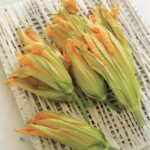


But when I was growing up, osso buco made regular appearances at our weekday dinners. I remember my mother’s instructions not to forget the marrow found within each small, round veal bone, telling us it was “the best part.”

Many years ago, I cooked osso buco fairly often, too, serving the dish on cold winter nights with lots of crusty bread to soak up the juices. Despite the classic pairing of rice, I always liked to serve creamy mashed potatoes alongside. But then, for me, mashed potatoes go with almost everything!

For many years, finding veal shanks, along with many other cuts of veal, became very difficult. When I did find them, they weren’t worth buying—little rounds of meat that were mostly grizzle and bone.

Until now.

While shopping at one of my favorite butchers at the West Shore Farmers Market, there they were! Beautiful, pale pink and perfect veal shanks are being sold by L.D. Weaver, a long-time meat vendor there. They explained to me that, because of increased space, they were expanding their meat offerings and would try to have veal shanks as often as possible. I was thrilled.

I turned to my favorite recipe for osso buco from “Savoring Italy,” an old Williams and Sonoma classic cookbook of mine. It’s a rather simple version of the classic that doesn’t include tomatoes (some recipes do). The topping mixture of parsley, garlic and lemon zest found at the end of the recipe is known as “gremolada.” A lot of osso buco recipes will list it as optional, but it really is the final touch that distinguishes the dish.


Osso Buco

Ingredients

  • ½ cup flour (I like Wondra for its lightness.)
  • 6 pieces of veal shank, about 1½ inches thick (always choose meaty ones.)
  • 2 tablespoons unsalted butter
  • 2 tablespoons olive oil
  • 1 small onion, chopped
  • 1 cup dry white wine
  • 2 cups beef broth (unsalted)
  • Salt and pepper to taste


Ingredients for gremolada

  • ¼ cup chopped Italian parsley
  • 1 small garlic clove
  • ½ teaspoon grated lemon zest


Directions

  • Spread the flour on a plate and dust the veal shanks, tapping off the excess.
  • In a large, heavy pot, melt the butter and olive oil over medium heat.
  • Add the veal and cook on the first side until golden brown, about 4 minutes.
  • Turn the veal shanks and add the sliced onion to the pan, scattering it around the pieces of veal. Sprinkle with salt and pepper. Cook until brown on the second side, about 4 minutes longer.
  • Add the wine, bring to a simmer, and cook for 1 minute.
  • Add the beef broth and bring the mixture back to a simmer. Cook over low heat, covered, until the meat is very tender, about 1½ to 2 hours. Turn the shanks occasionally and add a little extra stock or wine if needed (you don’t want all the liquid to evaporate).
  • Combine the parsley and garlic on a cutting board and finely chop together. Transfer to a little bowl and toss in the grated lemon zest. Scatter the mixture over the veal.
  • Baste the veal shanks with the sauce and simmer for 5 minutes longer. When perfectly cooked, the meat should almost be falling off the bone.

Serve osso buco with some warm Italian bread, rice or risotto or my favorite mashed potatoes. It is wonderful, too, with a mix of butter-tossed vegetables like peas, baby carrots and asparagus tips. And although you might at first think “white” with this dish, a good fruity red wine works well—perhaps a beaujolais nouveau or a floral dolcetto d’Alba.

Light a fire one cold January night and try your hand at making osso buco. You could even try finishing the dish in a crockpot after the browning step. But try to find those baby spoons you put away so long ago. They are wonderful for scooping out the bone marrow. Remember: It’s the best part!

Continue Reading

The Bright Stuff: Whitening–don’t get blinded by the light.

Illustration by Stephen Haas.

You may have seen them: celebrity ads on Facebook for a home tooth-whitening system that uses light. And you may wonder—is that safe and effective?

It should come as no surprise that tooth whitening is a hot topic. Whether you are looking for a professional whitening treatment from a dentist or a DIY, at-home system, there are a lot of choices out there. The internet is full of products that promise all sorts of whitening, brightening, dazzling, glowing, zooming, booming, snowing, sparkling and shining results.

For a premium price, many treatments and products offer premium results via light driven “power” whitening. The illumination can come from sitting under a lamp at a dental office or from an over-the-counter device that is inserted into the mouth or connected to a mouthpiece. The idea is that the light activates a whitening gel to make it more effective. Don’t get blinded by the light—the truth is it does nothing. Save your money.

Whitening works when a hydrogen peroxide or similar-type gel oxidizes stain from your teeth. Different factors can determine the effectiveness, including the composition and strength of the gel, the type and fit of the tray, and the application method. However, research has shown that light has no effect. Older whitening lights and lasers designed to create “thermal” activation could overheat teeth and pose an increased risk of sensitivity or damage. More modern lights are often LED types that offer nothing more than a placebo effect.

Both professional and at-home whitening options can have value and are often relatively safe and effective. Here are some tips to keep in mind:

  • Don’t go off brand or look for the cheapest deal on internet. Find a name you trust. These products are more likely to be tested and quality controlled.
  • Get the OK from your dentist. Make sure you are free and clear of any dental condition that would make whitening harmful.
  • Avoid lights, secret home remedies, and other promises that seem too good to be true.

Keep Smiling,
Dr. Sleuth

Our Tooth Sleuth, Dr. Josh Capozzi, does most of his sleuthing at Capozzi Dental in Etters.

For more information on recommended whitening products and treatments, visit www.capozzidental.com.

Continue Reading

In the Moment: Mindfulness emerges as a way to alleviate stress, manage anxiety.

In today’s hectic world, many of us become so consumed by life’s twists and turns that we often look past the moments that are right in front us.
Maybe it’s the commuter so fixated on traffic and the upcoming workday that she misses the day’s unfolding dawn before her on the road.

Maybe it’s the out-of-breath parent rushing a child to practice after a quick meal that neither of them really enjoyed.

Maybe it’s happened to you.

Maybe deep inside, you harbor a gnawing dissatisfaction that your life is missing something, but you can’t quite put your finger on it. You feel sort of like the aimless circle character in Shel Silverstein’s children’s book, “The Missing Piece.”

But really, that so-called “missing piece,” that restless feeling that many of us perceive, may not be as unknowable or unsolvable as we think. A journey of self-discovery may begin with a practice known as mindfulness, and classes are available throughout greater Harrisburg.

So what exactly is mindfulness?

“Mindfulness is a neat kind of thing we already have,” said Timothy Riley, associate vice chair for wellness, Department of Family and Community Medicine at Penn State Hershey. “It’s different from meditation. Meditation is practicing a skill for the mind, like playing scales on an instrument. Mindfulness is when we bring skills we’ve learned in meditation into everyday living.”

Riley began practicing mindfulness on a personal level in 2013, he said, to help level stress he experienced as a private practice physician.

Likewise, Nancy Behney was introduced to mindfulness as a way to help address her own problems, in her case, depression and anxiety. The practice, she recalled, “helped me tremendously.”

“Mindfulness is learning to pay attention to the present moment instead of worrying about the future or feeling stuck thinking about something in the past,” she explained. “There are very real benefits to this, such as decreased anxiety, increase in ability to focus, and coping more effectively with sources of stress and pain.”

Behney was so impressed that she recently completed training to become an instructor. She now teaches a mindfulness course that begins in January at Free Spirit Yoga in Hershey.

“It changed my life,” she said. “It really helped with anxiety. It allowed me to enjoy the moments of life.”

Instructor Shelly Ungemach described mindfulness as increasing people’s ability to “respond rather than react” to stressful situations. Besides reducing anxiety and depression, it can decrease blood pressure, expand one’s attention span, and increase empathy and compassion for others.

“Mindfulness has a wide variety of benefits” Ungemach said. “It’s not a silver bullet, but it’s another tool in our toolbox.”

Since 2013, Ungemach has served as a mindfulness-based stress-reduction facilitator for The Mindfulness Bridge in Palmyra. Her next course begins in January at Free Spirit Yoga in Hershey with Behney.

“Studies have shown that practicing mindfulness causes the same sort of changes to the brain as physical exercise does to the body on a daily basis,” she said.

Michael Hayes, a licensed psychologist, learned about the concept of mindfulness in 2010 when attending training for dialectical treatment therapy. Then, in 2014, work-related stress landed him in the hospital for a couple of days.

“The doctors couldn’t put a finger on it,” Hayes said. “That’s when I decided to put it all together, and my health improved upon practice.”

Today, Hayes serves as an assistant professor of psychiatry at the Penn State Hershey Department of Psychiatry while running a clinical practice at the Penn State Cancer Institute and Penn State Surgery Specialties.

Hayes’ clinical practice is geared to help patients and their families cope with serious health issues, such as a cancer diagnosis or waiting for an organ transplant. This spring, he plans to initiate a mindfulness-based stress reduction program for adult patients diagnosed with cancer, as well as for adults with a loved one diagnosed with cancer.

“We’re really at an exciting place to think carefully about mindfulness,” he said. “It can provide meaningful, positive change for a whole host of things.”

Mindfulness-based courses can be found at places throughout central Pennsylvania. They also begin in early January at Free Spirit Yoga, 1512 E Caracas Ave # 100, Hershey. For information, visit www.mindfulnessbridge.org.

Continue Reading

Musical Notes: New Year, New Tunes

We’ve made it to 2019, everyone!

It’s time to move past the setbacks and outdated habits of last year and make way for our better selves in a new year. As usual, I’ll be giving you my best picks from Harrisburg’s growing music scene. Hopefully this month, you will take some of my advice and support musicians and artists here in the city. Make it a resolution to get out more to benefit both yourself and the art community here. I wish you all a very happy new year, and I hope you make the best of it!


ABSOLUTELY FREAKED! A ROCK SHOW OF ZAPPA’S EARLY WORKS, 1/10-13, 7:30PM, OPEN STAGE OF HARRISBURG, $25-35
This is going to be one heck of a local live performance that you don’t wanna miss out on. Absolutely Freaked! is an experiential rock concert performed by local talents from Open Stage and arranged and directed by Joseph Osborne and Chris Gibson. This show got the thumbs up from the Zappa estate and covers his works from 1966 to 1972, including some of his hit songs like “Plastic People” and “Who Are The Brain Police?” If you’ve always wanted to get into Zappa and never had a good reason, your time has come. If you’re a longtime fan looking got a night out, this one’s for you, too.


LETTUCE, 1/22, 7:30PM, WHITAKER CENTER, $38.50-43.50
It’s time to get funky with some Lettuce. And no, I’m not talking about romaine. This funkadelic band is bringing you a fresh take on some classic funk sounds at the Sunoco Performance Theatre in Whitaker Center. Hear samples of their latest EP, “Mt. Crushmore,” and rock along to tracks like “The Love You Left Behind.” Included in the ticket price is a $1 donation to HeadCount, a nonprofit and nonpartisan organization “dedicated to voter registration and inspiring participation in democracy through the power of music.” Support a good cause and get down with your bad self at the same time.


GOOD IN THE DARK, 1/25, 7PM, THE UNDERGROUND BIKE SHOP, $5
A local band is celebrating a birthday, and what better way to do it than with music? Heather Perry of Harrisburg’s own Good in the Dark is putting on a special bday show at The Underground Bike Shop. This pop/punk/disco/dance band will blow you away with their heavy and groovy sounds. I first saw them at the Underground awhile ago for a Halloween cover show, and they really knocked me over when they closed out the evening strong with a Pixies set. They’re joined by Dear Forbidden from Philly and Northern Gloom from here in the Burg for a perfect taste of the local scene. Grab a six pack and take a walk to Olde Uptown to see some of our town’s very best.


Mentionables:

U.S. Bombs & Total Chaos, Jan. 3, Club XL;

Martin Sexton, Jan. 5, H*MAC Capitol Room;

Litz, Jan. 5, The Abbey Bar;

Lexa Terrestrial, Jan. 5, H*MAC Stage on Herr;

Driftwood, Jan. 18, The Abbey Bar;
Appetite for Destruction, Jan. 19, Club XL;

Jarrad Briggs & The Jayplayers, Jan. 26, River City Blues Club;

Cognitive, Jan. 27, J.B. Lovedraft’s

Continue Reading

Four Score Pour: After a Gettysburg ghost tour, you now can sample the spirits.

If it weren’t for a certain series of events, Yianni Barakos may not have had the knowledge, or the impetus, to open the Mason Dixon Distillery.

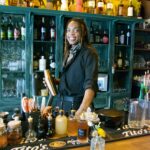
He peppers the story with humor as he harkens back to his childhood describing a trip to Greece.

“I visited my grandparents’ village as a kid, and I like to say that my heritage is hillbilly because you build what you need and you fix what you have,” said Barakos.

The boy became intrigued as he observed his coppersmith grandfather tinkering with the community still.

“They would grow grapes and make their own wine and tsipouro,” said Barakos, explaining that the strong, distilled spirit produced from the residue of the wine press is similar to Italian grappa.

While visiting, the 11-year-old Barakos decided to take notes about the distilling process, which he found fascinating.

“I’m pretty sure my grandfather knew what I had in mind and, at some point, he stopped answering my questions,” Barakos said.

After he returned home, he decided to put into play some of the lessons he had learned, with results that could have been disastrous.

“I almost burned the house down,” said Barakos, who fully expected to be scolded.

Instead, he was given a ride to Walmart, where his father purchased a hot plate and told him to keep it outside. Today, the two men work side-by-side as partners.


Give It Back

Barakos didn’t initially intend to make a living as an entrepreneur.

“I started as an assistant project manager in the construction field and was promoted to a junior project manager before my car accident, which kept me in bed for two years,” he said, explaining that the trauma of the accident left him with a condition called “scapular dyskinesis,” in which the brain stops firing muscles.

Barakos vowed not only to fight the condition but to work while doing so.

“The doctor tells me to prepare myself for a lifetime of pain,” he said. “Right now, I’m the healthiest I’ve been, but I have too many limitations to work for someone else.”

In his quest for the perfect venue, Barakos came upon a former furniture factory located on E. Water Street in Gettysburg.

“The 10,000-square-foot warehouse was in terrible shape, but it spoke to me,” he said.

His mother, laying eyes on the sprawling, dilapidated space, burst into tears.

“Give it back,” she commanded.

He was drawn to the building due its 100-year-old history of furniture making and its importance providing work to the community.

“They took a raw material and turned it into a finished product, which is what we do,” said Barakos, who contracts with a local Gettysburg farmer to grow the grain.

He chuckled reflecting back on his mother’s reaction because she needn’t have worried. With hard work and determination, he and his father George transformed the space into a state-of-the-art distillery with a large kitchen, an area for production of spirits and a welcoming restaurant and bar, with restored brick and a seating style modeled after a typical German beer hall.

Dave Spitzer met Barakos when the distillery was nothing more than a dream.

“When he told me about it, I thought it would be amazing if he could pull it off,” said the Gettysburg resident, adding that Barakos and his father put an amazing amount of work into the two-year renovation project. “I figured it would be great for tourists to have something more to do than just tour the battlefield.”


Big Love

The current liquor lineup is vodka, corn whisky, white rum, aged rum and spiced rum.

“We make cocktails for just about any palate, and all our mixers are made from scratch,” Barakos said.

Additional offerings are in the pipeline. Mason-Dixon is partnering with Biglerville-based Hollabaugh Bros. fruit farm to produce a pear brandy. Rye whisky is also on the horizon.

“It’s a big love of mine,” said Barakos, who also features seasonal releases. “Our first-ever bourbon release sold out in 2½ days.”

Spitzer suggested that customers may be pleasantly surprised if they’re open to trying a spirit that they think they may not enjoy.

“He made a rum convert out of me, even though I prefer vodka,” Spitzer said. “He got me to try a rum-and-coke, and I really enjoyed it. The rum is so flavorful and the coke machine pumps water out from the distillery, so you get the most amazing coke out of it.”

As for food, Mason Dixon focuses on seasonality, with an ever-changing selection.

“We like to keep a small base menu, while running six to 10 specials every week,” said Barakos.

A few constants are fried Brussels sprouts finished with honey, lemon drizzle and a dried fruit and nut relish, French fries with shredded short ribs, and poutine with homemade gravy. Spitzer recommends the Sunday brunch, with a favorite being the pastrami hash. Another popular brunch item, according to Barakos, is a pumpkin spice beignet with a cream cheese drizzle.

What you won’t find are distractions.

“We installed sound panels to help absorb echo so that all you hear is the gentle roar of conversation,” said Barakos. “There are no televisions, no open wi-fi, just great food, great drink and great conversation. I provide the first two and foster the atmosphere for the third.”

Barakos said that, although he’s resting a bit easier now that the bulk of the hard construction work is behind him, he’s not going to quit creating and, like his grandfather, will continue to tinker.

“You could say I’m stubborn and that I have perseverance,” he said. “One thing I refused to do, and that was give up. If I can be an inspiration to others, then that would be a life well lived.”


The Mason Dixon Distillery is located at 331 E. Water St., Gettysburg. To learn more, call 717-398-3385 or visit
www.masondixondistillery.com.

Continue Reading

Healthy Habits: New program aims to improve nutrition, battle chronic disease for seniors.

Pat Mueller knows all about healthy eating, the kind that helps keep the rash and weakness of dermatomyositis at bay and got her off the steroid that caused annoying weight gain.

“Five fruits and veggies per day. Lean meat. Avoid highly processed foods. Avoid the whites, the sugars, the flours,” said Mueller. “What we put in our bodies is very important.”

Sitting at a long table at the bustling Heinz-Menaker Senior Center, Mueller declared her lunch of chicken, Brussels sprouts and brown rice as acceptable. She has taught herself the lessons in nutrition that her fellow center members and others are about to learn, through a new initiative tackling chronic disease in the community.

The Chronic Disease Prevention Program is a partnership of UPMC Pinnacle and the Central Pennsylvania Food Bank, in conjunction with Heinz-Menaker Senior Center in Harrisburg. Their combined efforts will bring more fresh fruit and vegetables into the community, paired with screenings and education on the links between diet and health.

A Dent

Chronic diseases are the leading causes of death and disability in America, according to UPMC Pinnacle. Affecting 190 million Americans—nearly two out of three—their cost to the health care system from 2016 to 2030 is projected to be an incredible $42 trillion, according to the Partnership to Fight Chronic Disease.

That is, if nothing changes. Officials with the Chronic Disease Prevention Program hope that leveraging their resources will make a dent. They can achieve their individual missions without “reinventing the wheel and by breaking down siloes,” said Tina Nixon, UPMC Pinnacle’s vice president of mission effectiveness and chief diversity officer.

“At the food bank, they understand hunger and access to food,” she said. “Where can we partner to bring in the healthy component of prevention education and how to utilize the foods you’re receiving if you have a chronic disease?”

Add assessments for such leading chronic conditions as high blood pressure, diabetes and high cholesterol, and “we are able to catch things early and provide the resources and tools so individuals don’t have to come into our hospital.”

For about a decade, the Central Pennsylvania Food Bank has expanded its capacities for acquiring, storing and distributing fresh and frozen meats and produce, said Executive Director Joe Arthur. In recent years, the food bank has also connected with health care providers and insurers at the intersection of health and food insecurity, because a doctor’s order to eat healthy foods can be an insurmountable challenge for some patients.

“The guidance to eat more fruits and vegetables is wonderful advice, but if you don’t have the dollars to do that consistently and steadily, it becomes more of a struggle,” Arthur said. “One of the coping mechanisms is to eat cheaper, less healthy foods.”

Barriers preventing access to fresh food include more than a scarcity of grocery stores. Unemployment and low incomes limit buying power. Unsafe neighborhoods make it hard to venture outside. Those without cars have to lug grocery bags home on the bus. Even those with access to groceries might need “some education and tactics around shopping” in the produce section, said Arthur.

“About 45 percent of the food Central Pennsylvania Food Bank provides is actually fresh or frozen,” he said. “That stacks up pretty well to the American grocery cart, but there’s more work to be done around the education part and the access part of it. With health care moving very rapidly to help patients in that way, it’s a natural partnership.”

Food Oasis

For the recent “Chronic Disease Prevention Program” kickoff, the Central Pennsylvania Food Bank delivered lettuce, apples, zucchini and milk to the Heinz-Menaker Senior Center. Nestled in a central part of Harrisburg, Heinz-Menaker could be called a food oasis in a food desert.

The center serves lunches provided through Dauphin County, and it is the county’s largest Meals on Wheels distributor, delivering to about 40 clients daily, according to Executive Director Les Ford. The food pantry, unique for stocking fresh and frozen meats, provides food for the kitchens of qualified center members and community residents.

The chronic disease initiative introduced fresh produce, dairy and eggs to Heinz-Menaker’s food pantry, stocked in a space equipped with a refrigerator funded by UPMC Pinnacle. While the Central Pennsylvania Food Bank delivers the pantry’s boxed and canned staples on Fridays, center personnel arrange for produce deliveries on Mondays, to assure freshness through the week.

UPMC Pinnacle nursing staff offers health screenings and chronic disease management to center members, while food bank personnel will supplement nutrition education already provided by Penn State, said Ford.

Ford hopes to see members “take a more focused approach to their diets, specifically the fruits and vegetables.” The center’s served lunch is separate from the food pantry, but, as Ford said, “I hear the complaints when we serve them lunch that doesn’t have a green vegetable.”

“Now we have the opportunity to acquire those, supplemental to our luncheon, but still just as important,” he said. “I hope they will take that to heart and use those wisely even when we cannot provide them here in the institutional meal.”

Poised for Growth

As the center positions itself as a community resource, Ford also hopes for a ripple effect beyond its walls.

Institutions have always struggled to keep food fresh, but, as the center takes on the challenge, “by virtue of us having this footprint in the community, we hope to make people in the surrounding community aware of the urgency of their health, their nutrition and the preparation and consumption of fruits and vegetables.”

Food insecurity, like other embedded health issues, affects all segments of the midstate’s unique mix of rural, urban, suburban and “quasi-urban” regions, said Nixon. The chronic disease program is a sort of pilot, with UPMC Pinnacle collecting and assessing baseline data and, in time, rolling findings into its ongoing community outreach. From there, it’s a matter of building trust between institutions and community residents.

“We know it takes three years to see a significant change,” Nixon said. “We’re talking about changing human behavior. Especially with the senior population, it’s changing the way you’ve eaten for the majority of your life. That’s a mountain to climb, but if you do it the right way and you’re culturally conscious of how to go about it, it’s a win-win, and you will see changes.”

Joint efforts between health care and food banks are sustainable and poised for growth because “this is a money-saver for chronic diseases,” Arthur said. Everyone should pay attention to their eating habits—“myself included,” he added—but the elderly are among the most vulnerable to the consequences.

“Those things don’t need to be solved with medications or more appointments and medical intervention,” Arthur said. “As a culture, we’ve known that for a long time, but in recent years, that preventative medicine has become a movement. We feel like we can be a valuable partner in that movement.”

Continue Reading