
An empty N. 2nd St. in downtown Harrisburg
A new report on downtown Harrisburg urges city stakeholders to de-emphasize office space and focus more on residences, small businesses and public spaces.
On Thursday, the Urban Land Institute (ULI) released its “Technical Assistance Panel” (TAP) report, titled “Amplify Downtown Harrisburg,” created to help Harristown Development Corp. with a new strategic approach to revitalize downtown.
Downtown Harrisburg has been struggling since the 2020-21 pandemic, following the shift to remote work among thousands of office and state employees who once commuted daily into the state capital.
The report makes the following recommendations:
- Accelerate office-to-residential conversions to meet growing housing demand and attract new residents.
- Create a cohesive urban design plan linking the Capitol Complex, riverfront and Market Square through pedestrian-friendly streets and wayfinding.
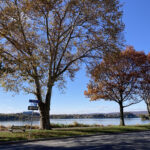
- Activate the riverfront and 2nd Street corridor with amenities, public art and retail to foster vibrancy.
- Build a coalition of stakeholders to coordinate economic development efforts and implement a shared vision.
- Launch a marketing and messaging campaign to celebrate successes and reshape perceptions of downtown Harrisburg.
The report underscored Harrisburg’s unique strengths—its scenic riverfront, historic architecture, and cultural assets—while acknowledging pressing challenges such as diminished foot traffic, underutilized office space and negative perceptions of safety. Downtown has the potential to be remade into a thriving residential hub supported by small businesses and enhanced public spaces, according to the report.
“We appreciate the great work of the ULI panel and all the important stakeholder comments and suggestions,” said Brad Jones, Harristown’s president and CEO. “This report can be an early tool to help inform the Harrisburg downtown master plan being formulated in partnership with Gov. Shapiro’s office and the downtown coalition being led by the Harrisburg Regional Chamber and CREDC.”
The report was the result of an 11-member team from ULI’s Philadelphia District Council. The real estate and land use experts conducted discovery research, conducted stakeholder interviews, took a walk tour of downtown Harrisburg and met with Harristown officials to formulate revitalization recommendations and strategies.
Jones added that, despite downtown’s challenges, Harristown continues to invest in and redevelop the area. Recent projects include a senior living project at 112 Market St., a new entertainment venue at Coronet Park, the conversion of apartments to condominiums at 18-22 S. 3rd St., and the proposed development of 90 more senior living apartments at 333 Market St., a former office building.
“The ULI TAP recognized that downtown Harrisburg has many of the right assets to be a thriving destination: historic architecture, picturesque waterfront, walkable streets, and the state Capitol as a magnificent backdrop,” said Danielle DiLeo Kim, principal, DDK Urban Consulting and the Downtown Harrisburg TAP Co-Chair. “The key is to leverage these assets with collaboration and urban innovation to bring social and economic vitality back to downtown Harrisburg.”
Click here to view the full ULI report.